Medical professionals consistently warn patients about the potential dangers associated with inserting objects into the ear canal. The common habit of cleaning ears with cotton swabs often leads to unintended consequences that require medical intervention. Understanding the anatomy of the ear reveals why this practice is risky and unnecessary for hygiene maintenance. The following points outline the primary medical reasons to avoid using these tools for internal ear cleaning.
Earwax Impaction
Using swabs often pushes earwax deeper into the canal rather than removing it effectively. This action compresses the wax against the eardrum and creates a hard plug that blocks sound. Medical professionals frequently have to remove these impacted masses using specialized tools or suction. Pushing the wax deeper disrupts the natural migration of debris out of the ear canal.
Risk of Eardrum Perforation

Accidental slips during cleaning can easily result in a punctured tympanic membrane. This thin tissue is extremely delicate and requires very little force to rupture or tear. A perforated eardrum causes significant pain and may lead to fluid drainage or hearing loss. Healing often takes weeks and sometimes requires surgical intervention to repair the damage.
Disruption of Self-Cleaning Mechanisms
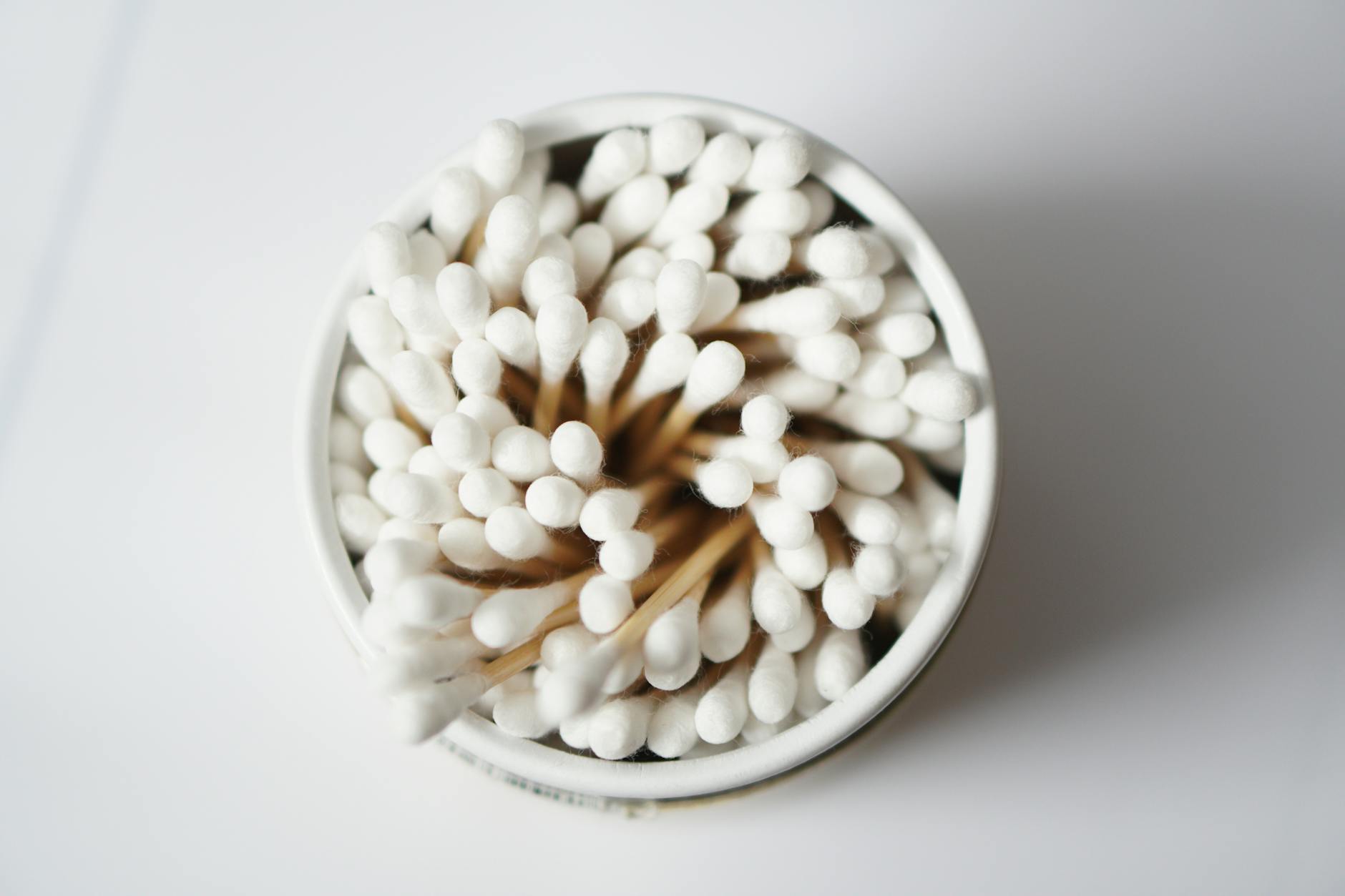
The ear canal has a specialized conveyor belt system that naturally moves skin cells and wax outward. Chewing and talking helps migrate old wax from the eardrum to the outer ear opening. Inserting a cotton swab interrupts this natural process and forces debris back into the wrong direction. The ear is designed to be self-cleaning and rarely needs manual assistance.
Introduction of Bacteria

Cotton swabs are not sterile medical instruments and can introduce harmful pathogens into the sensitive ear canal. Pushing bacteria deep into the warm and dark environment of the ear promotes rapid microbial growth. This introduction of foreign germs significantly increases the likelihood of painful ear infections. Doctors advise leaving the internal ear environment undisturbed to maintain a healthy bacterial balance.
Skin Abrasions and Cuts
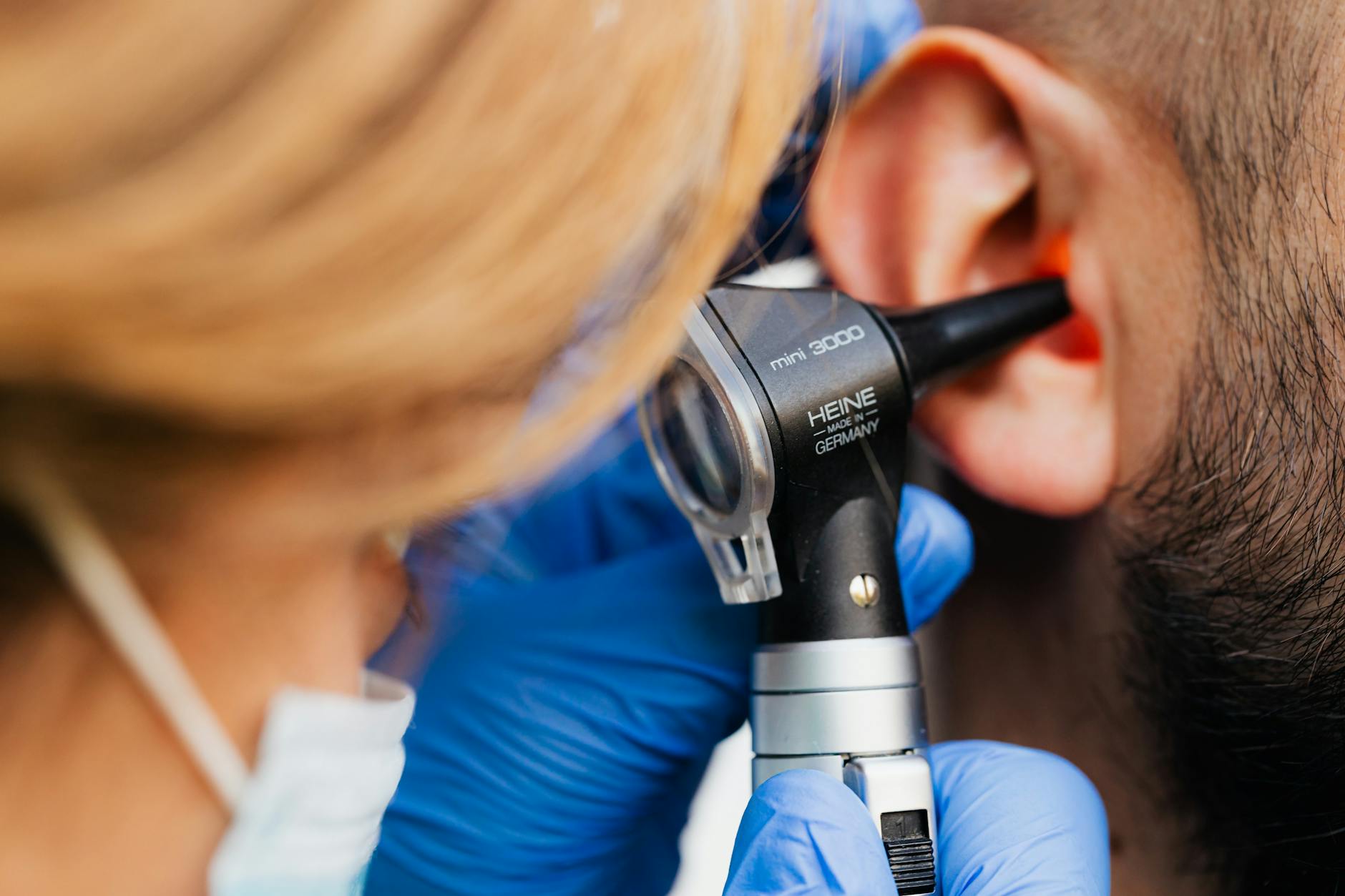
The skin lining the ear canal is incredibly thin and sensitive to friction. Vigorously rubbing this delicate area with a cotton tip causes microscopic scratches and abrasions. These small wounds compromise the skin barrier and create entry points for bacteria or fungi. Even minor trauma to the canal wall can result in significant discomfort and stinging.
Removal of Protective Lubrication
Earwax acts as a natural moisturizer that prevents the skin inside the ear from drying out. Constantly removing this protective layer leaves the canal dry and prone to itchiness. This creates a cycle where the user feels the need to scratch the itch with a swab. Stripping away natural oils compromises the health of the skin lining the canal.
Cotton Residue Accumulation
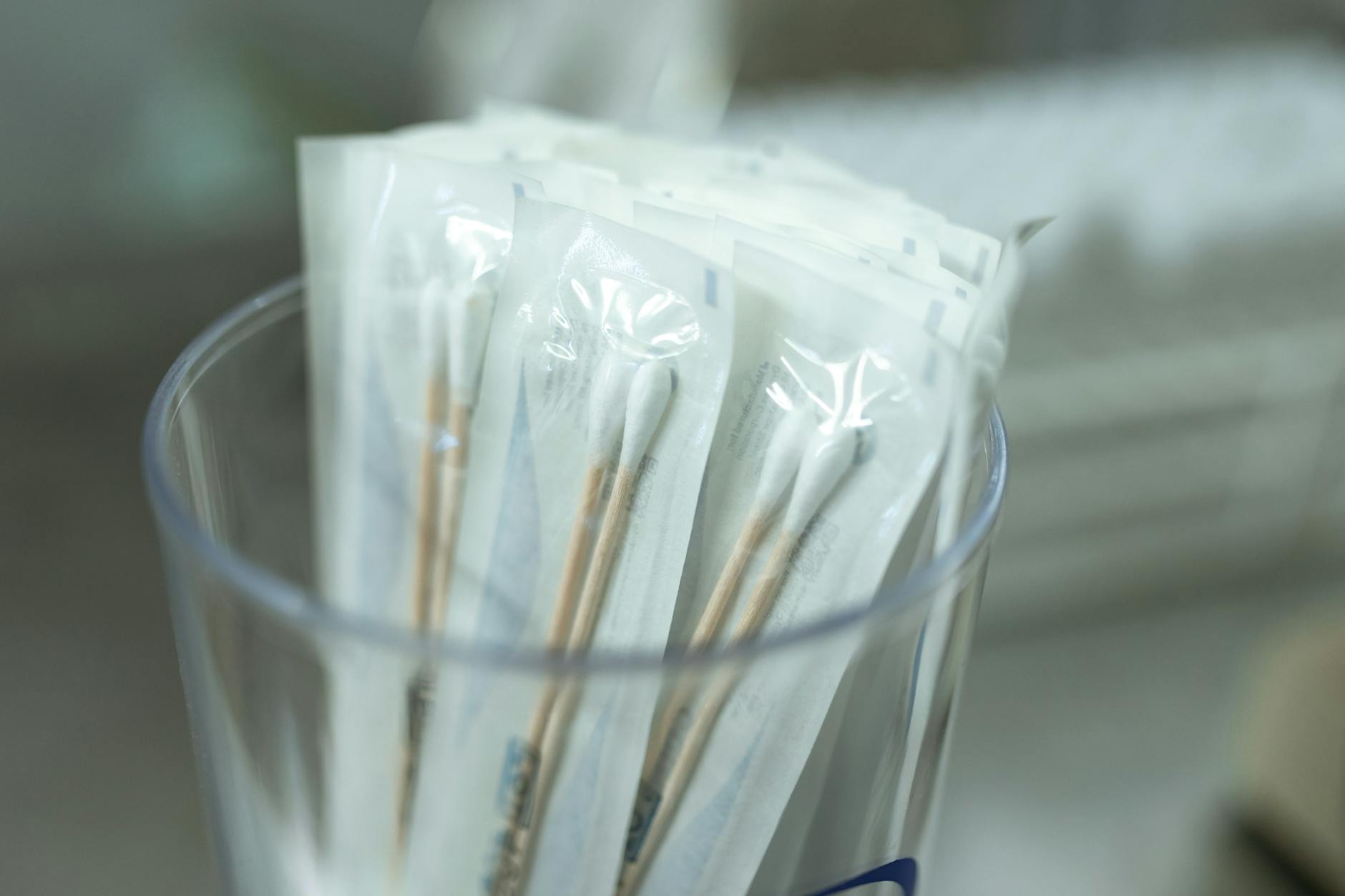
Cheaply made swabs often shed tiny fibers that get left behind inside the ear canal. These stray fibers can accumulate over time and act as a foreign body irritant. The presence of cotton debris creates inflammation and may trap moisture against the skin. Doctors often find these fibers embedded in wax during professional cleanings.
Increased Risk of Otitis Externa
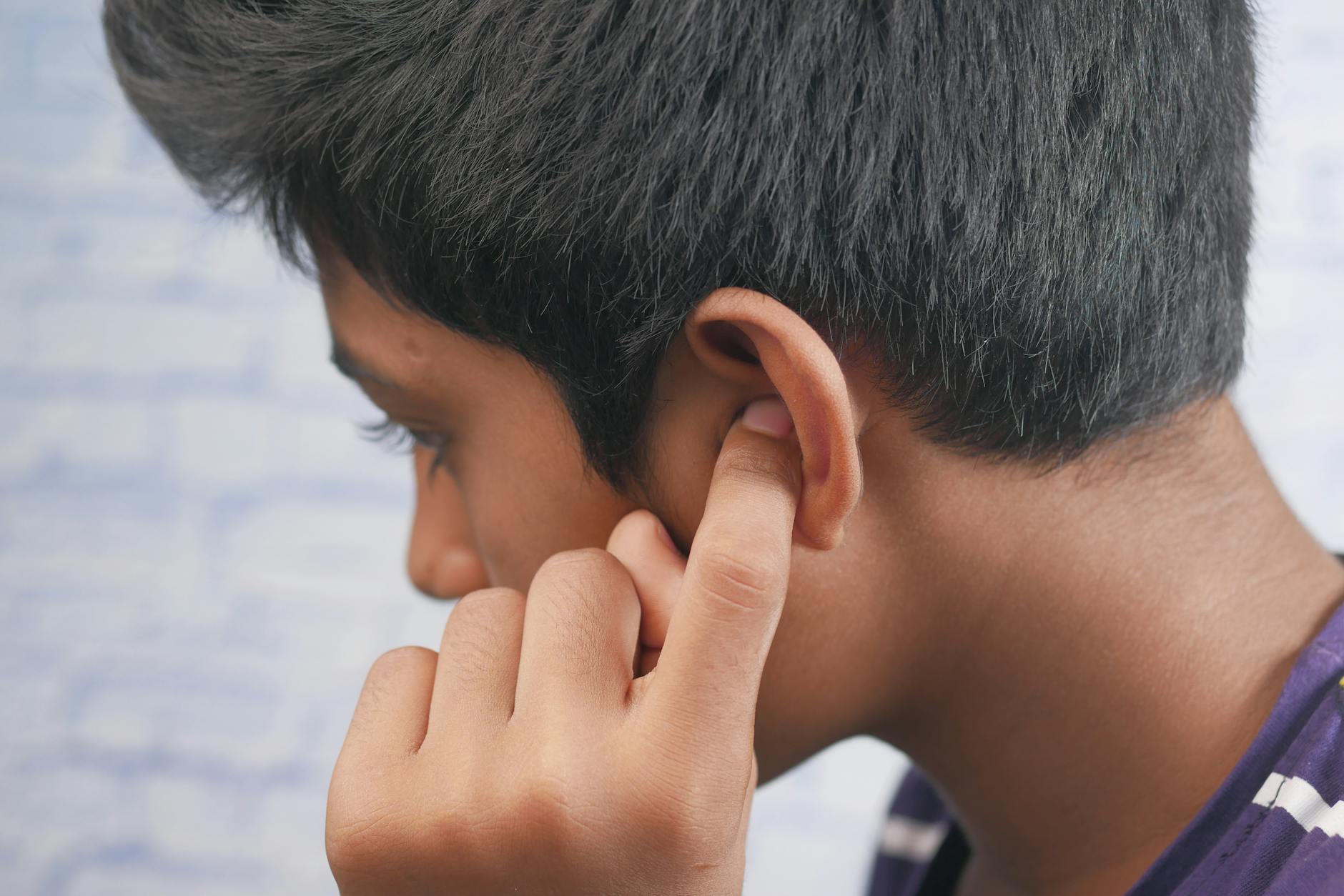
Swimmer’s ear or otitis externa is an infection of the outer ear canal often exacerbated by aggressive cleaning. Removing the protective wax layer makes the ear more susceptible to moisture damage and bacterial invasion. The combination of abrasion and moisture creates the perfect storm for this painful condition. Maintaining the natural wax coating helps waterproof the canal against infection.
Tinnitus Aggravation

Pushing wax against the eardrum can increase pressure within the ear and lead to ringing sounds. This mechanical pressure interferes with the conduction of sound waves and creates subjective noise. Patients often report relief from tinnitus once the impacted wax is professionally removed. Avoiding swabs helps maintain normal pressure levels within the auditory system.
Stimulation of the Cough Reflex

The ear canal contains a branch of the vagus nerve known as Arnold’s nerve. Stimulating this sensitive area with a cotton swab can trigger an involuntary coughing fit or gag reflex. This physical reaction is a protective mechanism meant to keep foreign objects out of the ear. Persistent irritation of this nerve can lead to chronic coughing issues.
False Sense of Cleanliness
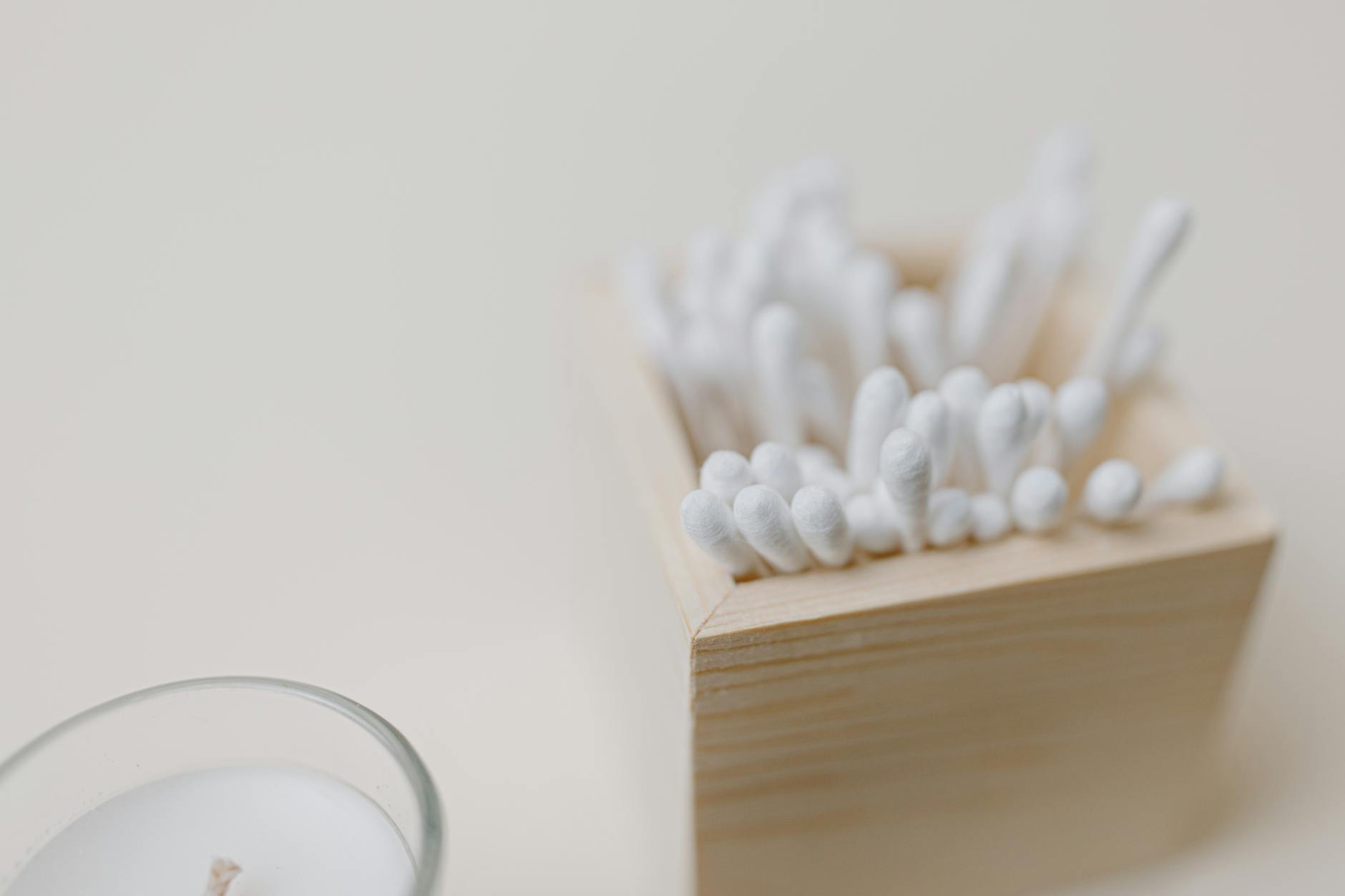
Seeing yellow wax on a cotton tip reinforces the belief that the ears are dirty and need cleaning. This visual confirmation creates a psychological habit that is difficult to break. The presence of wax is actually a sign of a healthy and functioning ear. Removing it provides no medical benefit and is purely a cosmetic preference with high risks.
Conductive Hearing Loss
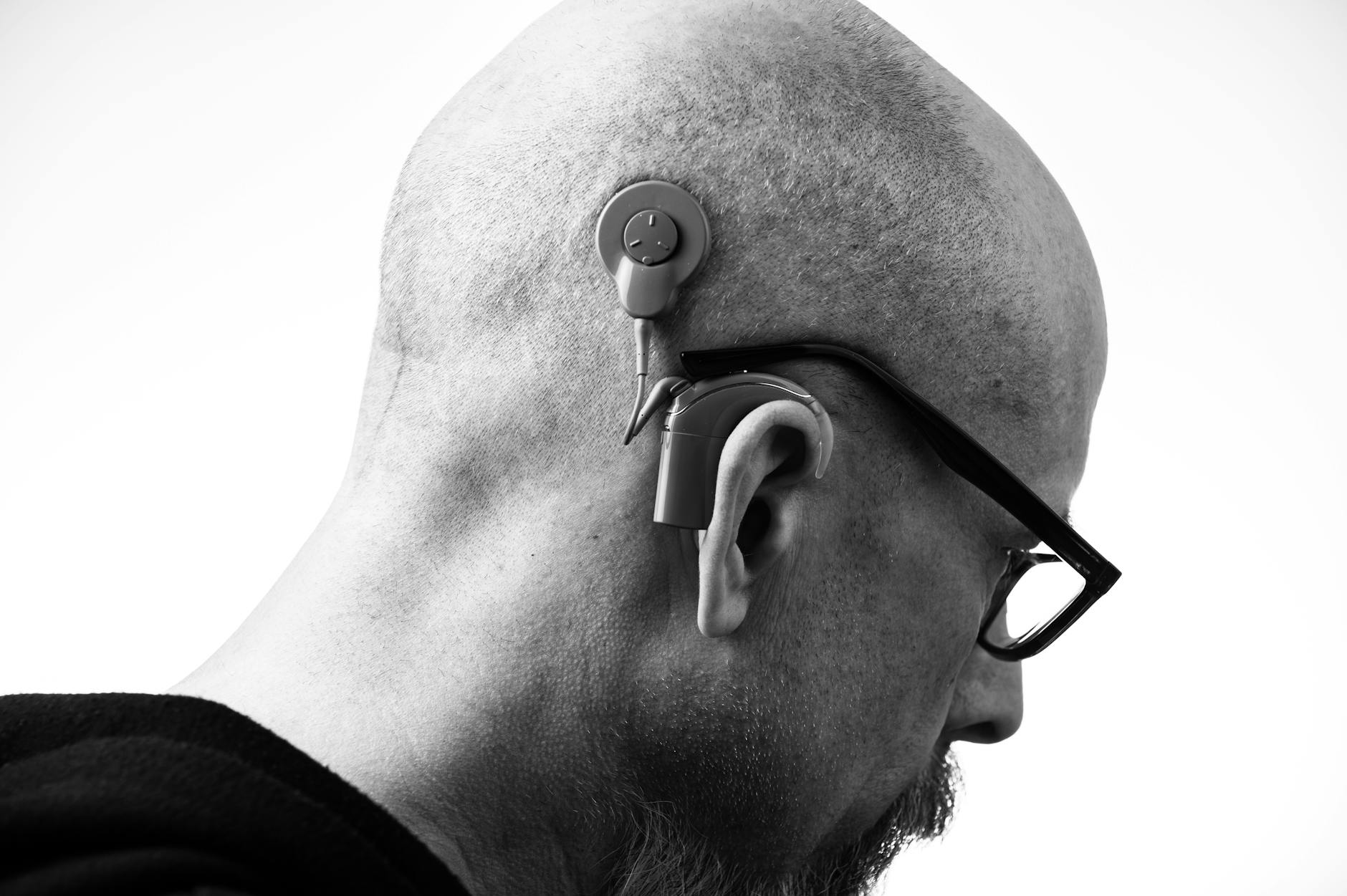
Impacted wax that is pushed against the eardrum prevents the membrane from vibrating correctly. This physical blockage results in a temporary reduction in hearing capabilities known as conductive hearing loss. Sounds become muffled and conversations may seem distant or unclear. Restoring hearing often requires professional removal of the obstruction created by the swab.
Vertigo and Dizziness

The inner ear houses the vestibular system responsible for balance and spatial orientation. Applying pressure to the eardrum or ear bones with a swab can disturb this delicate system. This disturbance may cause sudden bouts of dizziness or nausea in sensitive individuals. Doctors warn that deep insertion poses a risk to these balance centers.
Trapping of Water

Using swabs after swimming or showering can push water deeper into the canal behind a layer of wax. Trapped water softens the skin and creates a humid environment where bacteria thrive. This trapped moisture is a leading cause of fungal and bacterial infections in the ear. Natural evaporation is hindered when wax and water are compacted together.
Safe Alternatives Exist

Medical experts recommend using over-the-counter softening drops to manage excess wax accumulation safely. Irrigation kits or professional cleanings are far safer methods for removing debris without risking injury. Wiping the outer ear with a damp washcloth is sufficient for daily hygiene. Relying on safe alternatives prevents the myriad of complications associated with cotton swabs.
Please share your own experiences with ear health routines in the comments.