Clothing manufacturers frequently apply restrictive care labels to protect themselves from liability rather than to offer the best advice for the garment. Many fabrics labeled for dry cleaning actually fare better with gentle home laundering methods that preserve fiber integrity. Understanding the specific needs of different materials empowers consumers to bypass expensive services and harsh chemical solvents. Mastering a few simple hand washing techniques can significantly extend the lifespan of a wardrobe while saving money. This approach transforms laundry day into a deliberate practice of clothing maintenance and care.
Cashmere Sweaters
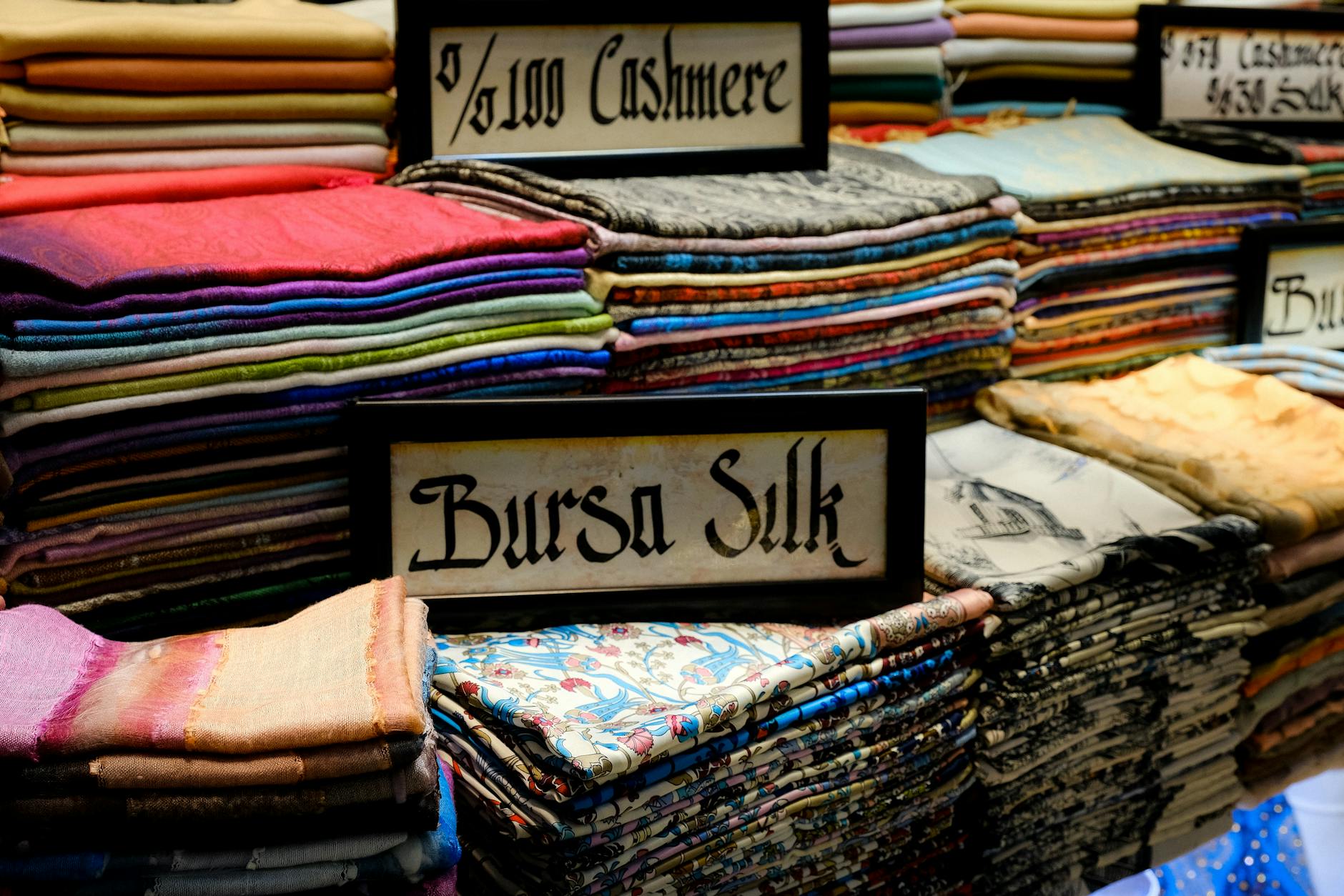
High-end knitwear often carries warnings against water washing despite wool being a washable natural fiber. Hand washing in cool water with a specialized wool shampoo keeps the yarns soft and hydrated. You must press the water out gently with a towel instead of wringing the fabric to avoid misshapen garments. Laying the sweater flat on a drying rack ensures it retains its original dimensions. This careful process removes oils and odors more effectively than dry cleaning solvents.
Silk Blouses
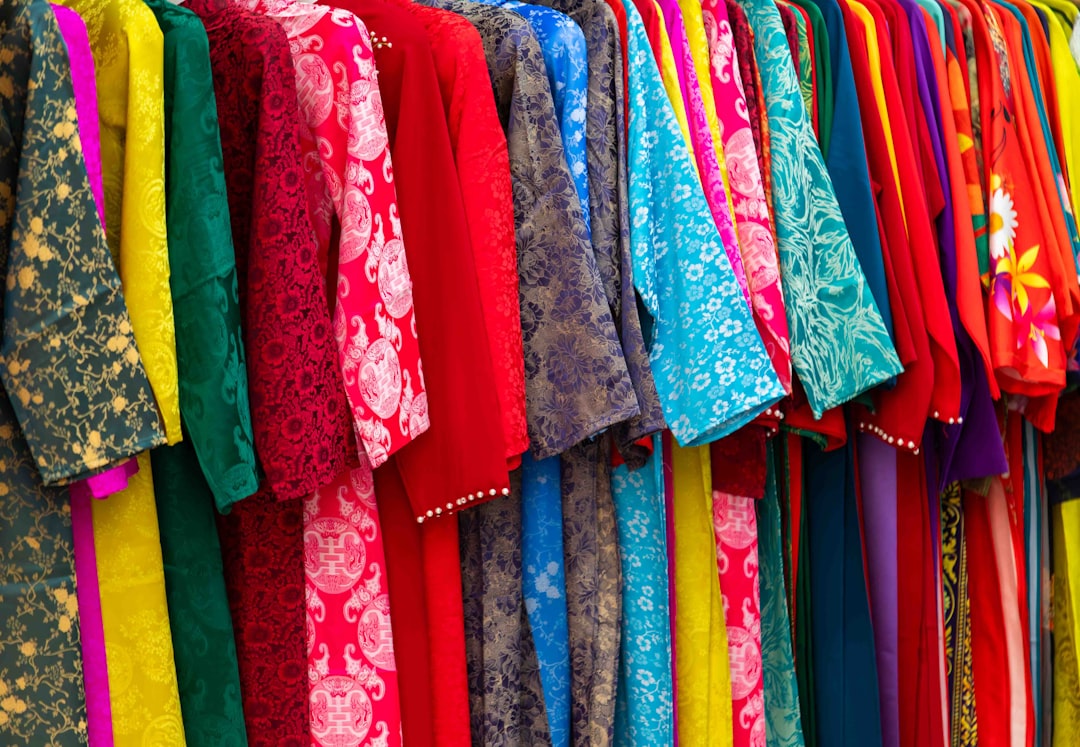
Silk fibers are strong when dry but become fragile when wet so they require delicate handling during washing. A quick dip in cool water with a pH-neutral detergent cleans the fabric without damaging its natural sheen. You should avoid soaking the material for long periods to prevent potential color bleeding or water spots. Rolling the garment in a clean towel removes excess moisture before hanging it to dry in the shade. Steaming the blouse once dry restores the smooth texture and eliminates wrinkles.
Linen Garments
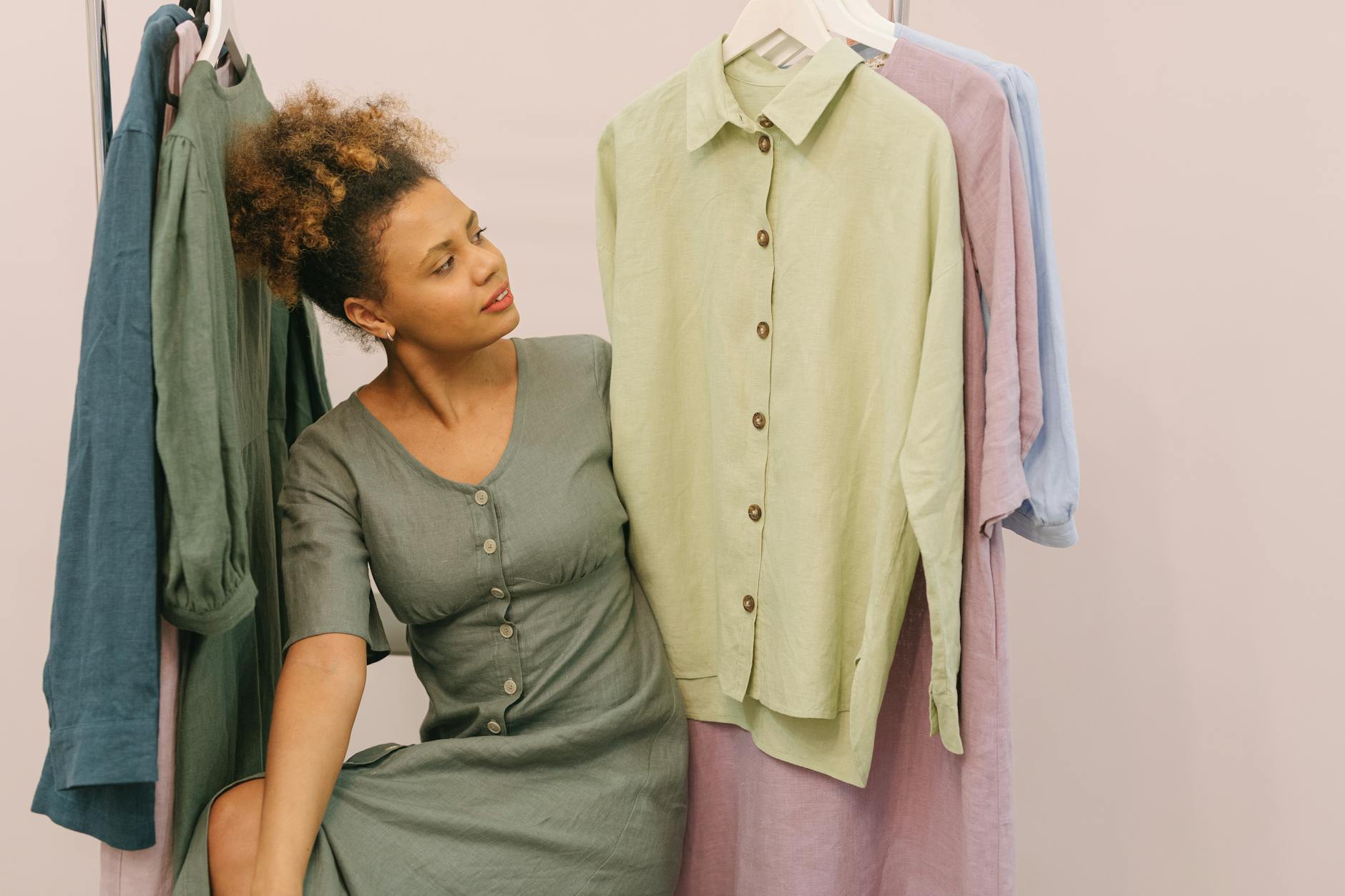
Linen is a durable natural fiber that actually becomes softer and stronger with repeated exposure to water. Machine washing on a gentle cycle with lukewarm water works perfectly for most unlined linen items. Removing the clothing from the machine while it is still slightly damp helps prevent hard creases from setting in. Air drying on a hanger allows gravity to smooth out the fabric naturally. Ironing the garment while it retains some moisture produces a crisp and professional finish.
Down Jackets
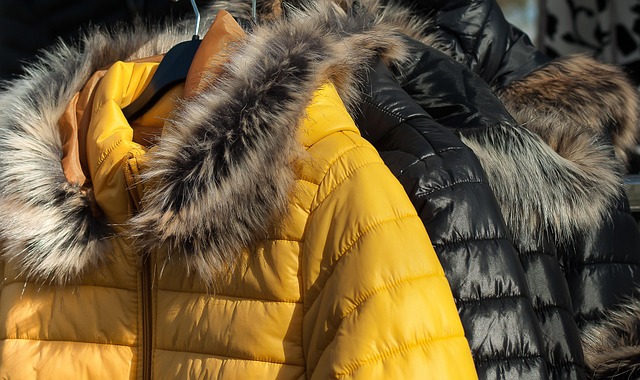
Many winter coats contain down feathers that lose their loft and warmth when subjected to dry cleaning chemicals. Machine washing these items in a front-loading washer with a down-specific cleaner preserves the insulating properties. Tumble drying on low heat with clean tennis balls breaks up clumps of wet feathers effectively. You must ensure the jacket is completely dry before storing it to prevent mildew growth inside the lining. This method restores the fluffiness of the jacket much better than professional cleaning.
Wool Coats
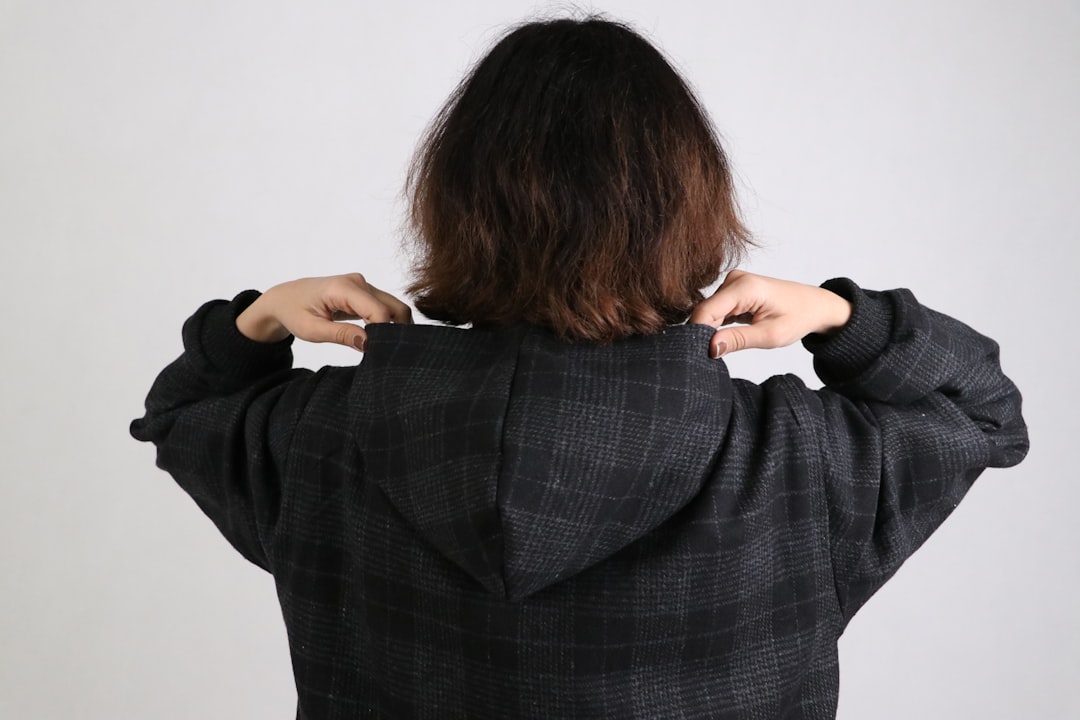
Outerwear made of wool often needs only spot cleaning and airing out rather than full immersion cleaning. Brushing the fabric with a sturdy garment brush removes surface dirt and lint accumulation. Steam refreshes the fibers and kills bacteria without the need for harsh detergents or full washing. Small stains can be treated individually with a mild soap solution and a damp cloth. This maintenance routine keeps the coat structured and fresh throughout the winter season.
Polyester Blends
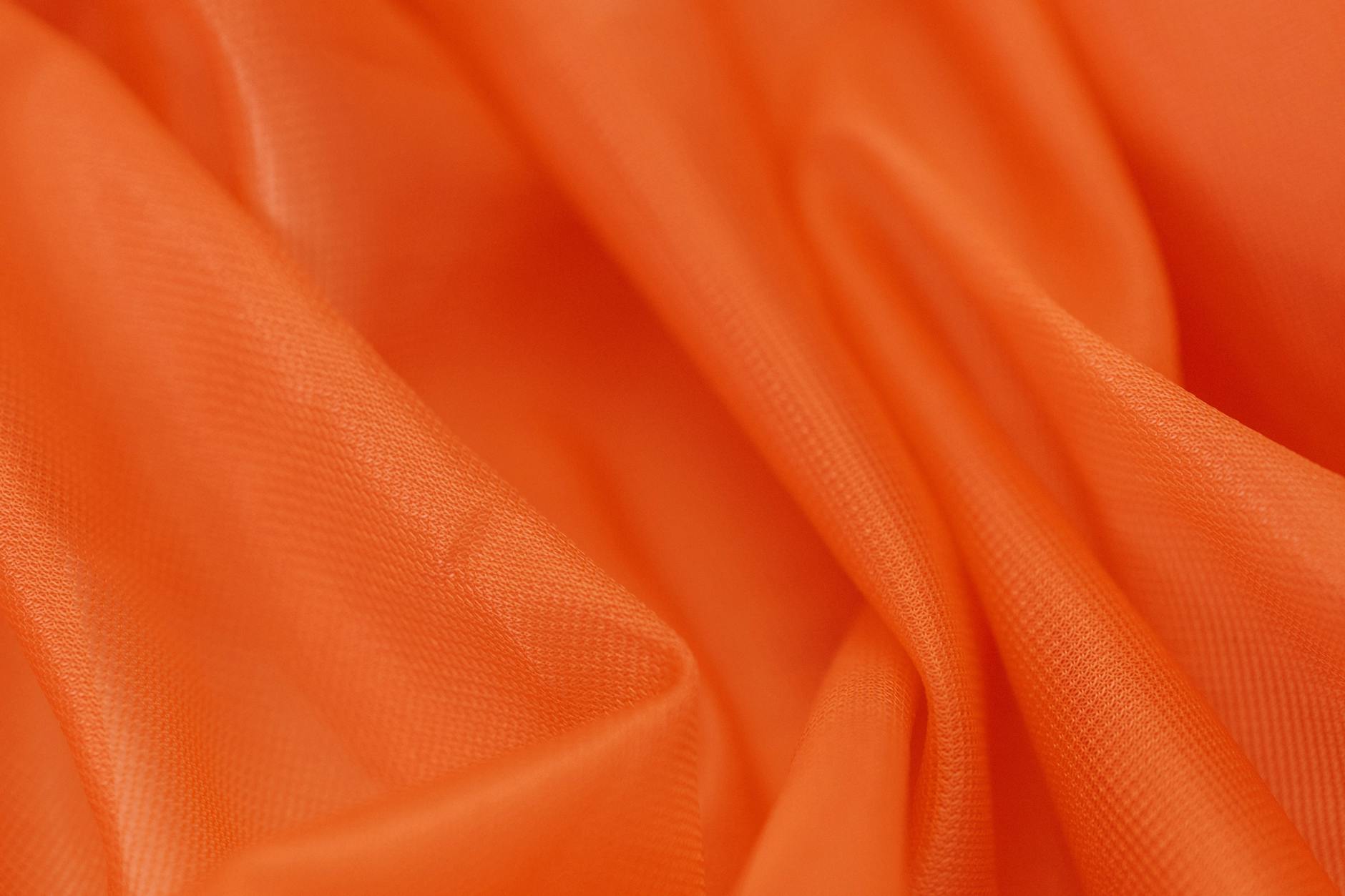
Synthetic fabrics are highly resilient and rarely require the delicate care implied by dry clean only labels. Most polyester items can withstand machine washing on a permanent press cycle with warm water. Turning the garment inside out protects the outer surface from pilling or snagging during agitation. Hanging these items to dry usually eliminates the need for ironing as the fibers resist wrinkling. Home laundering effectively removes sweat and oils that dry cleaning fluids often leave behind.
Cotton Dress Shirts
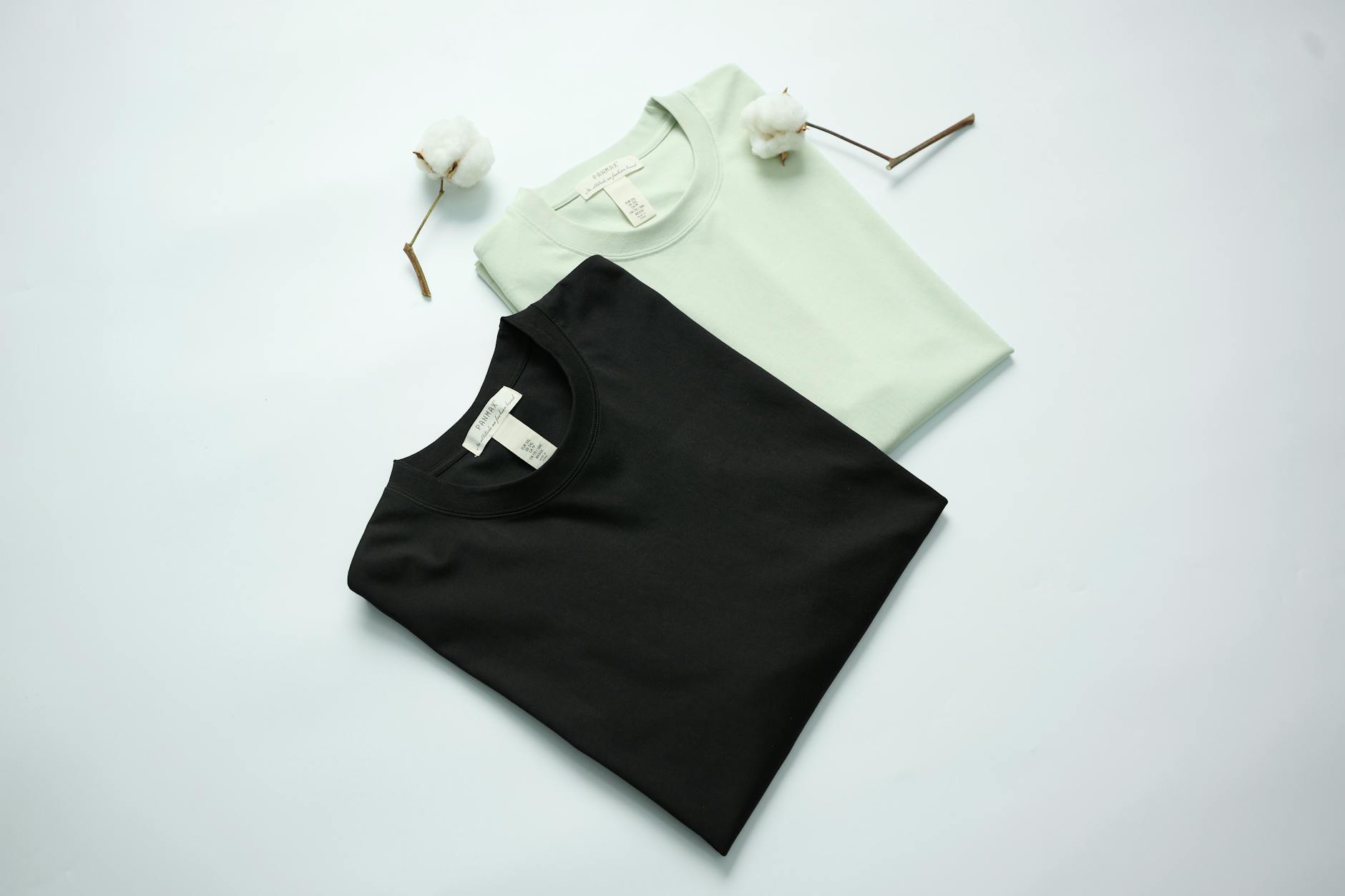
Laundering cotton shirts at home prevents the yellowing and fiber degradation often caused by industrial pressing machines. A warm water wash with a quality detergent breaks down body oils and grime effectively. Scrubbing the collar and cuffs with a stain stick prior to washing targets high-wear areas. Ironing the shirt while it is still slightly damp yields a smooth and crisp appearance. This routine dramatically increases the wearable life of high-quality cotton shirts.
Denim Jeans
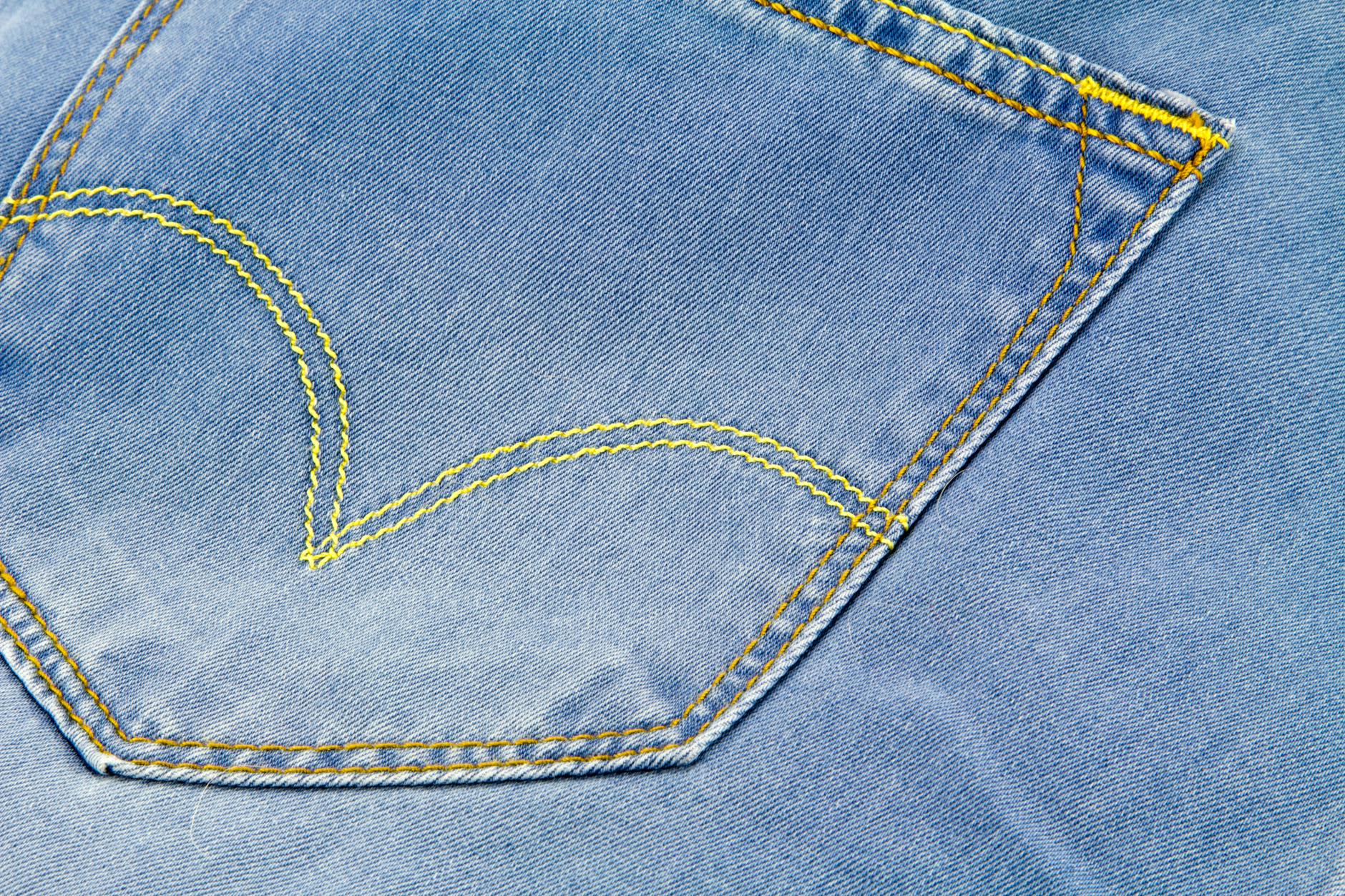
Raw or high-end denim enthusiasts know that frequent washing breaks down the fabric and fades the indigo dye. Freezing jeans overnight kills odor-causing bacteria without subjecting the cotton to water or friction. Spot cleaning visible stains with a damp cloth maintains the appearance between rare washes. When washing is necessary you should turn them inside out and use cold water. Air drying prevents shrinkage and preserves the fit that makes the jeans unique.
Velvet Clothing

Velvet made from cotton or synthetics can often be refreshed at home without a trip to the cleaners. Steaming the garment from the underside lifts the pile and removes creases without crushing the texture. Spot treating stains requires a light touch to avoid matting the delicate fibers down permanently. Hanging the item in a steamy bathroom can also release wrinkles gently. It is essential to avoid ironing velvet directly as the heat destroys the three-dimensional fabric surface.
Unlined Blazers

Jackets without complex interlining or shoulder pads handle gentle hand washing surprisingly well. Submerging the blazer in cool water with mild detergent removes perspiration and odors effectively. Rinsing thoroughly is key to preventing soap residue from dulling the fabric appearance. Reshaping the jacket on a structured hanger while wet ensures it dries in the correct form. Steaming the blazer once dry relaxes the fibers and restores a tailored look.
Share your own laundry victories or disasters in the comments to help others navigate their garment care.