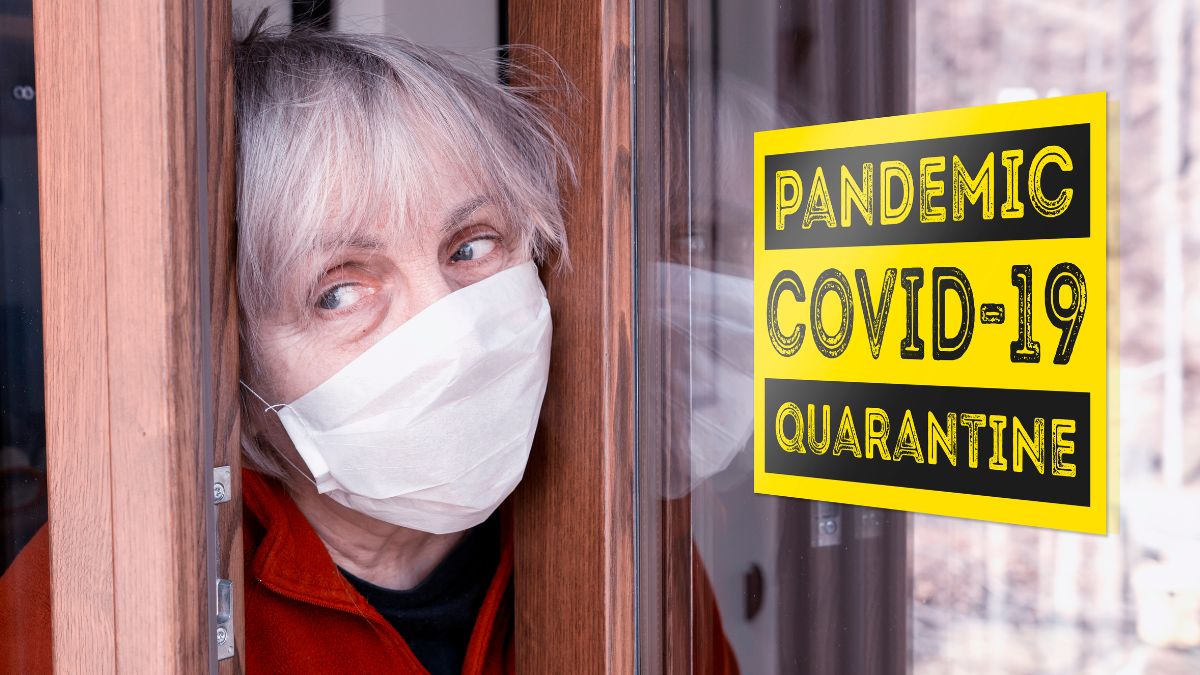
Longing for life as it existed before March 2020 has become one of the most universally shared experiences of this decade. As the world marks six years since the pandemic upended daily life, a quiet but persistent grief has settled over millions of people who feel they never quite got to say goodbye to the world they knew. Whether the nostalgia points back to 2019, 2016, or even 2008, the underlying sentiment is the same: things felt easier before. But is that actually true, or are we simply idealizing a past that was never as perfect as it now seems?
Rebecca Moravec, a licensed professional counselor and trauma therapist based in Denver, puts it plainly. “I don’t think things are objectively worse,” she says, “but I do think we feel worse, and I don’t think we should ignore that feeling.” For some, certain aspects of life genuinely are harder now than they were a decade ago, while for others, circumstances were more difficult back then. Still, the widespread sense that something fundamental shifted after the pandemic is real, and therapists say there are solid psychological reasons behind it.
One of the most significant and underacknowledged factors is grief that was never fully processed. When hospitals were overwhelmed and public health restrictions made gathering impossible, families were often unable to be present with dying loved ones in the ways they would have chosen. Funerals were held under severe limitations, and the rituals that typically help people move through loss were stripped away. Ruth Ellingsen, a clinical associate professor in the Department of Psychology at the University of Oregon, explains the consequences clearly. “We couldn’t grieve in the ways we were used to,” she says, adding that this kind of loss often leads to “prolonged or complicated, even traumatic grief responses.” People dealing with complicated grief frequently find themselves unable to return to normal functioning, consumed by pain long after the loss has passed.
Beyond death, the pandemic also took jobs, routines, celebrations, and significant life milestones. Paule-Veronique Gnapi, a clinical mental health therapist practicing in Pennsylvania, sees this broader picture in her clients. “I think life feels worse because people are still recovering from collective grief,” she says. “Millions of people died around the world, and even if you didn’t personally lose someone, you are still suffering, because it’s not just about who you lost but also what you lost.”
The pandemic also functioned as a collective trauma in the clinical sense of the word. Gnapi describes trauma as anything that surpasses a person’s capacity to cope with what is happening to them. The sudden and disorienting onset of the pandemic placed enormous pressure on people to adapt in real time to an unstable and frightening reality. “I think that’s why people have become more susceptible to feeling traumatized, and why they’re now struggling to find a sense of stability again,” she adds. Trauma does not simply dissolve once the immediate threat fades, and Gnapi notes that “people are still recovering and living with the feeling of being vulnerable and unsafe” even now, six years later. After a collective trauma of this scale, the brain becomes hypersensitive to danger, and the nervous system begins to treat other people as potential sources of threat rather than comfort. “The world starts to feel more unsafe,” she says.
The mental health data backs up what therapists are seeing in their practices. Ellingsen points to a striking statistic: anxiety and depression increased by 25 percent globally in the period following the pandemic’s onset. While numbers have since begun to stabilize, many people are still managing the fallout. “So much happened all at once that we know drives stress, anxiety, and depression,” she says, including housing instability, economic disruption, social isolation, and illness, “and a good chunk of that is still present.”
@saharrooo pls tell me y’all relate 🥲🥲🥲 #relatable #girl #girls #teen #teens #teenagers #teenager #grwm #grwmroutine #grwmmakeup #viral ♬ original sound – Sahar Dahi
Another dimension of the ongoing difficulty is the absence of a clear ending. Moravec explains that people experienced a prolonged collective trauma “with no clear finish line in sight.” Schools reopened, offices filled back up, but these transitions happened unevenly and at different times depending on location and circumstance. As she puts it, “it’s as though that difficult period had no real ending, and when we’re emerging from trauma and processing it, we often need a clear sense of closure.” She references the work of author Emily Nagoski, describing it this way: “She talks about the tiger chasing you, and then suddenly the tiger disappears. You don’t just feel fine. You probably need to fall apart, cry, tell the story.” Simply declaring that the pandemic is over doesn’t erase the traumatic experience. “Trauma doesn’t disappear just because the threat has weakened,” Moravec says.
Social isolation has also quietly compounded everything else. Ellingsen identifies it as perhaps the single biggest ongoing problem. “People have, to a degree, simply remained more isolated than they were before COVID,” she says. Technology that adapted to pandemic conditions made remote everything possible, from work to medical appointments, and the result is that many people spend significantly less time physically with others than they once did. “We know that really takes a toll on mental health,” she says. Before the pandemic, people were effectively required to be more social. That built-in structure has not fully returned, even for those who genuinely miss it.
Finally, there is the way memory itself distorts the past. Our brains naturally associate the pre-pandemic years with predictability and safety, even if that era had its own share of difficulties. Moravec acknowledges this directly: “Trauma from 2020 disrupted our sense of continuity. I think our nervous systems are longing for a time when the ground felt stable, even if that’s somewhat of a myth.” It’s worth remembering that memory is selective, and the exhaustion, loneliness, and systemic problems that existed before 2020 tend to fade while the general sense of ease remains.
The good news is that there are concrete steps people can take. Seeking professional support for unresolved trauma is one. Moravec also encourages people to ask themselves what they genuinely want from their lives and then take small, specific steps toward it. Ellingsen advocates for intentional socializing, not necessarily packed social calendars, but a deliberate push to spend more time with people in person. “We are social beings and we thrive with others, but I think we need a little more of a push these days,” she says. Getting outside also matters: “We were all indoors for so long, and being in nature has beautiful effects on mental health.” Most of all, both experts encourage self-compassion. As Moravec says, “We’ve been through something that changed everything from the ground up. It makes sense that you don’t feel stable yet.”
The term “prolonged grief disorder” was only officially added to the DSM-5 in 2022, meaning the pandemic essentially gave clinicians a real-time case study in mass complicated grief on a scale never previously documented. Researchers studying nostalgia have found that the brain processes the longing for the past in some of the same neural regions associated with physical pain, which explains why pre-pandemic memories can feel almost physically aching. The WHO has also noted that the pandemic-related surge in mental health conditions represented the largest single disruption to mental health services globally since records began.
What has your experience been like since 2020 and do you feel like you’ve been able to fully process everything that changed — share your thoughts in the comments.