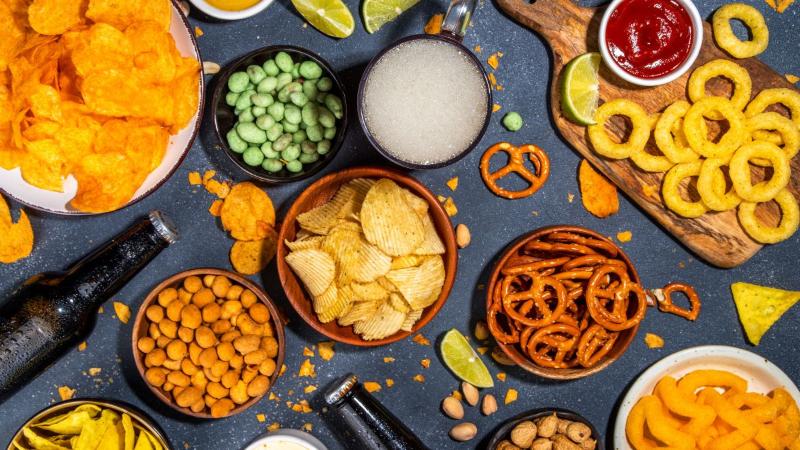
In recent years, scientists have begun comparing certain everyday foods to cigarettes, warning that their impact on health could be more serious than many people realize. These products are known as ultra processed foods, and they are now a major part of the modern diet in many countries. Researchers say these foods are often engineered to be irresistible and may even trigger addictive behavior similar to tobacco. Because of that, some public health experts argue they should be regulated more strictly. The concern is not only how often people eat them but also how they influence long term health.
Ultra processed foods include items such as chips, sugary breakfast cereals, soda, packaged sweets, instant noodles, and many ready to eat meals. These products usually contain refined ingredients, artificial flavors, additives, and preservatives that are rarely found in home kitchens. They are typically high in sugar, salt, and unhealthy fats while providing little fiber or nutritional value. According to research cited by the American Journal of Preventive Medicine, increasing the share of ultra processed foods in a diet by just 10 percent was associated with a 2.7 percent rise in the risk of premature death.
Scientists say one reason these foods are so problematic is the way they are designed. Food manufacturers often combine refined carbohydrates with fats and flavor enhancers to create a powerful reward response in the brain. Researchers explained that these ingredients stimulate dopamine release, which is the same feel good chemical associated with pleasure and motivation. As one report noted, ultra processed foods with refined carbs and fats are “some of the most potently rewarding substances in the modern diet.” This effect can make people crave them repeatedly even when they are not hungry.
Another factor is how quickly these foods are digested. Unlike whole foods that contain fiber and nutrients that slow digestion, ultra processed products break down rapidly in the body. This allows sugar and fat to enter the bloodstream quickly, delivering a fast burst of energy and pleasure. Researchers say this rapid delivery system resembles the way cigarettes deliver nicotine to the brain. In both cases the product is optimized to create a quick and reinforcing response that encourages continued consumption.
The similarities between the food and tobacco industries have also raised concern among experts. Researchers from Harvard University, Duke University, and the University of Michigan have pointed out that both industries use sophisticated marketing and product design to maximize consumer appeal. They argue that these foods are deliberately engineered to encourage repeated use and dependency. One report concluded that ultra processed foods “have more in common with cigarettes than with fruits or vegetables.”
Health risks associated with these foods have been widely studied. High consumption has been linked to obesity, type 2 diabetes, cardiovascular disease, and metabolic disorders. Some research also suggests connections with certain cancers and neurological conditions. Scientists believe these risks may stem from a combination of poor nutritional content, additives, and the way these foods disrupt the body’s natural appetite regulation.
Another issue is the sheer amount of ultra processed food people consume today. In many Western countries these products account for a large share of daily calories. Some studies suggest they can make up anywhere from a quarter to more than half of the average person’s energy intake. Because they are convenient, inexpensive, and heavily advertised, they often replace healthier options such as fresh fruits, vegetables, and whole grains.
Scientists are still investigating exactly why these foods appear to have such widespread health effects. Some believe the main issue is their nutritional composition, especially high sugar and fat levels. Others suspect the industrial processing itself may alter how the body responds to food. There is also ongoing debate about whether certain additives and emulsifiers may influence gut bacteria or inflammation. While the exact mechanisms are still being studied, the growing body of evidence suggests reducing consumption is a wise step.
Nutrition experts generally recommend focusing on minimally processed foods whenever possible. This includes fresh produce, whole grains, legumes, nuts, and lean proteins. Cooking at home with basic ingredients can significantly reduce the intake of hidden sugars, additives, and excess sodium. Even small changes such as swapping sugary snacks for fruit or choosing whole grain products instead of refined ones can make a difference over time.
Understanding what counts as ultra processed food is also helpful. Foods that come in long ingredient lists filled with chemical sounding additives are often the biggest offenders. Items that are heavily packaged, shelf stable for long periods, or ready to eat with minimal preparation often fall into this category. Learning to read nutrition labels can help people recognize these products and limit their consumption.
Researchers emphasize that moderation is key rather than complete avoidance. Occasional treats are unlikely to cause harm if the overall diet is balanced and nutritious. The problem arises when these foods become the foundation of daily eating habits. Over time, frequent consumption may gradually increase health risks and contribute to chronic disease.
The conversation around ultra processed foods is still evolving as scientists continue to study their long term effects. However, many experts agree that awareness is an important first step toward healthier choices. Understanding how these foods are designed and how they affect the body can help people make more informed decisions about what they eat.
What do you think about the idea that ultra processed foods are the new cigarettes and how often do you include them in your diet share your thoughts in the comments.