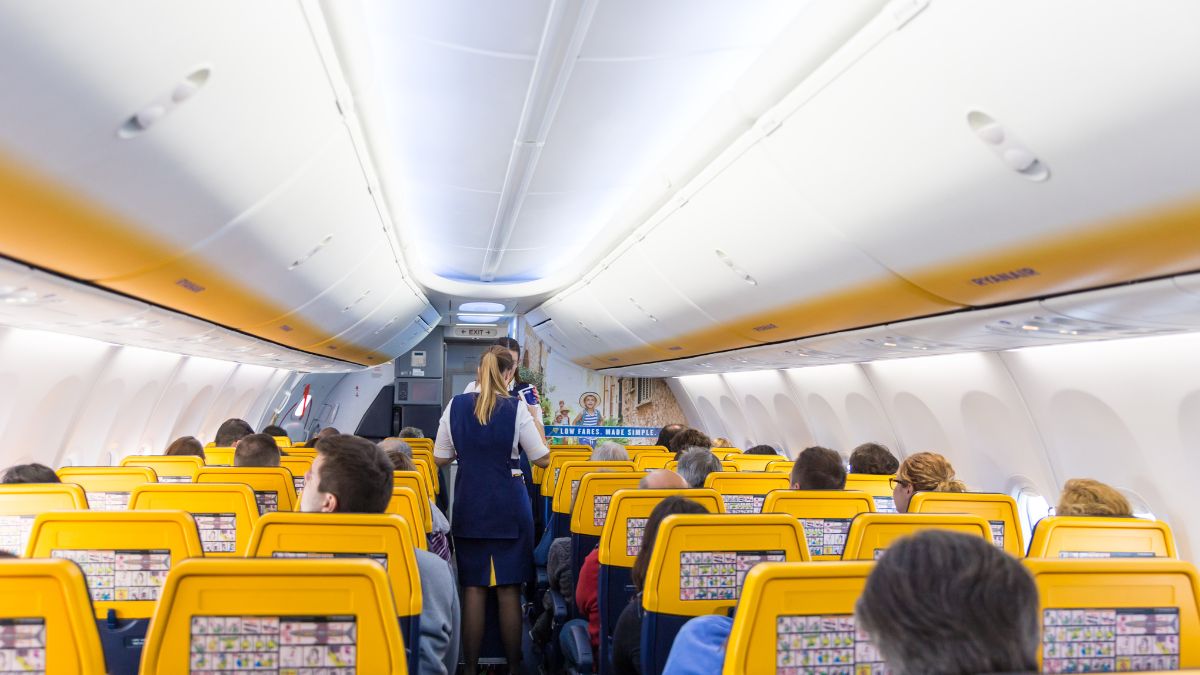
Being cabin crew comes with a polished image, but that look is backed by a long list of do’s and don’ts designed to keep everything professional and predictable. Barbara Bacilieri, a 33-year-old flight attendant who has spent 14 years in the role, recently shared how carefully staff are expected to behave the moment they put on their airline uniform. It’s not just about looking neat, she explained, but about protecting the company’s reputation and avoiding scenes that can quickly spiral in busy airports.
Some of the restrictions are exactly what you would expect, while others sound almost comically specific until you picture them in real life. Bacilieri said public displays of affection are off the table, including kissing or any obvious show of intimacy while in uniform. Smoking is also banned, whether it’s traditional cigarettes or vaping, which many people still treat as a harmless alternative. Alcohol is another clear no, and she described the ban as strict rather than flexible.
The smaller etiquette rules are where the job starts to feel especially controlled. She said chewing gum isn’t allowed, which makes sense when you consider how it can look in a customer-facing role. Even “blowing bubbles” made the list, a detail that sounds funny on paper but would stand out instantly in an airport terminal. She also noted that drinking coffee at the boarding gate isn’t permitted, a rule that’s less about caffeine and more about maintaining a composed, ready-to-work presence in front of passengers.
Then there’s the surprising topic of water, which Bacilieri described as something crew often try to handle discreetly. On many flights, water is a basic part of service and is typically free. The issue is timing and visibility, because a single glass of water can trigger a wave of requests across the cabin. If passengers see a crew member walk by with water in hand, others may immediately ask for the same, and the service pace can suddenly shift from manageable to nonstop.
That’s why, she said, flight attendants sometimes try to keep water out of sight while moving through the cabin. It isn’t a formal company policy, more of a practical habit learned through experience. She suggested that if a passenger wants water, it can be quicker and less disruptive to walk to the galley and ask politely rather than pressing the call button from the seat. She also pointed out that some low-cost airlines may charge for bottled water, so it’s worth checking the rules before you fly.
What do you think is fair when it comes to cabin crew rules and passenger expectations, and have you ever noticed the “hidden water” trick on a flight? Share your thoughts in the comments.