Social media has transformed the way people discover and experience international travel, but not always for the better. Millions of users scroll through curated feeds filled with picture-perfect destinations, creating waves of mass tourism that are fundamentally altering the character of beloved places around the world. Local communities, fragile ecosystems, and centuries-old cultural sites are bearing the brunt of a phenomenon driven largely by the pursuit of likes and followers. What follows is a closer look at twenty destinations where influencer culture has left a measurable and deeply concerning mark.
Bali
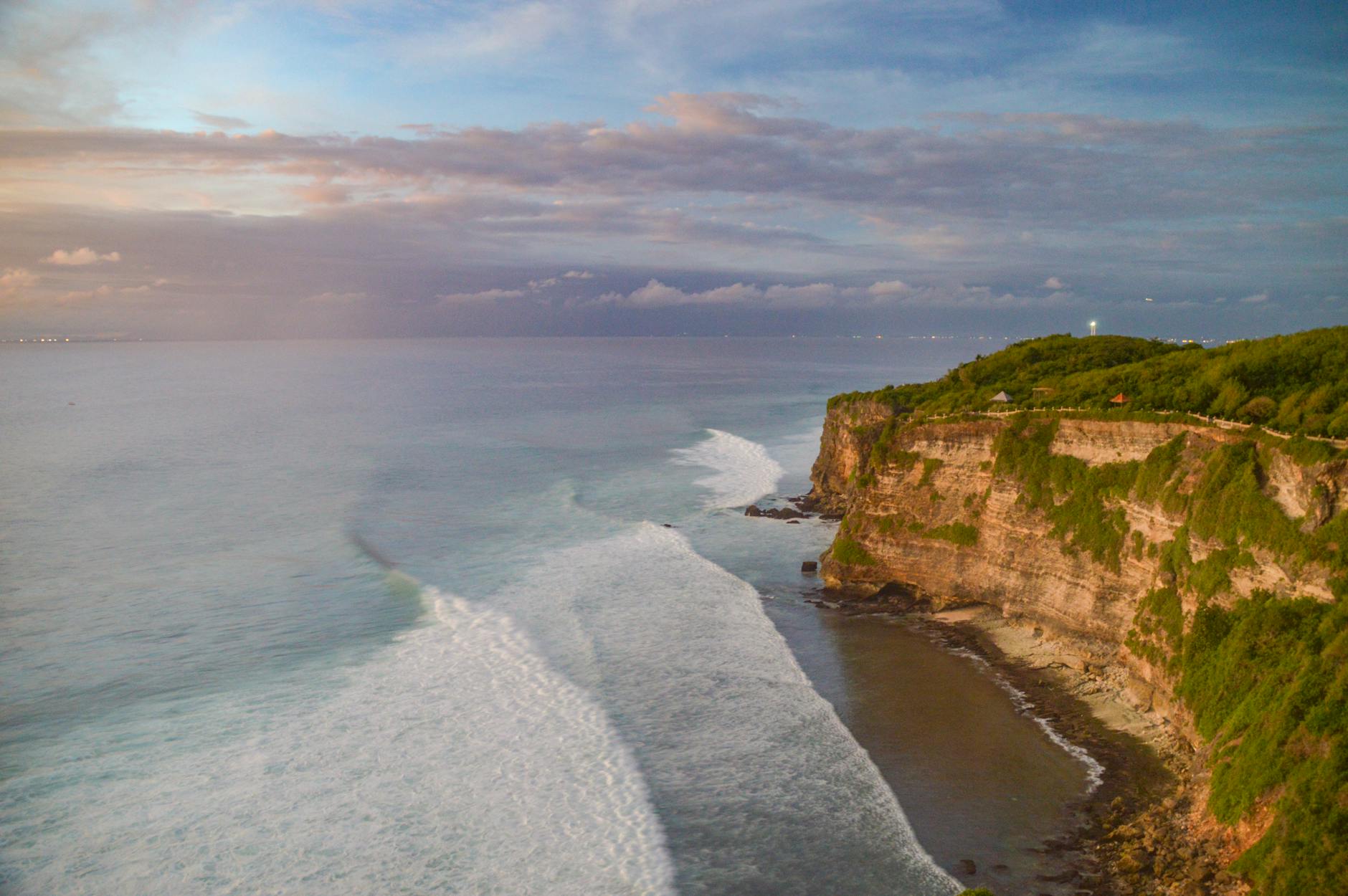
This Indonesian island once drew travelers seeking spiritual retreat and authentic cultural immersion in its terraced rice fields and ancient temples. The rise of influencer tourism has led to overcrowding at sacred sites like Tanah Lot and Uluwatu, where photo queues now stretch longer than the religious ceremonies themselves. Locals in Ubud report that the authentic market culture has been steadily replaced by Instagram prop shops selling flower crowns and aesthetic breakfast bowls. Entire rice paddies have been converted into “Instagrammable” swing installations designed purely for content creation. The commodification of Balinese Hindu culture for social media aesthetics has drawn significant criticism from religious leaders and community elders.
Santorini
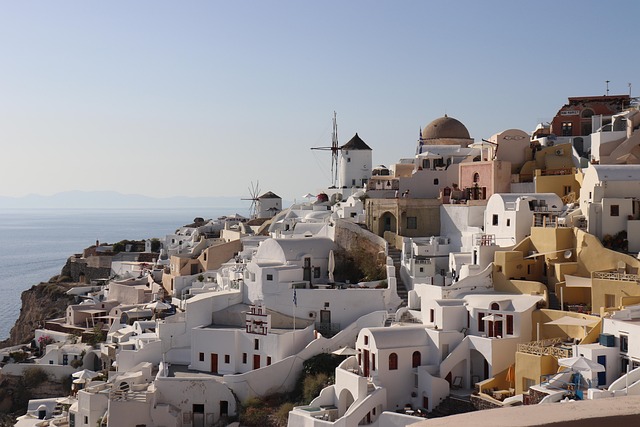
The iconic blue-domed churches of Oia have become so synonymous with influencer content that the narrow cobblestone paths are now perpetually gridlocked with photographers and their equipment. The Greek island receives millions of visitors annually and its infrastructure was never designed to handle the volume that social media virality has produced. Residents have raised concerns about water shortages, waste management failures, and the erosion of the genuine village atmosphere that made Santorini worth visiting in the first place. Property prices have surged dramatically as traditional homes are converted into content-friendly boutique accommodations. The sunset at Oia, once a peaceful communal experience, now resembles a competitive sporting event with tripods and ring lights lining every wall.
Kyoto
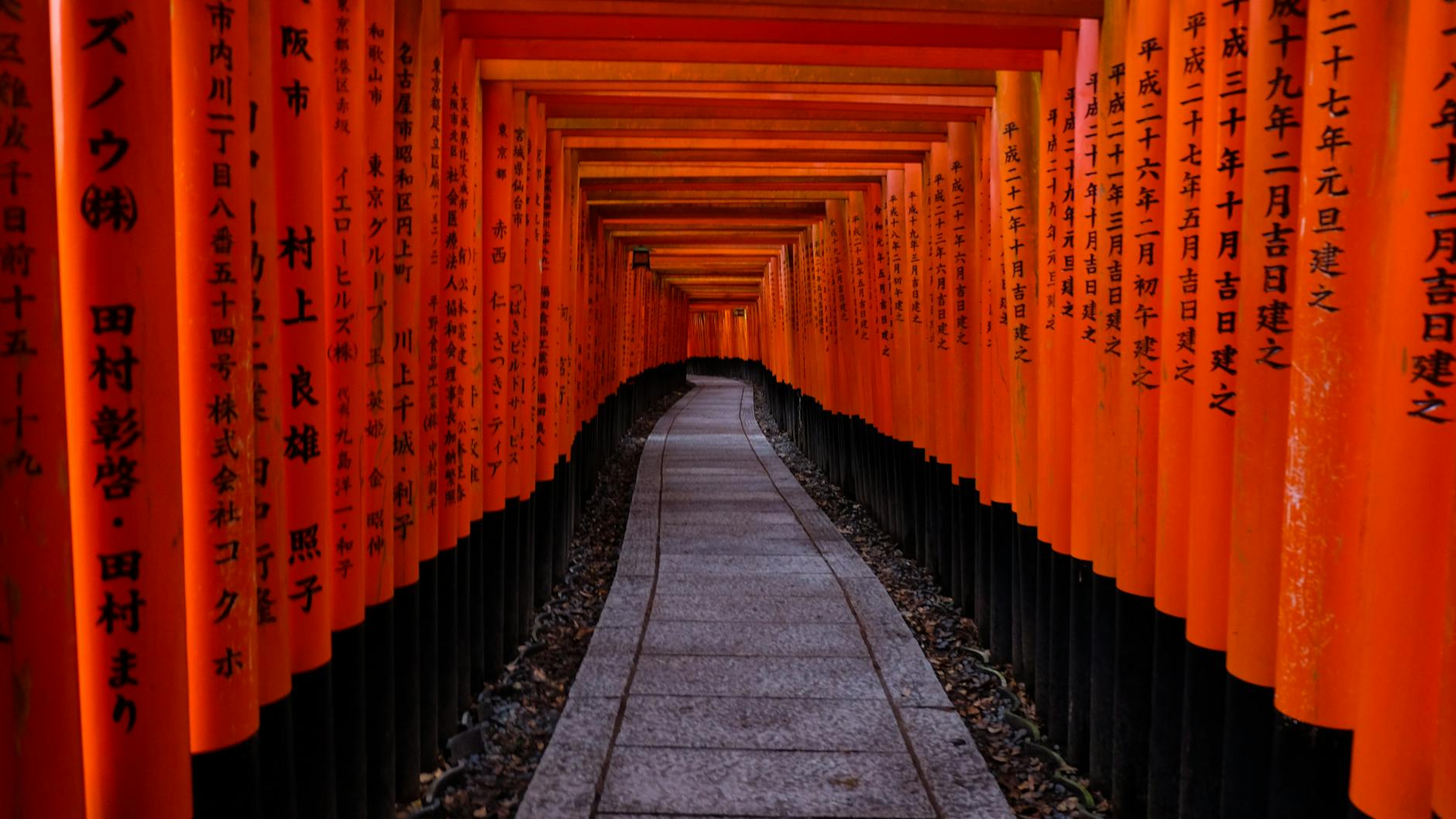
Japan’s ancient imperial capital is home to some of the most historically significant temples, gardens, and geisha districts in all of Asia. The Gion district has become a particular flashpoint where tourists relentlessly pursue and photograph geiko and maiko despite clear signage and community requests for privacy. Residents of Gion successfully lobbied for photography bans on certain private streets after years of harassment and property damage caused by content-hungry visitors. The famous Fushimi Inari shrine now sees enormous queues of visitors waiting for a clear shot of the torii gate tunnels free of other people. Japanese cultural commentators have noted a growing tension between the country’s tradition of respectful tourism and the increasingly aggressive behavior of social media content creators.
Dubrovnik
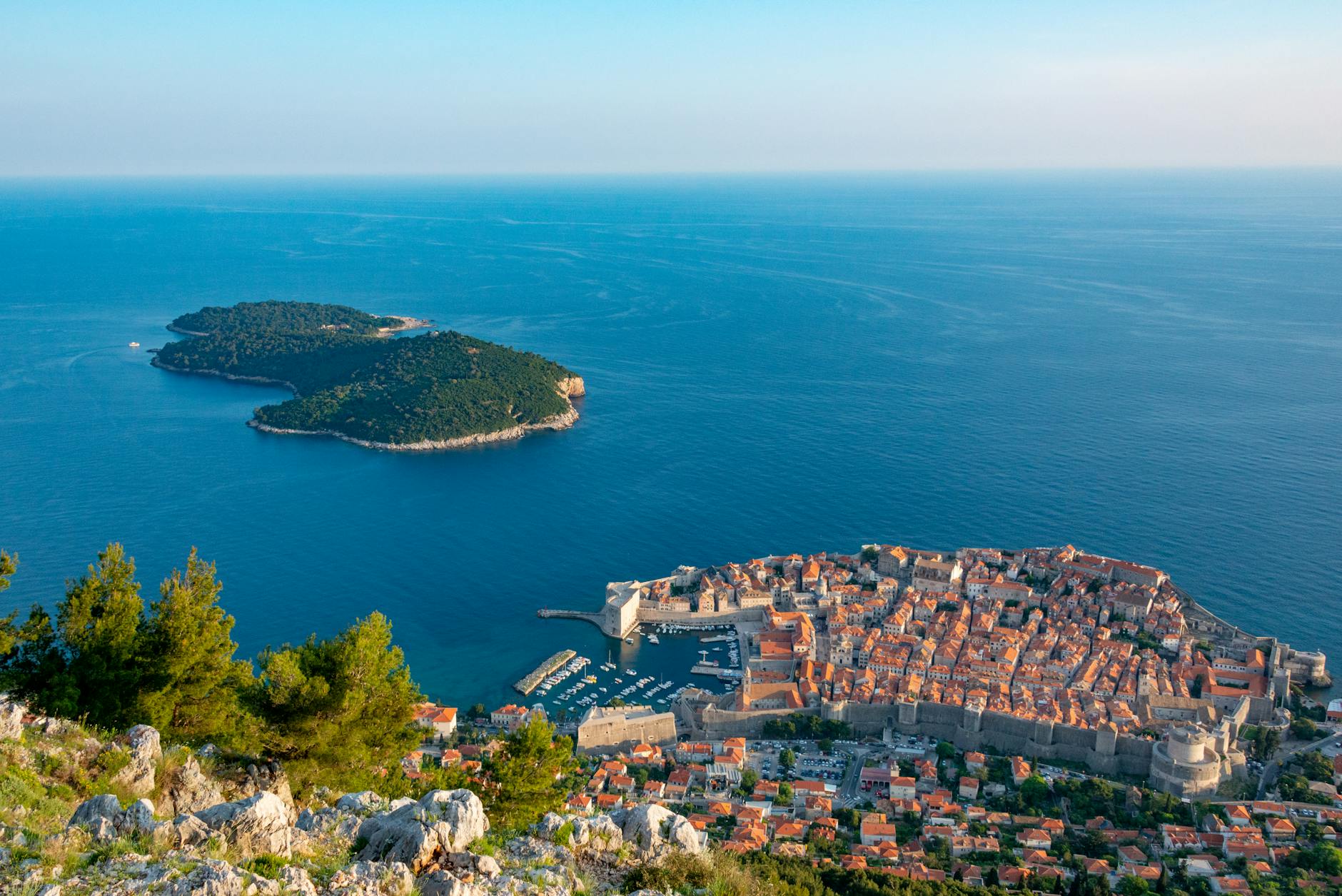
The walled medieval city on Croatia’s Adriatic coast was already managing tourism pressure before the HBO series and influencer culture sent visitor numbers into uncharted territory. The city now enforces strict daily visitor caps within the Old Town walls after UNESCO threatened to place it on its endangered heritage list. Local families who lived inside the walls for generations have been displaced by the short-term rental market that feeds the appetite for aesthetic coastal accommodation content. The famous Game of Thrones filming locations attract streams of visitors who engage minimally with the genuine Byzantine and Renaissance history surrounding them. City officials have implemented crowd dispersal measures and fines for disruptive photography behavior in a bid to preserve what remains of authentic community life.
Machu Picchu
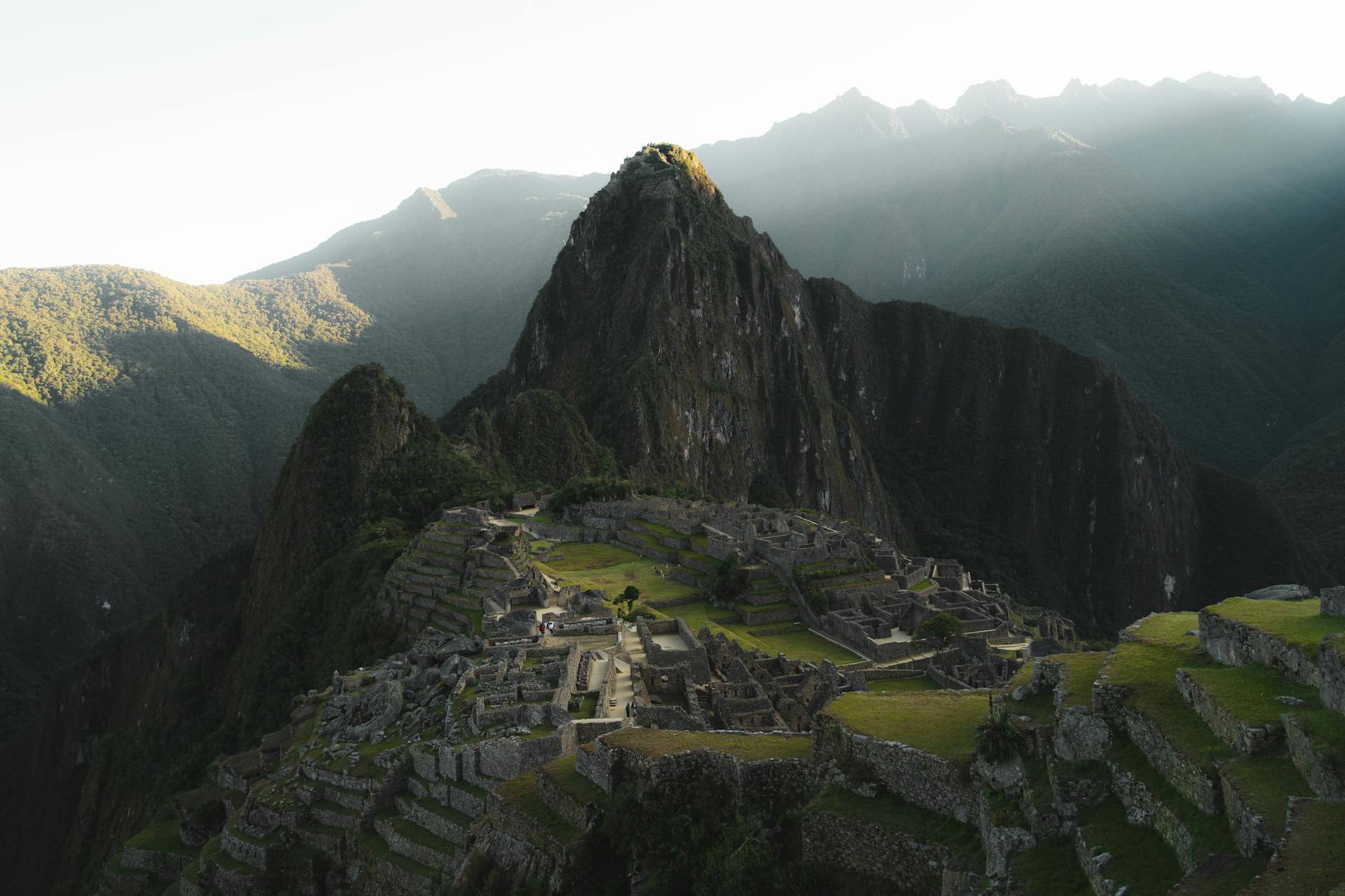
The fifteenth-century Incan citadel in the Peruvian Andes is one of the most archaeologically significant sites in the Western Hemisphere and one of the most photographed places on earth. Visitor numbers grew so rapidly in response to social media exposure that the Peruvian government was forced to introduce a timed ticketing system and strict daily limits. The famous Sun Gate and Inca Bridge trails have suffered visible erosion accelerated by foot traffic volumes far beyond what conservation authorities recommend. Influencer content frequently depicts travelers posing in locations that are officially off-limits, encouraging followers to replicate the same rule-breaking behavior. Archaeologists have publicly warned that without immediate and sustained intervention the structural integrity of certain terraces and pathways faces serious long-term risk.
Amsterdam
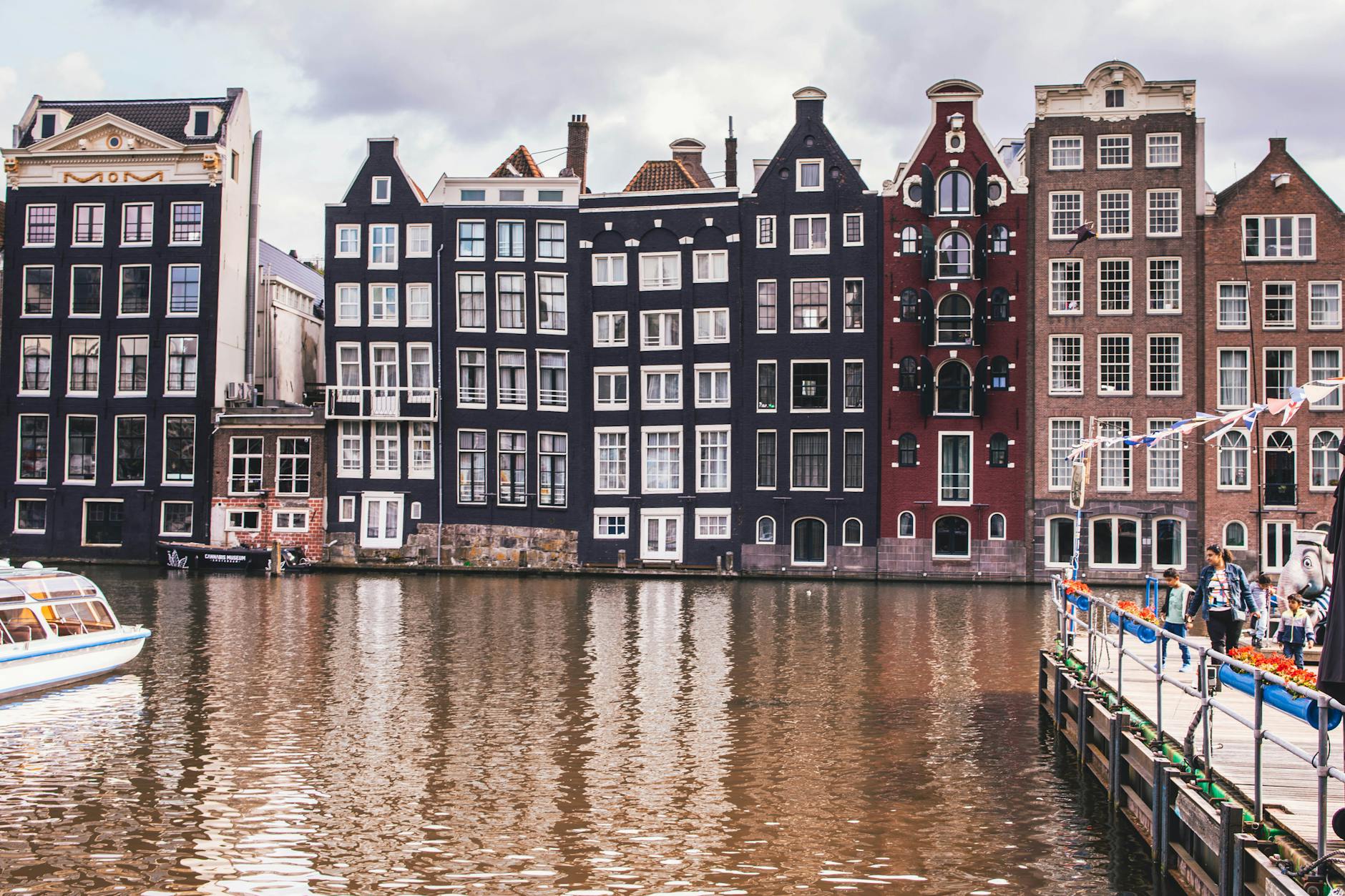
The Dutch capital’s canal belt is a UNESCO World Heritage Site that has seen its residential character steadily eroded by tourism driven partly by its pervasive presence in lifestyle and travel content. The Jordaan neighborhood and the Nine Streets district now function more as open-air content sets than functioning urban communities during peak months. The city government introduced overnight visitor taxes and Airbnb restrictions specifically in response to the disruption caused by mass tourism and the short-term rental market that feeds it. The famous I Amsterdam letters sculpture was permanently removed by the city after it became a magnet for overcrowding and content creation at the expense of civic space. Amsterdam has been studied internationally as a case study in the failure of cities to manage tourism growth outpacing their cultural and infrastructural capacity.
The Faroe Islands
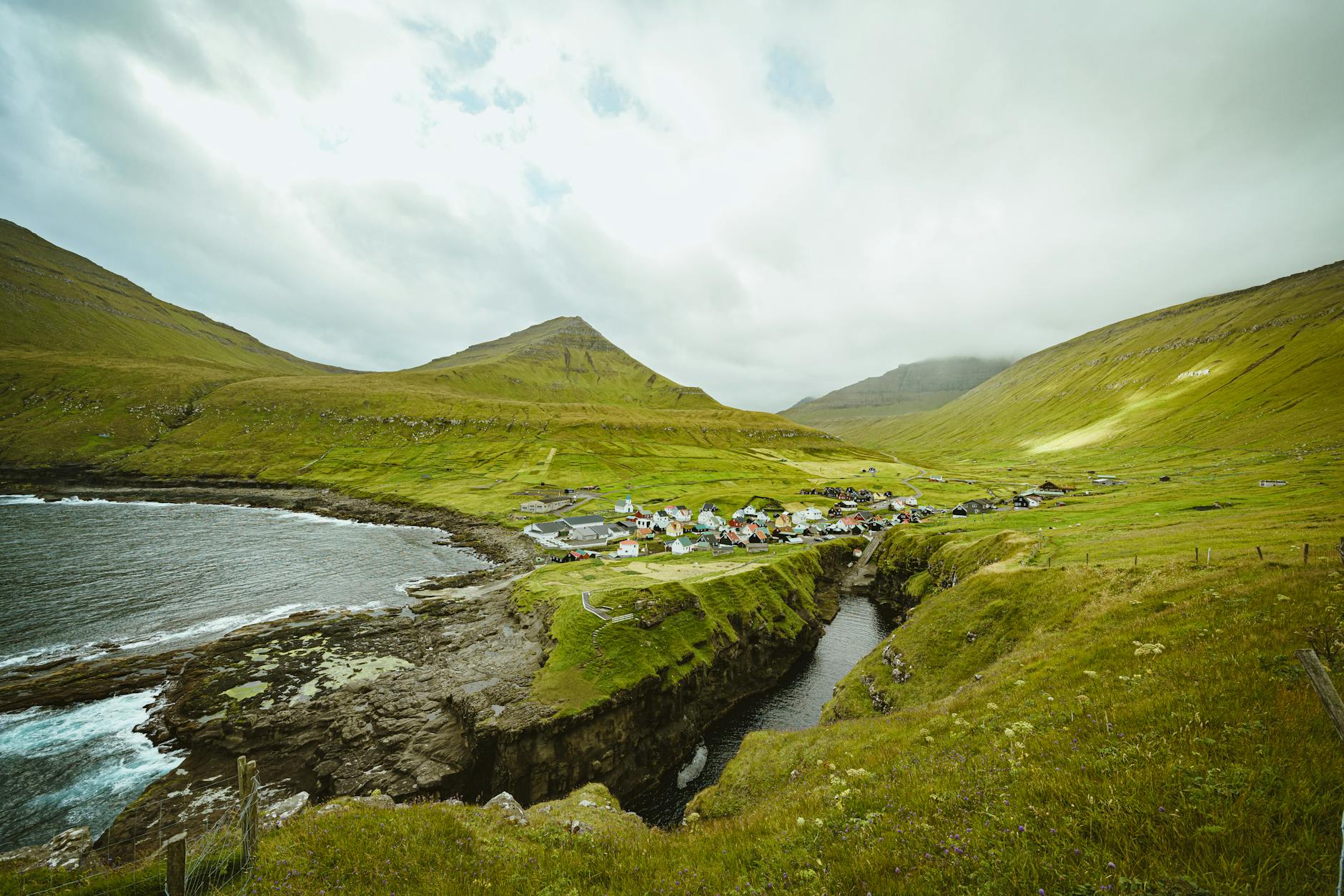
This remote North Atlantic archipelago between Norway and Iceland became a global travel sensation almost entirely through viral photography and influencer content featuring its dramatic cliffs and isolated grass-roofed churches. The islands have a population of under 55000 people and the sudden influx of tourists created immediate and serious pressure on roads, coastal paths, and the fragile natural environment. The Faroese government implemented a pioneering “closed for maintenance” initiative where popular sites are periodically closed to tourists and reopened only after local volunteers carry out conservation work. The Múlafossur waterfall and the village of Gásadalur became so overrun that access roads suffered damage requiring significant public expenditure to repair. Faroese officials have spoken openly about their ambivalence toward the kind of viral tourism that social media generates and its long-term compatibility with environmental preservation.
Positano
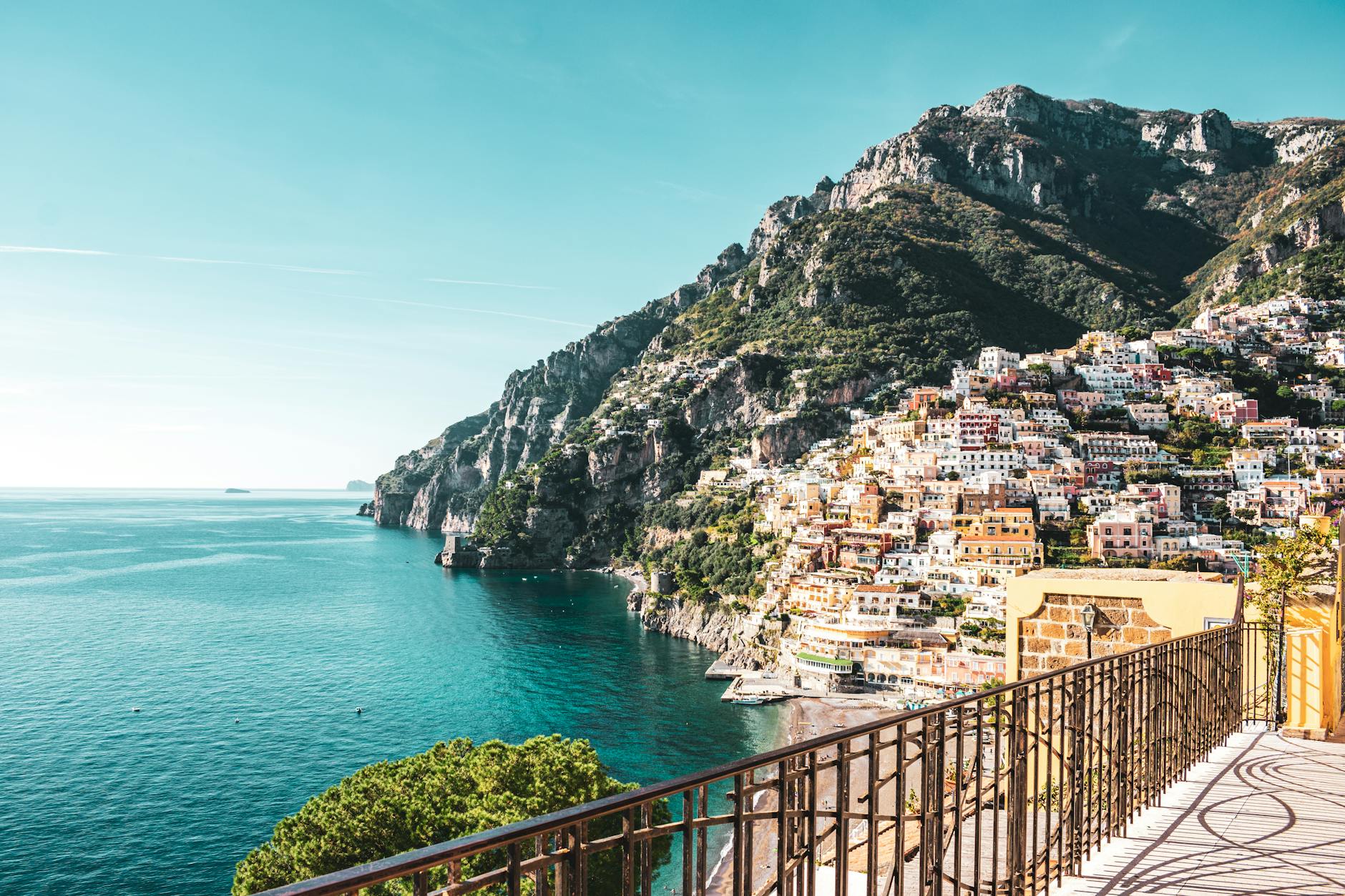
The pastel-colored cliffside village on Italy’s Amalfi Coast has been a glamorous travel destination since the mid-twentieth century but influencer culture has compressed decades of gradual tourism growth into just a few years. The single coastal road through Positano is now in a state of near-permanent gridlock during summer months as tour buses and private vehicles compete for access to the most photogenic views. Local business owners report that visitors increasingly treat the village as a backdrop rather than a place with genuine cultural and culinary heritage worth engaging with. The beach and the famous church of Santa Maria Assunta are so consistently crowded that the contemplative experience of the Amalfi landscape has been largely lost. Italian regional authorities have discussed implementing vehicle access restrictions and mandatory booking systems to reduce the pressure on the village’s medieval street infrastructure.
Hallstatt
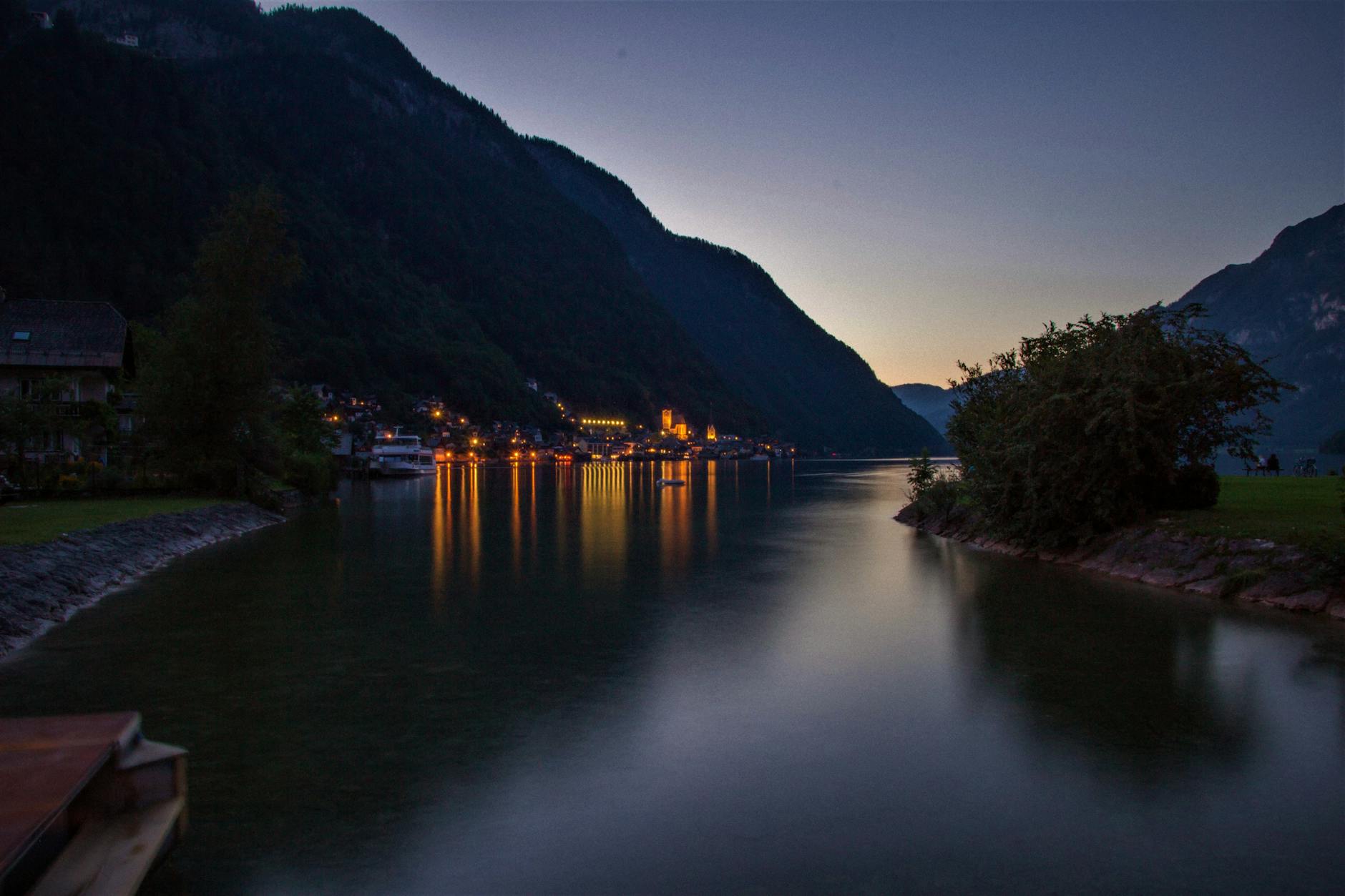
This tiny Austrian lakeside village with a population of under 800 people became one of the most visited places in Central Europe almost entirely because of its viral presence on social media and its supposed resemblance to a Disney fairy-tale setting. The village received over a million visitors in a single year despite having almost no capacity to absorb that volume without significant disruption to residents. Local authorities introduced a ban on tourist buses during peak hours and set up barriers to protect private residential areas from intrusion by photographers seeking aesthetic content. A replica of Hallstatt was built in China as a result of its popularity with Chinese tourists who encountered it first through social media. Villagers have given media interviews describing the psychological toll of living inside what has effectively become a permanent open-air film set for other people’s content.
Tulip Fields of the Netherlands
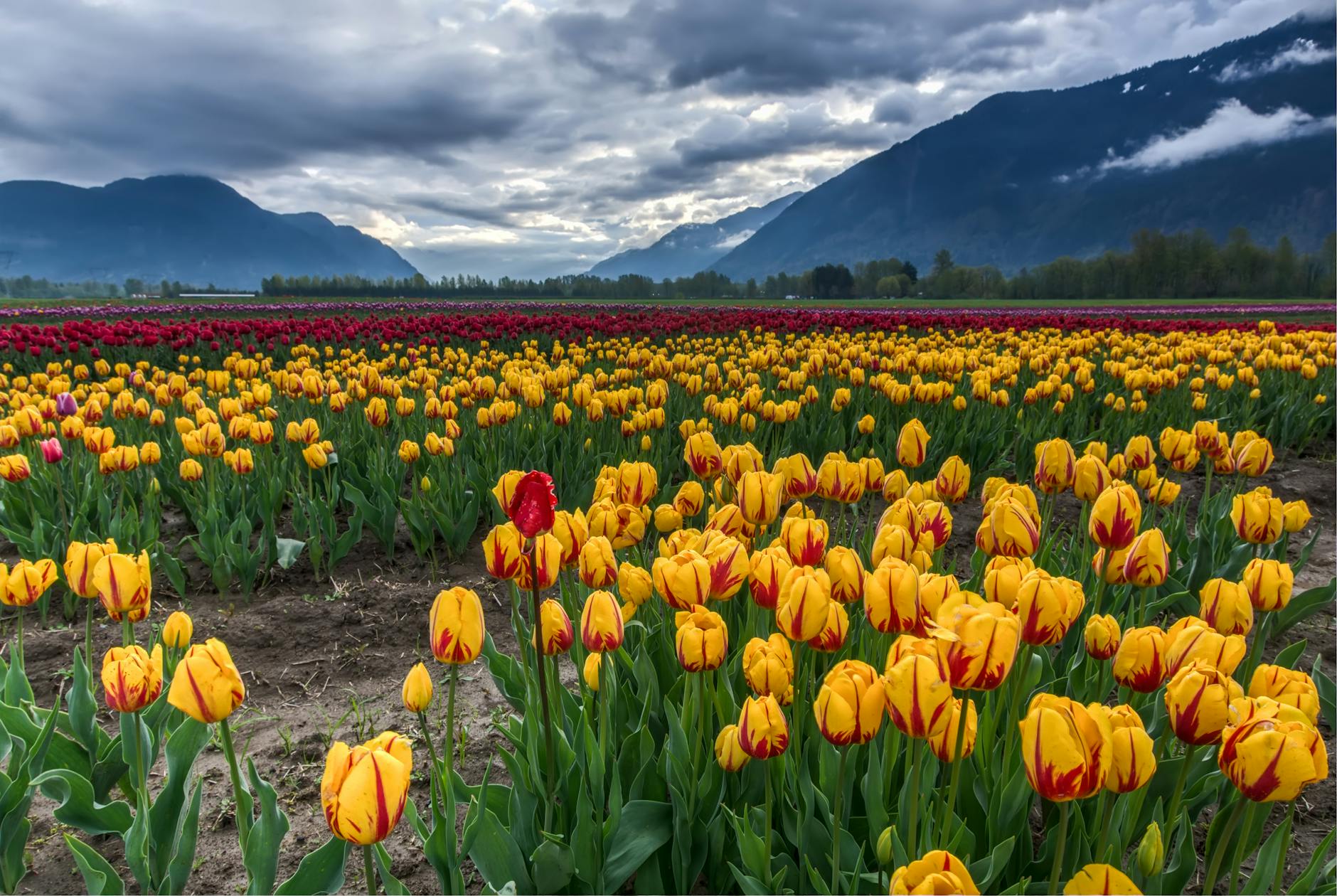
The flowering bulb fields of the Dutch countryside around Lisse and the Keukenhof region attract enormous crowds each spring driven almost entirely by the desire to recreate aerial and ground-level photographs seen across social media platforms. Farmers whose fields are not part of any tourist arrangement have reported trespassers destroying crops and trampling irrigation systems in pursuit of the perfect tulip field photograph. The Dutch Flower Bulb Center has issued repeated public statements asking visitors to stay on designated paths and to respect that the fields are working agricultural land rather than photographic installations. Drone usage over private farmland has increased significantly and several incidents of crop damage and frightened livestock have been attributed directly to unauthorized aerial content creation. Agricultural associations have called on the Dutch government to introduce clearer legal frameworks for protecting farmland from the kind of tourism behavior that social media trends consistently generate.
The Blue Lagoon
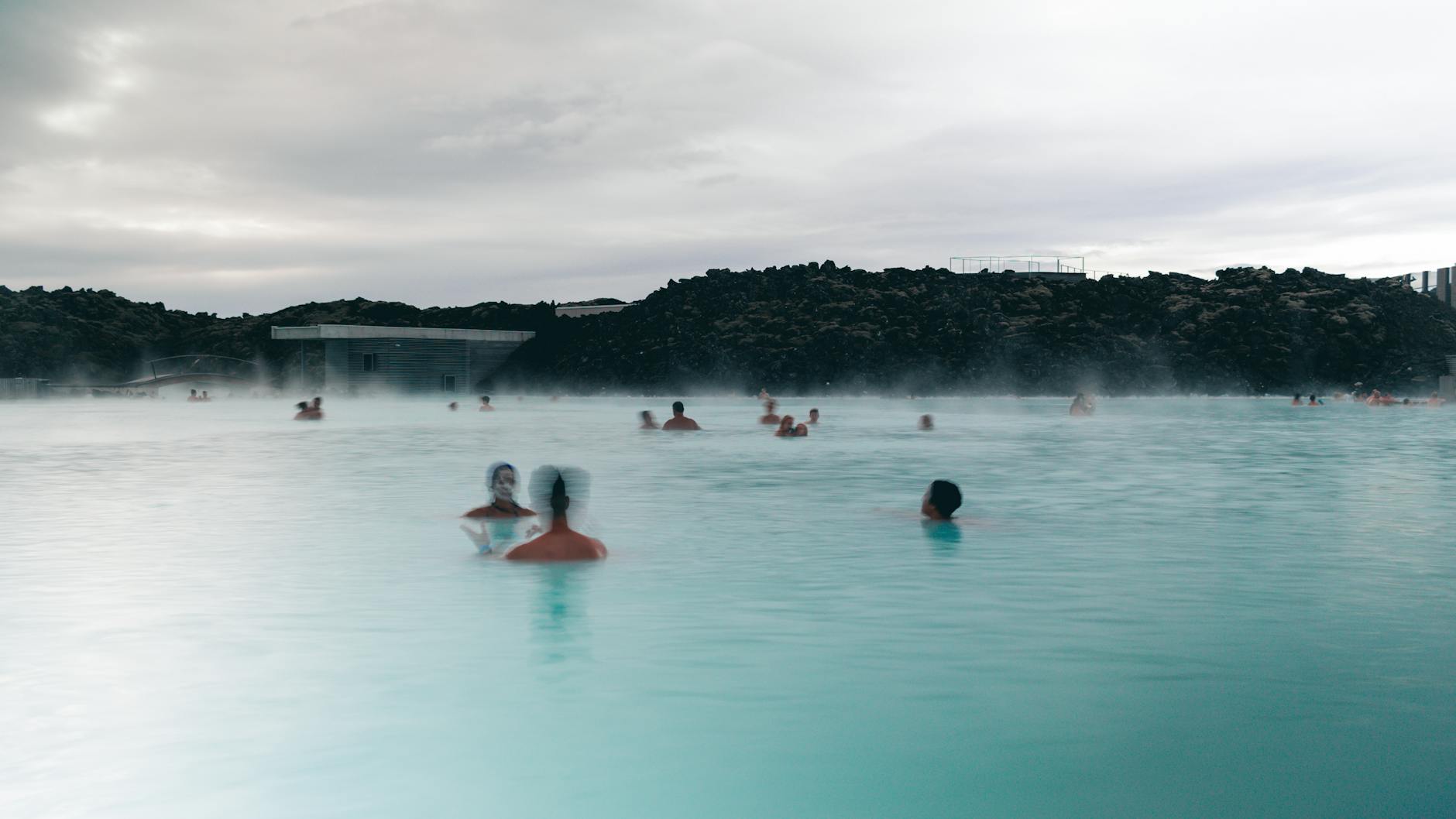
Iceland’s famous geothermal spa became so overwhelmed by demand generated through influencer content that it had to introduce a mandatory advance booking system with no walk-in access permitted at any time of year. The facility’s signature milky blue waters and steam-filled landscape became one of the most replicated travel images of the past decade, driving visitor numbers to levels that stressed both the spa’s facilities and the surrounding Reykjanes Peninsula infrastructure. Prices have increased substantially as the operator attempts to manage demand through cost while investing in expanded capacity to meet the expectations of an image-driven clientele. The broader Reykjanes area experienced similar pressures at natural sites including the Gunnuhver hot springs where visitors have ignored safety barriers to obtain closer photographs. Icelandic tourism authorities have used the Blue Lagoon as a reference point in broader national discussions about sustainable visitor management at natural and geothermal sites.
Cinque Terre
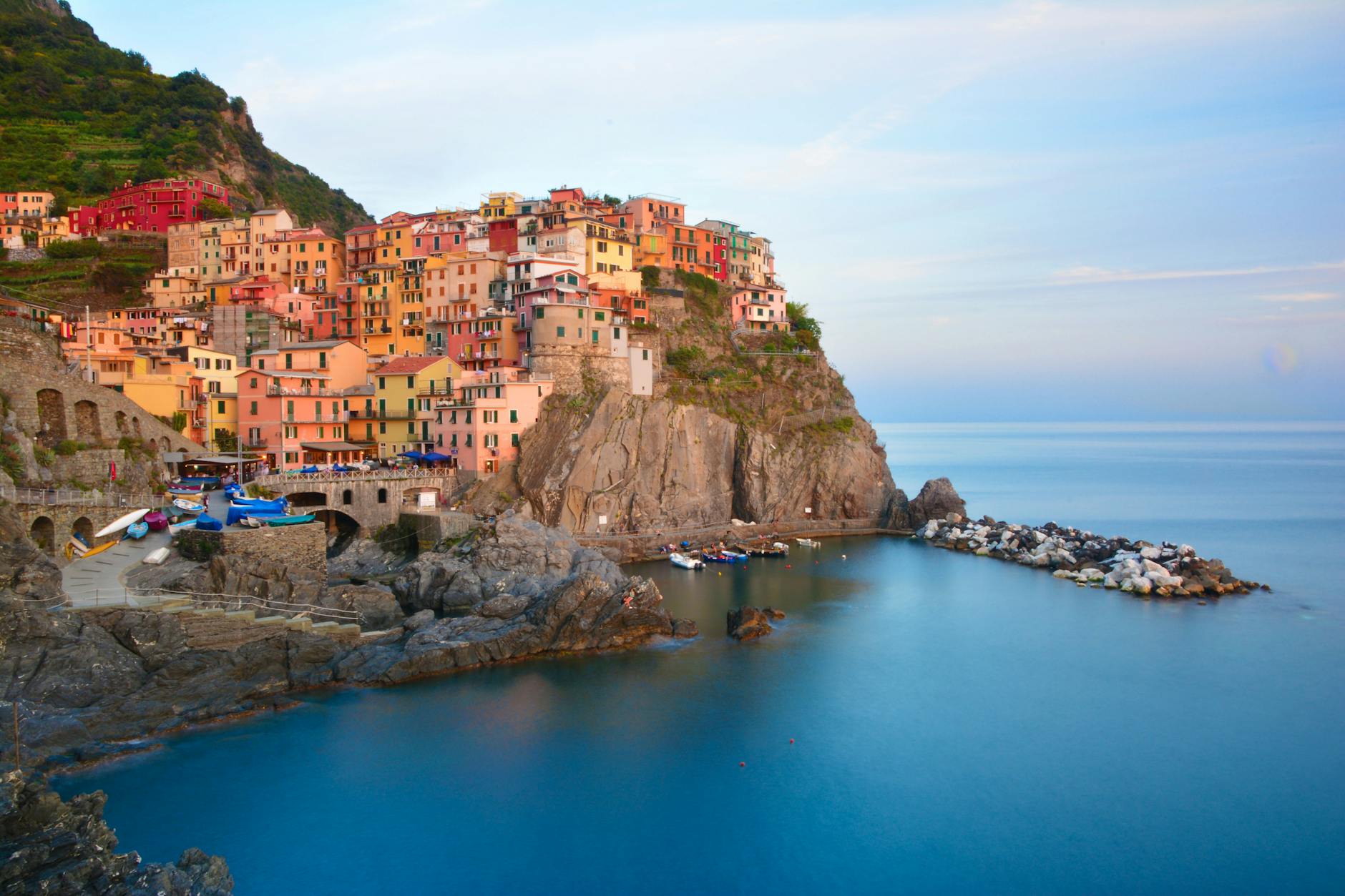
The five colorful fishing villages clinging to the Ligurian cliffs of northwestern Italy are a UNESCO World Heritage Site that has seen its authentic character severely strained by the weight of photographic tourism. The Italian national railway at one point introduced a cap on the number of daily train passengers permitted to disembark at Cinque Terre stations during peak summer months. The hiking trails connecting the villages suffer consistent erosion damage and require constant repair funded by an entry fee that was introduced specifically in response to overuse driven by tourism. Monterosso al Mare and Vernazza in particular have reported significant increases in noise complaints and waste management costs attributed to the behavior of day-trippers who arrive for content and leave without meaningful economic contribution to local businesses. Regional planners have proposed expanding tourism infrastructure in less-visited areas of the Ligurian coastline to redistribute the pressure that social media concentration on the five villages has created.
Tulum
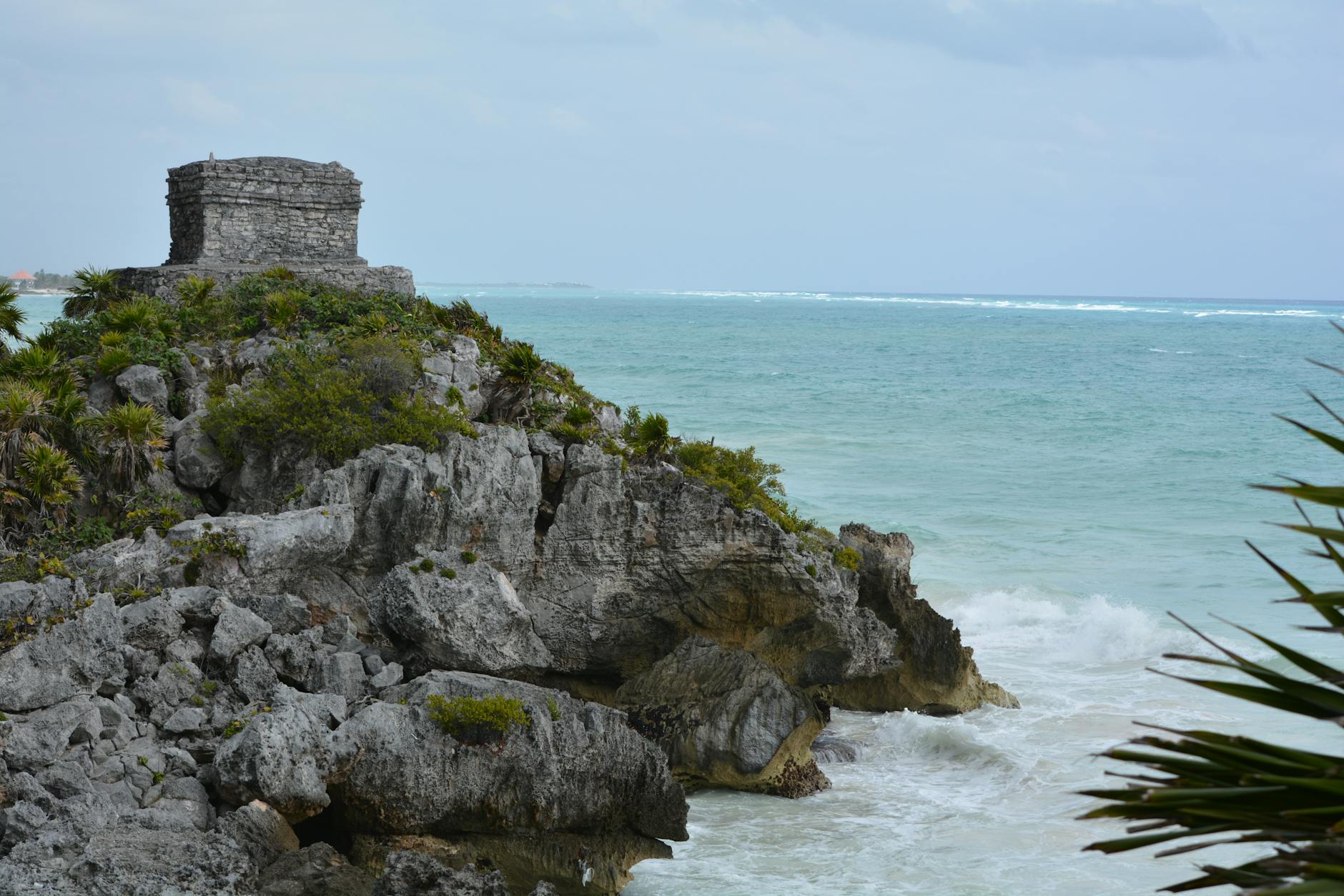
The Mexican coastal town on the Yucatan Peninsula transformed from a quiet bohemian retreat into one of the most aggressively marketed lifestyle destinations in the world largely through influencer-driven content saturating wellness and travel feeds. The cenotes and Mayan ruins that form the ecological and cultural foundation of the area now operate under severe environmental stress caused by sunscreen contamination, unregulated development, and tourist volumes exceeding conservation guidelines. The luxury eco-chic aesthetic projected through social media content has driven rapid hotel and restaurant construction that has encroached on protected jungle and coastline. Environmental scientists monitoring the Tulum aquifer system have documented increasing contamination attributed to infrastructure built without adequate wastewater management. Mexican federal authorities have introduced new environmental regulations targeting the construction sector but enforcement in practice has remained inconsistent.
Amalfi
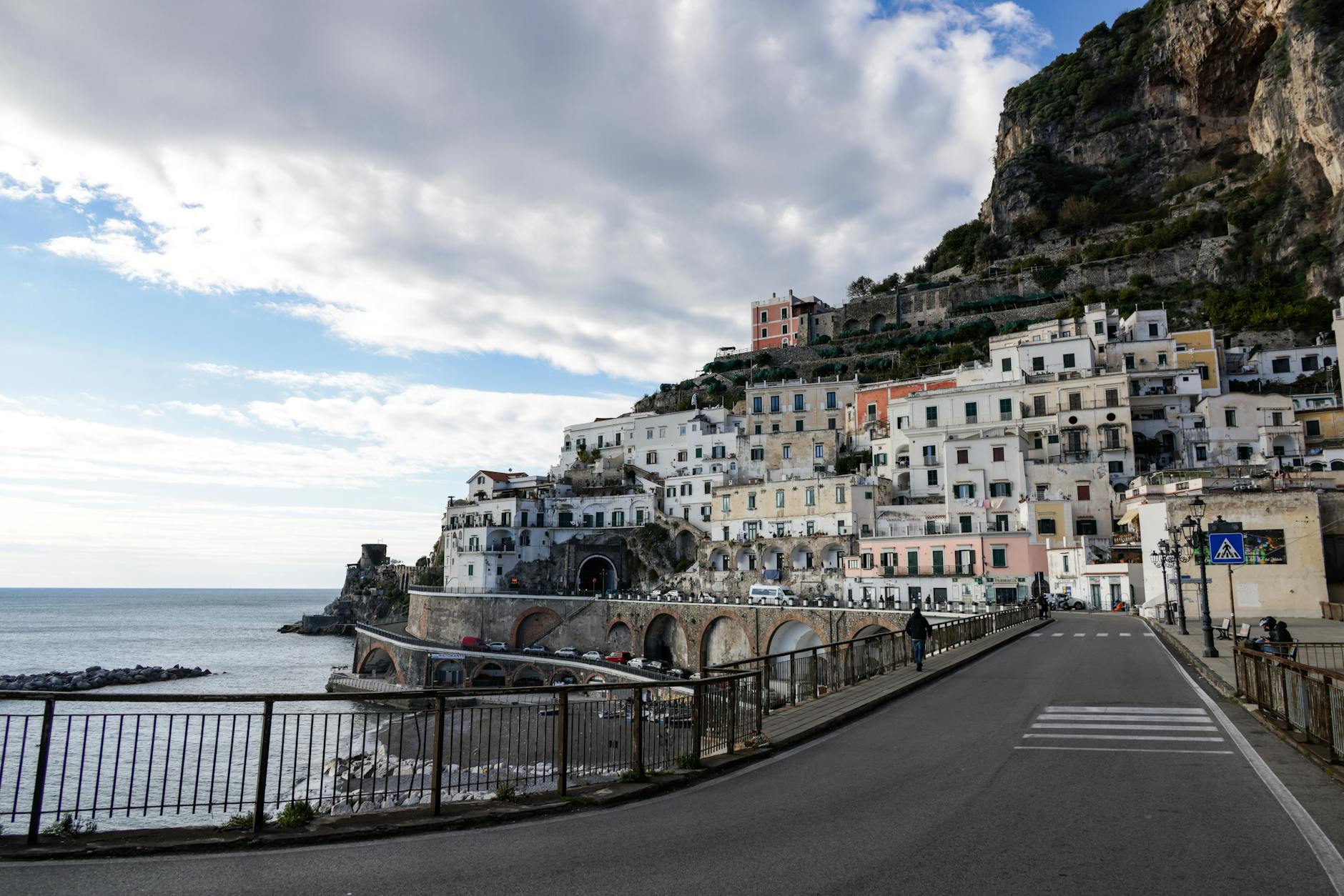
The historic maritime republic at the heart of the coastline that bears its name has seen its narrow medieval streets reach a state of physical saturation during peak tourist months driven by its constant appearance in aspirational travel content. The town’s famous cathedral staircase is now so consistently crowded with photographers that religious services are regularly disrupted and local worshippers have raised formal complaints with civic authorities. Fishing has historically defined the cultural identity of Amalfi but the harbor area now functions primarily as a backdrop for boat tour operators catering almost exclusively to the tourist market. The regional road network connecting Amalfi to Ravello and Atrani was not designed for modern traffic volumes and accidents have increased as distracted tourists navigate hairpin bends while referencing content on their phones. Italian heritage organizations have called for a coordinated regional strategy to manage the Amalfi Coast as a single ecosystem rather than allowing individual municipalities to manage tourism pressure in isolation.
Phi Phi Islands
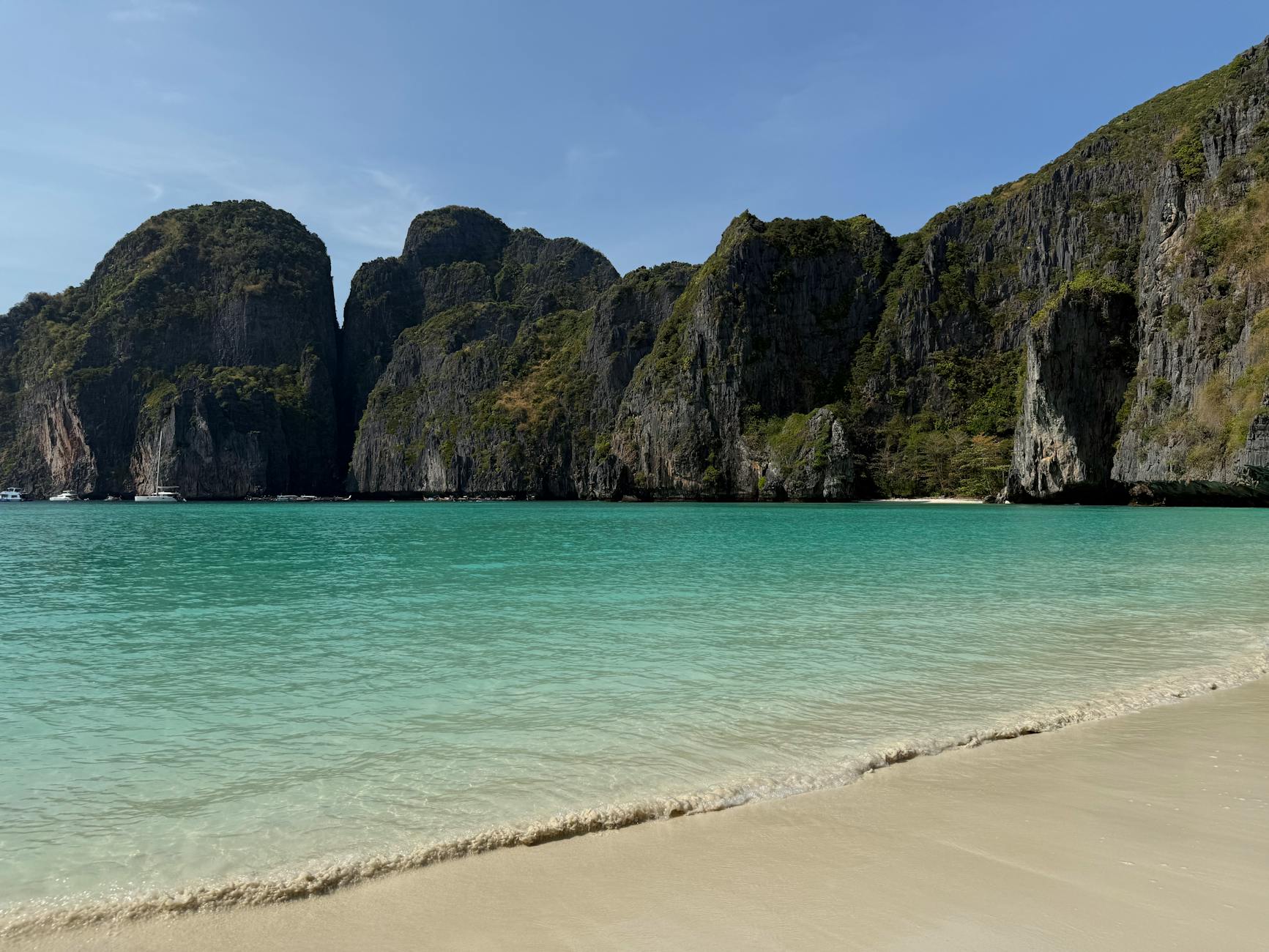
The Thai island chain in the Andaman Sea was popularized globally through a film adaptation of a novel about paradise tourism and has spent the subsequent decades managing the consequences of that exposure compounded by social media virality. Maya Bay was closed entirely by Thai authorities for three years to allow ecological recovery after coral reef damage and beach erosion attributed directly to tourist overuse reached critical levels. The bay reopened with a strict daily visitor cap and a ban on overnight stays but enforcement challenges persist as boat operators compete aggressively for access permits. The broader Phi Phi archipelago has seen water quality decline measurably in areas where accommodation and restaurant development has outpaced wastewater infrastructure investment. Thai marine biologists have published research indicating that coral recovery in restricted zones is progressing but remains highly vulnerable to any resumption of unrestricted tourist access.
Kotor
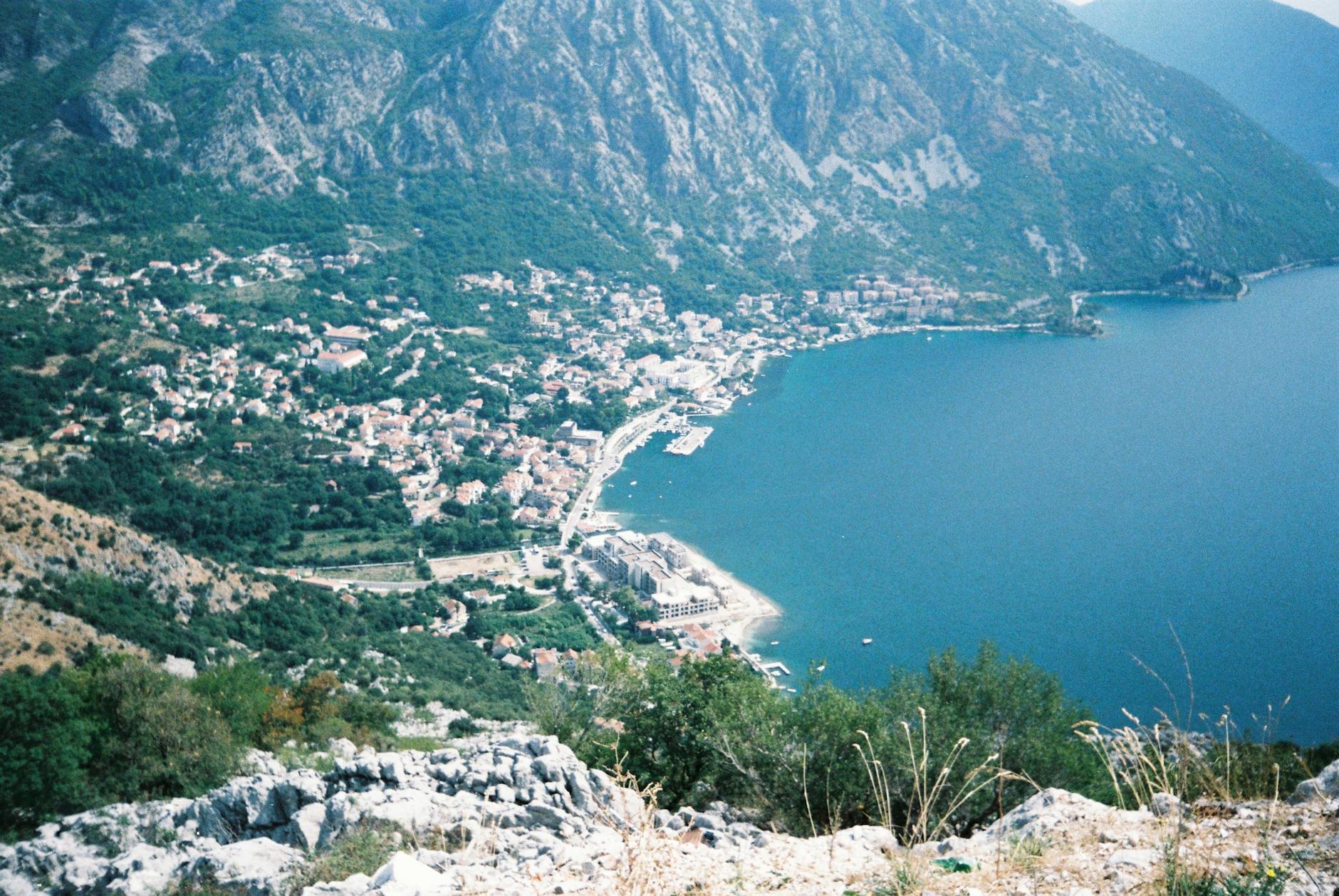
The walled medieval city in Montenegro’s Bay of Kotor is a UNESCO World Heritage Site that became a fashionable cruise ship and influencer destination as Montenegro positioned itself as the new Adriatic luxury hotspot. The arrival of large cruise vessels deposits thousands of visitors into the Old Town simultaneously creating acute overcrowding in streets designed for a small medieval population. Local residents have organized public protests against cruise ship access citing noise pollution, air quality deterioration from ship emissions, and the displacement of daily community life by tourist crowds. The famous cat population of Kotor, long a distinctive cultural feature of the city, has become a subject of concern as stress from tourist handling and disruption to feeding routines has been documented by local animal welfare organizations. Montenegro’s government faces competing pressures between economic dependence on tourism revenue and the preservation of the heritage assets that generate that revenue in the first place.
Chefchaouen
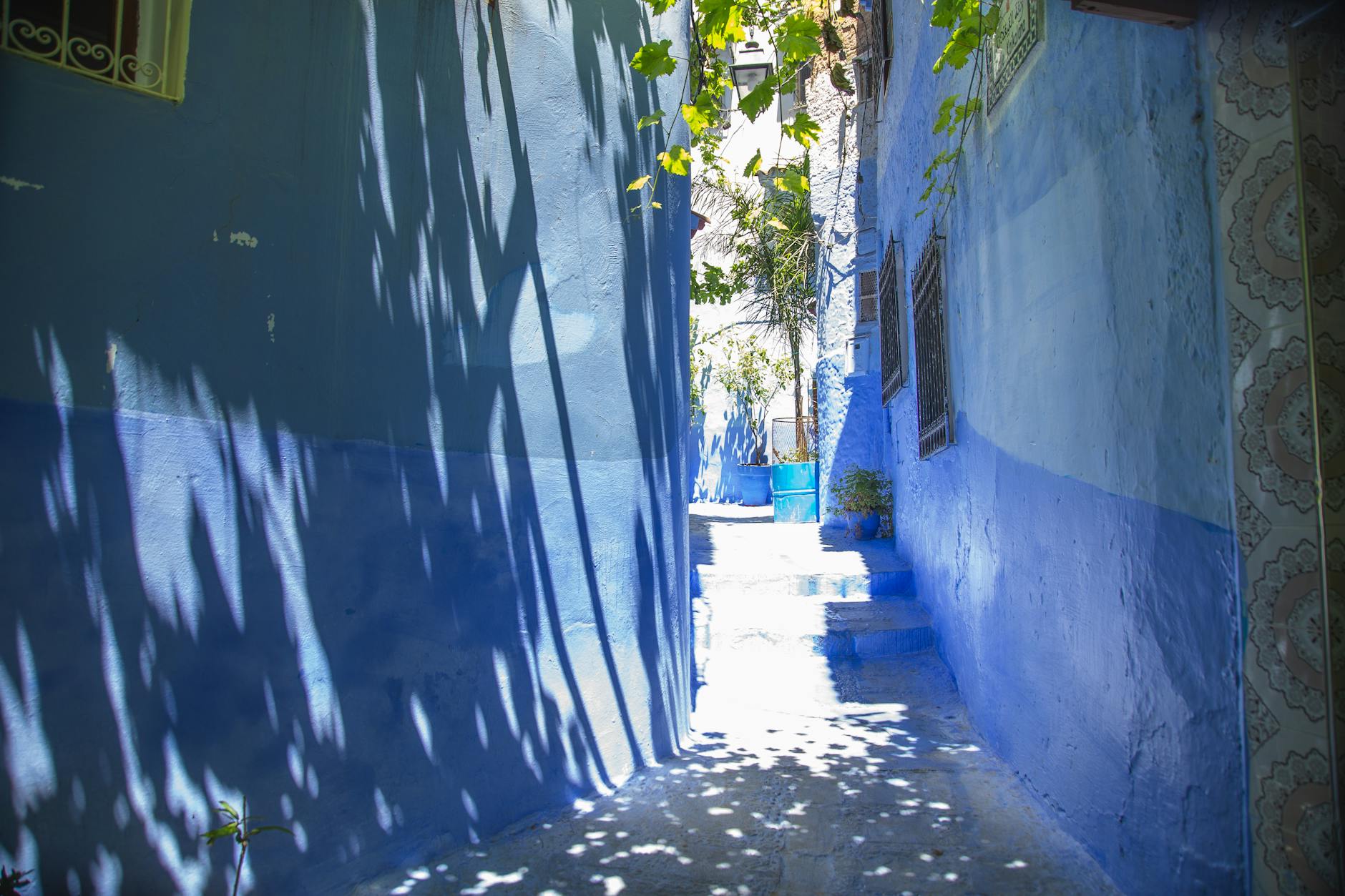
The blue-painted mountain city in northern Morocco has become one of Africa’s most photographed urban environments and a fixture of travel influencer content drawn to its distinctive cobalt and indigo alleyways. The medina’s artisan economy has shifted measurably away from traditional crafts and toward the production and sale of photogenic props including decorative tagines, patterned textiles, and aesthetic food presentations designed to appeal to content creators. Local residents report fatigue from the constant presence of cameras in what remain functioning residential neighborhoods where daily life is not intended as public spectacle. The city’s water supply has come under pressure as hotel development accelerates to meet accommodation demand generated by social media exposure. Moroccan cultural commentators have noted the irony that the very authenticity driving Chefchaouen’s viral appeal is being systematically eroded by the tourism that authenticity attracts.
Preikestolen
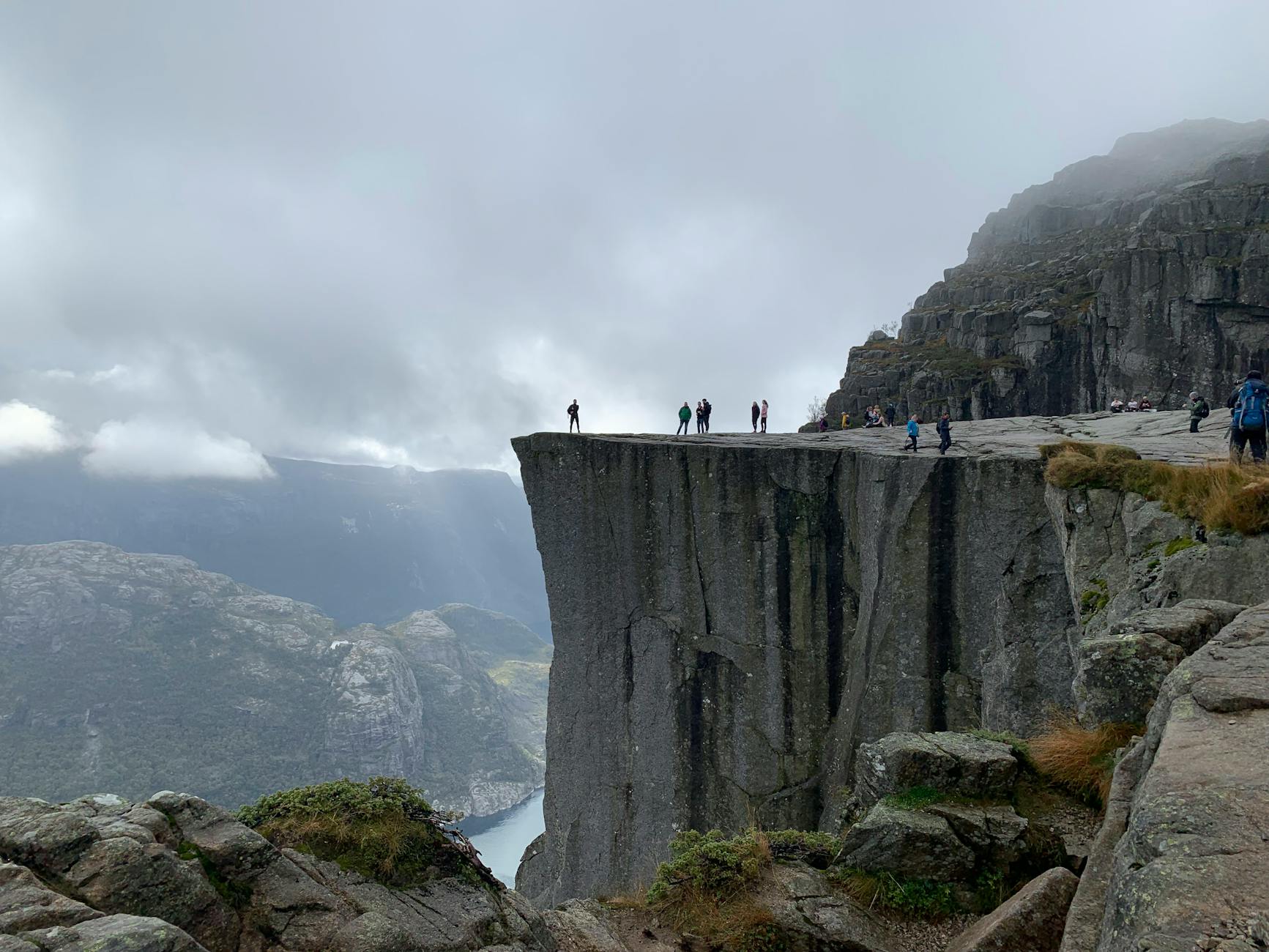
The dramatic cliff plateau known as Pulpit Rock rising above the Lysefjord in Norway became a globally recognized image through outdoor influencer content and has since experienced visitor growth that its remote mountain location was never prepared to accommodate. The hiking trail to the summit now requires advance registration during peak months after erosion and safety incidents prompted Norwegian authorities to implement crowd management measures. Helicopter and drone activity around the cliff has been restricted after complaints from hikers about noise pollution disrupting the wilderness experience that draws visitors in the first place. The nearest town of Stavanger has invested substantially in shuttle bus infrastructure to reduce private vehicle congestion on the access roads to the trailhead. Norwegian environmental agencies continue to monitor soil erosion on the most trafficked sections of the route as visitor numbers show no sign of declining.
Plitvice Lakes
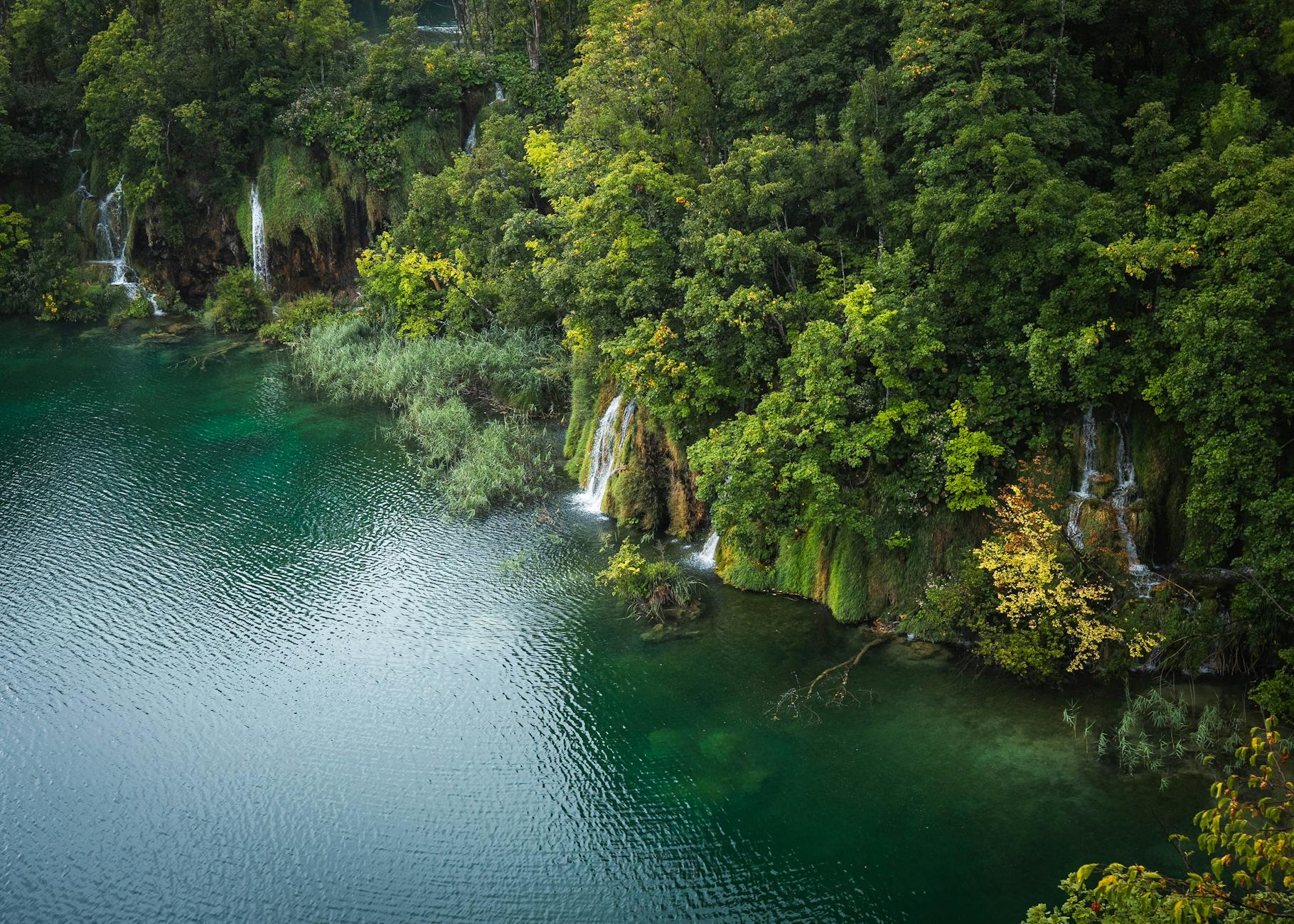
Croatia’s most visited national park features a cascade of sixteen terraced lakes connected by waterfalls and wooden boardwalks that have become one of the most widely shared natural landscape images in European travel content. The park operates under UNESCO World Heritage Site protection but still receives well over a million visitors annually creating consistent pressure on its delicate aquatic ecosystem. Boardwalk infrastructure requires continuous replacement due to wear rates that exceed the park’s long-term maintenance budget and Croatian conservation authorities have appealed for increased government funding. Swimming in the lakes has been prohibited for decades but enforcement against influencers who enter the water for content creation has been inconsistent and a subject of public controversy. Park management has experimented with timed entry slots and visitor number caps but the scale of demand generated by social media continues to outpace any single management intervention.
Venice
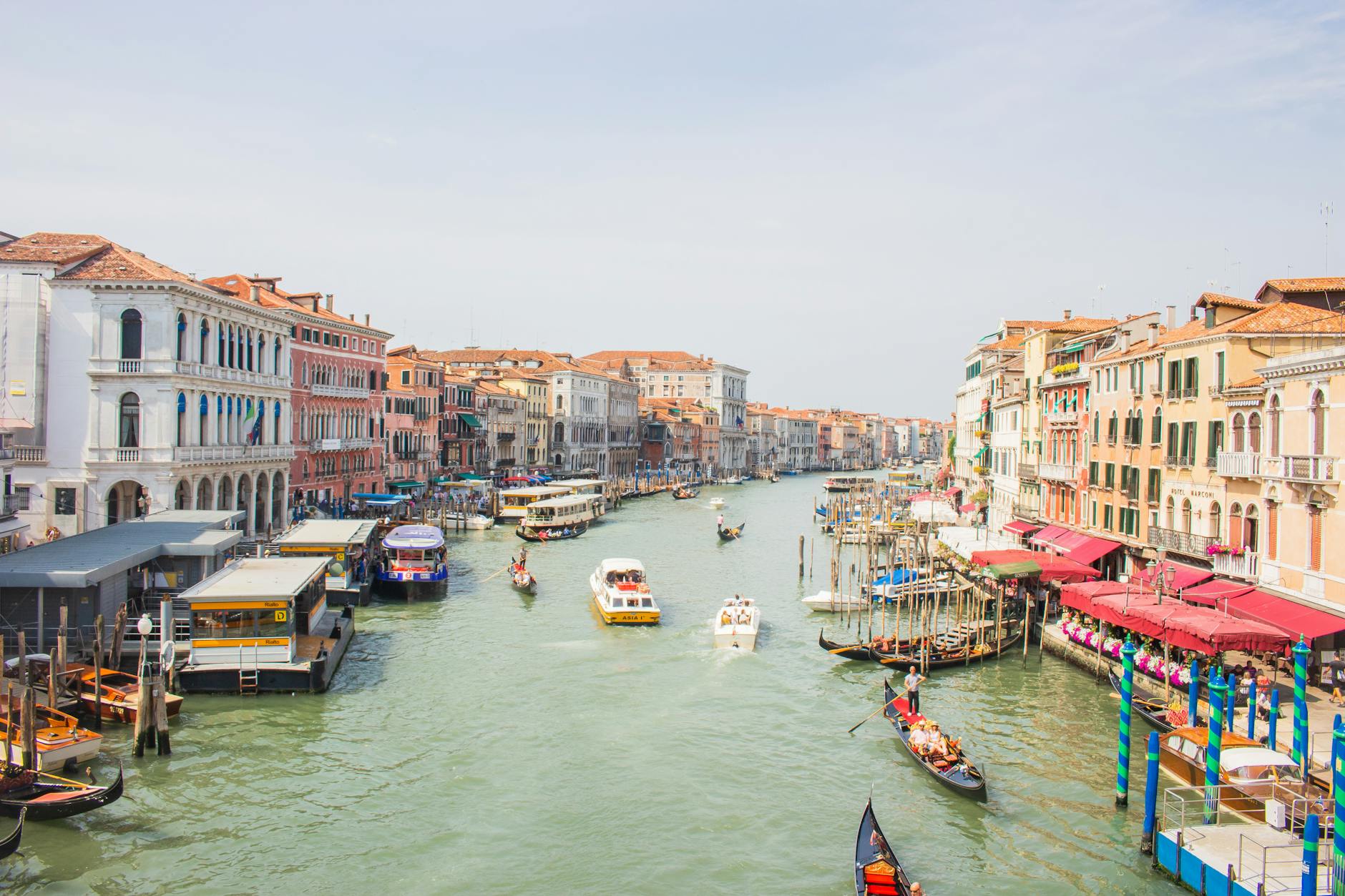
The Italian city built on water has long been considered the global symbol of overtourism and the influencer era has intensified pressures that Venetians have been managing and resisting for decades. The city introduced a controversial day-tripper entry fee targeting non-overnight visitors in a direct attempt to reduce the volume of people who arrive for photographs and leave without contributing meaningfully to the local economy. The resident population of Venice has declined from over 170000 in the mid-twentieth century to under 50000 today as housing costs driven by tourism infrastructure displace families who have lived on the islands for generations. The Rialto Bridge and Piazza San Marco have become so saturated with visitors holding cameras and phones that the city has introduced pedestrian flow management systems to prevent dangerous overcrowding incidents. Italian cultural authorities have described the situation in Venice as an existential test case for whether it is possible to preserve a living city as a genuine community rather than allowing it to become a permanent open-air museum operating purely for external consumption.
Share your thoughts in the comments about which destinations you have witnessed changing most dramatically because of social media tourism culture.