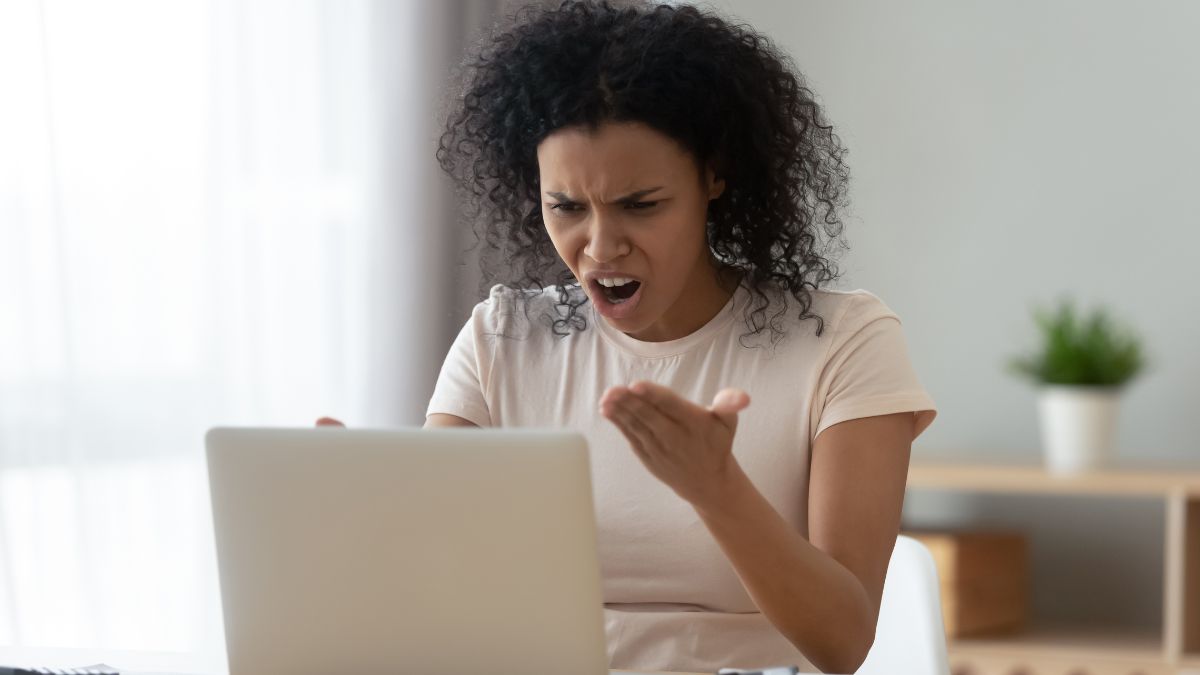
Science has increasingly shown that swearing offers surprising advantages beyond just venting frustration. Researchers have found that people who use profanity tend to come across as more passionate and convincing during arguments or discussions. When speakers sprinkle in mild swear words, listeners perceive them as more intense, genuine, and persuasive compared to those sticking to polished language. This effect stems from how taboo words signal strong conviction that neutral phrasing often fails to convey.
Swearing also serves as a powerful emotional outlet without escalating into physical conflict. Linguists view it as a safety valve for built-up social pressure, allowing individuals to express anger, disgust, or pain effectively. By adding emotional weight to facts, it helps prevent bigger outbursts. Studies further link frequent swearing to higher personal integrity, with profanity users showing less tendency to lie, even when tested with polygraphs. The idea is that freely expressing thoughts without heavy self-censorship aligns with greater honesty overall.
Contrary to the old stereotype that swearing reflects a limited vocabulary, evidence points in the opposite direction. One study published in Language Sciences revealed that individuals who could list the most swear words in a short time also scored higher on verbal fluency tests. This suggests a richer overall lexicon and even connections to elevated intelligence levels. People with broader word knowledge, including taboo ones, simply demonstrate stronger linguistic skills.
Perhaps the most practical benefit appears in handling pain and boosting physical performance. Psychologist Richard Stephens from Keele University conducted experiments where participants repeated a swear word while keeping their hand in ice-cold water. Those who swore endured the discomfort noticeably longer than those using neutral words. The mechanism involves triggering a fight-or-flight response, releasing adrenaline, and dulling pain sensations in a way similar to mild opioid effects. Recent follow-up research by Stephens and colleagues has extended this to strength tasks, showing swearing helps people push past mental barriers for better grip strength, power output, and endurance in short, intense efforts.
Swearing can even lift your mood on rough days by prompting endorphin release, much like a quick workout. It provides a simple, cost-free tool for gaining focus, confidence, and reduced distraction when tackling challenges. While context matters and excessive use might not suit every situation, these findings challenge the notion that profanity is purely negative. In moderation, it supports emotional release, clearer communication, resilience against pain, and even subtle cognitive advantages.
What are your experiences with swearing providing a boost in tough moments, and do you notice any of these benefits yourself in the comments?