The wellness industry heavily promotes natural supplements as safe alternatives to conventional medicine for everyday ailments and health optimization. Consumers often assume that botanical ingredients inherently lack side effects and blindly mix them into daily smoothies or vitamin regimens. Medical professionals are increasingly reporting cases of drug induced liver injury linked directly to the unsupervised consumption of herbal products. The liver processes nearly everything ingested and can easily become overwhelmed by concentrated phytochemicals found in over the counter extracts. Understanding which popular natural remedies pose unseen risks to hepatic health is crucial for making informed wellness choices.
Green Tea Extract
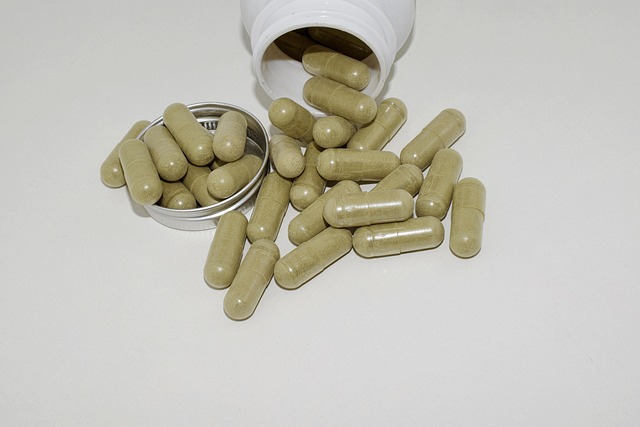
Concentrated green tea pills contain high levels of catechins that process directly through the liver. Excessive consumption of these concentrated botanical compounds can lead to elevated liver enzymes and cellular damage over time. The risk increases significantly when users take these supplements on an empty stomach for weight loss purposes. Hepatologists often warn that the concentrated extract is vastly different from drinking a regular cup of steeped tea.
Kava Kava
This Pacific Island root is widely marketed for its relaxing and anti anxiety properties in wellness communities. Prolonged use of kava supplements has been explicitly linked to severe liver damage and even failure in documented medical cases. The toxic effect stems from certain chemical compounds in the plant that interfere with normal liver function and processing. Many European countries have banned this supplement completely due to these severe hepatotoxic risks.
Black Cohosh
Many women turn to this herbal remedy to manage common menopausal symptoms like hot flashes naturally. Scientific studies have highlighted numerous cases linking black cohosh consumption directly to autoimmune hepatitis and liver inflammation. The exact mechanism of toxicity remains unclear but liver injury usually appears within weeks to months of starting the supplement. Patients experiencing unexpected fatigue or jaundice while taking this herb should cease use and seek immediate medical evaluation.
Ashwagandha
This popular adaptogen is heavily favored in ayurvedic medicine for stress reduction and hormone balancing. Recent medical literature details emerging cases of liver injury appearing after several weeks of continuous ashwagandha supplementation. The symptoms typically present as jaundice and severe itching caused by impaired bile flow in the liver. Most patients fully recover their liver function once they stop ingesting the herbal extract.
Turmeric Extract
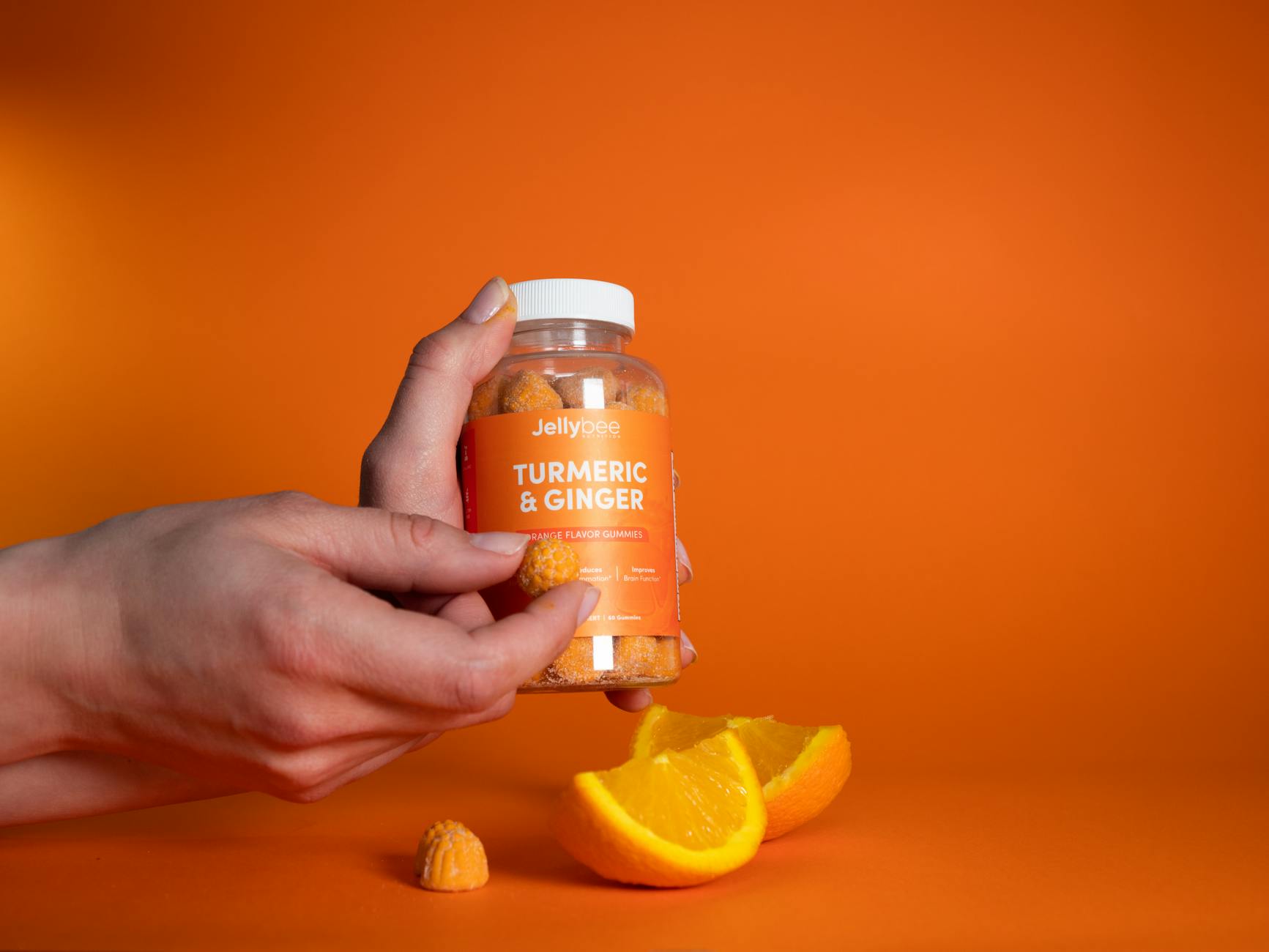
Curcumin extracts are praised globally for their potent anti inflammatory and joint supporting properties. Liver toxicity cases have risen sharply alongside the massive popularity and widespread daily use of concentrated turmeric pills. The addition of black pepper extract in these supplements significantly increases absorption and may overwhelm the liver processing pathways. Mild to moderate liver inflammation can occur silently before outward symptoms manifest in daily users.
Garcinia Cambogia

Weight loss enthusiasts frequently use this tropical fruit extract hoping to suppress appetite and block fat production. Medical reports frequently associate garcinia cambogia supplements with acute liver injury and acute hepatic failure. The high concentration of hydroxycitric acid combined with other unknown botanical additives creates a heavy processing burden. Medical professionals strongly advise against using this supplement due to the dangerous and unpredictable nature of its biological effects.
Red Yeast Rice
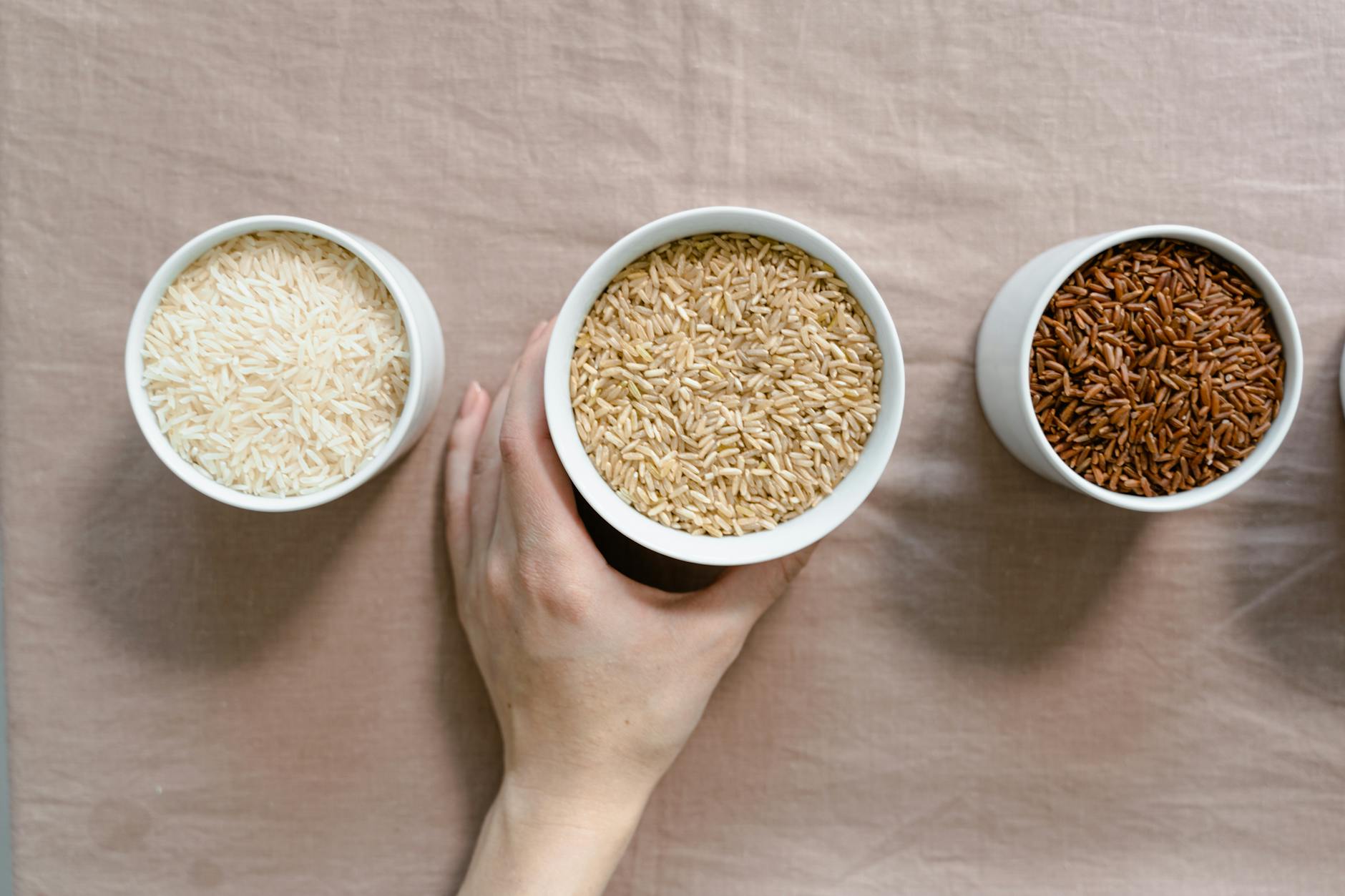
Consumers often take this fermented rice product as a natural alternative to prescription cholesterol medications. The active ingredient is chemically identical to the statin drug lovastatin and requires the same extensive liver metabolism. People combining this natural product with prescription medications risk severe liver enzyme elevations and muscle breakdown. Regular liver function blood tests are entirely necessary for anyone consuming this powerful fermented supplement daily.
Comfrey
Traditional herbalists historically used this plant for wound healing and treating various joint ailments. The plant contains pyrrolizidine alkaloids which are highly toxic compounds that directly damage the small blood vessels within the liver. Oral ingestion can lead to venoocclusive disease where the liver essentially becomes fatally congested with blood. Modern regulatory agencies strongly advise that comfrey should only ever be applied topically to unbroken skin.
Kratom
This Southeast Asian leaf is commonly brewed into teas or taken in capsules for pain relief and energy. Acute liver injury is a well documented and frequent complication occurring within weeks of initiating daily kratom use. The resulting liver damage often causes intense itching and dark urine that requires medical intervention to resolve. The unregulated nature of these products means users are often ingesting wildly varying concentrations of the active alkaloids.
Chaparral
Desert dwelling indigenous communities originally used this potent shrub to treat various respiratory and skin conditions. Commercial supplements containing chaparral are extremely toxic to the liver and can cause irreversible organ failure. The toxic lignans found in the leaves destroy liver cells rapidly even at relatively low doses. Public health officials have repeatedly issued warnings urging consumers to entirely avoid any products containing this dangerous botanical.
Aloe Vera Extract
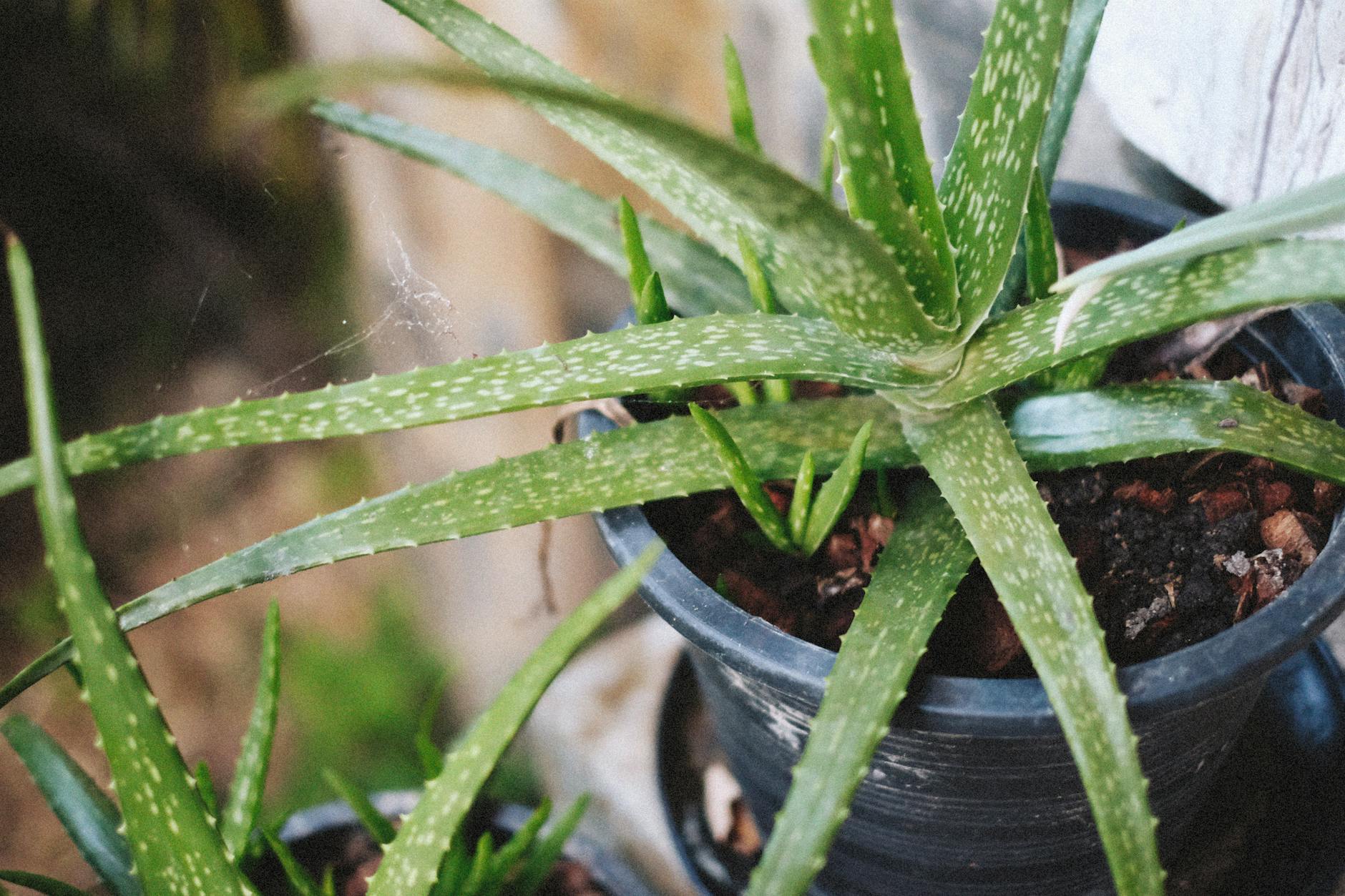
Oral aloe preparations are frequently consumed for digestive health and gentle systemic detoxification purposes. The concentrated latex and extracts derived from the plant leaves can induce significant liver inflammation when taken internally. Cases of acute hepatitis have been documented in individuals drinking large quantities of concentrated aloe juice daily. The topical application of aloe gel remains perfectly safe while oral consumption requires extreme caution and moderation.
Senna
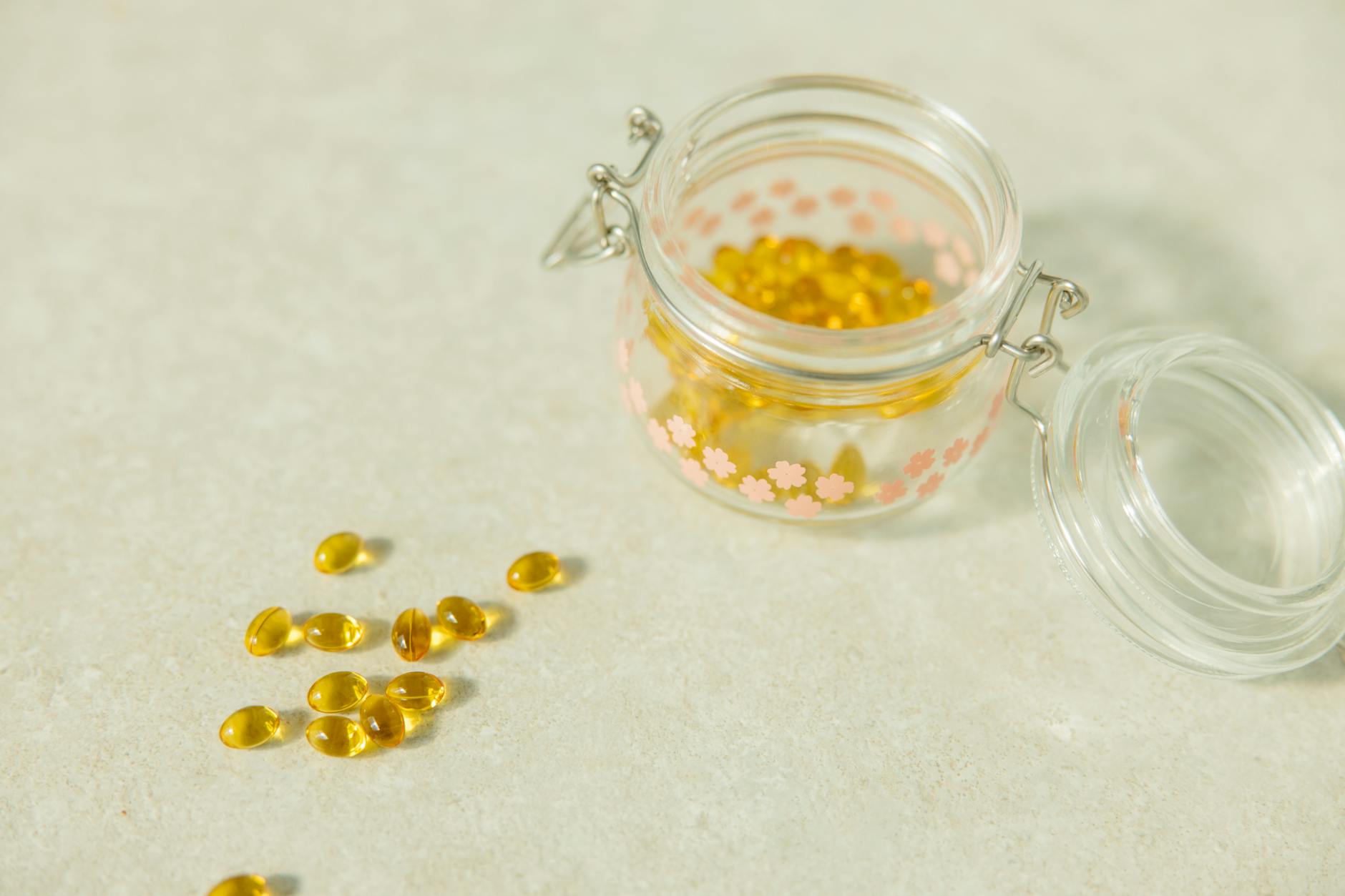
This natural botanical is the active ingredient in many popular over the counter laxative teas and weight loss cleanses. Chronic use of senna products forces the liver to continuously process high amounts of active anthraquinone compounds. This constant metabolic demand can trigger liver injury and long term damage to the digestive tract. Medical experts recommend using these natural laxatives for no more than a few days at a time.
Noni Juice
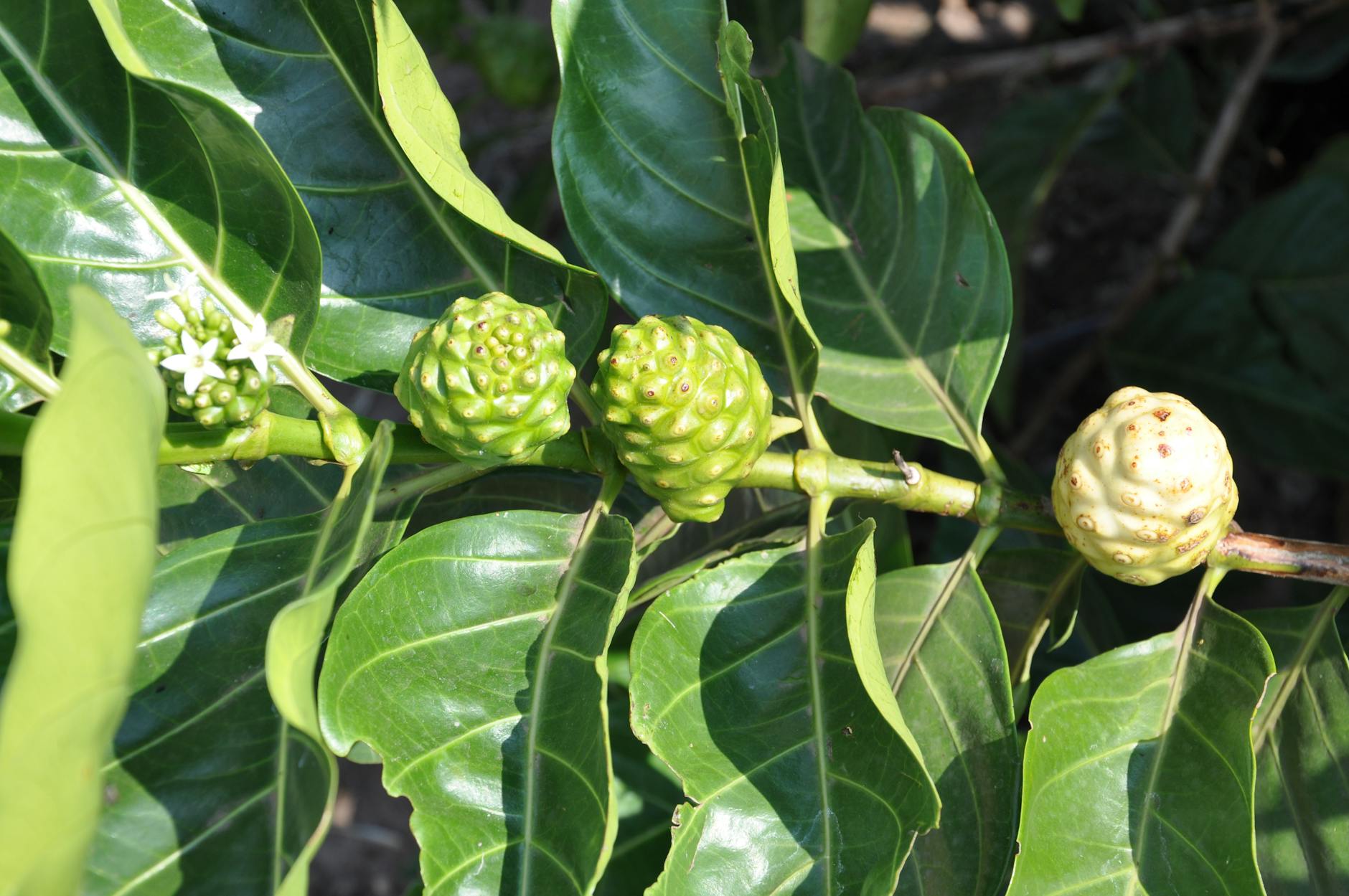
Polynesian cultures have utilized this pungent fruit for centuries as a general health tonic and energy booster. Multiple peer reviewed medical journals have published reports linking daily noni juice consumption to acute chemical hepatitis. The exact hepatotoxic compounds within the fruit are still being debated by botanical researchers and medical scientists. Individuals with pre existing liver conditions should completely avoid drinking this highly concentrated tropical fruit extract.
Valerian Root
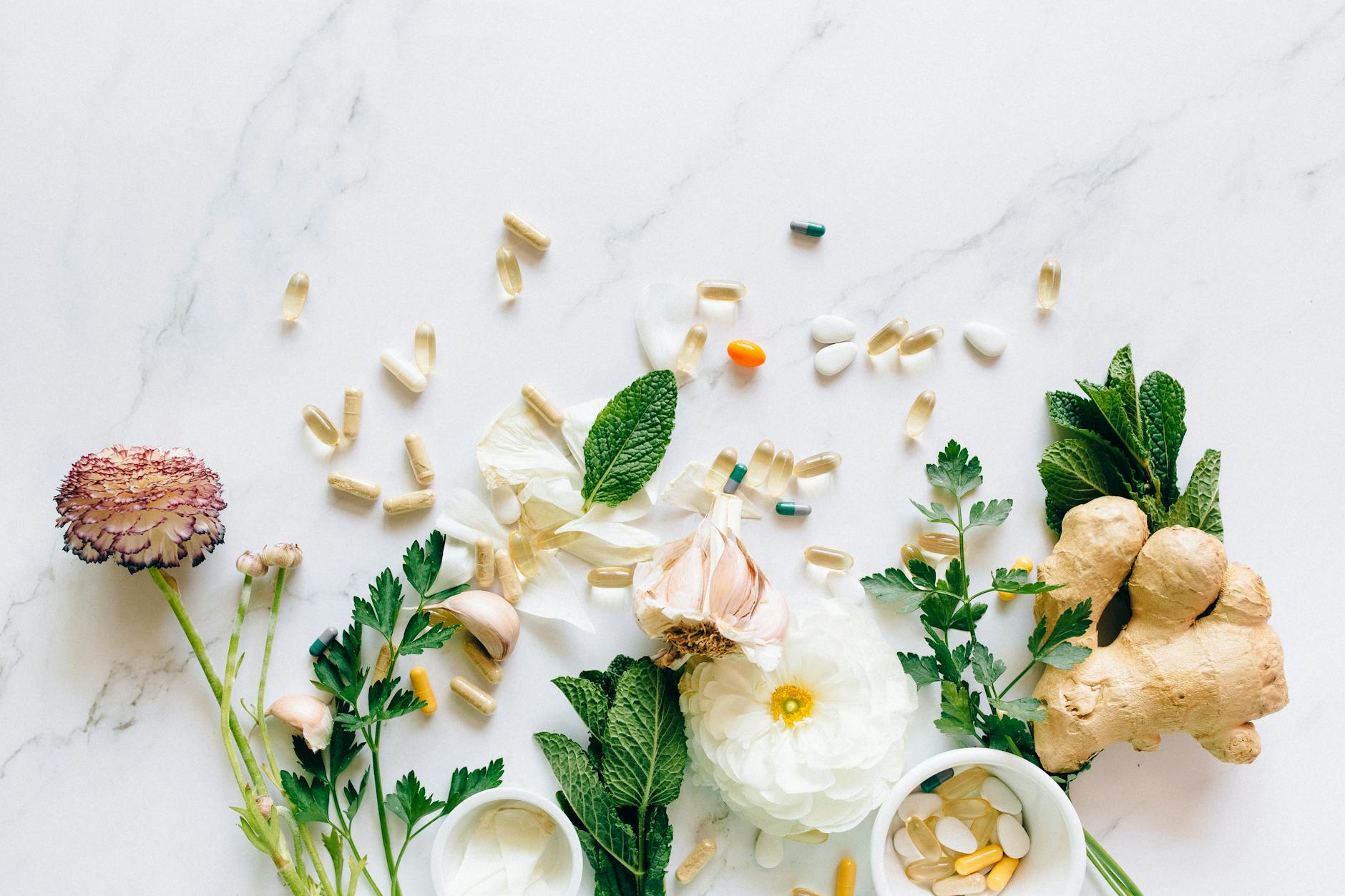
Millions of people rely on this pungent smelling root extract to combat insomnia and daily anxiety naturally. While generally considered mild there are documented instances of liver toxicity associated with long term valerian use. The risk seems to multiply when users combine valerian extract with other calming herbs or prescription sleep aids. Discontinuing the supplement typically leads to a full resolution of any associated liver enzyme abnormalities.
Ephedra
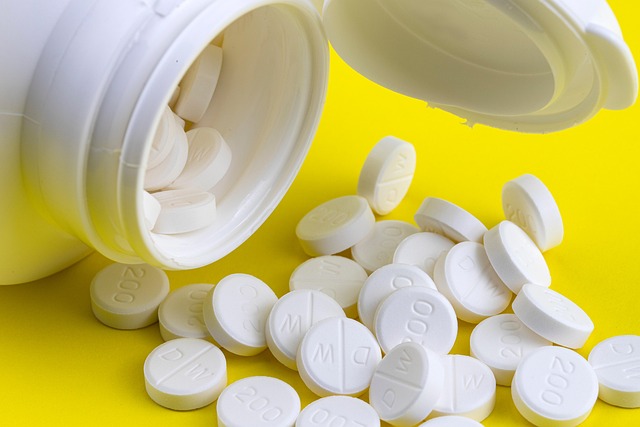
Athletes and dieters previously relied heavily on this powerful herb for intense energy and rapid weight loss. The intense strain this stimulant places on the cardiovascular system is matched by its toxic effects on the liver. The United States government eventually banned ephedra supplements due to a massive surge in severe organ damage reports. Some imported or illegally manufactured diet pills still secretly contain this highly dangerous botanical extract.
Saw Palmetto
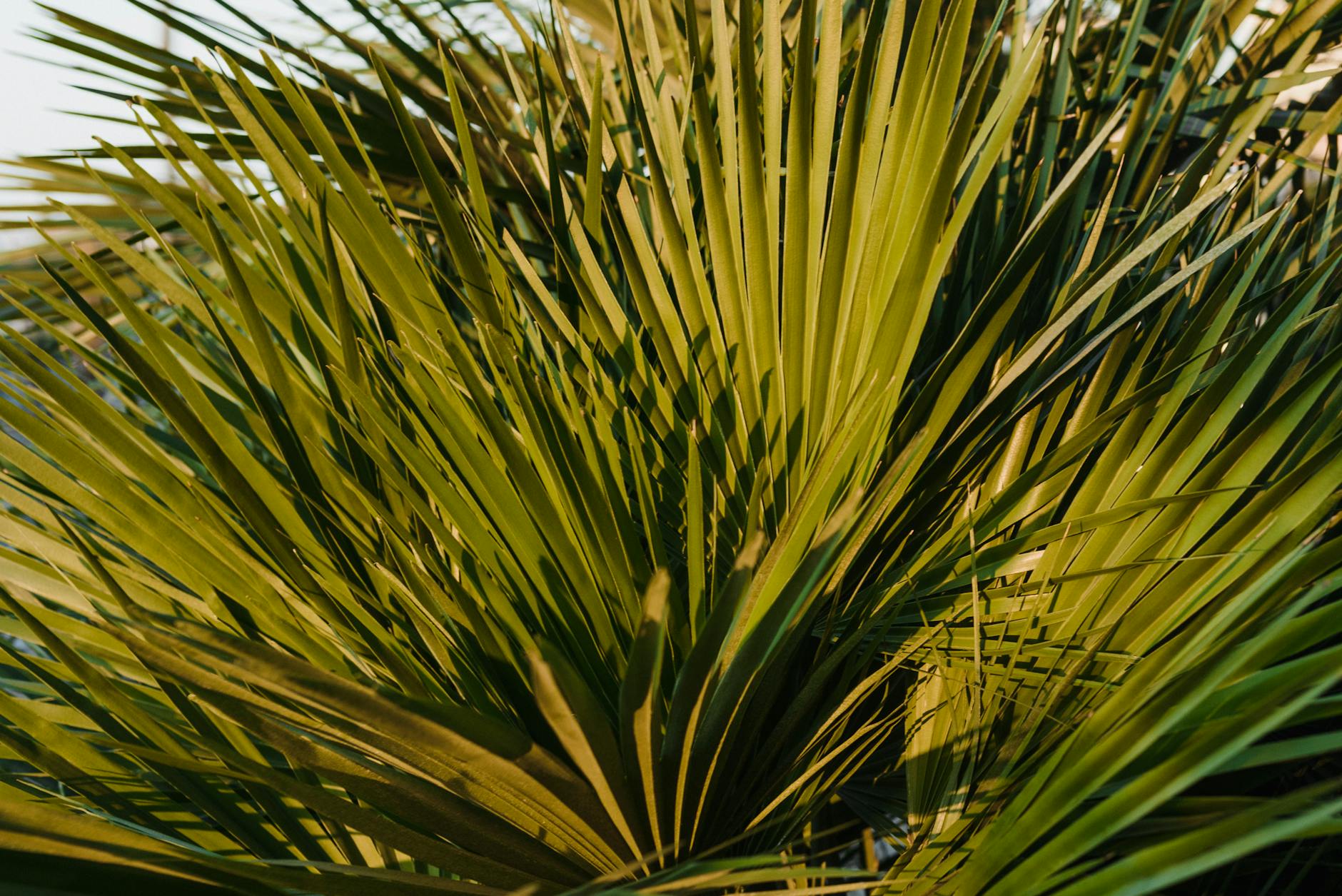
Older men frequently turn to this palm berry extract to support prostate health and urinary function. A small but significant number of medical case studies link saw palmetto use to sudden liver inflammation. The exact physiological reason for this adverse hepatic reaction remains a mystery to modern medical researchers. Regular monitoring by a healthcare provider is highly recommended for men taking this supplement long term.
Skullcap
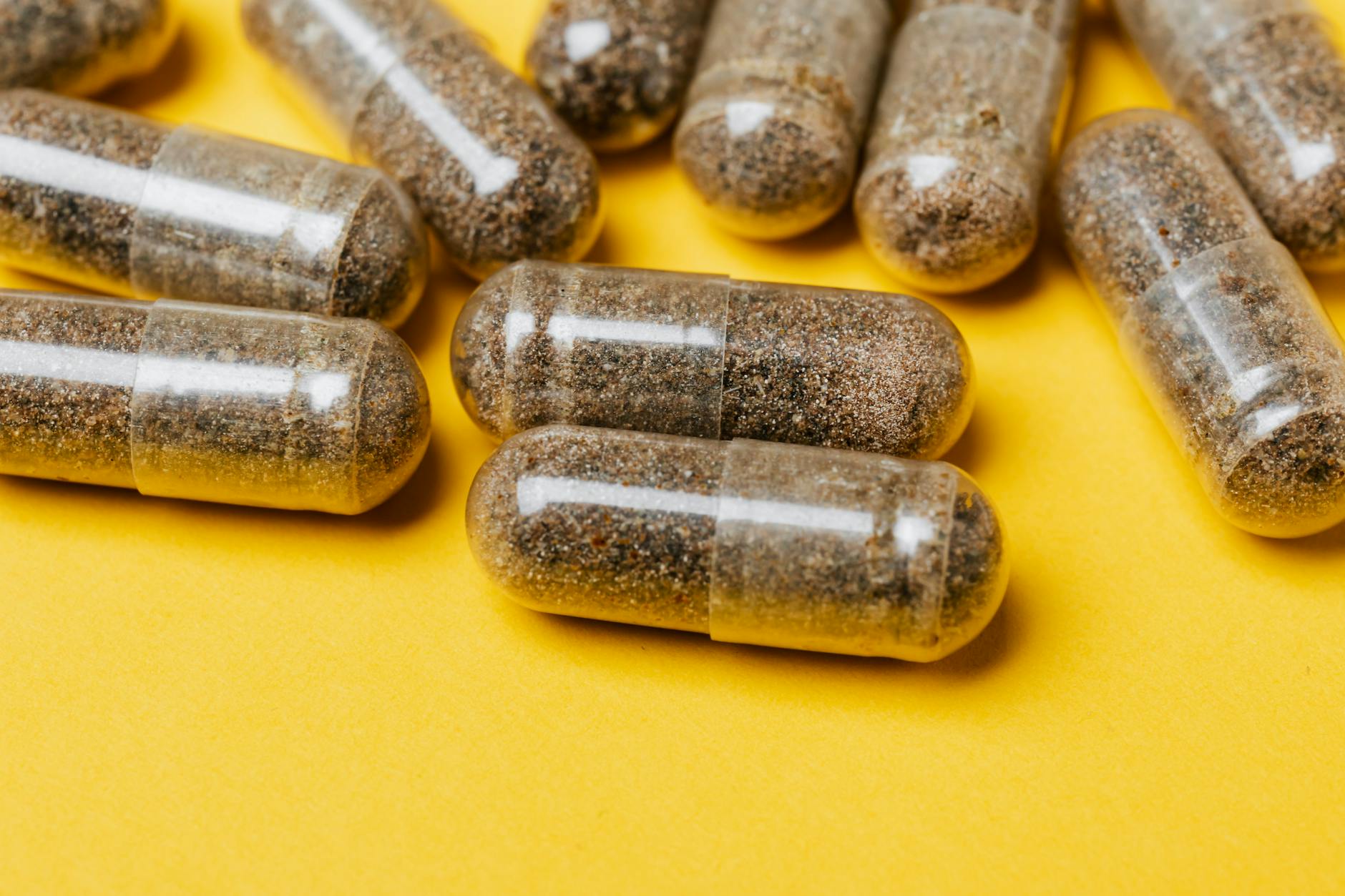
This flowering herb is a common ingredient in many popular relaxation and tension relief botanical blends. Contamination is a major issue as true skullcap is often accidentally replaced with other highly toxic plant species during manufacturing. Even pure skullcap has been occasionally implicated in cases of temporary liver injury and jaundice. Consumers must be incredibly cautious about the purity and sourcing of any product containing this specific herbal ingredient.
Pennyroyal
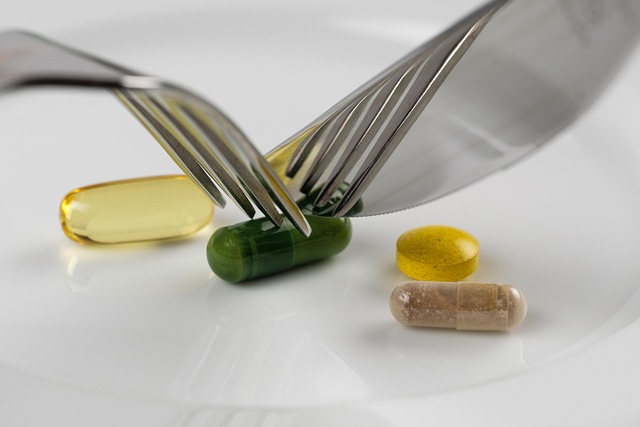
Historically utilized for digestive issues and respiratory ailments this herb is incredibly dangerous when concentrated into oils or extracts. The active compound pulegone is a known hepatotoxin that can cause massive cellular necrosis within the liver very quickly. Ingesting even tiny amounts of concentrated pennyroyal oil can lead to multi organ failure and fatal outcomes. This botanical is considered entirely unsafe for internal human consumption in any form or quantity.
Yohimbe
Derived from African tree bark this supplement is heavily marketed for athletic performance and vitality enhancement. The concentrated extract must be broken down by the liver where it can trigger severe inflammatory immune responses. Users frequently experience rapid heart rates and elevated blood pressure alongside hidden but significant hepatic stress. Most physicians strongly discourage the use of yohimbe due to its narrow safety margin and severe side effect profile.
Usnic Acid
Derived from lichen this compound is frequently found in aggressive weight loss and fat burning supplement stacks. This chemical specifically uncouples cellular energy production which leads directly to severe liver cell death and organ failure. Multiple high profile diet pills containing usnic acid have been pulled from the market after users required emergency liver transplants. There is absolutely no safe dosage of this particular natural compound for human oral consumption.
Please share your thoughts on which of these botanical ingredients surprised you the most and how you prioritize your own health in the comments.