The modern obsession with side hustles has been sold as the ultimate path to financial freedom and personal fulfillment. What rarely gets discussed is the physical and psychological toll that comes with filling every spare hour with additional work. Research consistently shows that chronic overwork disrupts sleep, impairs cognitive function, and weakens immune resilience. The promise of extra income can quietly mask a deepening cycle of exhaustion that becomes harder to escape over time. Understanding why side hustles so frequently lead to burnout is the first step toward making more intentional choices about how time and energy are spent.
The “Always On” Trap

The nature of most side hustles requires constant availability whether managing client messages, monitoring an online store, or posting content across multiple platforms. This permanent state of readiness prevents the nervous system from ever fully disengaging from work mode. Unlike a salaried job with defined hours, a side hustle rarely has a clear endpoint to the workday. Over weeks and months the mental load accumulates in ways that are difficult to recognize until exhaustion becomes unavoidable. The brain simply was not designed to sustain two full professional identities simultaneously without significant cost.
Sleep Deprivation as a Hidden Tax

Most side hustlers borrow time from sleep to fit additional work into an already packed schedule. Consistent sleep loss impairs memory consolidation, decision-making, and emotional regulation in measurable ways. The short-term gain of a few extra productive hours is routinely outweighed by declining performance across every area of life. Studies in occupational health have linked chronic sleep restriction to increased rates of anxiety, cardiovascular stress, and metabolic disruption. What feels like hustle discipline is often the early signature of a body and mind running on an unsustainable deficit.
The Monetization of Every Passion
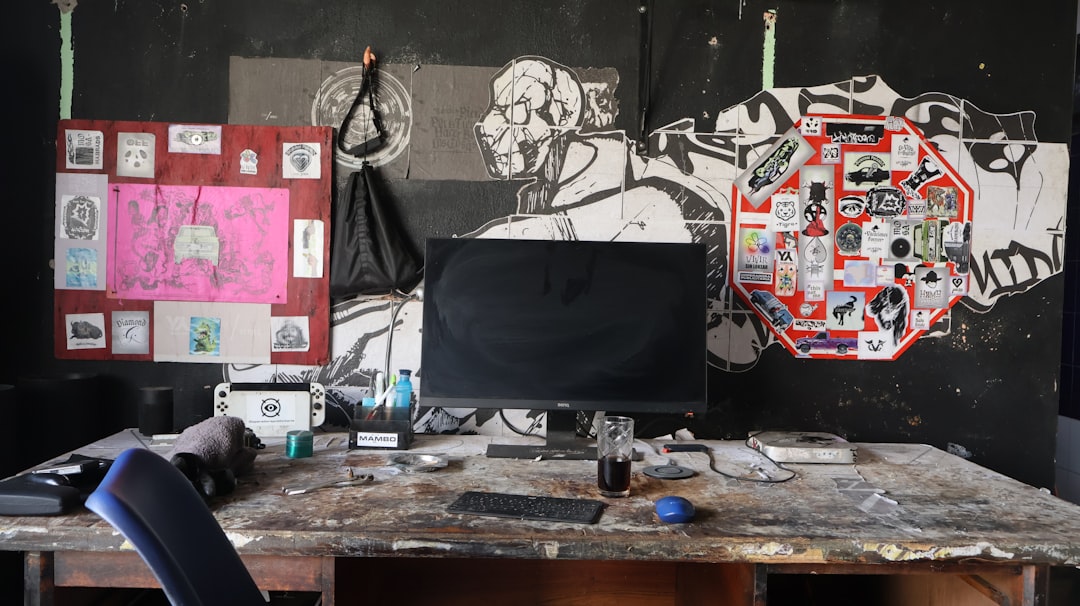
A particularly damaging pattern emerges when people transform hobbies and creative outlets into income streams. Activities that once provided psychological restoration become associated with deadlines, client expectations, and performance metrics. The intrinsic joy that made painting, writing, or cooking a genuine source of rest evaporates when financial pressure enters the equation. Without a single restorative activity to decompress with, stress accumulates with no healthy outlet available. The hobby that once replenished energy now drains the exact reserves it used to rebuild.
Social Withdrawal and Relationship Erosion

Time is a finite resource and hours dedicated to a side hustle are hours subtracted from relationships, social connection, and community participation. Friendships require consistent investment and repeated cancellations or prolonged unavailability gradually weaken even well-established bonds. Family dynamics shift when one member is perpetually distracted by notifications, deadlines, or financial anxiety tied to secondary income. Social connection is one of the most robustly researched predictors of long-term wellbeing and its erosion carries serious consequences. The income generated rarely compensates for the relational debt that quietly accumulates in the background.
Identity Fusion With Productivity

A culture that equates personal worth with economic output makes it extremely difficult to rest without guilt. Side hustlers often internalize the belief that downtime is a failure of ambition rather than a biological and psychological necessity. This fusion of self-worth with productivity metrics creates a psychological state where rest triggers anxiety instead of relief. Therapists increasingly identify this pattern as a precursor to full clinical burnout rather than a sign of admirable drive. When a person cannot exist comfortably outside of work mode their capacity for sustainable performance deteriorates steadily.
The Compounding Cost of Split Focus
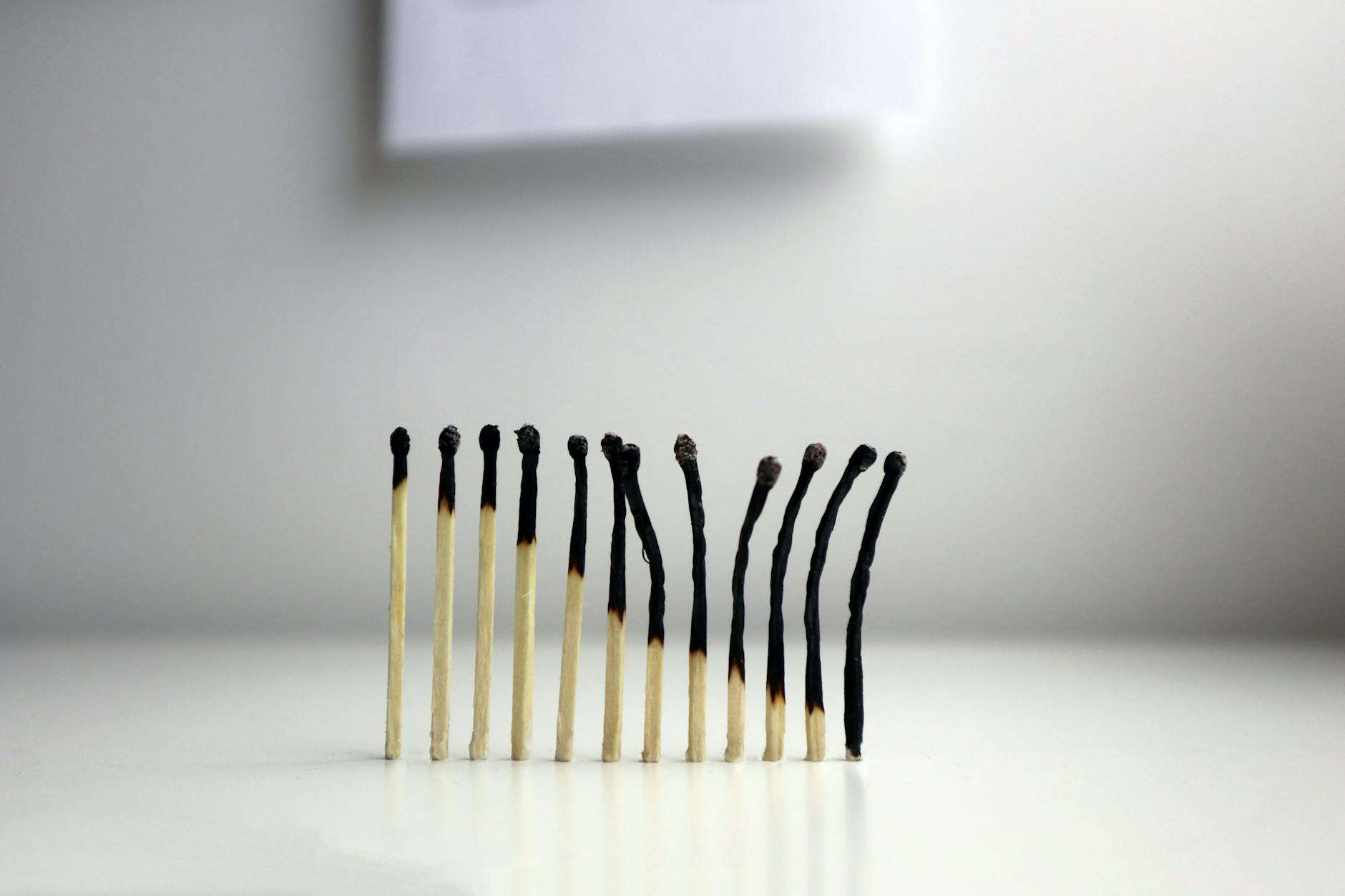
Cognitive research on task-switching consistently demonstrates that divided attention reduces the quality of output across both primary and secondary work streams. A professional who arrives at their main job already mentally depleted from evening or weekend hustle work delivers measurably lower performance. Mistakes increase, creativity contracts, and the kind of deep focused thinking that produces genuine career advancement becomes inaccessible. The side hustle intended to accelerate financial progress can paradoxically slow advancement in the primary career that provides the most stable long-term income. Split focus is not a productivity strategy but a sustained drain on the brain’s most valuable operating capacities.
The Illusion of Temporary Sacrifice

Most side hustlers begin with a defined endpoint telling themselves the extra grind is only temporary until a specific financial target is reached. That endpoint consistently shifts as lifestyle expenses expand to absorb the additional income and new financial goals replace the original ones. The psychological phenomenon of goal displacement means the finish line moves in proportion to progress made toward it. What began as a six-month plan quietly becomes a permanent operating mode with no clear exit strategy. The belief that burnout is only a short-term trade-off is one of the most persistent and costly misconceptions in hustle culture.
Poor Recovery Habits Masked as Efficiency

Side hustle culture tends to celebrate the elimination of what it labels unproductive time including proper meals, exercise, and genuine leisure. Efficiency hacks replace the recovery rituals that the body and mind depend on for sustained functional capacity. Eating quickly at a desk, skipping workouts to gain work hours, and replacing sleep with stimulants are normalized behaviors within hustle communities. These habits accelerate physical depletion and create a fragile baseline from which recovery becomes increasingly difficult. What is framed as optimized living is frequently a systematic dismantling of the physiological foundations that support any kind of performance.
Financial Anxiety That Never Resolves

The financial motivation behind most side hustles is rooted in a genuine experience of economic pressure or insecurity. However the relationship between increased income and reduced financial anxiety is far weaker than hustle culture suggests. Many side hustlers report that earning more simply raises their awareness of how much more could be earned creating a perpetual state of insufficiency. Financial therapists describe this pattern as a scarcity mindset that income alone cannot resolve without deeper psychological work. The anxiety that sparked the hustle often intensifies rather than diminishes as income grows.
The Physical Body Keeps Score

Burnout is not purely psychological but registers in the body through hormonal disruption, chronic inflammation, and immune suppression. Elevated cortisol levels sustained over months of overwork alter the body’s baseline stress response in ways that persist long after workload decreases. Gastrointestinal issues, persistent fatigue, frequent illness, and muscular tension are among the most commonly reported physical symptoms in burned-out individuals. The body communicates overload through symptoms that are frequently dismissed as minor inconveniences until they escalate into significant health events. Physical recovery from prolonged burnout typically requires far longer than the period of overwork that caused it.
Community Comparison and Competitive Pressure

Online side hustle communities are predominantly populated by success stories rather than balanced representations of the full experience. Algorithms amplify content featuring income milestones, dramatic financial transformations, and aspirational lifestyles that frame overwork as the obvious path to freedom. Consistent exposure to curated highlights of others’ achievements generates comparative pressure that makes rest feel like falling behind. This environment makes it structurally difficult to acknowledge struggle, reduce workload, or exit a hustle that is no longer serving overall wellbeing. The social architecture of hustle communities is optimized for engagement rather than the honest collective examination of cost.
The Creativity Deficit

Creative thinking requires mental spaciousness and the capacity to let the mind wander without agenda. A schedule saturated with task-based obligations leaves no room for the kind of diffuse thinking that generates original ideas, novel solutions, and imaginative output. Side hustles that depend on creative work often encounter diminishing returns as the practitioner’s cognitive resources become depleted. What begins as energized creative production gradually contracts into mechanical repetition and formulaic output. The creative wellspring that initially powered the hustle dries up precisely because the conditions that replenish it have been systematically eliminated.
Skipping Professional Development in the Primary Career

Hours spent on a side hustle are hours not spent developing skills, building networks, or deepening expertise in a primary career. Compounding investment in a single professional direction typically generates greater long-term financial returns than dividing effort across multiple income streams. Many professionals quietly stall in their main careers during periods of heavy side hustle activity without recognizing the causal connection. The opportunity cost of redirected professional development is rarely factored into the financial calculations that make a side hustle appear worthwhile. Career trajectory is a long-term asset whose erosion unfolds slowly enough to remain invisible until significant momentum has already been lost.
The Exit Is Harder Than the Entry

Starting a side hustle is relatively frictionless because the initial energy investment feels manageable against the backdrop of anticipation and novelty. Exiting one is considerably more psychologically complex especially when income has been integrated into a monthly budget or identity has become entangled with the hustle’s perceived success. Feelings of failure, financial fear, and sunk cost reasoning all create psychological barriers to stepping back even when the physical and emotional costs are undeniable. Many people remain locked in exhausting side hustles long past the point where a rational cost-benefit analysis would support leaving. The ease of entry combined with the difficulty of exit creates a one-way mechanism that channels enormous numbers of people toward preventable burnout.
If this resonates with your own experience of hustle culture and its real costs, share your thoughts in the comments.