Sleeping on the stomach is widely considered the worst sleeping position by medical professionals and sleep specialists. This posture forces the body into unnatural alignment and places significant stress on the spine and neck. Many people persist in this habit despite frequently waking up with aches and pains. Understanding the specific physiological impacts can motivate a shift toward healthier sleep hygiene.
Spinal Misalignment
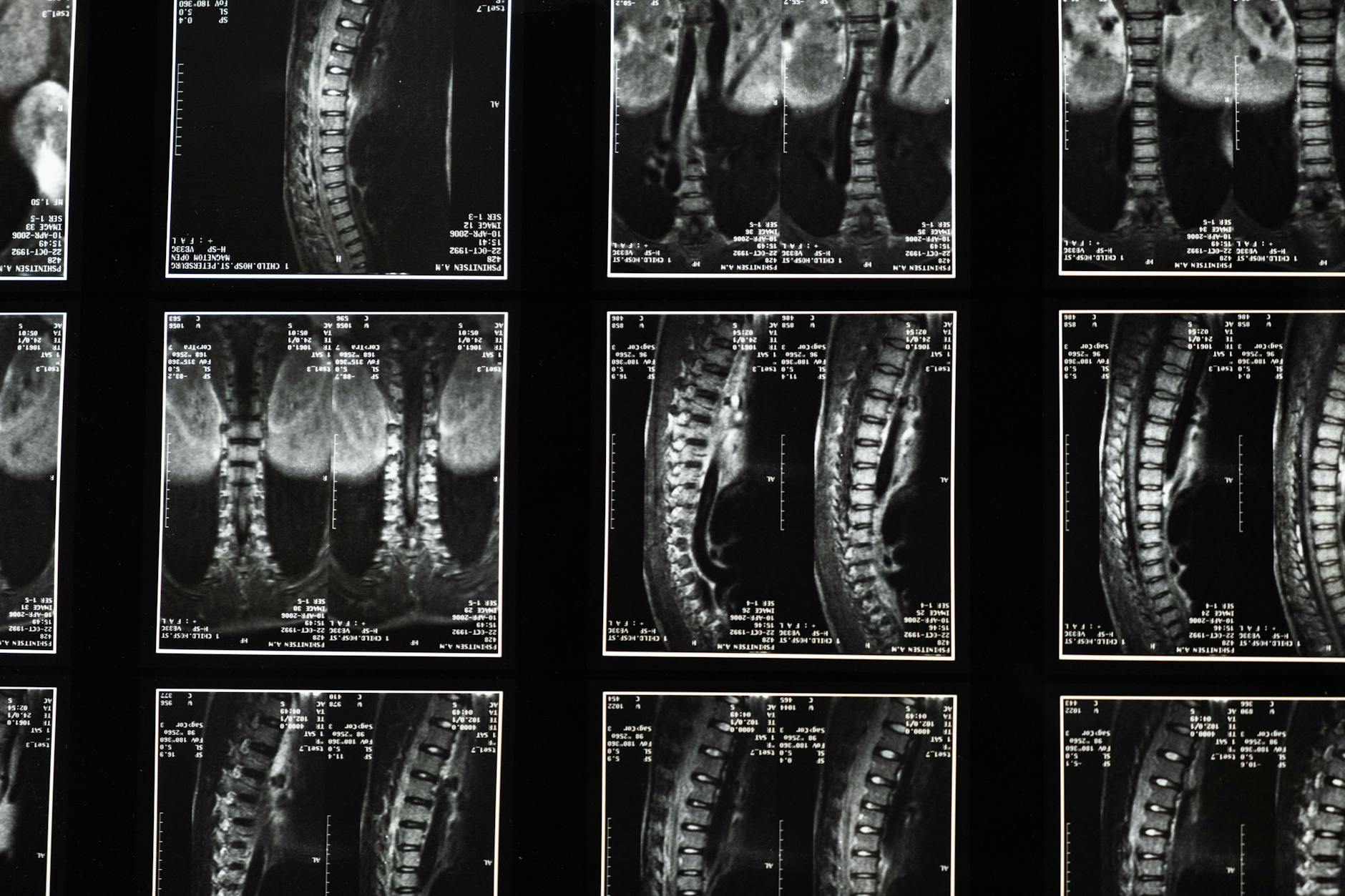
Stomach sleeping flattens the natural curve of the spine and leads to potential long-term issues. The center of the body is the heaviest part and usually sinks deeper into the mattress than the extremities. This uneven weight distribution creates an unnatural arch in the lower back that strains ligaments and muscles. Maintaining a neutral spine is nearly impossible when lying flat on the stomach for eight hours.
Neck Strain

Breathing requires turning the head to one side for an extended period which twists the neck vertebrae unnaturally. This severe rotation places immense stress on the cervical spine and the surrounding soft tissues. You may wake up with stiffness or a reduced range of motion after holding this twisted position all night. Persistent neck rotation during sleep can eventually lead to chronic pain or herniated discs in the upper spine.
Facial Wrinkles

Gravity presses the face firmly against the pillow and causes the skin to distort and fold. This constant compression creates sleep lines that can become permanent wrinkles over time. Collagen breaks down faster in areas where friction and pressure are applied repeatedly every night. Dermatologists often recommend back sleeping as a preventative measure against premature aging caused by mechanical stress.
Lower Back Pain

The gravitational pull on the abdomen causes the pelvis to tilt forward in an anterior pelvic tilt. This position compresses the lumbar vertebrae and stresses the lower back muscles significantly. Many stomach sleepers experience acute morning pain or a dull ache in the lower back region. Alleviating this pressure usually requires switching to a side or back sleeping position to restore proper alignment.
Breathing Difficulties

The weight of the body presses down on the chest and lungs which restricts the diaphragm’s movement. Taking deep and full breaths becomes more difficult when the rib cage is compressed against the mattress. This shallow breathing pattern can disrupt sleep cycles and reduce overall oxygen intake during the night. Individuals with existing respiratory conditions may find their symptoms worsen when sleeping in the prone position.
Shoulder Discomfort

Many stomach sleepers instinctively raise their arms above their head or tuck them under the pillow. This posture can compress the nerves in the shoulder girdle and restrict blood flow to the arms. It often leads to numbness or a pins and needles sensation known as paresthesia upon waking. Keeping the shoulders in this elevated position for hours creates tension in the trapezius muscles.
Joint Pressure

Knees and elbows often dig into the mattress which creates uncomfortable pressure points. The lack of proper support for these joints can lead to inflammation or soreness in the morning. Even soft mattresses do not fully alleviate the strain placed on joints when they bear weight at odd angles. Shifting to a side position with a pillow between the knees offers much better joint protection.
Nerve Compression

The unnatural twisting of the head and spine can pinch nerves exiting the spinal column. This compression often results in radiating pain or tingling that travels down the arms and legs. Ignoring these neurological signals can lead to chronic conditions like sciatica or carpal tunnel syndrome over time. Relieving this pressure requires a sleep posture that allows the nervous system to rest without impingement.
Poor Sleep Quality

Discomfort caused by misalignment often forces the body to move frequently throughout the night. These micro-awakenings interrupt the deep REM cycles necessary for physical and mental restoration. You may sleep for a full eight hours yet still feel groggy and unrefreshed in the morning. Consistently fragmented sleep impacts focus and energy levels during the following day.
Pregnancy Complications

Sleeping on the stomach becomes physically impossible and medically inadvisable as pregnancy progresses. The position reduces space for the fetus and can restrict blood flow to the placenta. Doctors advise pregnant women to start sleeping on their left side early to adjust before the bump grows. Continuing to sleep prone can cause significant discomfort and potential health risks for both mother and child.
Jaw Tension
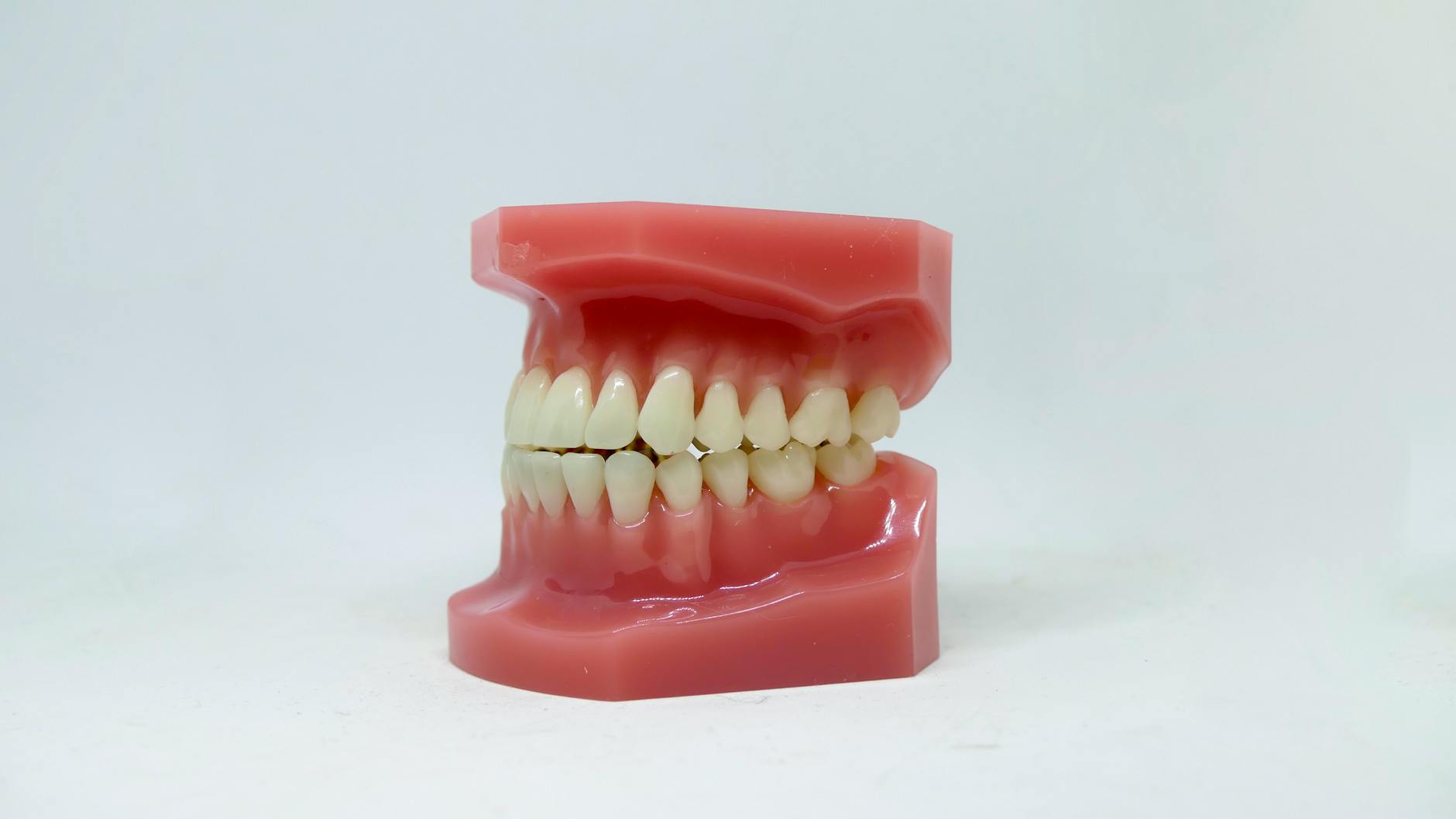
The pressure of the face against the pillow can push the jaw backward or to the side. This misalignment strains the temporomandibular joint and can exacerbate teeth grinding or clenching. People who suffer from TMJ disorders often find their symptoms intensify after sleeping on their stomachs. Keeping the jaw neutral is essential for preventing headaches and facial pain associated with this joint.
Tell us which sleeping position you find most comfortable in the comments.