Many smartphone users habitually plug in their devices before bed to ensure a full battery for the morning. This common practice often ignores the complex chemistry inside modern lithium-ion batteries and how they react to prolonged electrical currents. Tech experts increasingly warn that leaving phones connected for eight hours or more can accelerate degradation and lead to safety concerns. Understanding the mechanics behind charging cycles and heat management is essential for preserving the lifespan of expensive mobile technology. The following points outline fifteen critical reasons why overnight charging might be detrimental to your device.
Trickle Charging Stress
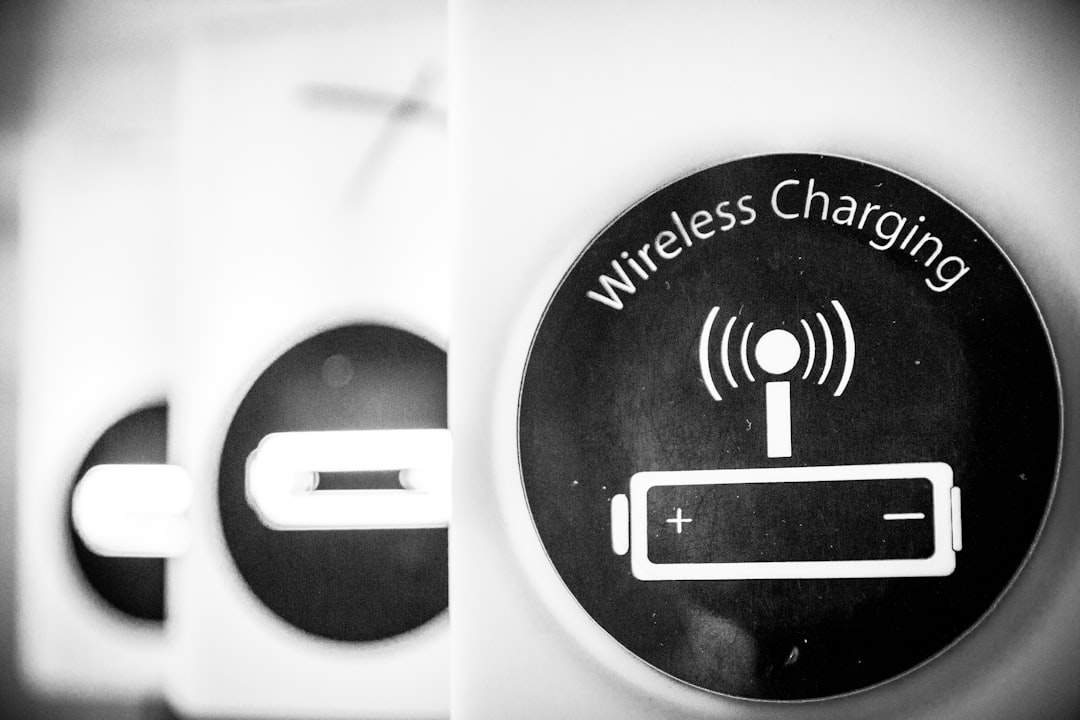
Trickle charging happens when a phone battery reaches full capacity and the charger continues to supply small amounts of electricity to keep it at one hundred percent. This continuous process keeps the battery in a high-tension state and forces it to bounce back and forth between fully charged and slightly discharged. The chemical components inside the battery face constant stress during this cycle which significantly reduces their overall lifespan over time. Experts suggest that minimizing the time a battery spends in this saturation zone preserves its long-term health.
Excess Heat Accumulation
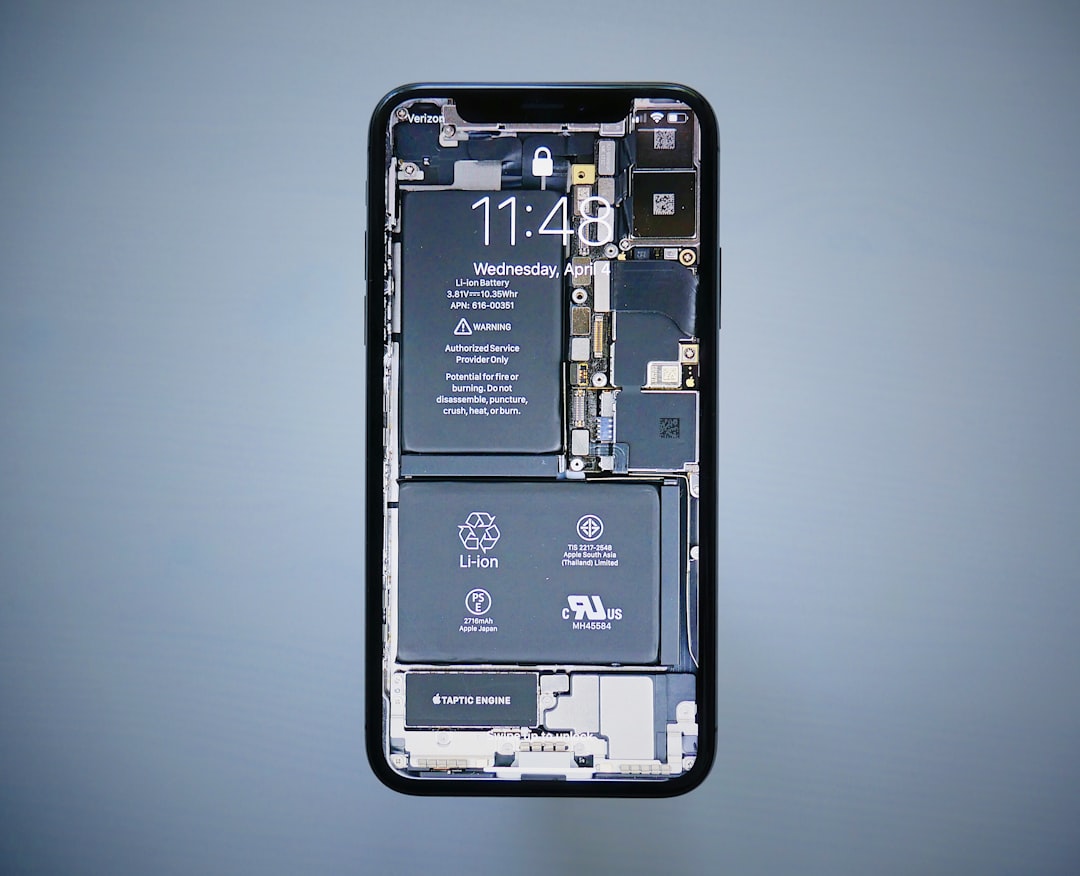
Lithium-ion batteries generate heat as a natural byproduct of the chemical reactions that occur during the charging process. Keeping a phone plugged in for hours after it reaches full capacity causes this heat to linger rather than dissipating naturally. Elevated temperatures are the primary enemy of battery longevity and can cause the internal fluid to evaporate or degrade. Prolonged exposure to this excess thermal energy accelerates the aging process of the internal components.
Voltage Tension
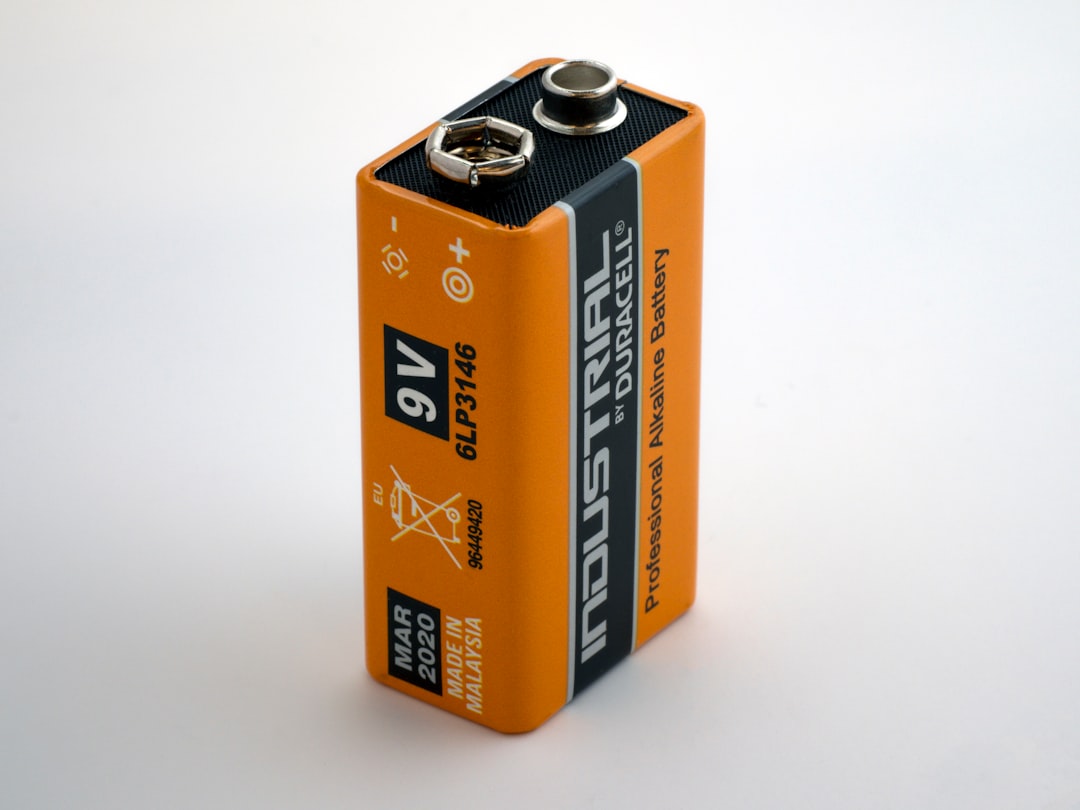
Batteries operate most comfortably and efficiently when they are charged between twenty and eighty percent capacity. Pushing the charge level to the absolute maximum creates significant voltage tension within the chemical structure of the cell. Maintaining this high voltage for an entire night places a continuous strain on the battery materials that degrades them faster than normal usage. Charging the device only when necessary helps avoid this prolonged period of high electrical pressure.
Cycle Count Depletion
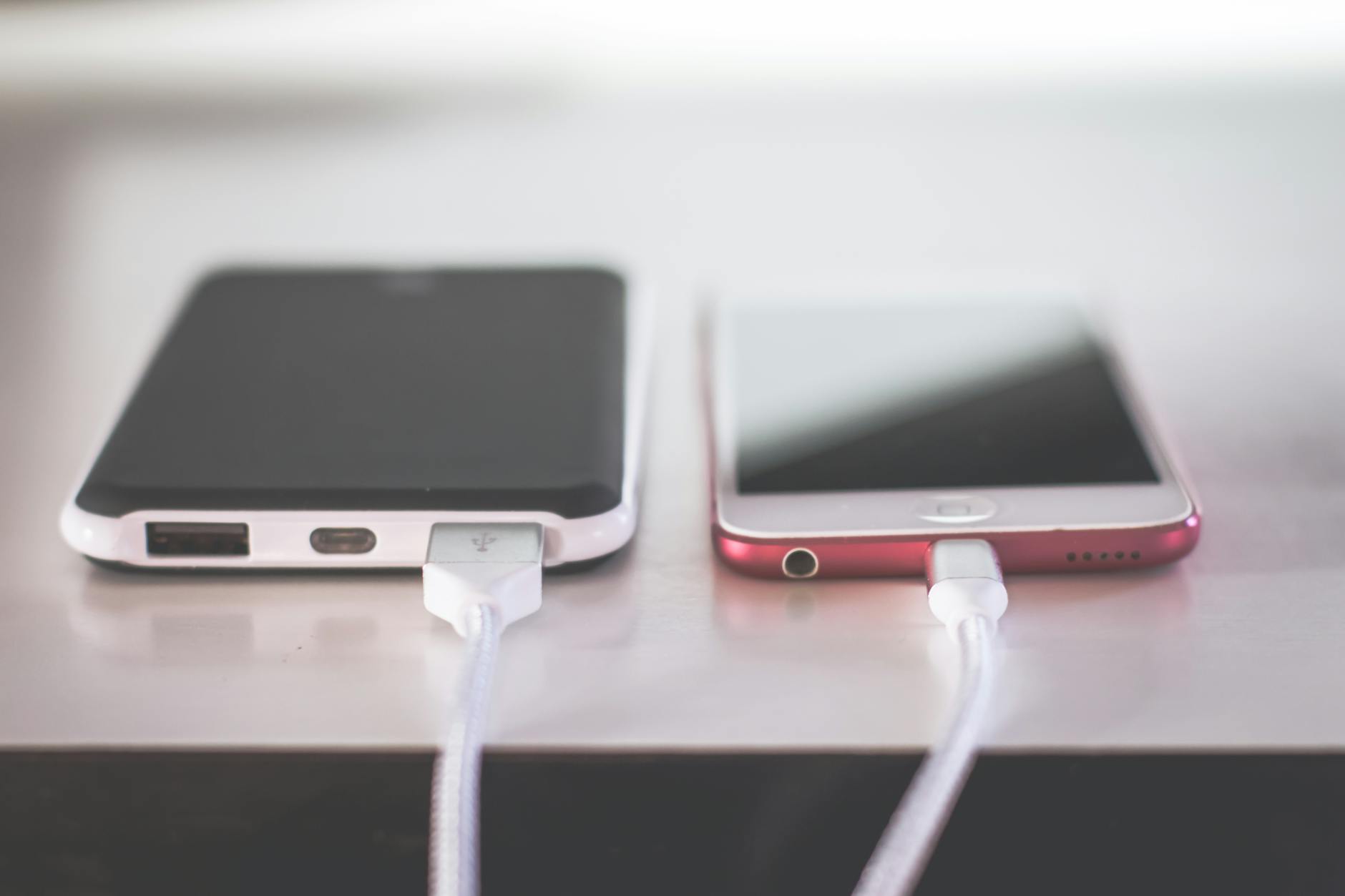
A battery has a finite number of charge cycles before its capacity begins to diminish noticeably and performance suffers. Leaving a phone plugged in overnight can inadvertently contribute to “mini-cycles” where the battery discharges slightly and recharges repeatedly. These small fluctuations add up over months and years to effectively reduce the total number of healthy cycles available to the user. Managing charge times more actively ensures that every cycle is used efficiently rather than being wasted on overnight maintenance.
Case Insulation Issues
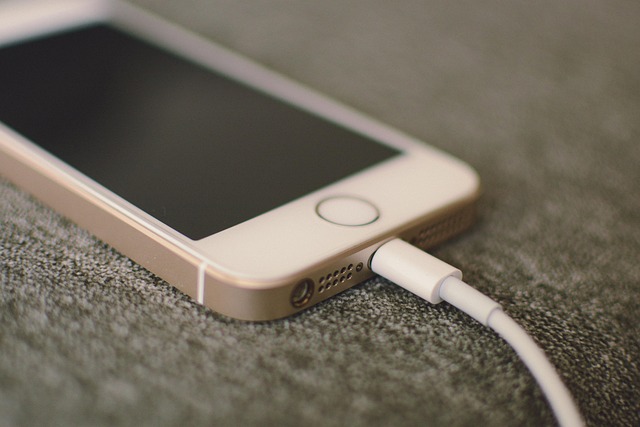
Protective cases are excellent for preventing physical damage but often act as thermal insulators during the charging process. When a phone is left charging overnight while encased in thick plastic or rubber the heat generated cannot escape efficiently. This trapped heat creates a localized oven effect that cooks the delicate internal components of the smartphone. Removing the case or charging for shorter durations allows the device to breathe and maintain a safe operating temperature.
Battery Swelling Risks
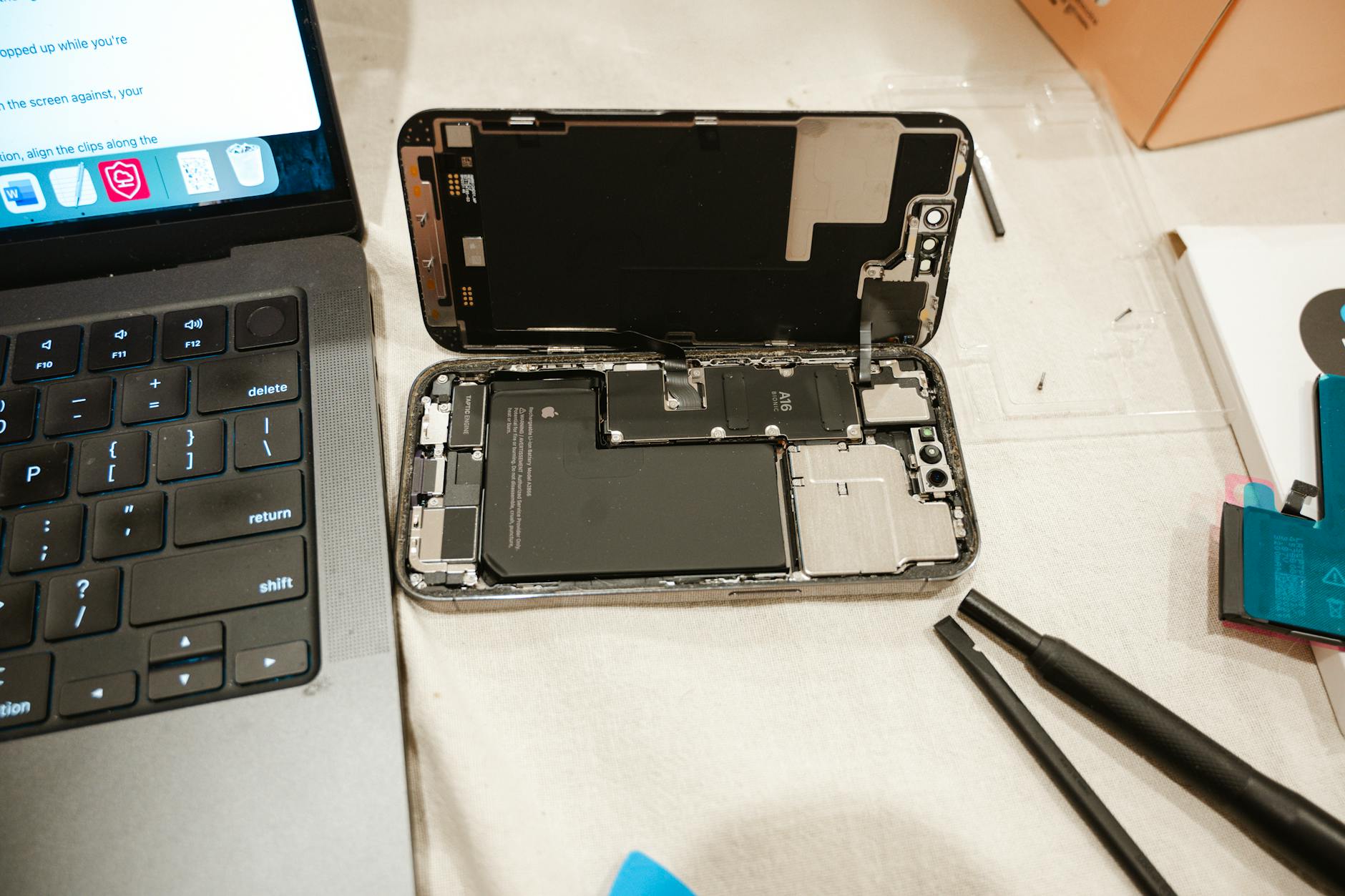
Continuous overcharging and heat exposure can occasionally lead to a chemical breakdown that produces gas within the battery cell. This gas accumulation causes the battery to swell physically and can push against the screen or back panel of the device. A swollen battery poses a significant safety hazard and usually requires immediate professional replacement to prevent rupture. avoiding long charging sessions reduces the likelihood of the chemical instability that leads to this dangerous condition.
Fire Safety Concerns

Although rare there is always a minimal risk of electrical failure or short circuits when a device is connected to a power source. Leaving a phone charging unattended on a bed or under a pillow increases the danger if a malfunction occurs. Flammable materials like bedding can catch fire if the charger or the phone generates excessive sparks or heat during a fault. Charging during waking hours allows users to monitor the device and react quickly to any signs of overheating or smoke.
Electrolyte Oxidation
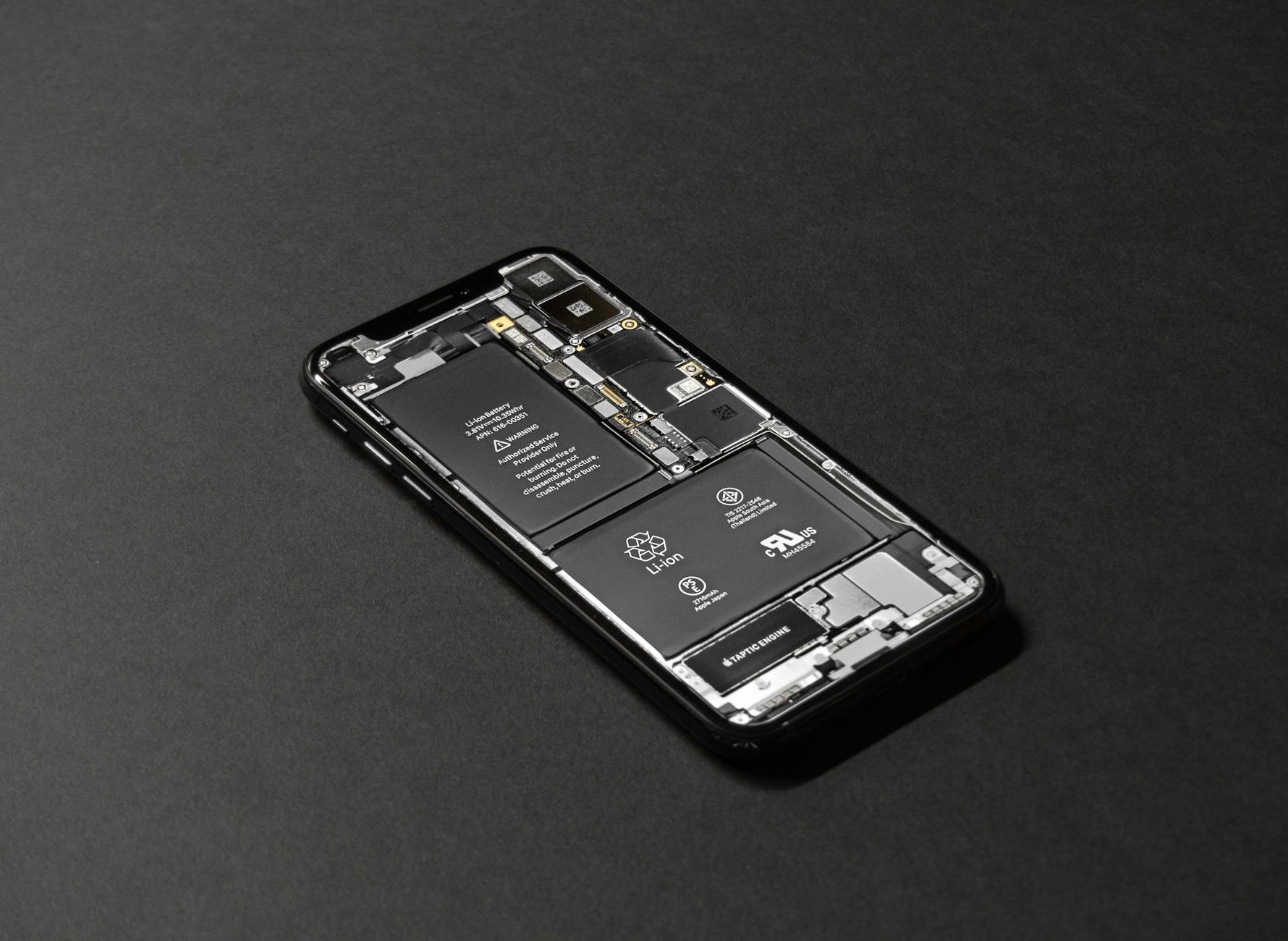
The internal electrolyte solution in a lithium-ion battery facilitates the movement of ions between the cathode and anode. Holding a battery at full charge and high voltage accelerates the oxidation of this electrolyte solution. This chemical degradation increases internal resistance and makes the battery less efficient at storing and delivering power. Protecting the electrolyte stability is crucial for maintaining the snappy performance users expect from their devices.
Calibration Drift
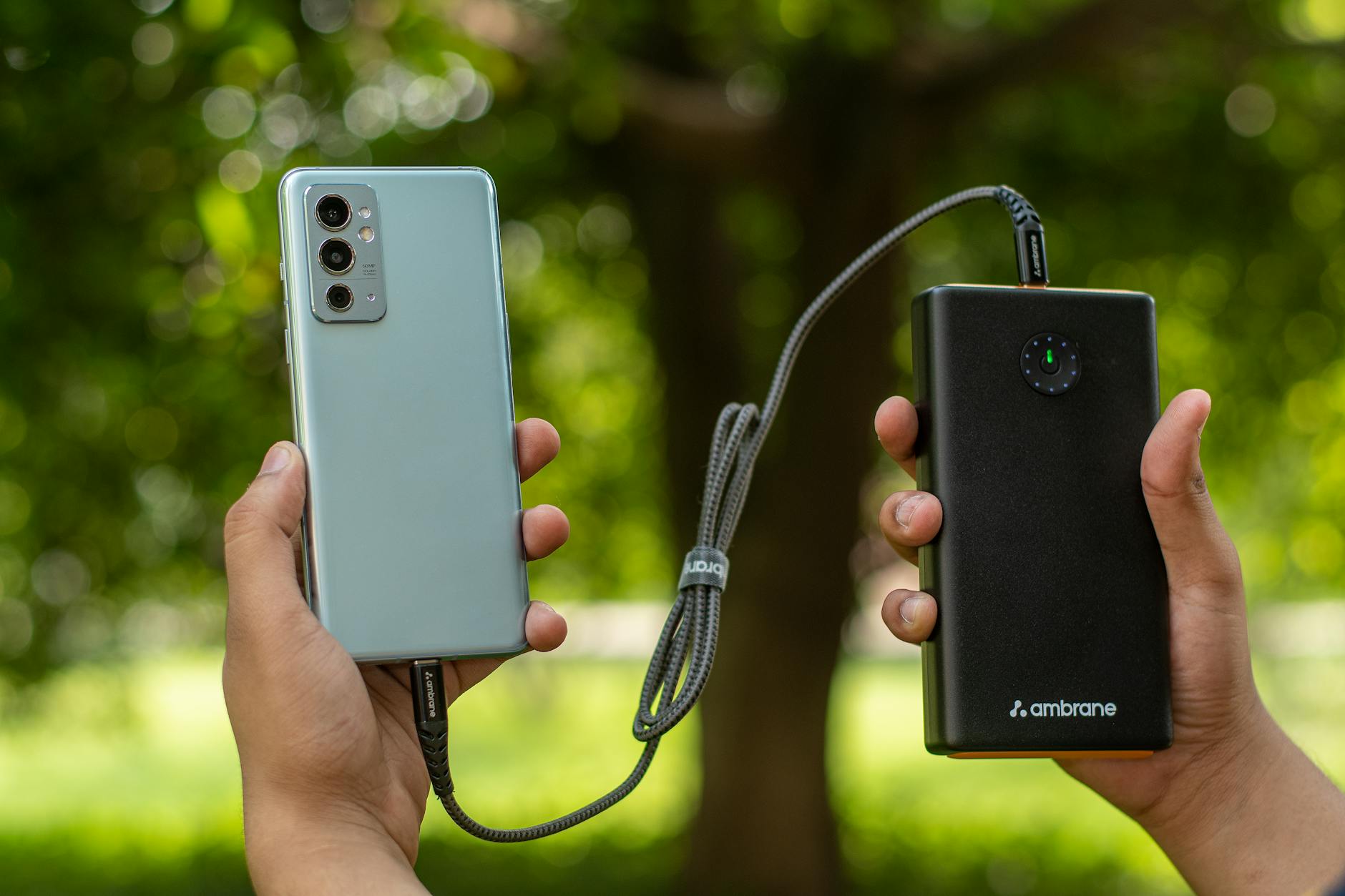
Modern smartphones rely on sophisticated software algorithms to estimate the remaining battery percentage and display it to the user. Constant charging to one hundred percent without allowing significant discharge can confuse these calibration systems over time. The software may eventually display inaccurate readings or shut the phone down even when there is theoretically power remaining. allowing the battery to drain and recharge naturally helps the software maintain an accurate understanding of the actual capacity.
Phantom Power Consumption
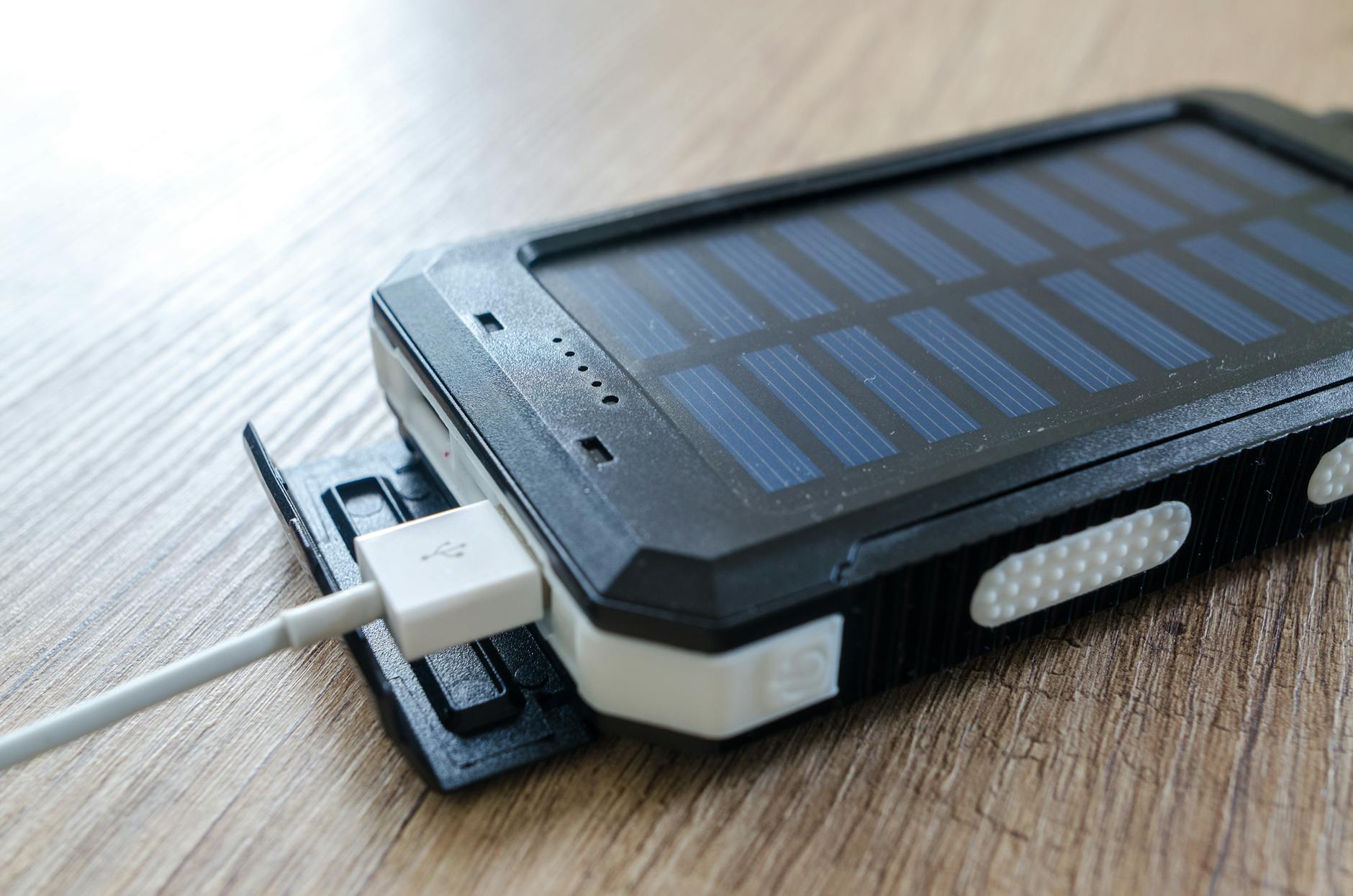
Leaving a charger plugged in and active for eight hours a night consumes a small but measurable amount of electricity known as vampire power. While the cost for a single household is negligible the collective energy waste across millions of users is substantial. Reducing this unnecessary energy draw contributes to a more sustainable lifestyle and lowers the overall demand on the power grid. Unplugging devices once they are charged is a simple step toward energy efficiency.
Cable Strain and Wear
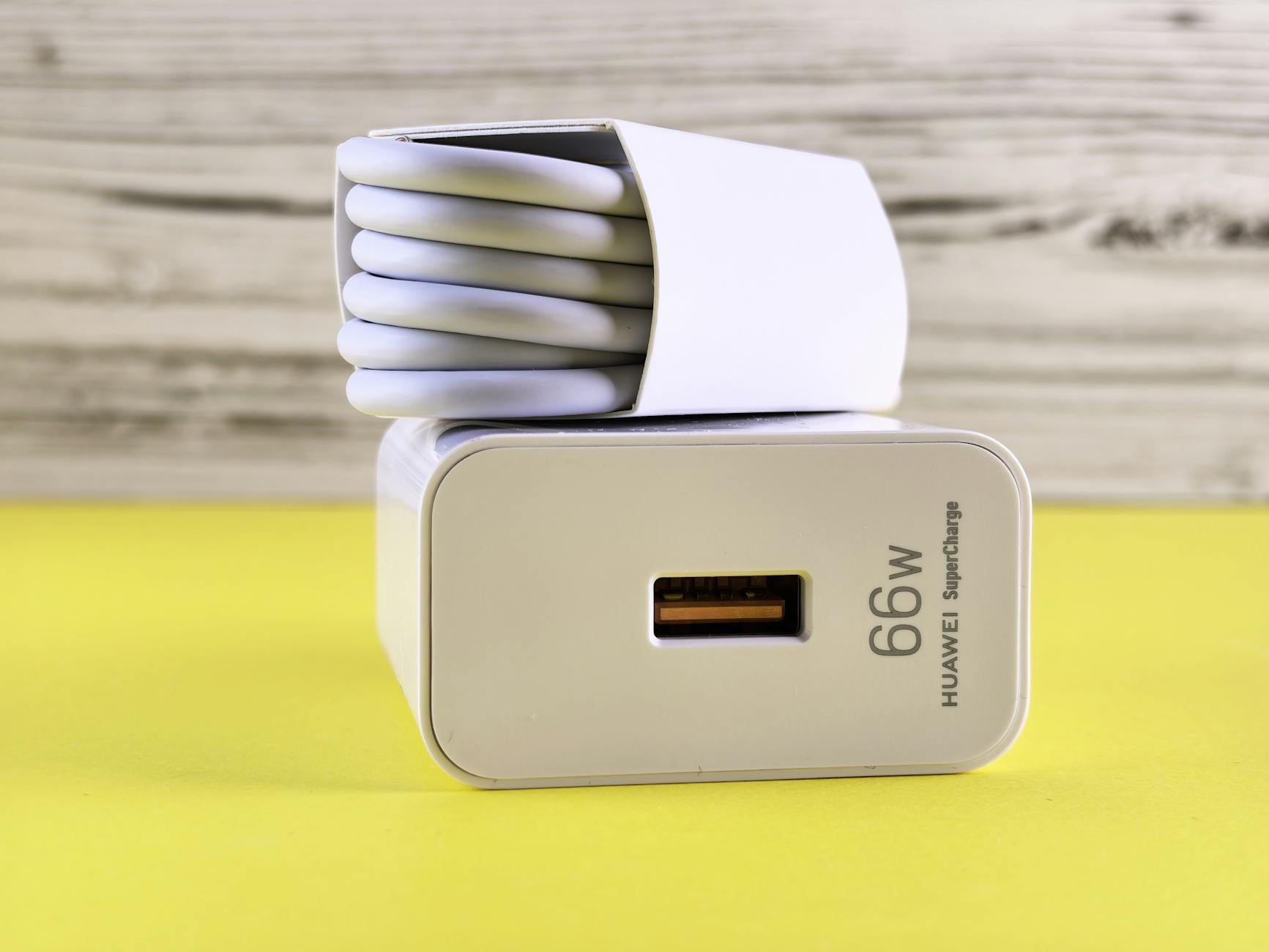
Tethering a phone to a wall outlet for a third of the day increases the physical wear and tear on the charging cable and the port. Users often manipulate the phone while it is plugged in or place it in awkward positions that bend the connector. This strain can loosen the charging port or fray the internal wiring of the cable leading to connection failures. limiting charging time reduces the physical manipulation of these fragile connection points.
Third Party Charger Risks
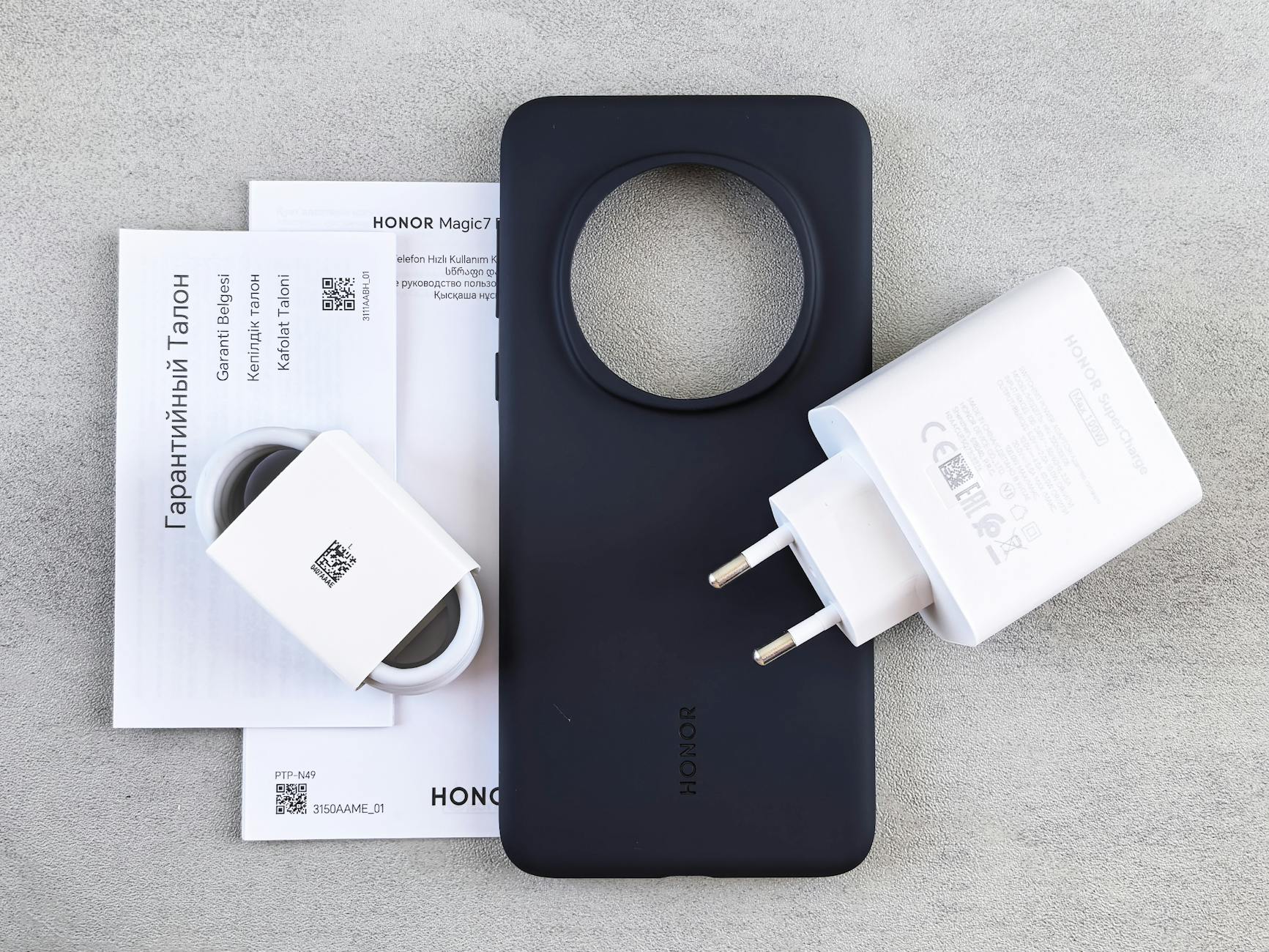
Many users rely on inexpensive aftermarket chargers that may not adhere to the strict safety standards of original equipment manufacturers. Using a lower quality charger for extended overnight sessions increases the risk of voltage spikes and irregular power delivery. These inconsistencies can damage the power management chip inside the phone or bypass built-in safety mechanisms. Charging for shorter periods with supervision mitigates the risks associated with variable charger quality.
Sleep Hygiene Disruption
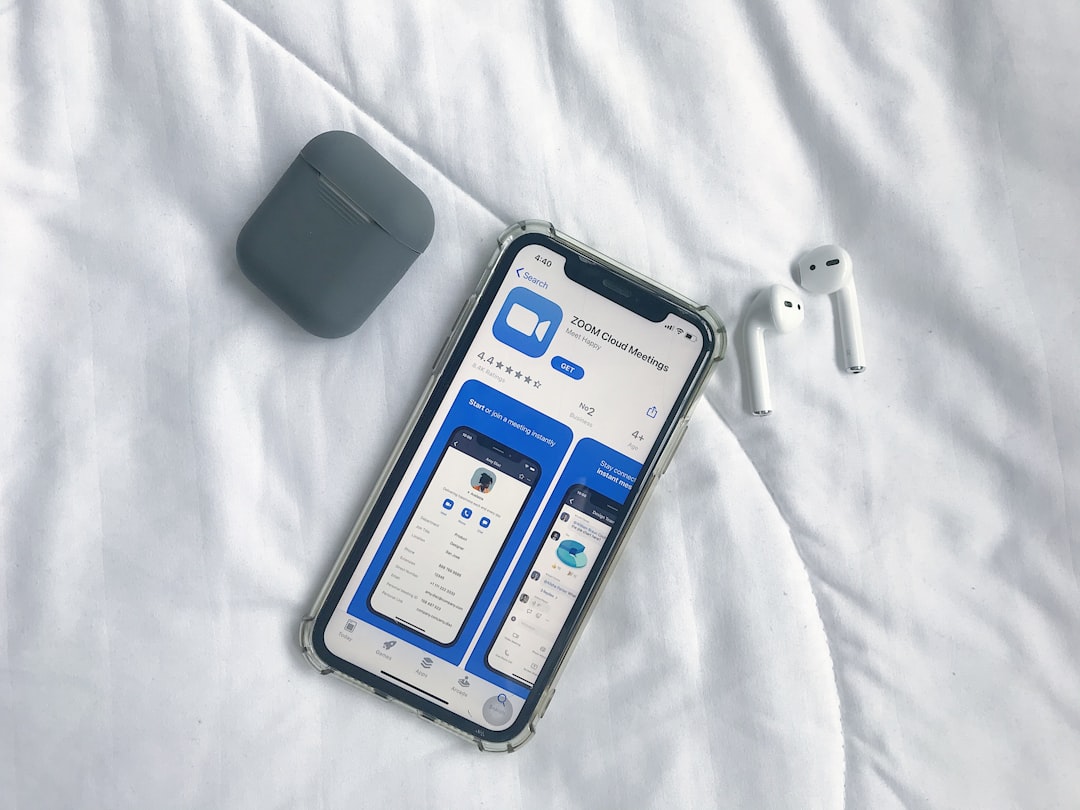
Keeping a smartphone tethered to the bedside table for charging often encourages late-night scrolling and screen time. The blue light emitted by the screen suppresses melatonin production and makes it harder to fall into a deep and restorative sleep. The proximity of a charging phone also means notifications and vibrations are more likely to disturb the sleep cycle. moving the charging station to another room promotes better sleep hygiene and disconnects the user from digital distractions.
Planned Obsolescence Acceleration
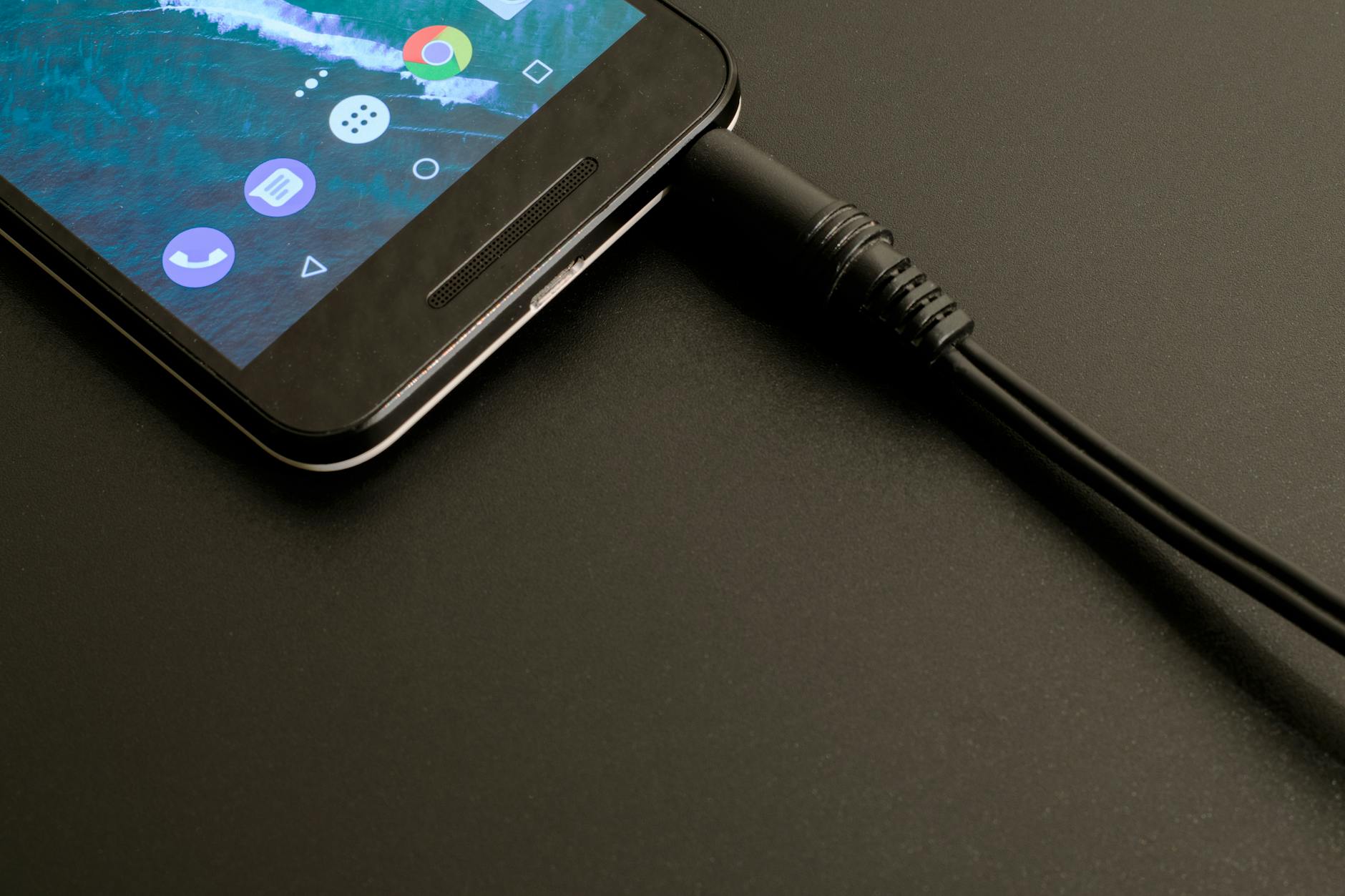
Manufacturers design phones with a specific lifespan that is heavily dictated by the health of the non-removable battery. Accelerating battery degradation through overnight charging pushes the user toward upgrading their device sooner than necessary. A phone with a degraded battery often feels slow and unreliable even if the processor and screen are still perfectly functional. adopting better charging habits extends the usable life of the phone and delays the expensive purchase of a replacement.
Environmental Impact
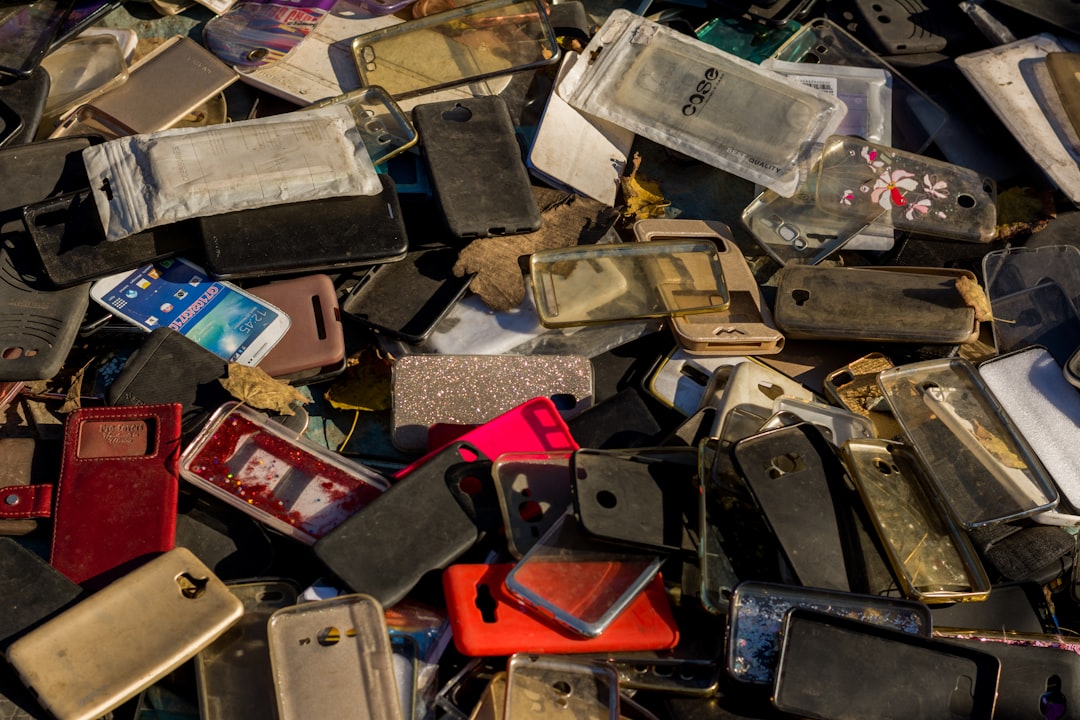
Premature battery failure contributes significantly to the growing problem of electronic waste around the globe. Smartphones that are discarded due to poor battery performance often end up in landfills where they leach hazardous chemicals into the soil. Extending the lifespan of a device through careful charging habits reduces the frequency of disposal and manufacturing. Every year of added device life represents a tangible reduction in the environmental footprint of personal technology.
Please tell us about your own charging habits and battery experiences in the comments.