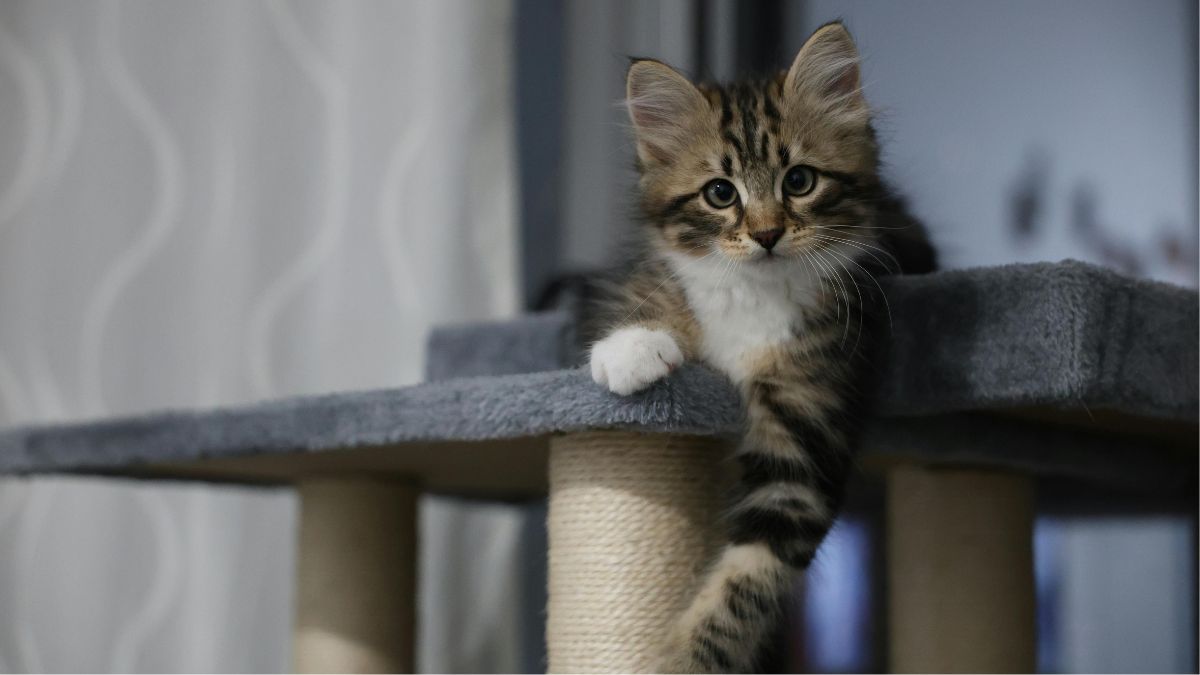
The European Shorthair cat earns its reputation as a timeless favorite in many homes across Europe. People often call it the “classic” house cat due to its natural appearance, robust build, and well-rounded personality. What sets this breed apart is not one standout feature but a harmonious blend of traits that suit a wide range of living situations. Owners appreciate how effortlessly it integrates into everyday family life.
This breed shows remarkable stability in temperament and adapts easily to new circumstances. According to the Fédération Internationale Féline (FIFe), most European Shorthairs are strong, energetic, and friendly with people of all ages. They typically coexist peacefully with other cats and can even get along with dogs when introduced properly. Families with children often choose them because they handle bustling households and routine changes without much stress, as long as they have a peaceful spot to retreat to when needed.
Intelligence and playfulness define another appealing side of the European Shorthair. FIFe notes that many of these cats excel at keeping homes and gardens free of rodents, showcasing their natural hunting skills. In indoor settings, they thrive on interactive toys, climbing structures, and short daily play sessions that keep their minds engaged. Without enough stimulation, they might develop unwanted habits, but a little attention goes a long way in keeping them content and entertained.
Grooming this breed proves straightforward compared to long-haired varieties. Their short, dense, glossy coat requires only occasional brushing, with more frequent sessions during shedding seasons. Basic care for nails, teeth, and ears rounds out the routine. This low-maintenance fur makes them practical for busy owners who want a beautiful cat without extensive upkeep.
Health-wise, the European Shorthair enjoys a sturdy constitution, but responsible care remains essential. PetMD describes them as generally friendly and “easygoing,” rewarding companions when properly looked after. Regular veterinary visits, vaccinations, weight management, and high-quality food prevent common issues. No breed is invincible, so preventive measures ensure they live long, happy lives.
One of the breed’s greatest strengths lies in its balanced approach to affection and independence. These cats often seek out human company and enjoy cuddles, yet they do not demand constant attention. They can spend hours resting or watching the world from a window perch without becoming anxious when left alone for reasonable periods. This equilibrium appeals to people who desire a loving pet that respects personal space.
Before bringing a European Shorthair home, potential owners should prepare thoughtfully. Provide ample space for movement, including vertical elements like shelves and cat trees, along with sturdy scratching posts. Gradual socialization helps them adjust to new people or animals smoothly. Consistent play prevents boredom-related behaviors and strengthens the bond between cat and family.
The European Shorthair traces its origins to ordinary domestic cats that lived alongside humans in Europe for centuries, particularly in Scandinavian countries. FIFe officially recognized the breed in the 1980s to preserve the natural type distinct from the rounder British Shorthair and the American Shorthair. It comes in a wide array of colors and patterns, with tabby markings being especially common. Adult males typically weigh between 11 and 15 pounds, while females are slightly smaller, and with good care they often reach 15 years or more.
Share your own stories or tips about living with European Shorthair cats in the comments.