The fashion industry is one of the most polluting forces on the planet and a staggering amount of that damage is driven by the relentless cycle of cheap, disposable clothing. Fast fashion thrives on making consumers feel that last season’s wardrobe is already obsolete, manufacturing urgency where none truly exists. Behind every bargain price tag is a chain of hidden costs paid by workers, ecosystems, and future generations. Understanding exactly what is at stake makes it nearly impossible to shop the same way ever again.
The True Human Cost Behind Every Garment
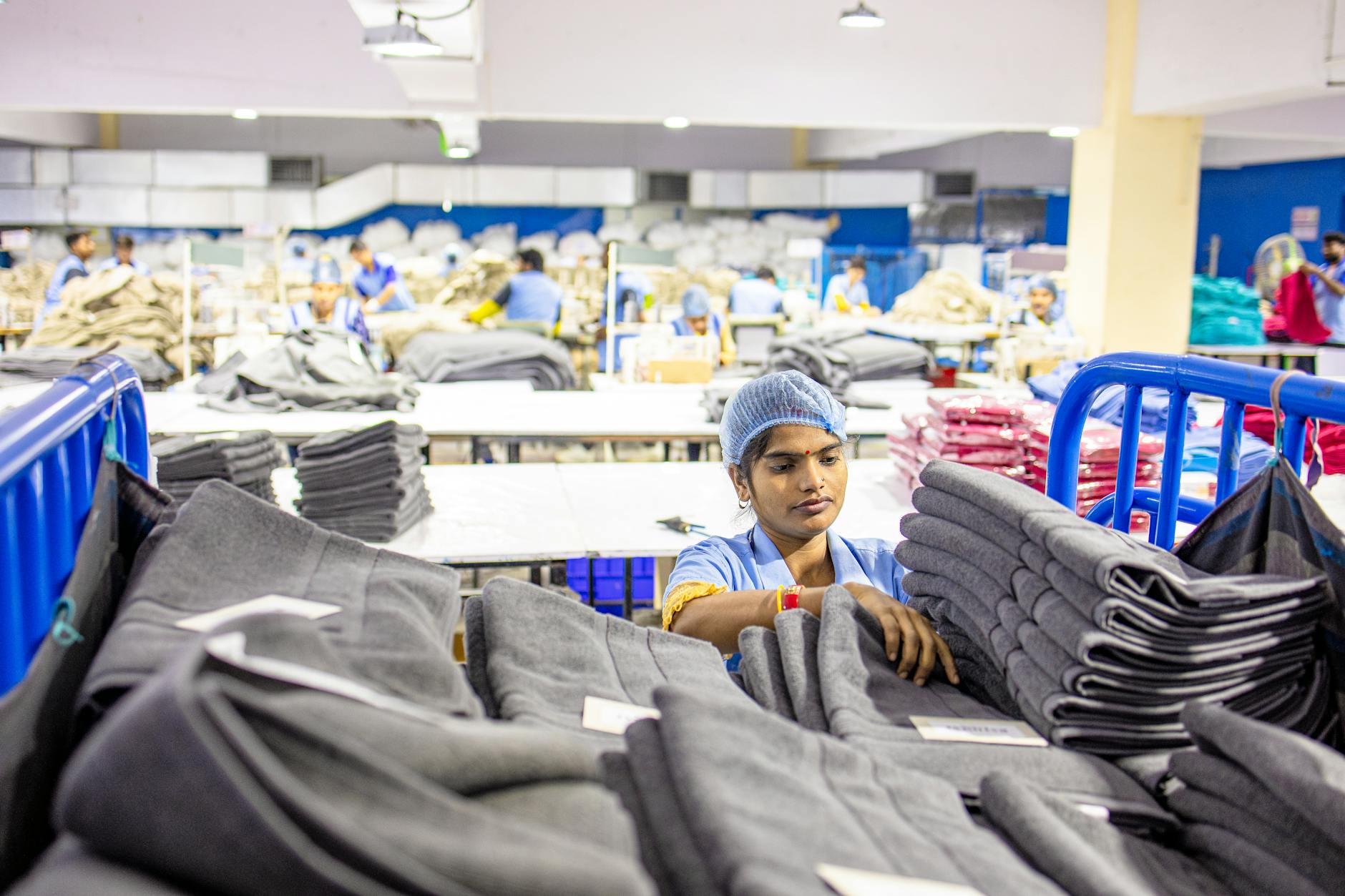
Garment workers in fast fashion supply chains are among the most exploited laborers in the global economy. Many earn wages far below a living standard while working in unsafe and overcrowded conditions for extremely long hours. The collapse of the Rana Plaza factory in Bangladesh in 2013 brought international attention to these realities and yet unsafe practices remain widespread. Purchasing fast fashion directly funds a system that has consistently deprioritized human dignity in favor of speed and profit. Choosing to stop is one of the most direct ways a consumer can refuse to participate in that cycle.
The Catastrophic Water Waste Problem

The fashion industry consumes an extraordinary volume of freshwater at every stage of production from growing raw cotton to dyeing finished fabrics. It takes roughly 2,700 liters of water to produce a single cotton t-shirt which is equivalent to what one person drinks over two and a half years. Rivers and waterways near textile factories in countries like Bangladesh, China, and India are frequently contaminated with toxic dyes and chemical runoff. Communities living downstream from these facilities face serious health risks and loss of access to clean water. Eliminating fast fashion from your purchasing habits reduces direct demand for this reckless consumption of a precious shared resource.
Microplastic Pollution Is Entering the Food Chain
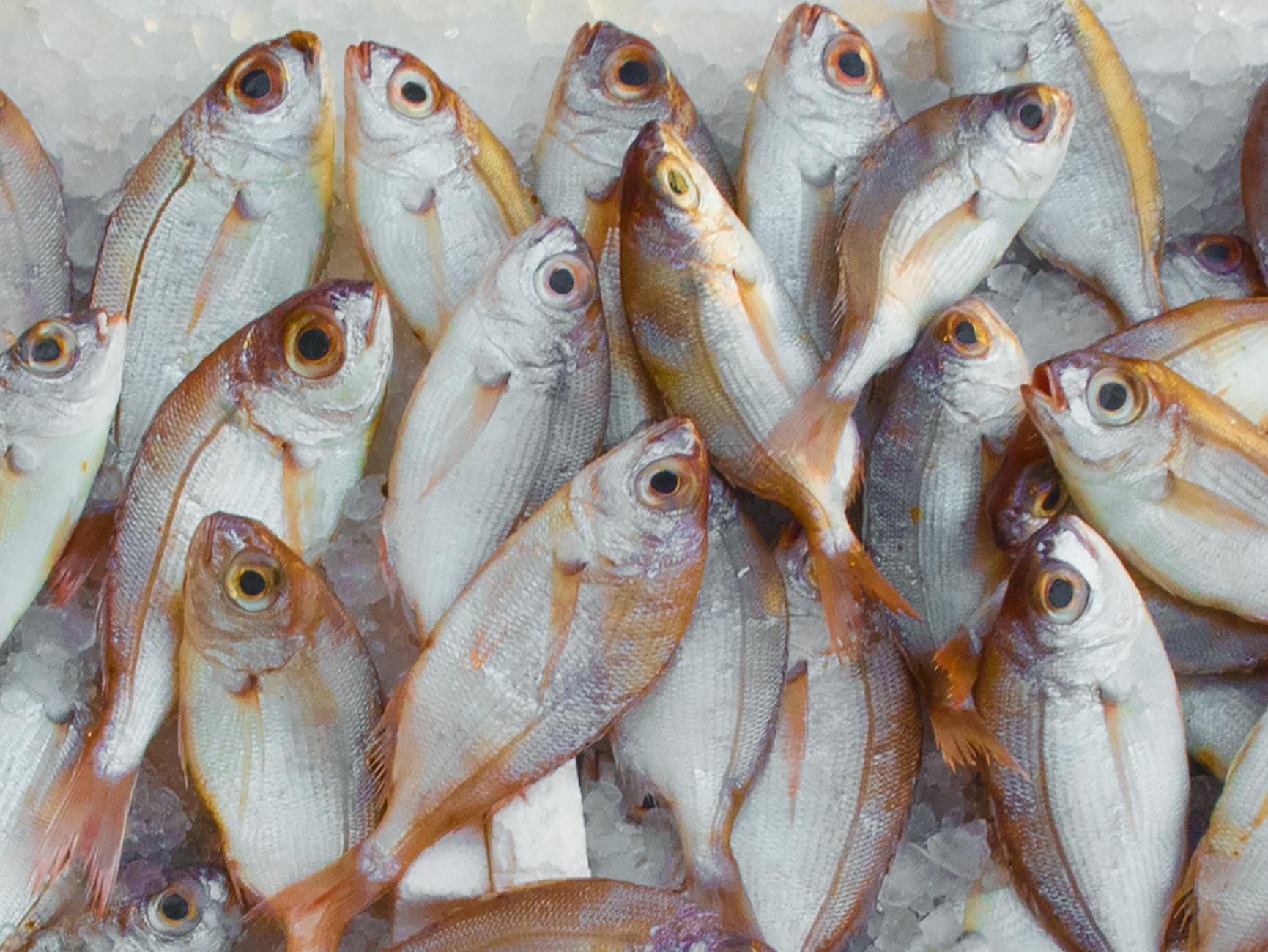
A large proportion of fast fashion garments are made from synthetic fabrics such as polyester, nylon, and acrylic. Every time these items are washed, they shed tiny plastic fibers known as microplastics that pass straight through wastewater filtration systems and into oceans and rivers. Scientists have now detected microplastics in fish tissue, drinking water, human blood, and even placentas. The scale of this contamination is expanding faster than current technology can address it. Reducing the number of synthetic garments you buy and wash is one measurable way to slow the rate at which these particles enter the environment.
The Illusion of Affordability

Fast fashion appears cheap at the point of purchase but the cost-per-wear calculation tells a very different story. Inexpensive garments are engineered to deteriorate quickly through poor stitching, low-grade fabrics, and weak dyes that fade after a handful of washes. Consumers end up replacing items far more frequently than they would if they had invested in better-made alternatives. When the total amount spent on a single category of clothing over several years is tallied, fast fashion almost always costs more in real terms. The perceived savings are a carefully constructed illusion designed to keep the purchasing cycle spinning.
Landfill Overflow and Textile Waste
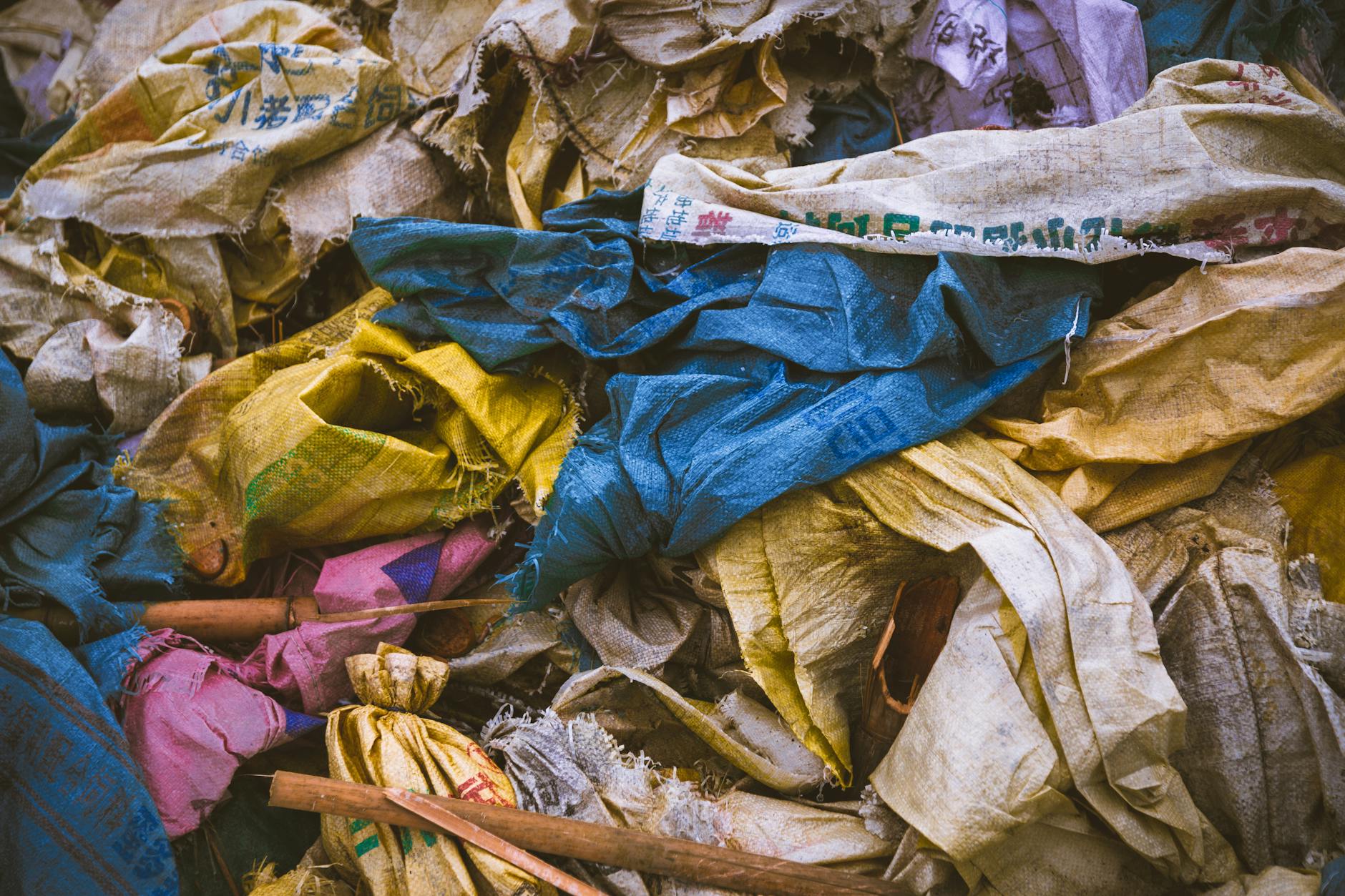
The world produces an estimated 92 million tonnes of textile waste every single year and the vast majority of it ends up in landfill. Synthetic blended fabrics cannot be composted and are extremely difficult to recycle which means they sit in the ground for hundreds of years without breaking down. Even donation systems are overwhelmed since the volume of discarded clothing far exceeds what secondhand markets can absorb. Developing countries in Africa, South America, and Southeast Asia have become dumping grounds for the West’s unwanted clothing overload. Buying less and buying better is the most effective individual strategy for reducing this staggering volume of waste.
The Psychological Trap of Trend Cycles
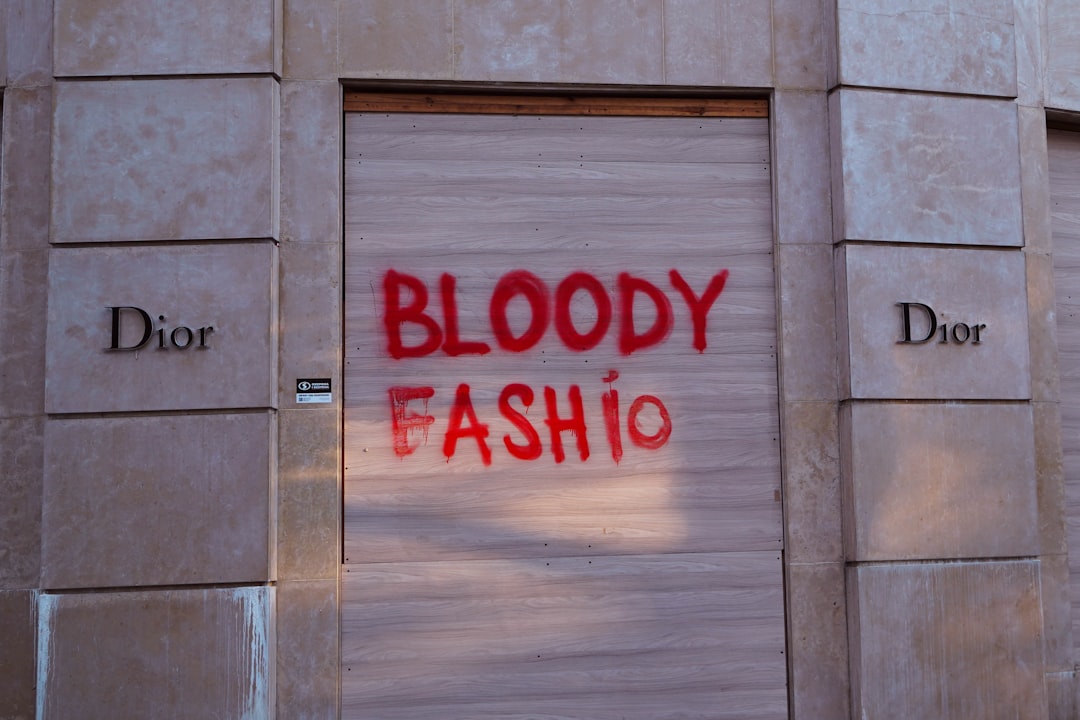
Fast fashion brands deliberately accelerate trend cycles to manufacture a perpetual sense of being out of style. What was considered current just weeks ago is aggressively repositioned as dated through marketing, influencer content, and social media pressure. This manufactured obsolescence keeps consumers in a constant state of wardrobe anxiety that can only be temporarily soothed through another purchase. Research into consumer psychology has linked this kind of compulsive buying with increased feelings of dissatisfaction rather than lasting contentment. Stepping off the trend treadmill is as much a mental health decision as it is an environmental one.
Dangerous Chemicals Used in Production

Fast fashion garments frequently contain residual traces of toxic chemicals used during the manufacturing process. Formaldehyde, azo dyes, nonylphenol ethoxylates, and flame retardants are among the substances commonly detected in cheap clothing through independent testing. These chemicals can cause skin irritation, allergic reactions, hormonal disruption, and in cases of prolonged exposure more serious long-term health effects. Regulations in many producing countries are either weak or poorly enforced meaning that compliance is inconsistent at best. Opting for certified organic or rigorously tested clothing brands is one of the clearest ways to reduce your body’s exposure to these substances.
The Carbon Footprint of Global Shipping
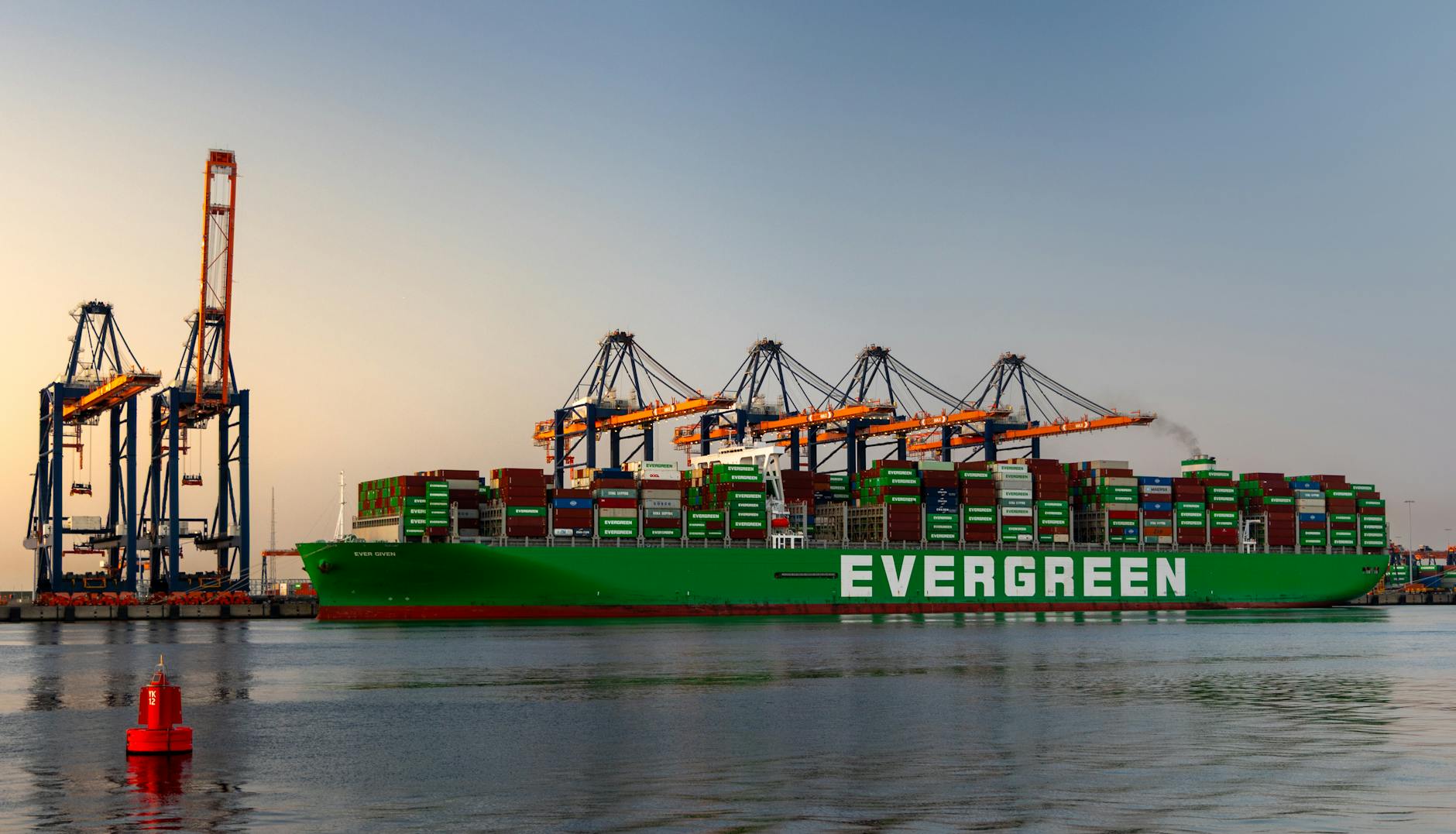
A single garment sold in a high street store may have been grown in one country, spun in another, woven in a third, dyed in a fourth, assembled in a fifth, and shipped to a sixth before reaching the customer. This extraordinary logistical chain generates significant carbon emissions at every transfer point. Fast fashion’s emphasis on speed means that air freight is often used to meet tight trend windows rather than slower and less carbon-intensive sea shipping. The industry as a whole accounts for around 10 percent of global carbon emissions annually making it a significant driver of climate change. Buying locally made or sustainably transported clothing wherever possible meaningfully reduces this footprint.
The Exploitation of Young and Vulnerable Workers
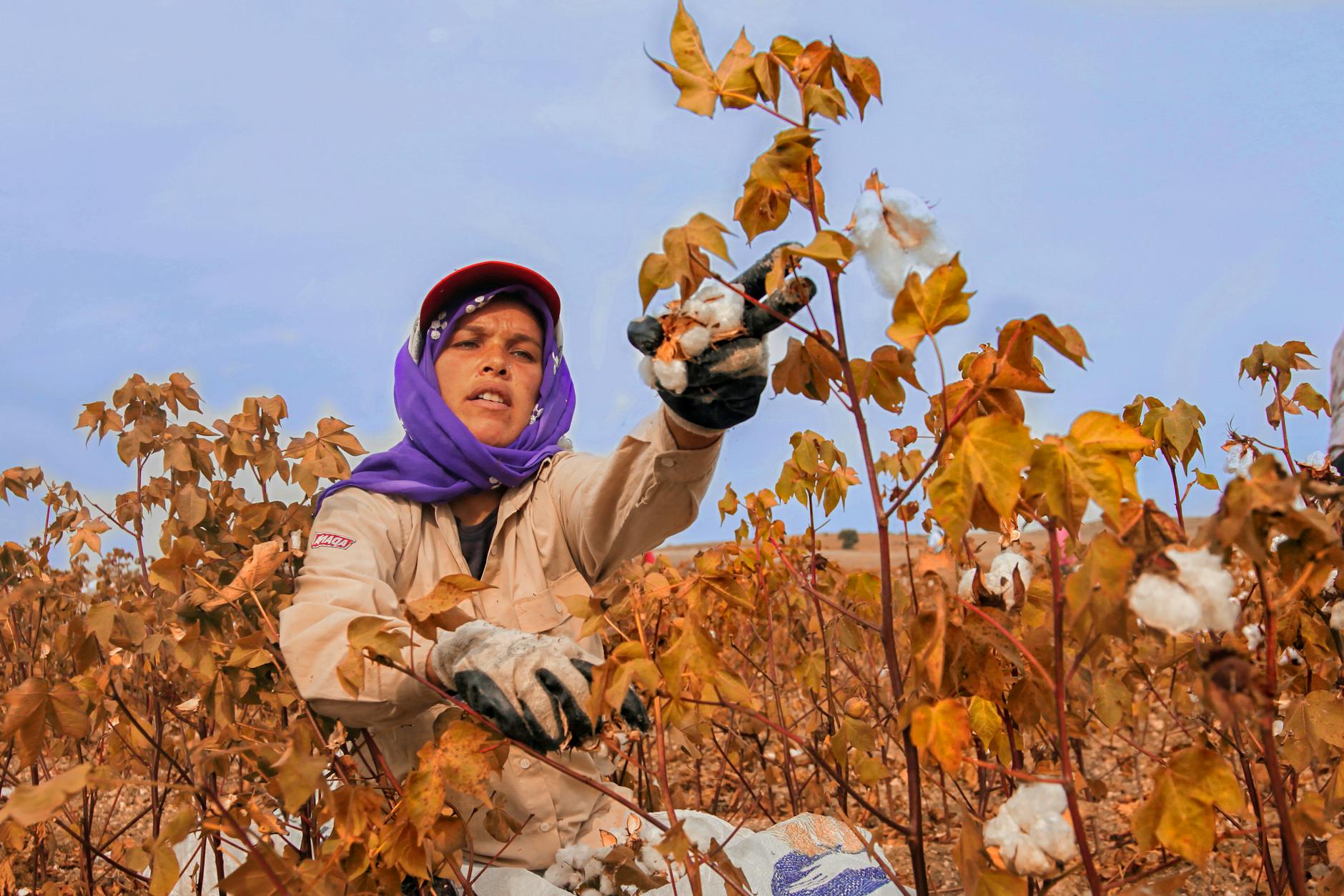
Child labor remains a documented reality in parts of the fast fashion supply chain particularly in cotton farming and embroidery work in South Asia. Children working in these conditions are denied access to education, healthy development, and protected childhoods. Even where workers are technically adults, many are teenagers from rural areas who have very limited alternative economic options available to them. Fast fashion brands frequently use layers of subcontracting to obscure labor violations and maintain plausible deniability. Conscious purchasing decisions backed by research into brand ethics directly reduce financial support for these practices.
Overconsumption Normalizes Disposability
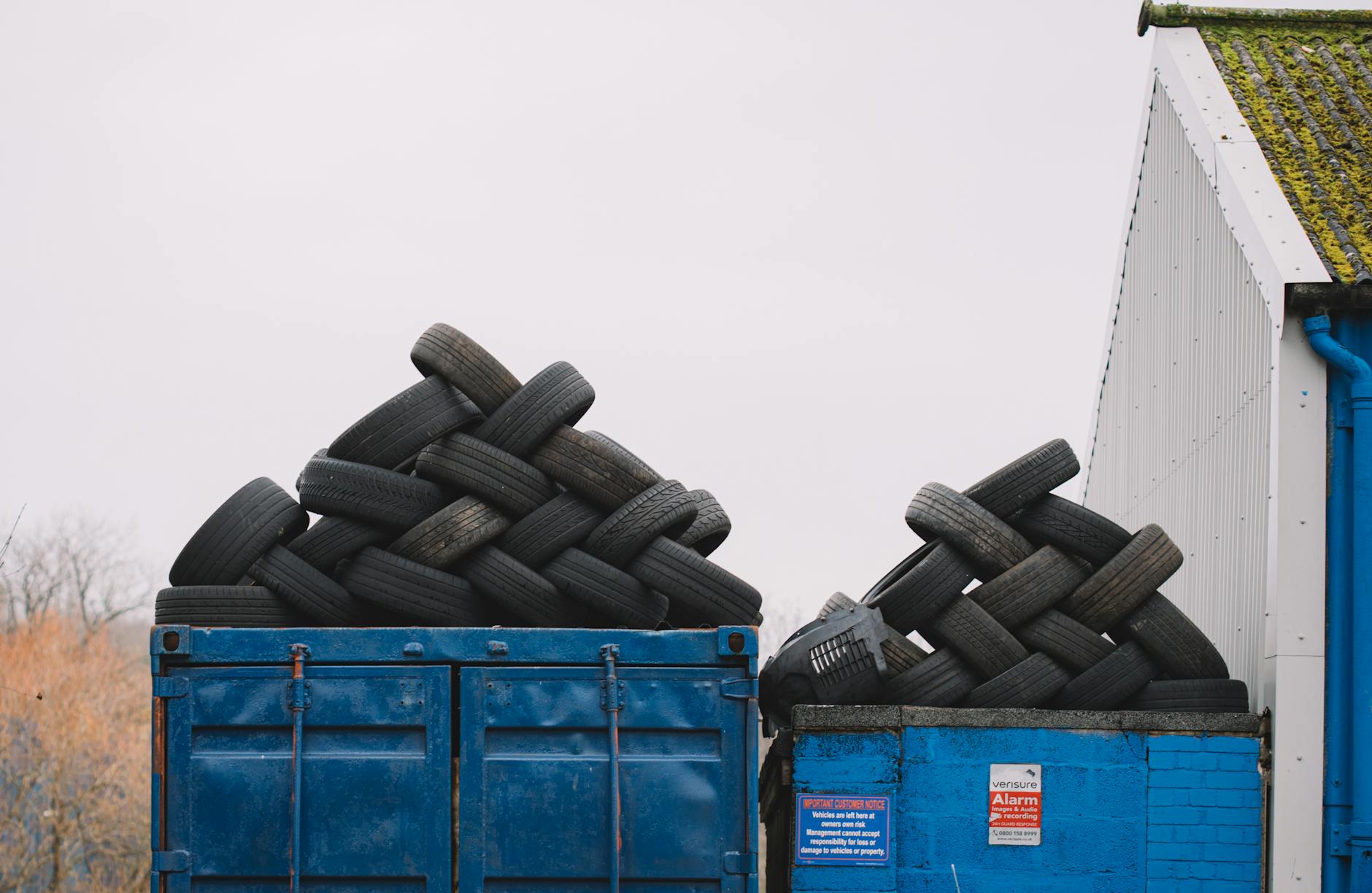
When clothing is treated as essentially disposable it trains people to view objects as temporary and replaceable by default. This mindset does not stay contained to fashion but gradually bleeds into attitudes toward furniture, electronics, food, and relationships with material goods more broadly. The normalization of throwaway culture has deep implications for how societies understand value, craftsmanship, and the lifecycle of objects. Historical generations who owned far fewer items often demonstrated far greater care for and pride in what they possessed. Rejecting fast fashion is an act of recalibrating one’s relationship with ownership and material investment.
Greenwashing Masks the Real Impact

Many fast fashion brands have responded to environmental criticism by launching sustainability sub-lines or making broad public commitments to become carbon neutral by a distant future date. Independent audits and investigative journalism have repeatedly found that these claims are exaggerated, unverified, or based on narrow definitions that exclude the majority of production. Terms like “eco-friendly,” “conscious,” and “recycled” are not legally regulated in most markets meaning they can be applied liberally with little accountability. These campaigns are primarily designed to reassure existing customers rather than to drive meaningful structural change. Genuine sustainability requires systemic transformation not a limited collection sold alongside thousands of conventional items.
It Undermines Independent Designers and Makers

Fast fashion brands have a long and well-documented history of copying designs from independent creators, small labels, and artisan communities without credit or compensation. A designer who spends months developing a print or silhouette can find their work mass-produced and sold at a fraction of the price within weeks. This practice makes it economically unviable for original creative talent to compete and slowly drains creativity and diversity from the broader fashion landscape. Independent makers often rely on small but loyal customer bases to survive and every fast fashion purchase is a direct economic vote against them. Supporting original designers sustains a richer and more equitable creative culture.
The Social Media Amplification Effect

Social media platforms have become the primary engine through which fast fashion trends are amplified and monetized. Influencer marketing deals create enormous pressure on followers to keep up with styles that are promoted for commercial rather than aesthetic reasons. The average number of times a garment is worn before being discarded has dropped significantly over the past two decades in direct correlation with the rise of social media culture. Algorithm-driven exposure means that consumers are shown a near-constant stream of new items deliberately designed to trigger desire and urgency. Auditing your social media consumption and unfollowing accounts that promote excessive purchasing is a practical first step toward changing buying behavior.
Loss of Traditional Craft and Textile Knowledge

Traditional weaving, dyeing, embroidery, and tailoring techniques that took generations to develop are being lost at an accelerating rate as fast fashion industrializes and homogenizes clothing production. Artisan communities in regions like Oaxaca, Rajasthan, and West Africa have seen livelihoods decimated as globally produced cheap clothing floods local markets. When these craft traditions disappear the cultural knowledge, materials knowledge, and community structures built around them disappear too. Preserving this heritage requires a consumer base willing to pay prices that reflect the true time and skill involved in handmade production. Buying from heritage craft producers is an act of cultural preservation as much as it is a purchasing decision.
Soil Degradation From Conventional Cotton Farming
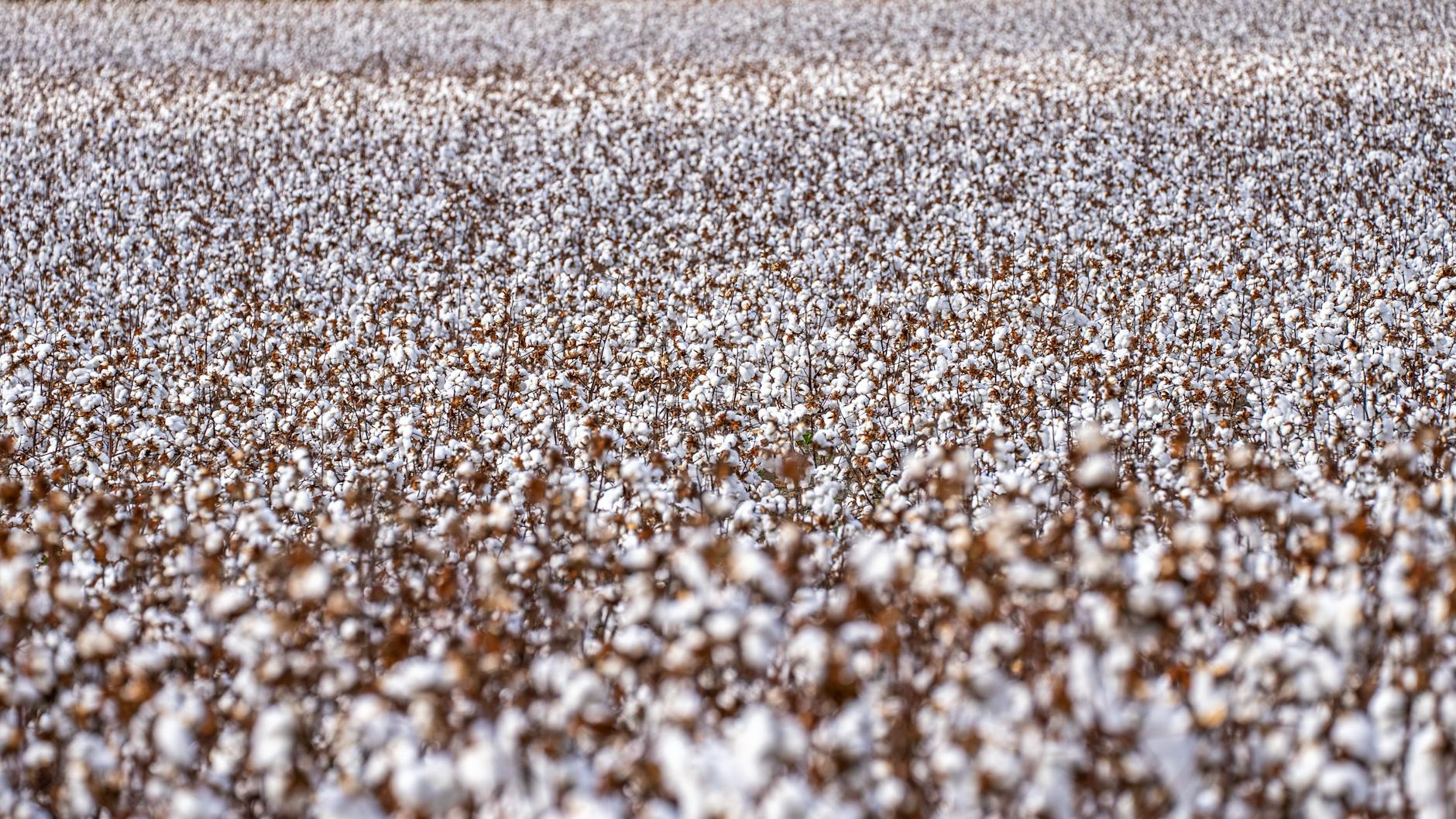
Conventional cotton farming uses more pesticides per unit than almost any other crop and this intensive chemical application causes severe long-term degradation of agricultural soil. Once fertile land becomes depleted and reliant on ever-increasing chemical inputs just to maintain yields creating a damaging cycle of dependency. Farmers in major cotton-producing regions including India, the United States, and Central Asia face rising costs, declining harvests, and serious health problems linked to pesticide exposure. Soil degradation is extraordinarily difficult and slow to reverse once it reaches advanced stages. Demand for organic and regeneratively farmed cotton sends a direct market signal that incentivizes a transition to healthier agricultural practices.
The Secondhand and Rental Revolution You Are Missing
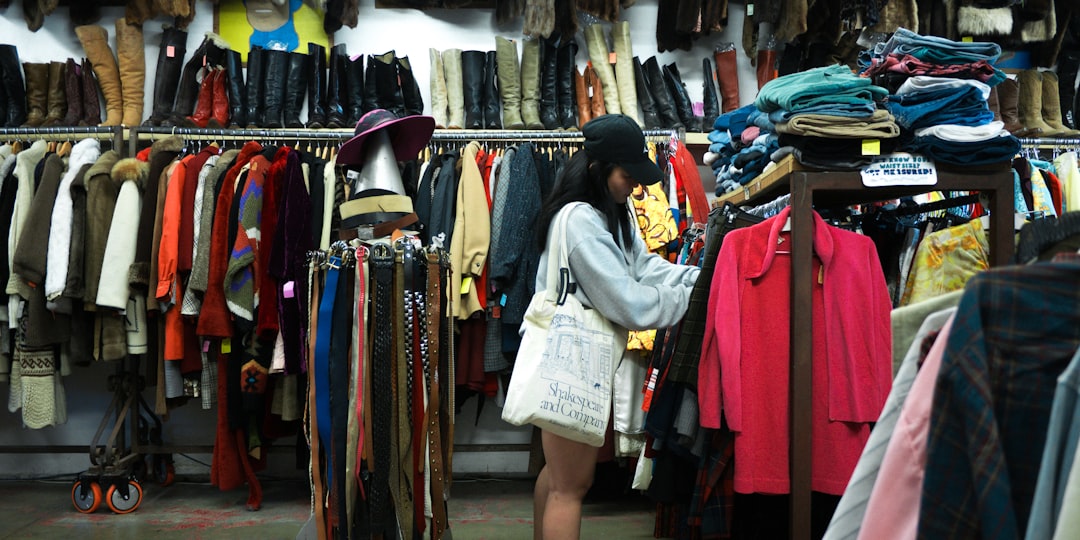
While fast fashion has dominated the market for decades a robust and sophisticated alternative ecosystem has been growing steadily. High-quality secondhand platforms, clothing rental services, clothing swaps, and repair cafes now offer genuinely stylish options at accessible price points. Buying secondhand keeps garments in use for longer which directly reduces the demand for new production and diverts items from landfill. Rental models in particular allow people to wear well-made pieces for special occasions without committing to a full purchase. Exploring these alternatives often results in discovering more interesting and distinctive pieces than anything available on the high street.
It Fuels Inequality Between Producing and Consuming Nations

The structure of fast fashion is built on a fundamental and deliberately maintained economic imbalance between wealthy consuming nations and lower-income producing ones. Brands headquartered in Europe and North America capture the majority of the value in the supply chain while workers in Asia, Africa, and Latin America receive a tiny fraction. Trade agreements and sourcing strategies are frequently designed to keep labor costs as low as possible regardless of the human consequences. This arrangement perpetuates cycles of poverty in producing regions while consumers in wealthier countries enjoy artificially subsidized prices. Understanding this structural inequality changes the act of buying cheap clothing from a neutral transaction into a morally weighted one.
A Cluttered Wardrobe Signals a Deeper Problem

Fast fashion purchasing habits tend to result in overstuffed wardrobes filled with items that are rarely or never worn. Research in consumer behavior has consistently found that owning more clothing does not increase satisfaction with one’s wardrobe and often produces the opposite effect. Decision fatigue increases when the number of options is excessive making getting dressed a source of stress rather than ease. A smaller, more intentional collection of well-chosen pieces tends to generate significantly more consistent daily satisfaction. Shifting from quantity to quality not only improves your personal relationship with your wardrobe but reduces the financial and environmental cost of maintaining it.
Your Purchasing Power Is Genuinely Influential
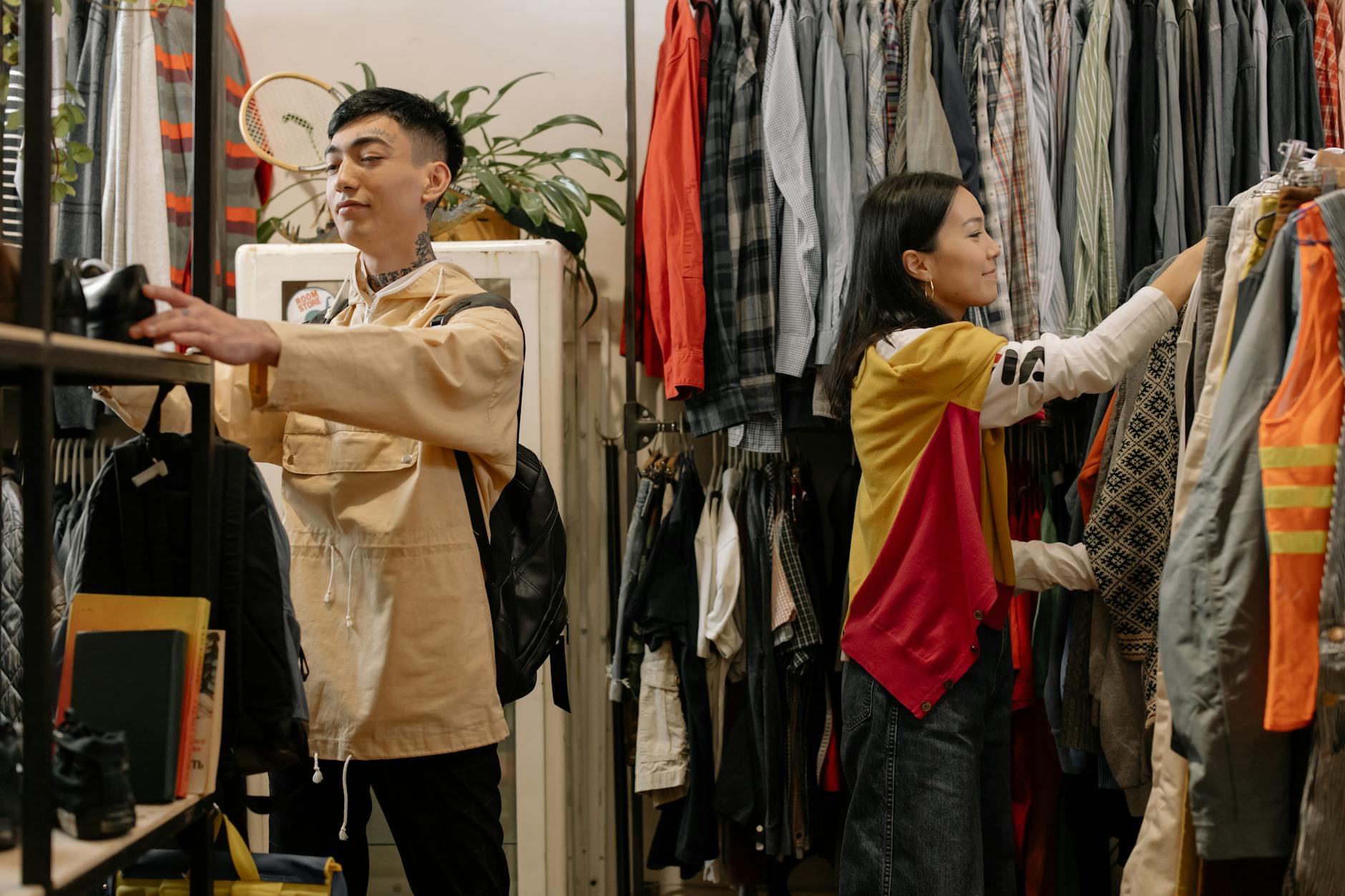
Consumer demand is one of the most powerful forces shaping how industries operate and the fashion industry is no exception. When purchasing patterns shift toward sustainable brands, secondhand markets, and reduced overall consumption, capital follows those signals over time. Mass consumer behavior changes have historically driven corporate pivots, legislative reform, and widespread industry transformation in multiple sectors. Individual purchasing decisions aggregate into market-level pressure that executives, investors, and policymakers cannot indefinitely ignore. The choice to stop buying fast fashion is not a small personal gesture but a contribution to a larger and genuinely consequential shift in how the world clothes itself.
If this article has changed the way you think about your wardrobe, share your thoughts and your own sustainable fashion journey in the comments.