Teaching children about bodily autonomy from an early age builds a foundation of trust between them and their caregivers. When a child is made to feel their physical boundaries do not matter, the lesson they internalize can follow them well into adulthood. Research in child psychology consistently points to early boundary experiences as formative in shaping how individuals navigate consent and personal safety later in life. Parents who acknowledge a child’s hesitation are actively modeling respectful communication within the family unit. This shift in approach does not diminish family connection but rather deepens it through genuine rather than obligatory affection.
Children Learn That Their Body Belongs to Them

When children are permitted to decline physical contact they are uncomfortable with, they develop a clearer understanding of personal space and ownership over their own bodies. This awareness becomes a protective tool as they grow older and encounter a wider range of social situations. Child development experts emphasize that the ability to say no to unwanted touch in safe environments teaches children to recognize and respond to discomfort in unsafe ones. Families that honor this understanding raise children who are more confident in communicating their needs. The home becomes the first classroom for bodily respect and healthy relational boundaries.
Forced Affection Teaches the Wrong Lesson About Consent
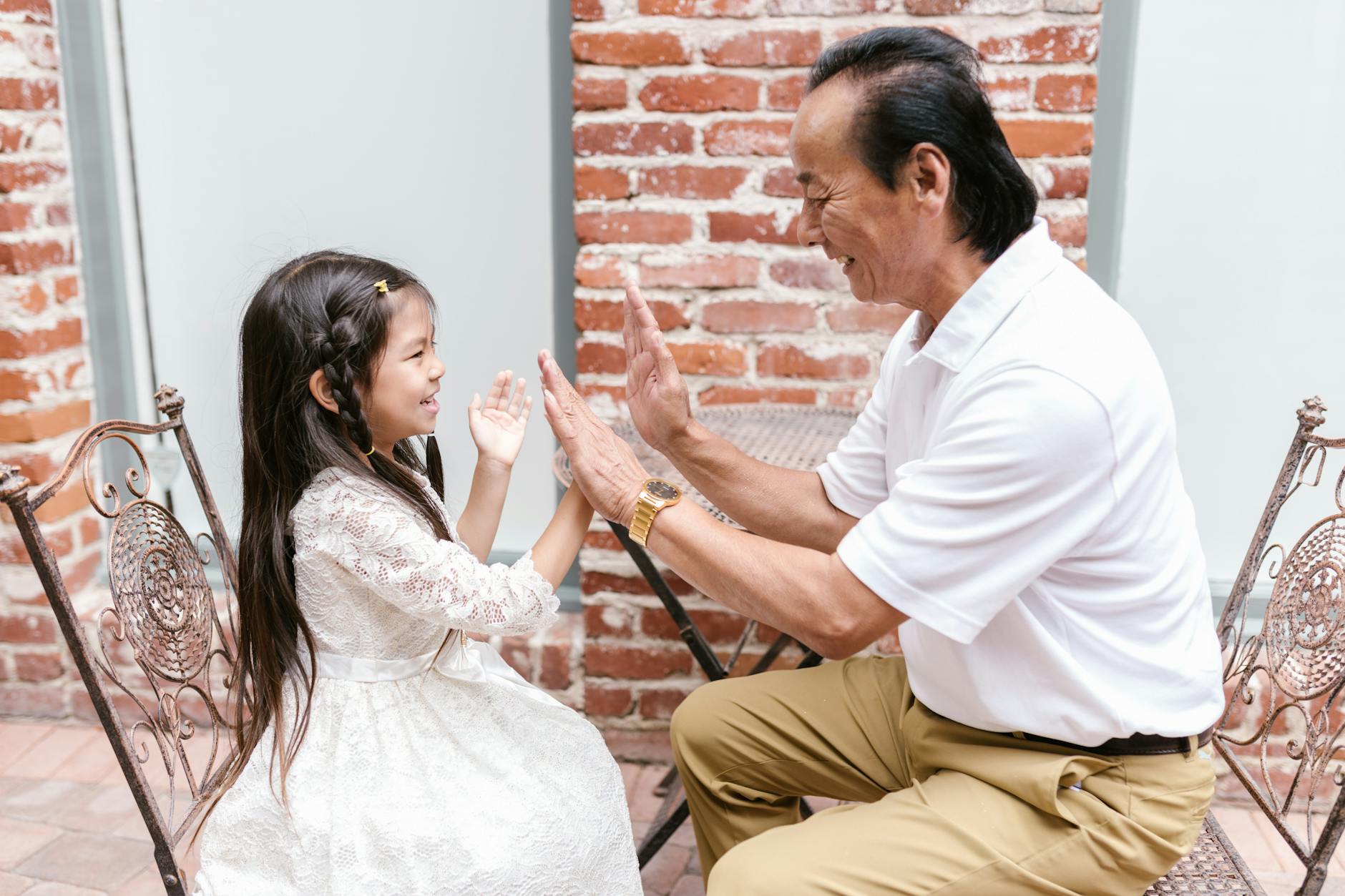
Requiring a child to hug or kiss an adult regardless of how they feel sends a message that compliance with physical demands is expected from them. This can blur the critical distinction between appropriate and inappropriate touch at a developmental stage when children are still forming their understanding of both. Child safety advocates have long argued that grooming behaviors often succeed because children have been conditioned to override their own discomfort to please adults. Consent education does not begin in a school classroom but in everyday family interactions. Allowing a child to choose how they express affection is one of the earliest and most meaningful consent lessons a parent can offer.
It Can Damage a Child’s Trust in Their Parents

A child who turns to a parent for support and instead receives pressure to comply with something that makes them uncomfortable may begin to question whether their feelings are valid. Over time this pattern can erode the sense of psychological safety that a secure parent-child relationship depends on. Children need to know that the adult they rely on most will advocate for them rather than dismiss their instincts in social situations. When a parent says “you don’t have to hug anyone you don’t want to” they send a powerful message of unconditional support. That reassurance becomes the bedrock of open communication as the child moves through increasingly complex social environments.
Relatives Can Feel Rejected but That Reaction Is Worth Examining

It is common for grandparents, aunts, uncles, and family friends to feel hurt when a child does not want to embrace them. However the discomfort of an adult in that moment is far less significant than the long-term wellbeing of the child. Adults who reflect honestly on that reaction often find it rooted in social expectation rather than genuine emotional need. Redirecting the interaction toward a high-five, a wave, or a verbal greeting offers a respectful middle ground that honors the child without shaming the relative. Families that have these conversations openly tend to build a culture where everyone’s boundaries are treated with greater consideration.
It Prioritizes Social Performance Over Emotional Authenticity

Many parents instinctively push children to display affection because they are concerned about appearing rude or raising an impolite child in front of others. This social pressure places the feelings of observers above the emotional reality of the child in that moment. Authentic relationships are built on genuine expression rather than performances staged for the comfort of an audience. When children are free to express warmth on their own terms that warmth carries far more meaning than a reluctant embrace ever could. Encouraging authentic emotional expression from childhood nurtures a more emotionally intelligent adult.
Children Who Feel Heard Are More Socially Confident

Studies in child psychology have found consistent links between early experiences of being listened to and higher levels of social confidence in school-age children. A child who knows their voice matters at home is far more likely to speak up in peer groups, classrooms, and eventually professional environments. The simple act of validating a child’s discomfort in a family setting contributes to a broader sense of self-worth. Social confidence is not built through forced participation but through the gradual accumulation of experiences where the child’s perspective was honored. Parents who listen closely in small moments are preparing their children for a lifetime of healthy self-advocacy.
Alternatives to Hugging Keep Connection Alive

There is no shortage of ways for children to show affection that do not involve physical contact they are unprepared for. A cheerful wave, a drawn picture, a verbal compliment, or even a shared activity can communicate warmth just as effectively as a hug. Giving children a menu of options empowers them to participate in family connection on their own terms. Many children naturally gravitate toward physical affection once the pressure to perform it is removed entirely. The relationship between a child and a relative often grows stronger when it is built on moments the child chose rather than moments the child endured.
The Approach Models Respectful Behavior for Everyone Present

When parents openly support a child’s right to decline physical contact they are modeling respectful interpersonal behavior for every adult in the room. Other children present absorb this lesson and begin to understand that their own boundaries are equally valid. Adults who witness this dynamic are often prompted to reflect on how they were raised and how they navigate consent in their own lives. The ripple effect of one parent’s boundary-affirming response can shift the relational culture of an entire extended family over time. Respect for personal space communicated early and consistently becomes a shared family value rather than an individual exception.
It Aligns With What Child Safety Experts Recommend

Organizations focused on child protection have increasingly moved toward recommending that parents avoid forcing physical affection as a standard safety practice. The reasoning centers on ensuring children develop a reliable internal signal that alerts them when touch feels wrong. If that signal has been regularly overridden by adult authority figures the child becomes less equipped to act on it when it matters most. Child welfare professionals consistently frame bodily autonomy education as one of the most accessible and effective prevention tools available to parents. Encouraging children to trust their instincts is a practical and research-supported protective measure.
It Builds Emotional Intelligence From an Early Age

Emotional intelligence begins with the ability to identify and name internal states and to act in alignment with them rather than against them. A child who is permitted to say “I don’t want a hug right now” is practicing exactly this skill in a real and meaningful context. Over time this translates into a greater capacity for empathy because children who know their own feelings tend to be more attuned to the feelings of others. Parenting approaches that integrate emotional awareness into everyday decisions rather than reserving it for formal lessons produce more emotionally fluent children. The dinner table and the family gathering are where emotional intelligence is most practically shaped.
Affection Offered Freely Is More Meaningful for Everyone

There is a measurable difference in the quality of a hug given freely versus one extracted through social pressure and every child and adult instinctively feels it. Relatives who receive genuine affection from a child often describe it as one of the most rewarding aspects of their relationship with that child. When children initiate physical contact because they genuinely want to the interaction carries emotional weight that an obligatory gesture never can. Patience from adults creates the conditions in which that genuine affection is far more likely to emerge naturally. Allowing connection to develop at a child’s pace ultimately enriches the bond rather than diminishing it.
Long-Term Relationships With Relatives Benefit From This Approach
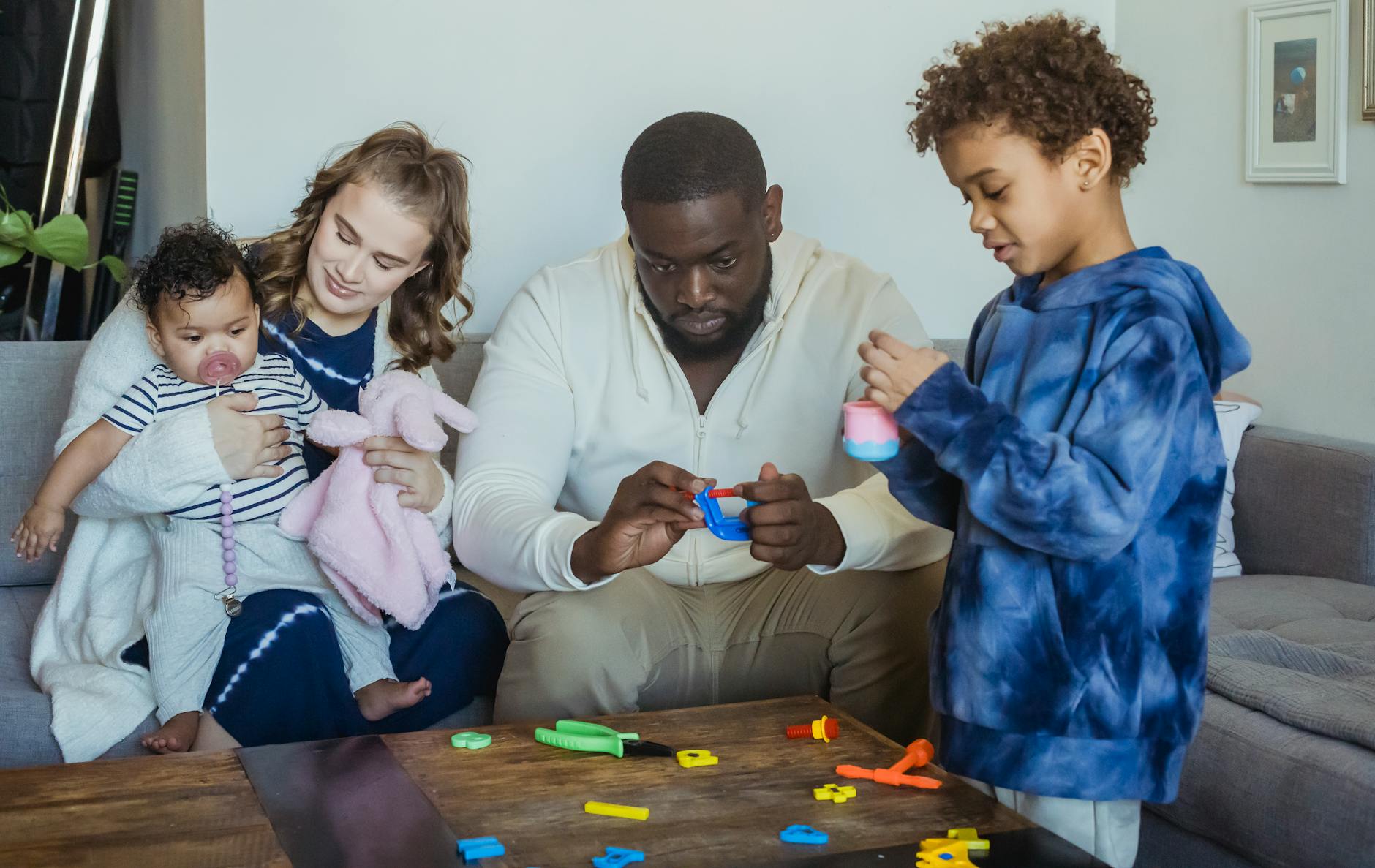
Children who are never forced into uncomfortable physical interactions with relatives tend to develop warmer and more trusting long-term relationships with those same people. The absence of negative associations with family gatherings means children are more likely to look forward to them and engage openly. Relatives who respect a child’s physical boundaries are often remembered fondly precisely because of that respect. As children grow into teenagers and adults they carry those relational blueprints with them into every close relationship they form. A family culture built on mutual respect rather than obligation creates bonds that deepen naturally over time.
It Encourages Children to Speak Up in Other Areas Too

The confidence a child gains from having their physical boundaries respected does not stay contained to situations involving hugs. It generalizes into other areas of their life including friendships, school dynamics, and eventually romantic relationships. Children who learn early that their discomfort is worth naming and that naming it leads to support are far better prepared to handle peer pressure and social manipulation. Parents who respond well to boundary-setting in low-stakes situations are training their children to seek help in higher-stakes ones. The habit of honest communication formed in childhood becomes one of the most durable assets a young person can carry forward.
Cultural Pressure Is Real but Not Unchangeable

Many families operate within cultural contexts where physical greetings are deeply embedded in tradition and refusing them is seen as a sign of disrespect. These cultural expectations are real and deserve acknowledgment rather than dismissal. However culture is not static and families across many traditions have found ways to honor relational warmth while also evolving their understanding of children’s needs. Conversations held with extended family before gatherings can help set expectations and reduce the likelihood of uncomfortable moments. Cultural respect and child wellbeing are not opposing values but complementary ones that thoughtful families are increasingly learning to hold together.
Starting the Conversation With Relatives Is Easier Than It Seems

Many parents delay making this change because they anticipate conflict or awkwardness with older relatives who hold different expectations. In practice the conversation is often far less fraught than imagined especially when it is framed around the child’s development rather than criticism of the relative’s behavior. A simple and warm explanation that the family is working on helping their child feel confident and safe in social situations is usually received with understanding. Relatives who initially push back often come around once they see the child engaging more openly and warmly with them on the child’s own terms. Taking that first step is the most difficult part and most families report that the relational atmosphere improves quickly once boundaries are normalized.
Share your thoughts and experiences on this topic in the comments.