Tipping culture has expanded significantly in recent years and now affects nearly every transaction consumers make. Digital payment screens often present tipping options even in environments where service is minimal or nonexistent. Many financial experts suggest that customers should reassess their tipping habits to align with actual service quality rather than social pressure. This shift allows consumers to regain control over their budgets while reserving gratuity for exceptional dining or personal care experiences. Establishing clear personal boundaries regarding when to tip helps reduce daily spending and alleviates checkout anxiety.
Automated Checkout Machines
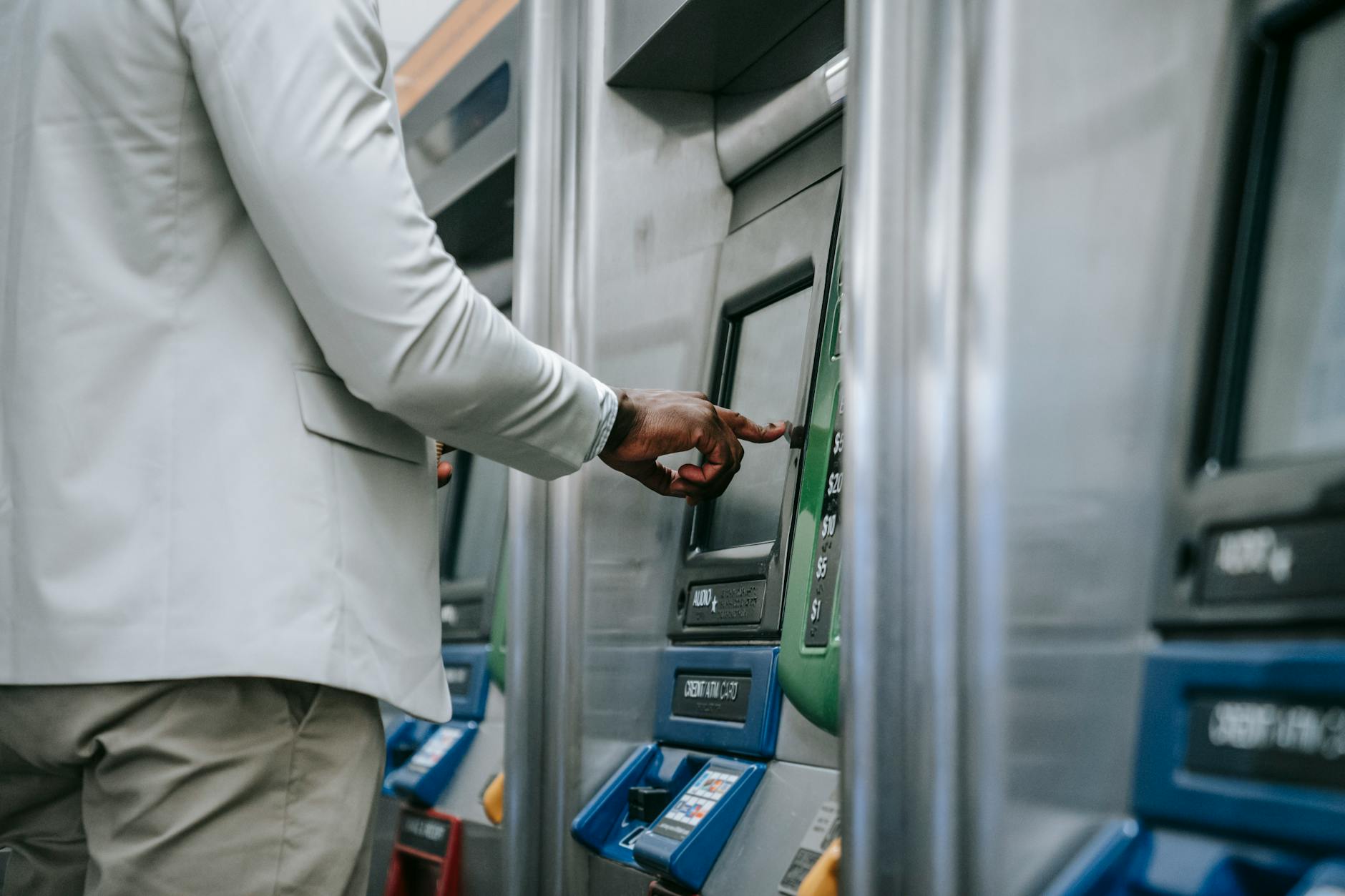
Automated machines increasingly ask for gratuities despite the lack of human interaction during the payment process. These requests confuse customers who perform the labor of scanning and bagging their own items without assistance. Tipping at an automated station provides no additional benefit to the consumer and directs funds to the corporation rather than an employee. Retaining this money allows shoppers to lower their overall grocery or retail bill instantly. Avoiding this charge is a logical step in maintaining a personal budget.
Counter Service Cafes
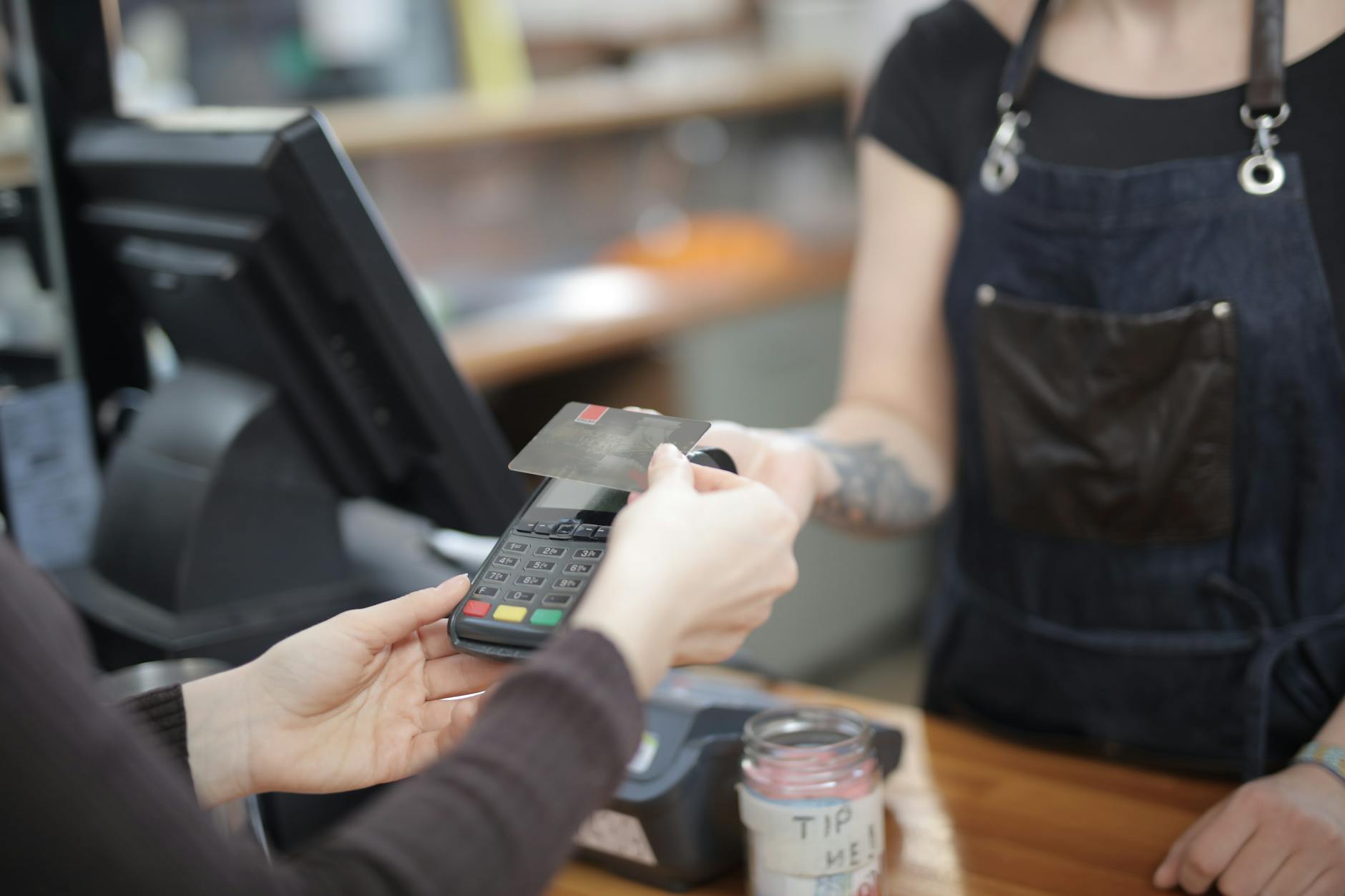
Ordering a simple black coffee or a pastry often triggers a prompt for a significant tip before the item is even received. The traditional etiquette for counter service involved a small change jar rather than an expected percentage of the total bill. Baristas enter the transaction with a standard wage that differs from the sub minimum wage earned by table servers. Customers can feel comfortable declining this option when no table service or complex drink preparation occurs. Saving these small amounts daily accumulates into noticeable savings over time.
Restaurant Takeout Orders
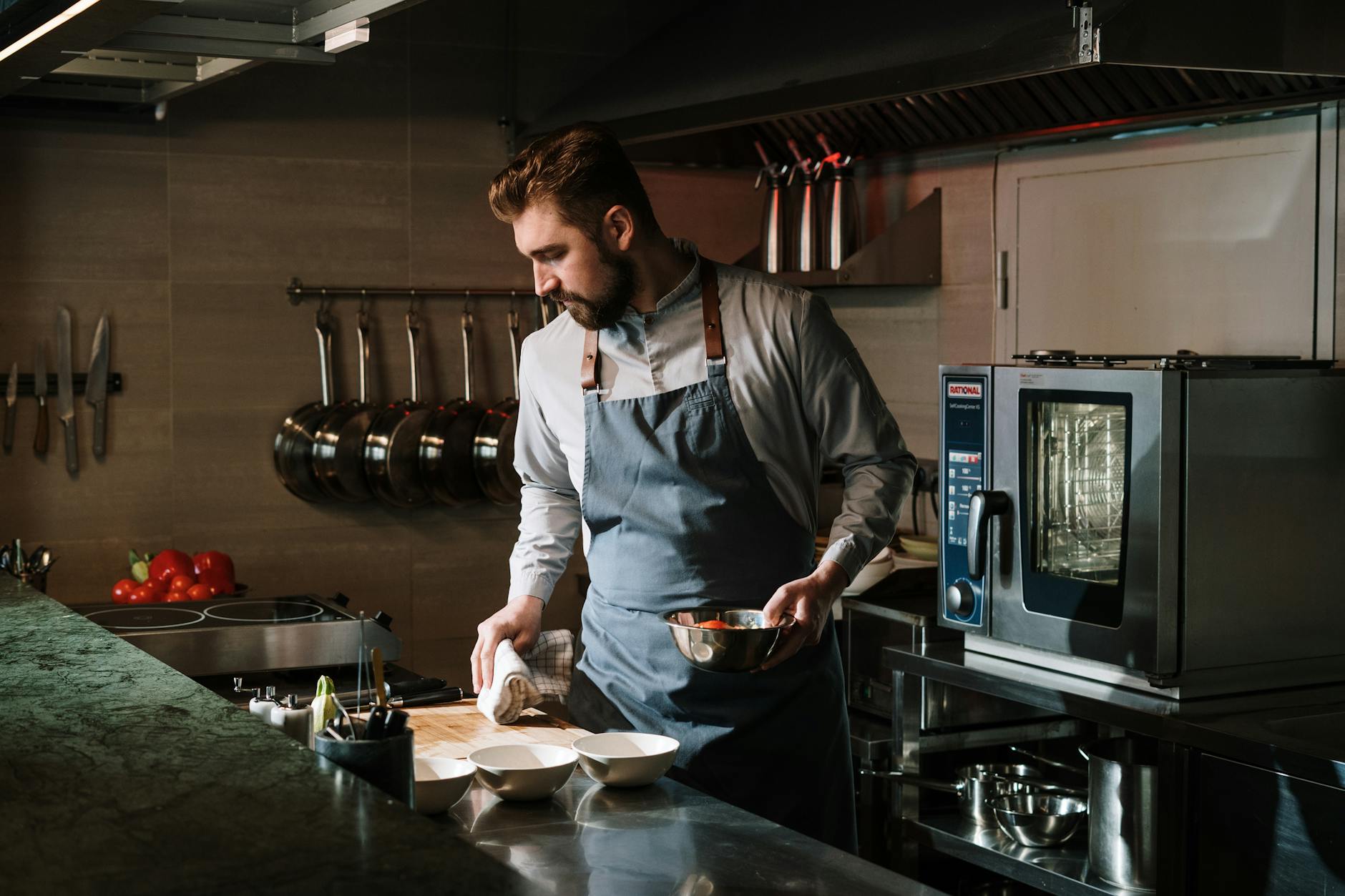
Collecting food directly from a restaurant requires the customer to travel and transport the meal personally. The menu price covers the cost of ingredients and the labor required for kitchen preparation. Front of house staff usually perform minimal work for these specific orders compared to seated dining service. Paying a premium for service that was not utilized is unnecessary in this context. Most etiquette guides agree that tipping is not mandatory when no table service takes place.
Fast Food Chains
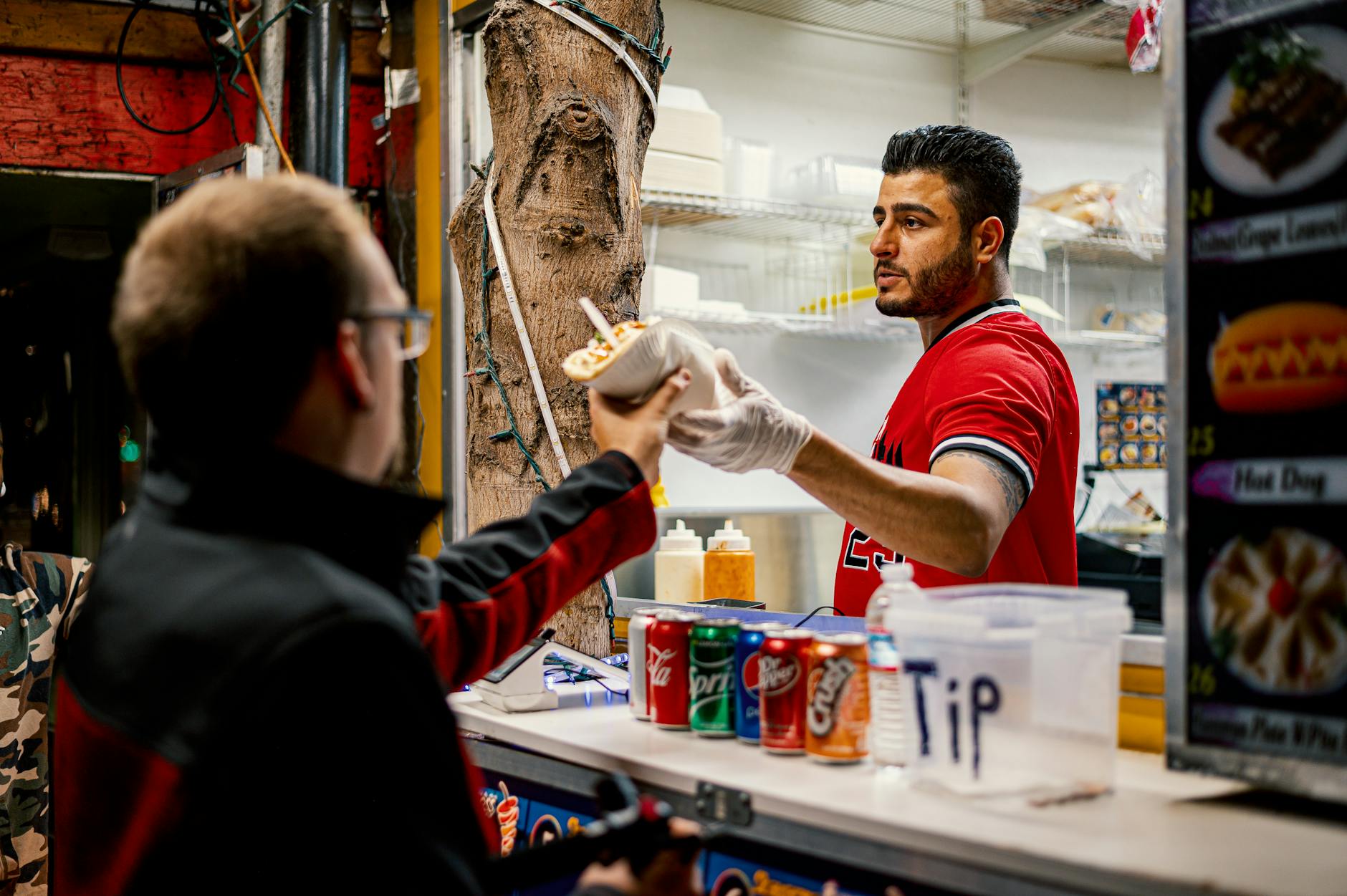
Major fast food franchises have begun introducing tipping screens at registers and drive through windows. These employees are typically paid at least the federal or state minimum wage rather than a tipped wage. The speed and standardization of fast food do not traditionally warrant a gratuity for exceptional service. Customers already pay for the convenience and efficiency built into the existing price structure. Declining to tip at these establishments keeps the meal affordable and aligned with the intended value.
Retail Clothing Stores

Boutiques and clothing retailers have started adding tipping options to their point of sale systems. Sales associates in these environments are paid to assist customers as part of their standard employment agreement. Purchasing a garment or accessory is a transaction of goods rather than a service based exchange. There is no historical precedent for tipping retail staff for ringing up items or fetching sizes. Keeping the transaction to the sticker price is the standard expectation.
Online Merchandise Purchases

Websites selling physical goods sometimes include a tip jar option during the digital checkout process. This request often appears without any clear indication of who receives the funds or why they are needed. The processing and shipping of orders are operational costs that the business should absorb or include in shipping fees. Consumers are already paying for the product and often the delivery service itself. Ignoring this digital prompt protects the buyer from subsidizing basic business operations.
Professional Tradespeople

Plumbers and electricians charge hourly rates that reflect their expertise and overhead costs. These professionals set their own prices to ensure their business remains profitable without relying on tips. The bill for a repair or installation is substantial and fully encompasses the value of the work performed. Offering a cold drink or a restroom break is a sufficient gesture of appreciation in these scenarios. Paying the invoice total is considered the complete and final settlement of the debt.
Medical Spa Treatments

Nurses and medical aestheticians performing procedures like laser treatments or injections are medical professionals. Tipping is generally not expected or appropriate in a medical setting due to ethical and professional standards. The high cost of these treatments accounts for the advanced training and safety protocols required. Introducing a gratuity confuses the nature of the relationship between patient and provider. Patients should view these appointments as healthcare services rather than salon visits.
Flight Attendants

Airline staff are safety professionals primarily responsible for the security and well being of passengers. Their compensation is negotiated through unions and does not depend on passenger gratuities to meet a living wage. Many airlines strictly prohibit their in flight teams from accepting cash tips from travelers. Offering a tip can put the crew member in an awkward position regarding company policy. A simple verbal thank you is the most appropriate way to show appreciation for their work.
Open Bar Events
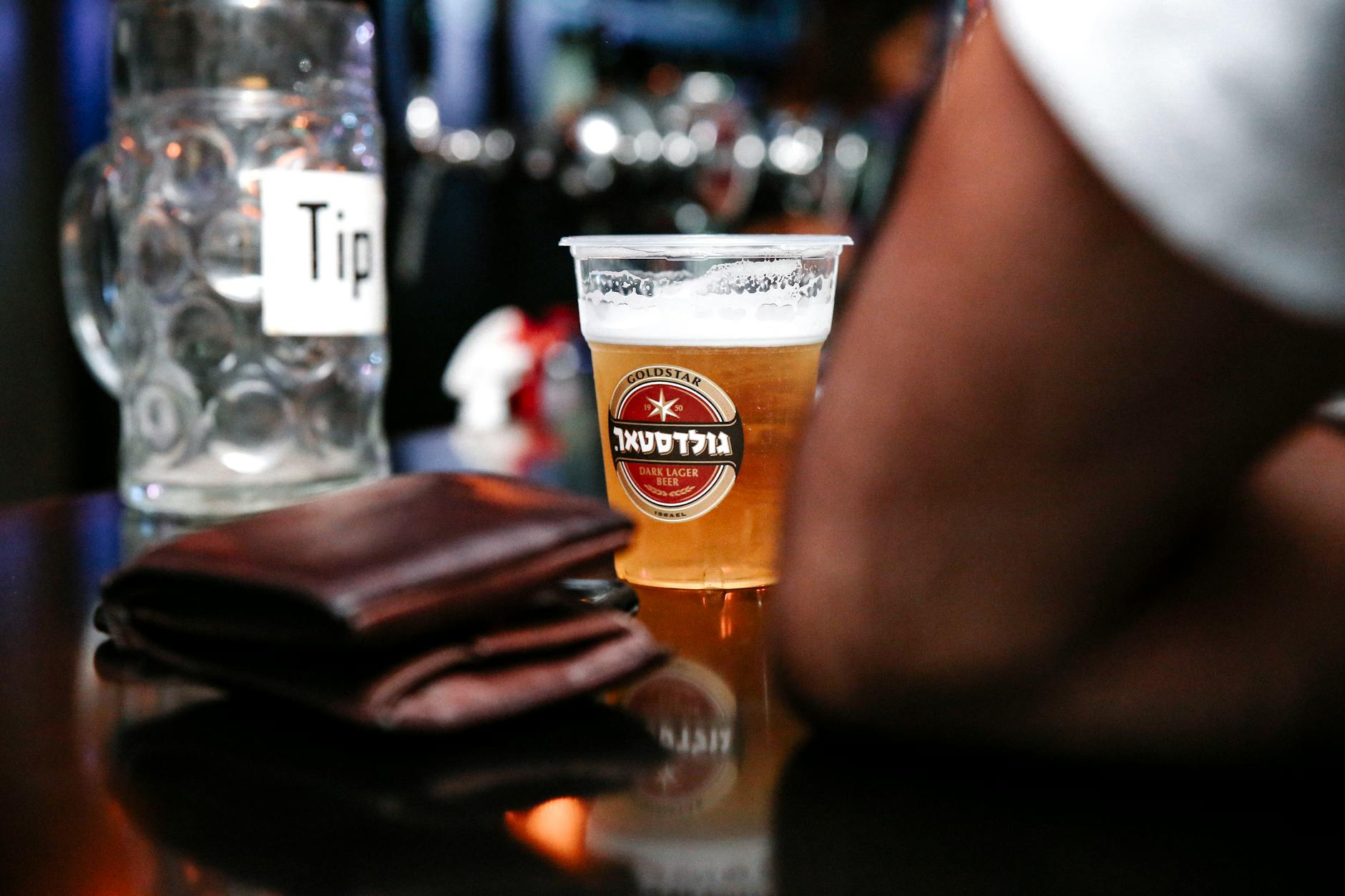
Guests attending weddings or corporate parties with a hosted bar do not need to tip for every drink. The host has typically paid a gratuity fee or service charge that covers the bartenders for the entire duration. Double tipping results in the staff being paid twice for the same service event. It is acceptable to enjoy the amenities provided by the host without opening a wallet. Guests can relax knowing the service costs were handled in the event contract.
Dry Cleaning Services
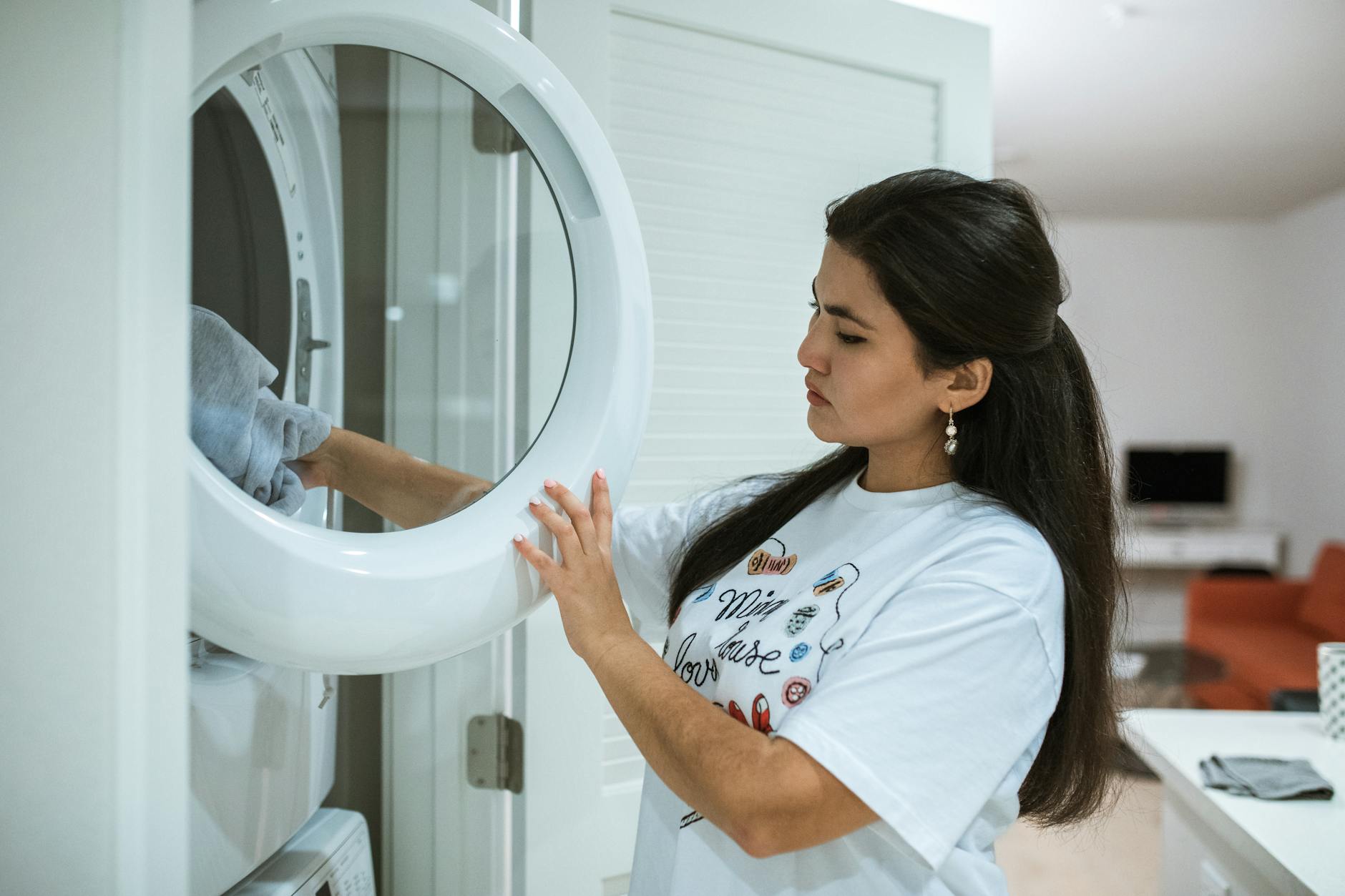
The price paid for dry cleaning includes the labor of cleaning and pressing the garments. Counter staff who accept the clothes and process the payment are paid an hourly wage. There is no custom of tipping for the standard return of clean laundry items. The transaction is complete once the bill for the cleaning service is paid in full. Customers should expect quality care for their clothes without paying extra fees.
Grocery Bagging
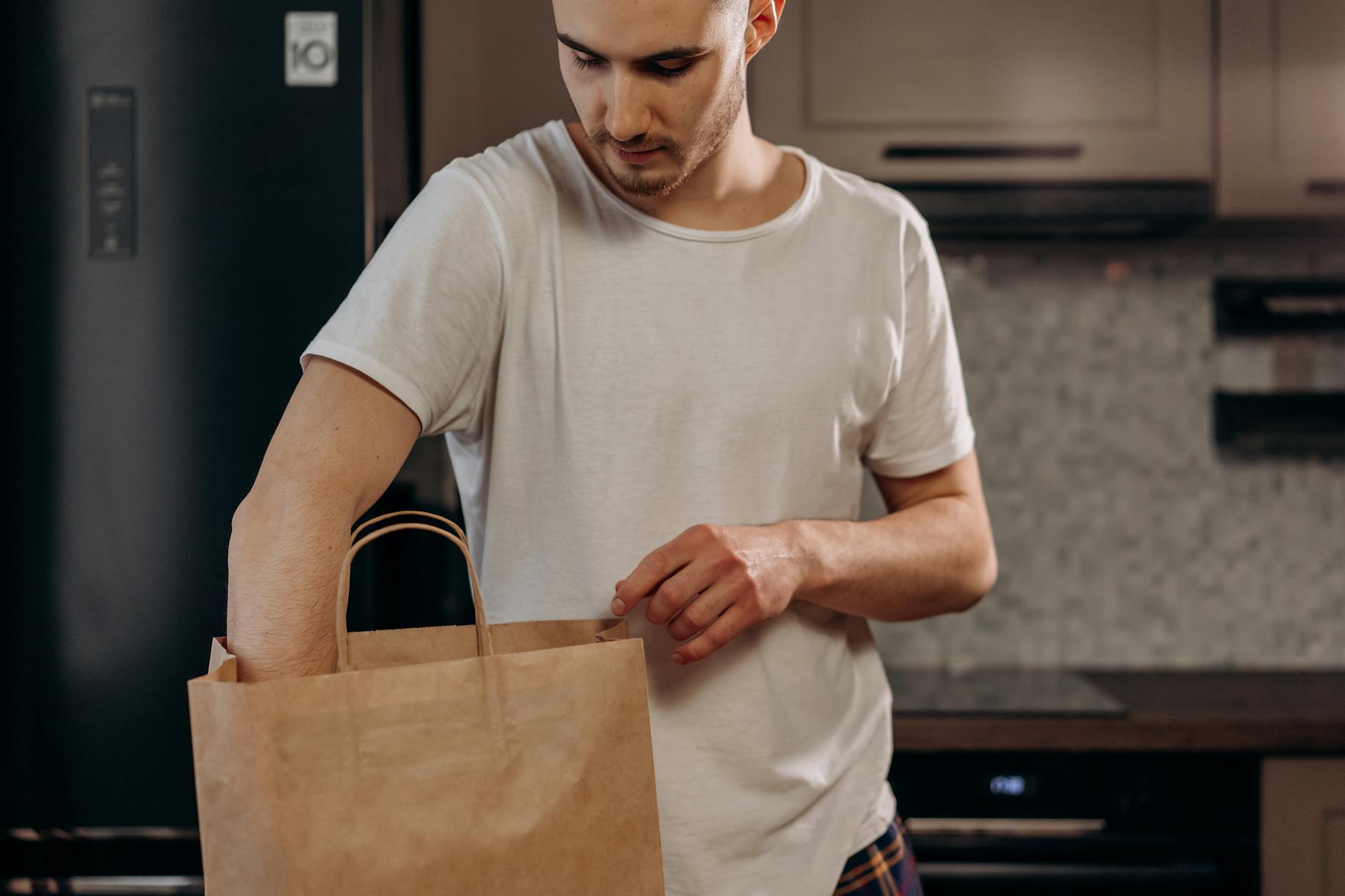
Supermarket employees who bag groceries are performing a core function of the store customer service. Many large grocery chains have policies that explicitly forbid employees from accepting money from customers. The service is intended to speed up the checkout process for everyone in the line. Offering cash can cause delays or violate employee conduct rules. A polite acknowledgment of their help is the correct social interaction.
Gym Class Instructors
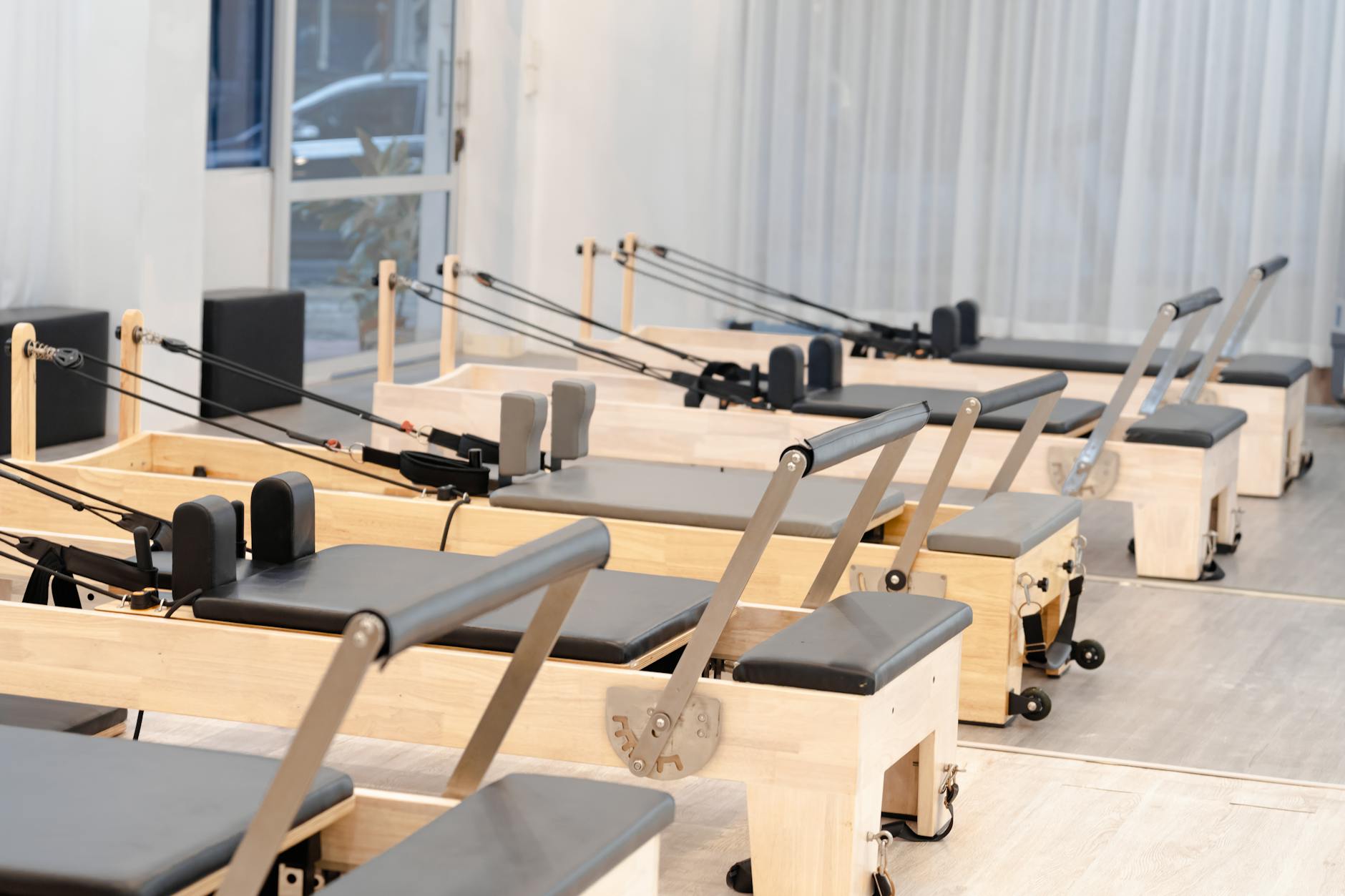
Group fitness instructors are compensated by the gym or studio for leading the scheduled session. The membership fees or class drop in rates cover the cost of the facility and the teacher. Tipping is not a standard practice in the fitness industry for group settings. Instructors appreciate verbal feedback or positive online reviews more than small cash tips. Members have already invested significantly in their health through the class fees.
Convenience Store Snacks
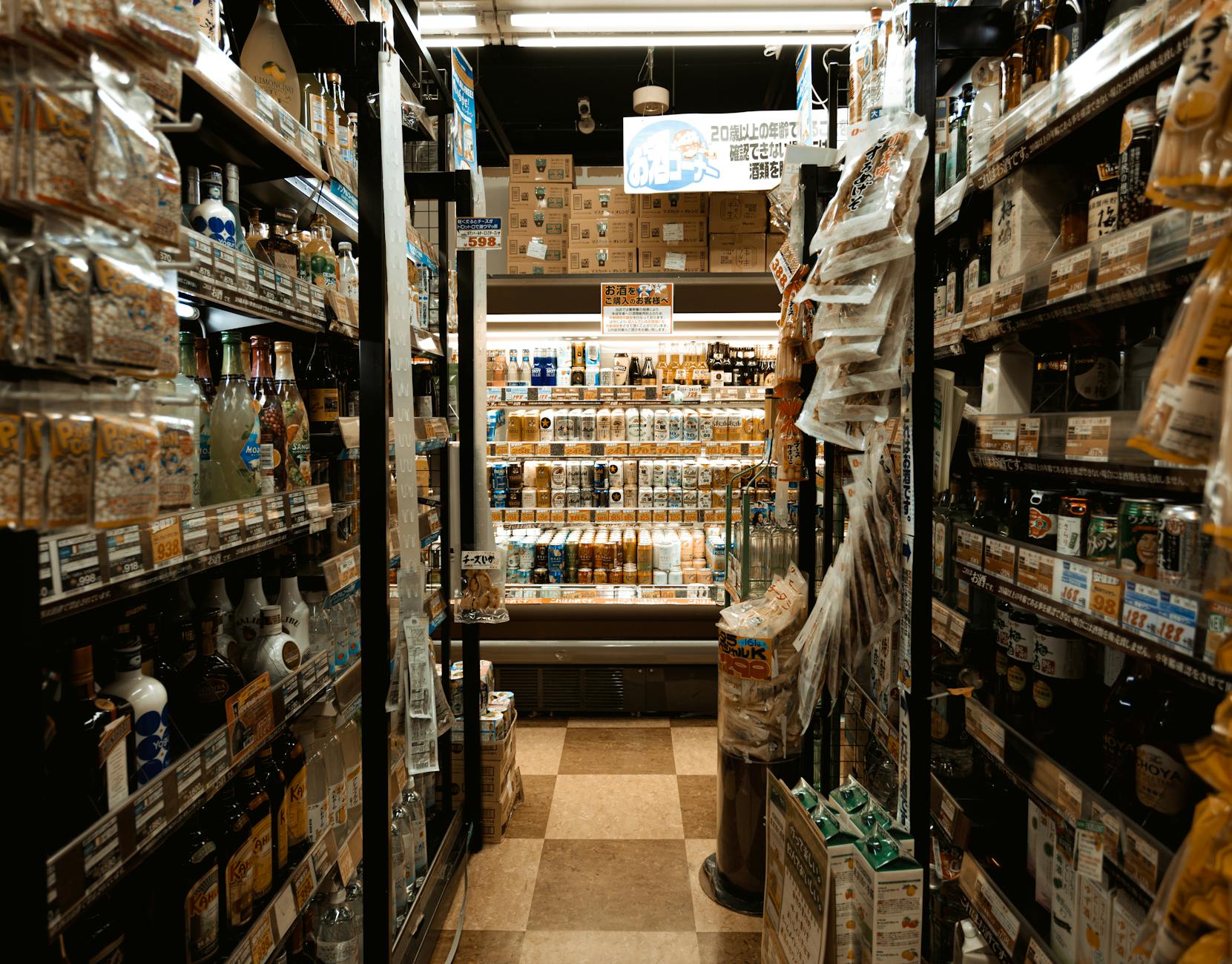
Buying a packaged snack or a bottle of water at a corner store is a simple retail purchase. The clerk scans the item and processes the payment in a matter of seconds. There is no service component that justifies an additional gratuity on top of the item price. Digital systems often default to asking for tips simply because the software allows it. It is perfectly acceptable to select the no tip option for these quick transactions.
Utility Repairs
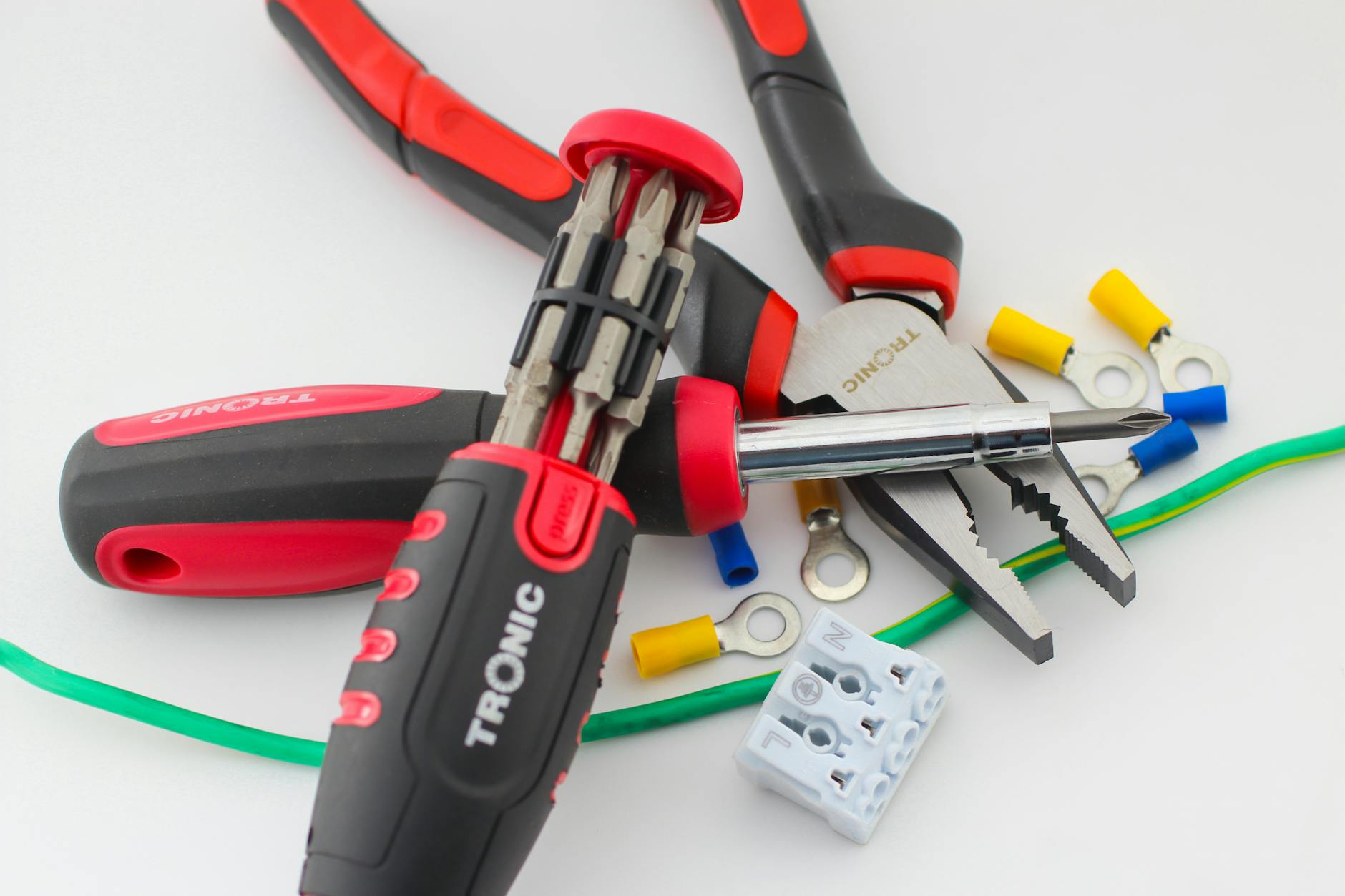
Technicians sent by internet or cable companies to fix connections are salaried employees. Their job is to ensure the service the customer pays for is working correctly. Tipping these workers is not expected and can sometimes be against company safety regulations. The monthly subscription fee paid to the provider covers maintenance and technical support. Customers need not feel obligated to subsidize the wages of utility staff.
Auto Mechanics
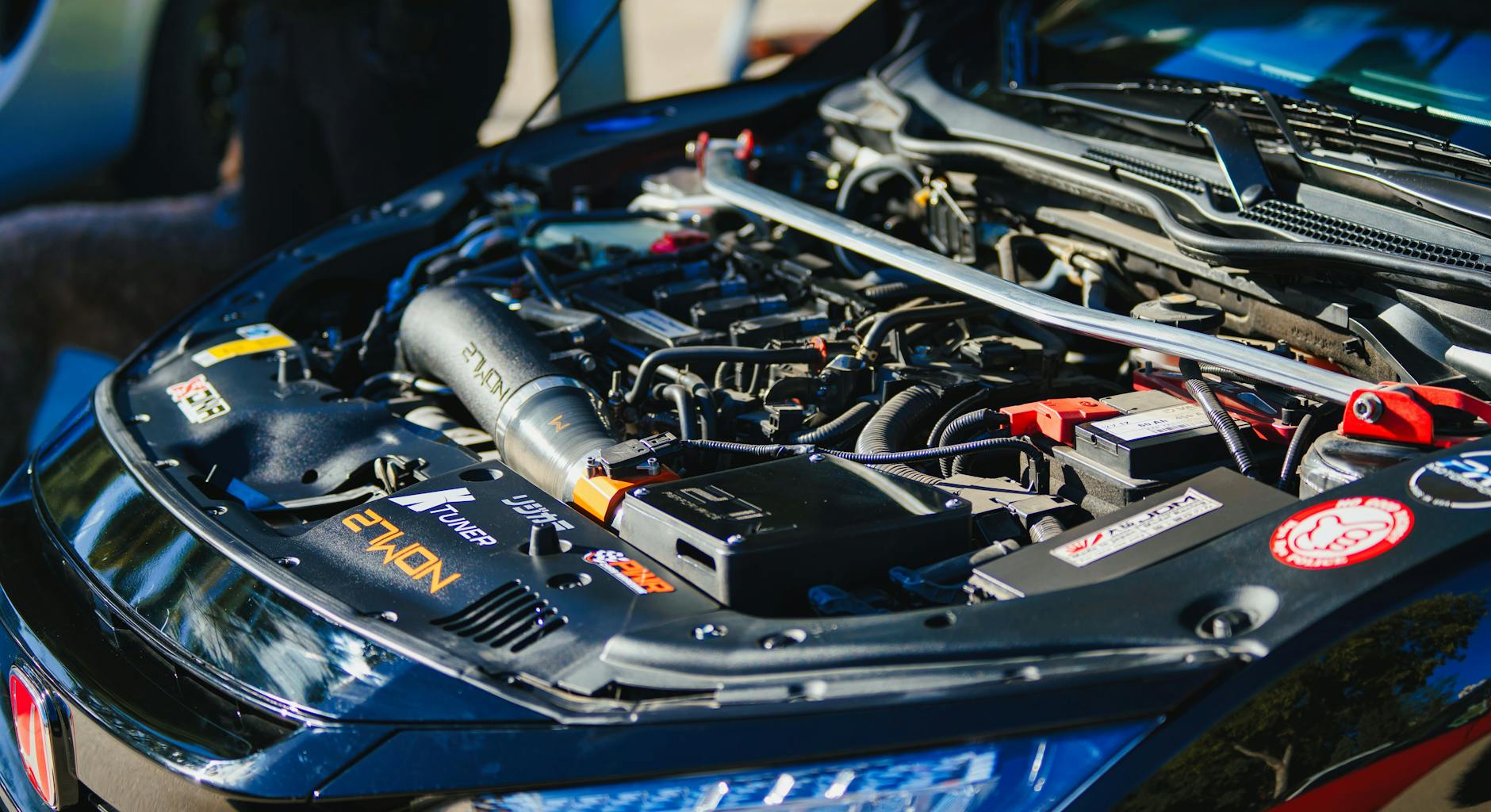
Auto repair shops charge for parts and labor at rates that ensure the business is sustainable. Mechanics constitute skilled labor and are paid according to their technical certifications and efficiency. The detailed invoice explains exactly where the money is going regarding the repair work. Tipping is not a part of the automotive service industry culture. Paying the final bill supports the shop and its employees adequately.
Furniture Delivery Drops

Delivery fees are almost always added to the purchase of large furniture or appliance items. These fees support the logistics and the team responsible for bringing the items to the home. Drivers are paid to transport goods safely as part of their job description. While heavy lifting is involved it is the core duty they are employed to perform. Customers satisfy their financial obligation by paying the delivery surcharge.
Private Tutors

Tutors set their hourly rates to reflect their education level and preparation time. The fee agreed upon is the total compensation for the lesson provided. Tipping a teacher or educational guide changes the dynamic of the professional relationship. The best way to reward a tutor is through consistent bookings and referrals. The agreed rate is sufficient to cover the value of the instruction.
Wedding Photographers

Photographers who own their own businesses set package prices to cover their time and talent. They retain the full profit from the contract without splitting it with an employer. Tipping a business owner is generally considered unnecessary in standard etiquette. The investment in wedding photography is significant and all inclusive. Paying the invoice fulfills the contract terms completely.
Double Tipping on Tax

Gratuity should always be calculated based on the subtotal of the bill before taxes are added. Many payment terminals suggest tip percentages based on the final total which includes sales tax. This results in the customer tipping on the government fee rather than just the service. Manually calculating the tip on the pre tax amount saves money on every dining experience. Being mindful of this calculation prevents unintentional overspending.
Please share your own experiences with expanding tipping culture in the comments.