Many people spend their weekends scrubbing floors and wiping down surfaces to create a perfectly clean sanctuary. This intense dedication to cleanliness often introduces a hidden array of dangerous airborne toxins into the living space. Everyday household items designed to make homes smell fresh actually release invisible chemical compounds into enclosed rooms. Understanding where these unseen threats originate represents the first crucial step toward creating a truly healthy indoor environment.
Scented Candles

Many popular home fragrances release volatile organic compounds into the air while burning indoors. The soot produced by the wick can settle on surfaces and enter the respiratory system over time. Some brands utilize synthetic fragrances containing phthalates to make the scent last longer in enclosed spaces. Switching to beeswax or soy alternatives with essential oils reduces the introduction of these harmful airborne particles.
Plug In Air Fresheners

These devices constantly heat synthetic liquid chemicals to disperse continuous fragrance throughout living spaces. The continuous release of these compounds creates a constant source of indoor air pollution that accumulates daily. Inhaling these artificial scents over prolonged periods introduces continuous low level chemical exposure to everyone in the home. Natural ventilation through open windows provides a much safer alternative for eliminating stale indoor odors.
Traditional Bleach
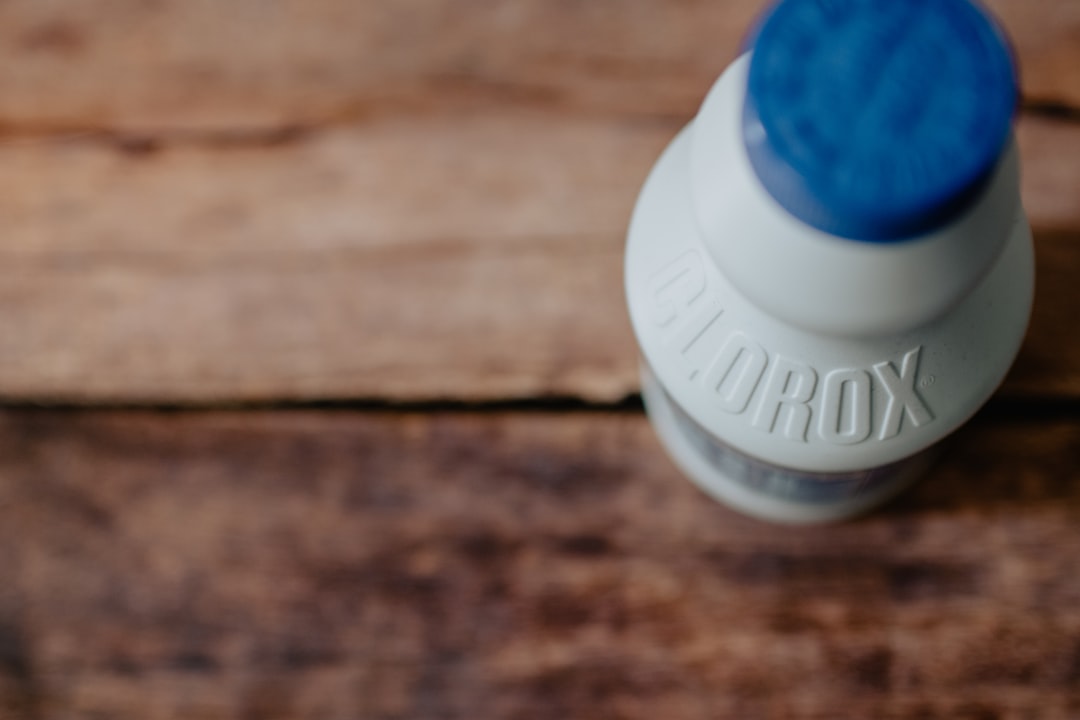
This common household cleaner creates harsh fumes that irritate the lungs and eyes during normal use. Mixing it with other common cleaning products creates highly toxic gases that require immediate emergency ventilation. Residue left on surfaces continues to off gas long after the visible liquid has been wiped away. Hydrogen peroxide offers a powerful disinfecting alternative without the dangerous respiratory side effects associated with harsh chemicals.
Gas Stoves
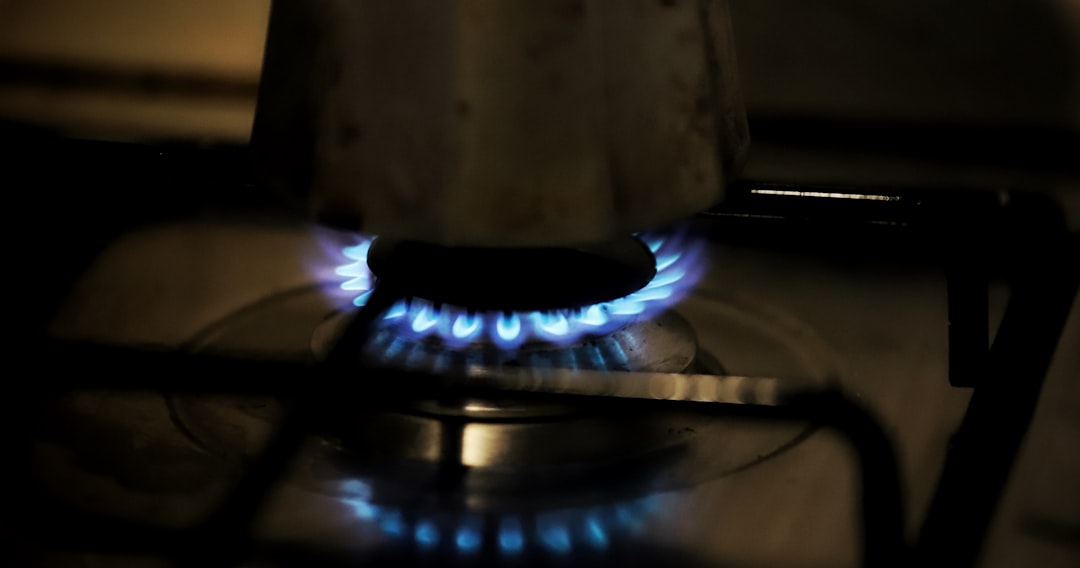
Cooking with natural gas releases nitrogen dioxide directly into the kitchen atmosphere during everyday meal preparation. Proper ventilation remains absolutely critical whenever these appliances operate to prevent dangerous gas accumulation indoors. Range hoods must vent completely to the outside rather than simply recirculating the polluted air back into the room. Electric or induction cooktops eliminate this specific combustion source entirely from the indoor living environment.
Pressed Wood Furniture

Many affordable bookshelves and cabinets contain adhesives made with formaldehyde that slowly release into the room. This invisible off gassing process can continue for months or even years after the initial purchase. Purchasing solid wood pieces eliminates this specific chemical exposure entirely from the indoor environment. Sealants applied to existing particle board surfaces can help trap the remaining chemicals inside the furniture.
Carpet Cleaners
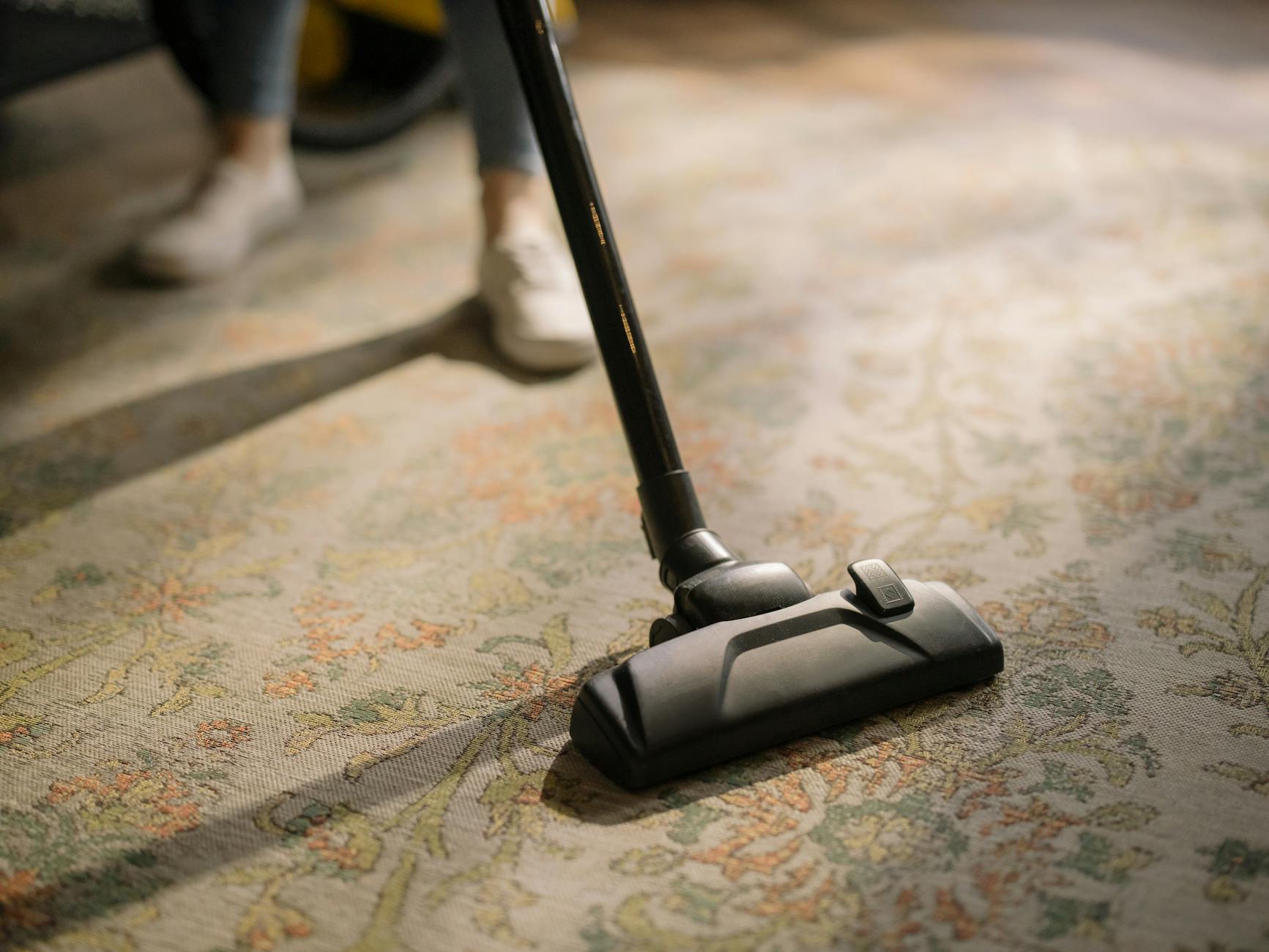
Heavy duty stain removers often rely on powerful solvents that linger in the carpet fibers long after drying. Walking on the treated areas kicks these dried chemical particles back up into the breathing zone. Children and pets face the highest risk of exposure due to their close proximity to the floor. Steam cleaning with plain water removes dirt effectively without introducing any synthetic chemical compounds into the home.
Dry Cleaned Clothing
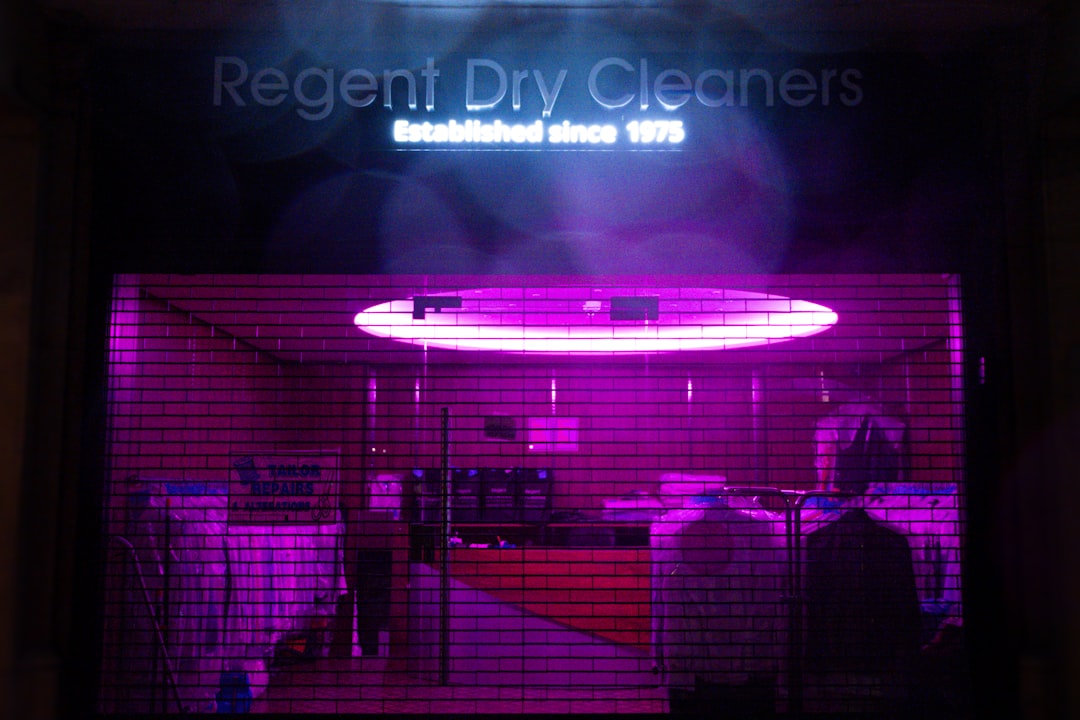
Garments returning from the professional cleaner often carry residual amounts of a chemical called perchloroethylene. Hanging these clothes immediately in a closed closet allows the chemical fumes to concentrate in small spaces. Removing the plastic wrapping and airing the garments outside helps disperse the remaining chemicals safely. Seeking out environmentally friendly cleaning services prevents this toxic solvent from ever entering the house.
Nonstick Cookware
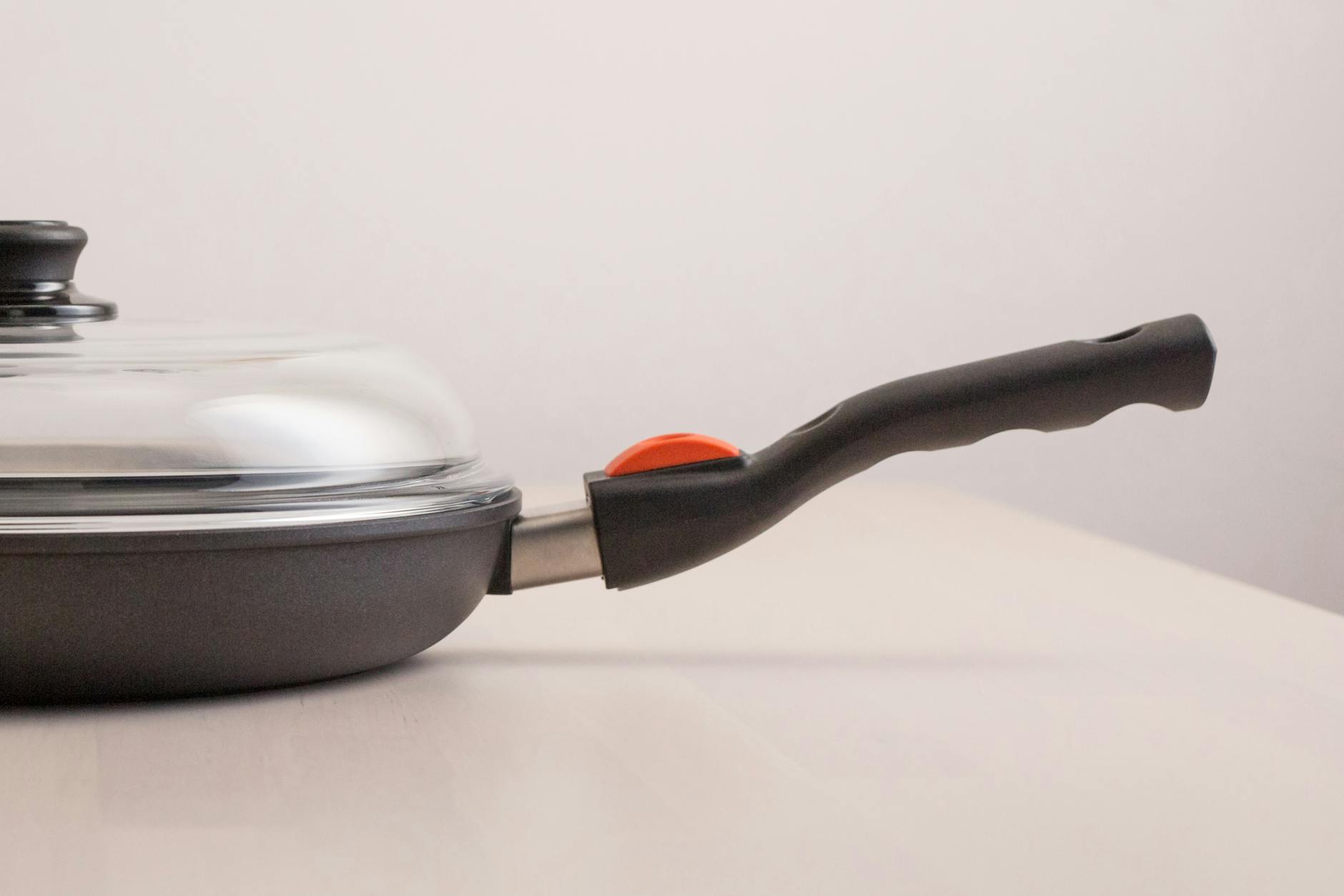
Overheating certain coated pans causes the surface material to degrade and release toxic fumes into the kitchen. These invisible gases accumulate rapidly in poorly ventilated cooking spaces during normal meal preparation. Replacing scratched or damaged pans immediately prevents the underlying chemicals from leaching into food and air. Cast iron or stainless steel alternatives provide safe cooking surfaces that never release harmful respiratory toxins.
Synthetic Fabric Softeners
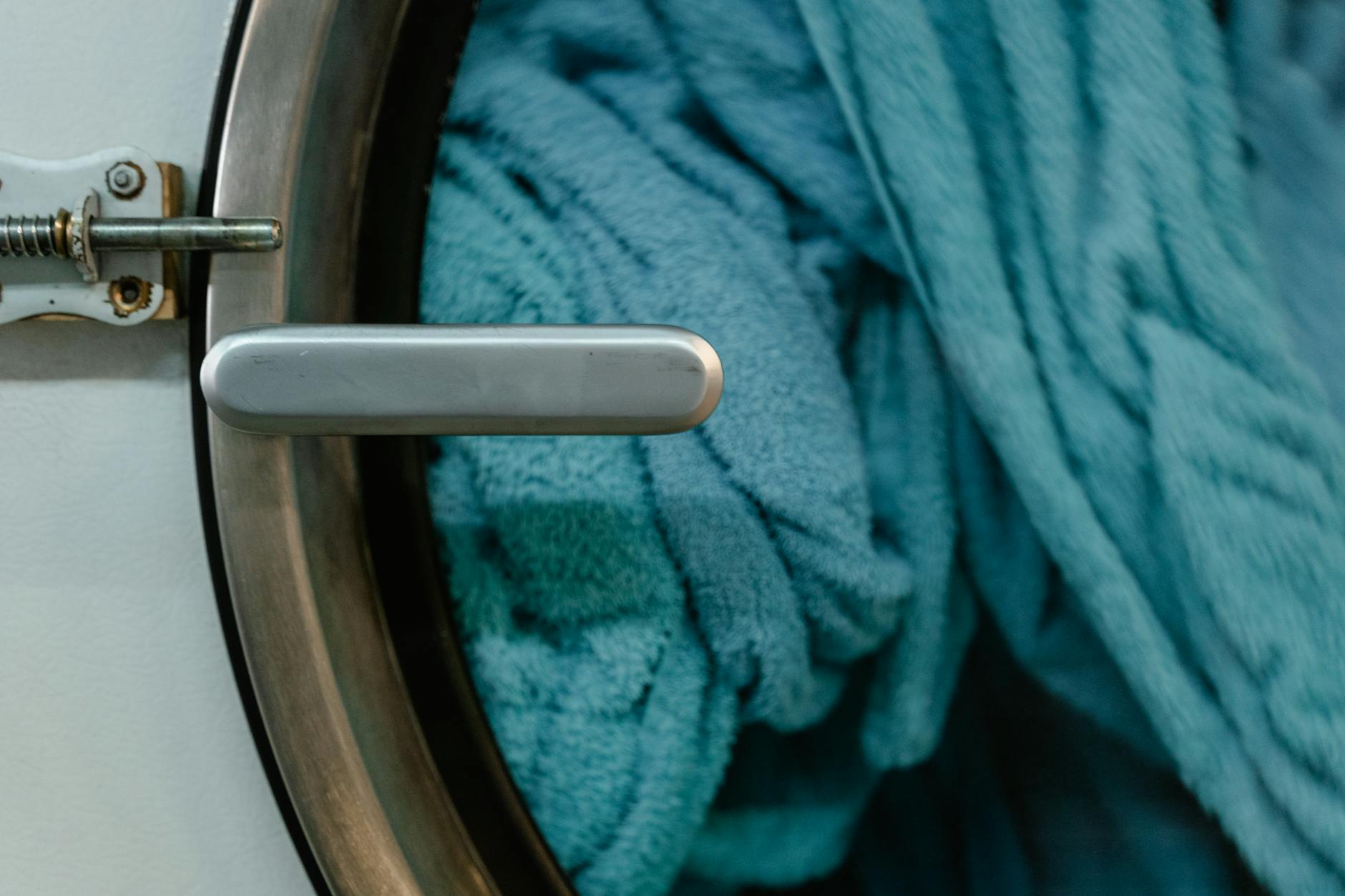
These laundry products coat clothing in a thin layer of synthetic chemicals designed to reduce static cling. The artificial fragrances embedded in the liquid release steadily into the air as the clothes dry indoors. Wearing the treated garments keeps a constant source of these chemical fumes close to the face and lungs. Using wool dryer balls provides a completely natural method for softening fabrics and reducing static electricity.
Scented Trash Bags

Manufacturers embed strong artificial fragrances into the plastic to mask unpleasant kitchen garbage odors. The entire roll sits in the pantry constantly releasing these synthetic chemical compounds into the enclosed storage space. Every new bag pulled from the box introduces a fresh wave of volatile organic compounds into the kitchen. Managing waste properly and emptying the bin frequently eliminates the need for artificially scented plastic products.
Aerosol Hairsprays
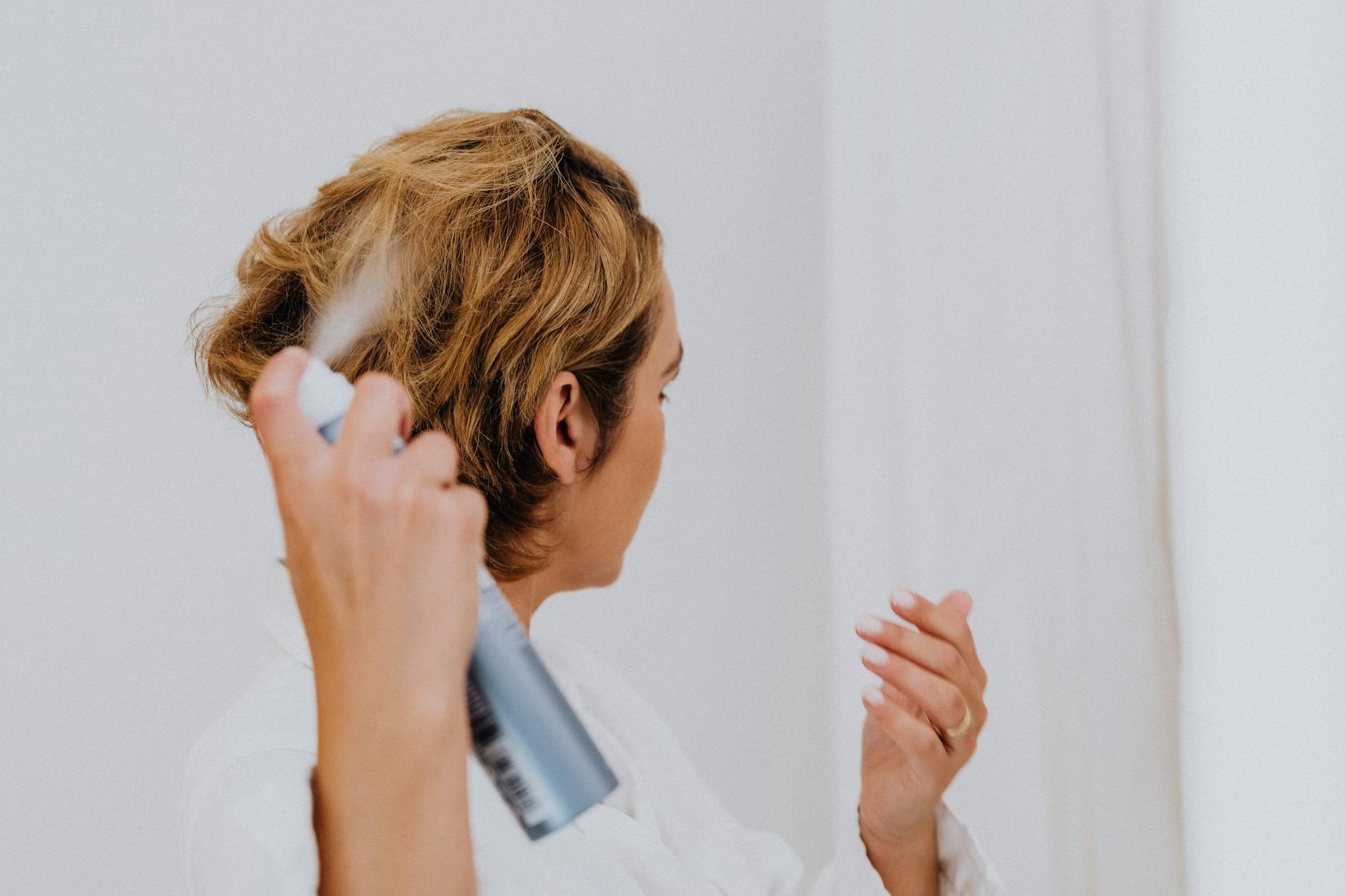
The pressurized propellants used in these cosmetic products spray a fine mist of chemicals across the bathroom. Many of the tiny droplets remain suspended in the air long after the styling process concludes. Breathing in these floating plastic polymers coats the respiratory tract with synthetic ingredients designed to create stiffness. Switching to liquid pump sprays drastically reduces the amount of airborne chemicals released during morning routines.
Commercial Furniture Polish

Aerosol wood dusting sprays contain propellants and artificial fragrances that quickly disperse throughout the living room. The chemical residue left on tables and chairs continues to evaporate into the surrounding air for hours. Constant use of these products creates a persistent layer of synthetic compounds circulating through the home ventilation system. A simple cloth dampened with olive oil and lemon juice polishes wood surfaces beautifully without any toxic emissions.
Oven Cleaning Sprays
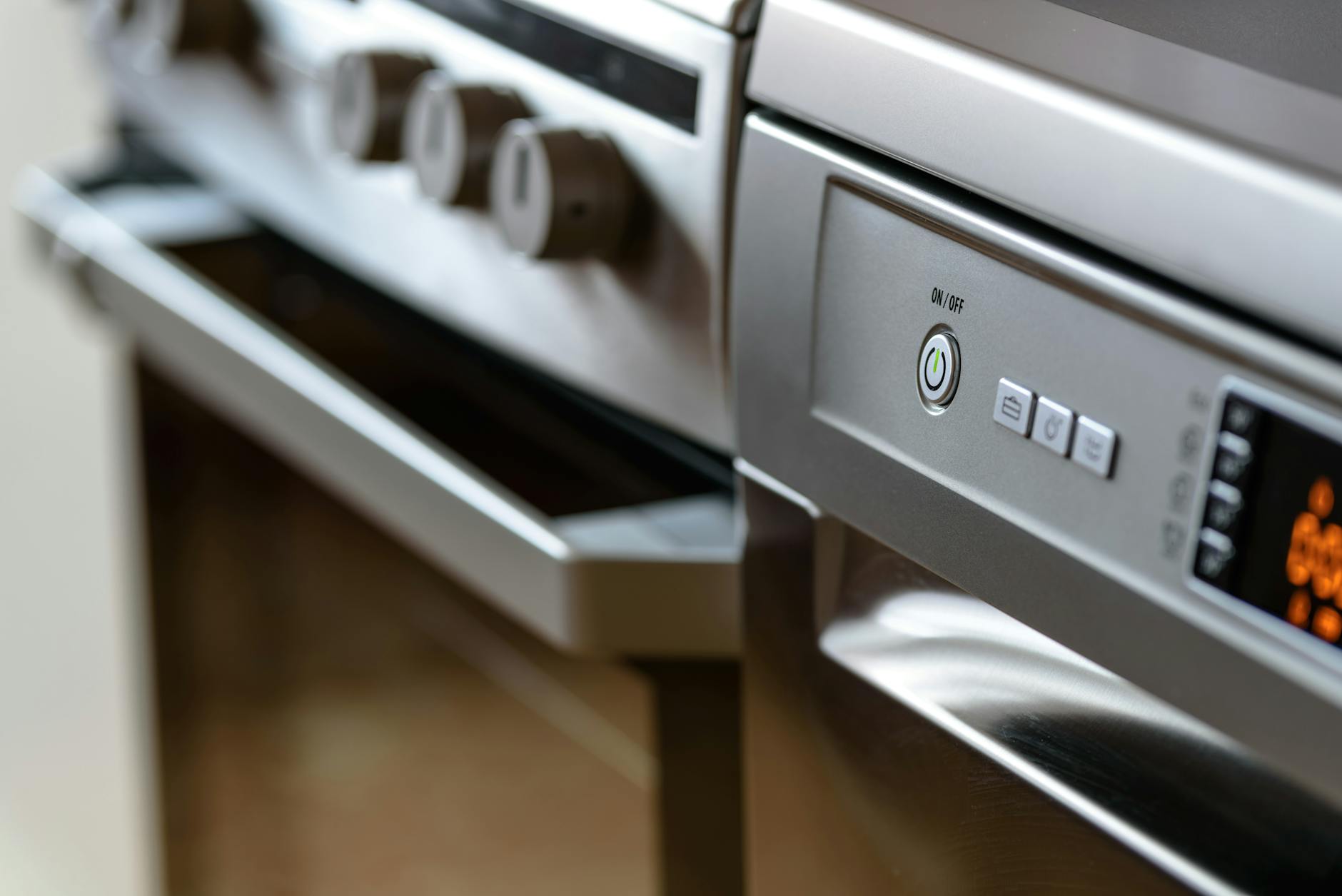
These extremely caustic products contain lye and other harsh chemicals designed to melt baked on grease. The powerful fumes generated during the cleaning process require open windows and heavy ventilation for safe use. Residual chemicals left behind can burn off during the next baking session and contaminate the indoor air. A simple paste made of baking soda and water lifts heavy oven stains without producing any dangerous gases.
Conventional Paint
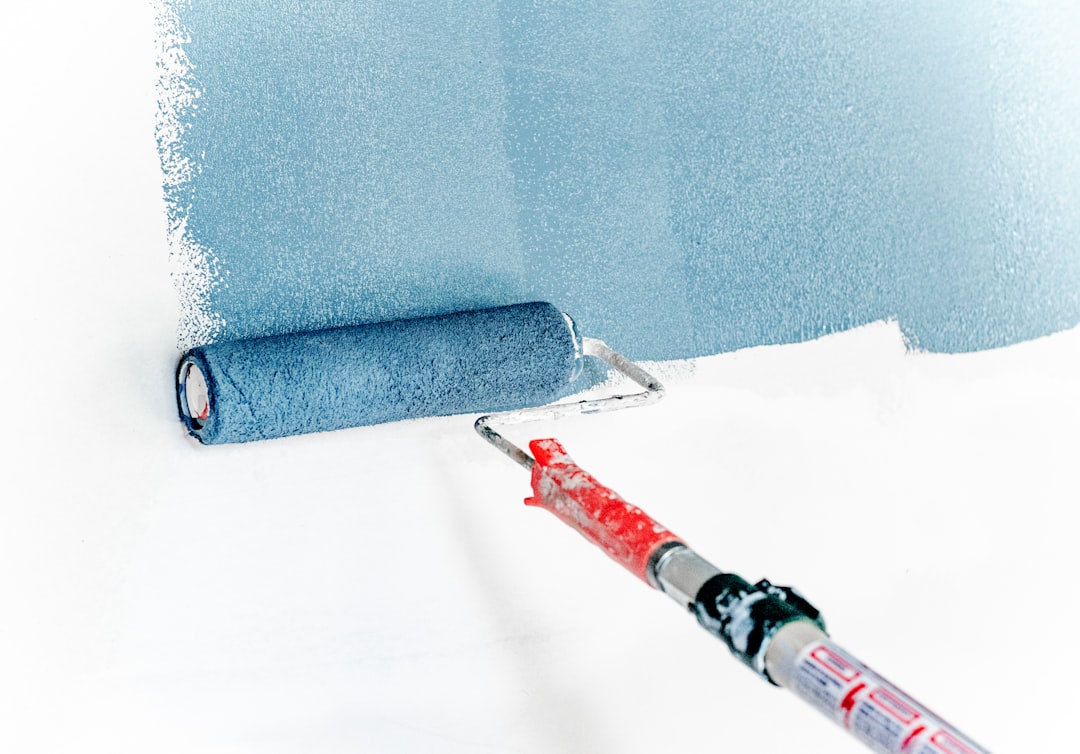
Freshly painted walls release potent volatile organic compounds that cause headaches and dizziness in poorly ventilated rooms. The curing process takes several weeks as the chemicals slowly evaporate into the indoor environment. Storing leftover cans in the basement allows minor leaks to continuously seep fumes into the household air supply. Choosing zero volatile organic compound paints entirely prevents this toxic off gassing period from occurring after home renovations.
Mattress Foam
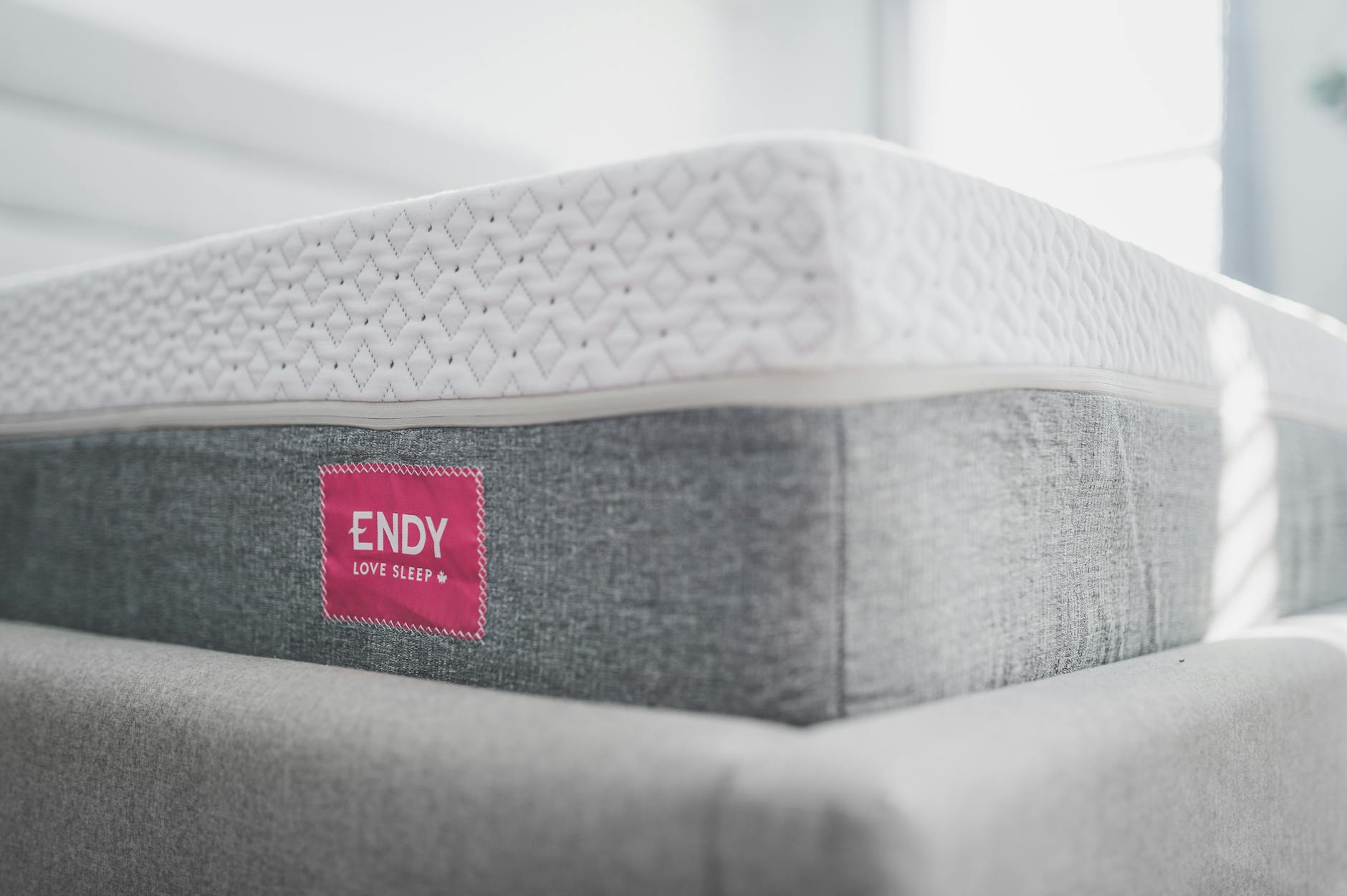
Memory foam products often undergo treatment with chemical flame retardants to meet strict manufacturing safety standards. These heavy chemical compounds slowly break down into dust particles that circulate throughout the bedroom air. Sleeping on these surfaces guarantees eight hours of continuous proximity to the off gassing materials every single night. Organic latex or natural wool mattresses provide comfortable sleep support without introducing synthetic chemical treatments to the bedroom.
Pet Dander

Microscopic flecks of skin shed by cats and dogs float freely through the air in enclosed spaces. These tiny particles easily bypass the natural filtration systems of the nose and enter deep into the lungs. Vacuuming with a specialized filter prevents the exhausted air from blowing the microscopic dander back into the room. Regular grooming and dedicated pet free zones help maintain a much healthier breathing environment for sensitive individuals.
Dust Mites

These microscopic organisms thrive in warm and humid environments like bedding and upholstered living room furniture. Their waste products become airborne every time someone sits on a couch or rolls over in bed. Inhaling these invisible particles triggers severe allergic reactions and asthma attacks in susceptible household members. Washing bedding weekly in hot water completely destroys the populations living inside the fabric layers.
Unvented Space Heaters
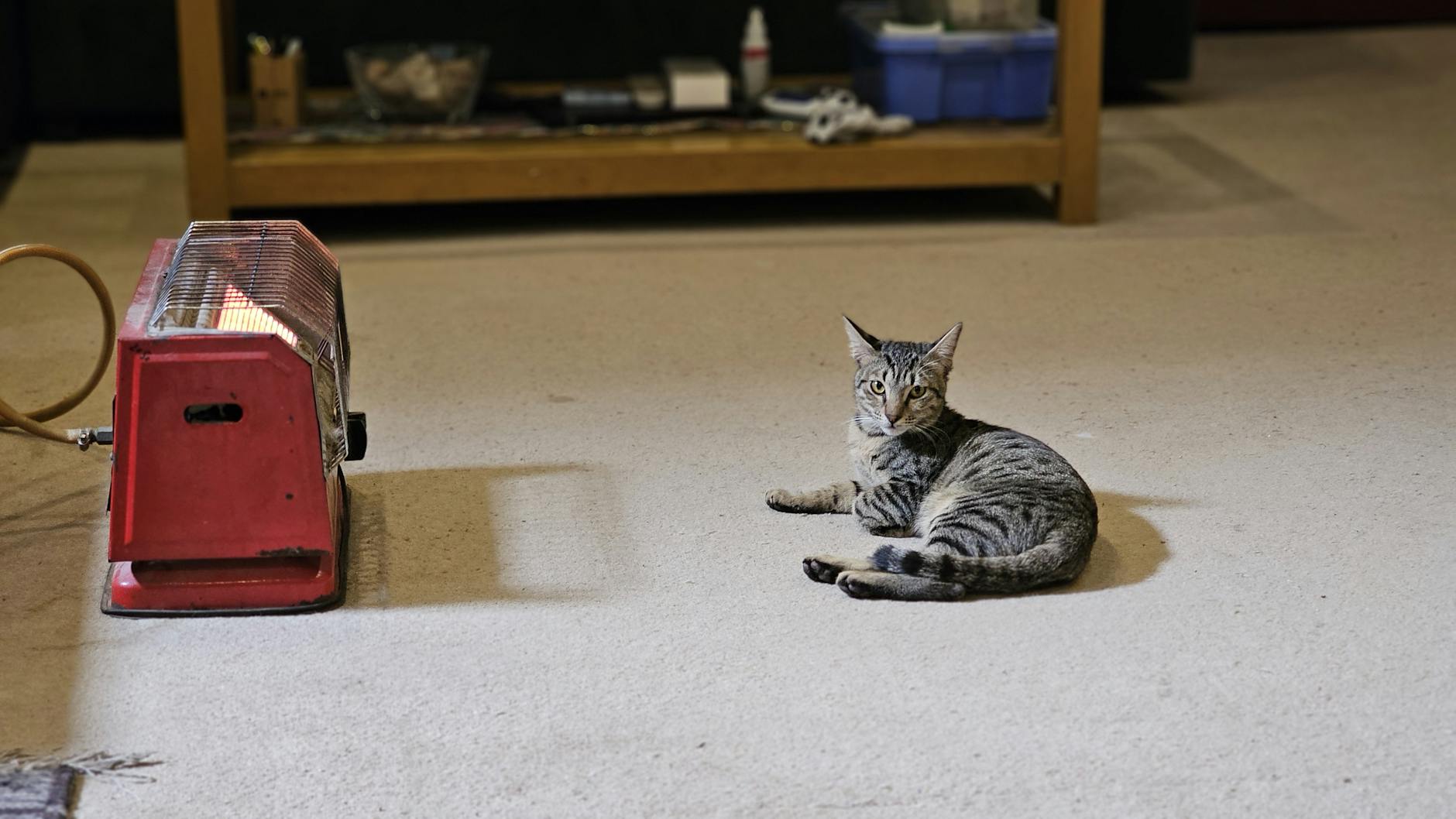
Kerosene and gas powered portable heaters consume local oxygen while releasing carbon monoxide directly into the room. The lack of an external exhaust pipe means all combustion byproducts remain trapped inside the living area. Running these devices in closed bedrooms overnight poses an extreme risk of lethal gas poisoning. Electric space heaters offer a perfectly safe alternative for warming small spaces without generating any dangerous exhaust fumes.
Mold Spores

Damp bathrooms and leaky basements provide the perfect breeding ground for various toxic fungal growths. The spores released by these colonies travel through the air conditioning system to infect other areas of the house. Breathing in these airborne biological contaminants causes chronic respiratory issues and persistent allergic reactions over time. Fixing water leaks immediately and running dehumidifiers permanently removes the moisture required for these organisms to survive.
Wood Burning Fireplaces

Cozy winter fires generate massive amounts of fine particulate matter that inevitably escapes into the living room. The microscopic ash particles lodge deep within lung tissue and restrict normal oxygen absorption over time. Poorly maintained chimneys force even more of the dangerous wood smoke back into the primary living spaces. Upgrading to a modern sealed fireplace insert drastically reduces the amount of indoor air pollution created by burning wood.
Chemical Pesticides
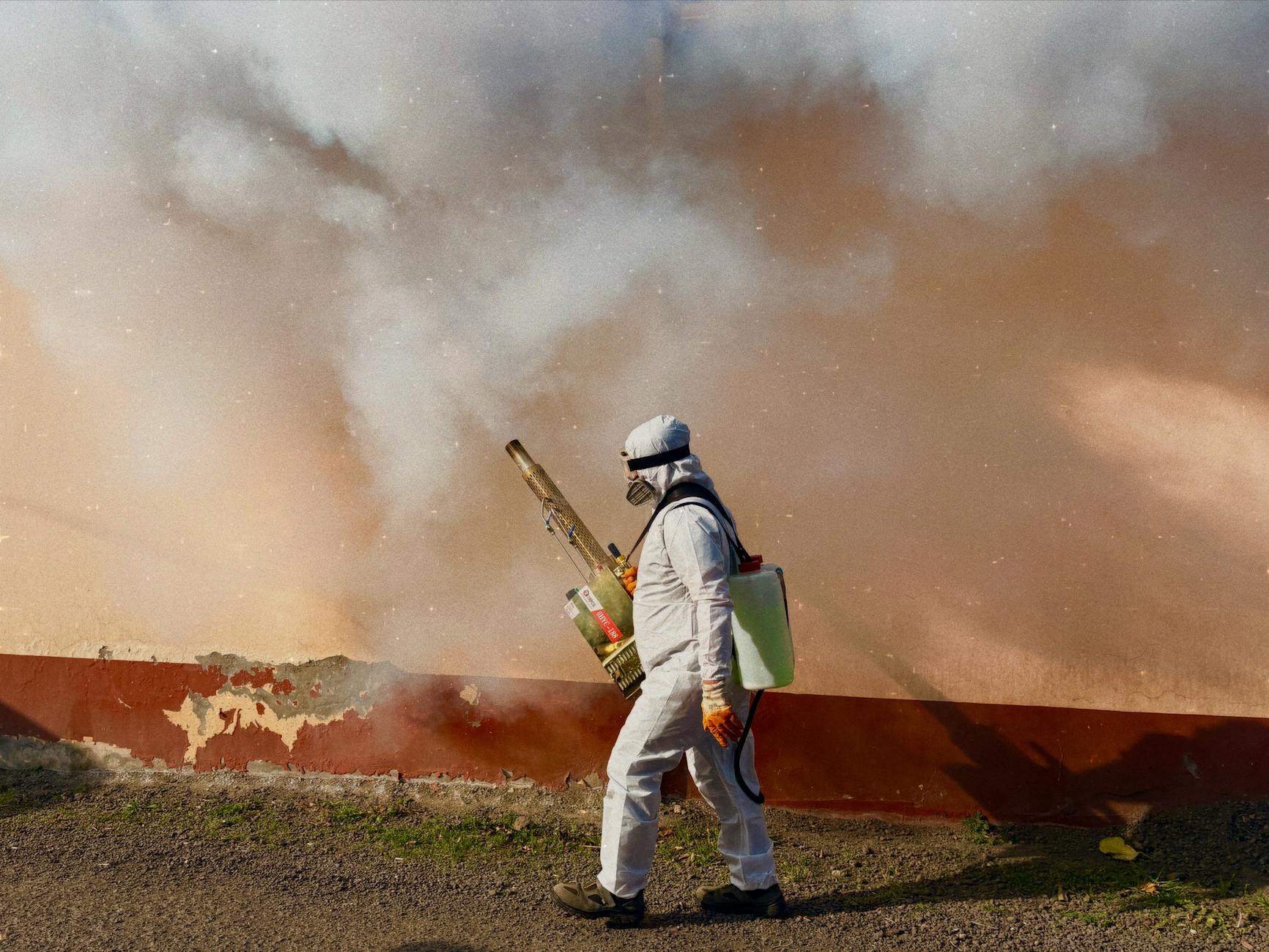
Indoor bug sprays coat floors and baseboards with potent neurotoxins designed to kill invading insects on contact. The chemical mist settles onto countertops and furniture where it slowly evaporates into the room over several days. Crawling infants and indoor pets inevitably transfer these lingering toxic residues from the floor directly to their mouths. Sealing exterior cracks and storing food in airtight containers stops pest infestations without the need for toxic chemicals.
Scented Laundry Detergents
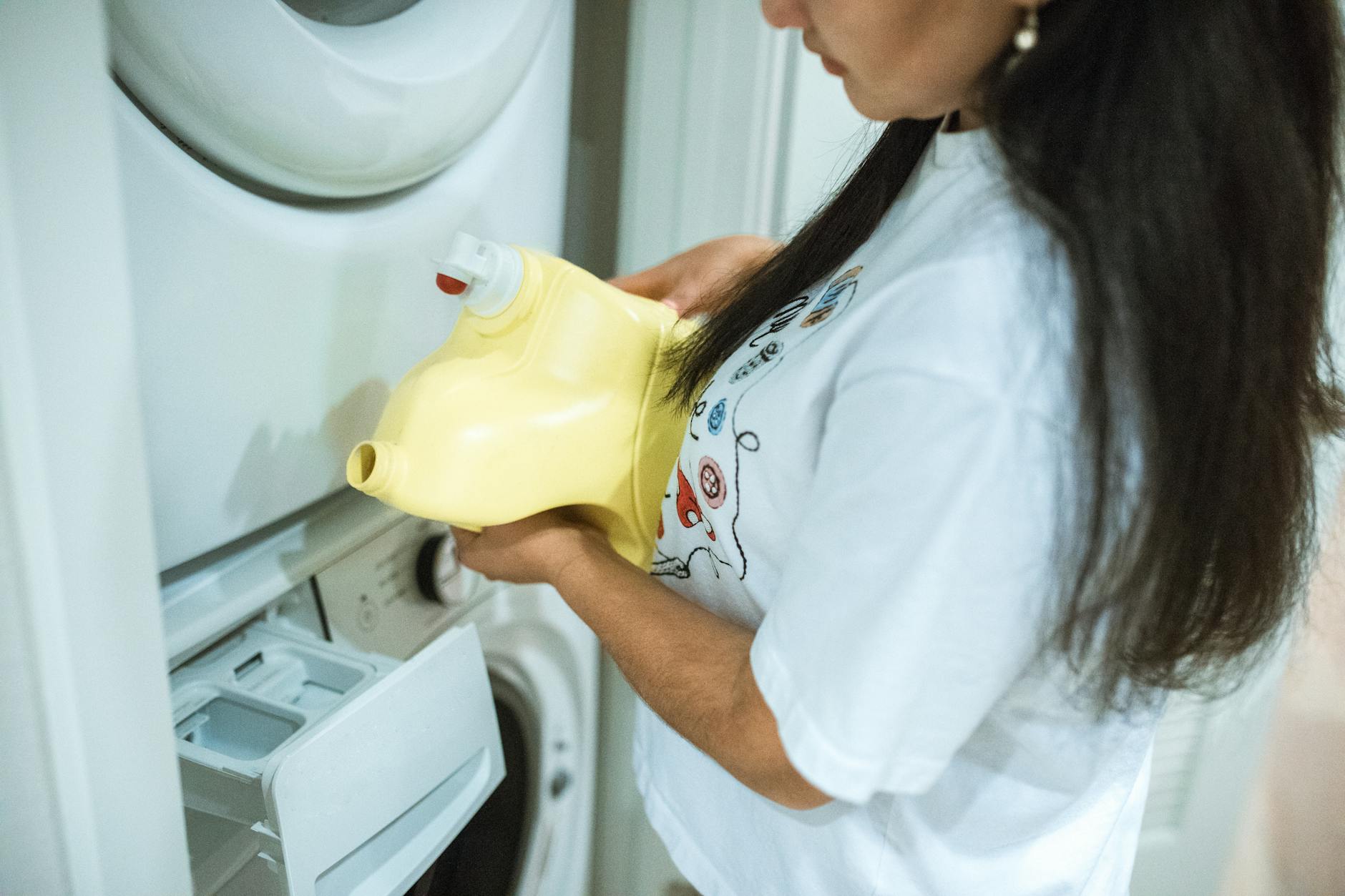
The powerful fragrances formulated to survive the washing machine wash cycle easily become airborne during the drying process. These microscopic chemical droplets waft through the laundry room and spread into adjoining hallways and bedrooms. Wearing the heavily perfumed clothes ensures a continuous personal cloud of volatile organic compounds follows you everywhere. Switching to unscented and hypoallergenic washing powders eliminates this unnecessary source of continuous chemical exposure.
Antibacterial Sprays
Many popular surface disinfectants contain harsh quaternary ammonium compounds that linger in the air after spraying. These heavy cleaning chemicals contribute heavily to the development of asthma and other chronic breathing conditions. Wiping down the entire kitchen daily with these products ensures the constant presence of toxic droplets indoors. Simple soap and water physically removes harmful bacteria from counters without creating toxic aerosol clouds.
Craft Glues

Heavy duty adhesives used for indoor hobbies emit strong solvent fumes as the liquid slowly hardens. Working on projects in a closed room allows the toxic vapors to accumulate to highly dangerous concentrations. The intense chemical smell serves as a direct warning that volatile organic compounds are flooding the workspace. Opening windows and utilizing exhaust fans pushes the dangerous fumes outside before they can enter the lungs.
Shower Curtains
New plastic liners made from polyvinyl chloride immediately release a highly distinct chemical odor upon opening. This powerful smell consists of numerous volatile organic compounds off gassing directly into the enclosed bathroom space. The heat and humidity generated by hot showers rapidly accelerates the release of these toxic plasticizer chemicals. Hanging a washable fabric liner or installing glass doors provides a completely nontoxic barrier for the shower.
Please share your thoughts and experiences with eliminating hidden indoor air pollutants in the comments.