Many people launch a side hustle dreaming of extra income, only to discover months later that the numbers quietly work against them. The appeal of earning on the side is powerful, but a range of overlooked expenses and hidden drains steadily erode the profits that never quite materialize. Understanding exactly where money disappears is the first step toward making smarter decisions about how time and energy are invested outside of a primary career.
Self-Employment Tax Obligations

Employees have taxes automatically split with their employer, but side hustle income is taxed at the full self-employment rate in most countries. In the United States alone, that rate sits at 15.3 percent on net earnings before any income tax is even calculated. Many first-time earners set aside nothing for this and face a painful surprise at tax season. The resulting bill often wipes out several months of profit in a single payment.
Platform and Marketplace Fees

Selling on platforms like Etsy, eBay, Fiverr, or Amazon comes with a layered fee structure that most beginners underestimate. Listing fees, transaction fees, payment processing charges, and optional promotional fees can collectively claim anywhere from 10 to 40 percent of every sale. These deductions happen automatically, making it easy to lose track of how much is actually being kept. A product priced to feel profitable often yields very little once every platform cut is accounted for.
Startup and Equipment Costs

Almost every side hustle requires an upfront investment before the first dollar is earned. A food business needs packaging and permits, a photography side hustle demands lenses and editing software, and a consulting service often requires a professional website and scheduling tools. These costs are frequently framed as one-time expenses, but equipment breaks, software renews, and supplies run out. The initial outlay can take a year or more of consistent revenue just to recoup.
Software Subscriptions

Running even a modest side business today means relying on a collection of digital tools. Email marketing platforms, graphic design apps, invoicing software, project management tools, and cloud storage all come with monthly or annual fees. It is common for side hustlers to accumulate six to ten subscriptions without realizing the combined total has crept past a hundred dollars per month. Many of these tools are signed up for during a free trial and forgotten until they appear on a bank statement.
Unpaid Administrative Hours

Every hour spent answering client emails, creating invoices, filing receipts, and managing social media accounts is an hour that generates no direct income. Research consistently shows that small business owners and freelancers spend roughly 30 percent of their working hours on non-billable administrative tasks. When those hours are converted into an effective hourly rate, the real earnings figure drops significantly. Most side hustlers never factor this invisible labor into their profit calculations.
The Opportunity Cost of Time

Time spent on a side hustle is time unavailable for rest, relationships, skill development, or career advancement in a primary role. Professionals who invest those same hours into certifications, networking, or performance at their main job often see salary increases that far outpace side hustle income. Economists describe this as opportunity cost, the value of the next best alternative that is given up. The financial and personal return on those hours deserves honest comparison before a side hustle is treated as the obvious choice.
Underpriced Services

A widespread pattern among new side hustlers is setting rates too low in order to attract clients quickly. Underpricing creates a cycle where more hours must be worked to hit any meaningful income target, which then drives up fatigue and reduces output quality. Studies on freelance pricing show that most beginners charge 40 to 60 percent below sustainable market rates. Raising prices later is difficult once a client base has formed expectations around a lower fee structure.
Home Office and Utility Costs

Working from home for a side hustle increases electricity usage, internet bandwidth needs, and general wear on living spaces. A dedicated workspace may require a desk, chair, better lighting, or soundproofing to remain functional over time. Heating or cooling that workspace to a comfortable working temperature adds measurable costs to monthly utility bills. While some of these expenses may be partially deductible, the upfront financial impact is real and ongoing.
Shipping and Materials Overhead

Product-based side hustles carry a persistent materials cost that fluctuates with supply chain conditions and vendor pricing. Packaging alone, including boxes, tape, tissue paper, and branded inserts, can add two to five dollars per order depending on the product category. Shipping rates have increased substantially in recent years, and offering free shipping to stay competitive often means absorbing those costs directly. Profit margins in product businesses are frequently thinner than they appear on a simple revenue minus materials calculation.
Marketing and Advertising Spend

Organic reach on social media platforms has declined sharply over the past several years, making paid promotion increasingly necessary for visibility. A modest Facebook or Instagram ad budget of even fifty dollars per month adds up to six hundred dollars annually with no guaranteed return. Many side hustlers also invest in professional photography, logo design, or content creation to build a credible brand presence. These marketing costs are essential for growth but are rarely included in early income projections.
Licensing, Permits, and Legal Fees

Depending on the type of side hustle, local business licenses, professional permits, or industry-specific certifications may be legally required. Operating without them can result in fines that instantly erase months of profit. Some ventures also require liability insurance or contract templates reviewed by a legal professional. These compliance costs are non-negotiable in many fields and represent a fixed overhead that shrinks already thin margins.
Reduced Productivity in a Primary Job

Fatigue from evening and weekend side hustle work has a documented effect on focus and performance during regular working hours. Studies on sleep deprivation and cognitive load show that consistently overextended workers make more errors and produce lower quality output. A decline in primary job performance can delay promotions, damage professional relationships, or attract negative attention from management. The financial consequences of a stalled or disrupted main career often dwarf whatever a side hustle brings in.
Accounting and Tax Preparation Costs
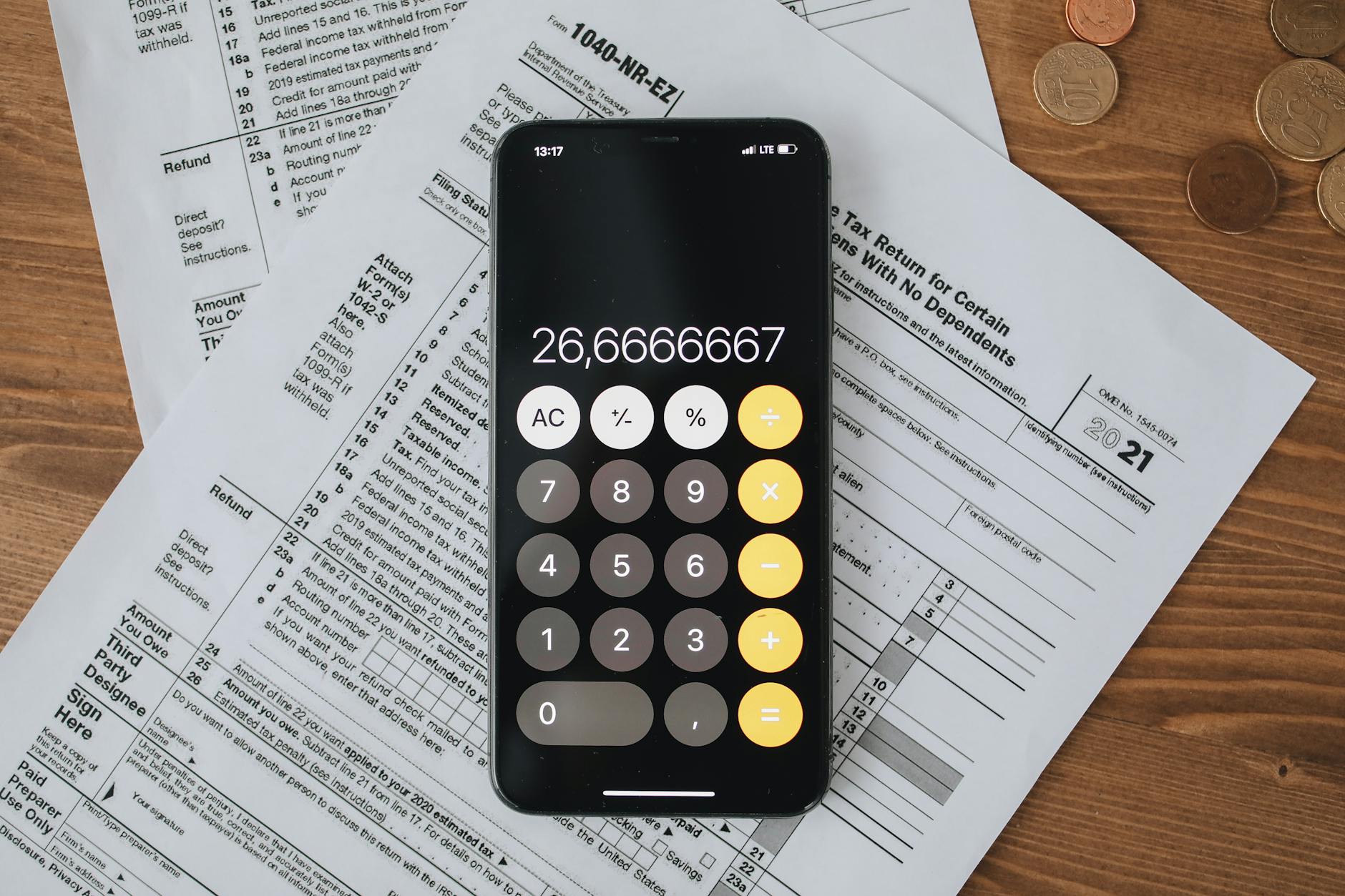
As soon as a side hustle earns income, tax filing becomes considerably more complex than a standard employee return. Many side hustlers hire an accountant or tax professional to handle quarterly estimated payments, deductions, and Schedule C filings in the United States or their equivalent elsewhere. Professional tax preparation for a self-employed individual typically costs between 200 and 500 dollars or more annually. That cost is legitimate and necessary but represents another line item that reduces actual take-home earnings.
Burnout and Health Impacts

Operating a side hustle alongside full-time employment means routinely working 50 to 70 hours per week for many individuals. Chronic overwork is associated with measurable increases in stress hormones, disrupted sleep patterns, and a higher risk of anxiety and cardiovascular issues over time. Healthcare costs, whether through increased medical visits or the purchase of supplements and wellness products to manage fatigue, represent a financial drain that rarely appears in any side hustle income analysis. The long-term cost of sustained burnout can be significant both personally and professionally.
Neglected Retirement and Investment Contributions

Hours and dollars poured into a side hustle are frequently redirected away from consistent retirement contributions or investment accounts. Compound growth means that money invested in a low-cost index fund in your thirties can be worth four to five times more by retirement than the same amount invested a decade later. A side hustle that earns five hundred dollars per month but results in skipped or reduced retirement contributions may represent a net long-term financial loss. Building wealth through consistent, automated investing often produces stronger outcomes than chasing additional income through a parallel business venture.
Share your own experience with the real costs of a side hustle in the comments.