Smart home technology has quietly woven itself into the most intimate corners of daily life, from bedrooms to kitchens to living rooms. Millions of households now rely on connected devices without fully understanding what happens to the data those devices collect around the clock. The convenience of voice commands and automated routines comes with a layer of surveillance that most manufacturers bury deep inside their terms of service. Understanding which devices pose the greatest risks is the first step toward reclaiming control over your personal space and digital life.
Smart Speakers
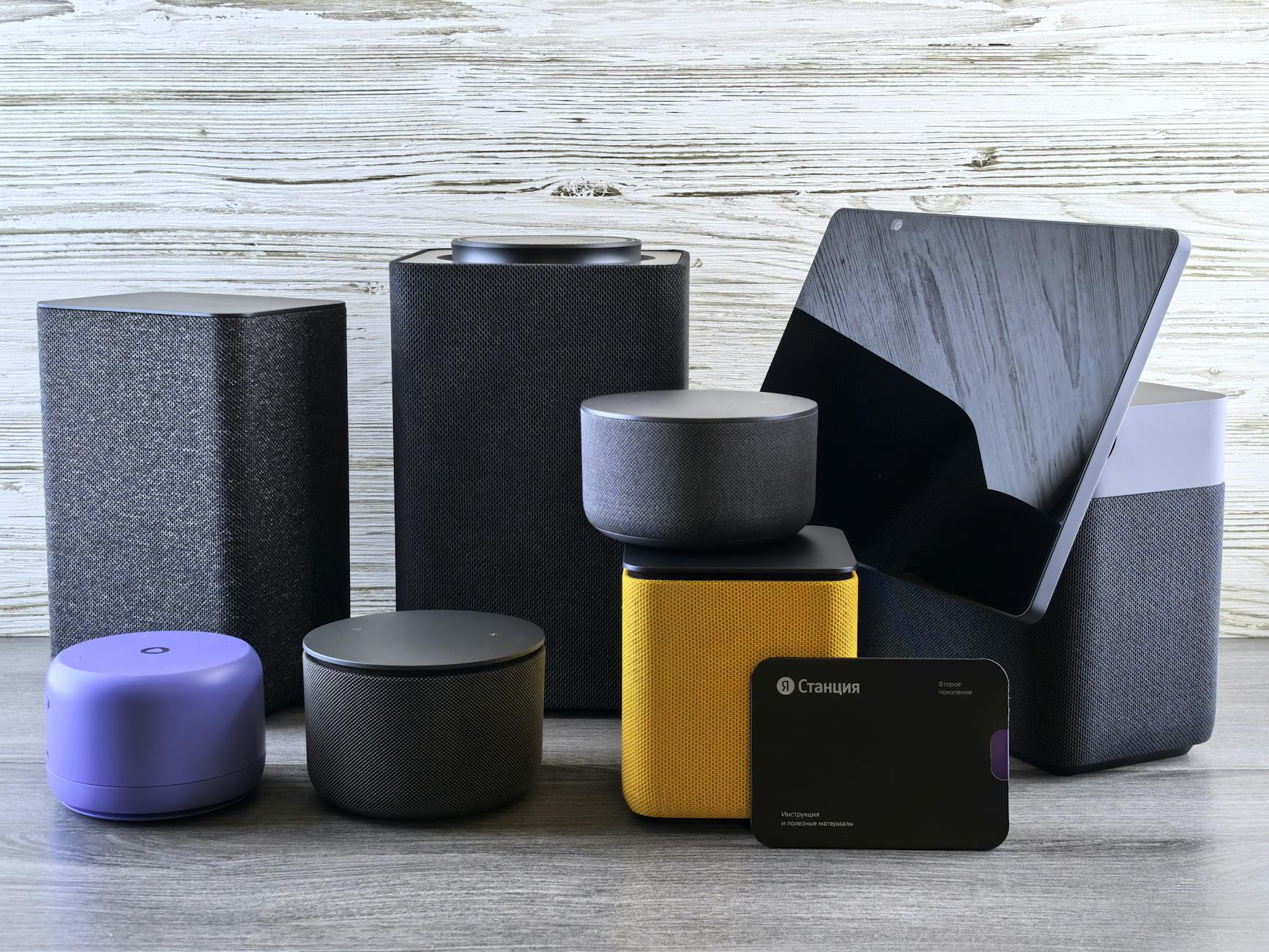
Smart speakers such as those made by Amazon and Google are designed to listen continuously for a wake word, but independent researchers have found they often activate unintentionally. Audio snippets recorded during these false activations are sometimes reviewed by human contractors hired to improve voice recognition accuracy. Users can opt out of some data-sharing features but the default settings on most devices lean heavily toward collection. These recordings can capture sensitive conversations including financial discussions, medical talk, and personal arguments. The sheer volume of audio passively gathered over months or years creates a detailed portrait of household life.
Smart TVs
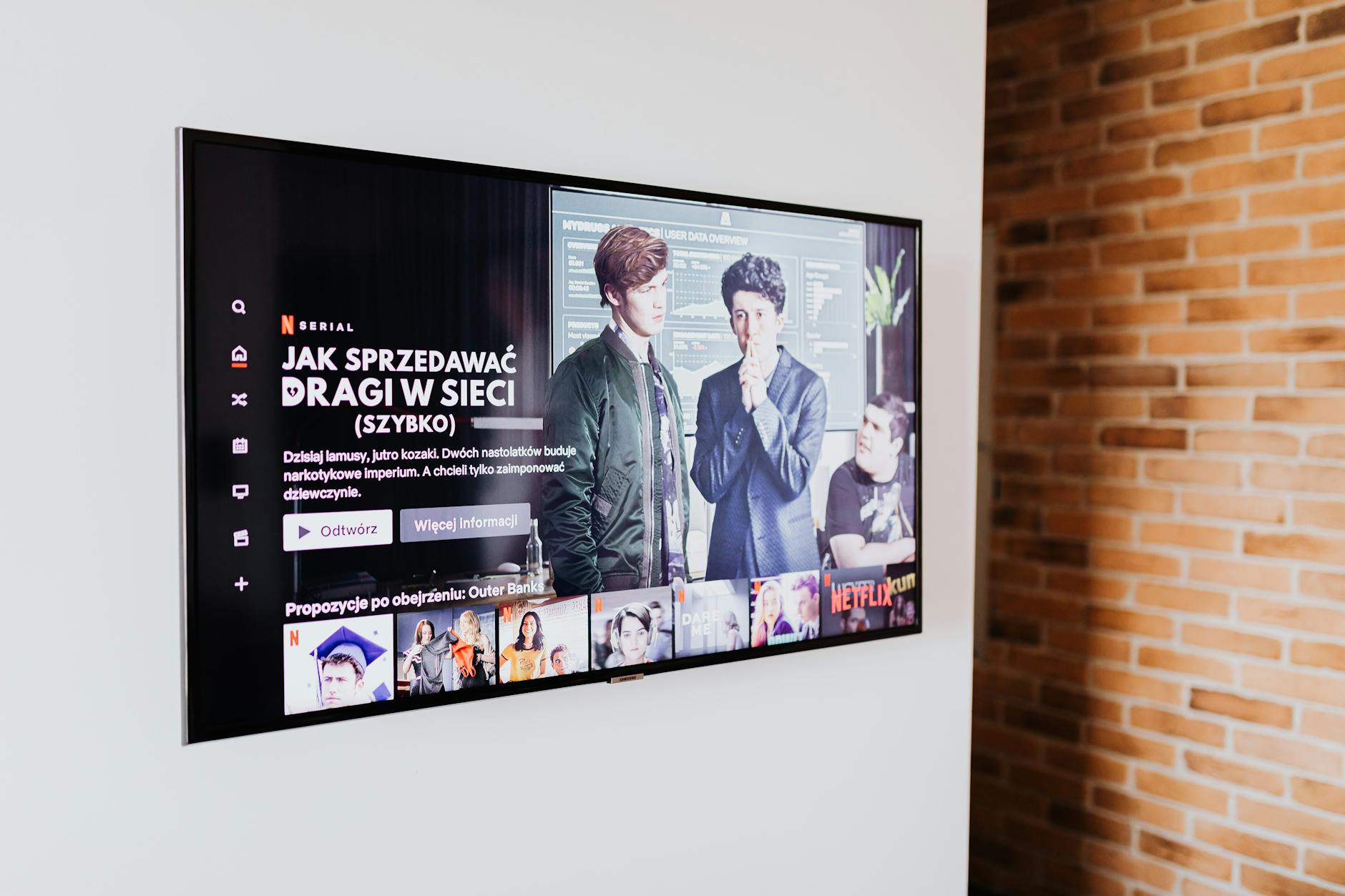
Modern smart TVs use a technology called Automatic Content Recognition to identify everything displayed on screen, including content from external devices like DVD players or gaming consoles. This data is sold to advertisers and data brokers to build detailed profiles of viewing habits and consumer interests. Many manufacturers enable this feature by default during the initial setup process, often buried within a lengthy terms of service agreement. A study found that smart TVs from major brands were among the most aggressive data-collecting devices in the average home. Disabling ACR usually requires navigating several layers of settings menus that vary by brand and model.
Robot Vacuums
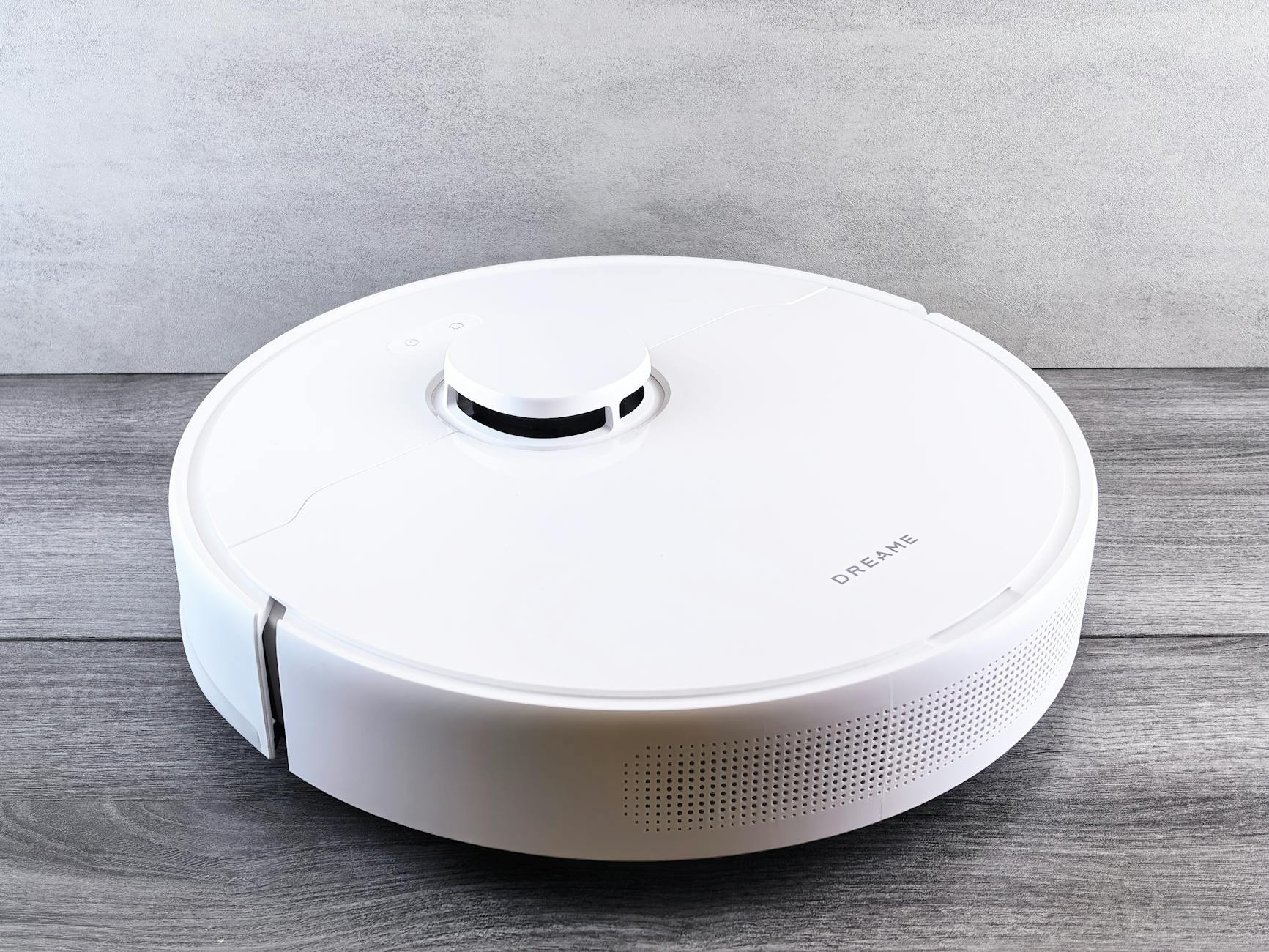
High-end robot vacuums from brands like iRobot and Roborock use onboard cameras and lidar sensors to map the precise layout of your home. These detailed floor plans, which can reveal room sizes, furniture placement, and daily movement patterns, are stored on company servers. In 2022 it was reported that images captured inside homes by a Roomba development model were shared with third-party contractors and later leaked online. The mapping data collected by these devices is considered highly valuable to tech and advertising companies seeking to understand how people live in physical spaces. Consumers rarely consider that a cleaning appliance could be one of the most geographically detailed data collectors in their household.
Smart Doorbells
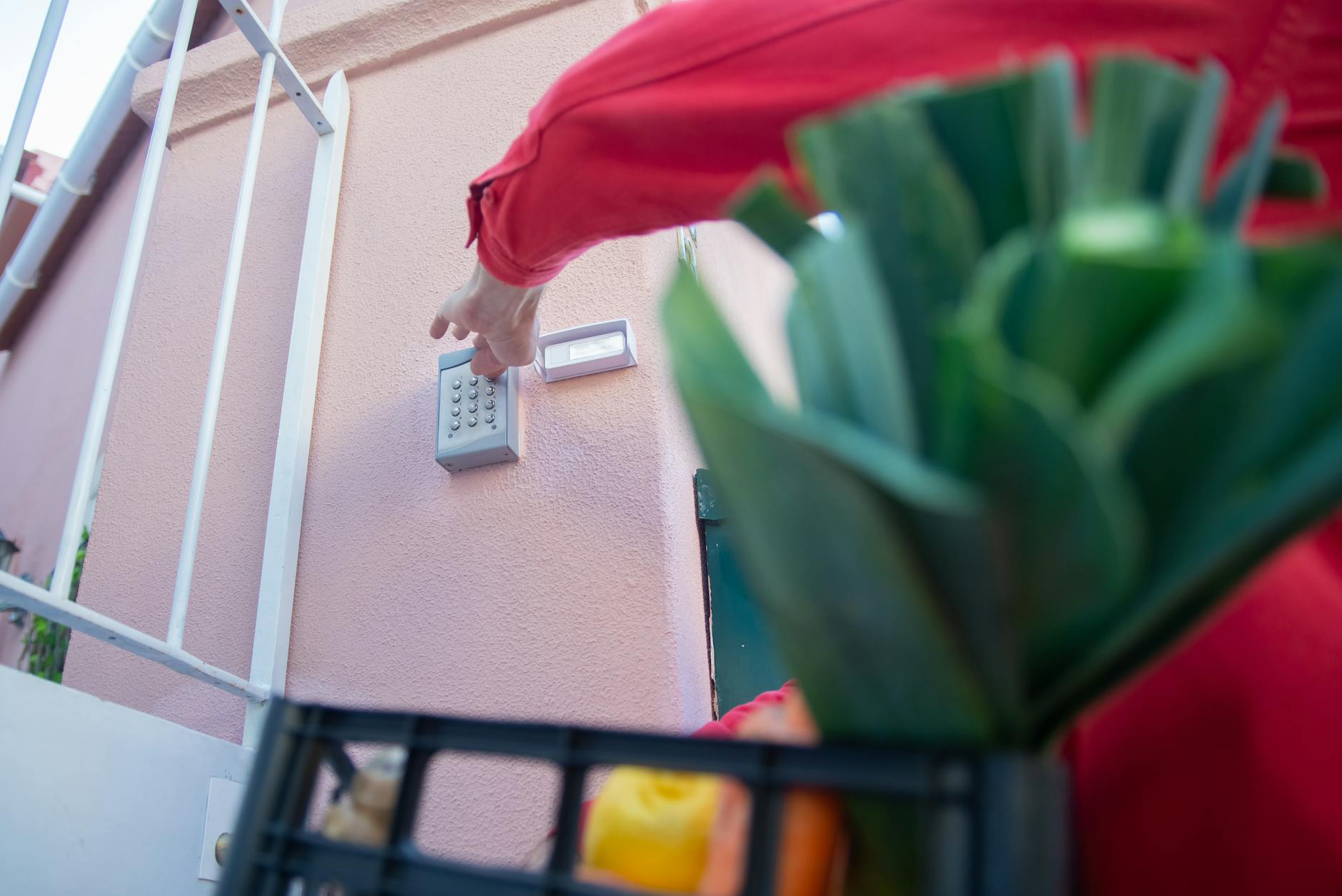
Video doorbells like those sold by Ring and Nest record continuous footage of public and semi-public spaces immediately outside the home. Ring notably maintained a partnership with hundreds of law enforcement agencies, allowing police to request footage from homeowners without a warrant in many cases. The devices often upload footage to cloud servers where it can be accessed remotely by company employees under certain internal policies. Facial recognition integrations have been tested or deployed in various smart doorbell ecosystems, raising significant civil liberties concerns. The front of your home can quietly become one of the most surveilled spots on your street.
Smart Thermostats
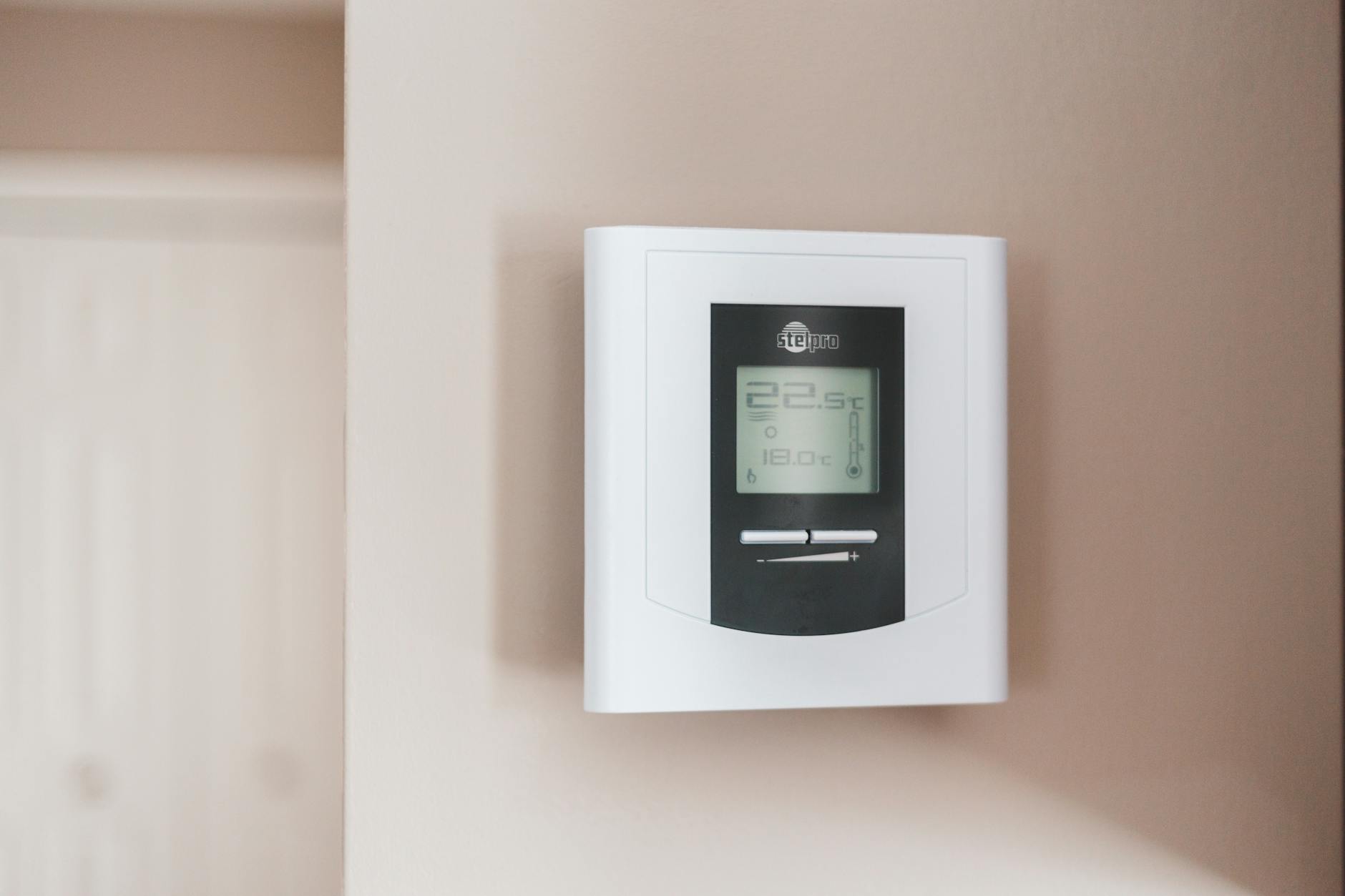
Thermostats like the Google Nest learn occupancy patterns by tracking when people are home, when they sleep, and when the house is empty. This behavioral data is transmitted to company servers and can be used to infer lifestyle habits, work schedules, and even relationship dynamics within a household. Google’s privacy policy explicitly states that Nest data may be used to improve its advertising and services across other platforms. While energy efficiency is the selling point, the continuous stream of occupancy data collected represents a surprisingly intimate picture of daily life. Many users are unaware that a device on the wall is building a behavioral model of the entire household.
Smart Locks
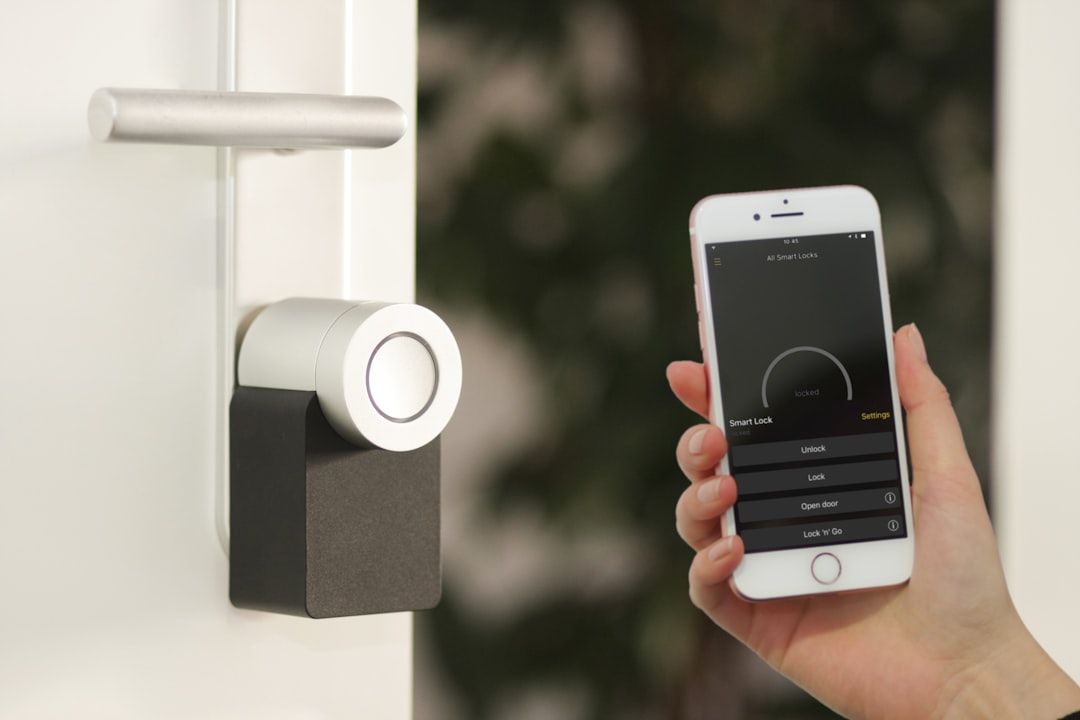
Internet-connected door locks record every entry and exit from the home, creating a timestamped log of who comes and goes and when. Some brands share this access data with third parties or store it in cloud environments that have experienced security breaches. Law enforcement has successfully obtained smart lock access logs through legal requests to manufacturers, bypassing the homeowner entirely. Locks that integrate with voice assistants or smartphone apps expand the potential attack surface for hackers who want to gain unauthorized physical access. The convenience of keyless entry comes paired with a detailed digital record of your household’s comings and goings.
Baby Monitors
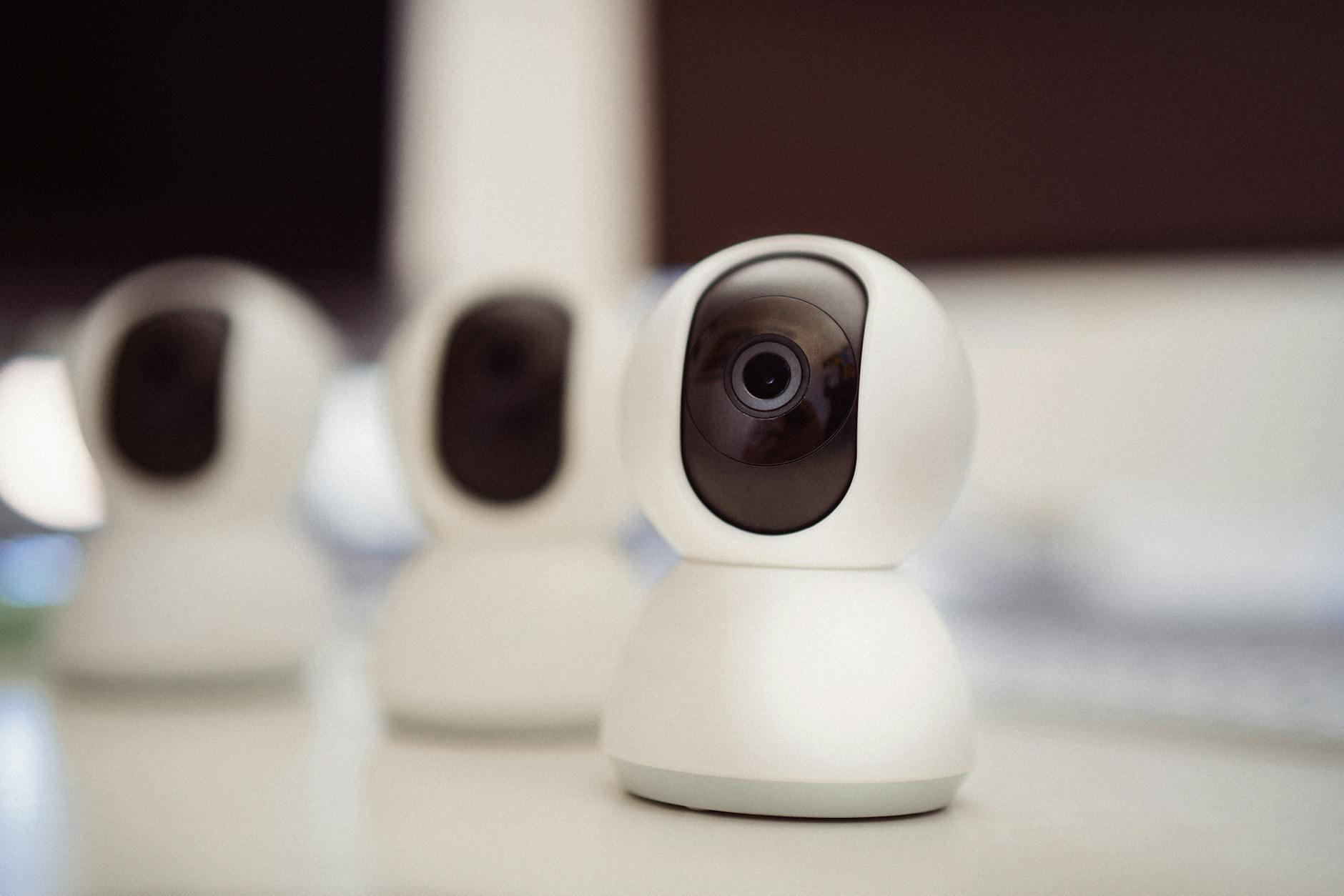
Internet-connected baby monitors have become notorious in cybersecurity circles for being among the least secure smart home devices available. Researchers and journalists have repeatedly demonstrated how poorly secured monitors can be accessed remotely by strangers, allowing both viewing and in some cases two-way audio communication. Many budget models transmit unencrypted video feeds over the internet, making them easy targets for malicious actors. Some manufacturers have poor track records of releasing security patches or supporting devices after purchase. A device placed in the most private room in the house for the most vulnerable member of the family deserves far more scrutiny than most parents give it.
Smart Refrigerators
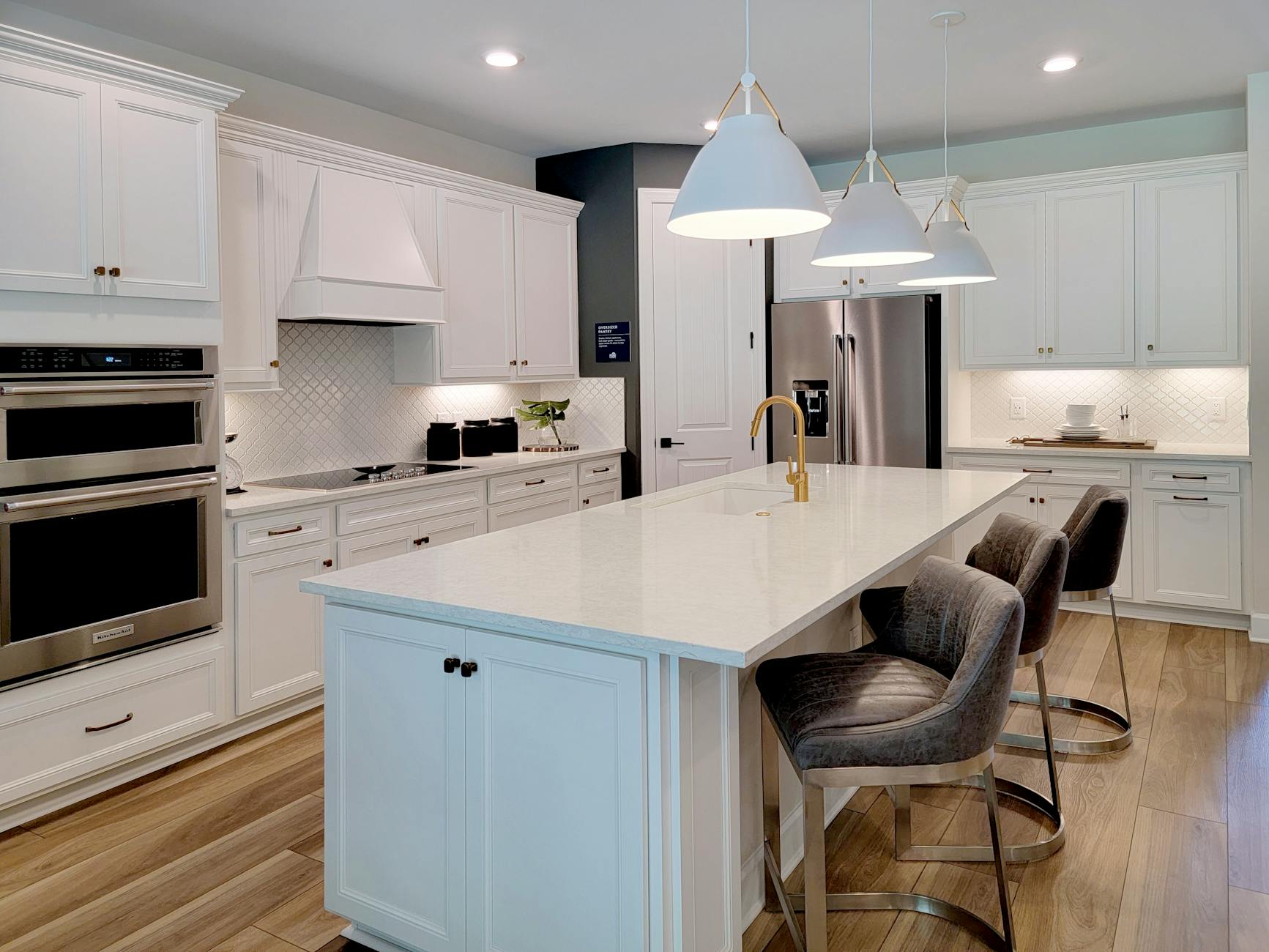
High-end connected refrigerators from Samsung and LG collect data about food consumption patterns, shopping habits, and even the times of day when users access the appliance. Some models include internal cameras that allow users to view fridge contents remotely, and this image data is stored in the cloud. These appliances often run on outdated operating systems that are rarely updated, making them attractive entry points for hackers targeting the broader home network. A compromised refrigerator can serve as a gateway to other devices connected to the same Wi-Fi network. The idea of a kitchen appliance as a security vulnerability sounds absurd until the mechanisms of modern IoT infrastructure are examined more closely.
Smart Plugs and Power Strips
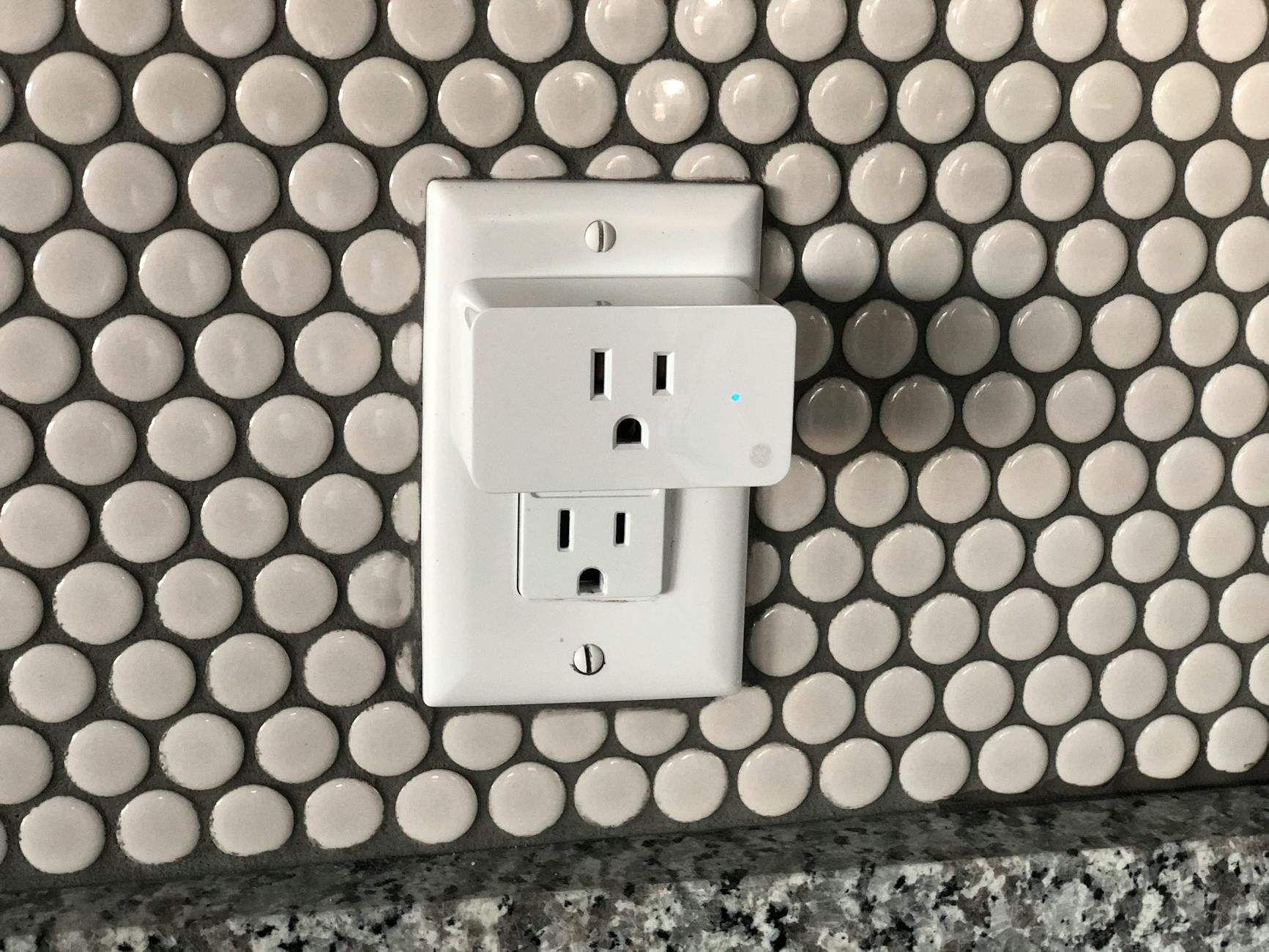
Smart plugs track the energy consumption of every device plugged into them, creating a usage timeline that reveals when you watch television, use a coffee maker, charge your phone, or run a fan at night. Granular energy data has been used by researchers to identify specific appliance signatures, effectively reconstructing a household’s daily routine without any camera or microphone. Most smart plug apps require account creation that ties your usage data to a personal identity. Many budget smart plugs from lesser-known manufacturers have been found to contain malware pre-installed at the factory level. A device that appears to do nothing more than turn a lamp on and off can quietly become one of the more revealing data points in your connected home.
Fitness Trackers and Smartwatches
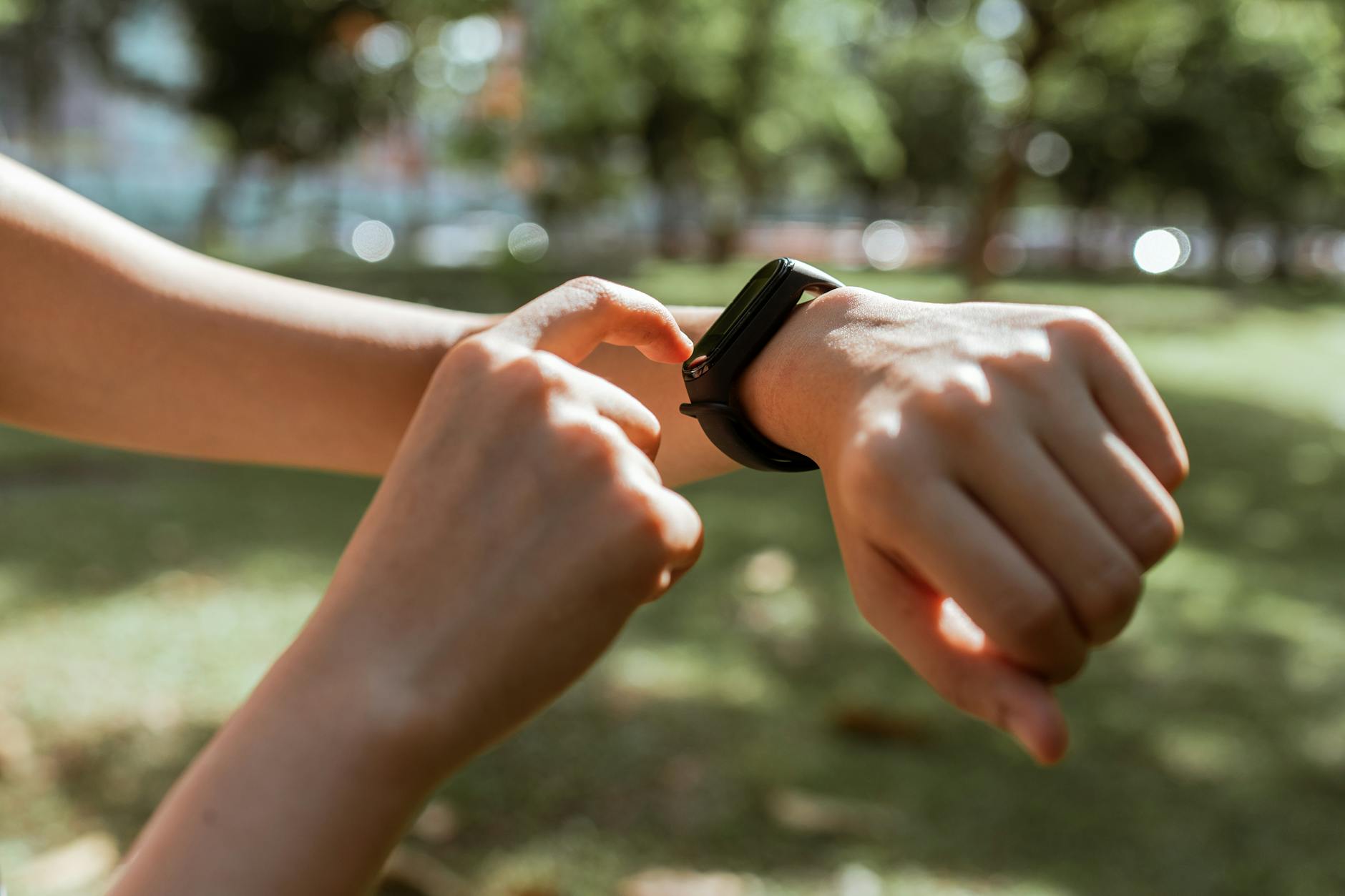
Wearable devices like the Fitbit, Apple Watch, and Garmin trackers collect biometric data including heart rate, sleep stages, menstrual cycles, stress levels, and physical activity patterns. This health data is stored on company servers and in many cases shared with third-party developers who access it through official app marketplaces. Google’s acquisition of Fitbit raised alarms among privacy advocates who feared the integration of intimate health data with one of the world’s largest advertising platforms. In the United States health data collected by consumer wearables is not protected under HIPAA, leaving users with far fewer legal protections than they might expect. The device on your wrist may know more about your physical and emotional state than your own doctor.
Smart Home Hubs
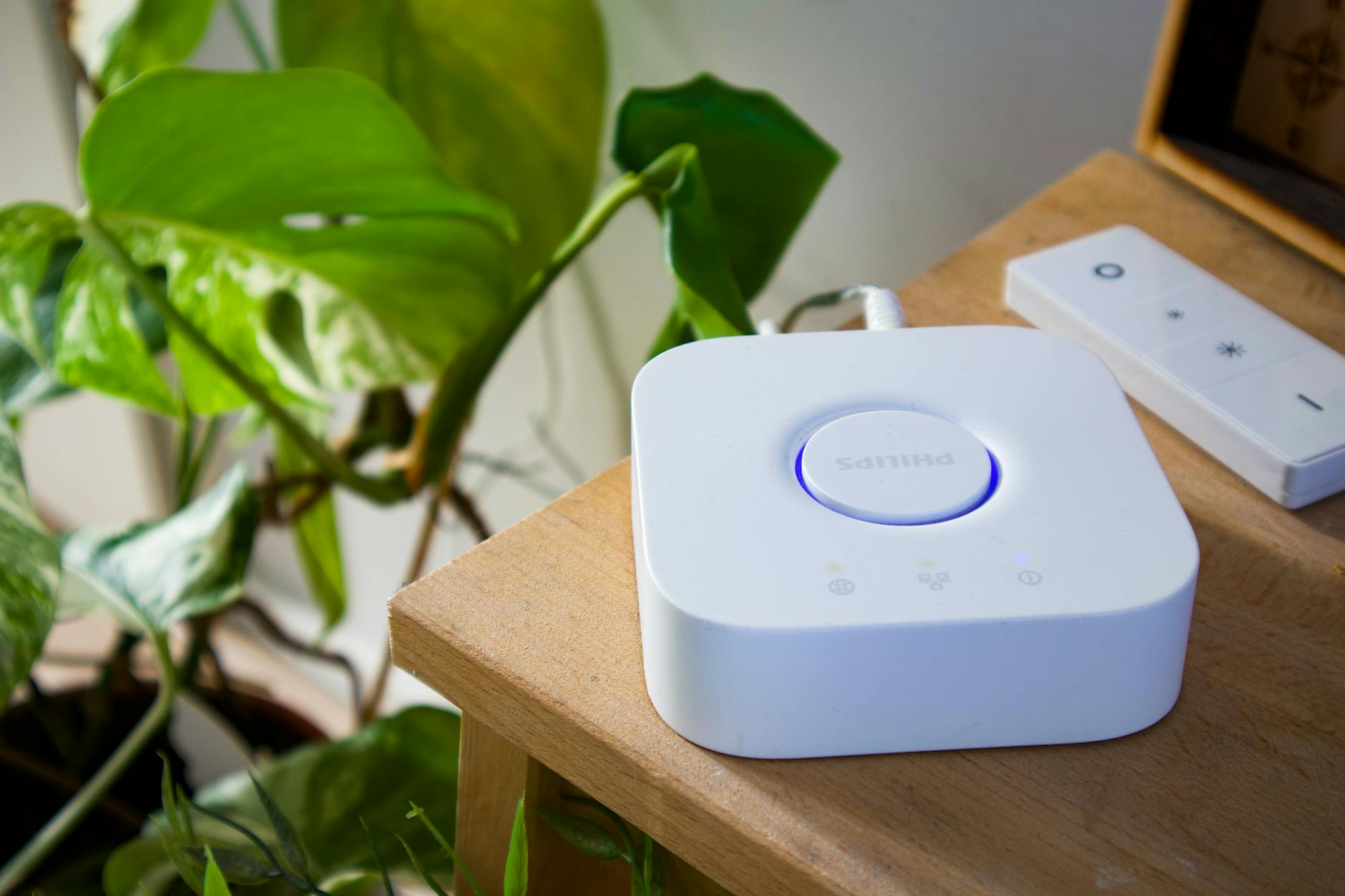
Central hub devices like Amazon Echo or Google Home Mini act as command centers that receive and process every instruction sent to other smart devices throughout the home. Because they are always on and always listening, they accumulate a uniquely comprehensive record of household activity, language patterns, and daily schedules. Hubs also connect to third-party skills and integrations from countless developers, each with their own separate privacy policies and data handling practices. When a hub is compromised it provides an attacker with a window into the full ecosystem of connected devices it manages. The convenience of a single device controlling everything in your home also means a single point of failure for your entire domestic privacy posture.
Smart Security Cameras
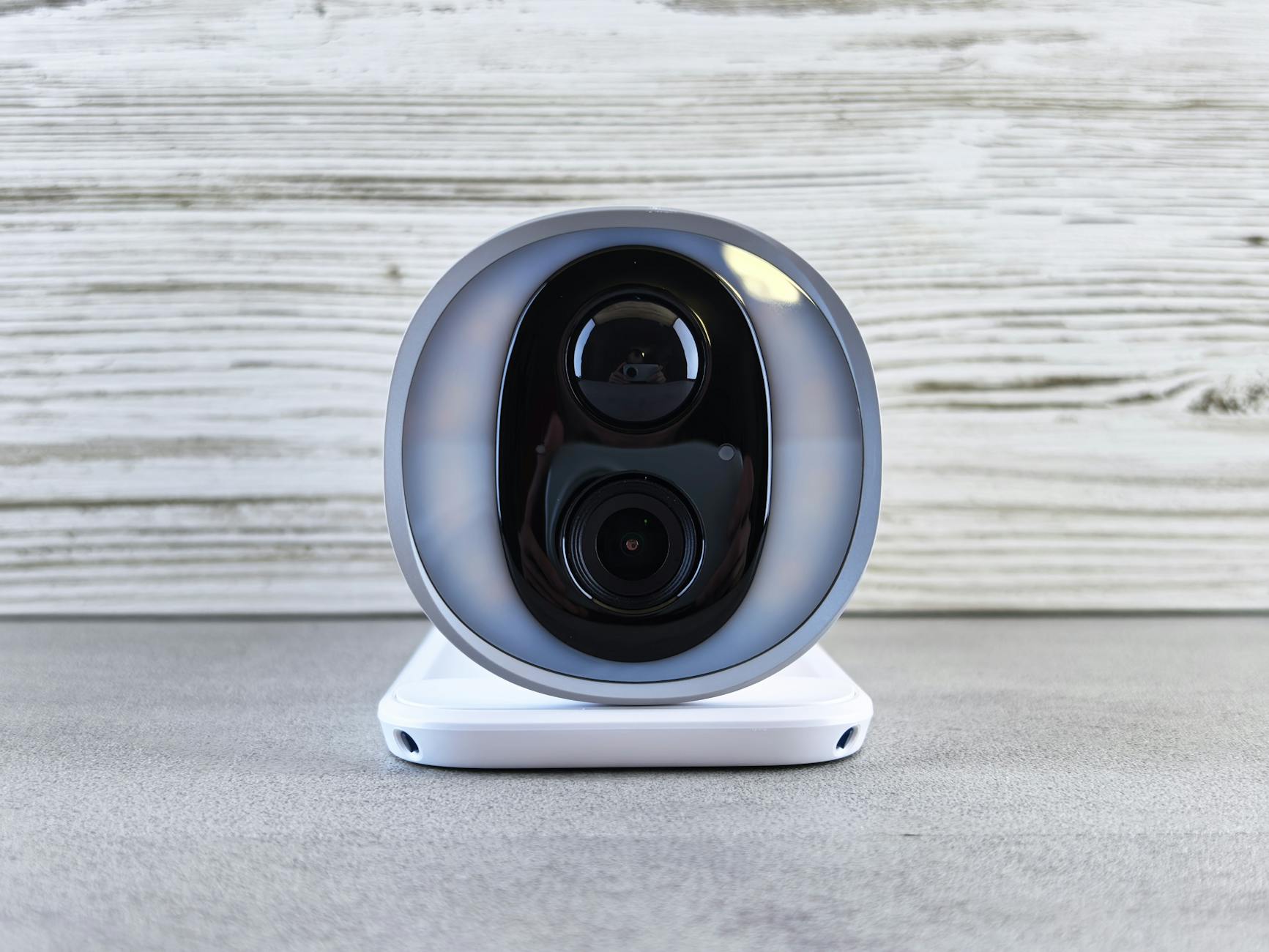
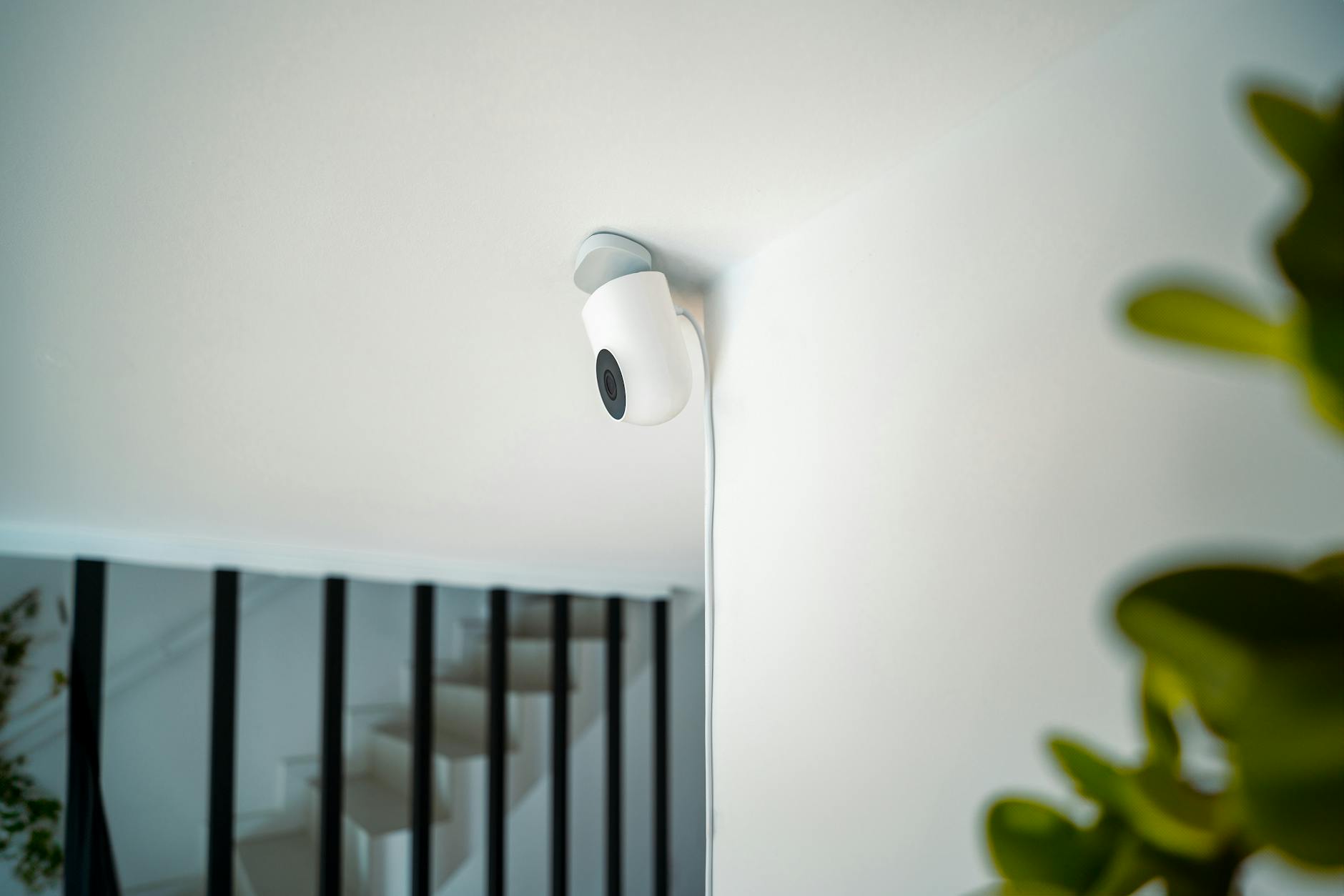
Indoor and outdoor security cameras from brands like Wyze, Arlo, and Eufy have each faced serious data exposure incidents in recent years. Wyze experienced a breach in which camera footage from thousands of customers was briefly exposed to unrelated users due to a server-side caching error. Eufy was found to be uploading facial recognition data to the cloud despite marketing its cameras as entirely local storage devices. Indoor cameras placed in living spaces or home offices capture not just security-relevant moments but also the full texture of private family life. Trusting a third-party company with a live feed from inside your home requires a level of confidence in their security infrastructure that the industry has repeatedly failed to justify.
Smart Garage Door Openers
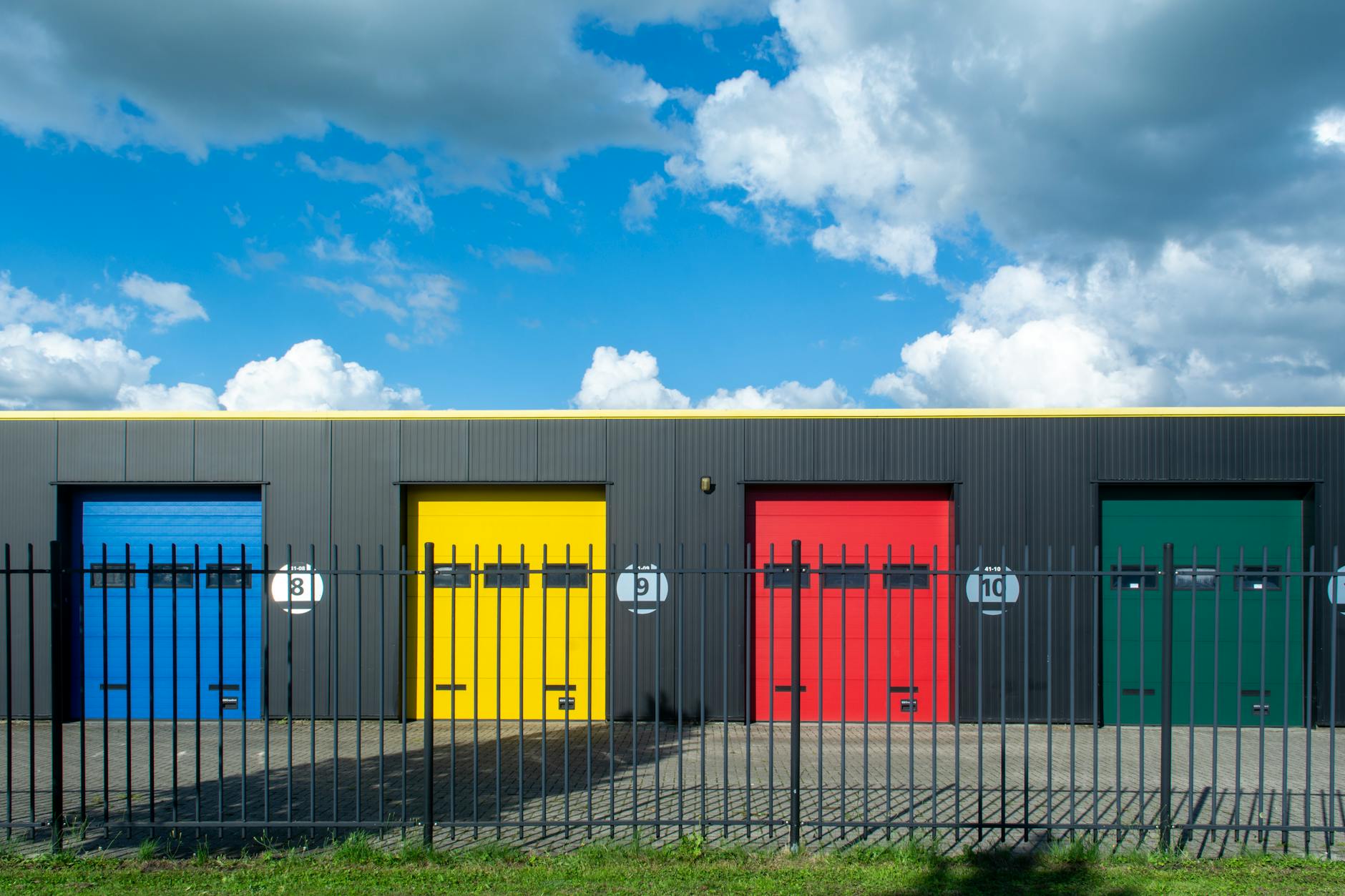
Connected garage door openers log every opening and closing event and sync this data with smartphone apps hosted on remote servers. Because many people enter and exit their homes primarily through the garage, this access record is among the most accurate daily schedule trackers in the connected home ecosystem. Some brands have experienced account vulnerabilities that allowed unauthorized users to remotely open garage doors belonging to strangers. The garage is also frequently used as an unsecured entry point to the home interior, making a compromised opener a significant physical security risk. A device marketed purely for convenience quietly becomes one of the most sensitive behavioral data generators in the entire household.
Smart Appliances with Voice Control
Microwaves, ovens, and washing machines with built-in voice recognition represent the newest wave of always-listening devices moving into previously offline corners of the home. These appliances often run on stripped-down operating systems with minimal security infrastructure compared to dedicated smart speakers or phones. Manufacturers of traditional appliances lack the same software development culture as tech companies, meaning security patches are infrequent and support lifecycles are short. Voice-enabled appliances are frequently connected to broader smart home ecosystems, meaning a vulnerability in one appliance can ripple outward. The expansion of voice control into every corner of the home effectively extends the listening perimeter of the connected household in ways most consumers have not yet reckoned with.
Smart Lighting Systems
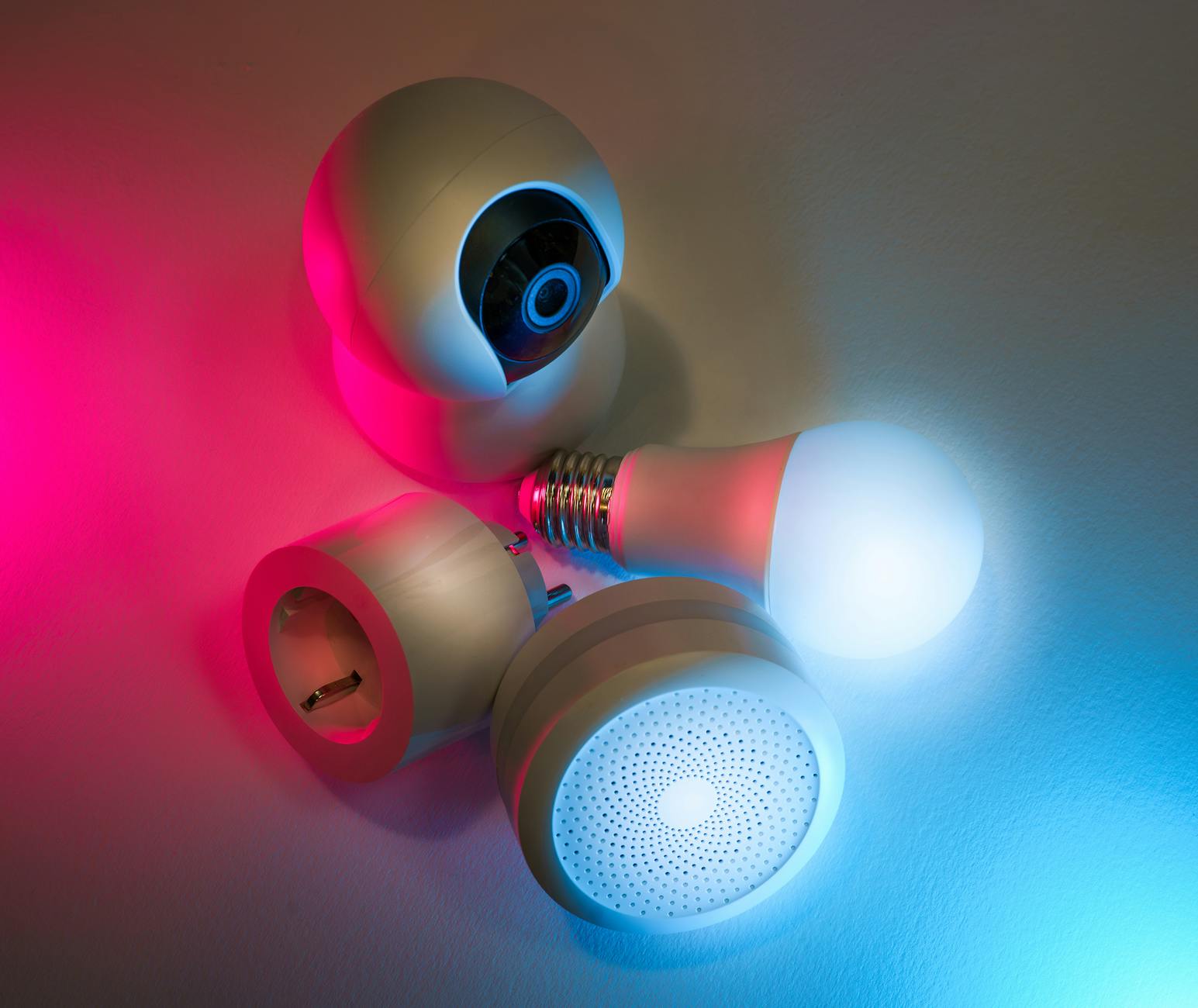
Connected lighting systems from companies like Philips Hue and LIFX track when lights are turned on and off, how brightness is adjusted throughout the day, and which rooms are occupied at which times. This occupancy data is transmitted to and stored on company servers, often synced across smartphone apps that carry their own data-sharing policies. Researchers have demonstrated that smart bulbs can be compromised through Zigbee protocol vulnerabilities, allowing attackers to infiltrate the broader home network. Some smart lighting ecosystems require constant cloud connectivity, meaning a server outage at the company level can leave users unable to control the lights in their own homes. A device as simple and elemental as a light bulb now carries with it a surprisingly complex set of privacy and security considerations.
What steps are you taking to protect your privacy at home and which of these devices concerns you most? Share your thoughts in the comments.