From curious ocean giants to gentle giants of the savanna, the animal kingdom holds far more warmth toward humans than most people expect. Certain wild species have developed a natural ease around people through habitat overlap, high intelligence, or simple curiosity built over generations. Scientists and wildlife researchers have documented dozens of animals that regularly approach humans without aggression and sometimes even seek out interaction. These encounters remind us that the boundary between wild and familiar is far more fluid than textbooks suggest. Here are wild animals that have surprised researchers and travelers alike with their gentle and approachable nature.
Bottlenose Dolphin
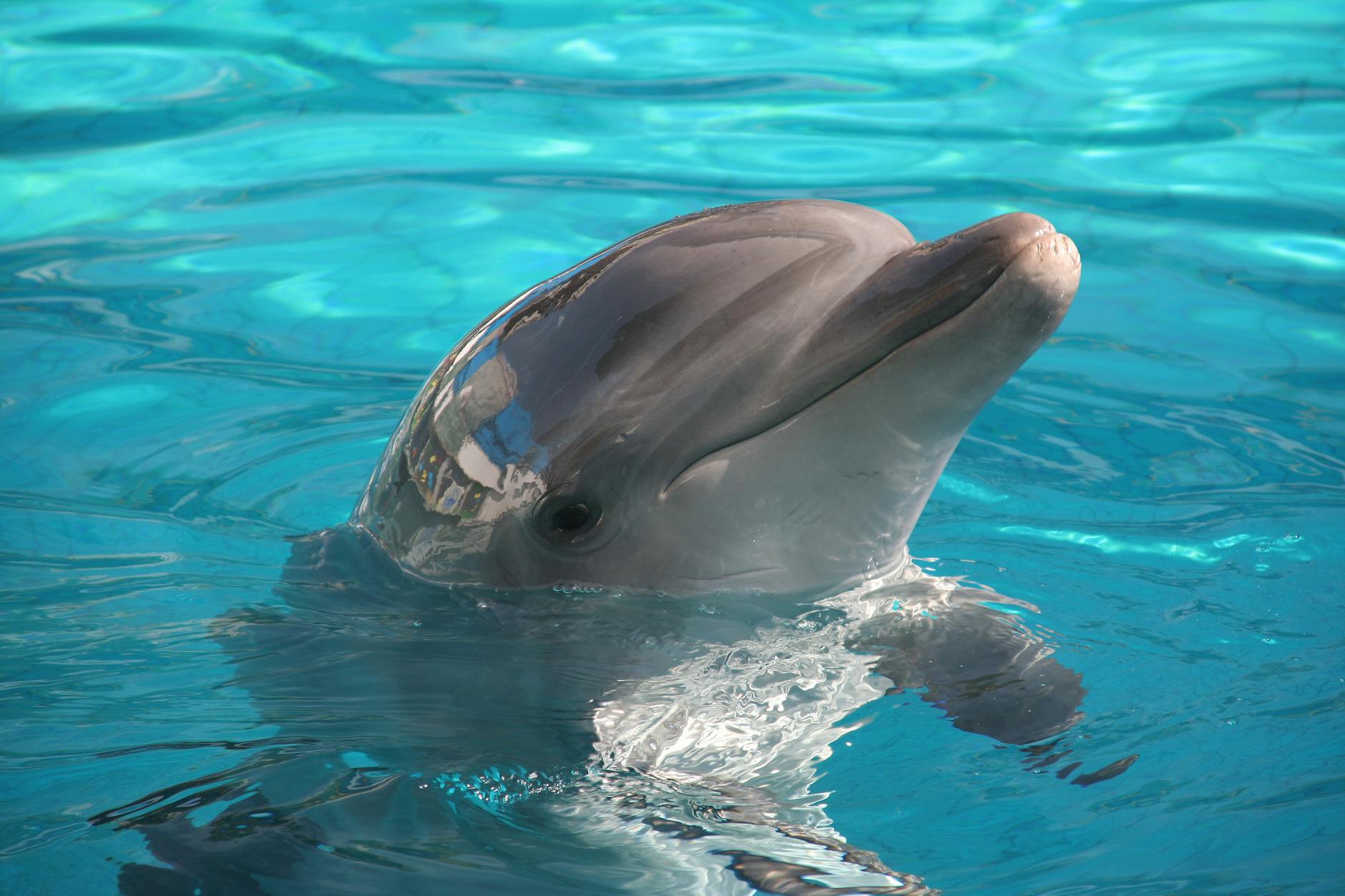
Bottlenose dolphins are among the most well-documented friendly wild animals on the planet. They frequently approach swimmers and boats in open water out of curiosity rather than necessity. Their high intelligence allows them to read human body language and respond in kind with playful behavior. Multiple coastal communities around the world have resident dolphin populations that return daily to interact with people. Research confirms that these interactions are voluntary and initiated by the dolphins themselves.
Capybara
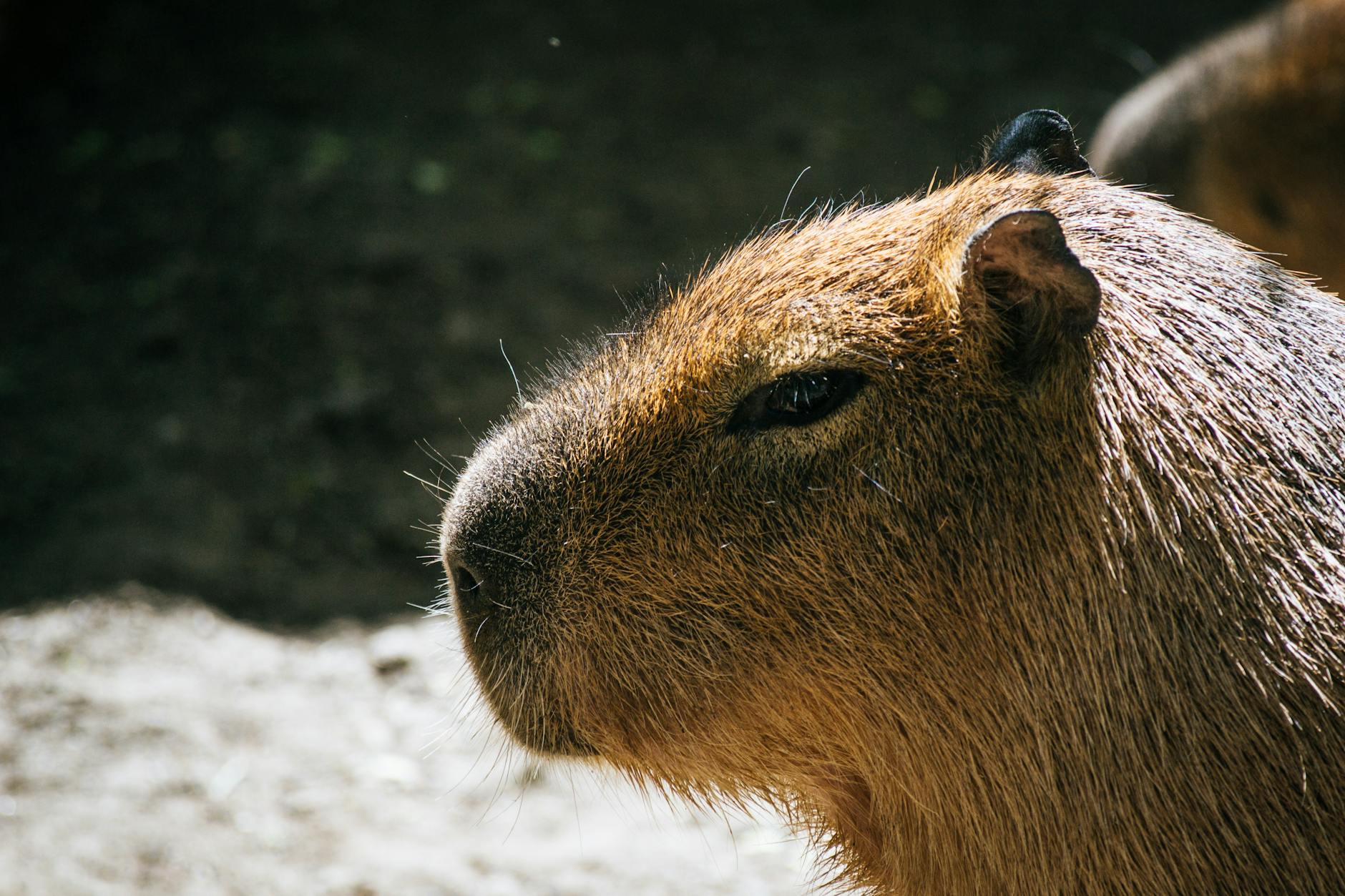
The capybara is the world’s largest rodent and also one of its most socially relaxed animals. Native to South America, these semi-aquatic mammals are known for tolerating the company of almost every other species including humans. Their calm temperament is partly biological as they produce very little stress hormone compared to similarly sized animals. Wildlife sanctuaries and eco-parks regularly report capybaras approaching visitors without any prompting. They have become a globally recognized symbol of easygoing coexistence in the animal world.
Manta Ray
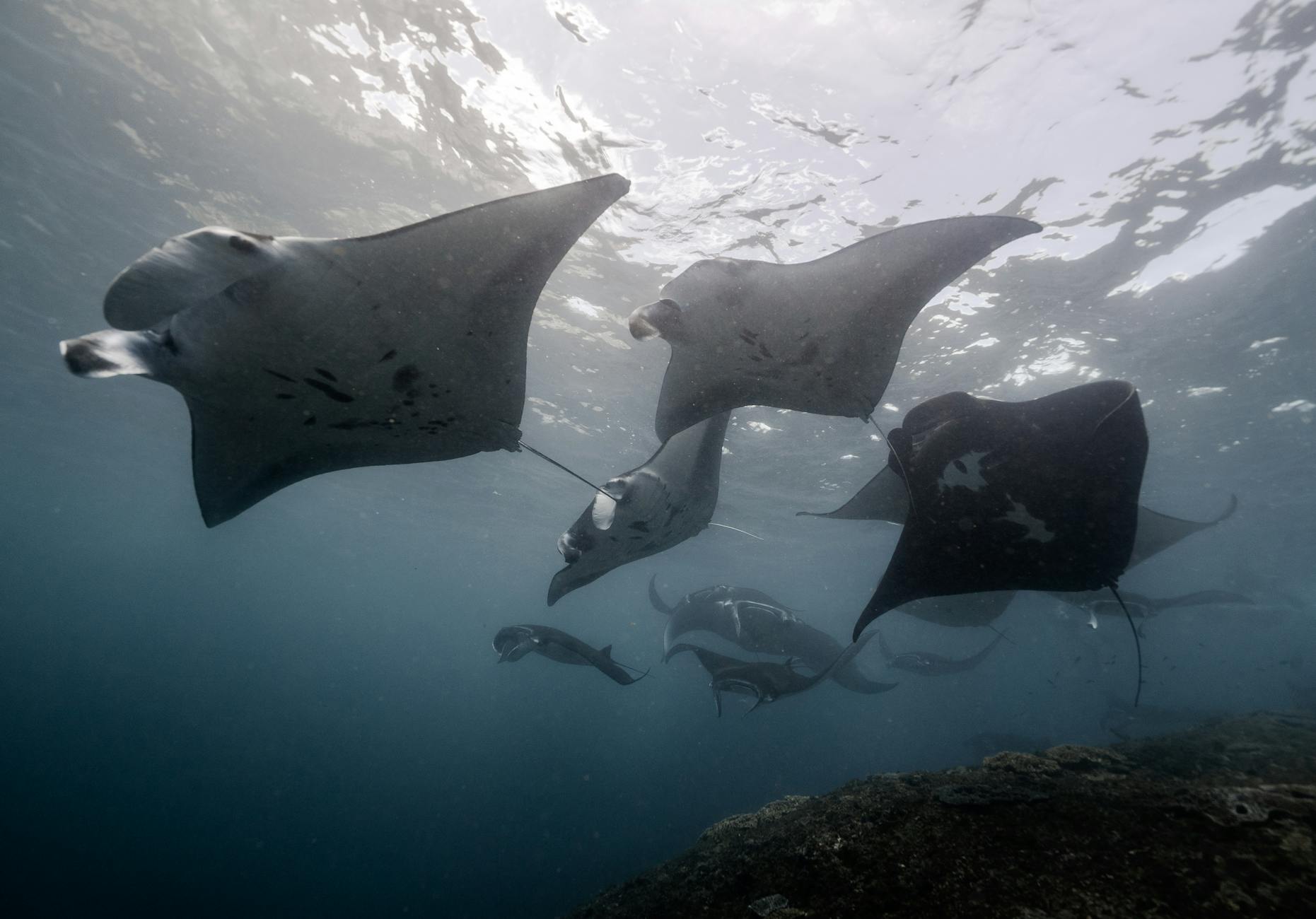
Manta rays are among the ocean’s most graceful and unexpectedly gentle creatures. These large filter feeders pose no threat to humans and are frequently observed swimming alongside divers in tropical waters. Marine biologists have noted that individual manta rays return to the same dive sites repeatedly and appear to seek out human contact. Their curious nature leads them to hover directly above divers as if inspecting them. Conservation dive programs in places like the Maldives and Hawaii have built entire ecotourism industries around these peaceful interactions.
Manatee
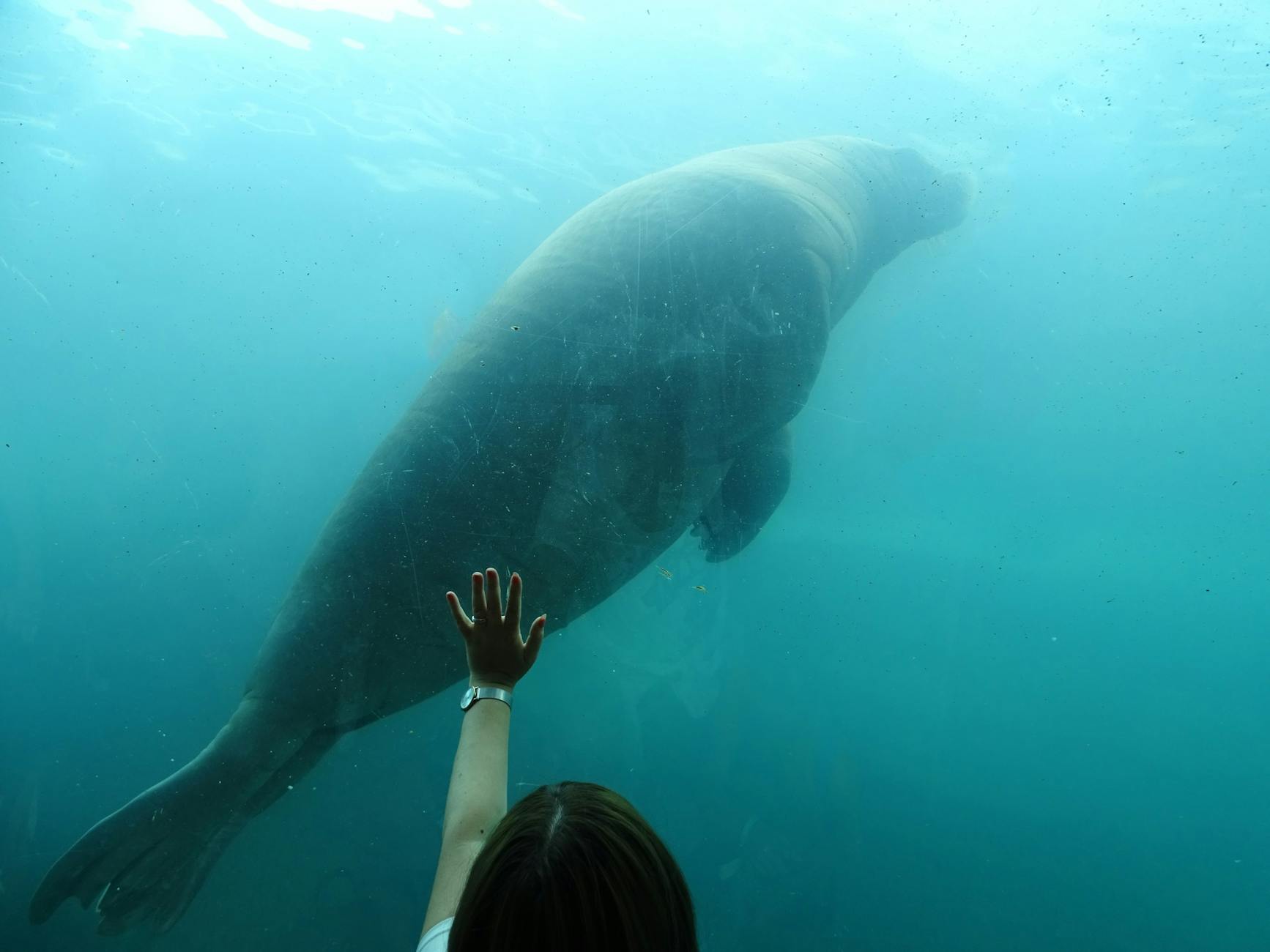
Manatees are slow-moving herbivores found in warm coastal waters and rivers across the Americas. They are naturally curious animals that often approach boats and swimmers with zero signs of fear or hostility. Florida’s Crystal River is one of the most famous spots in the world where wild manatees and humans share the water side by side. Their thick skin and docile behavior reflect a lifestyle with very few natural predators. Wildlife officials do remind visitors that touching them is regulated to protect their wellbeing even though the animals themselves rarely retreat.
Giant Pacific Octopus
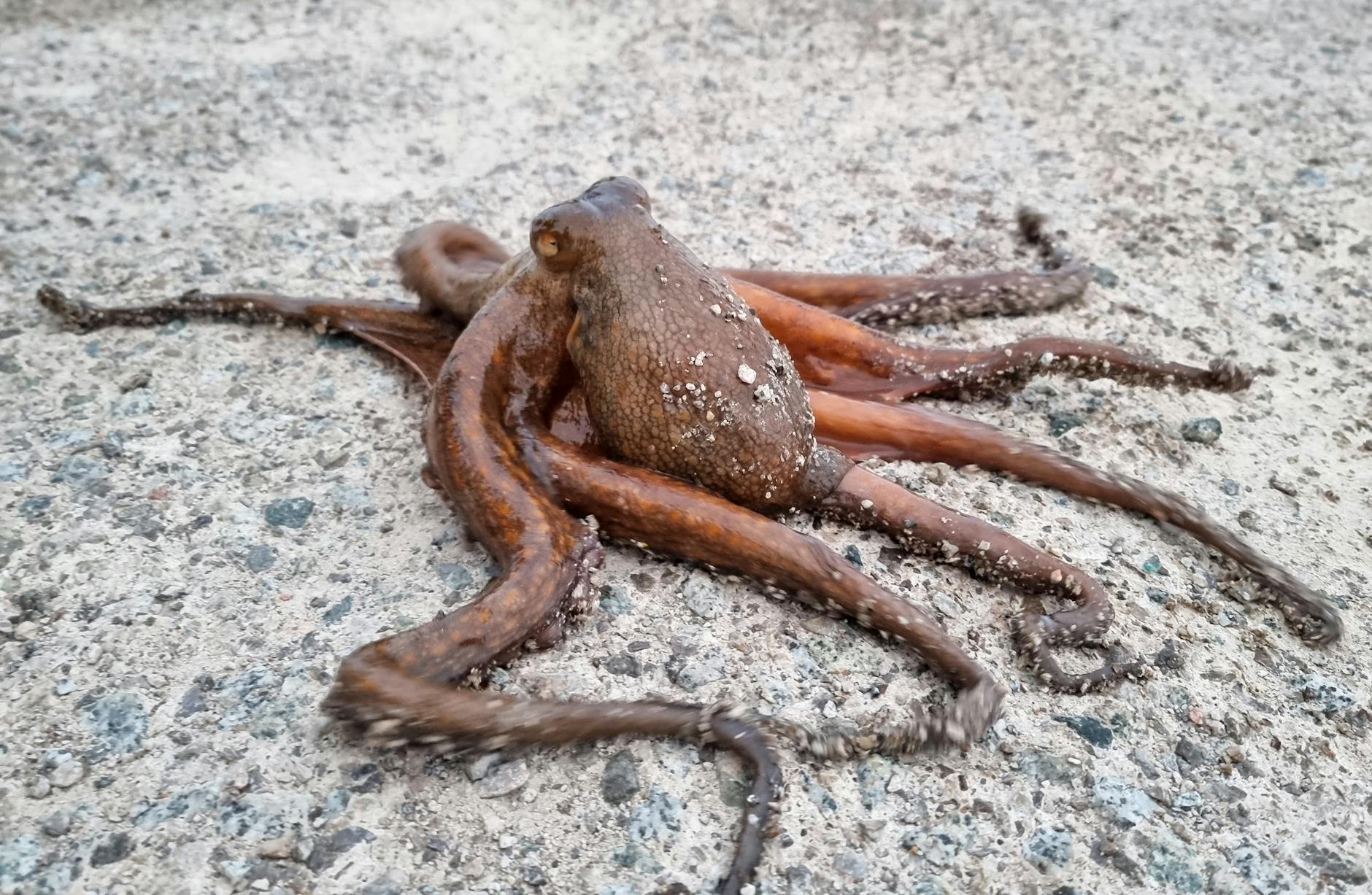
The giant Pacific octopus has surprised marine researchers for decades with its willingness to interact with human divers. Despite being highly intelligent solitary hunters they often approach divers with what scientists describe as investigative curiosity. They have been observed reaching out a tentacle to touch a diver’s hand or equipment in a gesture interpreted as exploratory rather than defensive. Aquariums around the world have noted that individual octopuses recognize their caretakers and respond differently to familiar versus unfamiliar humans. Their complex nervous system supports a level of social awareness uncommon among invertebrates.
Wild Boar
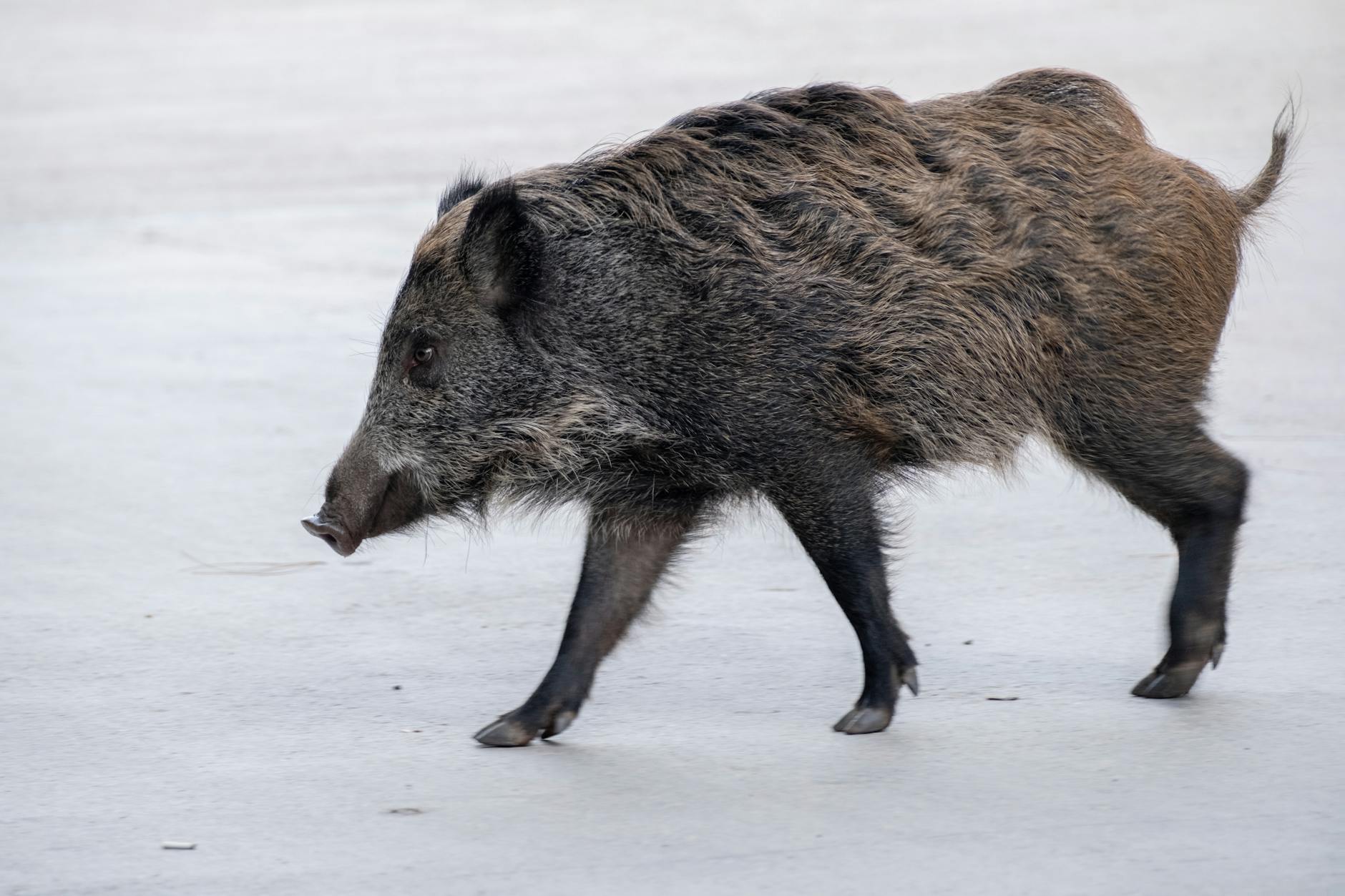
Wild boars have a fearsome reputation but populations that grow up near human settlements frequently display calm and habituated behavior. In parts of Europe and Southeast Asia boars regularly forage near villages and campsites without showing aggression unless provoked. They are highly intelligent animals and learn quickly that humans in familiar environments do not pose a threat. Mothers with piglets are the main exception as with most wild mammals. Outside of breeding season and when undisturbed these animals can be remarkably tolerant of close human proximity.
Beluga Whale
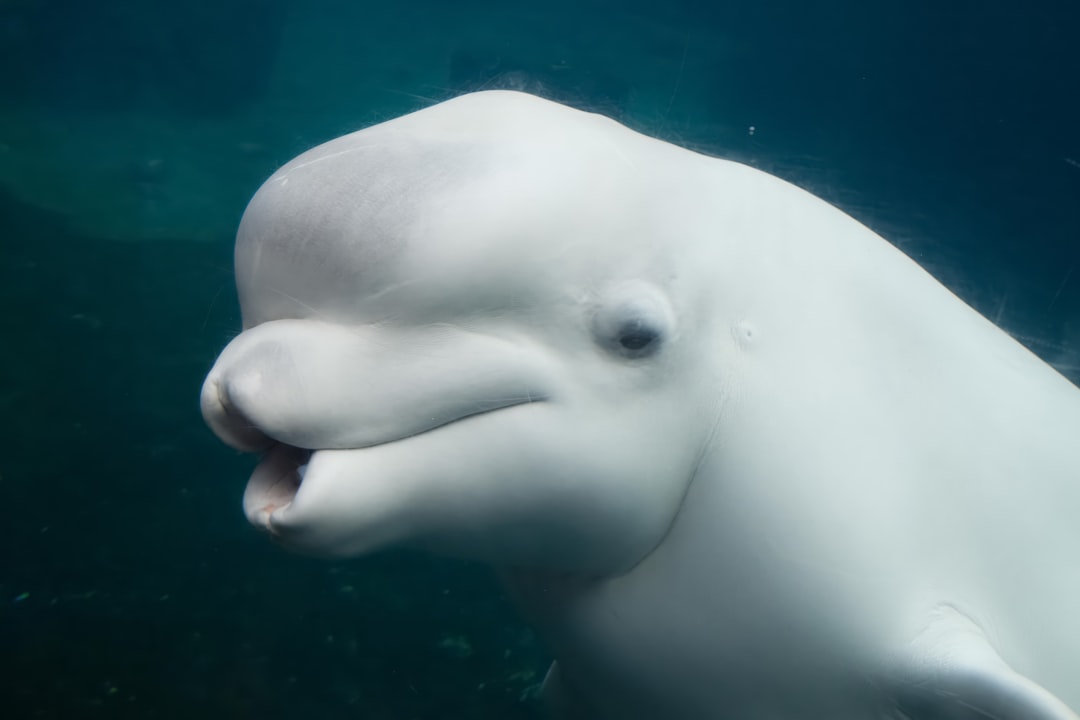
Beluga whales are known as the canaries of the sea due to their wide range of vocalizations and their extraordinary social curiosity. They are one of the few whale species that regularly approach boats and human swimmers in the wild. Their highly flexible facial musculature gives them an expressive appearance that many observers describe as actively engaged and friendly. Arctic communities have coexisted with beluga populations for centuries and report consistent non-aggressive behavior. Research stations in Canada and Russia have logged hundreds of voluntary close encounters initiated by wild belugas.
Orca
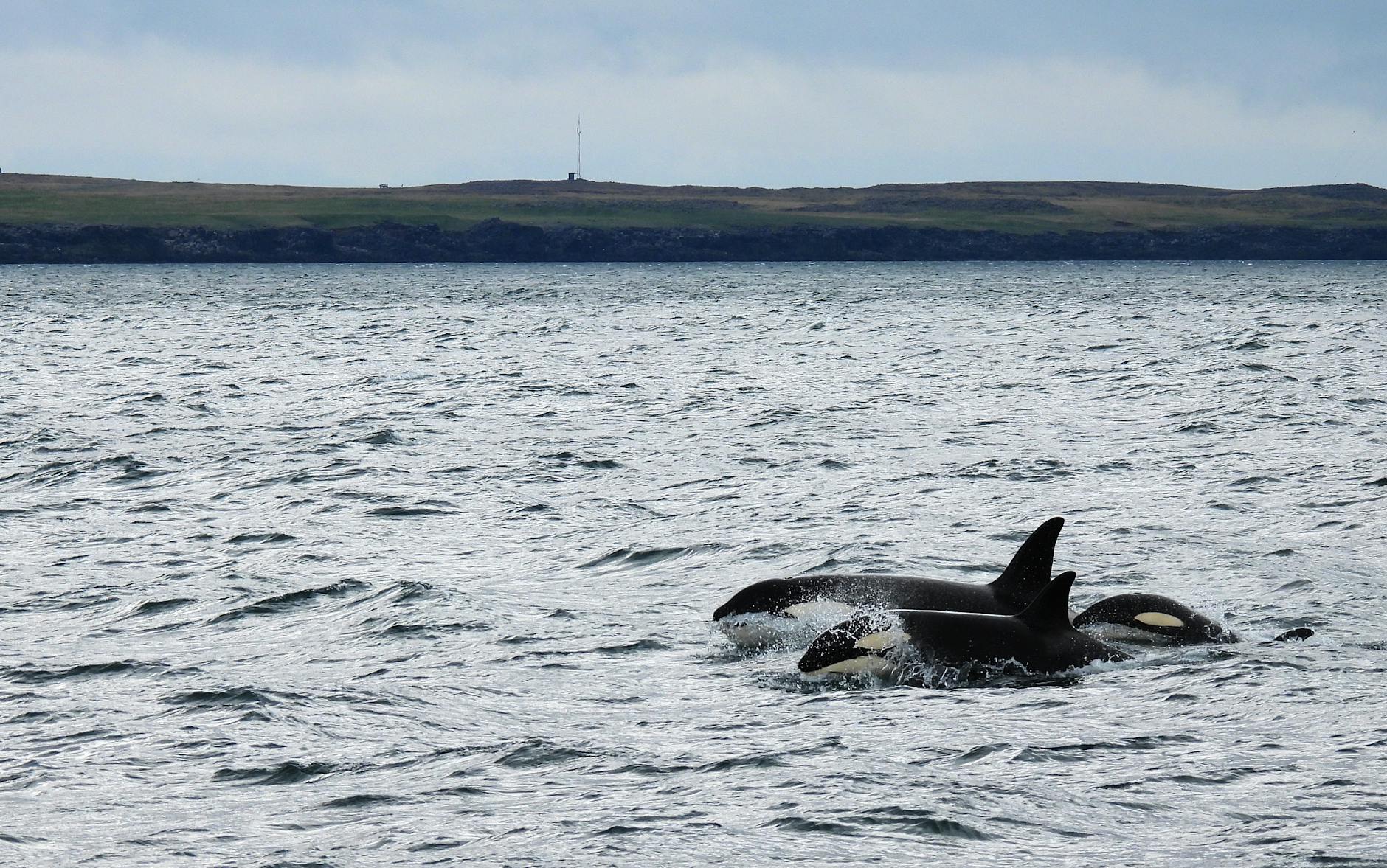
Orcas are apex predators but their behavior toward humans in the wild is remarkably different from their portrayal in popular culture. No documented case of a wild orca killing a human has ever been recorded. Wild orca pods in places like Norway and New Zealand approach boats and interact with snorkelers in what researchers classify as socially motivated behavior. Their intelligence rivals that of great apes and their curiosity about humans appears to be genuinely investigative. Marine biologists studying wild populations consistently note that orcas could easily harm humans but choose not to.
Bison
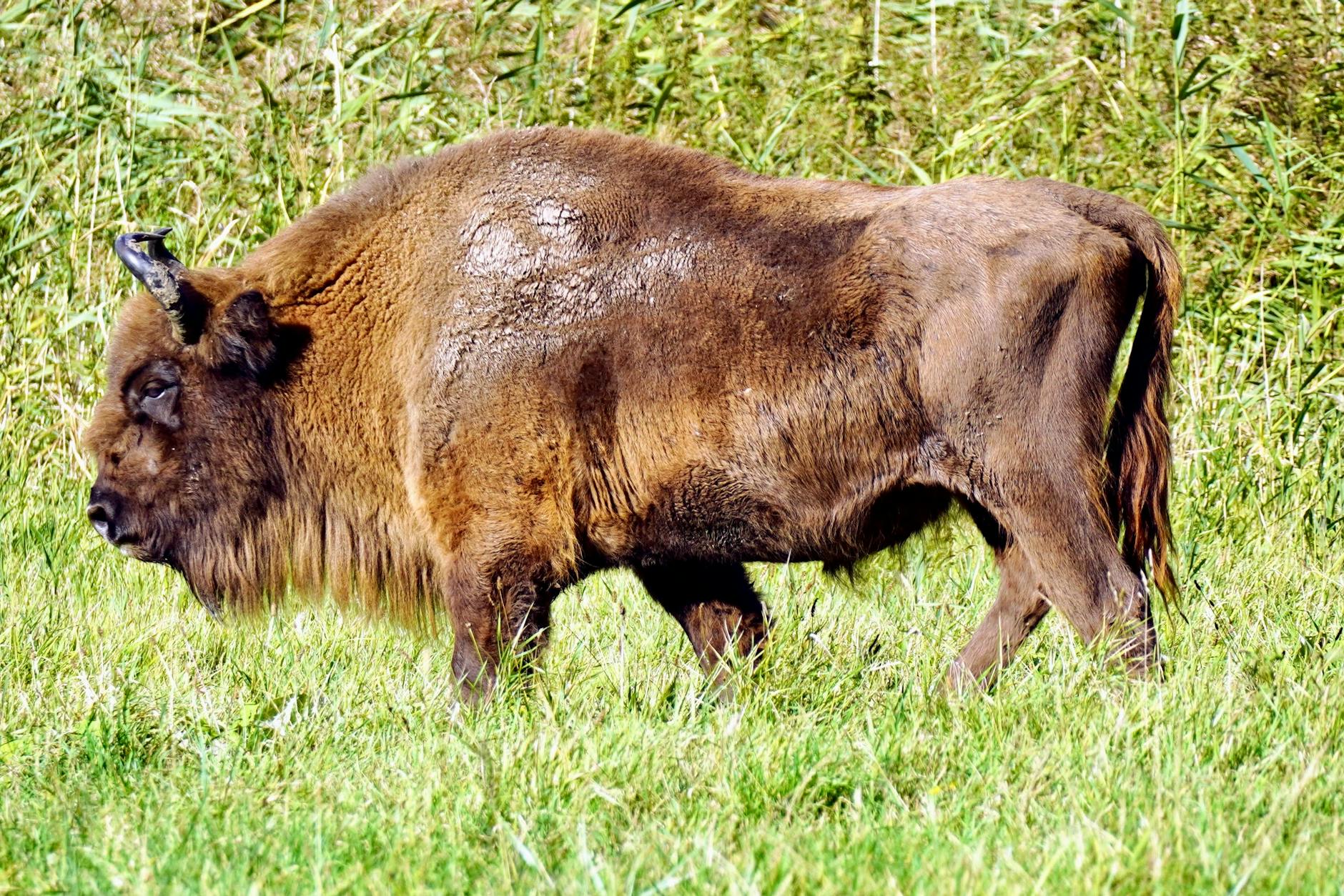
American bison can appear intimidating given their size but they spend the majority of their time grazing peacefully in open grasslands. In protected areas like Yellowstone National Park wild bison regularly graze just meters from visitors without reacting aggressively. Their behavior is herd-oriented and they tend to ignore humans entirely unless they feel cornered or threatened. Indigenous communities across the Great Plains have centuries of knowledge about reading bison behavior and living alongside them. When observed respectfully and from a safe distance bison are among the most tolerant large mammals in North America.
Chimpanzee
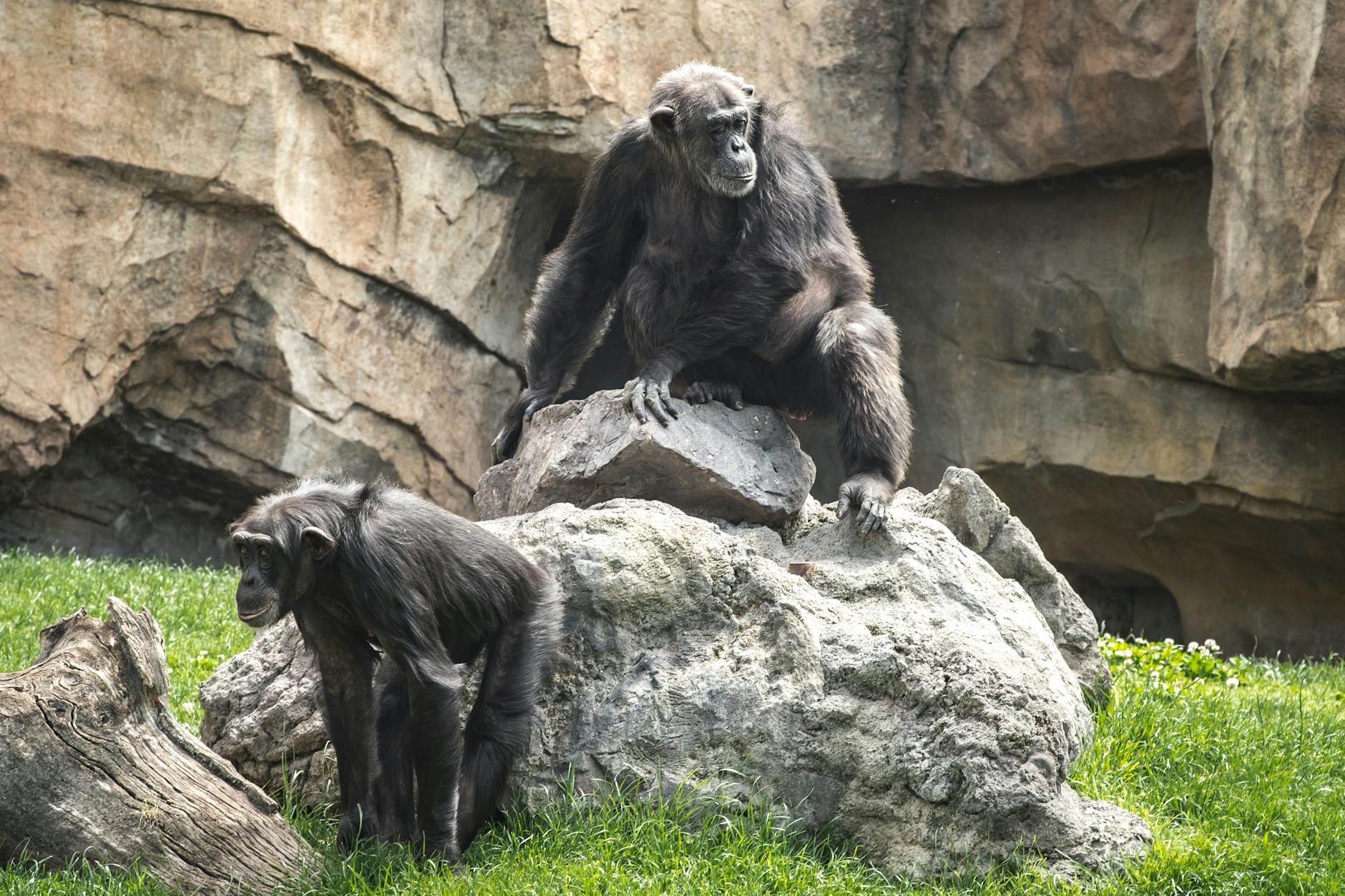
Chimpanzees share approximately 98 percent of their DNA with humans and this biological closeness extends into their behavioral tendencies. In habituated research populations in Uganda and Tanzania wild chimpanzees move through their environment entirely unbothered by trained human observers. Jane Goodall’s long-running research at Gombe demonstrated that with patient non-threatening presence humans could integrate as quiet observers within chimp communities. Young chimps in particular display playful curiosity around unfamiliar humans in habituated groups. Conservation researchers emphasize that this friendliness is the result of careful conditioning and should never be assumed in truly wild unhabituated populations.
Sperm Whale
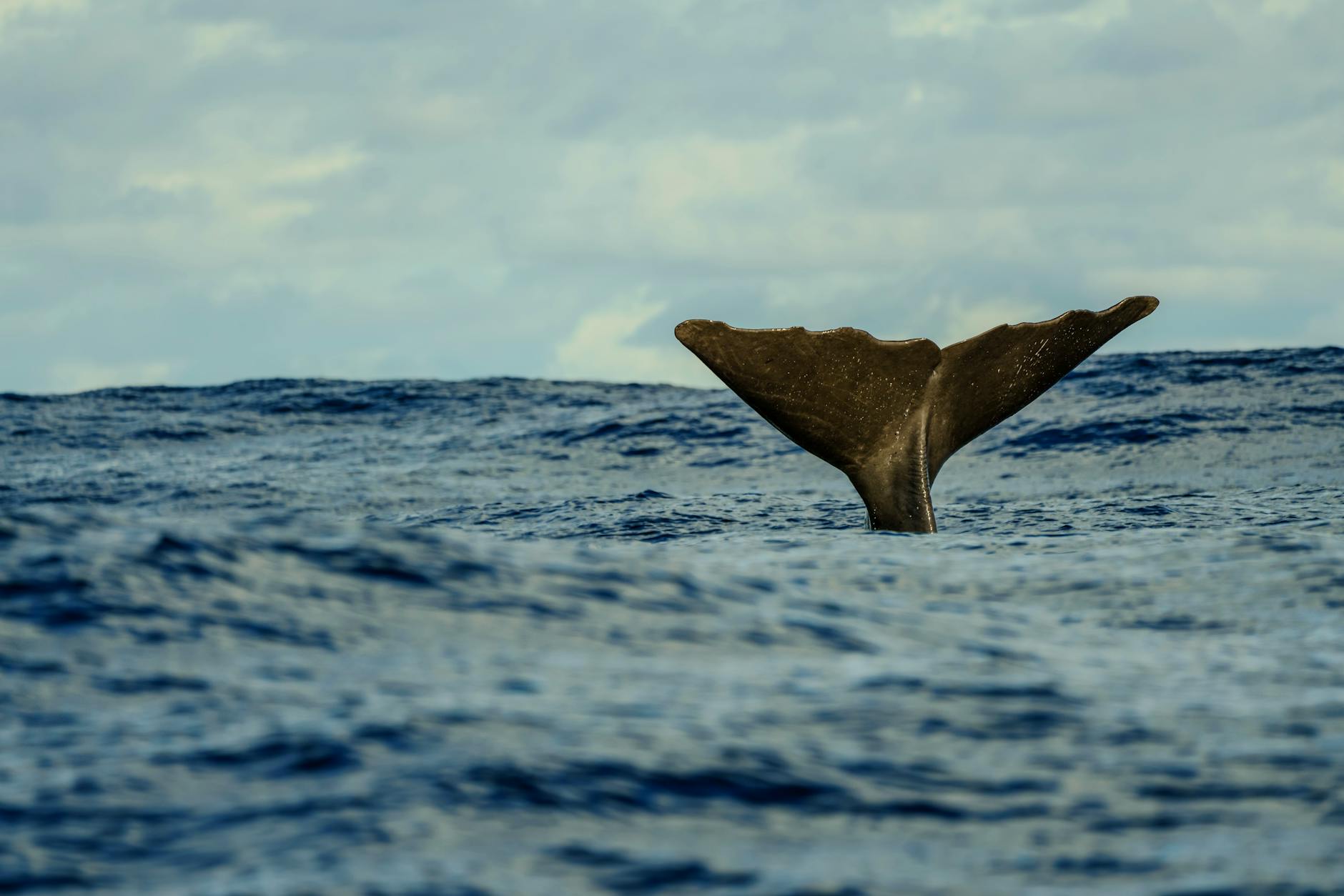
Sperm whales are the largest toothed predators on Earth yet their interactions with divers and researchers have been overwhelmingly calm and inquisitive. A famous series of documented encounters off the coast of Dominica showed wild sperm whales allowing free divers to swim alongside them at close range. Marine researcher Shane Gero has spent years with the same family groups in the Caribbean and reports consistent non-threatening behavior. Their enormous size makes their gentleness all the more striking to those who encounter them. Scientists believe their highly developed social intelligence plays a role in their measured and peaceful responses to human presence.
Red Fox
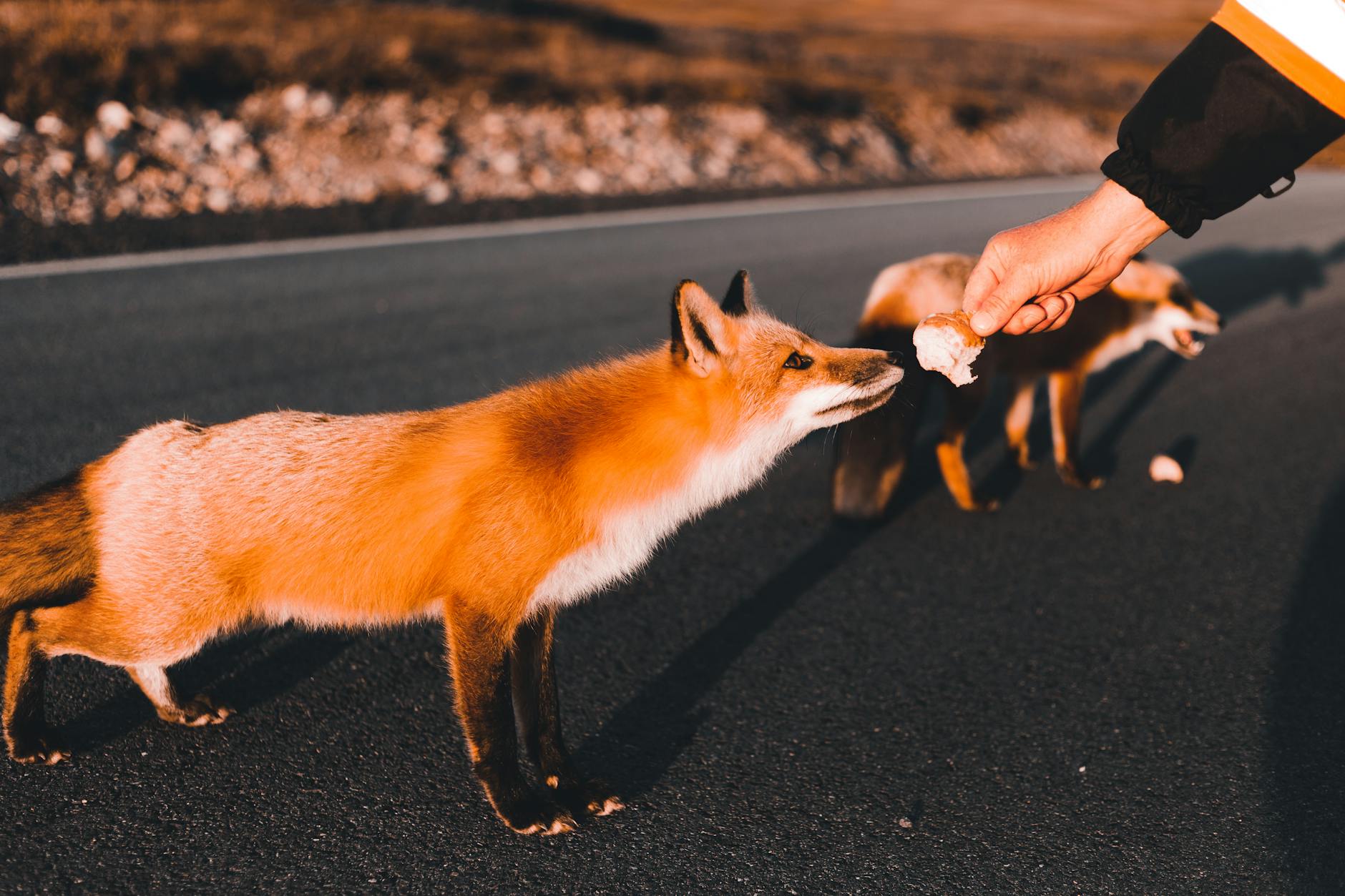
Urban red foxes have become a well-studied example of wild animals adapting to human environments without losing their wild nature. In cities across the United Kingdom foxes are frequently seen trotting through gardens and even accepting food from residents in a calm and familiar way. Behavioral ecologists note that urban fox populations show significantly reduced flight responses compared to their rural counterparts. They are not domesticated animals but generations of low-threat exposure to humans have produced noticeably relaxed behavior. Wildlife photographers in urban areas often report foxes sitting just a few feet away and calmly returning their gaze.
Moose
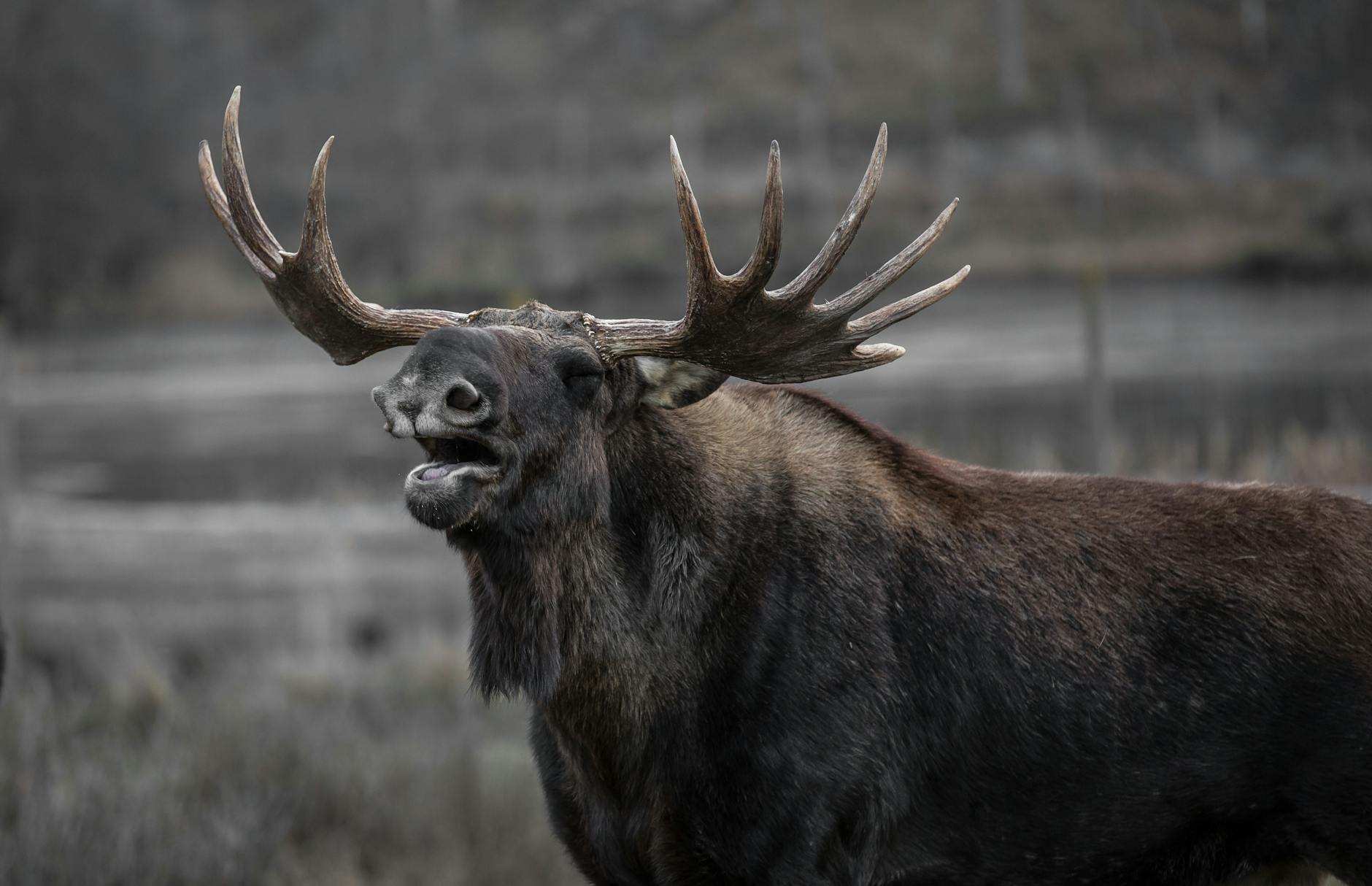
Moose are the largest members of the deer family and in parts of Canada and Scandinavia they have developed a notable tolerance for human presence. In Swedish and Norwegian forests moose regularly walk through villages and graze near homes without displaying stress behaviors. Researchers attribute this comfort to generations of living near low-threat human settlements in areas with strict hunting protections. Outside of the autumn rut when males become territorial moose tend to be unhurried and indifferent around humans. Wildlife tourism in places like Alaska and northern Sweden frequently involves close-range moose sightings from vehicles without any sign of agitation.
Whale Shark
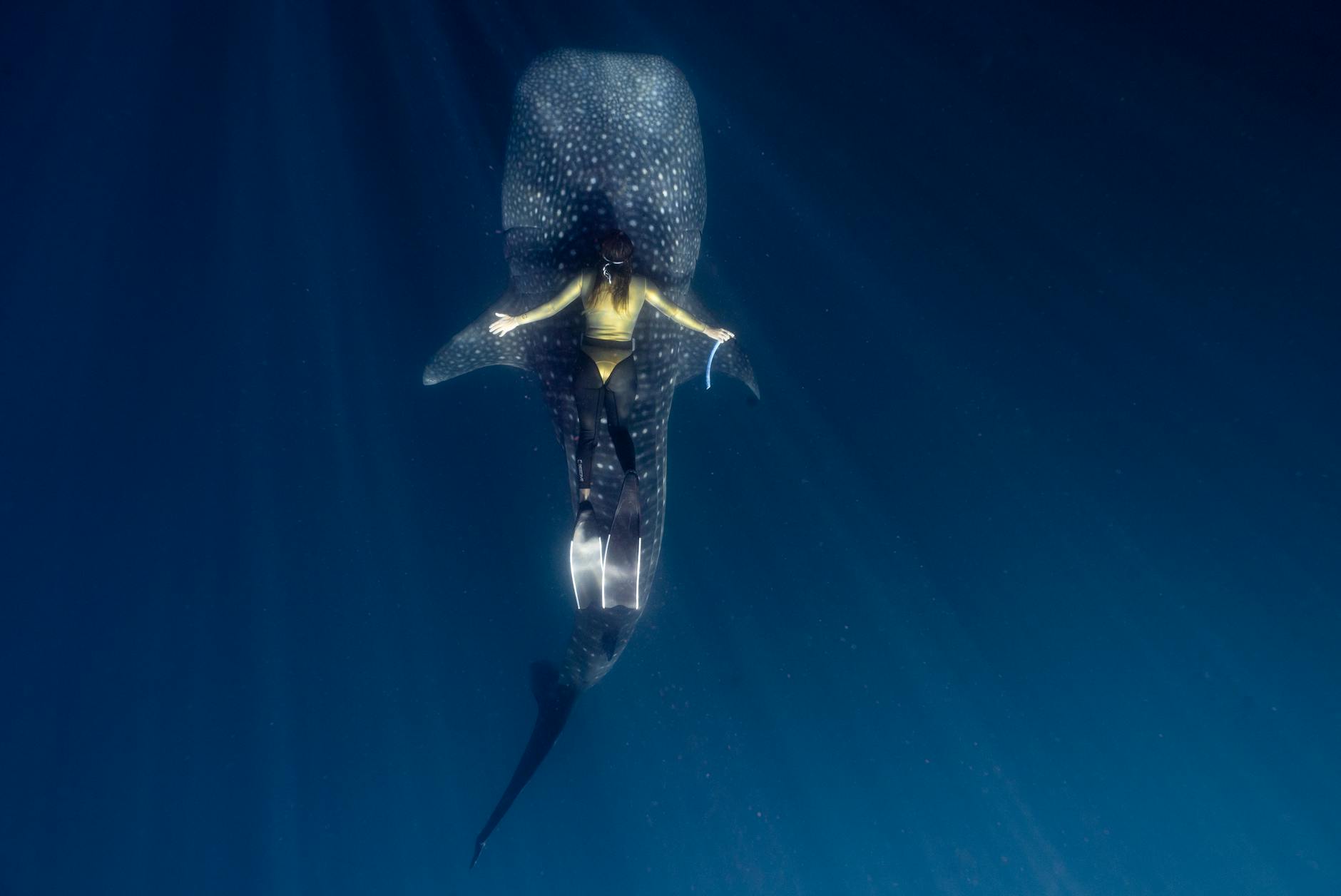
Whale sharks are the largest fish in the ocean and also among the most docile. They are filter feeders with no interest in humans as prey and have been known to swim slowly alongside snorkelers for extended periods. Dive sites in the Philippines, Mexico, and Western Australia attract thousands of visitors each year for whale shark encounters in the open ocean. Individual whale sharks have been photographed returning to the same feeding locations year after year suggesting a routine comfort with human presence. Marine researchers consistently describe them as indifferent to humans in the calmest possible way.
Gorilla
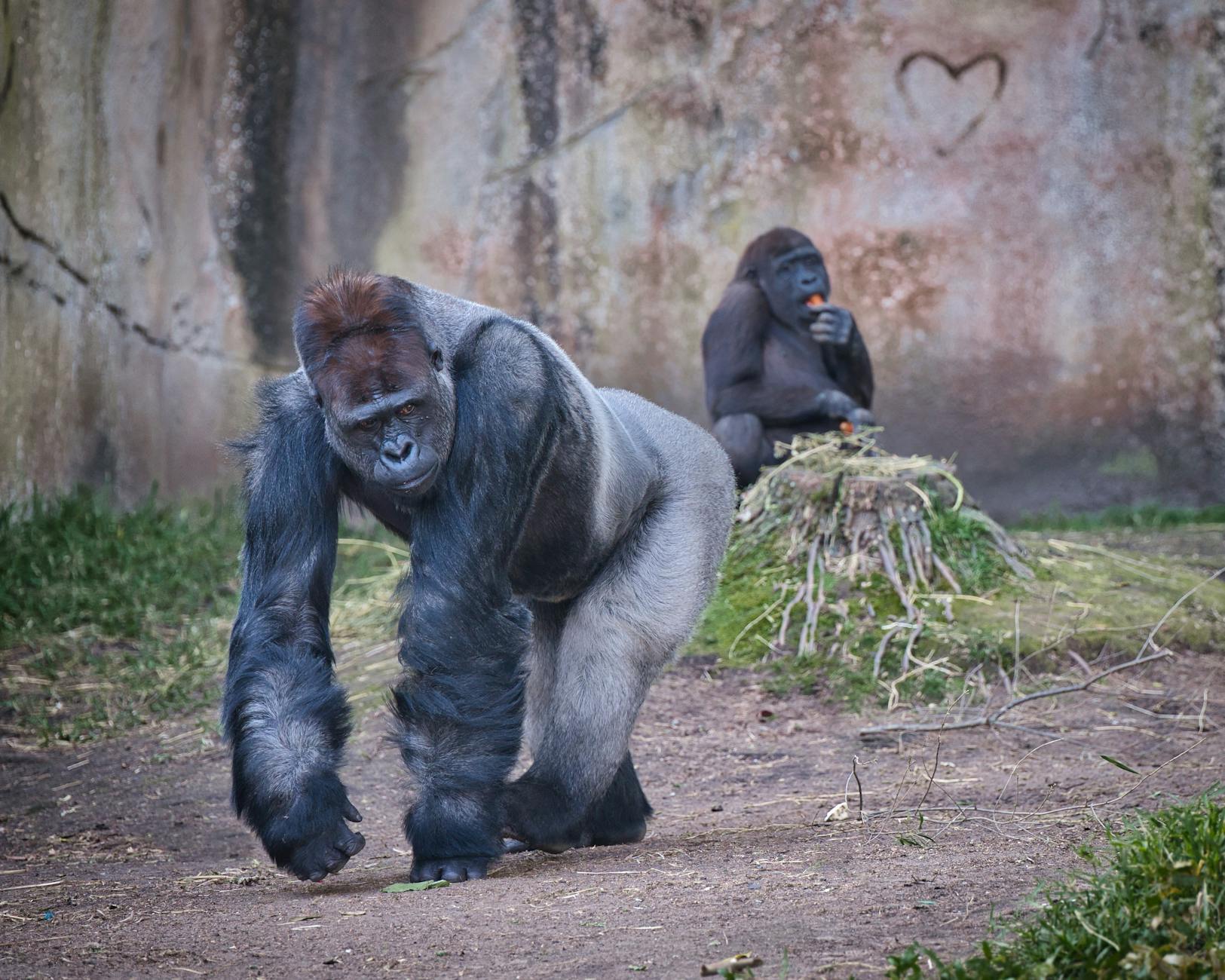
Mountain gorillas in Uganda and Rwanda have been carefully habituated to human presence through decades of conservation work. Trekking programs allow small groups of tourists to sit just meters away from wild gorilla families for up to an hour at a time. Silverback males which are enormously powerful will often glance at human visitors and return immediately to their social activities. Researchers from the Dian Fossey Gorilla Fund document non-aggressive interactions between wild gorillas and trained human observers on a daily basis. This habituation has become a cornerstone of gorilla conservation as it economically justifies their protection.
Crow
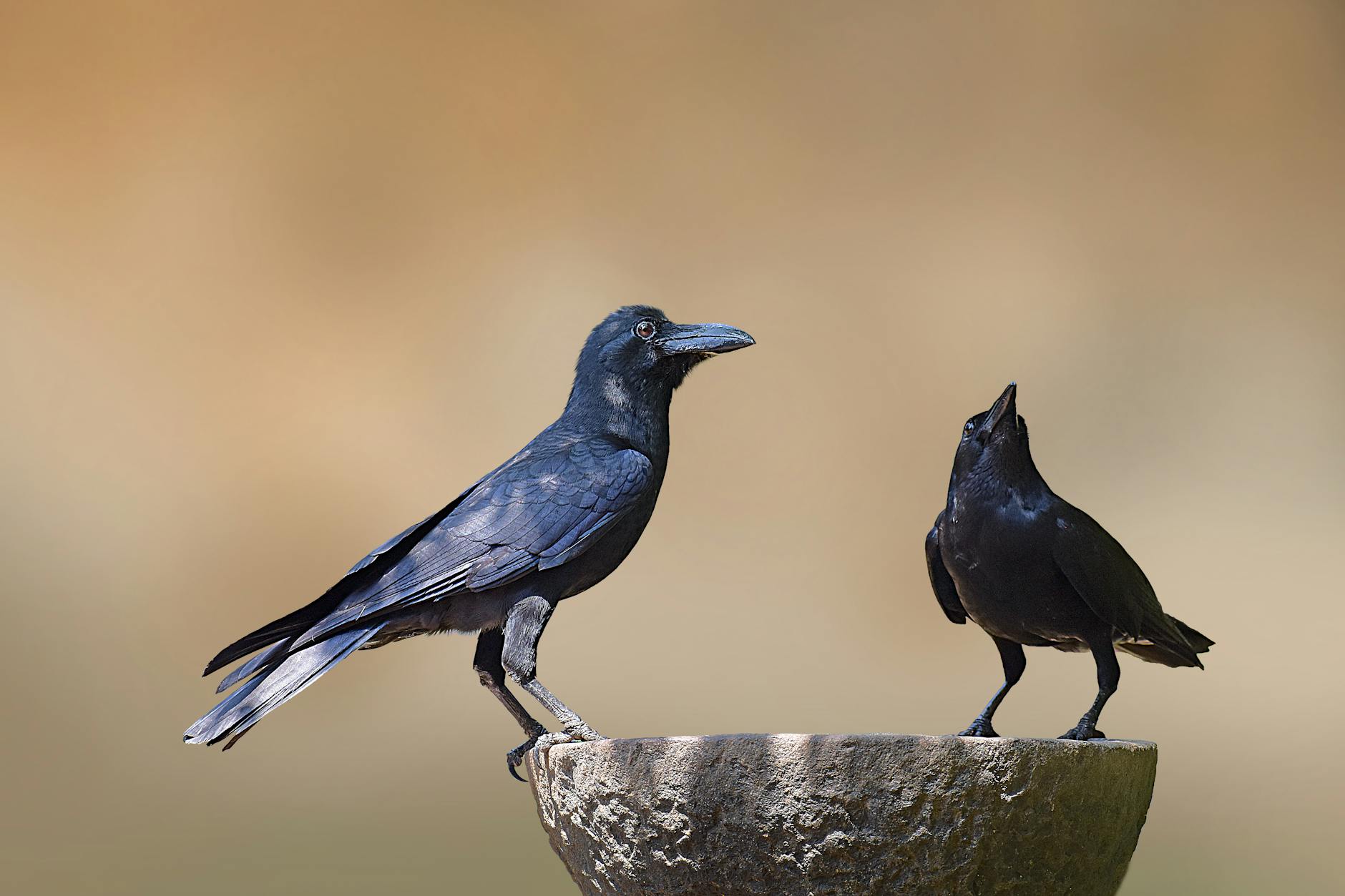
Crows are widely regarded as among the most intelligent birds on the planet and their relationship with humans is uniquely complex. Urban crows in cities across North America and Japan have been documented bringing small objects to humans who regularly feed them. Researchers at the University of Washington demonstrated that crows can recognize individual human faces and remember them for years. They do not flee from humans in familiar environments and will often perch nearby and observe daily activities with apparent interest. Their social behavior toward humans reflects a sophisticated recognition of mutual coexistence rather than simple habituation.
Elephant
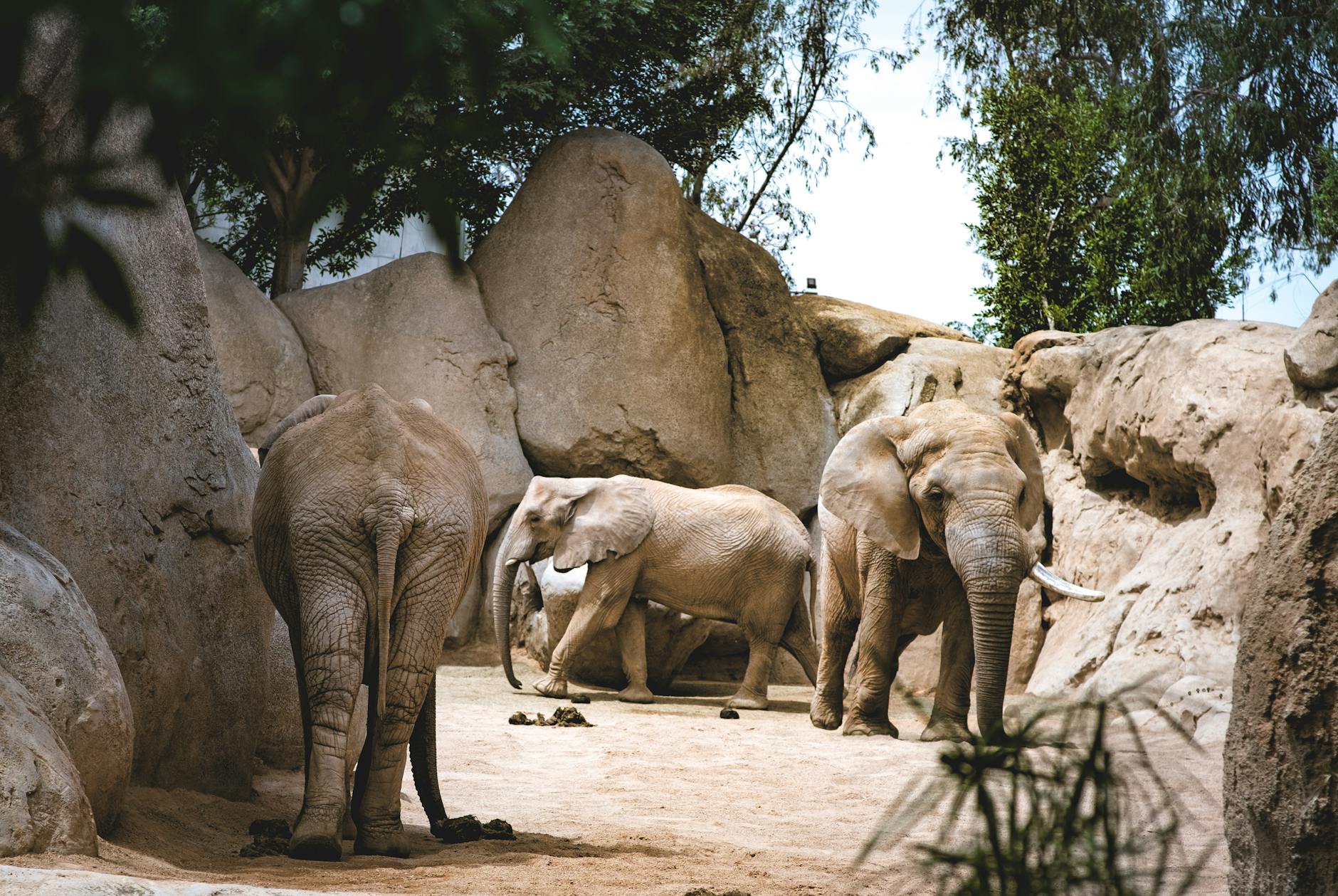
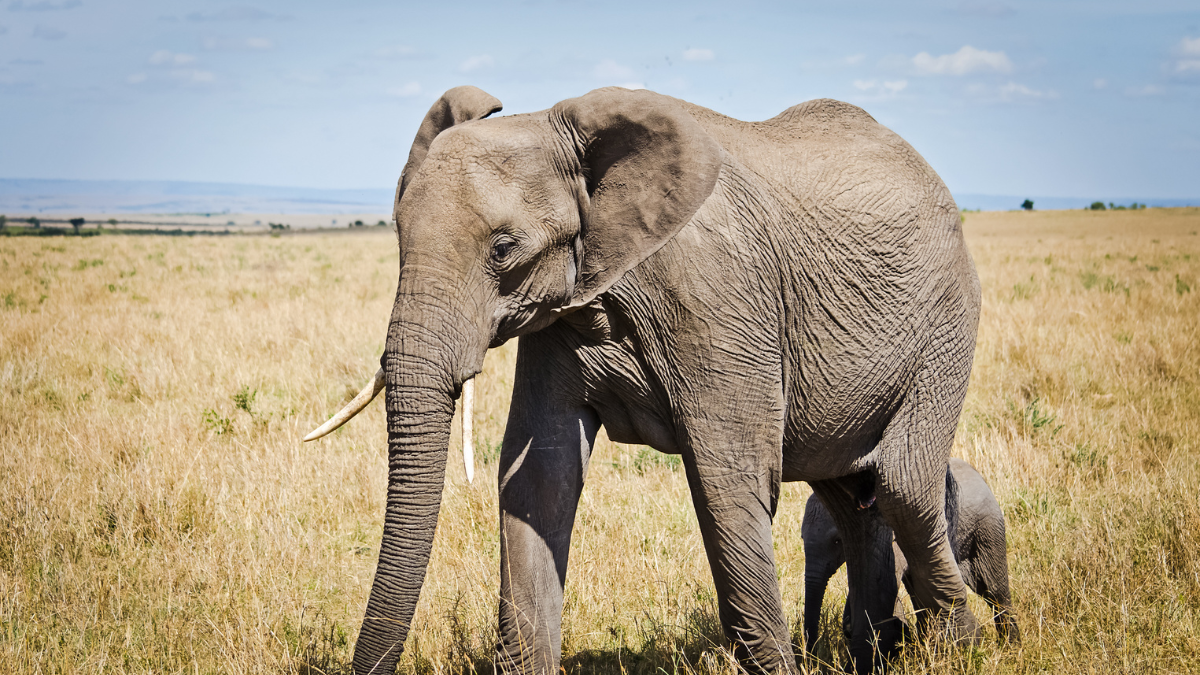
African and Asian elephants have demonstrated remarkable emotional intelligence in their interactions with trusted humans. In sanctuaries and conservation zones where elephants have not been subjected to poaching they approach human caretakers with clear signs of relaxed and affiliative behavior. Field researchers working with wild elephant populations in Amboseli National Park in Kenya describe individuals that stop and observe human observers without any stress response. Elephants have been documented mourning their dead and showing empathy toward injured companions which reflects an emotional complexity that shapes their gentle interactions. Long-term research confirms that elephants remember and distinguish between friendly and hostile human groups across decades.
Stingray
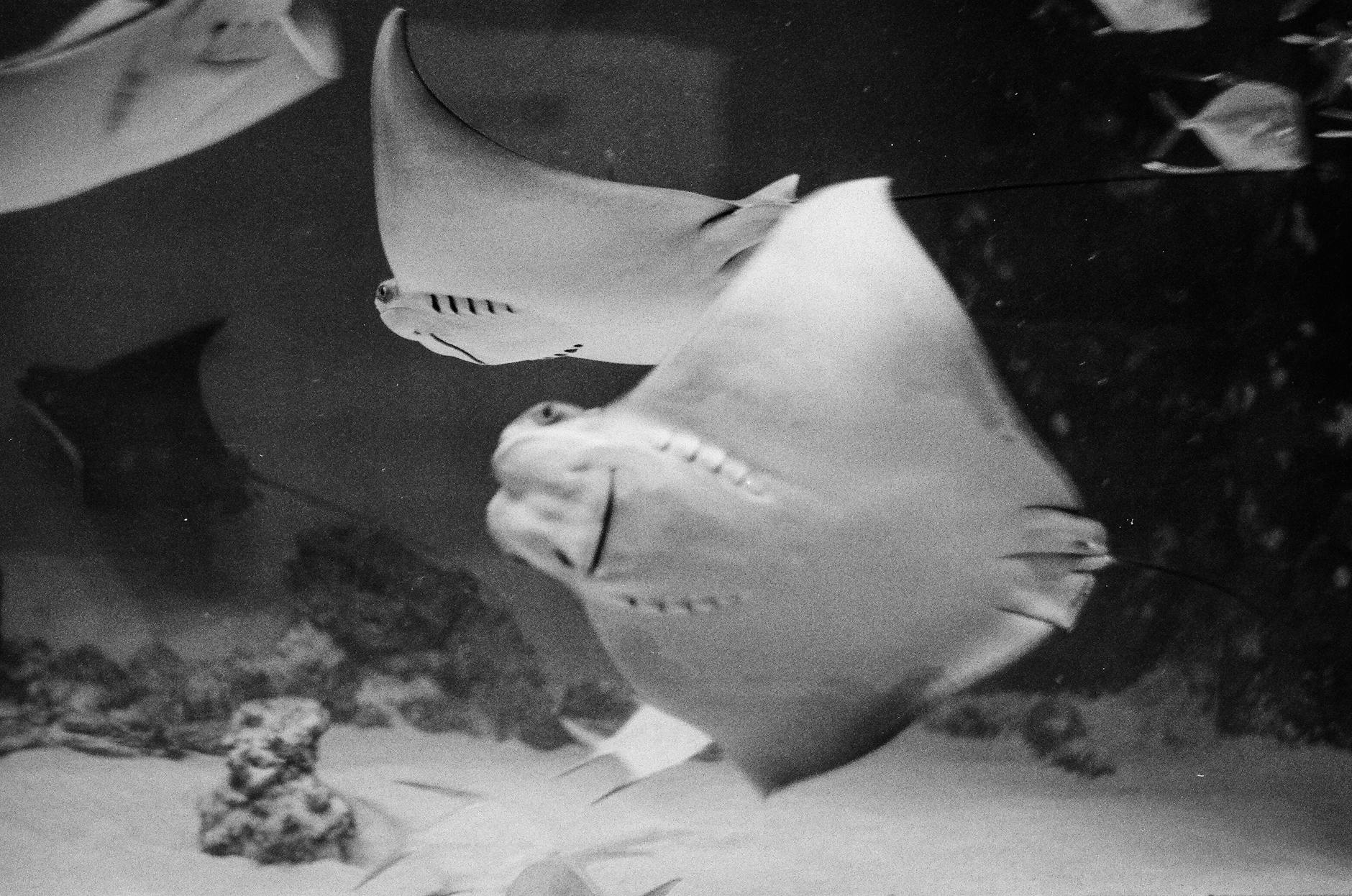
Stingrays have an unfair reputation following high-profile incidents but in reality they are calm bottom-dwellers that rarely engage aggressively. Stingray City in the Cayman Islands is one of the most famous wildlife interaction sites in the world where dozens of wild southern stingrays glide around and over human visitors in shallow water. The rays at this site have been voluntarily returning to interact with boat tours for over four decades. Marine biologists note that stingrays use their barb only as a last resort when physically trapped and not as an offensive weapon. Millions of safe and memorable encounters at sites around the Caribbean confirm their naturally placid temperament.
Meerkat
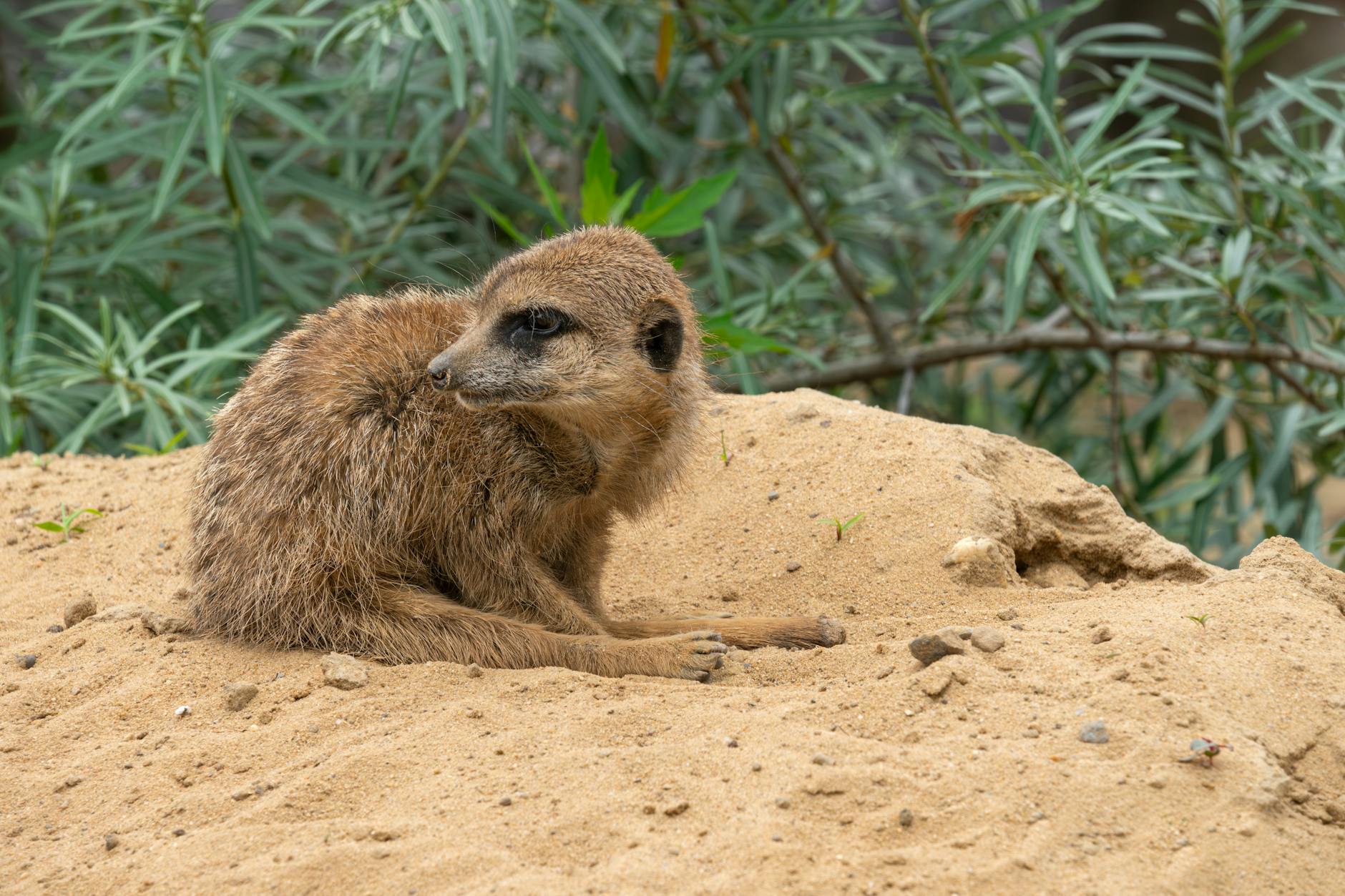
Meerkats in the Kalahari Desert have been studied so closely by researchers over the years that many wild groups are fully habituated to human presence. The long-running Kalahari Meerkat Project in South Africa has followed wild meerkat families for decades and the animals treat researchers as entirely neutral fixtures in their environment. Wild meerkats in these study populations have been observed climbing on researchers to gain a better vantage point without any sign of stress. Their highly social nature means they assess threats collectively and a calm repeated human presence is quickly categorized as non-threatening. Wildlife tourists visiting the study sites often describe meerkats perching on their feet and shoulders as one of the most extraordinary wildlife experiences available.
Common Dolphin
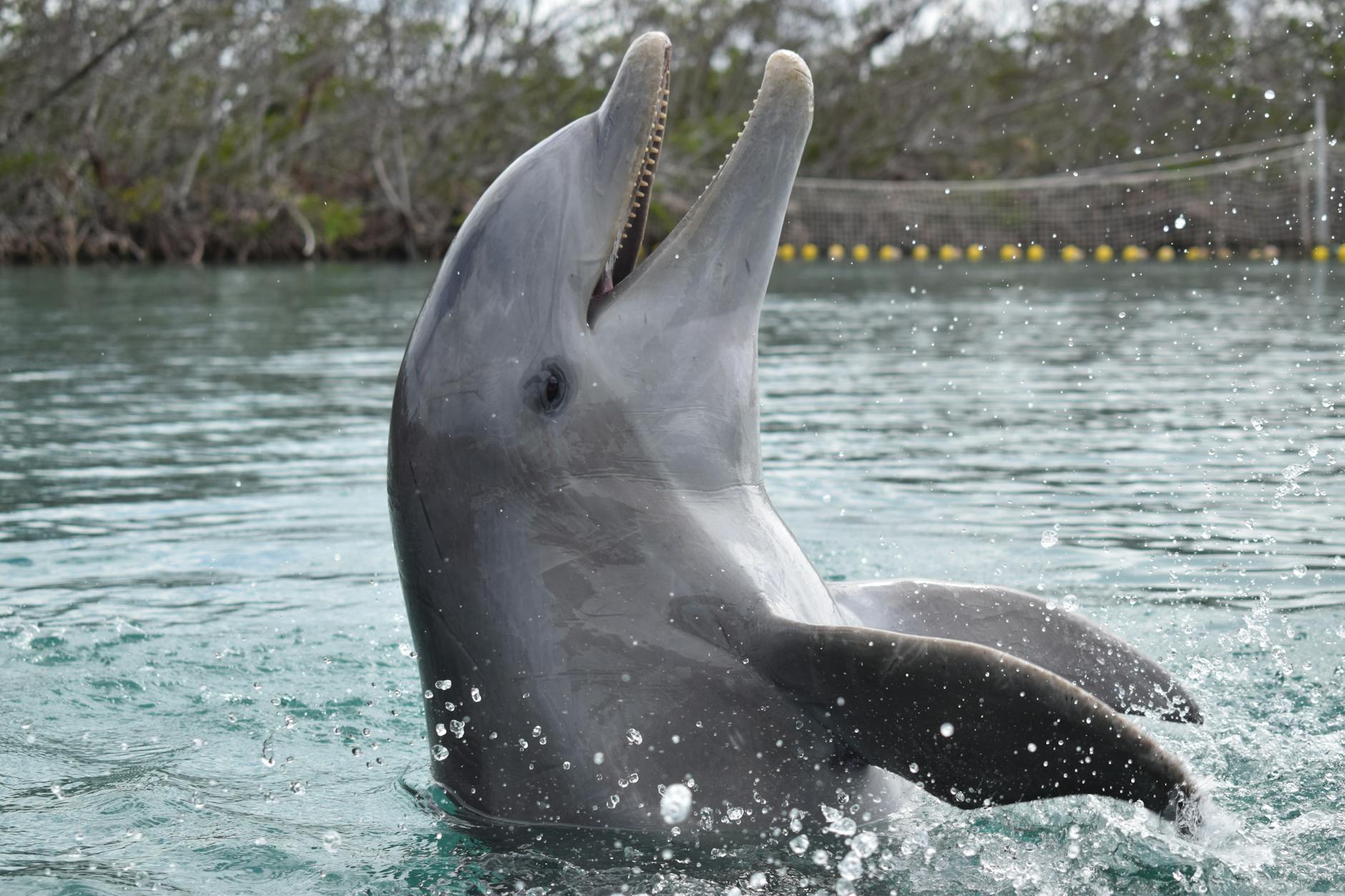
Common dolphins are found in warm and temperate oceans across the globe and are among the most reliably interactive wild cetaceans. They are famous for bow-riding alongside boats and will seek out vessels specifically to engage in this behavior. Marine researchers note that bow-riding appears to be recreational in nature rather than energy-saving as was once believed. Off the coasts of Portugal, South Africa, and New Zealand common dolphins regularly join swimmers in the open ocean without any sign of territorial behavior. Their social pod structure and high play drive make them naturally inclined toward curiosity and engagement with the world around them.
If any of these animals have crossed your path in the wild or inspired a memorable travel experience, share your story in the comments.