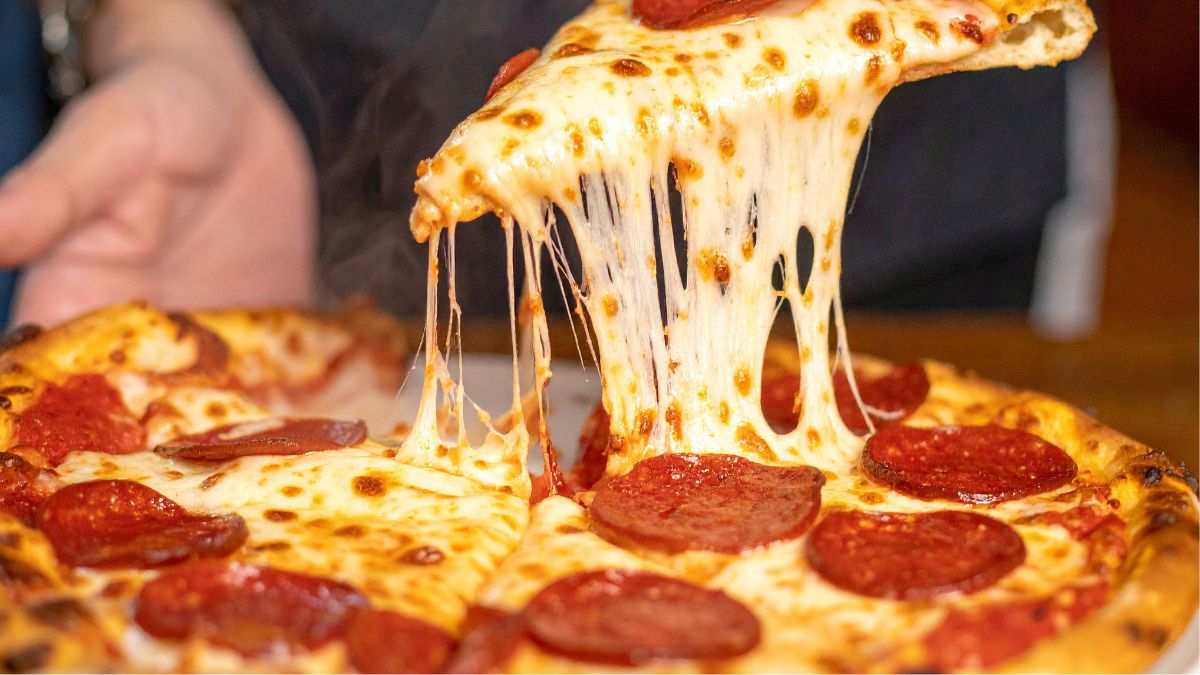
In the already bewildering landscape of modern dating, a new red flag has entered the chat, and it involves something most people would never expect to be controversial: pizza toppings. Women on social media have begun calling out men who favor heavily loaded meat pizzas, arguing that this preference reveals something deeper about a person’s character and values. According to these creators, the issue has nothing to do with taste and everything to do with empathy, specifically toward the environment and the ongoing climate crisis. The conversation, originally reported by the New York Post, has sparked a lively and polarizing debate online.
TikTok content creator Esme Hewitt has become one of the more prominent voices behind this take. In a video that racked up nearly 500,000 views, Hewitt laid out her reasoning in clear terms, connecting pizza preferences to environmental awareness. For her, what someone orders says a great deal about how much they care about the world around them. “Personally, I think you’re selfish if you can’t cut down on meat consumption,” she said. “What’s the problem with eating a veggie burger every now and then?”
Hewitt went on to explain that vast stretches of rainforest are cleared every year to create land for raising livestock, and in her view, devoted meat lovers simply do not engage with that reality. She argued that if someone’s go-to meal is a pizza so heavily topped with meat that it could, as she put it, “clog an artery,” that choice communicates something meaningful. “It says a lot about your relationship with the environment, animal welfare, and even yourself,” she added. “Meat isn’t doing you that many favors.”
@esmehewitt If you’re ordering a meat feast pizza that’s a red flag and you’re weird
♬ original sound – Esme
The argument extends beyond environmental concern into what Hewitt and others describe as a cultural fixation on protein among men, which they connect to ideas around toxic masculinity. The suggestion is that an almost competitive attitude toward meat consumption reflects a broader resistance to introspection or change. “I think there’s a link between men’s and women’s attitudes, their relationship with the environment and empathy, and generally what kind of person you are,” Hewitt explained. For her followers who share this perspective, the pizza order is not trivial but rather a small window into someone’s larger worldview.
The comment section under Hewitt’s video was largely supportive. One viewer wrote, “That toxic masculinity and protein thing is SO real,” resonating with the connection Hewitt drew between dietary habits and gender performance. Others offered their own takes on why people resist plant-based eating, with one commenter suggesting, “People get angry at vegetarians and vegans because they don’t have a strong enough counter-argument. It confronts them with the fact that they might not be as morally correct as they could be, so out of defensiveness, they attack those who are.” Another comment was blunt and brief, simply stating that “veganism is the moral baseline.”
Not everyone in these broader online conversations agrees, of course. Critics argue that reducing someone’s entire character to a pizza order is reductive and unfair, and that connecting food choices to moral worth oversimplifies complex personal, cultural, and economic factors that influence what people eat. Many point out that access to plant-based alternatives is not equal across income levels or geographic regions, and that framing meat consumption as a personality flaw ignores that nuance entirely. The debate touches on deeper questions about how people assign meaning to everyday choices and whether social media is the right arena for working through genuine ethical disagreements.
Still, the viral nature of Hewitt’s video suggests these questions are striking a nerve. One of her followers perhaps captured the mood of the broader conversation most pointedly, writing, “As a society we’ve turned empathy into a negative trait and I’ll never understand how we got here.” Whether or not one agrees with the red flag framing, the discussion has clearly tapped into real anxieties about how personal habits connect to collective responsibility.
Pizza as we know it today only became a global phenomenon after World War II, largely because American soldiers stationed in Italy developed a taste for it and brought that appetite home. The world’s largest pizza ever made, certified by Guinness World Records, stretched over 13,500 square feet and was, fittingly, a margherita. The average American consumes roughly 23 pounds of pizza per year, making it one of the most eaten foods in the country.
What do you think, is someone’s pizza order actually a window into their values, or is this a stretch? Share your thoughts in the comments.