Maintaining joint health becomes increasingly critical as the body ages and natural cushioning begins to diminish. Many popular exercises place excessive stress on the patella and surrounding ligaments after four decades of wear and tear. High impact movements and deep flexion angles often exacerbate underlying issues like osteoarthritis or meniscus degeneration. Selecting low impact alternatives preserves cartilage health while still building essential muscle strength. This comprehensive guide outlines specific movements that may compromise knee health for individuals over forty.
Deep Barbell Squats

Squatting below parallel places immense shear force on the knee joint that aging cartilage may struggle to handle. This extreme range of motion significantly increases compressive pressure on the meniscus and delicate connective tissues. Many adults over forty lack the requisite hip mobility to execute this movement without compromising form. The heavy load on the spine and knees often leads to chronic inflammation or acute injury. Partial squats offer a safer way to engage the quadriceps without such aggressive flexion.
High Box Jumps

Explosive jumping movements require the knees to absorb several times the body’s weight upon impact. Missing the landing zone can result in catastrophic hyperextension or direct trauma to the kneecaps. The repetitive pounding wears down the shock-absorbing pads within the knee joint over time. Coordination and fast-twitch muscle fibers tend to decline with age which increases the likelihood of a mishap. Step ups serve as a functional alternative that builds power without the jarring landing.
Plyometric Lunges
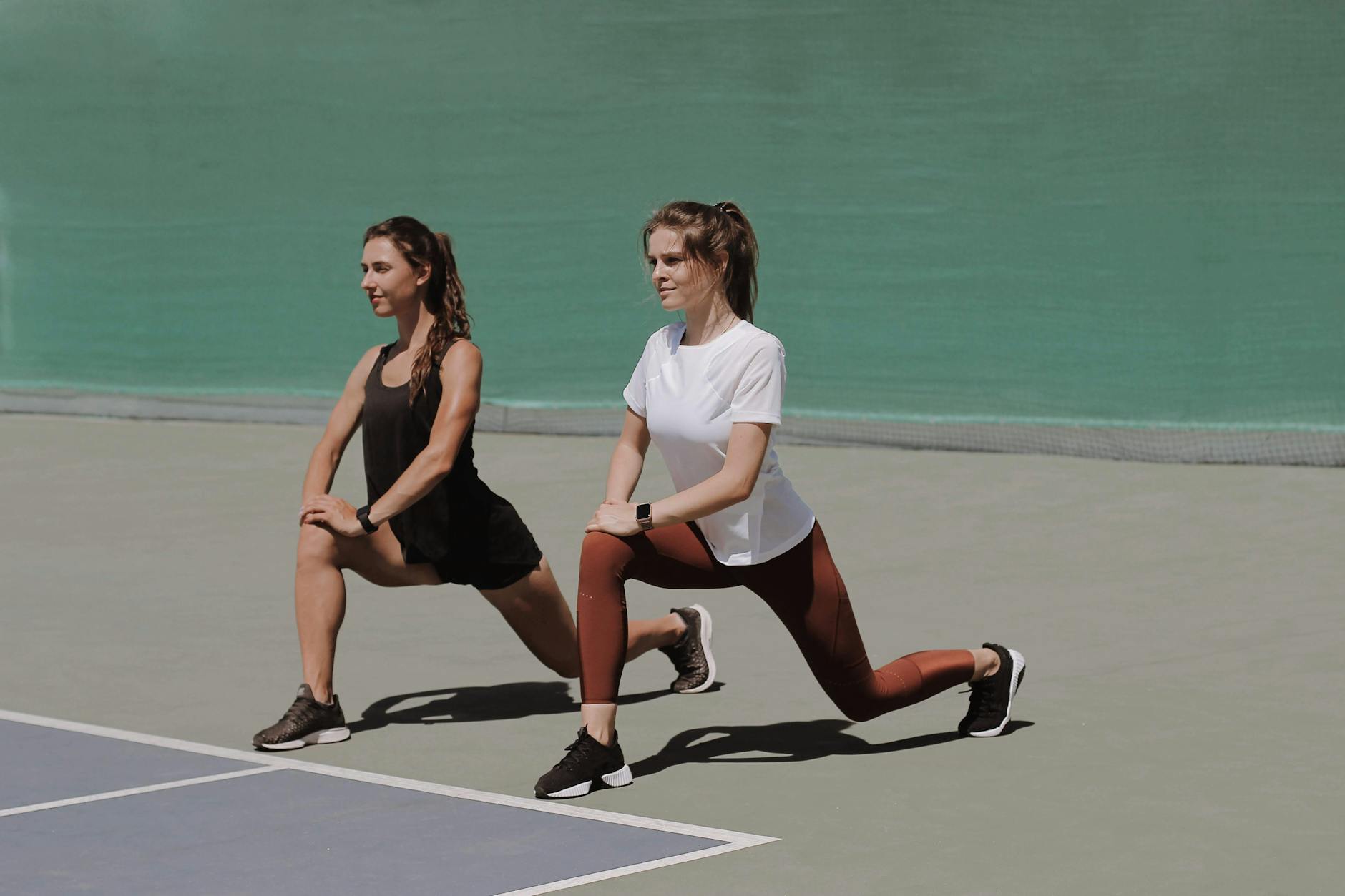
This dynamic exercise involves jumping deeply into a lunge position and switching legs in mid-air. The combination of high impact landing and unstable unilateral loading creates a perfect storm for knee instability. Landing with the knee tracking over the toe puts unnecessary torque on the anterior cruciate ligament. Fatigue sets in quickly during this move which frequently leads to poor form and potential injury. Stationary lunges provide similar muscular benefits with a fraction of the joint stress.
Seated Leg Extensions
The leg extension machine isolates the quadriceps by applying resistance at the ankles while the knees act as a fulcrum. This open chain kinetic exercise places dangerous amounts of shearing force directly on the knee joint. It creates an unnatural load that the knee was not evolutionarily designed to handle in isolation. Individuals with existing knee issues often experience sharp pain behind the kneecap during this movement. Compound movements like leg presses or squats distribute the load more evenly across multiple joints.
Deep Leg Press

Loading a leg press machine with heavy weight and lowering the sled too far compresses the knees against the chest. This deep angle forces the lower back to round and places extreme pressure on the knee capsule. The mechanical nature of the machine locks the body into a fixed path that may not align with natural joint mechanics. Pushing heavy weight from a fully flexed position grinds the femur against the patella. limiting the range of motion to ninety degrees protects the joints while still working the muscles.
Running on Concrete
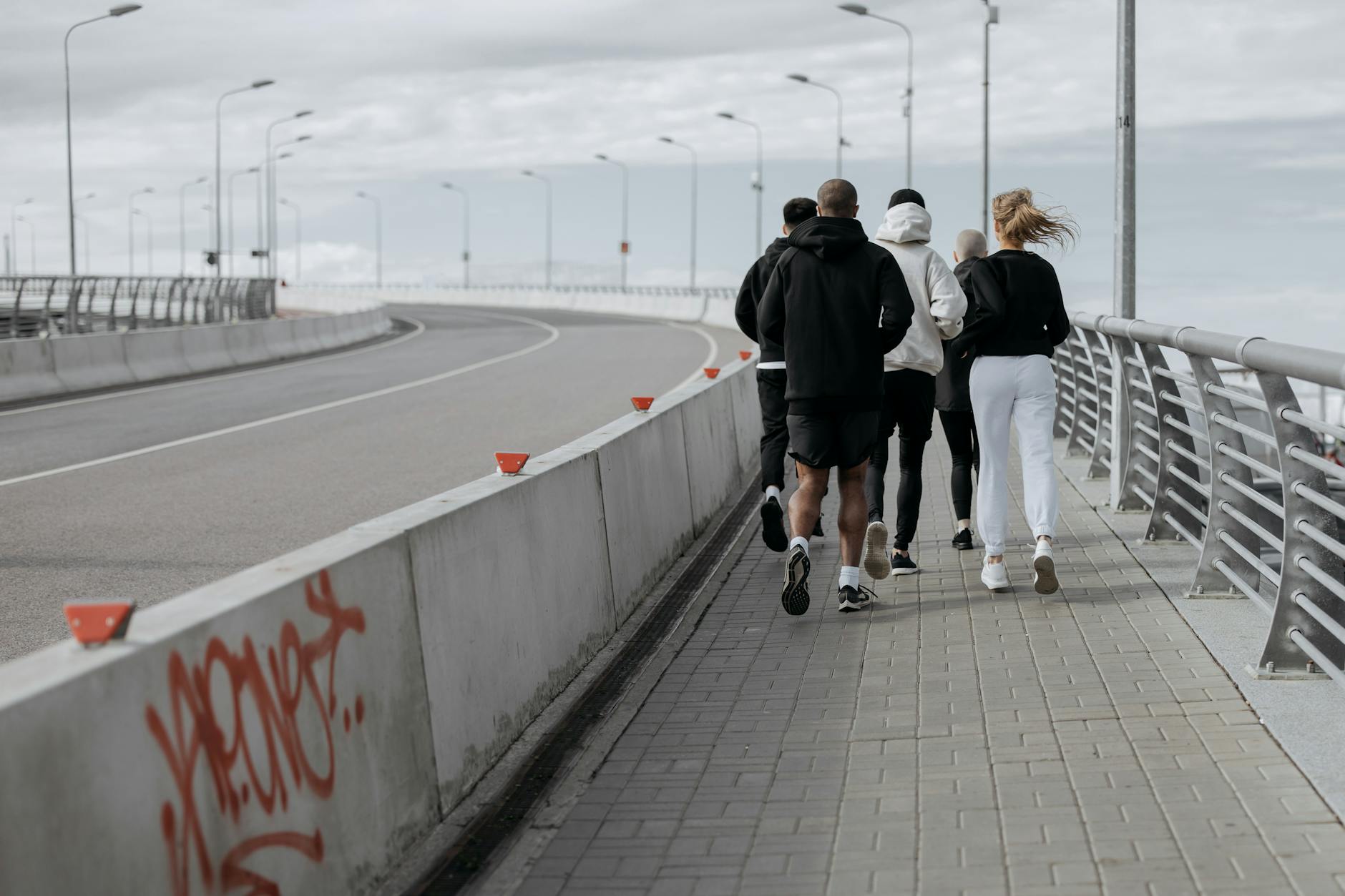
Pavement offers zero shock absorption and returns energy directly back up through the shins and knees. The repetitive impact of running on such hard surfaces accelerates wear and tear on the joint cartilage. Over time this leads to conditions like runner’s knee and stress fractures in the lower body. Older runners often lose some of the natural fat pad cushioning in their feet which exacerbates the problem. Softer surfaces like grass or rubberized tracks provide a much more forgiving environment for cardiovascular exercise.
Hurdler’s Stretch

This traditional stretch involves sitting with one leg tucked behind the body at an awkward angle. The position forces the knee joint into extreme rotation and creates significant torque on the medial collateral ligament. It places the meniscus under crushing pressure that can lead to tears or chronic looseness. Modern exercise science has largely abandoned this position due to its high risk and low reward profile. A simple standing quad stretch achieves better results without twisting the knee joint.
Curtsy Lunges
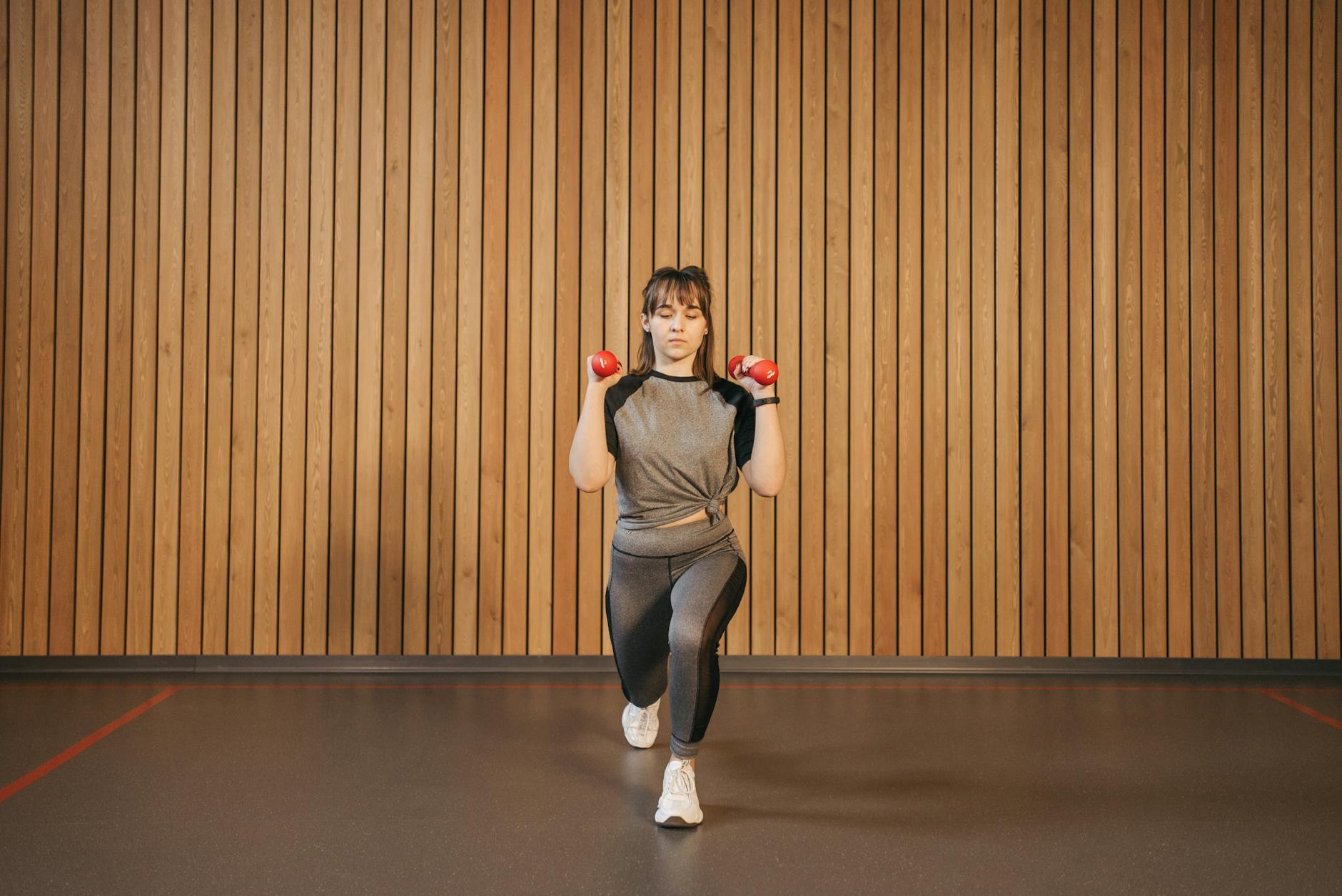
Crossing one leg behind the other places the knee in a rotated and compromised position under load. This movement forces the hip into adduction which can cause the knee to collapse inward. The awkward angle strains the iliotibial band and the ligaments on the outside of the knee. Balance is often compromised during this exercise which increases the risk of falls and twists. Standard reverse lunges engage the glutes effectively while keeping the joints in safe alignment.
Pistol Squats

Performing a single-leg squat with the other leg extended forward requires immense strength and balance. The entire body weight rests on one knee joint while it is fully flexed and under tension. This moves the center of gravity and places extraordinary compressive force on the patellofemoral joint. Most individuals over forty do not possess the necessary ankle mobility to perform this safely. Assisted single-leg movements are far superior for building strength without destroying the knee.
Burpees
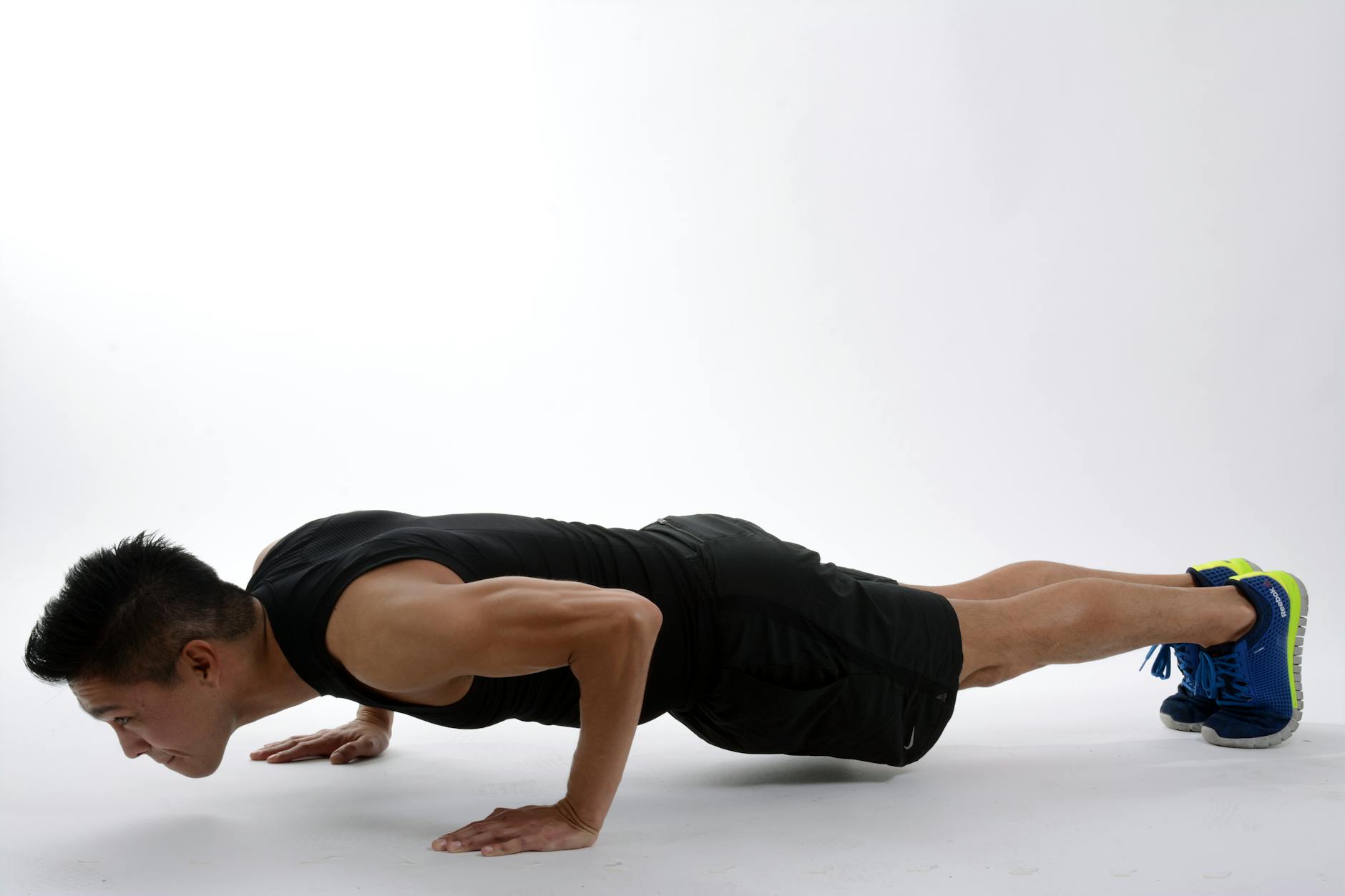
The rapid transition from a standing position to a plank and back puts stress on multiple joints. Dropping swiftly into the squat position often jars the knees before the explosive jump adds more impact. Fatigue during high repetition sets leads to sloppy mechanics and uncontrolled landings. The ballistic nature of the movement is often too aggressive for aging joints to recover from efficiently. Modified versions that eliminate the jump and slow down the transition are much safer.
Jump Rope on Asphalt

Jumping rope is an excellent cardiovascular workout but the surface makes a tremendous difference. Repeatedly landing on a hard driveway or road sends shockwaves through the ankles and knees. The constant bounding motion can irritate the patellar tendon and cause inflammation. Older adults need to be particularly careful about the surface to prevent micro-trauma to the bones. Using a gym mat or a suspended wood floor significantly reduces the impact forces.
Weighted Step Ups

Stepping up onto a high box with added weight forces the knee to bear heavy loads at a steep angle. If the box is too high the knee travels well past the toes during the initial drive phase. This excessive flexion combined with resistance creates a grinding sensation in the joint. Instability at the top of the movement can also lead to twisting injuries if balance is lost. Lowering the step height ensures the knee stays at a safe ninety-degree angle.
Sissy Squats
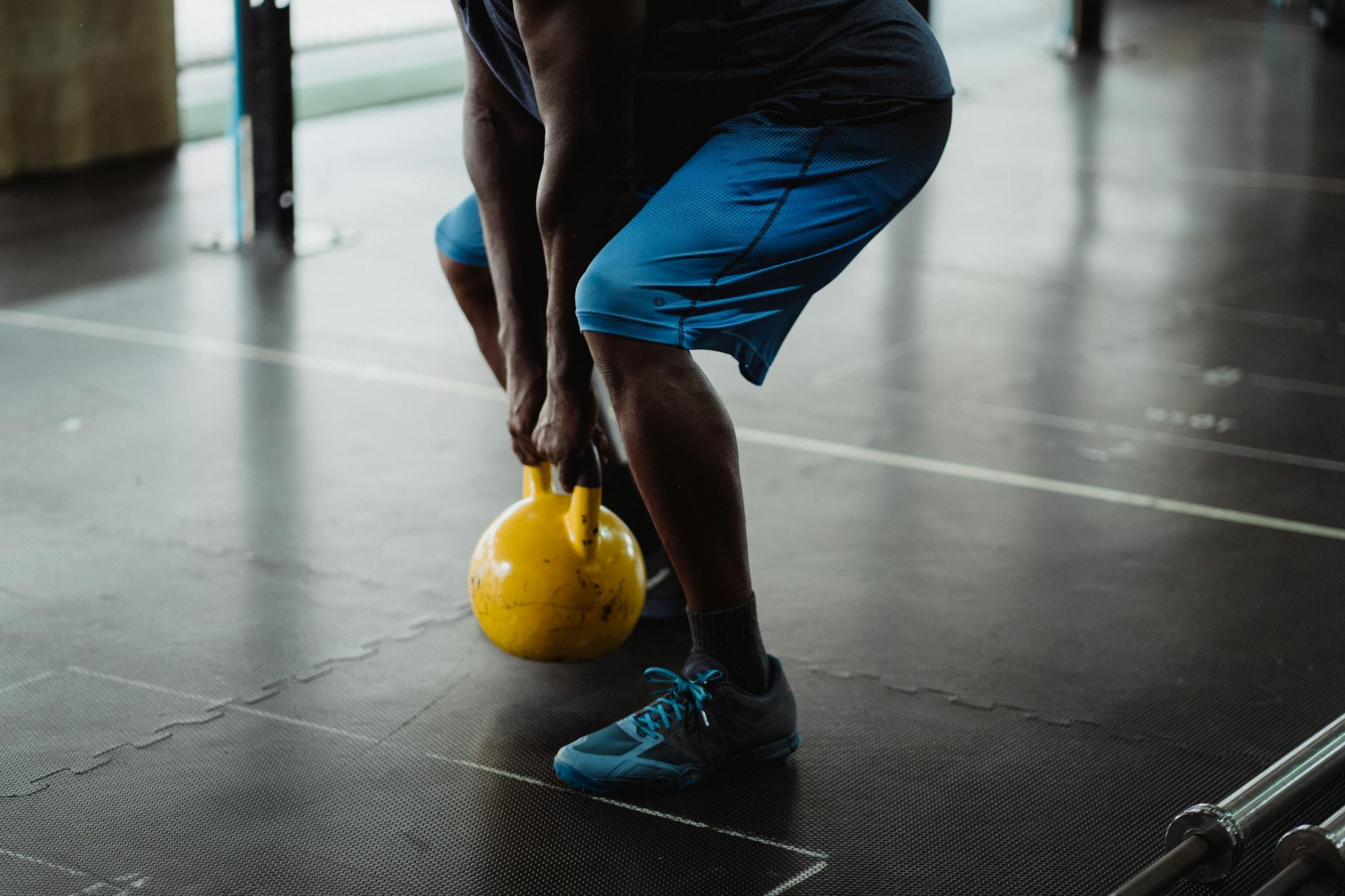
This old-school bodybuilding move involves leaning backward while bending the knees and keeping the hips extended. The exercise isolates the quadriceps by placing nearly all the tension on the patellar tendon. It creates an enormous amount of shear force that pulls the tibia forward relative to the femur. The risk of tendonitis or rupture is significantly higher than with traditional squat variations. Most trainers advise avoiding this movement entirely in favor of safer isolation exercises.
Smith Machine Squats

The fixed vertical path of a Smith machine forces the body to move in an unnatural straight line. This lack of natural arcing movement prevents the hips and knees from adjusting to maintain comfortable alignment. Users often place their feet too far forward or back which creates harmful shearing forces. The machine stabilizes the weight which reduces the engagement of protective stabilizing muscles around the knee. Free weight squats allow for a more natural range of motion that suits individual biomechanics.
High Knees Sprinting

Driving the knees up aggressively while running in place creates high impact forces with every foot strike. The rapid repetition rate leaves little time for the joints to absorb the shock before the next impact. This drill requires significant hip flexor strength which can cause compensation patterns that stress the knees. The ballistic nature of the movement is often too intense for recreational exercisers over forty. Marching in place or low-impact aerobics provide cardiovascular benefits without the pounding.
Broad Jumps
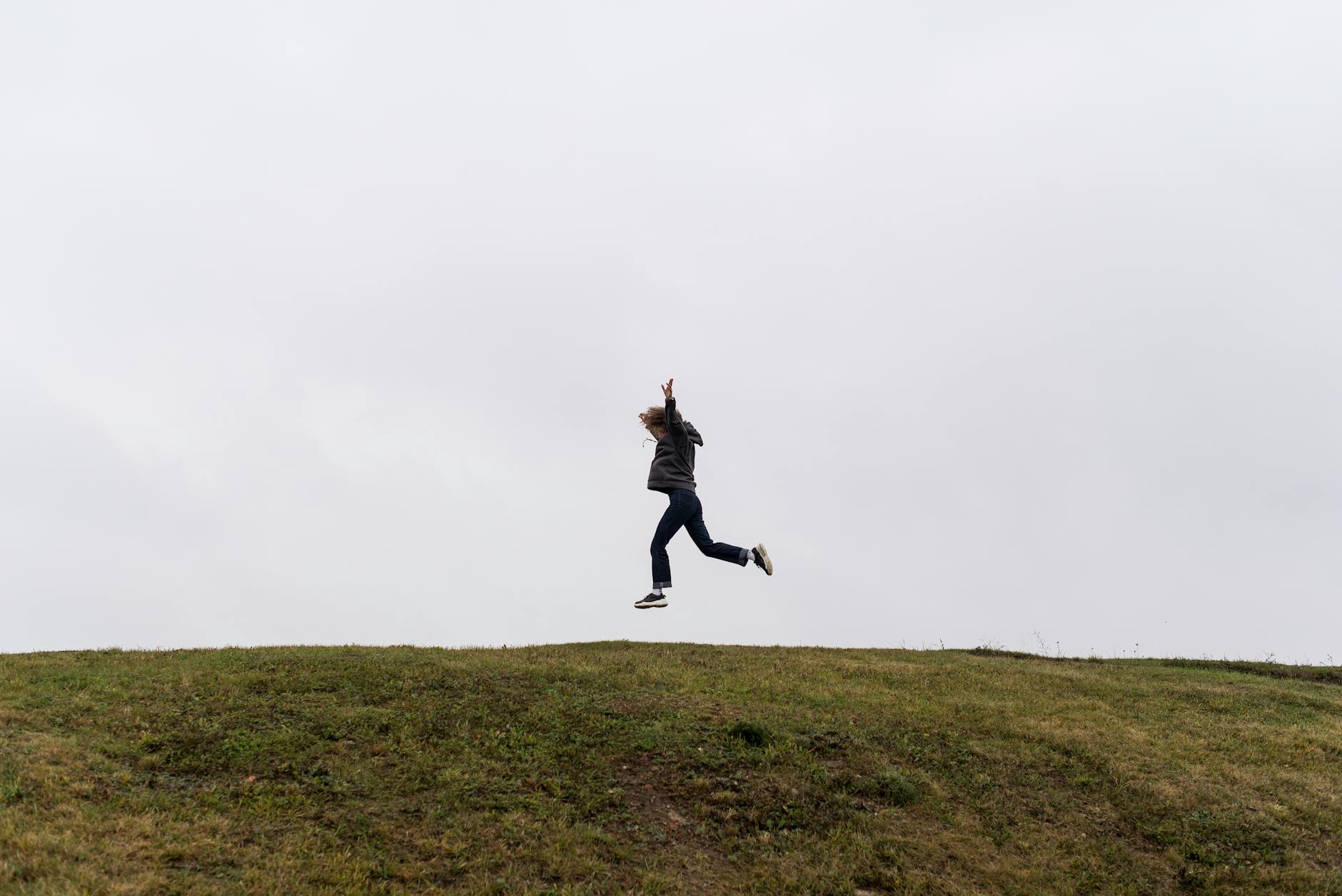
Leaping forward for maximum distance requires a high-velocity landing that shocks the lower body. The sudden deceleration upon landing places the knees in a vulnerable position as they absorb horizontal momentum. Poor landing mechanics can cause the knees to cave inward and tear ligaments. The explosive takeoff also strains the patellar tendon and quadriceps attachment points. Controlled bounding or stationary power moves are safer choices for developing explosive strength.
Hack Squats
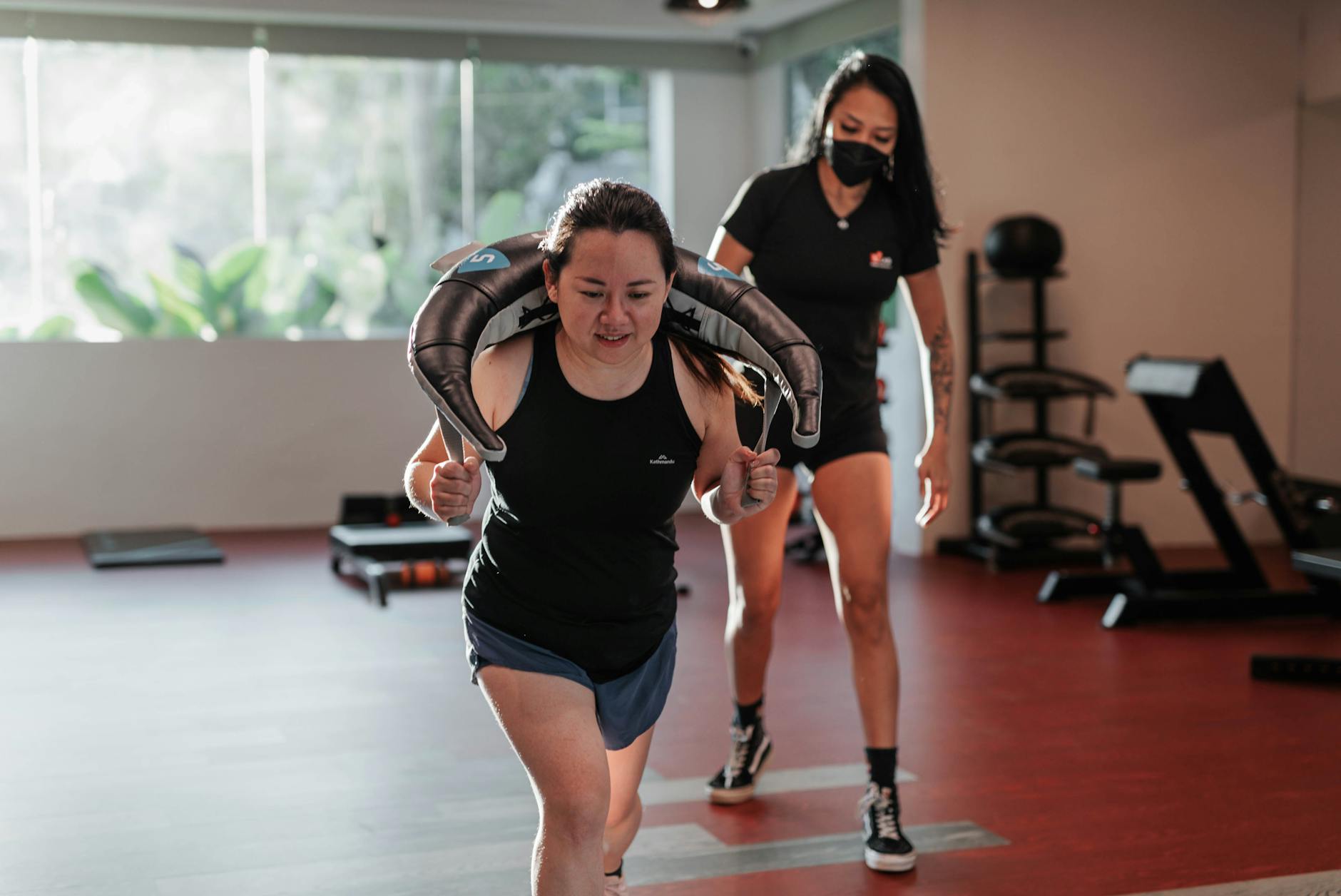
The hack squat machine locks the back into a fixed position and forces the legs to move in a strict linear path. This rigid setup prevents the pelvis from tilting naturally and places increased stress on the knees. As the weight descends the compressive force on the patella increases dramatically compared to a free squat. The fixed foot plate often restricts ankle mobility and forces the knees to compensate. Leg presses are generally a more adjustable and comfortable option for machine-based leg training.
Duck Walks

Walking in a deep squat position keeps the knees under constant tension while fully flexed. This sustained compression cuts off proper fluid circulation within the joint capsule during the movement. The meniscus is ground between the upper and lower leg bones with every waddling step. Coaches often use this as a punishment drill rather than a therapeutic exercise for good reason. Isometric wall sits build endurance in the same muscles without the grinding joint movement.
Jumping Lunges

Alternating legs in the air increases the impact force on the landing leg significantly more than standard running. The front knee must instantly stabilize the entire body weight while decelerating from the jump. Fatigue causes the front knee to wobble which invites acute ligament injury. The shock is transmitted directly into the cartilage which may already be thinning due to age. Removing the jump component makes this a highly effective and safe lower body builder.
Deep Side Lunges

Shifting the body weight entirely to one side while dropping into a deep crouch strains the inner knee ligaments. Going too deep forces the knee to travel laterally and can pinch the meniscus. Many people lack the adductor flexibility to perform this move without twisting the knee joint. The uneven loading pattern can exacerbate existing imbalances in the lower body. Limiting the depth of the lunge protects the medial collateral ligament from unnecessary strain.
Weighted Jump Squats

Adding external resistance like dumbbells or a vest to a plyometric movement multiplies the joint impact. The knees must absorb the combined weight of the body plus the added load during the landing phase. This drastically increases the compressive forces on the spinal column and the knee menisci. The risk of landing with straight legs increases as the exerciser fatigues. Bodyweight jumps or low-impact power movements are sufficient for maintaining fast-twitch muscle fibers.
Stair Sprints
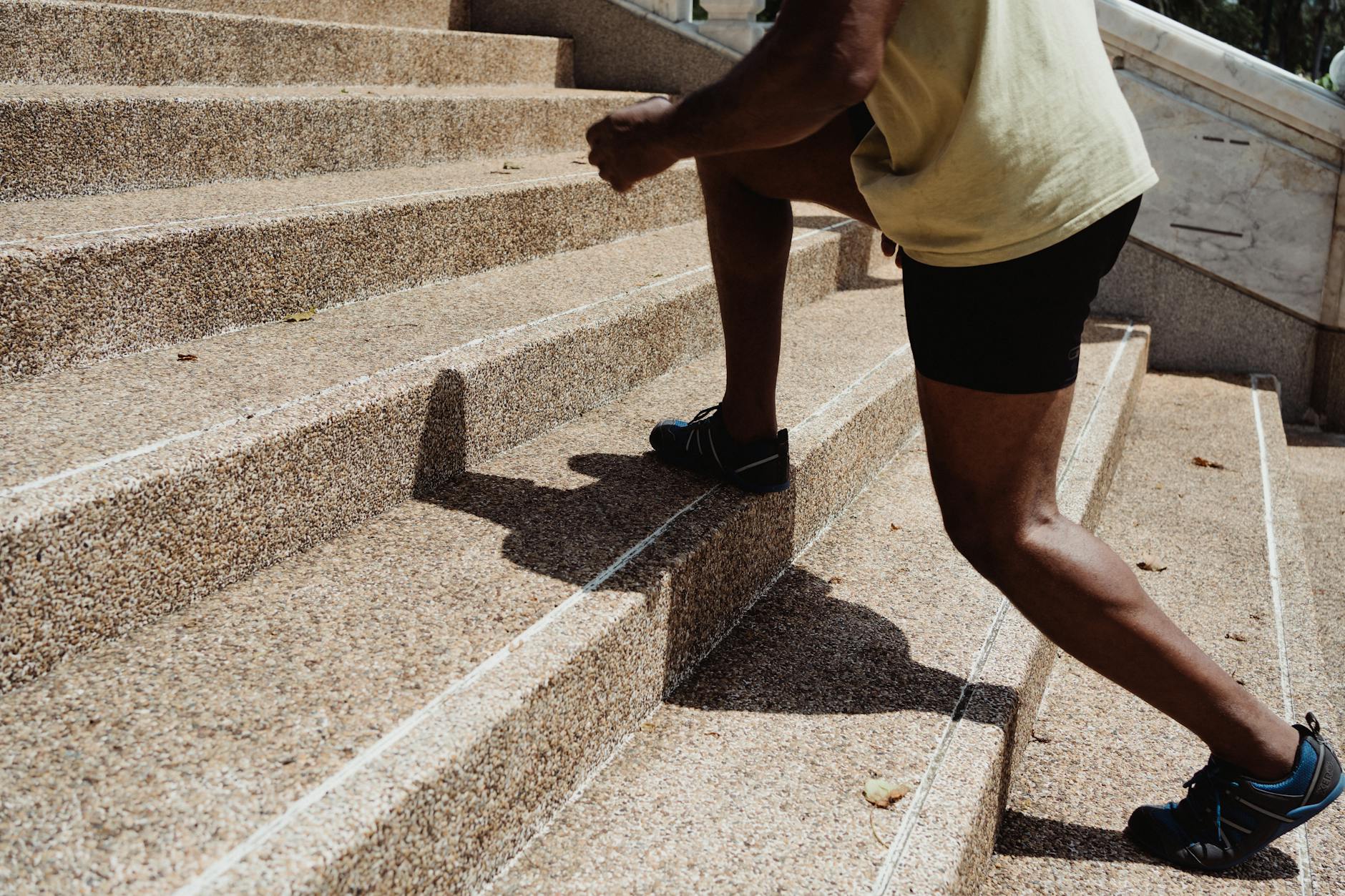
Running up stairs at full speed requires explosive power and places repetitive stress on the knees. The danger increases significantly when running back down the stairs due to gravity and impact. Missing a step or catching a toe can result in a dangerous fall and traumatic injury. The high-intensity nature of the drill often masks pain signals until the damage is done. Walking up stairs provides excellent cardiovascular conditioning with a fraction of the risk.
Downhill Running

Running on a decline forces the quadriceps to contract eccentrically to act as brakes for the body. This braking motion places tremendous pressure on the patellar tendon and the knee joint itself. The impact force of each step is significantly higher than running on level ground. Proper form is difficult to maintain as gravity pulls the runner forward and increases speed. Walking downhill or running on flat surfaces preserves the knees for the long term.
Locked Leg Deadlifts
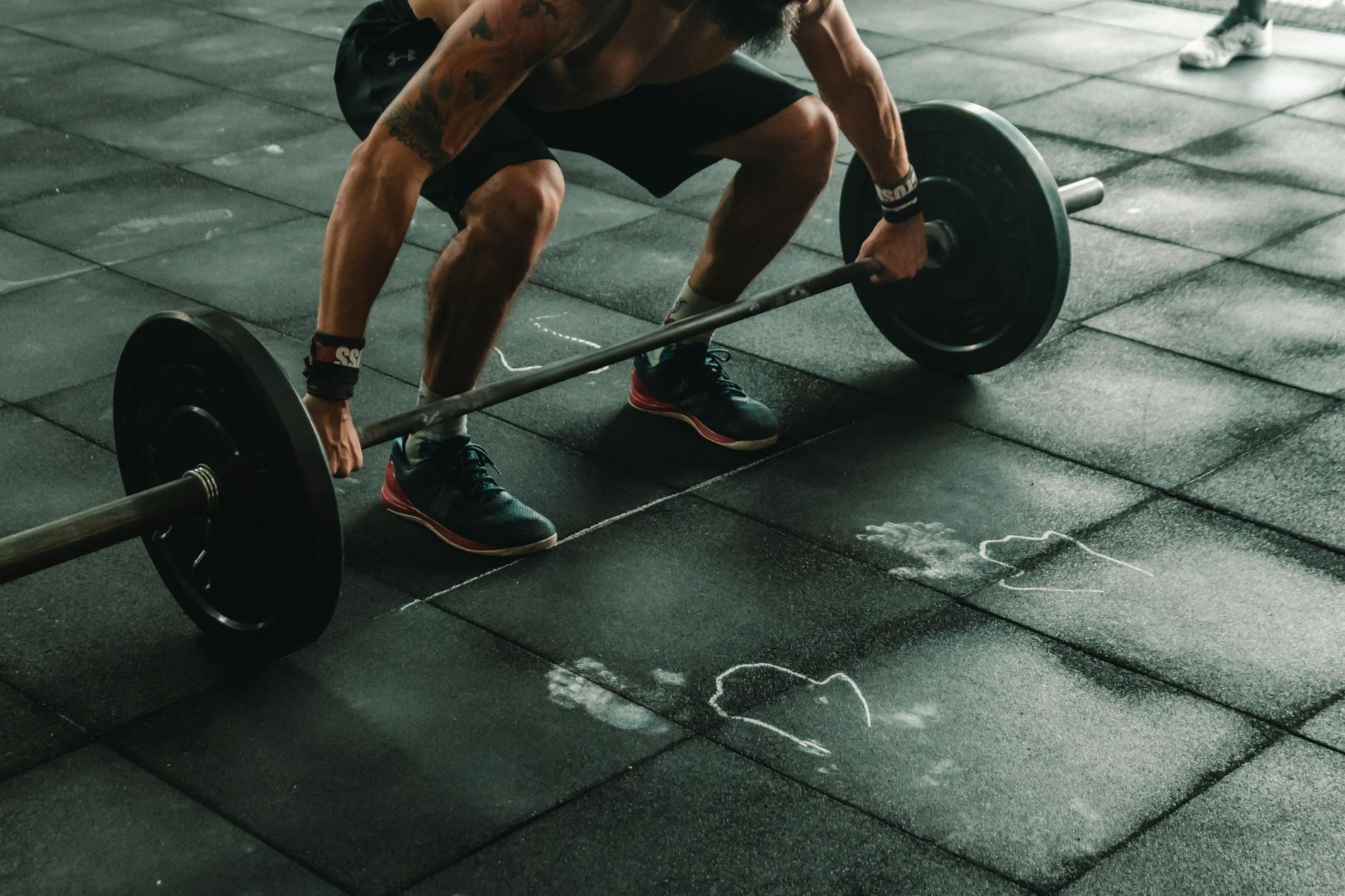
Performing deadlifts with completely straight legs places unnecessary strain on the posterior knee capsule. Hyperextending the knees under heavy load can damage the ligaments and restrict blood flow. This form error shifts tension away from the hamstrings and onto the delicate joint structures. It also invites lower back injury by limiting the natural movement of the pelvis. Keeping a slight bend in the knees activates the muscles correctly and protects the joints.
Seated Adductor Machine

Squeezing the legs together against resistance on a machine places unnatural lateral stress on the knees. The pads press against the knees and create torque that the joint is not designed to withstand. This isolation movement ignores the way the inner thigh muscles function during real-world activities. It can strain the groin muscles and irritate the medial collateral ligament. Functional movements like sumo squats engage these muscles more naturally.
Full Lotus Pose

Forcing the legs into this advanced yoga position requires extreme external rotation of the hips. If the hips are tight the rotational torque is transferred directly to the knee joints. This twisting force can tear the meniscus or overstretch the lateral collateral ligaments. Many practitioners suffer from knee pain by attempting this pose before their hips are ready. Modified cross-legged positions offer the same meditative benefits without the orthopedic risk.
Hero Pose (Virasana)

This kneeling pose involves sitting between the heels with the lower legs folded back against the thighs. It places the knees in maximum flexion and adds internal rotation which is a dangerous combination. The pressure on the medial meniscus and the strain on the anterior cruciate ligament are substantial. Individuals with any history of knee issues often find this position excruciating. Sitting on a yoga block reduces the angle and relieves the pressure on the joints.
Forced Pigeon Pose
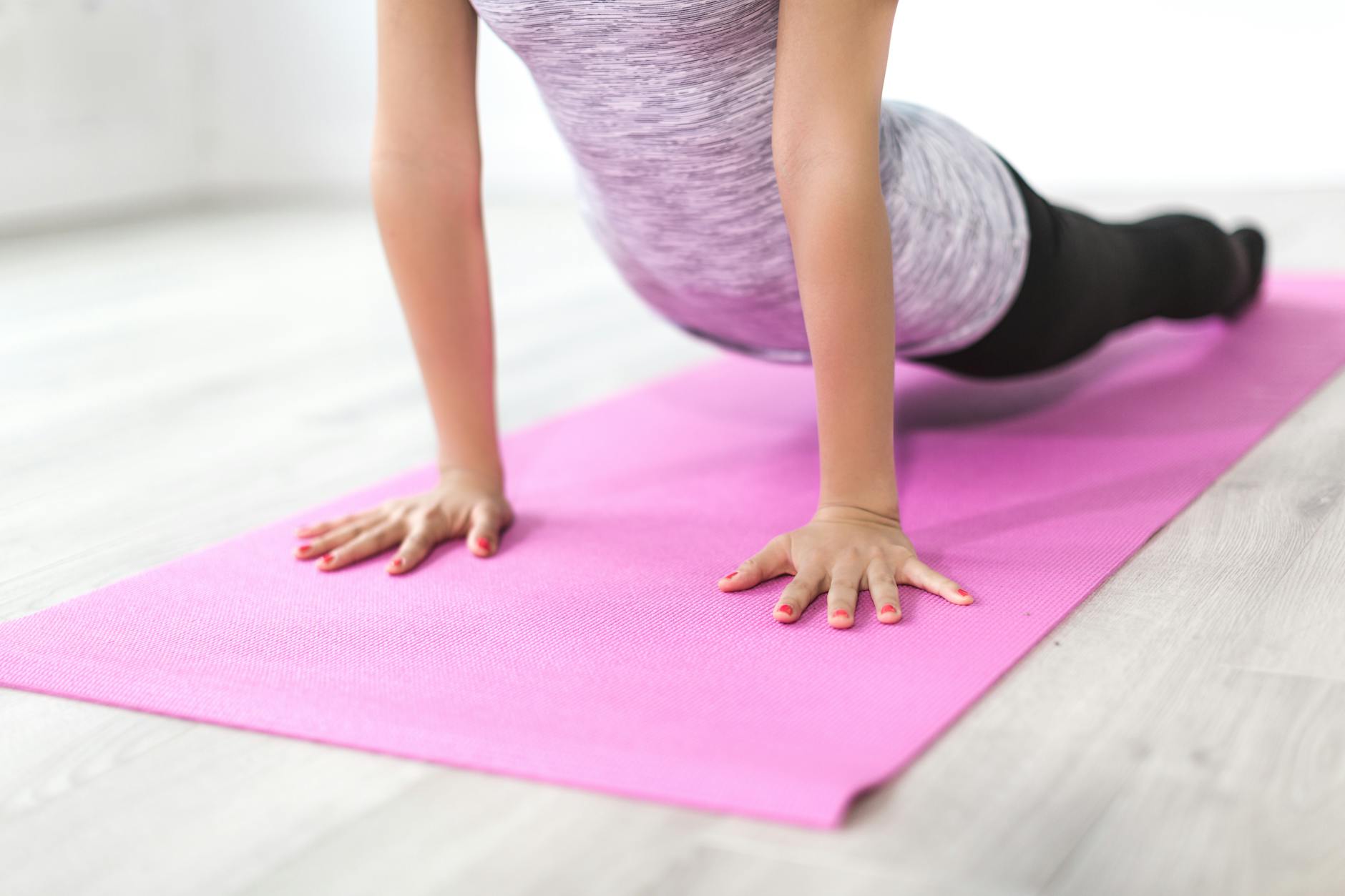
The pigeon pose creates a significant rotation at the knee if the hip is not flexible enough to accommodate the angle. Pushing the upper body weight down onto the bent front leg can torque the knee joint. This leverage can cause the meniscus to pinch or tear under the weight of the torso. The knee is a hinge joint and does not tolerate the twisting motion required by a deep pigeon pose. Performing this stretch on the back allows for better control and less knee strain.
Frog Jumps

Starting from a deep squat and jumping forward mimics the movement of a frog but destroys human knees. The deep flexion combined with explosive propulsion grinds the patella against the femur. Landing in the deep squat position again compounds the stress on the connective tissues. This exercise is often used in high-intensity interval training but is ill-suited for older adults. Standard squats or hops with limited range of motion are safer choices.
Single Leg Hops
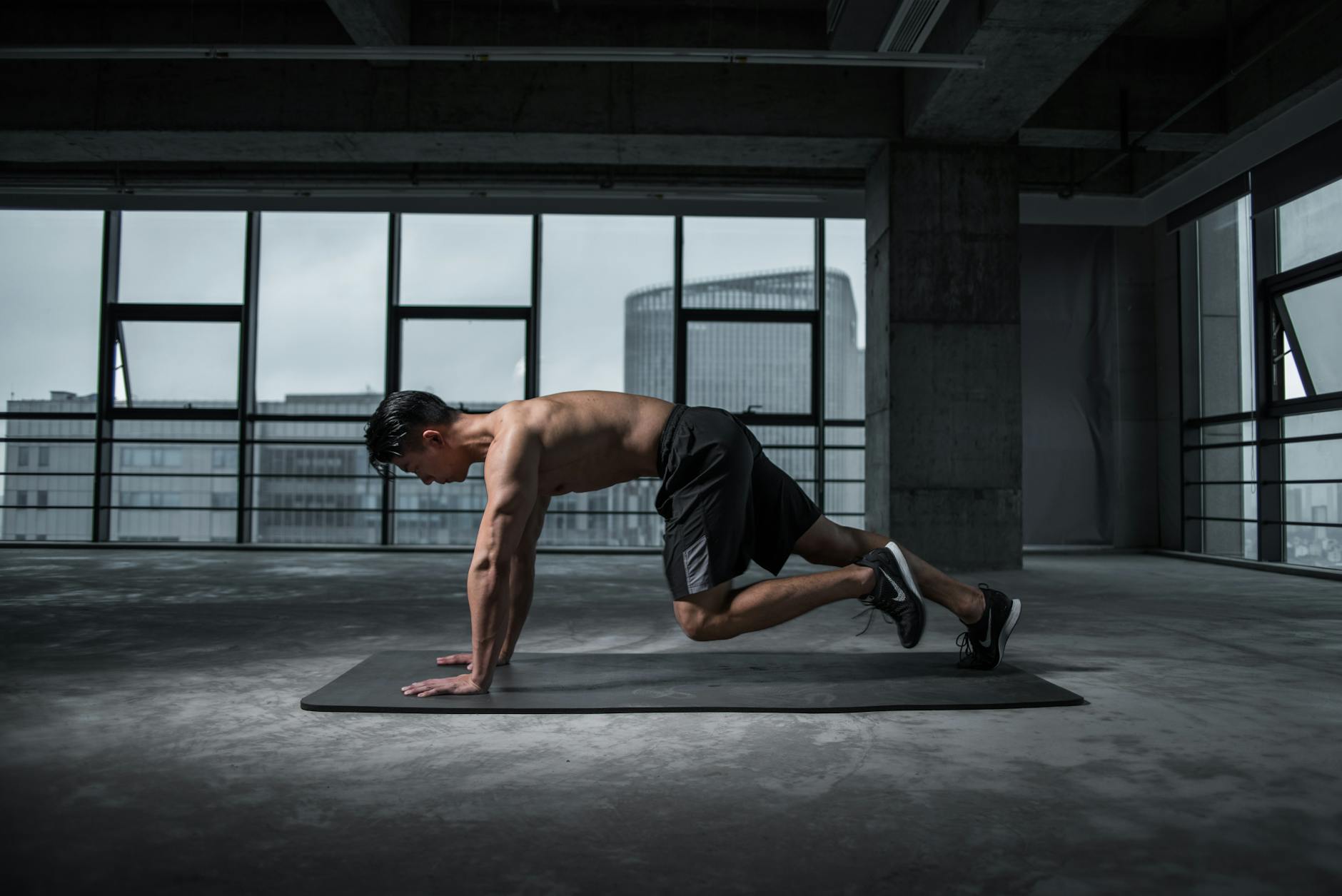
Hopping on one foot requires the ankle and knee to stabilize dynamic forces without support. The lateral instability can cause the knee to buckle or twist upon landing. This movement places high-velocity impact forces on a single joint surface. As balance declines with age the risk of a fall or ligament tear increases dramatically. Two-legged hopping drills distribute the force and provide a stable base of support.
Heavy Standing Calf Raises

Loading heavy weight onto the shoulders and locking the knees to isolate the calves is dangerous. The locked position compresses the knee joint and forces it into hyperextension. This creates a bone-on-bone situation that can lead to rapid cartilage deterioration. The heavy load also compresses the spine while the legs are in a rigid column. Keeping a micro-bend in the knees keeps the tension on the muscles and off the joints.
Deep Bulgarian Split Squats

Placing the rear foot on a bench and dropping the back knee to the floor creates an extreme stretch. If the stance is too short the front knee undergoes excessive shearing force. The hip flexor of the rear leg is often stretched beyond its comfortable limit which pulls on the knee. Balance issues can lead to twisting the knee while it is under a heavy unilateral load. Adjusting the depth and stance width makes this effective exercise much safer.
Cossack Squats

This exercise involves descending into a deep side squat while the other leg rotates onto the heel. The extreme depth requires flexibility that most adults over forty have lost. It places severe rotational and compressive stress on the squatting knee. The straight leg is also vulnerable to hyperextension if the movement is uncontrolled. Shallow side lunges provide similar lateral strengthening benefits without the joint risk.
Sumo Squats

Taking an excessively wide stance forces the knees to track at an extreme angle relative to the hips. If the knees collapse inward during the movement it places tremendous strain on the medial collateral ligaments. The wide base of support can feel stable but often masks poor alignment mechanics. Hip socket anatomy varies by individual and some cannot handle this width safely. A moderate stance allows for better alignment and safer knee tracking.
Please share your experiences with these exercises and suggest your favorite knee-friendly alternatives in the comments.