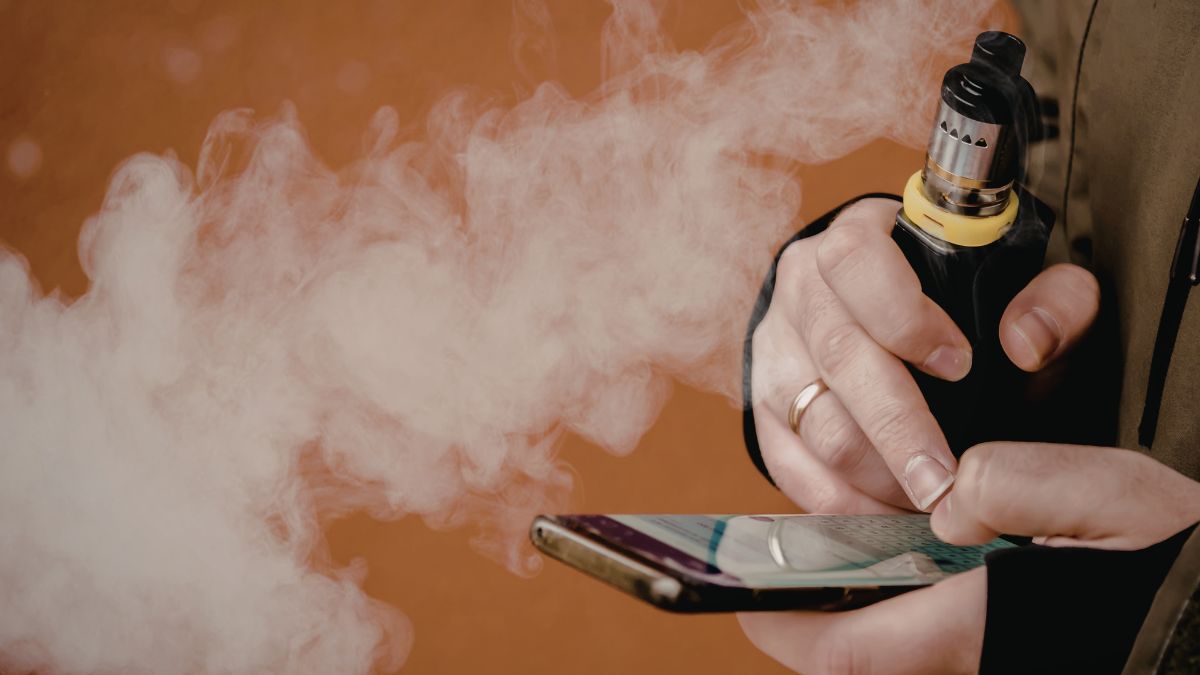
Young people today are turning away from classic cigarettes and alcohol toward modern, discreet alternatives that seem harmless at first glance. Products like e-cigarettes and nicotine pouches promise a cleaner experience without smoke or strong odors, making them easy to use in secret at school or home. These items often come in appealing fruit, menthol, or sweet flavors that attract teens who might otherwise avoid traditional tobacco. Experts warn that this shift creates a fresh wave of nicotine dependence among adolescents, with the industry outpacing regulations and targeting youth through clever marketing. Parents and educators frequently remain unaware until addiction takes hold.
E-cigarettes, also known as vapes, heat a liquid into an inhalable aerosol rather than burning tobacco. They come in disposable forms or rechargeable devices with replaceable cartridges full of flavored e-liquids. This design makes them feel modern and less intimidating than old-school smoking. Smilja Golomejić from the Croatian Public Health Institute points out that Croatian teens aged fifteen to sixteen show higher smoking rates than the European average, and while fewer start with e-cigarettes, those who do tend to use them regularly. Branka Polić, a pediatrician at the Children’s Clinic in Split’s University Hospital, highlights serious dangers including lung injuries from heated oils, such as inflammation, bleeding in the lungs, or conditions like lipid pneumonia. Nicotine itself harms developing brains, affecting learning, attention, impulse control, and mood while raising risks for future substance use and causing withdrawal symptoms like anxiety, irritability, and sleep problems.
Nicotine pouches represent an even stealthier trend spreading rapidly among youth. Users place these small white packets between the lip and gum, where nicotine absorbs directly into the bloodstream without any visible sign or smell. Social media influencers, sometimes called zynfluencers, promote them through fun videos and lifestyle content on platforms like TikTok. A single pouch can deliver up to twenty milligrams of nicotine, far more than the maximum one milligram from a typical cigarette, and a pack of eighteen pouches might contain three hundred sixty milligrams total. Branka Polić explains that mild effects include nausea, vomiting, increased saliva, and slowed heart rate, while severe risks involve high blood pressure, rapid heartbeat, seizures, and breathing difficulties. The undetectable nature makes parental oversight nearly impossible, allowing habits to form quietly and deeply.
Energy drinks add another layer to these emerging habits, packed with high caffeine, sugar, and stimulants like taurine or guarana. Although not yet banned for minors in Croatia, they contribute to issues such as rapid heart rate, insomnia, dehydration, anxiety, and long-term risks including obesity and kidney strain. Past generations hid cigarettes behind school buildings, but today’s youth conceal these products with no telltale signs, yet the core addiction mechanism remains the same. Society needs greater awareness and faster regulatory responses to protect developing minds from lifelong consequences.
What are your experiences or concerns with these trends among young people in the comments?