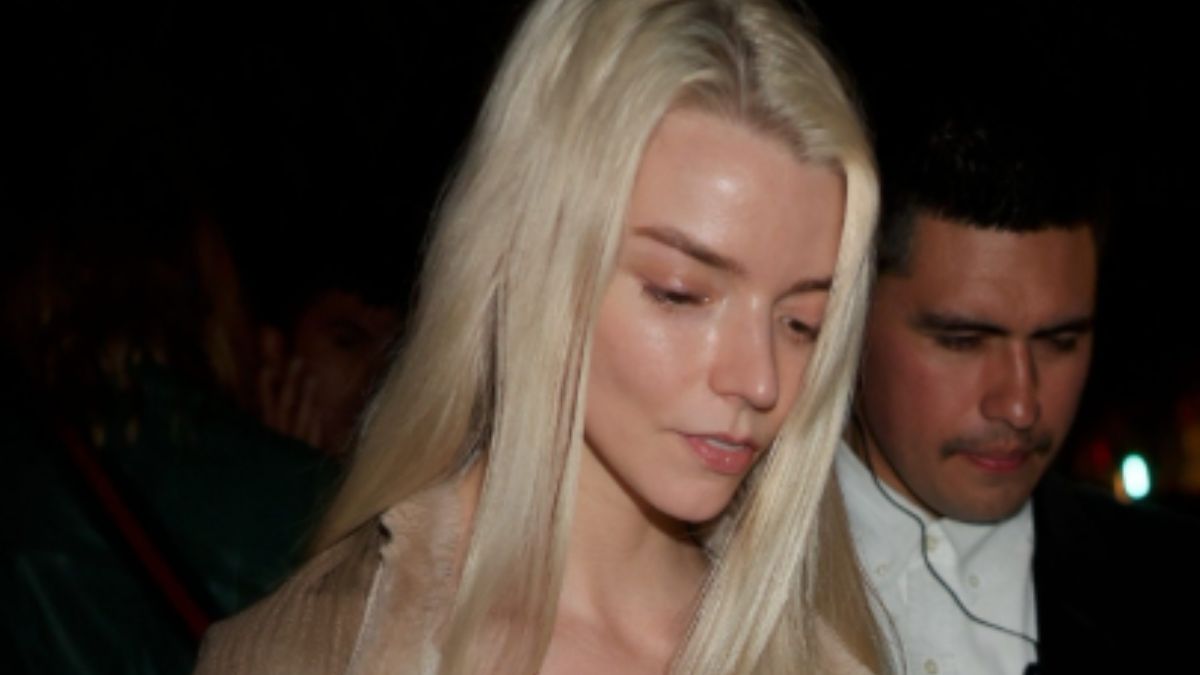
A short TikTok video from 22 year old Kacey Mathews has sparked a surprisingly intense argument about what counts as appropriate office wear in 2026. Mathews, who works as a customer service representative in Virginia Beach, showed an outfit built around a sweater, jeans, and sneakers. What looked like a normal day of getting dressed quickly turned into a wider conversation about professionalism, generational expectations, and the shifting reality of modern workplaces. The clip went viral and pulled millions of views, along with a flood of opinions from people with very different ideas of what “office ready” should mean.
Mathews said she is not in a client facing role, and that context matters when people judge how formal an outfit should be. In an interview with People, she described her approach as “testing the limits of ‘business casual’ everyday” while still staying within the norms of her workplace. She also pointed out that her office does not enforce dress rules strictly, which is increasingly common in smaller teams and behind the scenes roles. In environments like that, clothing often becomes less about tradition and more about being clean, presentable, and comfortable enough to work well.
The reaction online was split, and the disagreement was not really about one sweater or one pair of jeans. For some viewers, denim still signals weekend energy, even if the jeans are neat and paired with a polished top. Others saw the outfit as a realistic reflection of how many offices actually look now, especially in roles that happen away from customers and clients. As the comments piled up, it became clear that people were debating two different things at once, the literal definition of business casual and the unwritten rules of their own workplaces. Those two do not always match.
One reason this debate keeps resurfacing is that business casual has never had one universal standard. In one company, it can mean dress pants and a blazer with no tie. In another, it can mean dark jeans, simple sneakers, and a tidy sweater, especially when the job is focused on screens, calls, and internal teams. Office culture, industry norms, and even the city you work in can change the expectations dramatically. That is why one person’s normal work outfit can look “too casual” to someone else.
@kaceymathews #corporatelife #genz #workoutfit #businesscasual ♬ Ain't It Fun – Paramore
The viral moment also tapped into a larger question about who gets judged more harshly at work. One commenter on the discussion tied clothing choices to gender dynamics and workplace credibility, writing, “As women, we are so often underestimated and undervalued in the workforce.” That perspective reflects a long running pressure some women feel to dress slightly more formal than required in order to be taken seriously. Even as many workplaces become more relaxed, the fear of being dismissed based on appearance has not disappeared for everyone. The same outfit can be read differently depending on who is wearing it.
Mathews pushed back on the idea that effort and competence can be measured by how stiff or formal an outfit looks. She argued that work quality does not magically increase when someone swaps jeans for dress pants. In her view, the focus should stay on performance, reliability, and how you treat colleagues, not on whether your shoes are leather or canvas. She summed up her stance with a line that resonated with many supporters, “It’s 2026, let’s not worry about what other people are wearing.” For a lot of people, that statement feels like a reasonable update to outdated expectations.
The truth is that the world of work has changed quickly, and dress codes have changed with it. Remote work and hybrid schedules made comfort more normal, and many people returned to the office with a new baseline for what feels reasonable. At the same time, some companies have tightened standards again as a way to signal structure, brand image, or authority. That tension is why these outfit debates keep flaring up online. People are comparing different workplaces while assuming everyone is following the same rulebook.
In general terms, business casual is meant to be a middle ground between formal business attire and fully casual clothing. Traditionally, it includes items like collared shirts, blouses, sweaters, chinos, dress slacks, simple skirts, and closed toe shoes, with a cleaner and more polished look than weekend wear. Jeans are the most argued over item because some offices treat them as casual by definition, while others allow dark denim as long as it is neat and not distressed. The safest approach has always been to watch what respected coworkers wear, then match the most common level of formality in the room. If you are new to a job, it is usually easier to dress slightly nicer at first, then adjust once you understand the culture.
Another trend shaping this conversation is the rise of athleisure, which blends athletic comfort with everyday style. Leggings, hoodies, and sneakers have become normal daily wear for many people, and that has influenced what shows up in workplaces too. Some offices still draw a firm line against workout style clothing, while others accept it if the overall look is clean and appropriate for the tasks of the day. As clothing norms shift, the real question becomes less about strict categories and more about context, audience, and expectations. A finance office and a creative agency can both be professional while looking completely different.
Where do you think the line should be between comfort and professionalism at work, and how much should office culture override old definitions of business casual, share your thoughts in the comments.