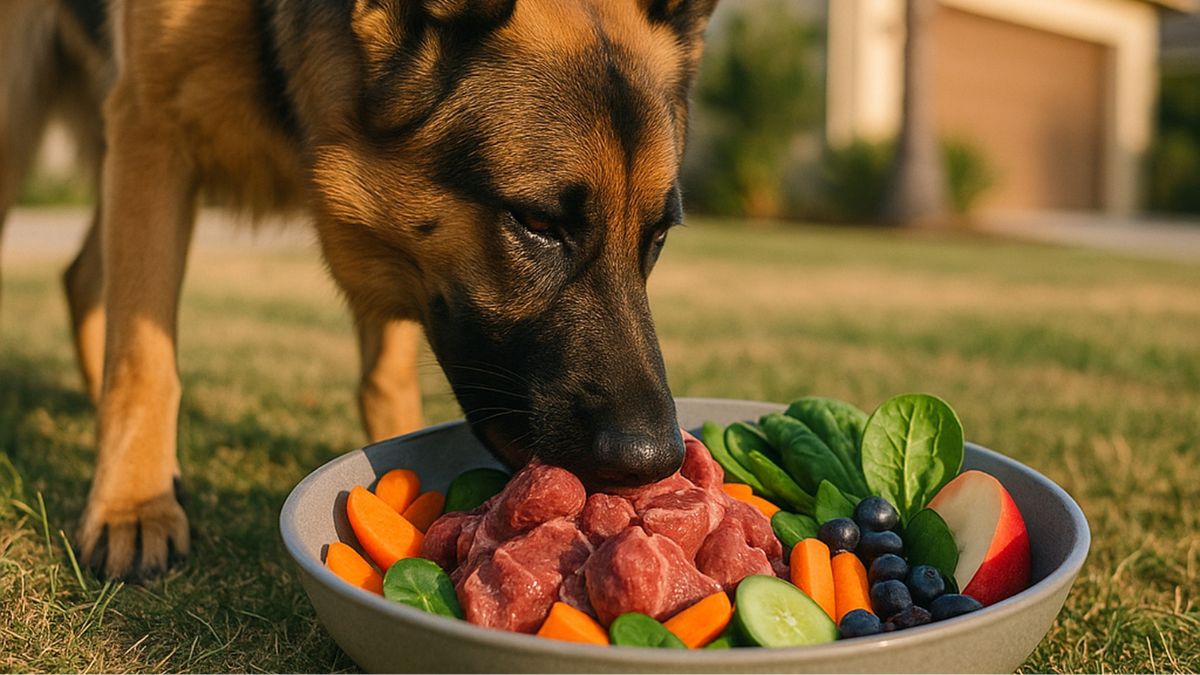
Many dog owners wonder about the best way to feed their furry companions, especially when trends like raw diets gain popularity. The choice matters greatly because proper nutrition supports a dog’s overall health, energy levels, and longevity. While some people turn to raw meat believing it mimics a natural way of eating, one veterinarian strongly advises against it for domestic pets. Ben Simpson-Vernon shared his firm stance on social media, pointing out that the risks far outweigh any potential upsides.
Ben Simpson-Vernon emphasized that dogs have evolved differently from their wild ancestors. He noted that your dog is not a wolf and should not be treated as one when it comes to meals. Claims about raw diets often rest on personal stories rather than solid research, with little scientific proof showing clear advantages over well-balanced commercial options. In contrast, plenty of evidence highlights the dangers involved.
Raw meat can harbor harmful bacteria, parasites, and pathogens that cooking would eliminate. These include threats like E. coli, salmonella, and even tuberculosis in some cases. Dogs eating raw food face health issues from these contaminants, but the problem extends beyond the pet. Cross-contamination becomes a real concern when dogs lick faces, leave traces around the home, or pass bacteria through their waste, putting family members at risk too.
Organizations like the PDSA point out that no reliable studies prove raw feeding surpasses traditional dog food in delivering benefits. Shinier coats, higher energy, or better digestion appear as common claims, yet these improvements often come from any complete and balanced diet suited to the dog’s life stage. Homemade or raw approaches make it challenging to guarantee all essential vitamins, minerals, and nutrients are present in the right amounts, which can lead to deficiencies over time.
A dog’s digestive system has adapted through domestication, differing from that of wolves in key ways. Wolves thrive on raw prey out of necessity, but they endure shorter lives and frequent issues with parasites or infections. Domestic dogs benefit more from formulated foods designed specifically for their needs based on age, size, and activity. Quality commercial options cover puppies, adults, and seniors, ensuring gradual transitions keep everything on track.
Certain foods should stay off-limits entirely because they prove toxic or deadly. Chocolate, caffeine, grapes, raisins, onions, garlic, leeks, chives, alcohol, macadamia nuts, and anything with the sweetener xylitol can cause severe harm. Sticking to trusted, complete dog food avoids these pitfalls while providing reliable nutrition without the guesswork.
Feeding decisions shape a dog’s quality of life in meaningful ways. Ben Simpson-Vernon bases his view on deep knowledge of pet nutrition, urging owners to prioritize safety and evidence over trends. Commercial foods offer a practical, safer path that meets modern dogs’ requirements effectively.
What are your experiences with your dog’s diet, and would you consider raw feeding or stick to commercial options? Share your thoughts in the comments.