It turns out that one of the most common habits in kitchens around the world might actually be shortening the life of your groceries. A TikTok user recently posted a video explaining how different sections of a refrigerator operate at different temperatures and humidity levels, and the clip quickly went viral after many viewers realized they had been organizing their fridges incorrectly for years. The advice sounds simple, but the reasoning behind it is surprisingly scientific and easy to act on once you understand how your appliance actually works.
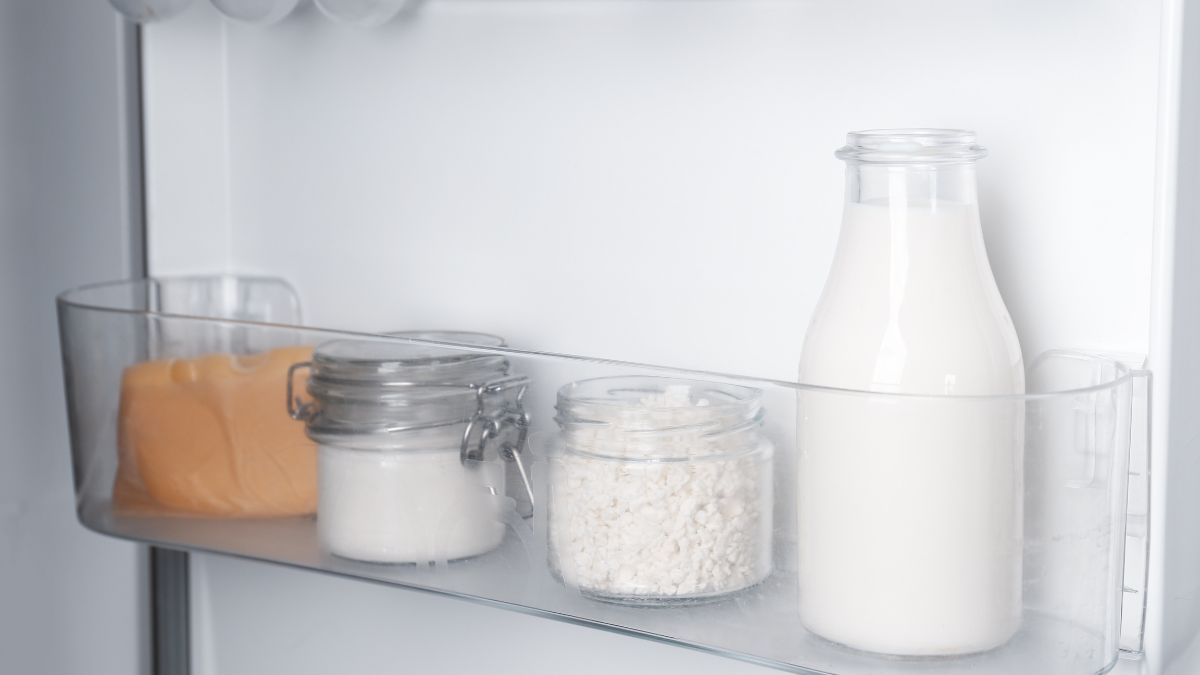
The biggest takeaway from the video is that the fridge door is the warmest part of the entire unit. Every time you open the refrigerator, the door is the first part to be exposed to warm room-temperature air, which means the temperature there fluctuates constantly throughout the day. Because of this, the door is not a safe home for anything that spoils quickly, and milk in particular should never be kept there despite the fact that most fridge doors come with a dedicated shelf that seems perfectly sized for a milk jug.
The door is actually well suited for items that contain natural preservatives or have a longer shelf life on their own. Condiments like ketchup and mayonnaise, salad dressings, sodas, and canned beverages are all reasonable candidates for door storage because they are formulated to withstand minor temperature variations. These products typically contain enough acid, salt, or sugar to remain stable even when the temperature shifts slightly every time someone reaches in for a snack.
For dairy like milk, raw meat, fish, and seafood, the correct spot is the lowest shelf pushed all the way toward the back of the fridge. Cold air naturally sinks downward, so the bottom rear of the refrigerator consistently holds the lowest and most stable temperature. Storing highly perishable items there gives them the best possible environment and significantly reduces the risk of early spoilage. Many viewers admitted in the comments that this simple insight explained why their groceries had been going bad faster than expected.
The upper shelves of a fridge sit at a slightly warmer but still stable temperature, making them appropriate for items that will be eaten within a few days. Eggs, leftovers from cooked meals, yogurt, cheese, and ready-to-eat foods all do well on these shelves since they do not require the absolute coldest conditions but still need consistent refrigeration. Keeping them toward the front also makes them visible and easy to reach, which helps reduce food waste by reminding you to actually eat what you have before it turns.
@weeklyhomecheck I used to store food on any open shelf in the fridge until I learned the method to keeping our food fresh is knowing where to place it. Different areas of our refrigerators have different temperatures, storing it in the right spot can help prevent spoilage, reduce food waste and save you money. What have you been storing incorrectly?
♬ original sound – 🏠 Weekly Home Check
The crisper drawers at the bottom of most refrigerators are designed with humidity control in mind, and using them correctly makes a noticeable difference. A high-humidity drawer is ideal for leafy greens like lettuce, spinach, and arugula because the moisture in the air prevents them from wilting and drying out. A low-humidity drawer, on the other hand, works better for fruits and firmer vegetables such as apples, bell peppers, and carrots, which can suffer from excess moisture and develop soft spots or mold more quickly in a wetter environment.
Proper refrigerator organization is something food safety experts and nutritionists have been recommending for decades, though the message clearly has not reached every household. The United States Food and Drug Administration recommends keeping a refrigerator at or below 40 degrees Fahrenheit to slow the growth of harmful bacteria. Raw meat, poultry, and seafood should always be stored on the lowest shelf to prevent any drips from contaminating other foods. Cross-contamination is one of the leading causes of foodborne illness at home, and something as simple as shelf placement can dramatically reduce the risk. The average American household throws away hundreds of dollars’ worth of food every year, and poor refrigerator organization is widely considered one of the primary contributors to that waste.
If you have been keeping milk on the door or storing raw chicken on an upper shelf, now is a good time to rethink your setup and share your own fridge organization habits or tips in the comments.