Navigating the complexities of modern fatherhood involves balancing traditional expectations with the evolving demands of a digital and socially conscious world. Black fathers often operate within a unique intersection of cultural heritage and systemic pressures that shape their daily interactions and long-term goals. Understanding these specific hurdles requires an objective look at societal structures and interpersonal dynamics that influence the parenting experience. This exploration highlights the resilience and adaptability required to foster healthy family environments in the face of persistent external and internal obstacles.
Racial Profiling and Public Perception

Societal biases frequently lead to unfair assumptions about the presence and involvement of Black fathers in the lives of their children. These stereotypes can result in increased scrutiny during routine activities such as visiting parks or attending school functions. Public interactions are often colored by preconceived notions that require fathers to be hyper-aware of their body language and tone. Navigating these spaces demands a constant effort to counteract negative imagery through visible and consistent engagement.
The Wealth Gap and Financial Stability

Historical disparities in wealth accumulation continue to impact the ability of many families to secure long-term financial foundations. Black fathers often face statistically lower wages and fewer opportunities for professional advancement compared to their counterparts. This economic pressure influences decisions regarding housing education and extracurricular opportunities for their children. Managing these financial constraints requires meticulous planning and often involves working multiple jobs to ensure family security.
Healthcare Inequities and Mortality Rates

Disparities in the medical field lead to different qualities of care and health outcomes for Black men and their families. Navigating a healthcare system where biases can affect diagnosis and treatment creates a layer of stress regarding physical well-being. Statistical trends show higher risks for certain chronic conditions which can impact the longevity and presence of the father figure. Fathers must often become proactive advocates to ensure their health concerns and those of their children are taken seriously by providers.
Emotional Vulnerability and Stoicism

Cultural expectations regarding masculinity often discourage the open expression of vulnerability or mental health struggles. Black fathers may feel pressured to maintain a facade of unshakable strength even when facing significant internal or external stress. This social conditioning can make it difficult to seek professional counseling or emotional support when needed. Breaking these cycles involves a conscious effort to redefine strength as including emotional intelligence and transparency.
Educational System Biases

Parents must frequently intervene when their children face disproportionate disciplinary actions or lower expectations in the classroom. Research indicates that Black students are often viewed through a more critical lens by educators which can hinder their academic progress. Fathers play a crucial role in monitoring these interactions and ensuring their children receive fair treatment and appropriate resources. This advocacy requires significant time and a deep understanding of institutional policies.
Media Representation and Tropes

The persistence of narrow or negative depictions of Black fatherhood in film and television influences how the public perceives these men. These portrayals often lean on outdated tropes that fail to capture the diversity and dedication of real-world fathers. Countering these images requires a deliberate effort to highlight positive and multifaceted stories within the community. Fathers often find themselves working against a tide of media-driven misconceptions that do not reflect their lived experiences.
Workplace Microaggressions

Navigating professional environments often involves managing subtle or overt forms of exclusion and bias. Black fathers may find that their commitment to family is questioned more frequently when they request flexible hours or parental leave. The pressure to outperform peers to prove competence creates an additional mental load that can lead to burnout. Balancing these career demands with active parenting requires navigating complex corporate cultures that are not always supportive.
Criminal Justice System Disparities

The statistically higher likelihood of interactions with law enforcement creates a persistent background of anxiety for many men. These systemic issues influence how fathers teach their children about safety and civic rights from a very young age. The fear of being separated from the family due to legal inequities is a heavy psychological burden. Constant vigilance is often required to navigate environments where the margin for error is perceived to be much smaller.
Housing Discrimination and Redlining

The long-term effects of discriminatory housing policies still influence the neighborhoods where many families reside today. Black fathers may face challenges when trying to secure mortgages or rent in areas with higher property values and better amenities. These barriers affect access to quality local schools and safe recreational spaces for their children. Overcoming these obstacles often requires navigating a real estate market that still harbors hidden biases.
Mental Health Stigma
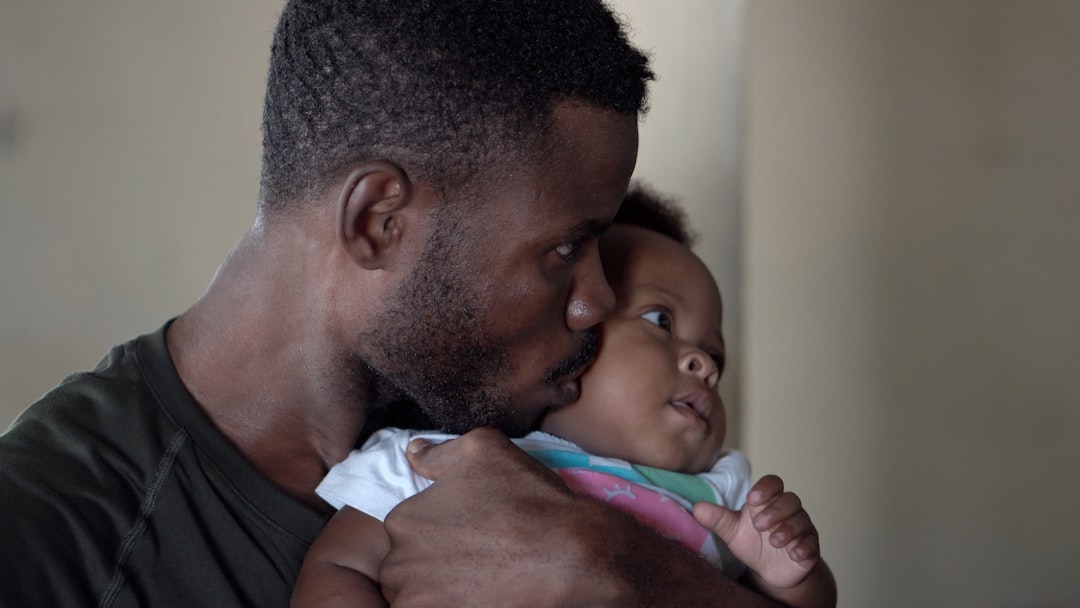
Accessing mental health resources is often complicated by a lack of diverse providers who understand specific cultural nuances. There is a historical mistrust of medical institutions that can prevent men from seeking help for anxiety or depression. The internal struggle to balance personal well-being with family leadership often goes unaddressed. Creating a supportive environment for mental health requires dismantling long-standing stigmas within both the community and the broader healthcare system.
Co-Parenting in Different Households

Managing parental responsibilities across separate residences requires high levels of communication and emotional maturity. Legal systems sometimes default to traditional views that may not fully recognize the vital role of the father. Establishing consistent routines and shared values between households can be a complex logistical and emotional task. Successful co-parenting in these circumstances depends on navigating personal differences for the ultimate benefit of the children.
Lack of Mentorship Networks
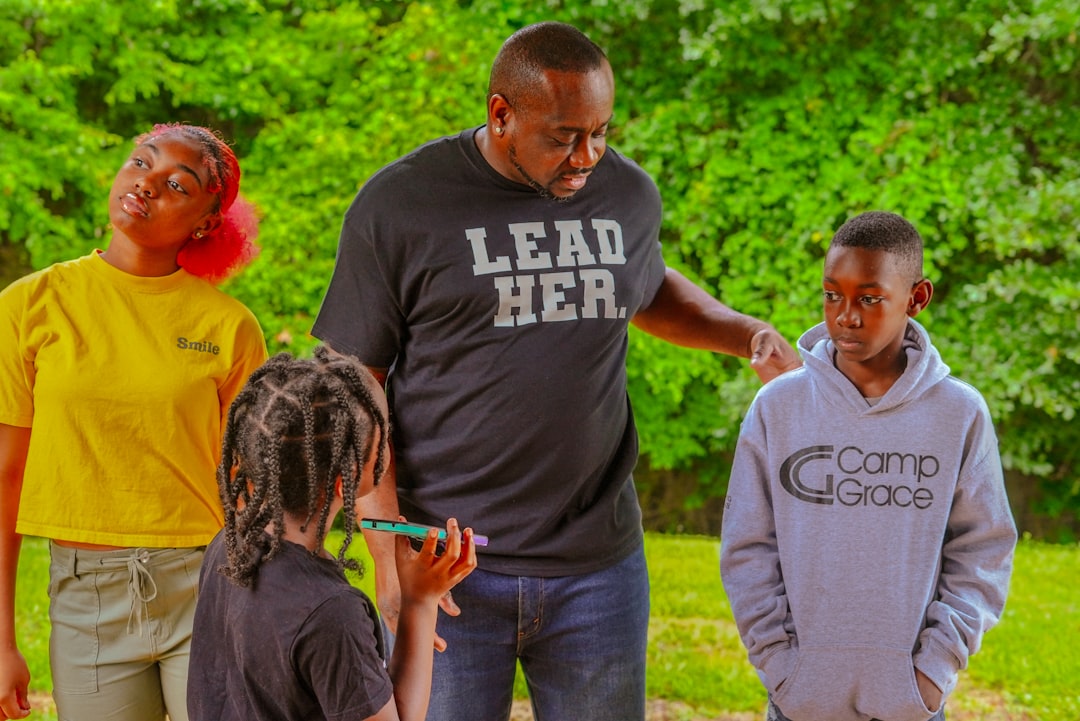
Finding older role models who have successfully navigated similar societal challenges can be difficult in certain professional or social circles. The absence of structured mentorship programs specifically for Black fathers can lead to a sense of isolation. Many men must seek out or create their own support systems to share advice and experiences. Building these networks is essential for fostering community resilience and passing down parenting wisdom.
Digital Privacy and Online Safety

Monitoring the digital footprint of children is a modern challenge that requires constant technological literacy. Black fathers must be particularly aware of how their children are treated in online spaces where anonymity can embolden bias. Balancing the benefits of technology with the risks of cyberbullying and predatory behavior is a daily task. Ensuring that children have a healthy relationship with social media involves both setting boundaries and modeling responsible behavior.
Educational Funding Disparities
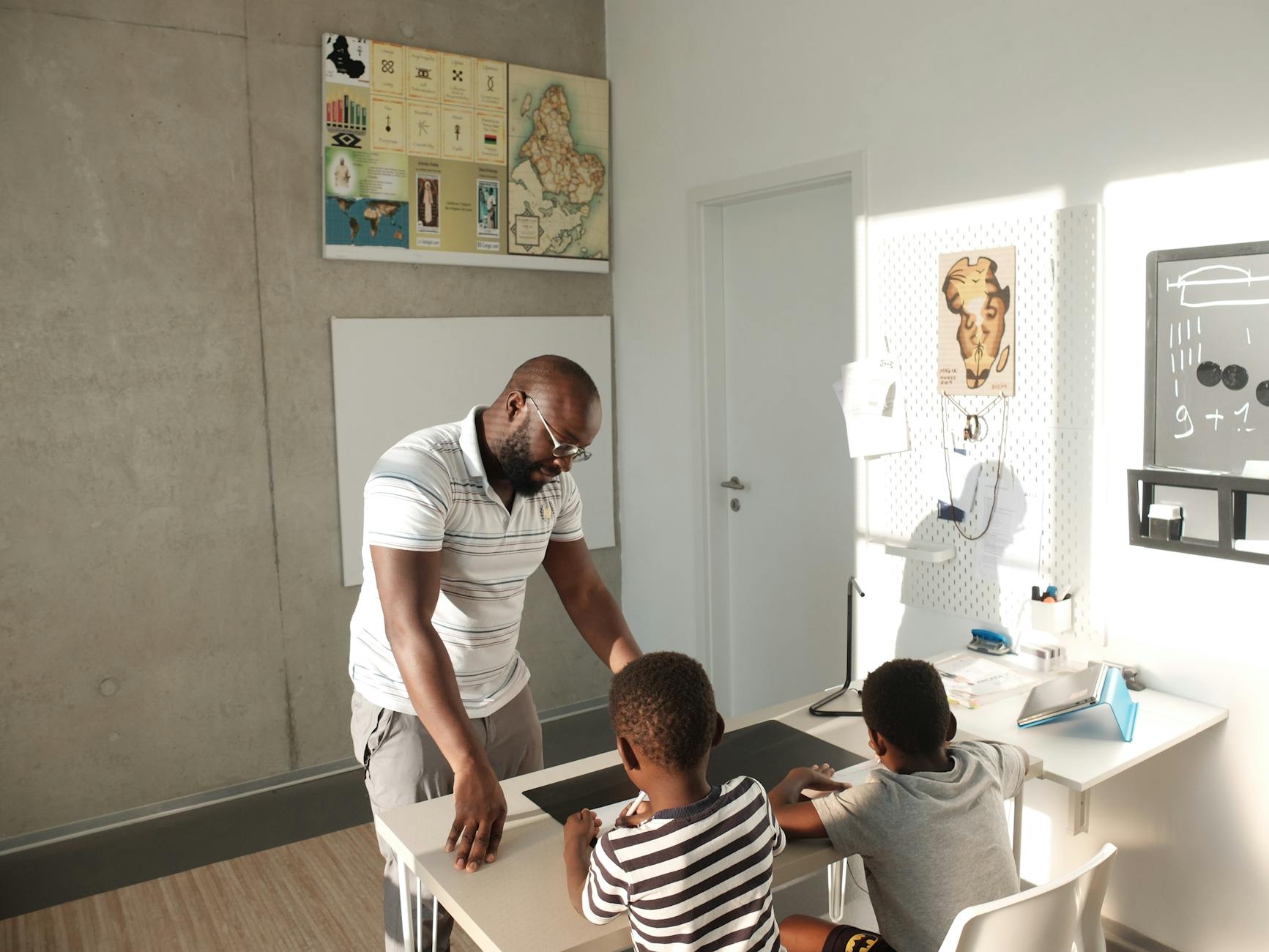
The reliance on local property taxes for school funding often results in fewer resources for districts in historically marginalized areas. Fathers must often supplement their children’s education with external tutoring or private programs to bridge the gap. This necessity places an additional financial and time-sensitive strain on the household. Advocating for better funding and resources within the local school board is a common responsibility.
Cultural Identity Preservation

Teaching children to take pride in their heritage while navigating a society that may undervalue it is a delicate balance. Fathers work to instill a strong sense of self and history to buffer against external negativity. This involves curating books media and experiences that reflect positive cultural identities. Maintaining these traditions requires a proactive approach to education and community involvement.
Intergenerational Trauma

Addressing the psychological impact of past societal injustices is a significant aspect of modern parenting. Fathers often work to break cycles of trauma that have been passed down through previous generations. This process involves recognizing triggers and implementing healthier coping mechanisms for the entire family. Healing from these historical wounds is a long-term commitment that influences parenting styles and family communication.
Neighborhood Safety Concerns

Ensuring the physical safety of children in urban or underserved areas can involve navigating complex local dynamics. Fathers often take on the role of protectors who must be constantly aware of changes in the local environment. This responsibility includes teaching children how to identify and avoid potential dangers while maintaining a sense of normalcy. Balancing safety with the need for children to explore and play requires constant assessment.
Paternity Leave Barriers
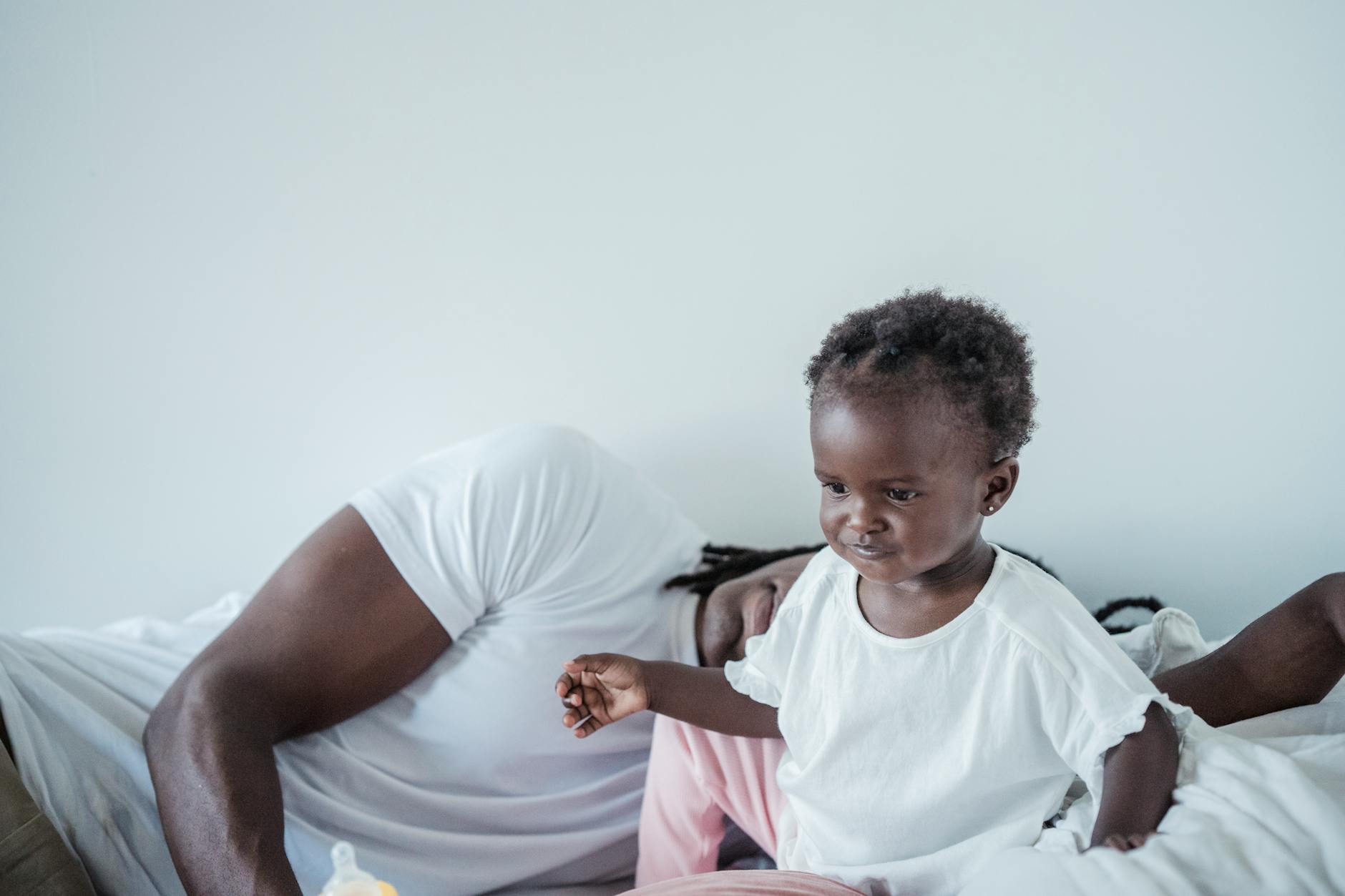
Taking time off to bond with a newborn is often hindered by workplace cultures that prioritize constant presence. Black fathers may face more significant pushback or negative career consequences for taking full parental leave. The financial impact of unpaid or underpaid leave is a major factor in these decisions. Advocating for fair leave policies is essential for establishing early bonds and supporting the mother’s recovery.
Access to Healthy Food

Living in areas classified as food deserts makes it difficult to provide consistent nutritional meals for a growing family. The higher cost of fresh produce and the abundance of processed options create a challenge for maintaining physical health. Fathers often spend extra time and resources traveling to distant grocery stores to find quality ingredients. Managing a family’s diet under these conditions requires significant effort and planning.
Language and Code-Switching

The need to adapt speech and behavior to fit into different social or professional settings is a common experience. Fathers often teach their children how to navigate these environments to avoid negative labels or professional setbacks. This constant adaptation can be mentally exhausting and may lead to questions of authenticity. Balancing the preservation of cultural vernacular with the demands of formal settings is a lifelong task.
The Digital Divide

Unequal access to high-speed internet and modern computing devices can put children at a disadvantage in a tech-driven world. Fathers must often find creative ways to ensure their children have the tools necessary for modern schooling. This might involve frequent trips to libraries or investing in expensive hardware despite other financial pressures. Ensuring technological parity is a key factor in future academic and career success.
Underrepresentation in School Leadership
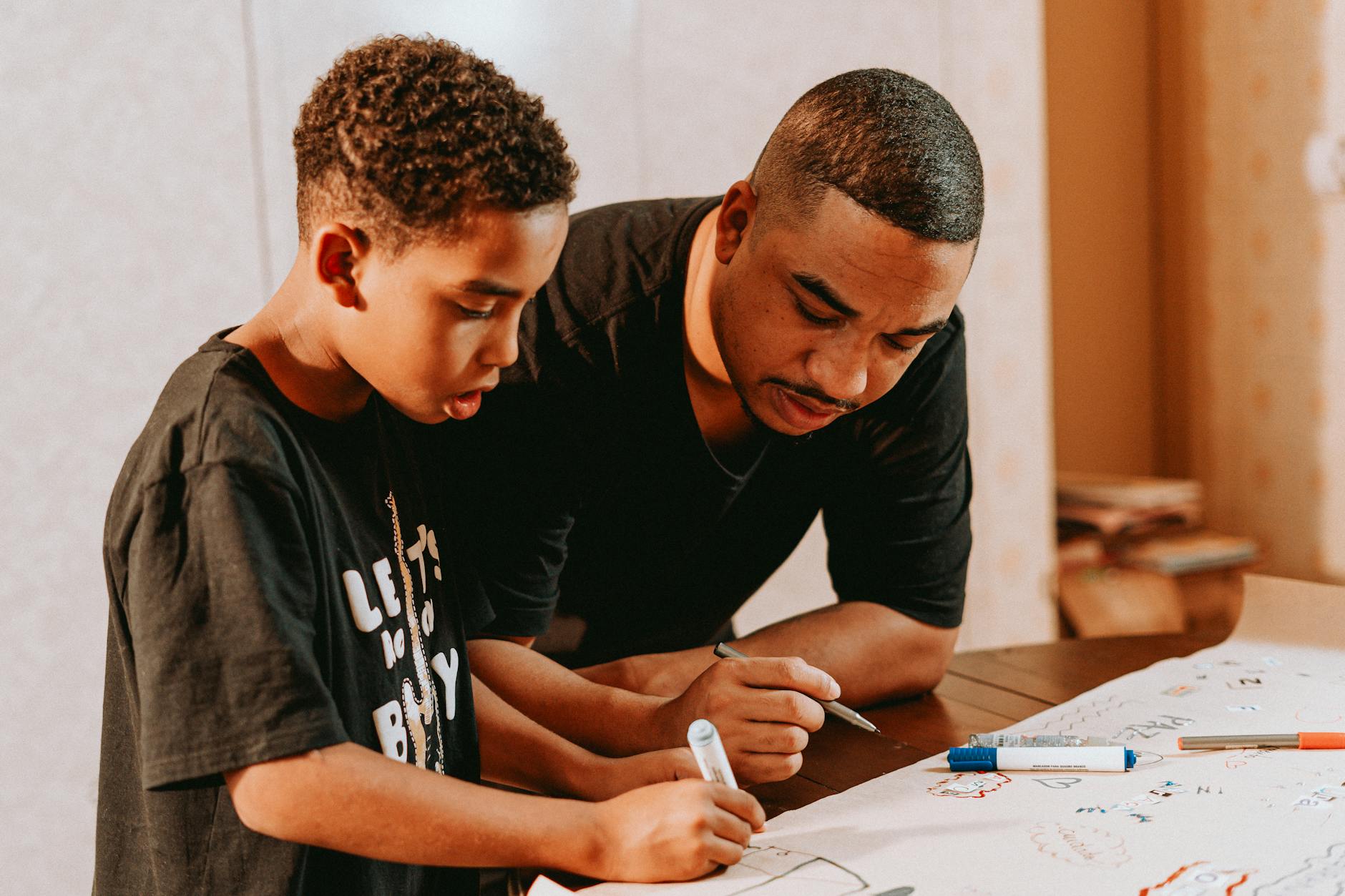
The lack of Black male educators and administrators can result in a lack of relatable role models for children. Fathers often have to be more present in school activities to provide that missing representation themselves. This involvement helps to ensure that the perspectives of Black families are considered in school policy decisions. Being an active participant in the school community is a vital way to influence the educational environment.
Legal System Navigation
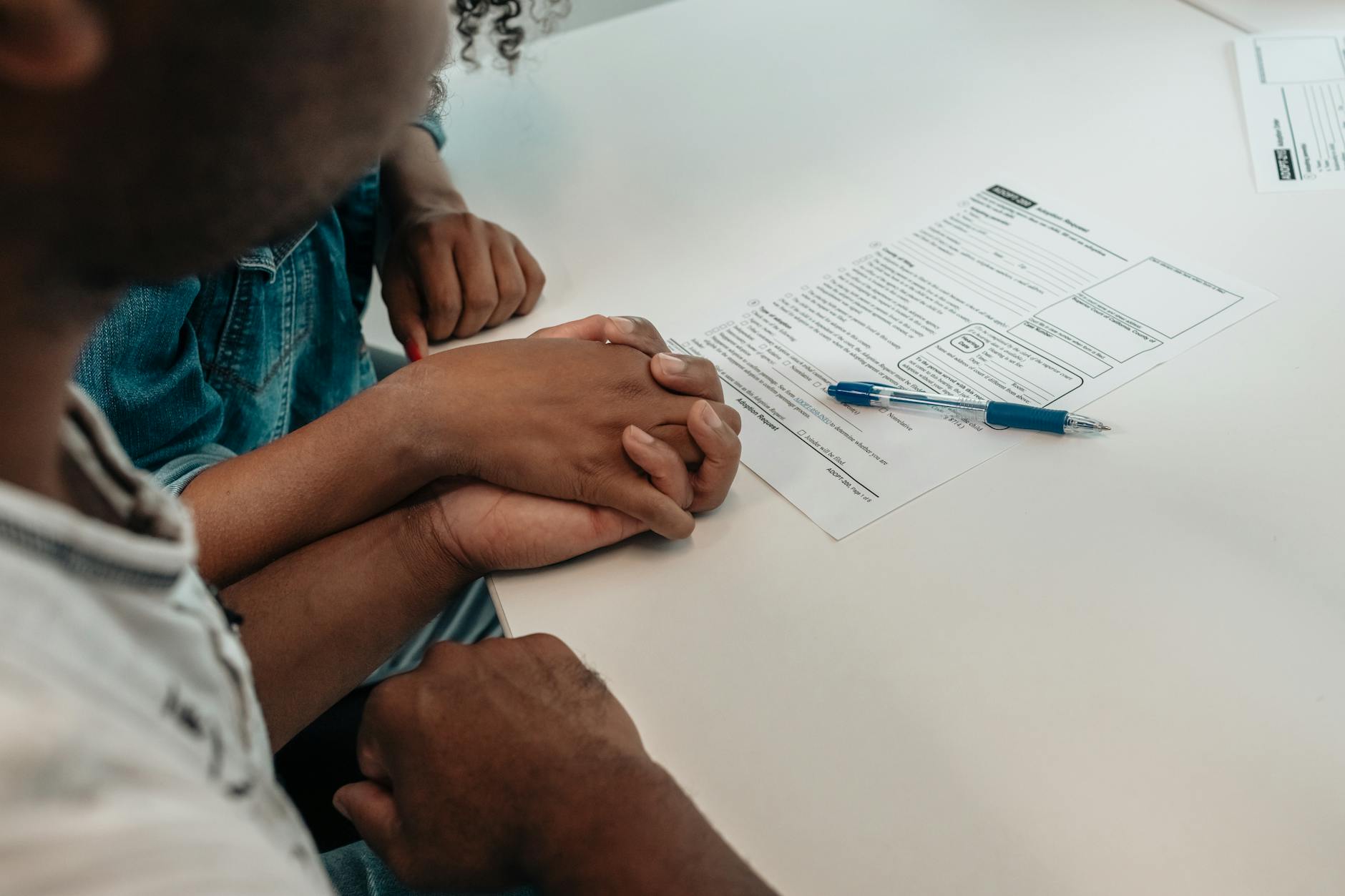
Fathers seeking custody or visitation rights often face a legal system that holds unconscious biases against them. Navigating the paperwork and court appearances required to maintain a legal presence in a child’s life can be daunting. The high cost of legal representation adds another layer of difficulty to these situations. Persistence in these matters is necessary to ensure the father-child bond is legally protected.
Environmental Hazards
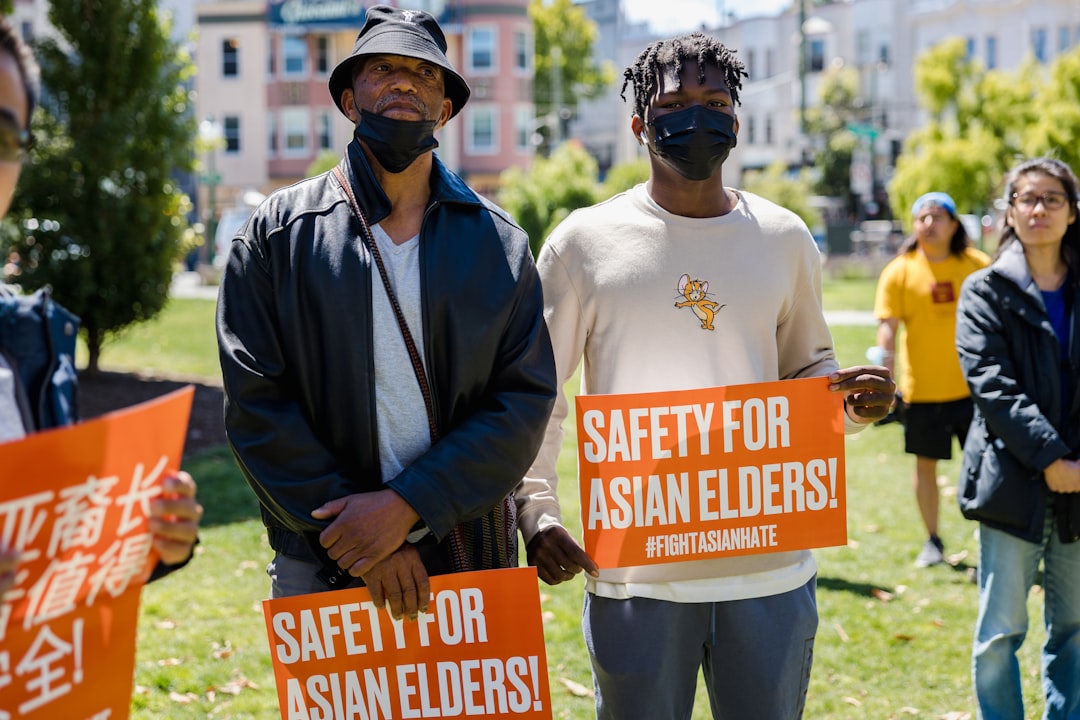
Families in certain areas may be more exposed to environmental pollutants due to industrial zoning and poor infrastructure. Black fathers often have to monitor local air and water quality to protect their children’s health. This advocacy can involve participating in local government meetings to demand better environmental protections. Ensuring a clean and safe living environment is a fundamental but often challenging task.
Hyper-Masculinity Pressures

Resisting the urge to conform to narrow definitions of manhood is a constant internal and external struggle. Fathers work to show their children that empathy and kindness are just as important as physical strength. This involves modeling a balanced version of masculinity that embraces a full range of human emotions. Challenging these traditional norms is essential for raising well-rounded and emotionally healthy children.
Professional Networking Gaps

The lack of access to high-level professional networks can limit career growth and the ability to provide for the family. Black fathers often have to work harder to build the connections that others might inherit through family or social circles. This networking is crucial for finding better job opportunities and securing financial stability. Building these bridges requires consistent effort and navigating spaces where they may be underrepresented.
Insurance and Financial Planning

Securing adequate life and health insurance is a vital part of protecting the family’s future. Black men sometimes face higher premiums or limited options based on statistical health risks and geographic factors. Navigating the complexities of estate planning and investments is necessary to build generational wealth. This long-term focus requires a deep understanding of financial instruments and market trends.
Community Displacement and Gentrification

The rising cost of living in historically Black neighborhoods can force families to move away from their support networks. Fathers must manage the stress of potential displacement while trying to maintain a stable environment for their children. Moving to new areas often means finding new schools and community resources from scratch. Preserving a sense of community in the face of rapid neighborhood change is a difficult task.
The School-to-Prison Pipeline

Awareness of the systemic pathways that lead from school discipline to the legal system is a major concern. Fathers must stay vigilant regarding how their children are treated by school resource officers and administrators. Proactive communication with the school is necessary to prevent minor infractions from escalating into legal issues. Protecting children from these systemic traps requires constant engagement and advocacy.
Implicit Bias in Standardized Testing

The reliance on tests that may have cultural biases can impact a child’s placement in advanced or gifted programs. Fathers often have to advocate for their children’s intelligence and potential beyond what a single test score shows. This involves working with teachers to ensure a more holistic view of the child’s abilities is used for placement. Ensuring fair assessment is a key part of supporting academic growth.
Limited Parental Support Groups

Finding groups specifically for Black fathers to discuss their unique challenges can be difficult in many areas. The lack of these spaces can lead to a feeling that one is navigating parenthood entirely alone. Seeking out online communities or starting local groups is often the only way to find this specialized support. These groups provide a vital outlet for sharing strategies and emotional encouragement.
Career Path Guidance
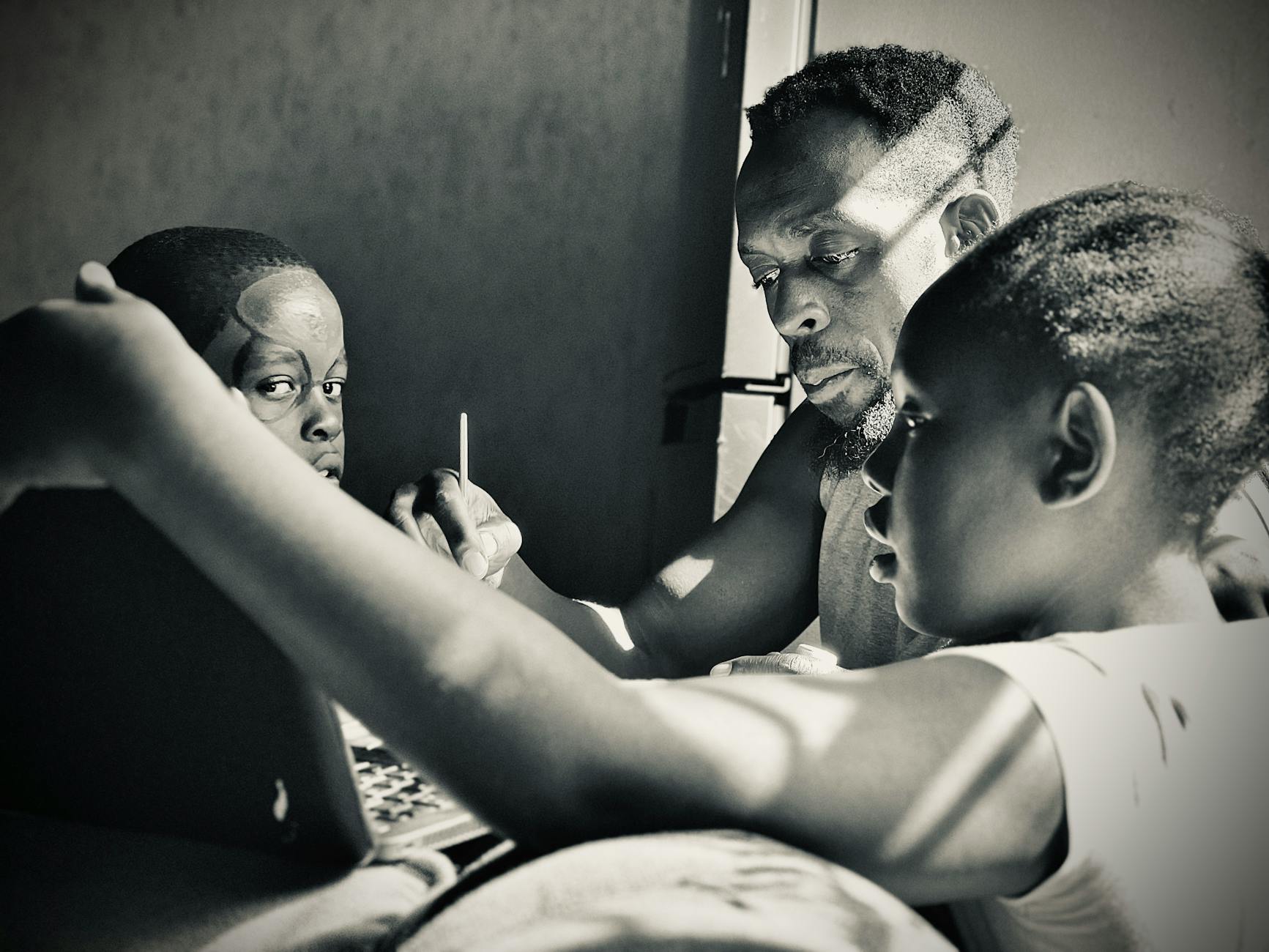
Advising children on career choices involves weighing personal passions against the reality of market demands and potential biases. Fathers work to provide a realistic view of the professional world while encouraging their children to pursue their dreams. This guidance often includes teaching children how to handle workplace dynamics they may encounter in the future. Providing this roadmap is a key responsibility for long-term success.
Public Safety and Police Interactions

The necessity of having “the talk” about how to interact with law enforcement is a sobering reality for many families. Fathers must balance the need for safety with the desire to let their children grow up without constant fear. These conversations are a critical part of ensuring a child’s physical safety in a complex social landscape. Navigating these discussions requires sensitivity and a deep understanding of the current social climate.
Access to Specialized Healthcare

Finding specialists who are familiar with specific health issues that disproportionately affect Black men can be a hurdle. This includes everything from dermatological conditions to specific genetic predispositions. Fathers must often do extensive research to find providers who offer culturally competent and effective care. Ensuring the best medical outcomes requires a proactive and informed approach to the healthcare system.
Social Media Scrutiny

The way Black fatherhood is discussed and judged on social media can create additional pressure to perform a certain way. Viral videos and trends often simplify complex family dynamics into soundbites or short clips. Fathers must navigate this digital landscape while protecting their family’s privacy and dignity. Maintaining a focus on real-world parenting over digital perception is a constant modern challenge.
Retirement Security

Planning for a stable retirement while supporting the current needs of the family is a difficult balancing act. Statistical trends show that Black men often have less saved in employer-sponsored retirement plans. Fathers must be diligent in their personal savings and investment strategies to ensure they are not a burden on their children later in life. This foresight is a key component of overall family leadership.
Voting Rights and Civic Engagement
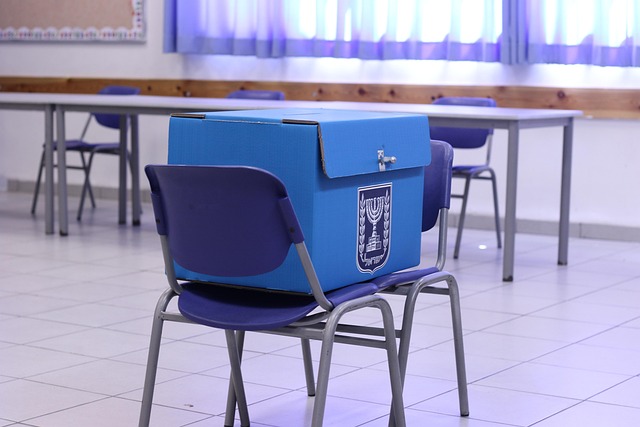
Encouraging children to participate in the democratic process while acknowledging historical and current barriers to voting is a complex lesson. Fathers model civic engagement by staying informed about local and national elections and policies. This involves teaching children the importance of their voice in a system that has not always been inclusive. Active participation in the community sets a standard for future generations.
Parental Stress and Self-Care

Finding time for personal rejuvenation is often a low priority when compared to the needs of the family and career. The cumulative effect of navigating societal challenges can lead to high levels of stress and physical exhaustion. Fathers must consciously make space for self-care to remain effective leaders in their homes. Prioritizing one’s own health and peace of mind is essential for the long-term well-being of the entire family.
Please share your thoughts on the most significant challenges facing fathers today in the comments.