Kitchen drawers often become a graveyard for useless objects that accumulate over years of cooking and living. This clutter hinders efficiency and makes finding essential tools a daily frustration for home cooks. Clearing out these specific items will restore order to your culinary workspace immediately. A streamlined kitchen environment promotes better cooking habits and reduces stress during meal preparation.
Expired Coupons
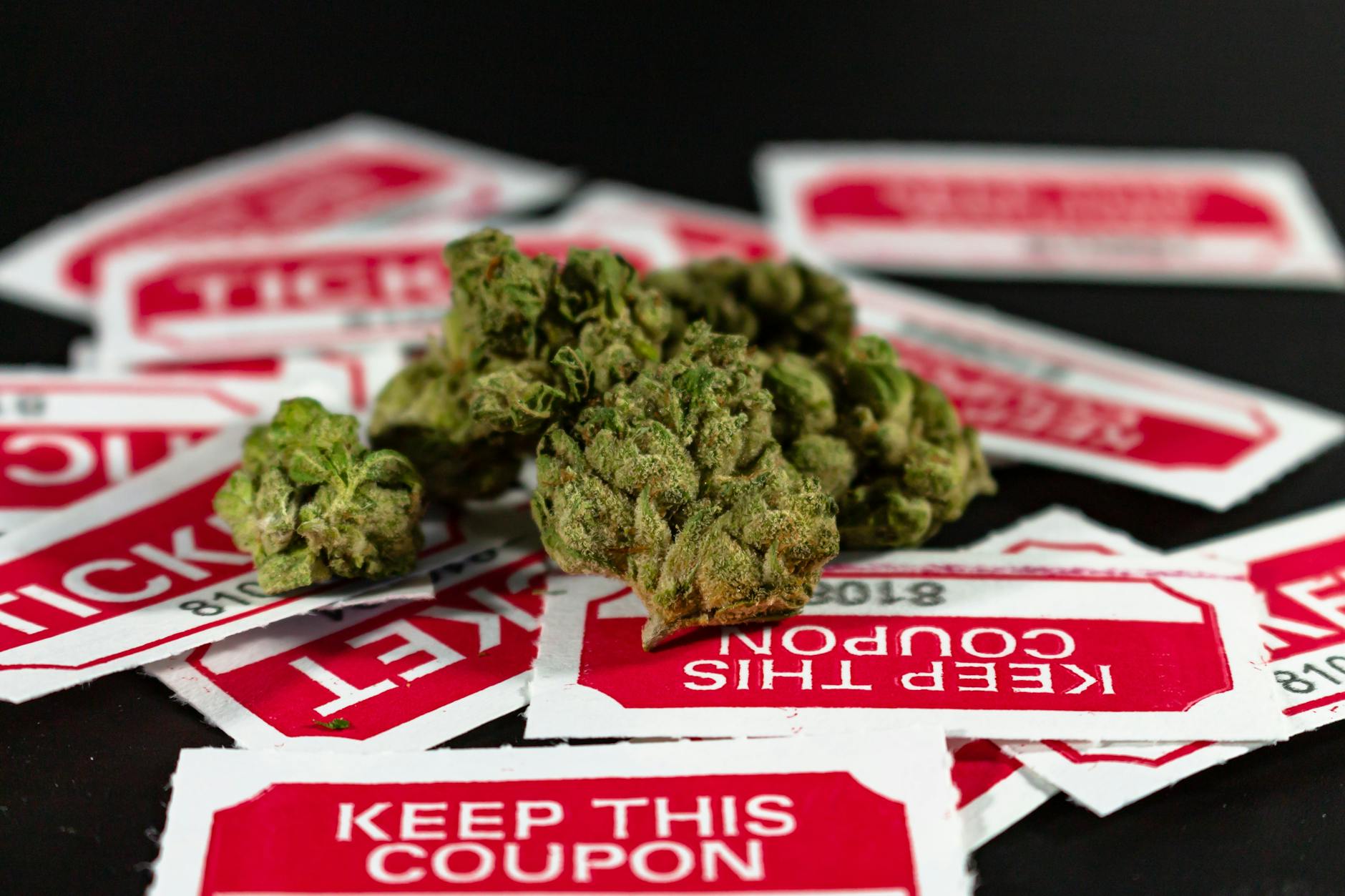
Paper coupons often sit in drawers long past their expiration dates and become useless clutter. You likely intended to use them but forgot they existed until it was too late. Most retailers now offer digital alternatives that load directly onto your smartphone or loyalty card. keeping these slips of paper only creates visual noise in your organization system.
Takeout Menus
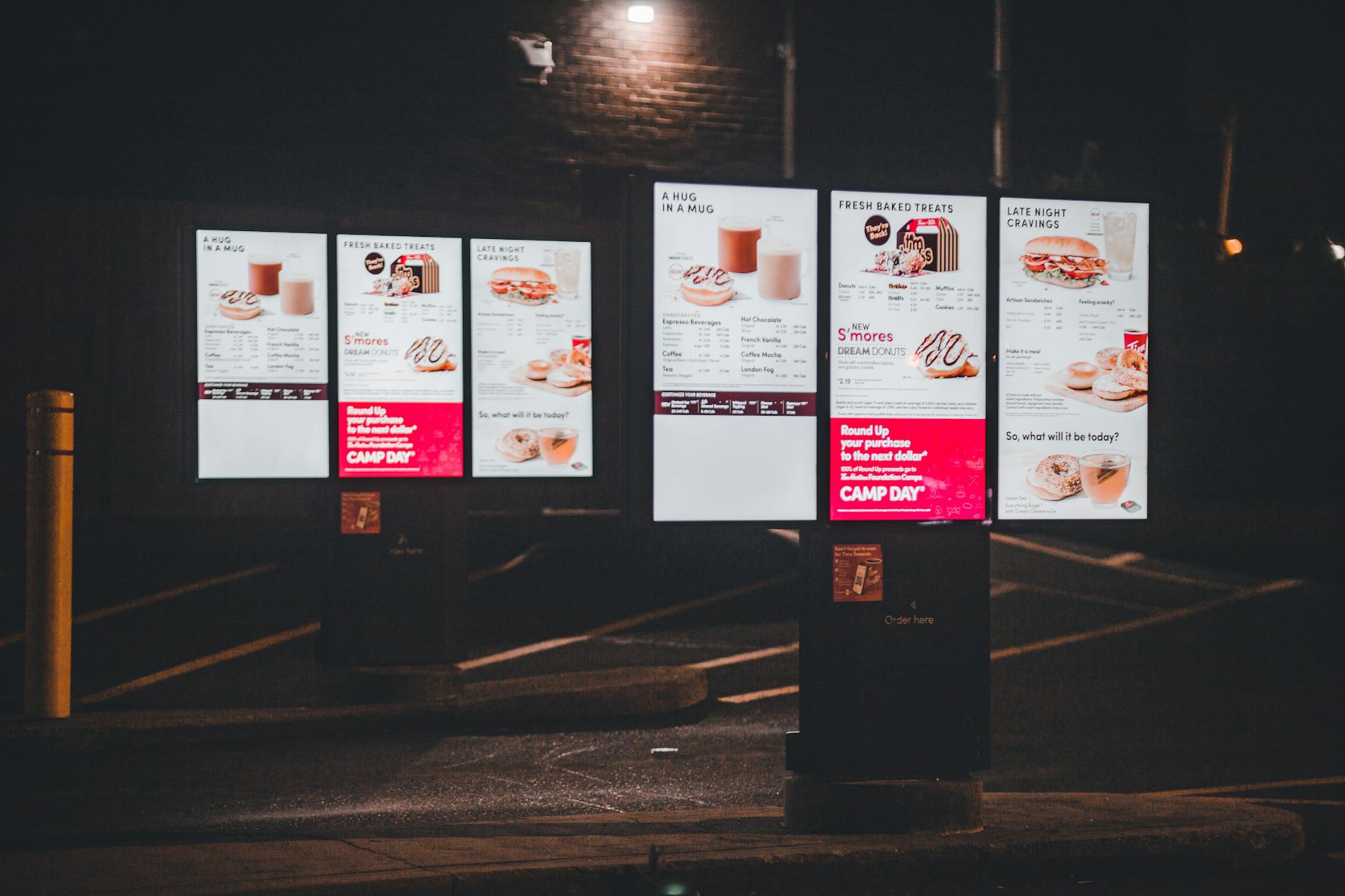
Restaurants usually upload their current menus and pricing to their websites or delivery apps. Physical menus take up valuable drawer space and often feature outdated prices or discontinued dishes. You can recycle these paper flyers to make room for kitchen tools you actually use. Relying on digital versions ensures you always have the most accurate information before ordering.
Duplicate Measuring Cups
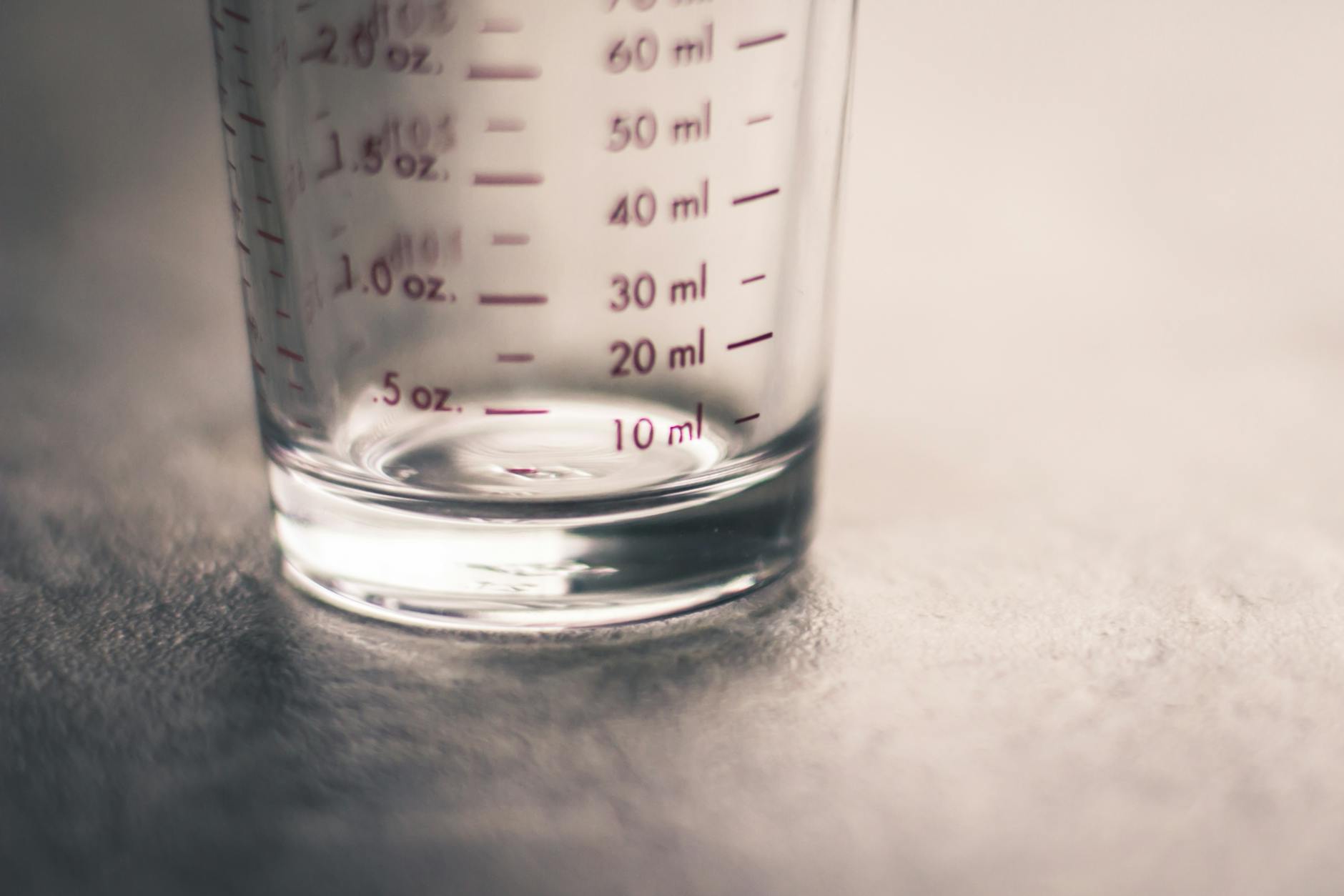
Most home cooks only need one reliable set of measuring cups for daily meal preparation. Extra cups often come from old sets where other pieces went missing or broke. These orphans rattle around in drawers and make it harder to find the specific size you need. Donating the mismatched extras clears space and simplifies your baking process.
Warped Food Containers
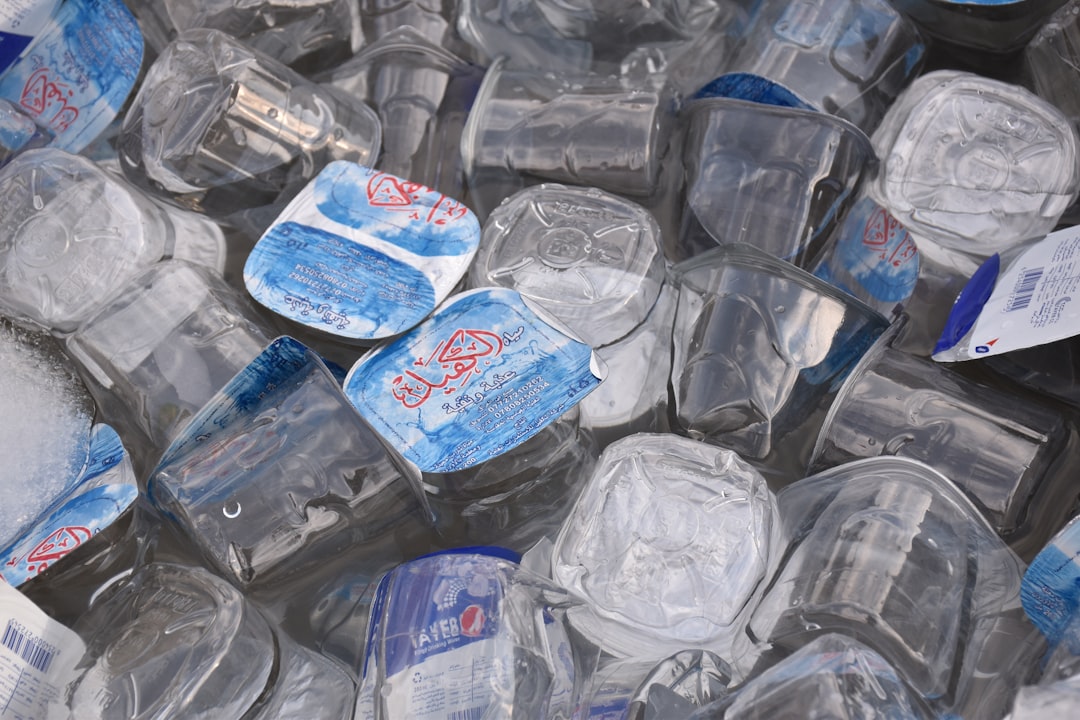
Plastic storage containers eventually lose their shape after too many cycles in the dishwasher. These warped vessels rarely seal properly and can cause leaks or food spoilage. You struggle to match them with lids because the dimensions no longer align correctly. Discarding damaged containers protects your leftovers and keeps your storage drawer tidy.
Fast Food Sauce Packets
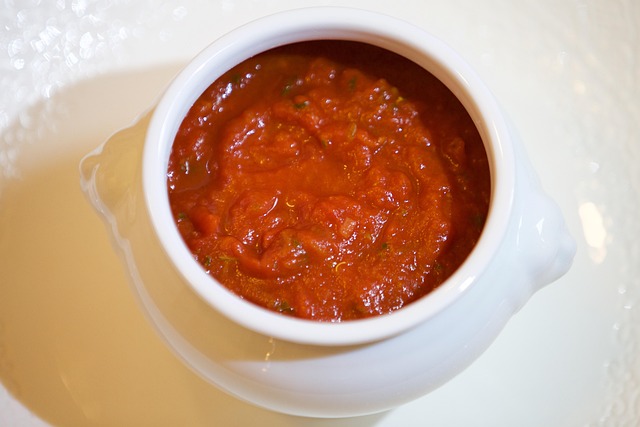
Drive-through windows often provide handfuls of condiments that end up tossed in a drawer. These packets degrade over time and the plastic eventually breaks down or leaks. You almost certainly have a fresh bottle of the same sauce in your refrigerator door. Throwing these away eliminates a sticky mess waiting to happen.
Broken Bag Clips
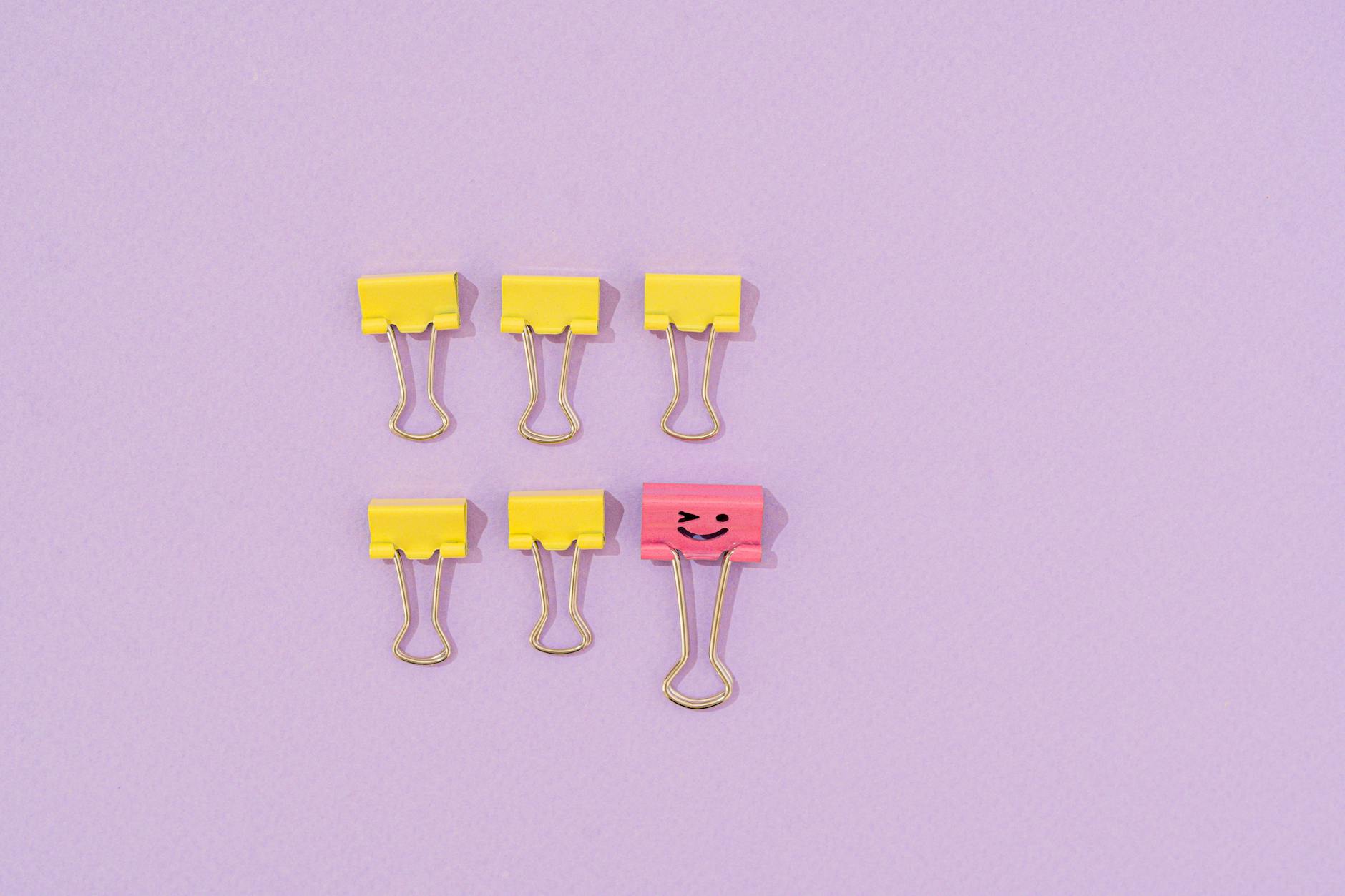
Plastic clips frequently snap at the hinge or lose their spring tension after repeated use. A broken clip fails to seal bags effectively and leads to stale chips or crackers. You keep them hoping to fix them but they simply add to the junk pile. Replacing them with sturdy wooden clothespins or binder clips provides a more durable solution.
Dull Paring Knives
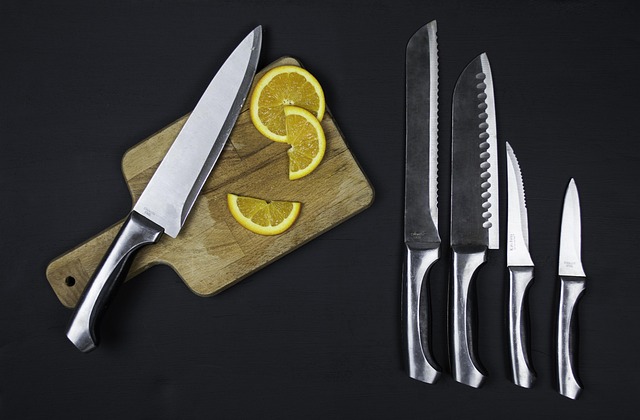
A knife that cannot hold an edge becomes a dangerous tool in the kitchen. You apply more pressure to cut through food which increases the risk of the blade slipping. Professional sharpening services often cost more than replacing an inexpensive paring knife. discarding these ineffective blades makes food preparation safer and faster.
Excess Rubber Bands
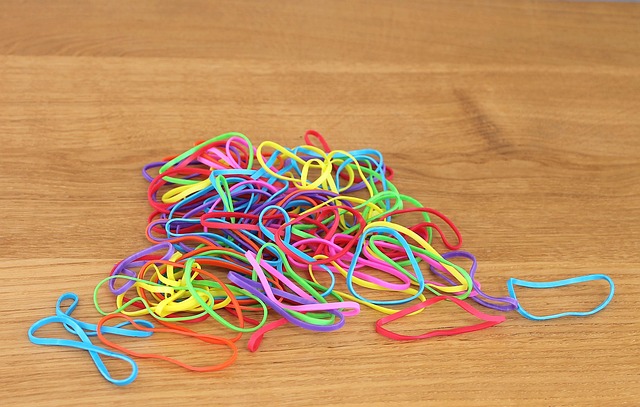
Rubber bands accumulate rapidly from produce bundles and mail deliveries. They eventually dry out and become brittle enough to snap the moment you stretch them. A small handful is useful but a massive ball of them is just hoarding trash. You should keep only ten fresh ones and recycle or discard the rest.
Produce Twist Ties
These wire and paper ties multiply every time you buy bread or garbage bags. They are difficult to reuse effectively because the paper coating peels away from the wire core. You rarely need more than two or three spares for emergency closures. Clearing out the hundreds you have saved will instantly declutter your utility drawer.
Disposable Chopsticks
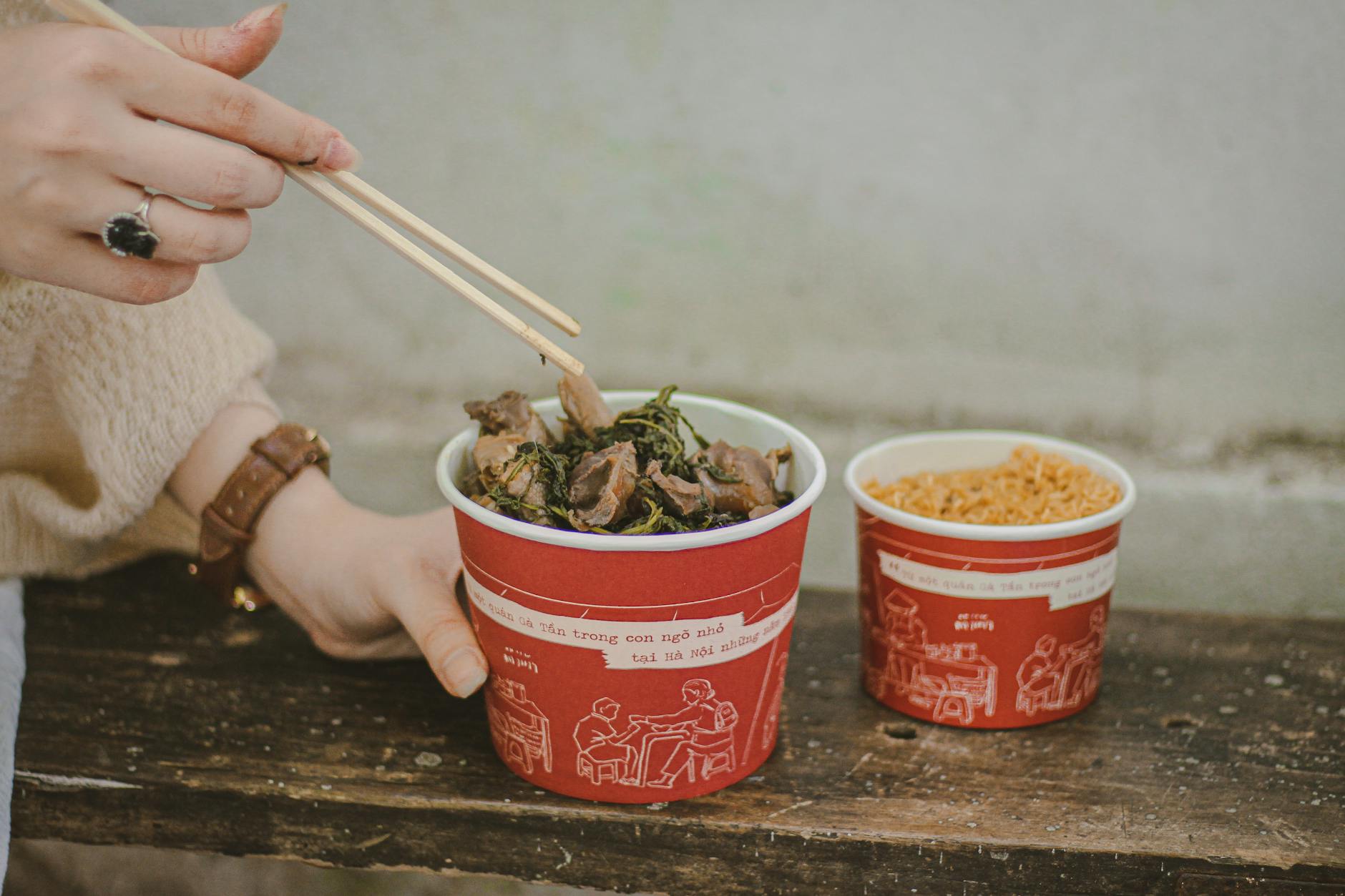
Wooden takeout chopsticks are inferior to reusable bamboo or fiberglass options. They often splinter and the paper sleeves tear to create additional micro-trash. You likely have a proper set of utensils that offers a better dining experience. Keeping these disposable items encourages waste when you could be using washable alternatives.
Plastic Cutlery
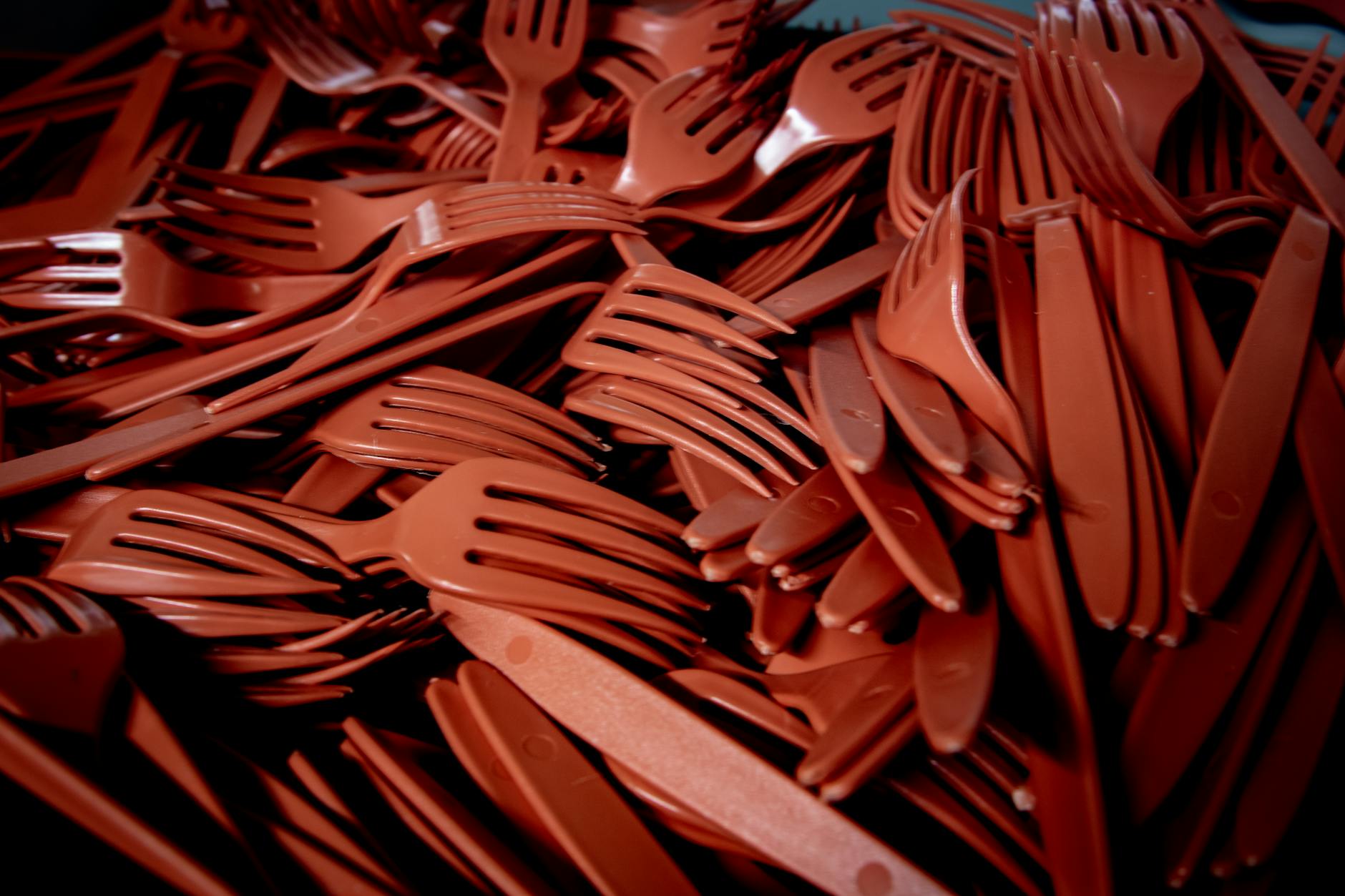
Plastic forks and spoons from delivery orders are flimsy and terrible for the environment. You have real silverware that functions better and feels more substantial in your hand. These plastic utensils serve no purpose in a fully stocked home kitchen. donating them to a shelter or recycling them clears space for permanent cutlery.
Rusty Whisks
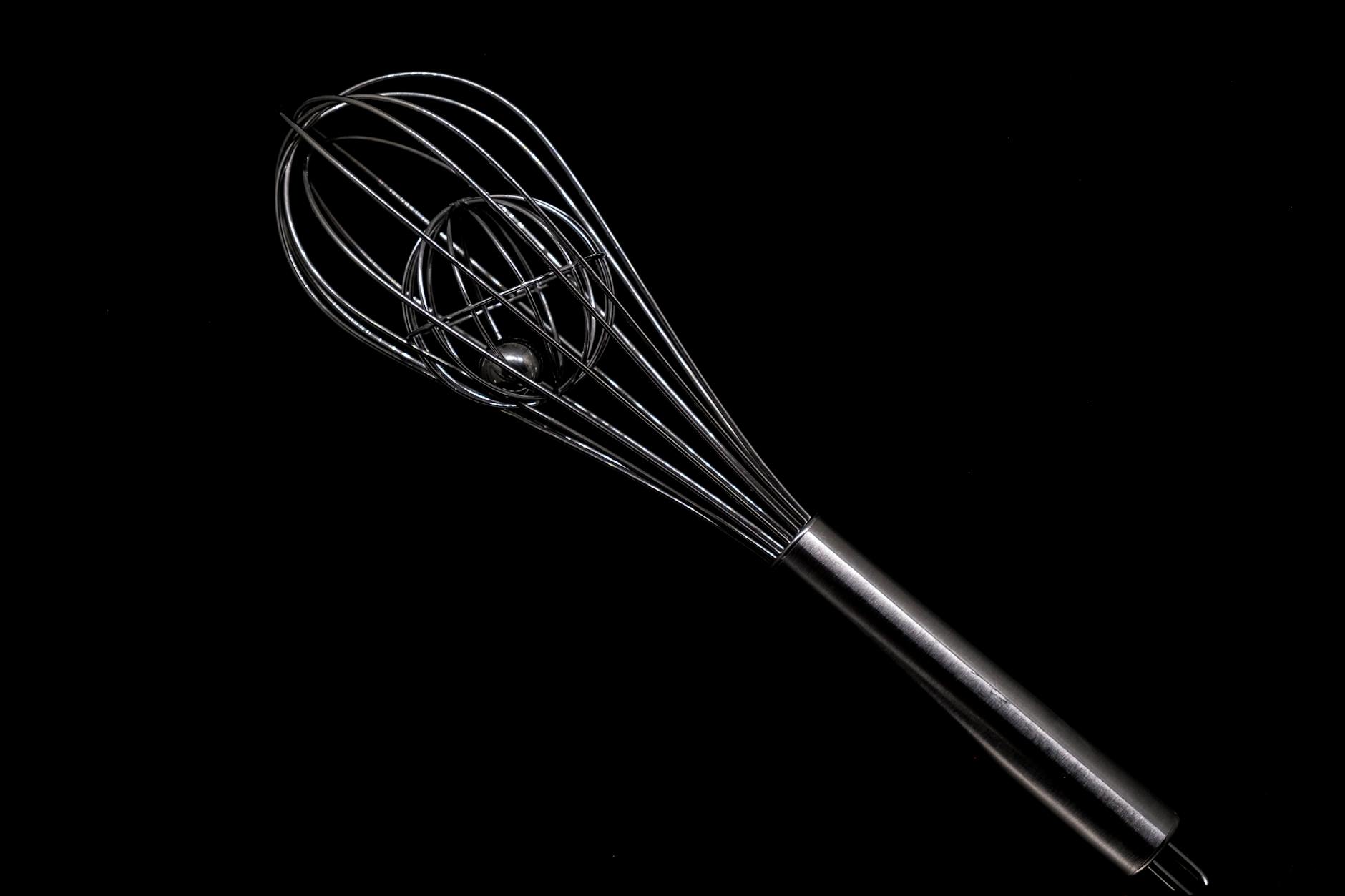
Moisture creates rust spots on metal whisks where the wires meet the handle. Rust particles can flake off into your food during vigorous mixing or beating. You compromise both the flavor and safety of your dishes by using corroded tools. Replacing a rusty whisk ensures your eggs and batters remain uncontaminated.
Appliance Manuals
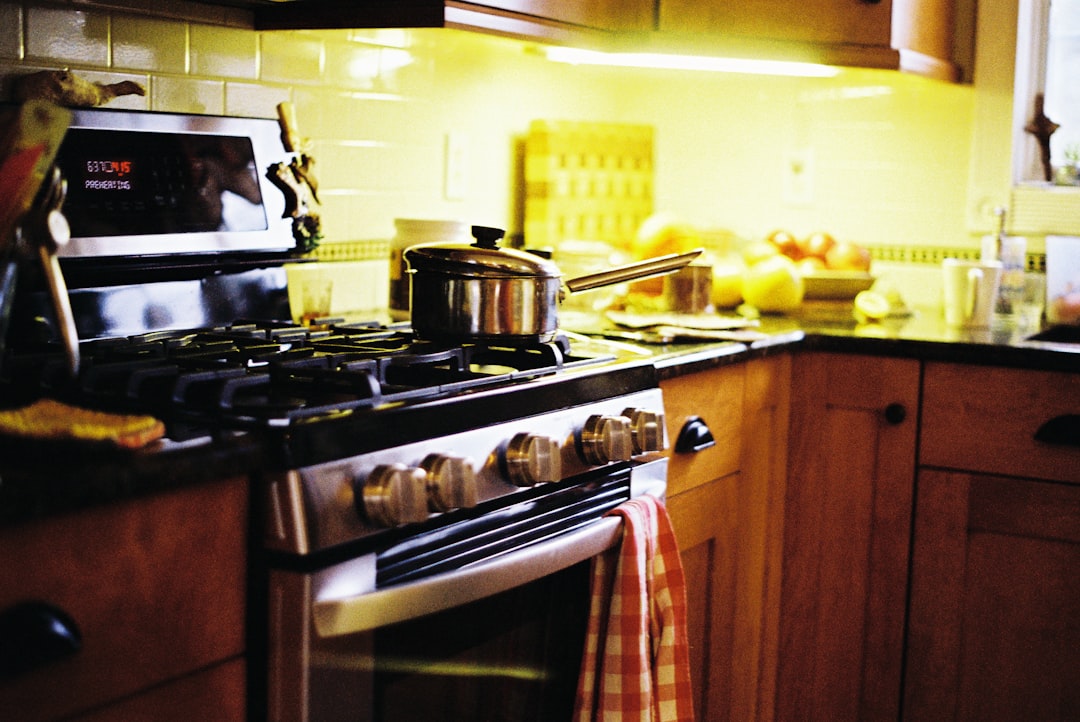
You can find the instruction manual for almost any appliance in PDF format online. Physical booklets are bulky and typically contain pages of safety warnings you never read. They occupy significant depth in drawers that could hold bulky utensils instead. Recycling these paperweights modernizes your kitchen reference system.
Wine Corks
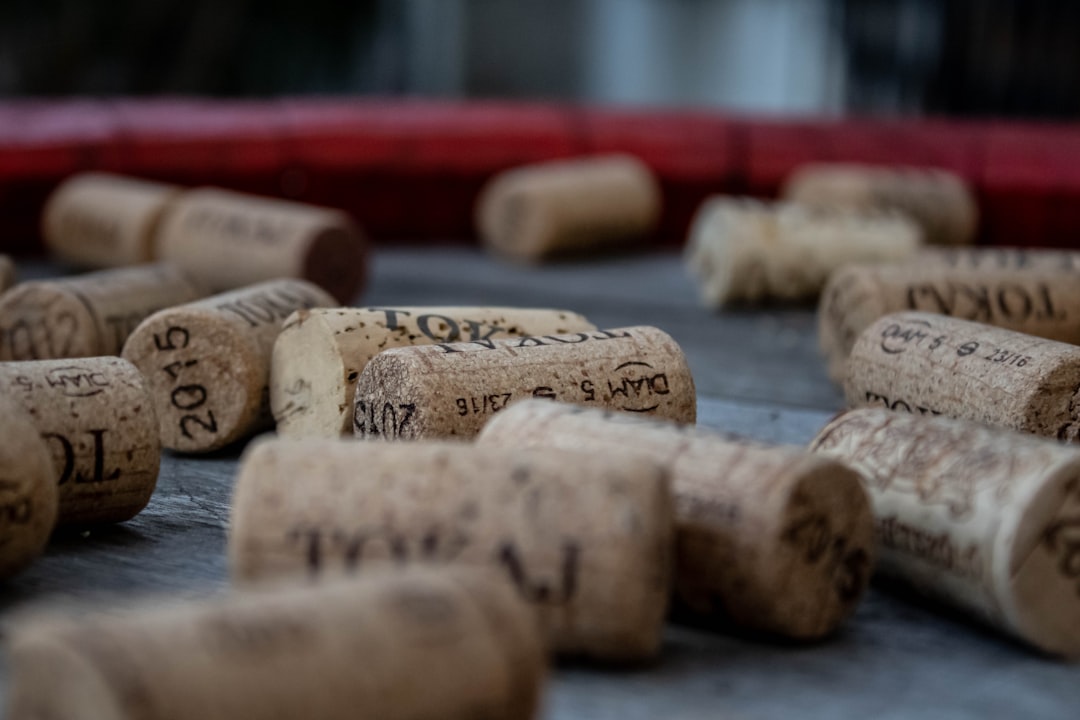
Many people save corks with the vague intention of starting a craft project one day. Unless you are actively building that project the corks are simply occupying space. They dry out and crumble which makes them unsuitable for re-corking open bottles. tossing them or sending them to a specialized recycling program is the best option.
Bottle Caps
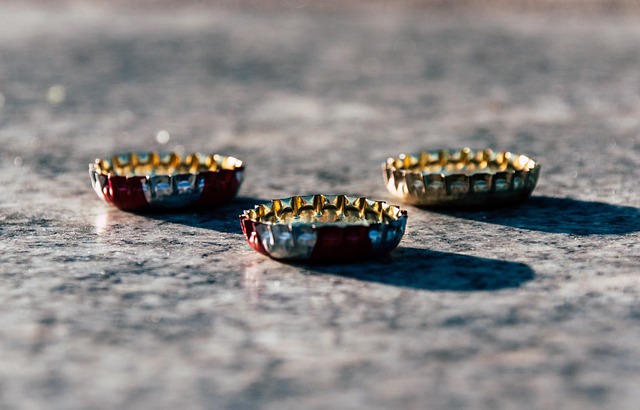
Metal caps from beer or soda bottles are sharp and rust easily in humid kitchen environments. You cannot reuse them to seal bottles once they have been bent by an opener. They accumulate in corners of drawers and scratch other items or your hands. sweeping them into the recycling bin prevents minor injuries and clears clutter.
Stained Dish Towels
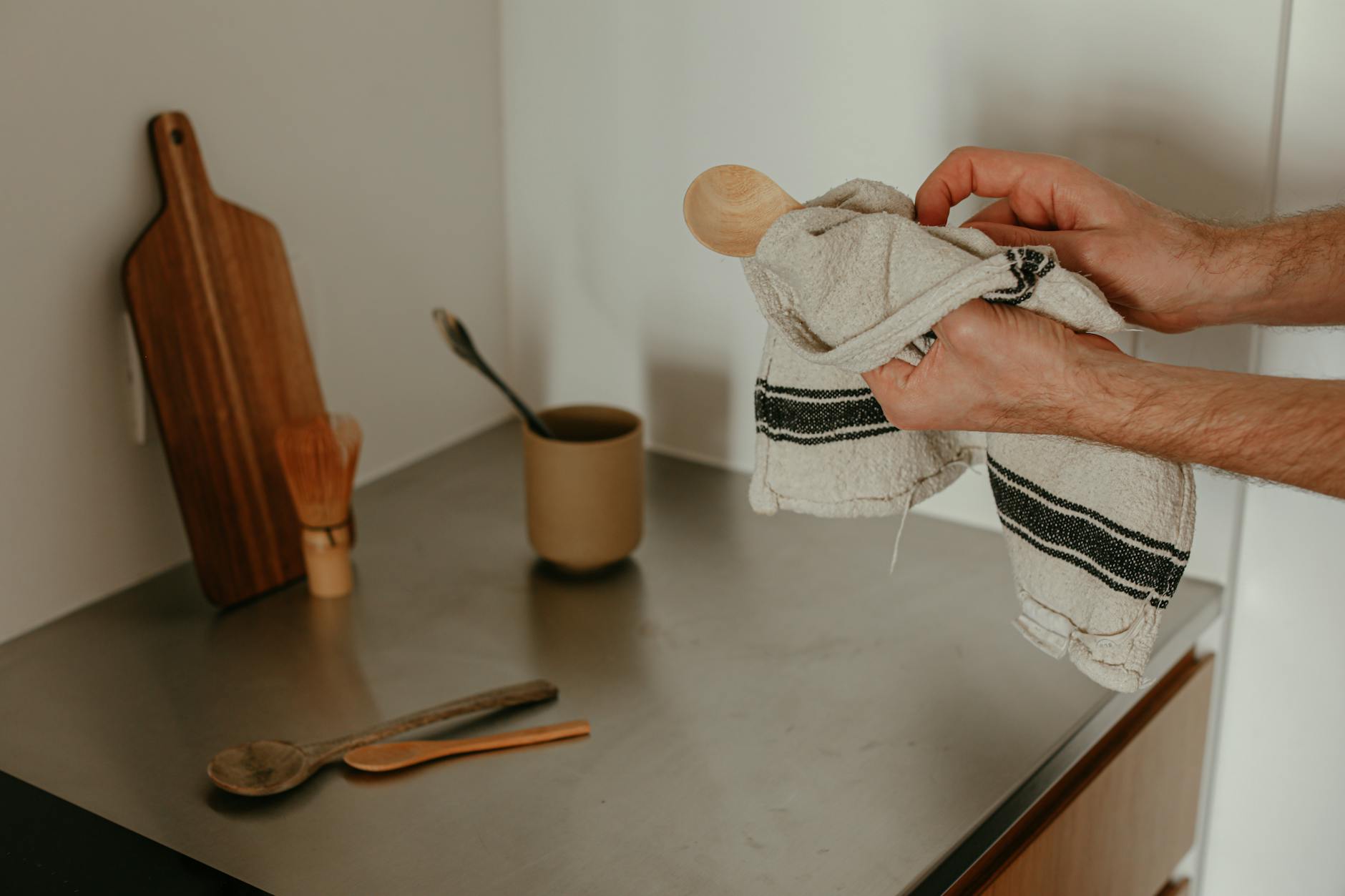
Textiles that are permanently stained or tattered make your kitchen look dirty. Heavy wear often thins the fabric until it can no longer absorb water effectively. You deserve to use clean and intact linens while preparing food for your family. moving these to the rag pile for heavy cleaning keeps your kitchen drawers fresh.
Used Birthday Candles

Burned candles with charred wicks are difficult to relight and look unappealing on a fresh cake. They leave wax residue in your drawers and often snap in half during storage. You can buy a fresh box for a nominal cost when the next celebration arrives. discarding the used stubs saves you from scavenging for a decent candle later.
Dead Batteries
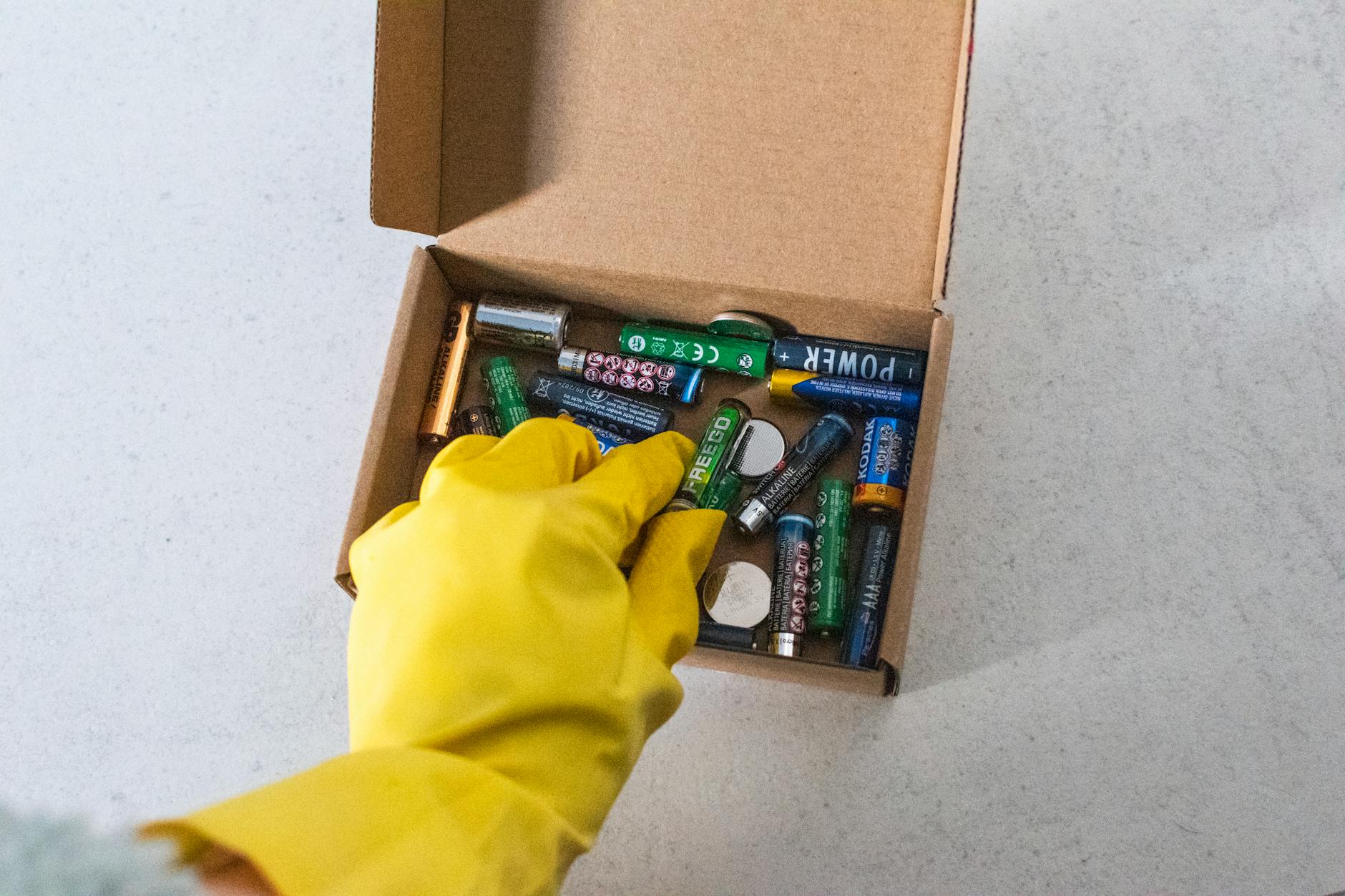
Kitchen drawers are a common dumping ground for batteries that need to be tested or recycled. Leaving them loose creates a risk of corrosion that can damage other items nearby. You rarely check them again and simply buy new packs when a device dies. taking them to a proper recycling facility immediately removes a chemical hazard.
Mystery Keys
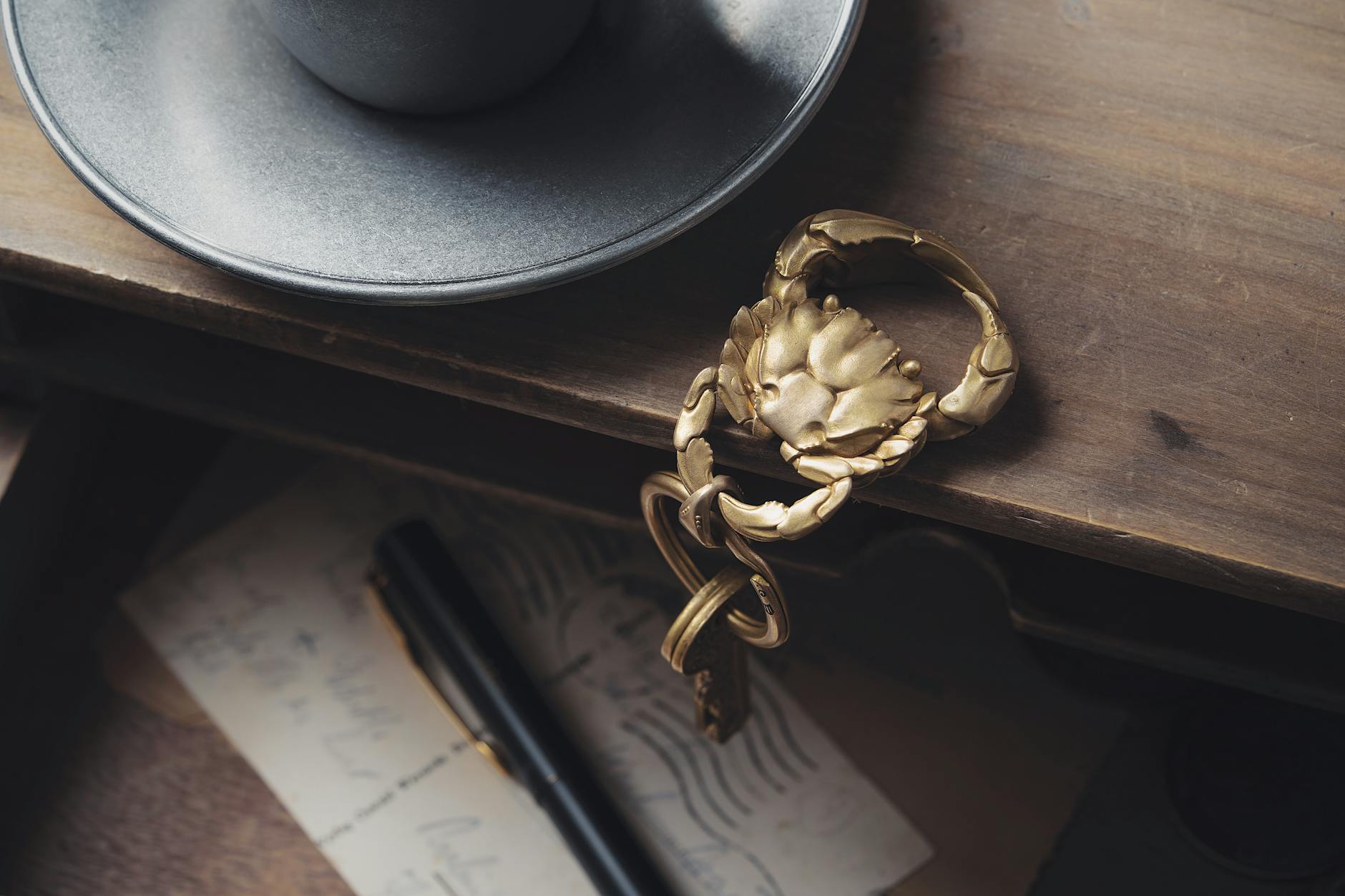
You likely have a collection of keys that belong to locks you no longer own or remember. These heavy metal items serve absolutely no purpose if they cannot open anything. They rattle around and get tangled with vegetable peelers and can openers. disposing of them prevents the frustration of trying to identify them years later.
Bread Clips
Plastic tags from bread bags are small and easily lost in the depths of a drawer. They are difficult to manipulate and often snap when you try to reuse them on thicker bags. You have better sealing methods available such as proper clips or simply tying a knot. removing these small plastic pieces reduces visual chaos significantly.
Reusable Straws Without Lids
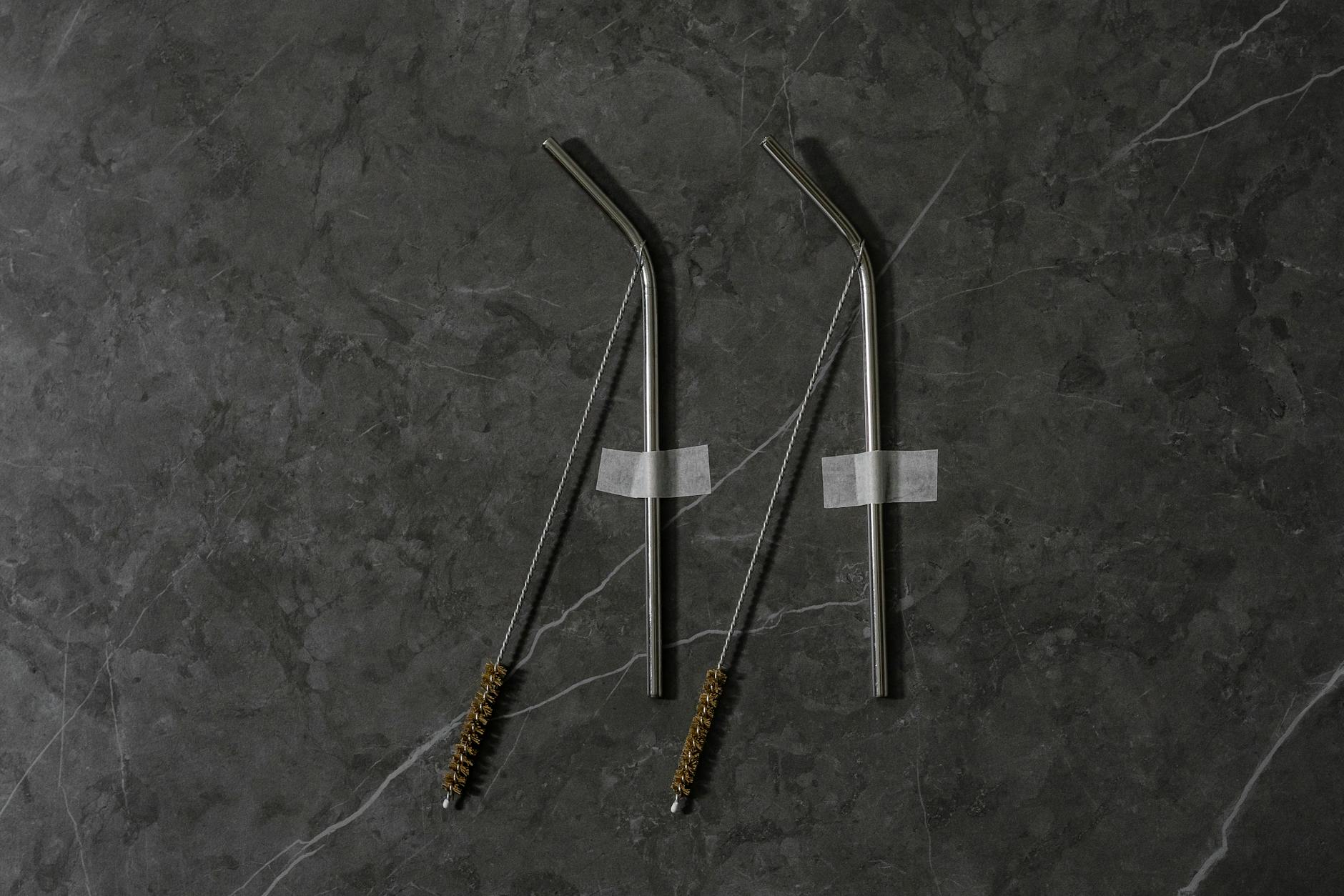
Straws are useless if you have lost the specific tumbler lid they were designed to fit. They roll around in drawers and get stuck at the back of the cabinet. You cannot use them effectively with regular glasses because they are often too long or wide. recycling the mismatched plastic clears the way for complete sets.
Splintering Skewers

Bamboo skewers can dry out and begin to shed dangerous splinters into your food. You might have a few leftovers from a summer barbecue package bought years ago. Moisture changes in the kitchen can cause them to warp or develop mold spores. buying a fresh pack for your next grilling session ensures safety and hygiene.
Corn Cob Holders
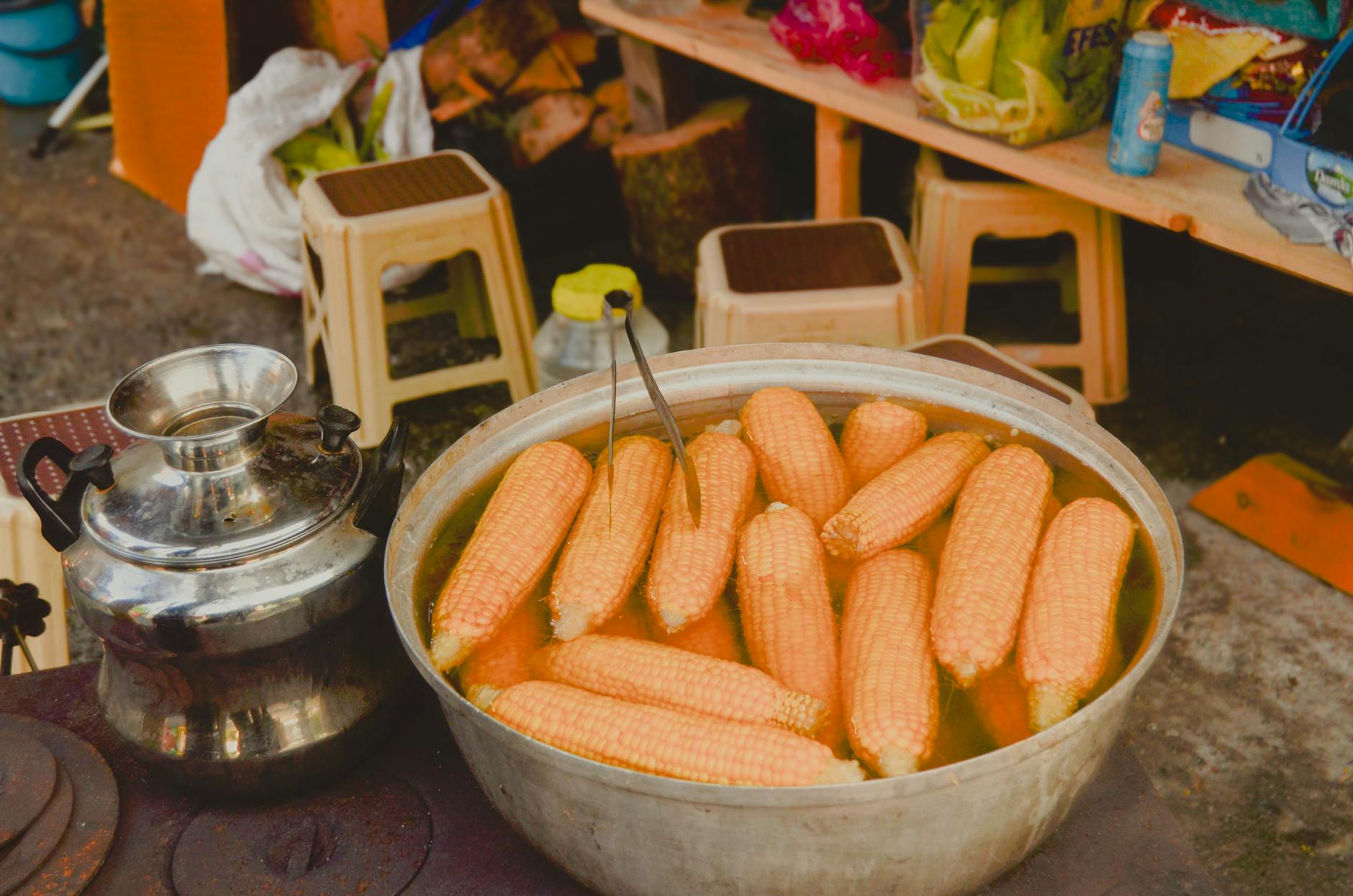
These seasonal tools are sharp and often stab you when you reach into the utensil drawer. You only use them once or twice a year during corn season. They often separate from their matching pairs and become useless solo items. storing them in a dedicated seasonal bin or discarding the extras protects your hands.
Holiday Cookie Cutters
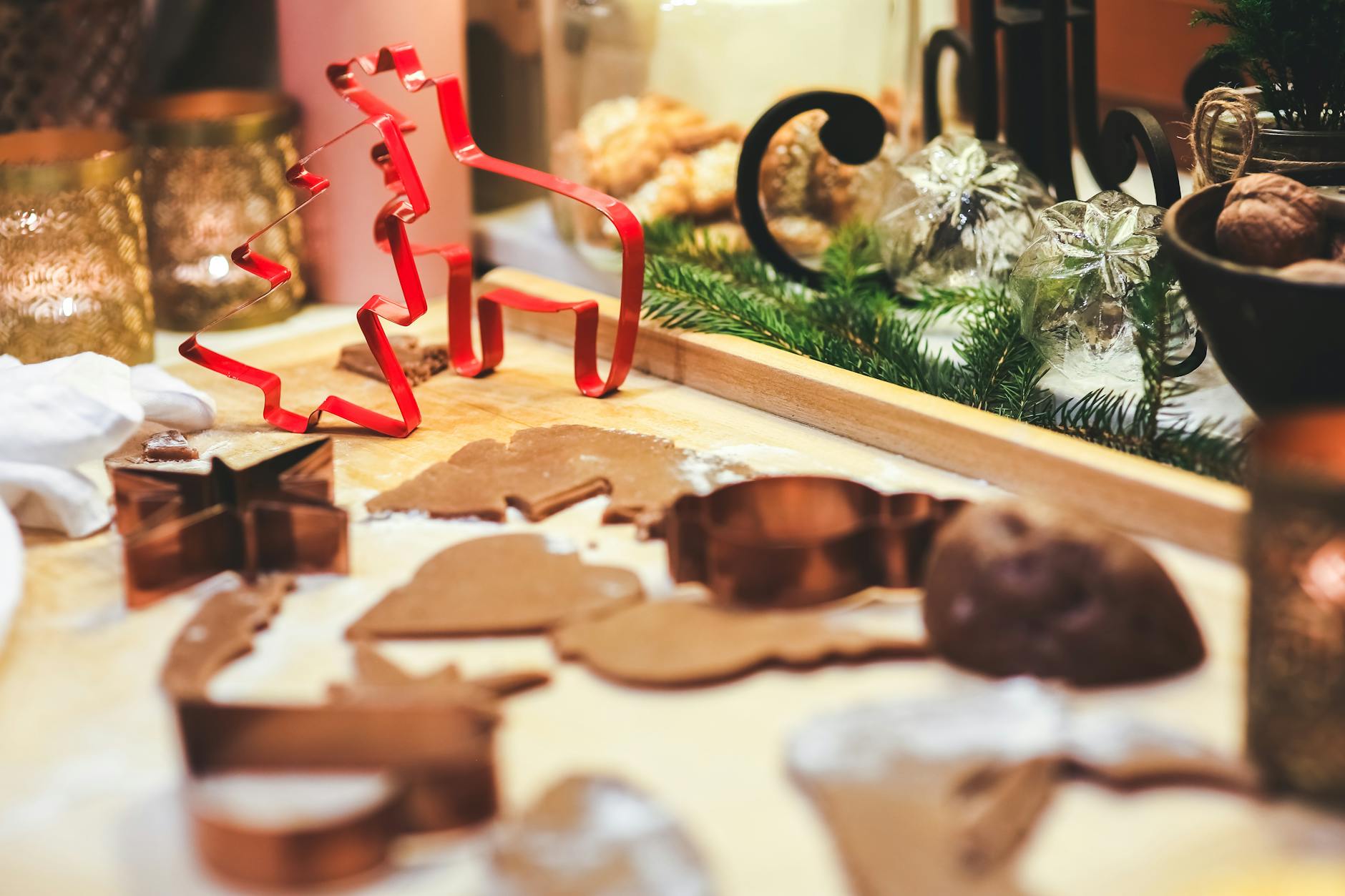
You likely own specific shapes that you have not used in over five years. Metal cutters can rust and plastic ones can warp if stored improperly near heat. Keeping a cutter for a holiday you do not host is a waste of prime storage. donating these ensures someone else gets joy from baking while you gain space.
Fancy Bottle Stoppers
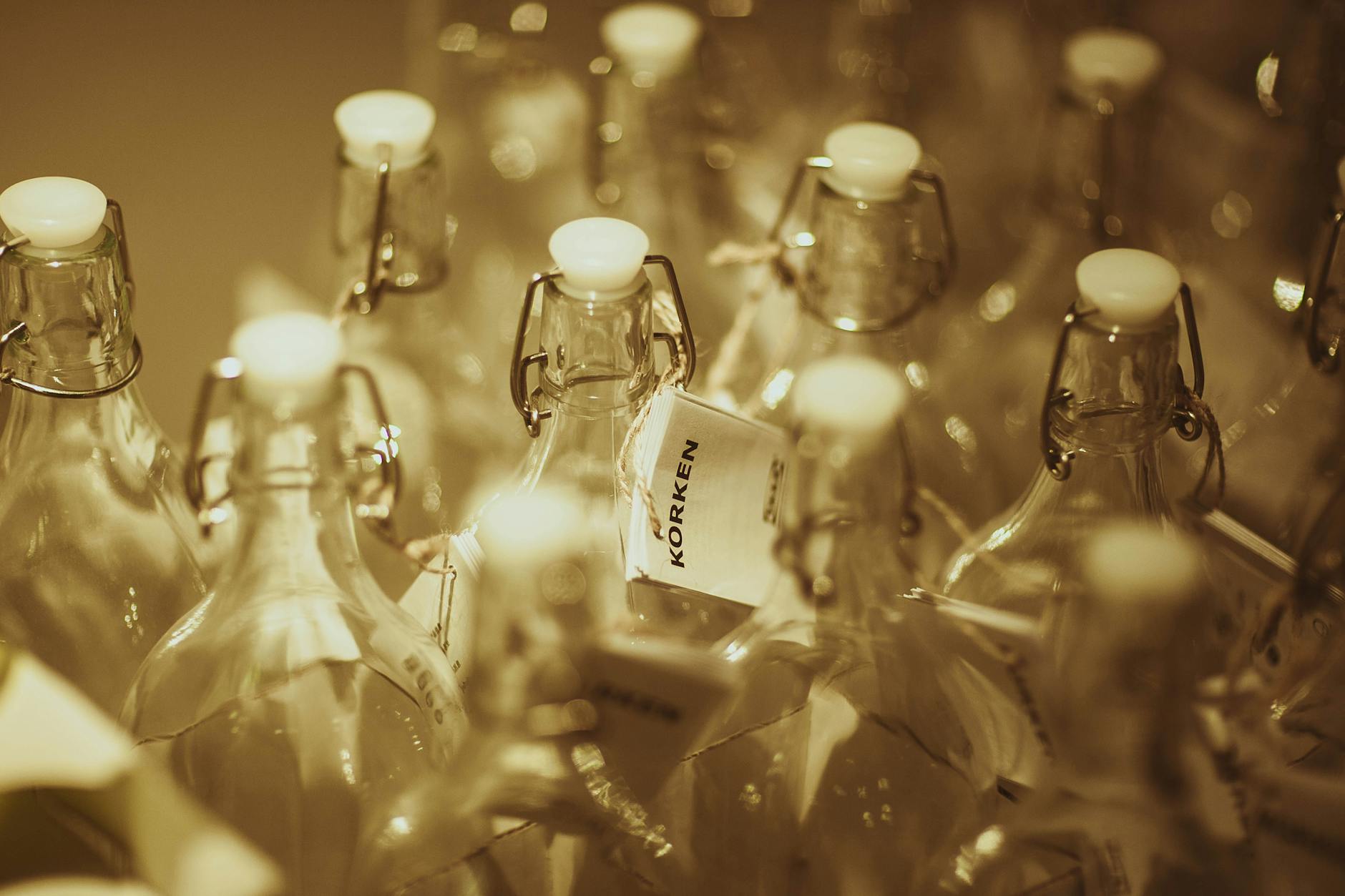
Gifted bottle stoppers often have heavy ornamental tops that make them top-heavy and impractical. They fail to fit in the refrigerator door shelves because of their excessive height. You invariably reach for a simple and low-profile stopper that actually seals the wine. removing the decorative ones allows you to close the drawer easily.
Promotional Jar Openers
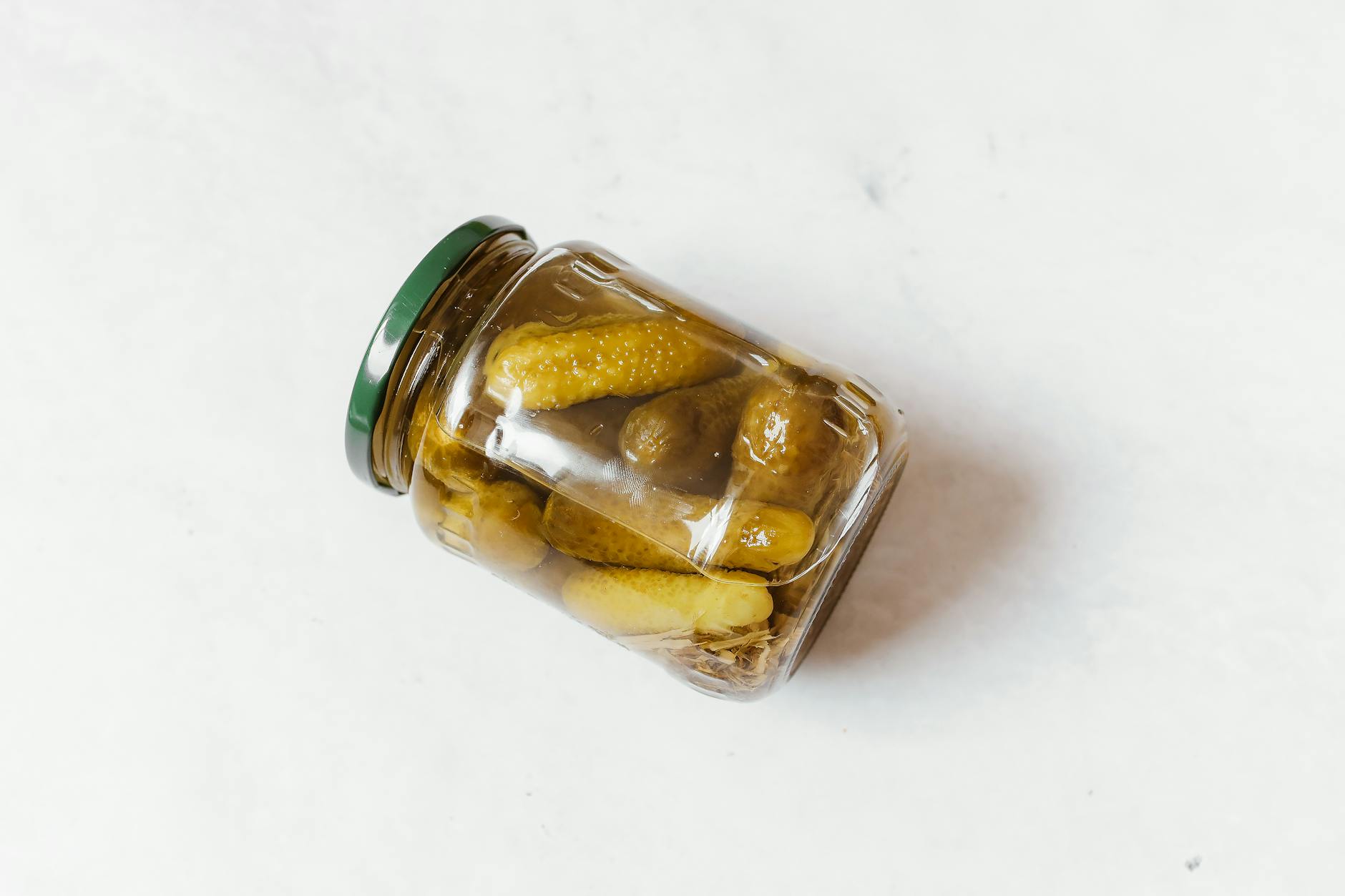
Rubber jar grippers with company logos often lose their tackiness and grip over time. You likely have received several free ones that now sit unused in a pile. One good opener is sufficient for any stubborn lid you might encounter. tossing the dried out promotional freebies helps you find the one that works.
Fridge Magnets
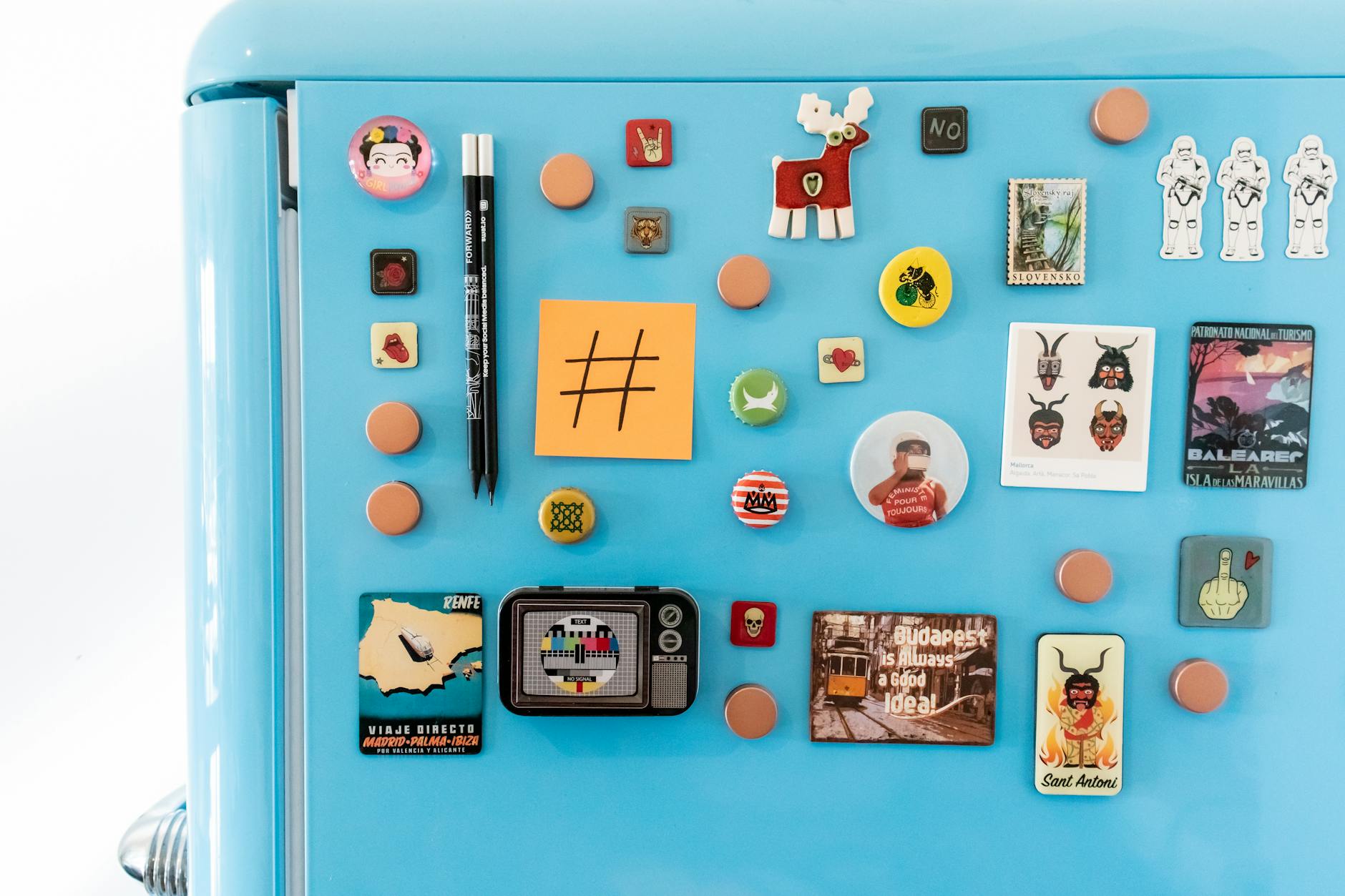
Magnets accumulate from travel souvenirs or local business advertisements and clutter your space. Weak magnets that slide down the fridge face often end up tossed in a drawer. They serve no functional purpose if they cannot hold up a piece of paper. curating your collection to a few strong magnets creates a cleaner aesthetic.
Pastry Brushes
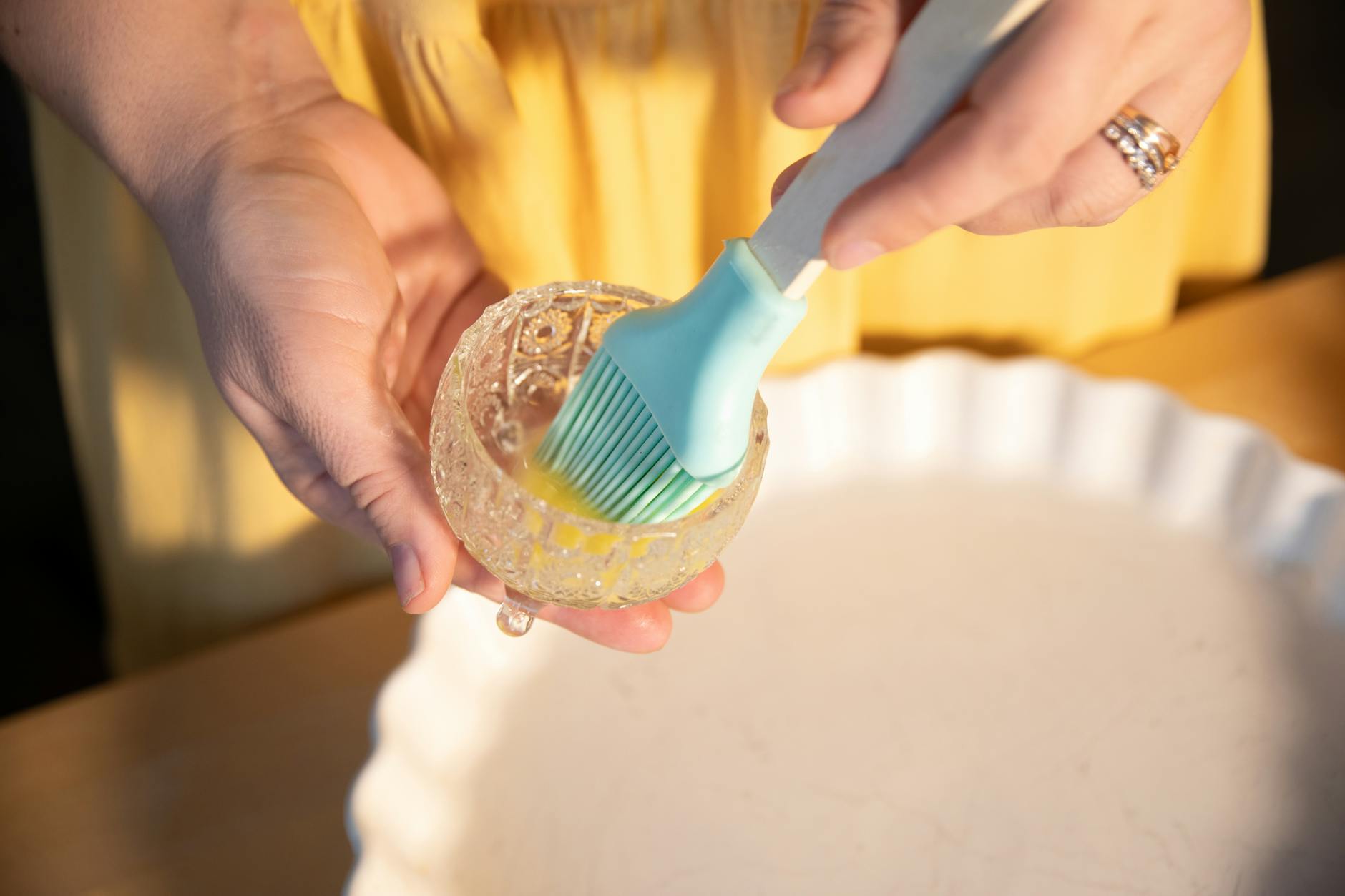
Old natural bristle brushes have a tendency to shed hairs into your glazes and marinades. The wood handles can harbor bacteria if they are not dried perfectly after every wash. Silicone brushes are easier to clean and last much longer without falling apart. replacing the shedding vintage brushes improves your food hygiene standards.
Novelty Tea Infusers

Cute silicone or metal infusers often float poorly or leak tea leaves into your cup. You probably revert to using simple tea bags or a standard mesh strainer for convenience. The novelty shape makes them difficult to clean and dry thoroughly. clearing these out makes room for tools that function as well as they look.
Extra Coffee Scoops
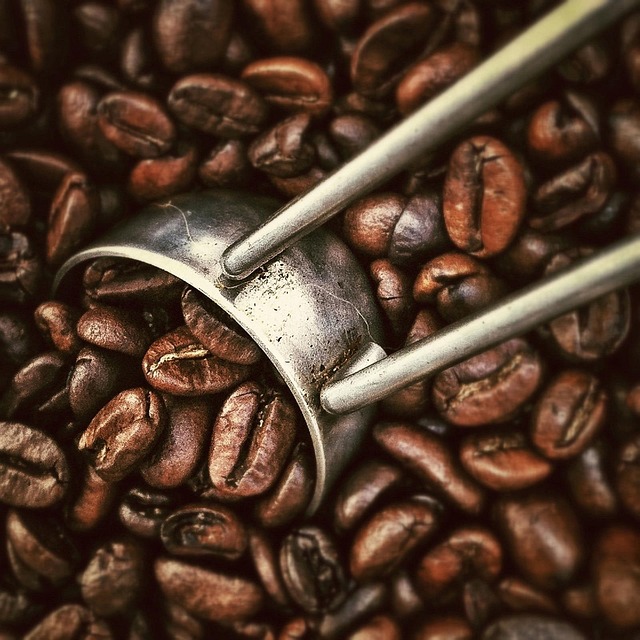
Every bag of coffee grounds or canister seems to come with a free plastic scoop. You really only need one scoop that stays in your coffee container. The extras migrate to drawers where they serve absolutely no purpose. recycling the surplus plastic is a small win for your organization.
Nutcrackers
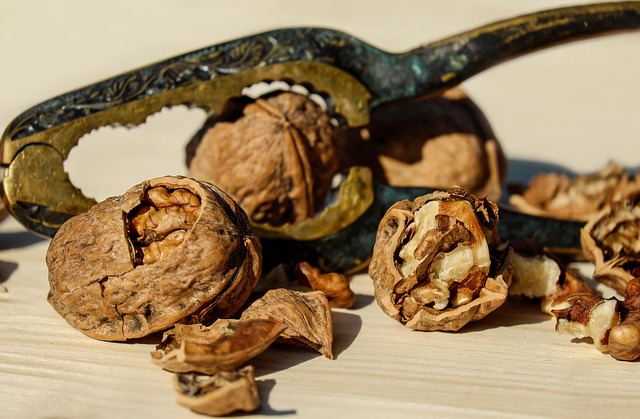
Most people buy shelled nuts today and rarely have a need for a heavy metal cracker. The tool takes up significant space and offers very limited utility in a modern kitchen. You can use a simple hammer or pliers in the rare event you need to crack a shell. donating this specialized tool frees up room for daily essentials.
Seafood Forks
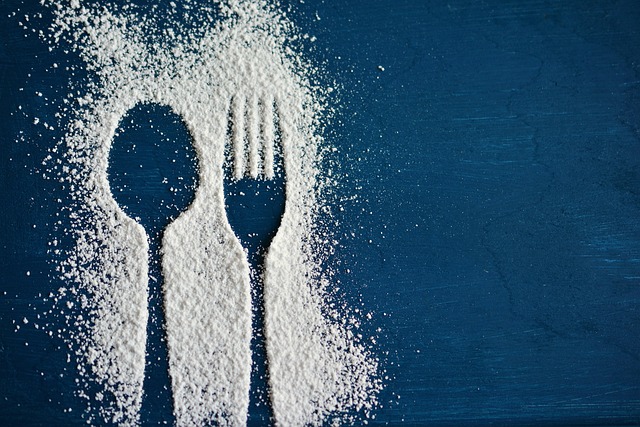
These tiny forks are designed for picking crab or lobster meat and see very little use. They are sharp and often jab your fingers when you dig for a spoon. unless you host seafood boils monthly these tools are wasted space. moving them to deep storage or donating them is a logical choice.
Melon Ballers

This specific tool creates spheres of fruit but rarely gets used in everyday cooking. You can easily cut fruit into cubes with a knife which is faster and produces less waste. The baller sits unused and dulls against other metal utensils in the drawer. eliminating single-task gadgets is a core principle of kitchen minimalism.
Disposable Piping Bags
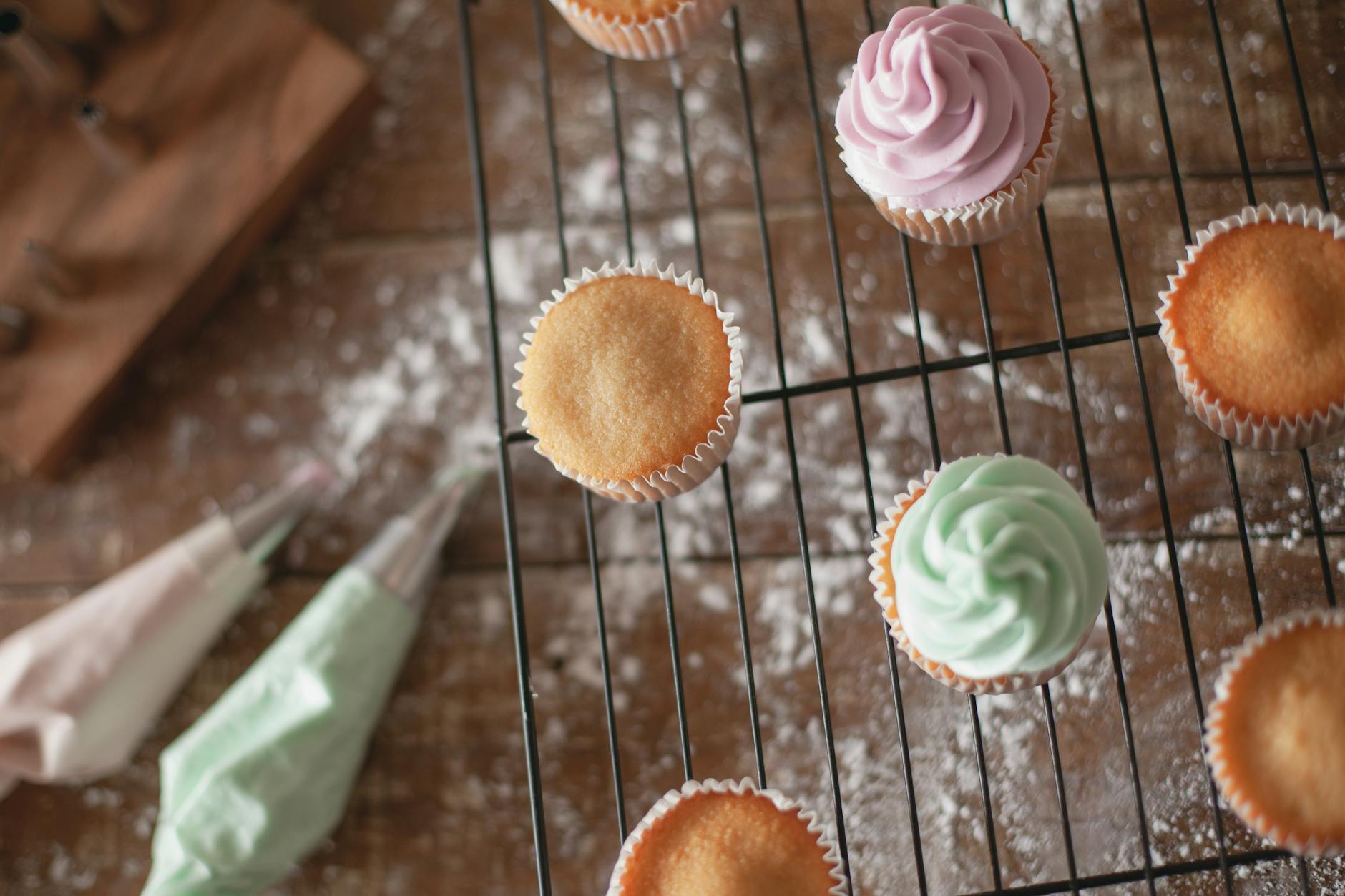
Leftover plastic piping bags from a baking project are often wrinkled and hard to store. You might have saved a few hoping to decorate cookies again someday. They are inexpensive enough to buy fresh when you actually have a plan to bake. throwing out the crumbled leftovers keeps your drawer looking neat.
Paper Napkins from Cafes
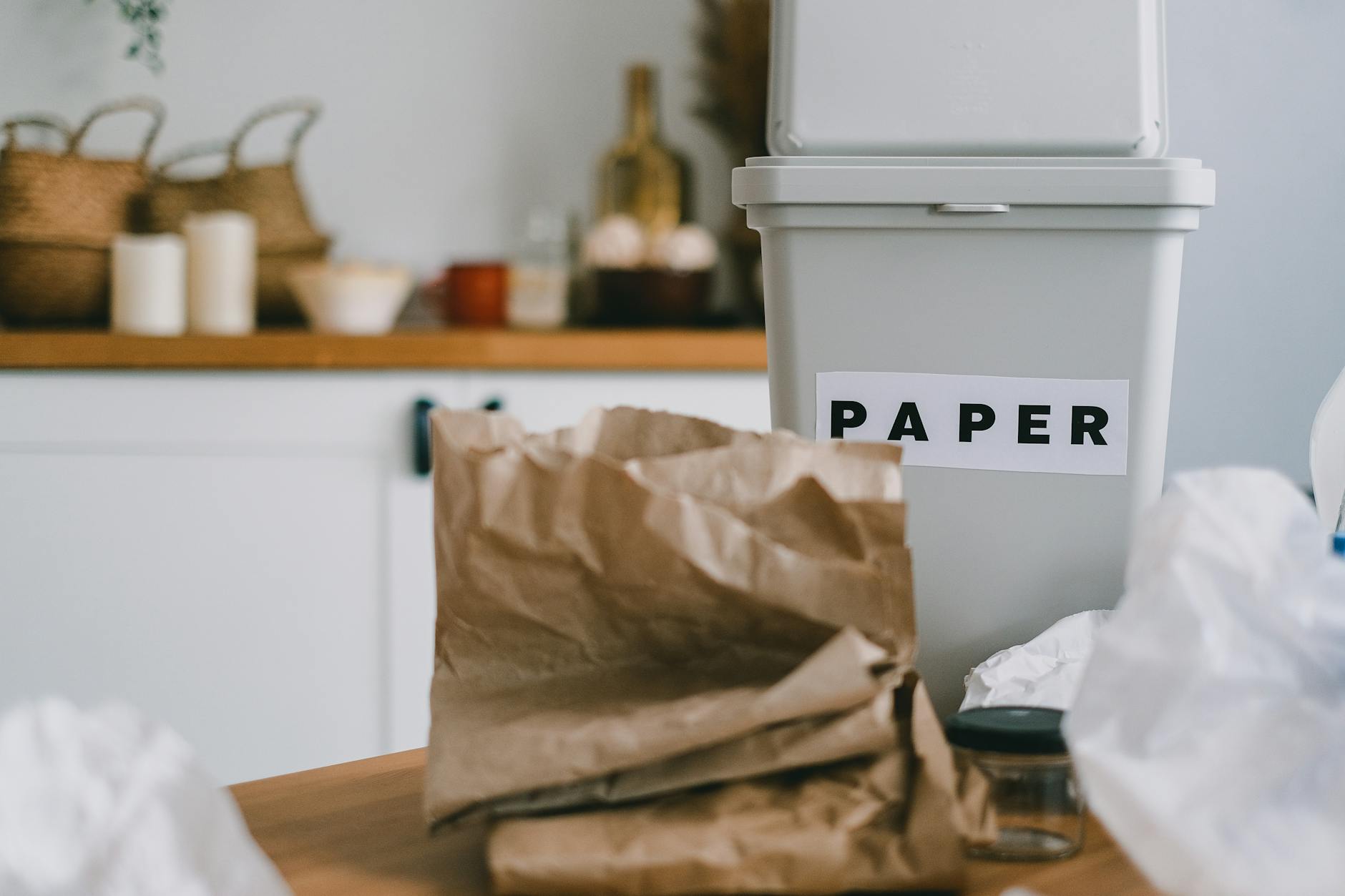
Stashing extra napkins from coffee shops creates a messy pile of paper in your drawer. The paper quality is usually poor and they feel rough against the skin. You have cloth napkins or paper towels that are far more absorbent and comfortable. clearing out this stash removes an item that implies scarcity rather than abundance.
Restaurant Matchbooks
Matchbooks from restaurants are often kept as mementos but rarely used for lighting fires. The striking strips wear out and the cardboard covers become tattered. You likely have a reliable lighter or box of kitchen matches for lighting candles. discarding these relics removes paper clutter that is essentially trash.
Old Grocery Receipts
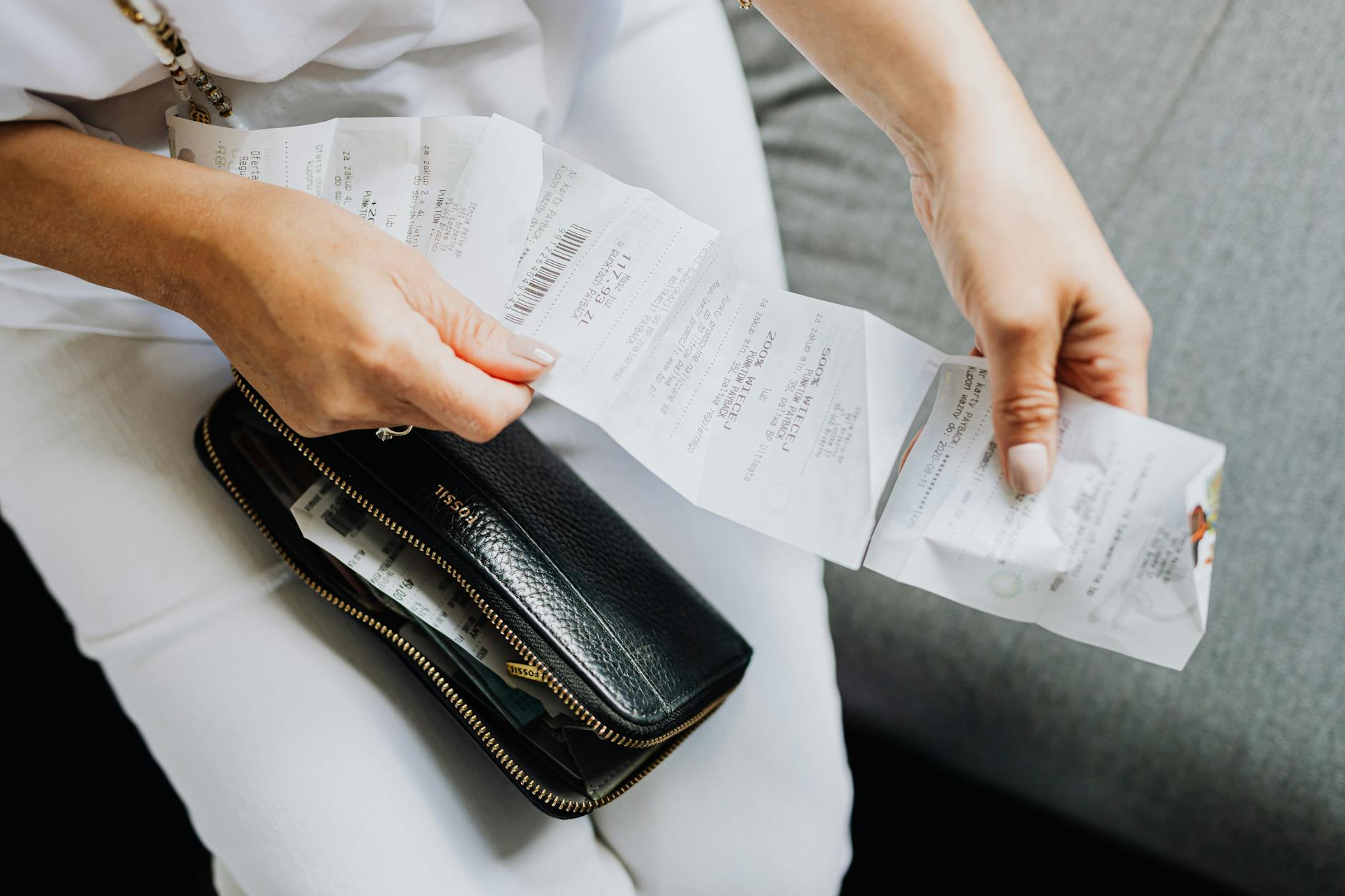
Thermal paper receipts fade quickly and the ink becomes unreadable after a few weeks. You stuff them in drawers to check later but rarely actually review them. Most budgeting can be done via digital bank statements or apps today. recycling these scraps removes the temptation to hoard useless financial data.
Cracked Wooden Spoons
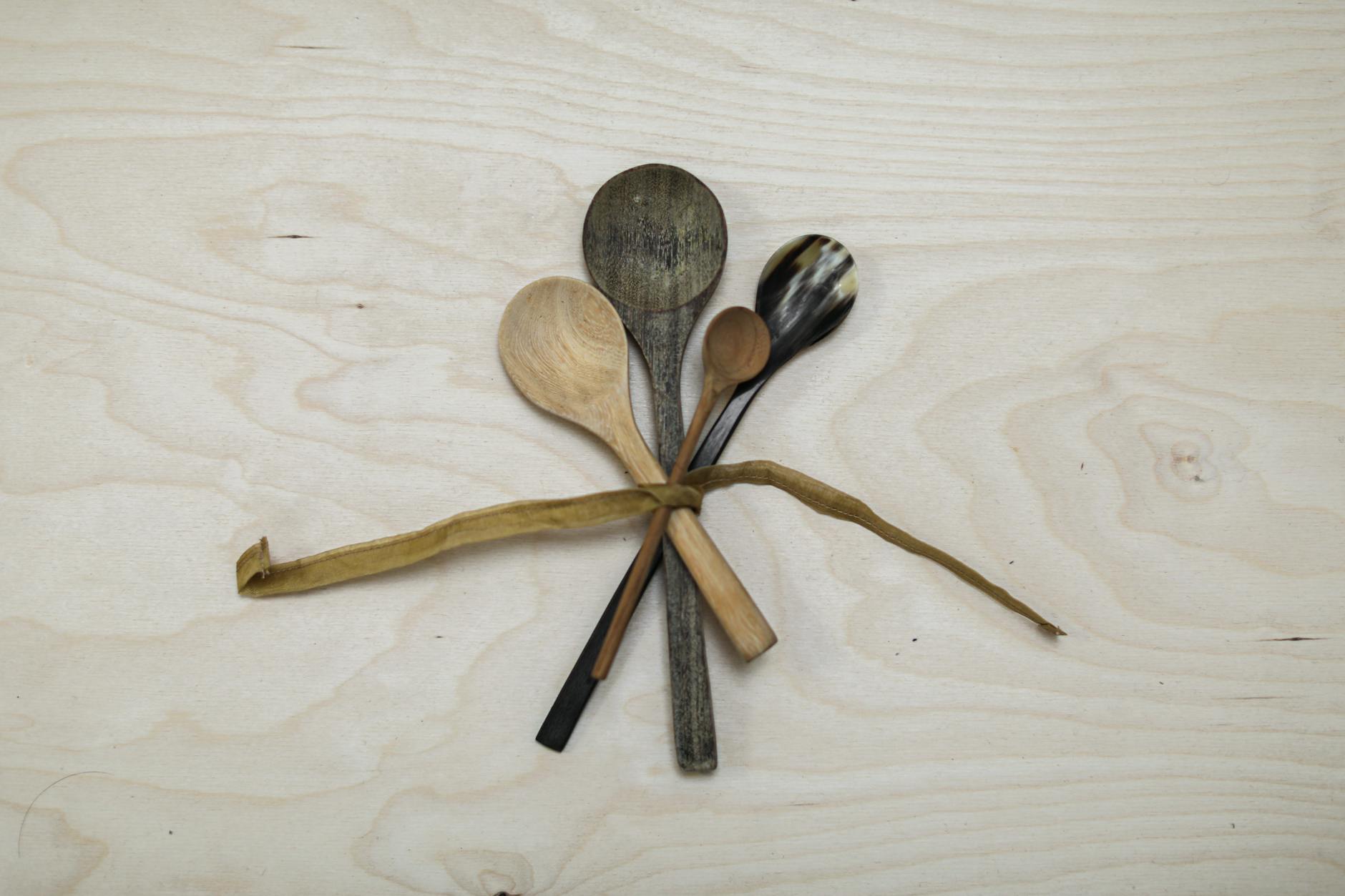
Wood creates a breeding ground for bacteria once deep cracks appear in the spoon’s bowl. Food particles get trapped in the fissures and are impossible to scrub out completely. You risk contaminating fresh food every time you stir a hot pot. replacing them with intact bamboo or silicone tools is a health priority.
Bent Vegetable Peelers
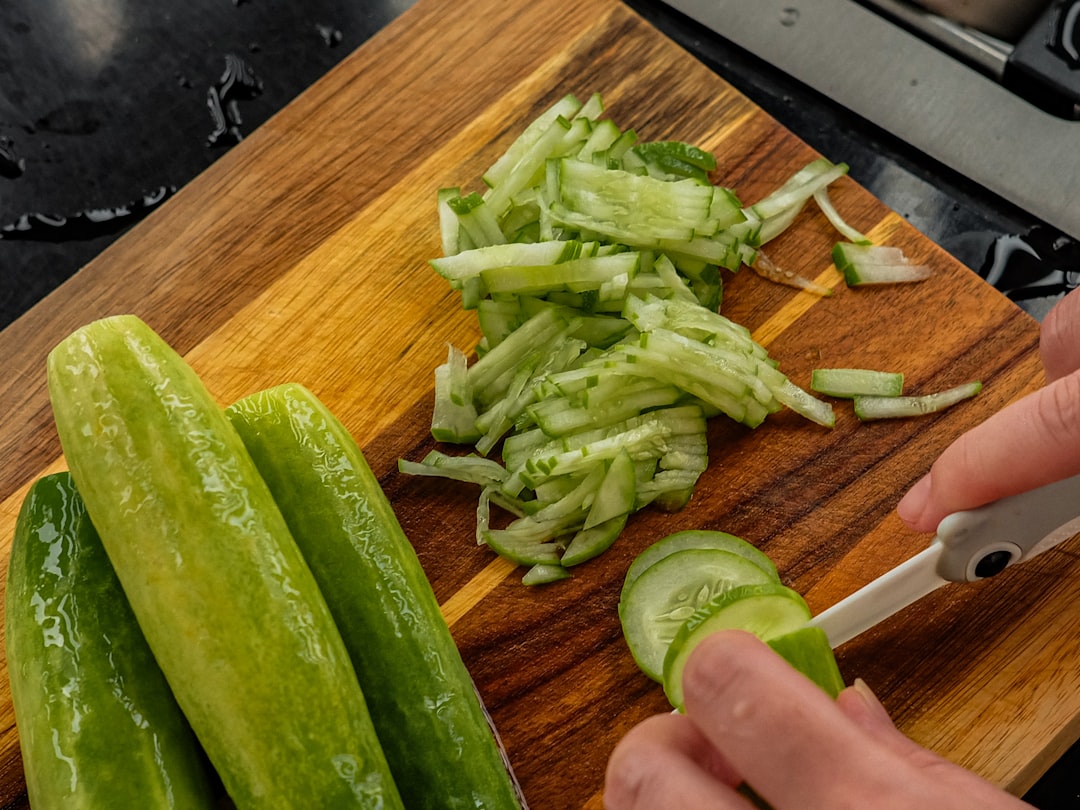
Peelers with bent blades or loose handles make preparing vegetables a dangerous chore. The blade skips over the skin and requires unsafe force to work properly. You can buy a sharp and ergonomic replacement for a very low price. tossing the damaged tool prevents accidental cuts and frustration.
Single-Use Gadgets
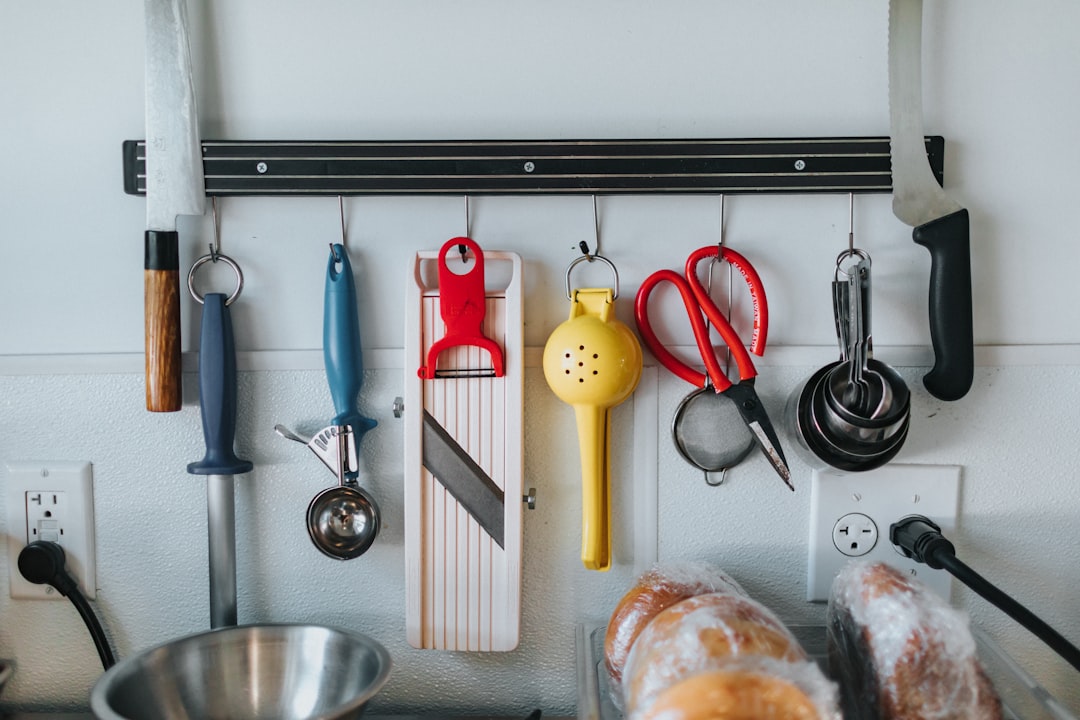
Tools designed to slice only avocados or bananas are marketing gimmicks that clutter drawers. A sharp chef’s knife performs all these tasks more efficiently and is easier to clean. These plastic gadgets often have odd shapes that make them impossible to stack. purging these unitaskers is the fastest way to reclaim your kitchen storage.
We’d love to hear which of these items you found hiding in your drawers so please tell us in the comments.




