These foods line the shelves and fridges of even the most health-conscious shoppers, wearing the disguise of wholesome nutrition. The term ultra-processed refers to products that have undergone multiple industrial processes and contain additives, emulsifiers, flavourings, or preservatives far beyond what a home cook would ever use. What makes this category particularly deceptive is that many of these items are actively marketed as clean, natural, or fresh. Understanding what qualifies as ultra-processed can help consumers make more informed choices about the food that lands on their plates every day.
Flavoured Yogurt
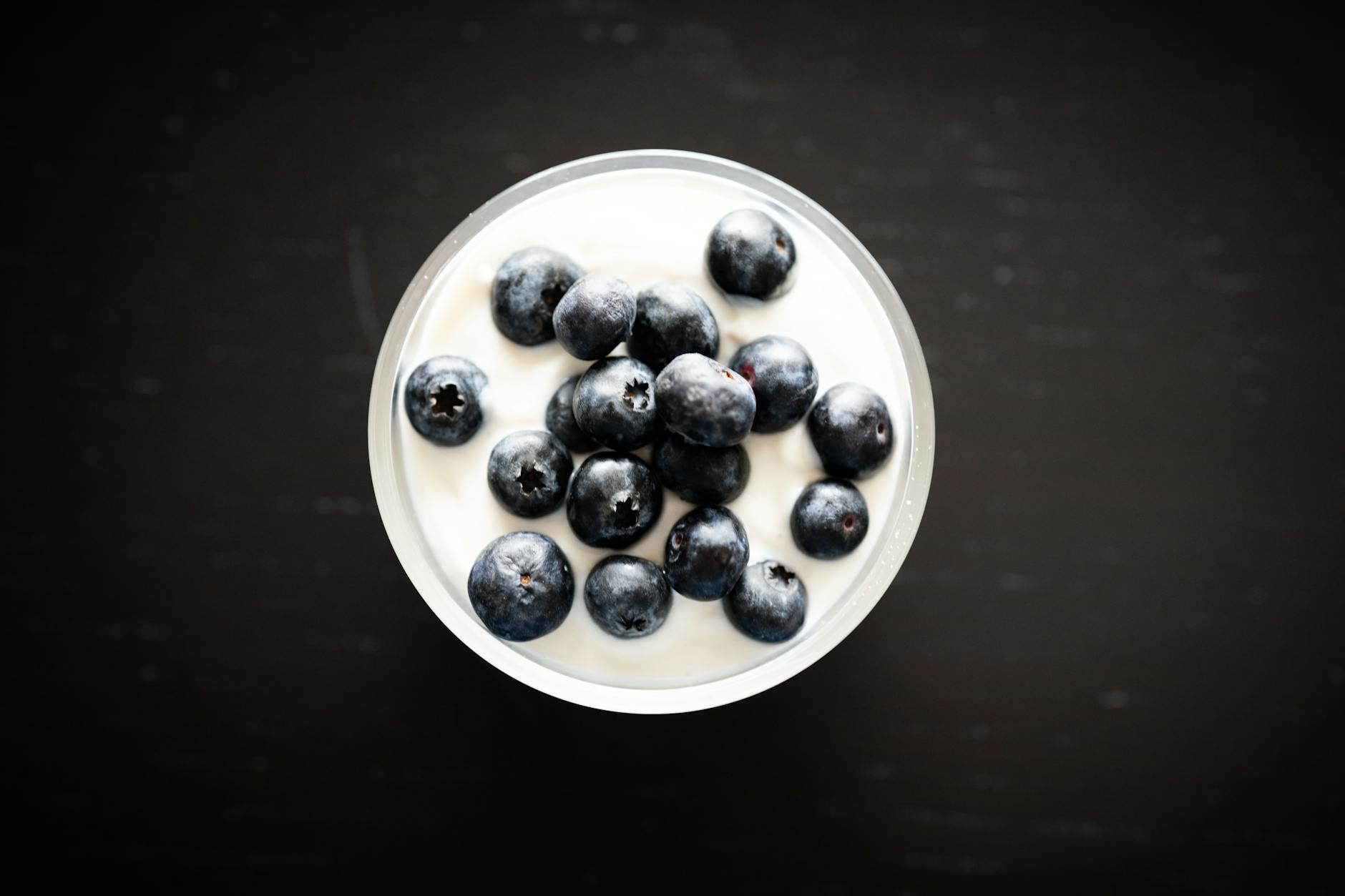
Most flavoured yogurts found in the chilled aisle contain fruit preparations that are far removed from actual fruit. These preparations typically include added sugars, artificial flavourings, thickeners like modified starch, and synthetic colourings to mimic the appearance of fresh produce. The base yogurt itself is often made from reconstituted milk powder rather than fresh whole milk. Even varieties labelled as low-fat or fat-free tend to compensate with additional sweeteners and stabilisers to maintain texture and taste.
Packaged Deli Meat

Sliced turkey, ham, and chicken breast from the deli counter or pre-packaged section undergo extensive industrial processing before reaching the display case. Manufacturers commonly add sodium nitrite, phosphates, carrageenan, and flavour enhancers to extend shelf life and improve the colour and texture of the final product. The meat itself is often formed from various cuts combined and restructured using binding agents. Even options labelled as oven-roasted or natural frequently contain a long list of additives that place them firmly in the ultra-processed category.
Protein Bars
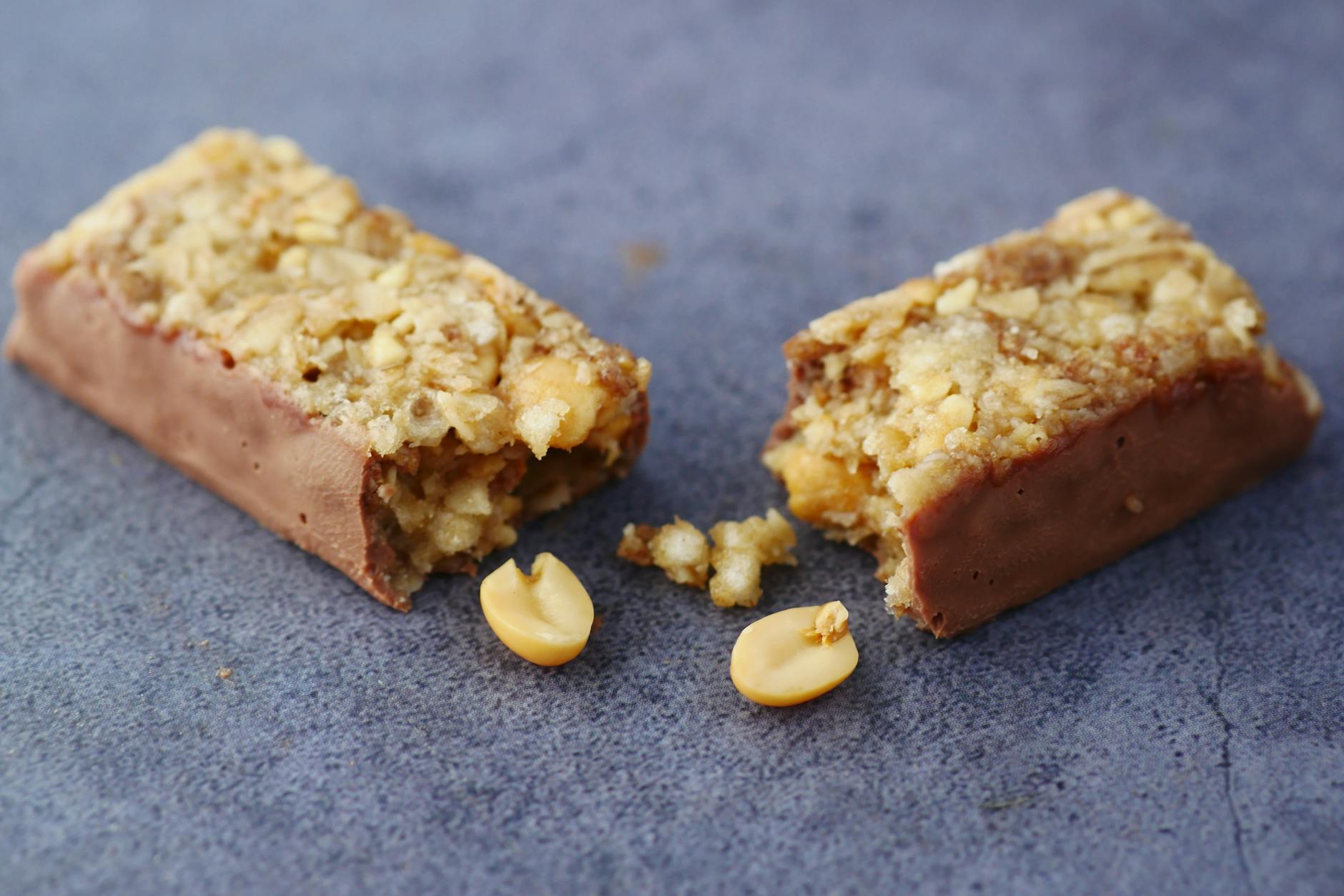
Despite their association with fitness and clean eating, most protein bars are assembled from a complex mixture of isolated protein powders, hydrogenated oils, sugar alcohols, and synthetic vitamins. The manufacturing process involves high-heat extrusion and the use of emulsifiers to bind incompatible ingredients together into a shelf-stable format. Many bars contain chicory root extract or inulin added purely to boost the fibre count on the nutrition label rather than for any whole-food nutritional purpose. The coating on chocolate-flavoured varieties is typically a compound chocolate substitute rather than real cocoa-based chocolate.
Plant-Based Meat
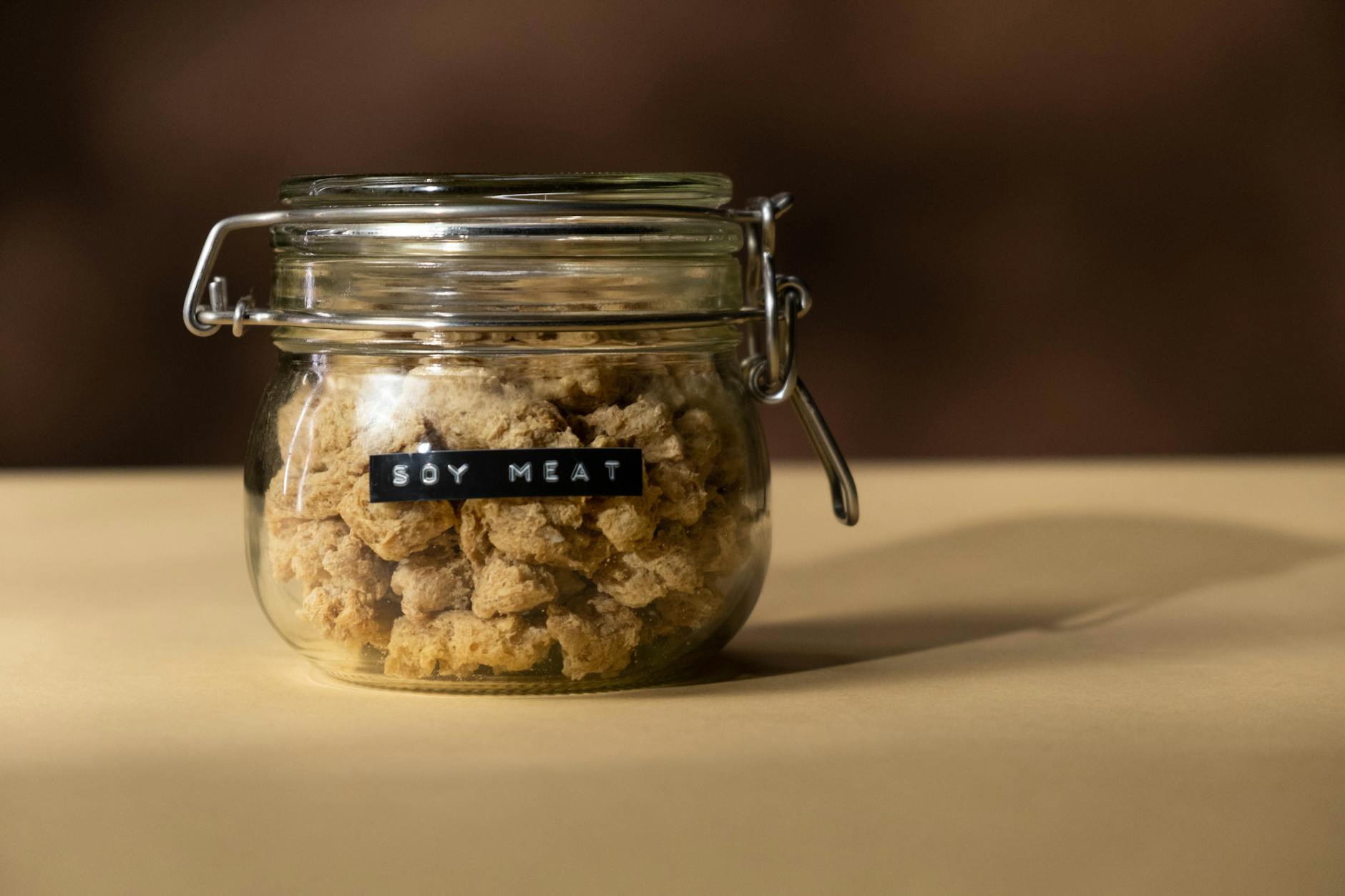
Products like vegan burgers and meatless sausages are often celebrated as environmentally conscious choices, but their ingredient lists tell a more complicated story. These items are typically made from isolated soy or pea protein that has been heavily processed to strip away its natural form before being restructured with methylcellulose, flavourings, and colouring agents like beet extract. The production process requires industrial-scale equipment and numerous additives to replicate the texture, taste, and appearance of animal meat. Nutritionally, these products often contain high levels of sodium and saturated fat despite their plant-based origins.
Breakfast Cereals
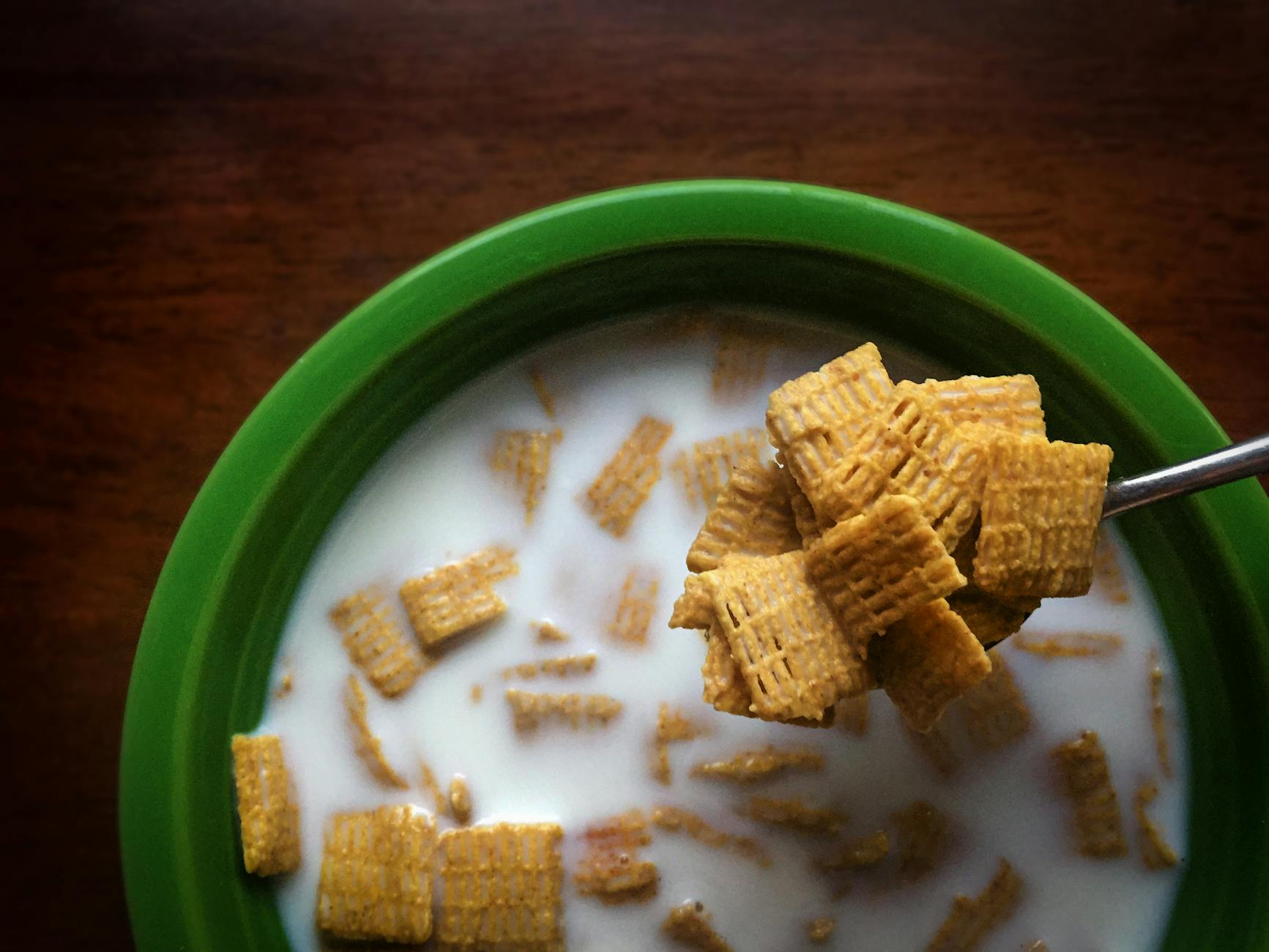
Even cereals marketed toward health-minded adults with claims of wholegrains, added fibre, or reduced sugar have typically undergone extensive processing. Whole grains are pulverised, mixed with water and additives, then pushed through extruders at high pressure and temperature before being shaped and dried into their familiar forms. This process significantly alters the cellular structure of the grain and reduces its natural nutritional value, which is then partially restored by adding synthetic vitamins and minerals. Flavour compounds, preservatives like BHT, and added sweeteners are standard inclusions even in products with modest sugar counts on their labels.
Veggie Chips
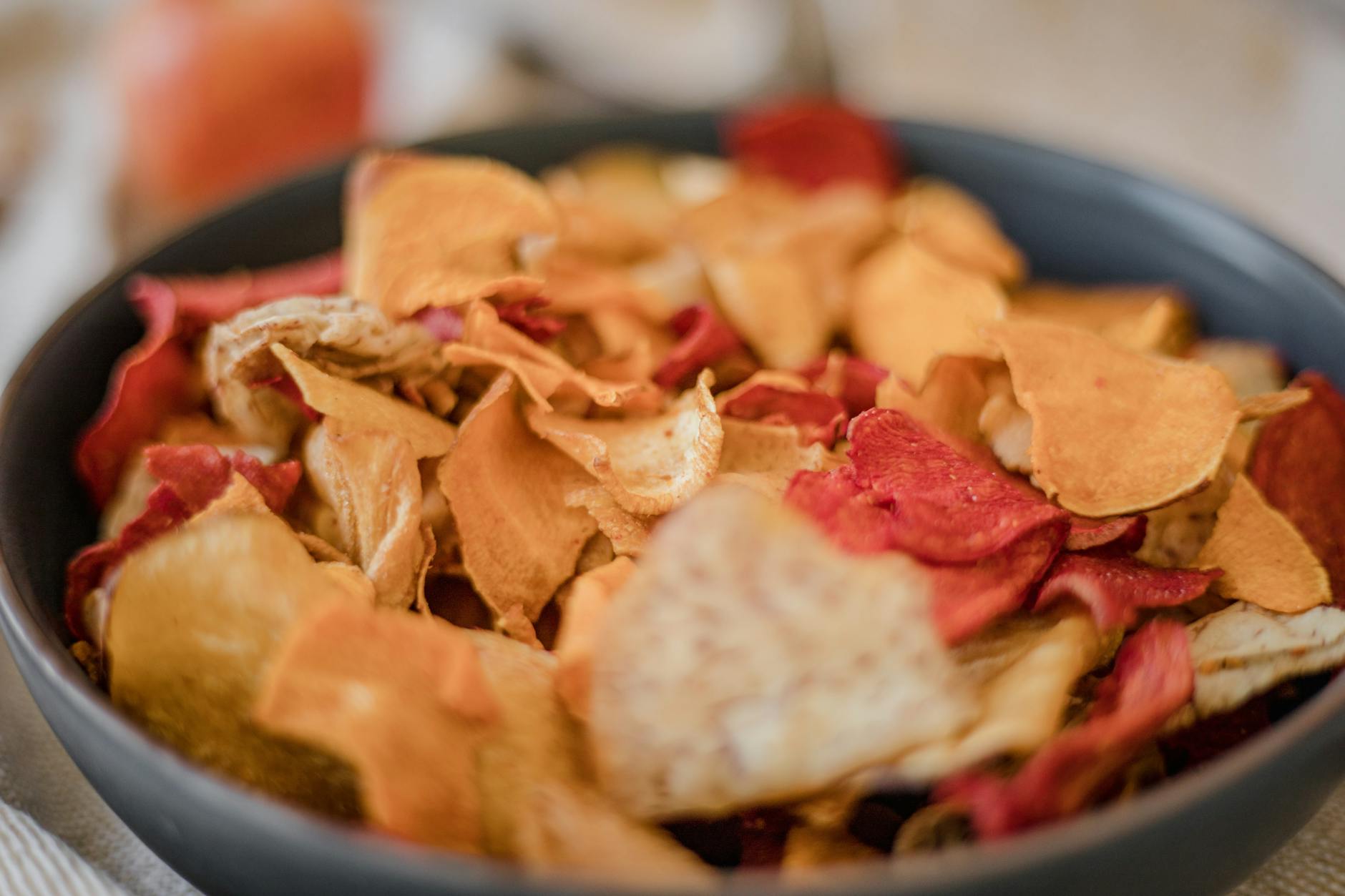
Bags of vegetable-based chips often feature images of fresh produce on their packaging while containing surprisingly little actual vegetable content. Most are made from vegetable powders or concentrates mixed with refined starches, oils, and seasoning blends that include flavour enhancers and anti-caking agents. The extrusion or frying process used to create the chip format further reduces any residual nutritional value the vegetable source might have offered. Sodium levels in these products frequently rival or exceed those found in conventional potato chips.
Oat Milk
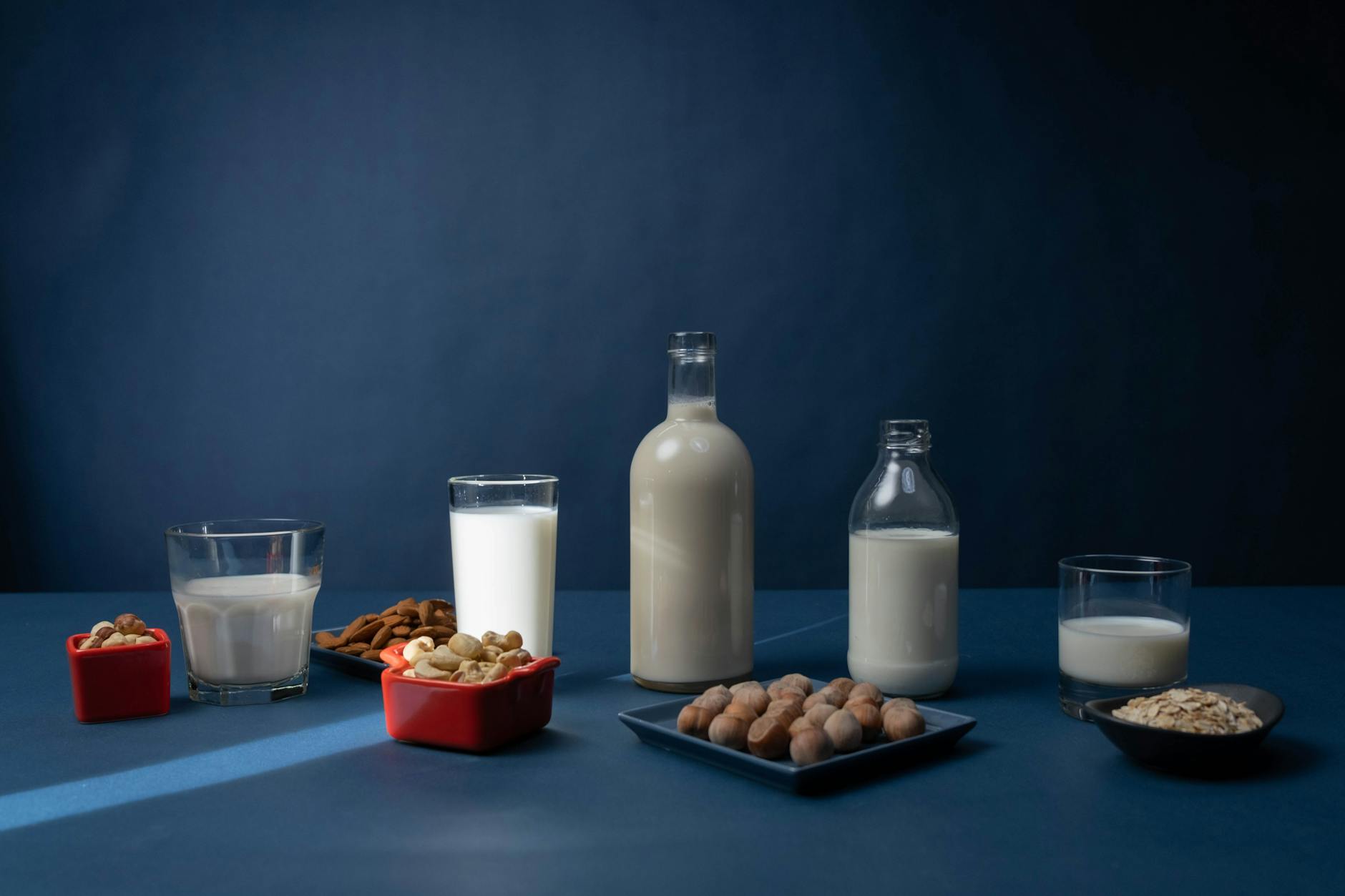
Commercially produced oat milk undergoes enzymatic processing to convert the oats’ natural starches into sugars, which is what gives it its characteristic sweetness without any added sugar being listed on some labels. Most commercial varieties also contain rapeseed oil for creaminess, along with emulsifiers like sunflower lecithin and dipotassium phosphate to prevent separation. The liquid is then homogenised, pasteurised, and fortified with synthetic calcium, vitamins D and B12, and sometimes riboflavin. The finished product shares very little in common with soaked and blended oats that someone might make at home.
Store-Bought Hummus
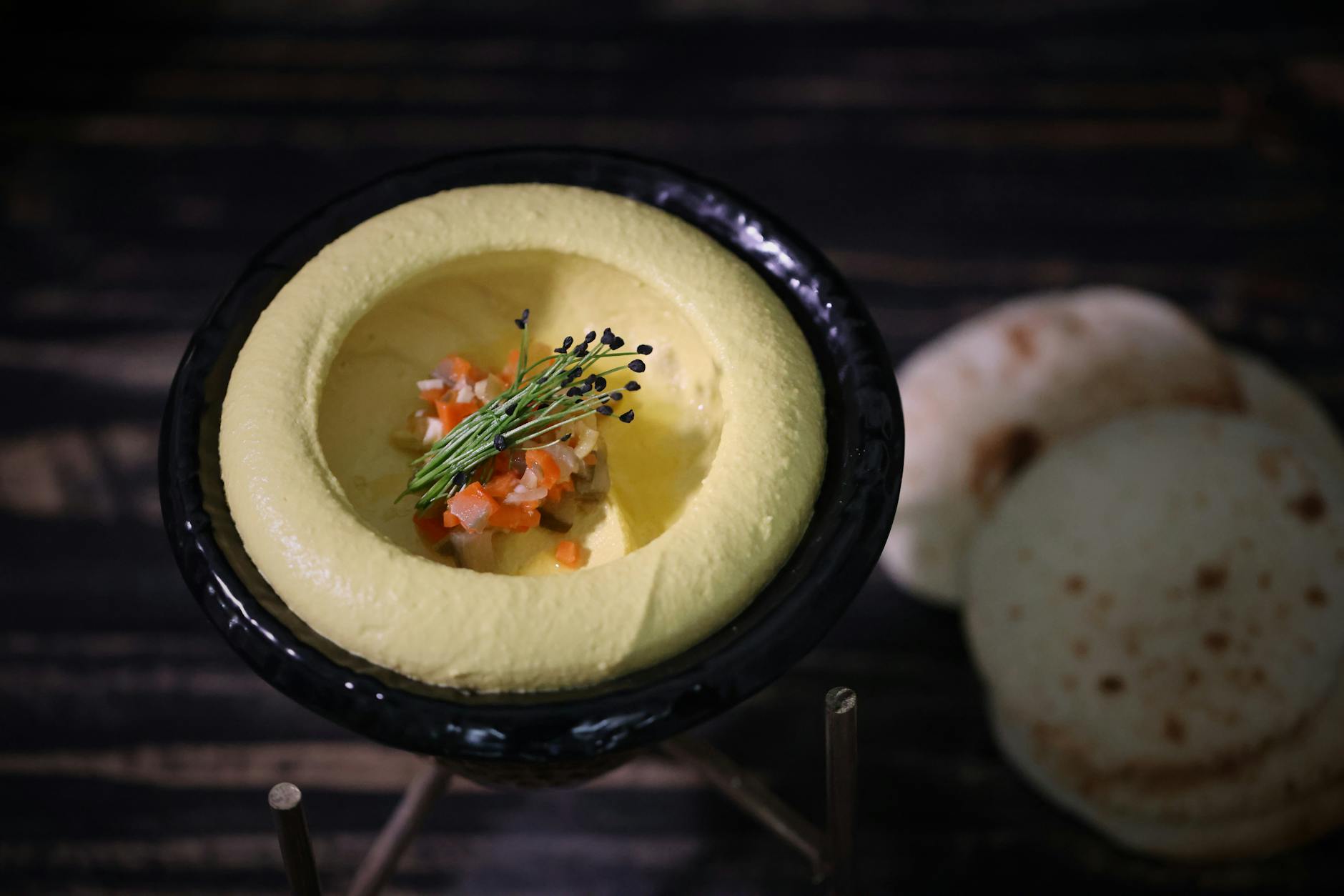
Freshly made hummus from a Lebanese kitchen contains chickpeas, tahini, lemon, garlic, and olive oil, but the tub purchased from a supermarket shelf operates under different rules. Commercial hummus commonly includes modified starch, potassium sorbate, citric acid, and disodium EDTA to maintain colour, texture, and shelf stability over weeks. Many brands use less tahini than traditional recipes require and compensate with flavouring agents to replicate the expected taste. The chickpeas themselves are often sourced in dried bulk form and processed in ways that differ significantly from simple home cooking methods.
Flavoured Nut Milks
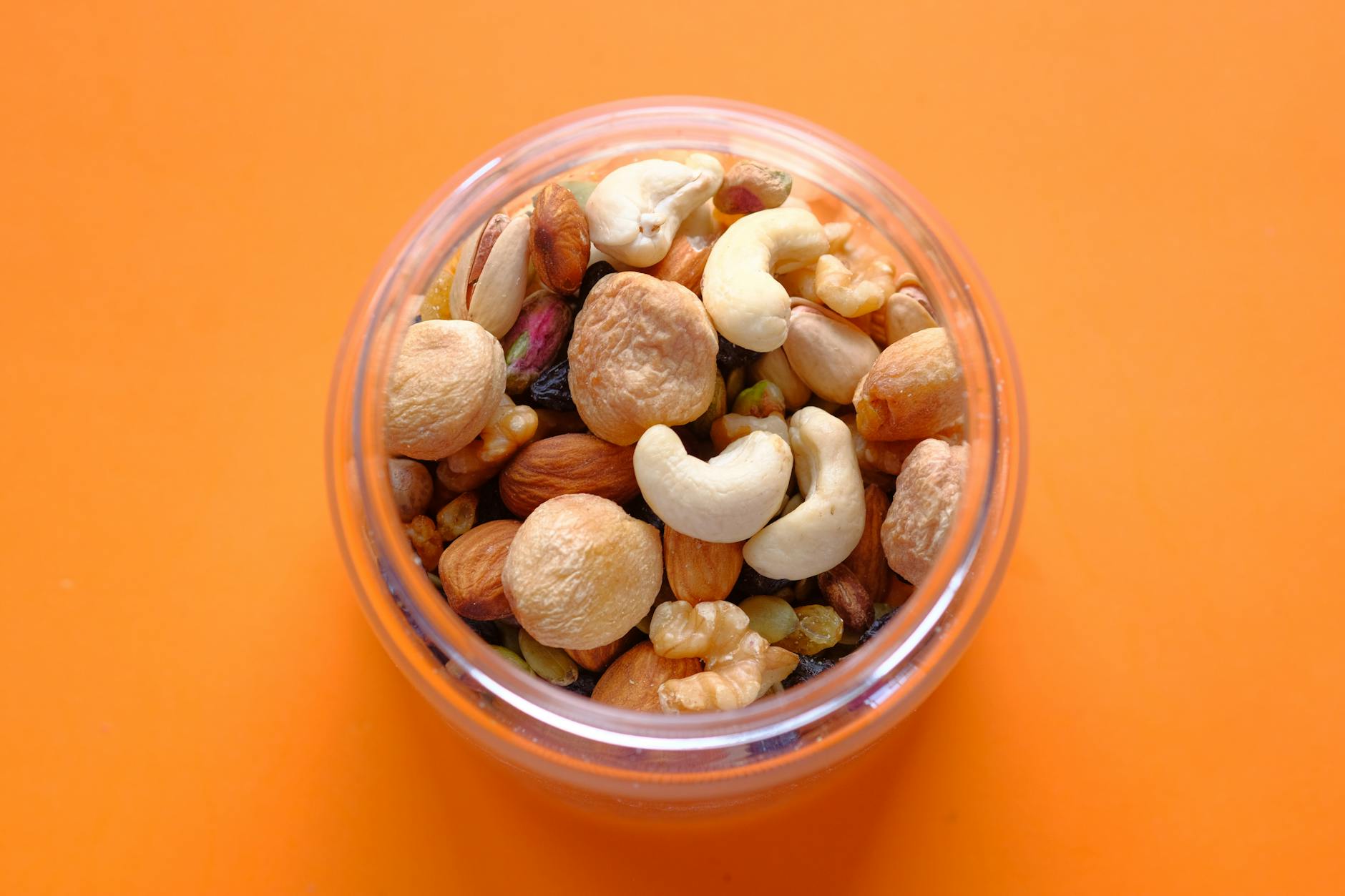
Almond, cashew, and coconut milk products in sweetened or flavoured varieties contain only a fraction of the actual nut that their names suggest. A typical serving of commercial almond milk contains around two percent almonds, with the remainder being water, added vitamins, and a blend of emulsifiers and stabilisers such as gellan gum and locust bean gum. Flavoured versions add vanilla extracts, caramel compounds, and sweeteners including cane sugar or monk fruit extract to achieve palatability. The resulting product is closer to a flavoured water than a nutritional equivalent of eating a handful of almonds.
Multigrain Bread

A loaf labelled multigrain or seven-grain can create the impression of nutritional density while containing mostly refined white flour with small token quantities of other grains added for marketing appeal. Commercial bread production relies on dough conditioners like azodicarbonamide and DATEM, along with emulsifiers and preservatives such as calcium propionate to achieve consistent texture and extended shelf life. The added grains are often present in such minimal amounts that they appear toward the bottom of the ingredient list after numerous additives. Caramel colouring is sometimes used to give the bread a browner, heartier appearance than its actual composition would produce.
Smoothie Pouches

Pre-made smoothie pouches and bottled smoothies sold as fresh or cold-pressed frequently undergo high-pressure processing or pasteurisation to extend their usable life well beyond what fresh blended fruit would allow. Many products in this category add concentrated fruit juices, which increase sugar density while reducing the fibre content compared to eating whole fruit. Natural flavouring compounds are often included to compensate for flavour loss that occurs during processing and storage. Vitamin fortification is commonly used to restore nutrients that the preservation process has degraded or destroyed.
Rice Cakes
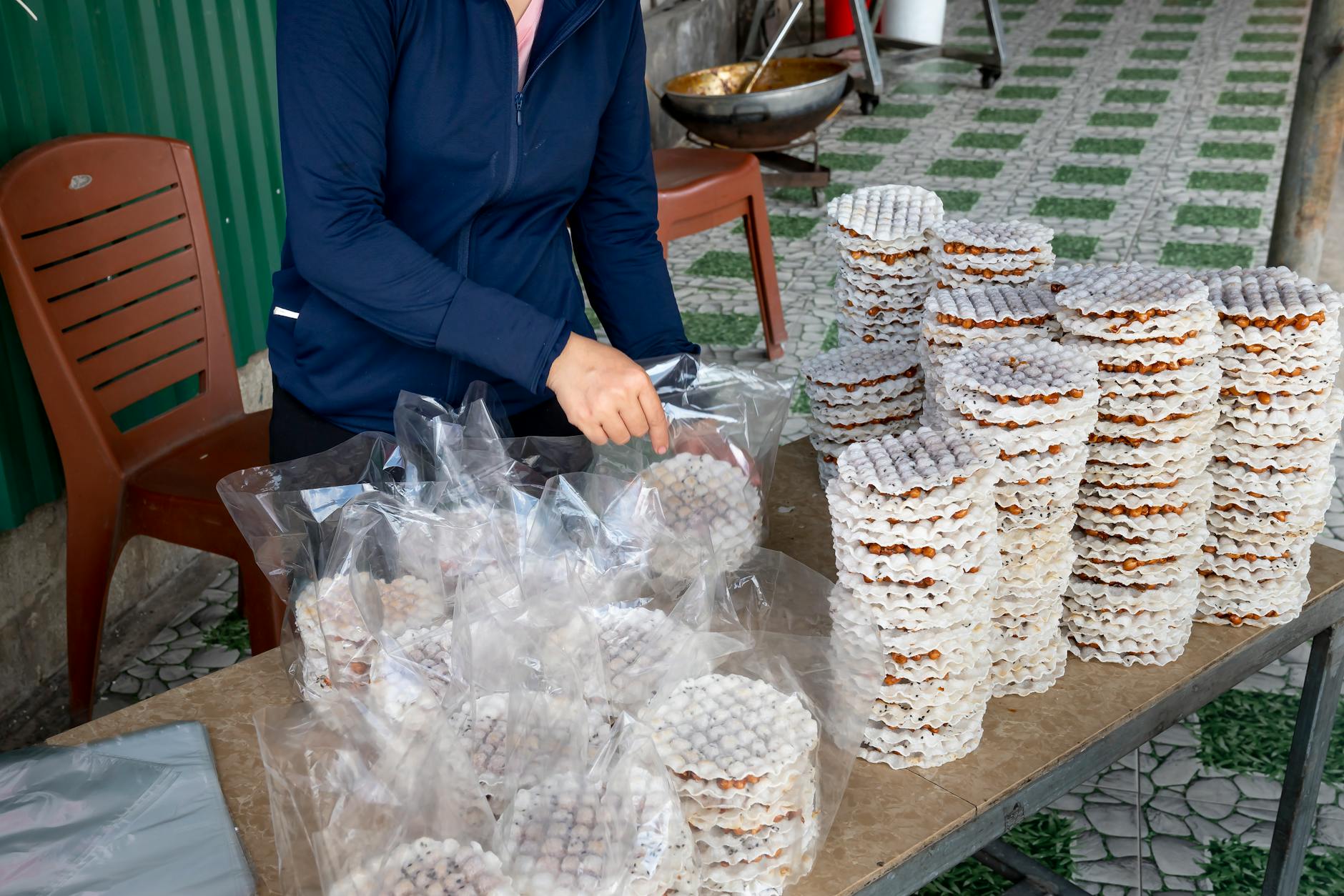
Presented as one of the cleanest snack options available, plain rice cakes are made through a process of high-heat puffing that alters the starch structure of the rice and produces a food with a very high glycaemic index. Flavoured varieties add yeast extract, maltodextrin, artificial flavourings, and seasoning blends containing flavour enhancers to make the otherwise bland base more palatable. The rice used is often not whole grain despite a wholesome appearance, and the processing strips away much of the bran and germ that would provide fibre and micronutrients. Sodium levels in savoury flavoured varieties can be unexpectedly high relative to the small size of each individual cake.
Instant Oatmeal Packets

While a bowl of rolled oats cooked on the stove is widely regarded as a minimally processed food, the flavoured instant varieties sold in individual packets tell a different story. These products are pre-cooked and dried, then blended with maltodextrin, partially hydrogenated oils, artificial flavourings, and quantities of added sugar that can rival a small dessert. The oats themselves are cut more finely and pre-gelatinised to allow near-instant preparation, which increases their glycaemic impact compared to traditional rolled or steel-cut oats. Colour additives and natural flavour compounds are used to make ingredients like freeze-dried fruit pieces appear more vibrant than they actually are.
Pre-Washed Salad Bags
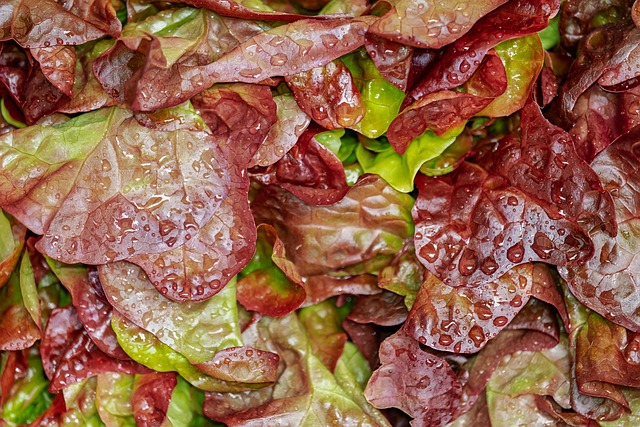
Bagged salad leaves and mixed greens appear to be about as close to nature as a supermarket product can get, but the journey from field to bag involves a series of industrial treatments. Leaves are typically washed in diluted chlorine solution or other antimicrobial agents to reduce pathogen risk across large-scale processing facilities. Modified atmosphere packaging replaces the air inside the bag with a specific mixture of gases designed to slow respiration and browning in the leaves. While these steps are necessary for food safety and logistics at scale, they place bagged salads in a different category from simply cutting fresh leaves from a garden.
Energy Drinks Marketed as Natural
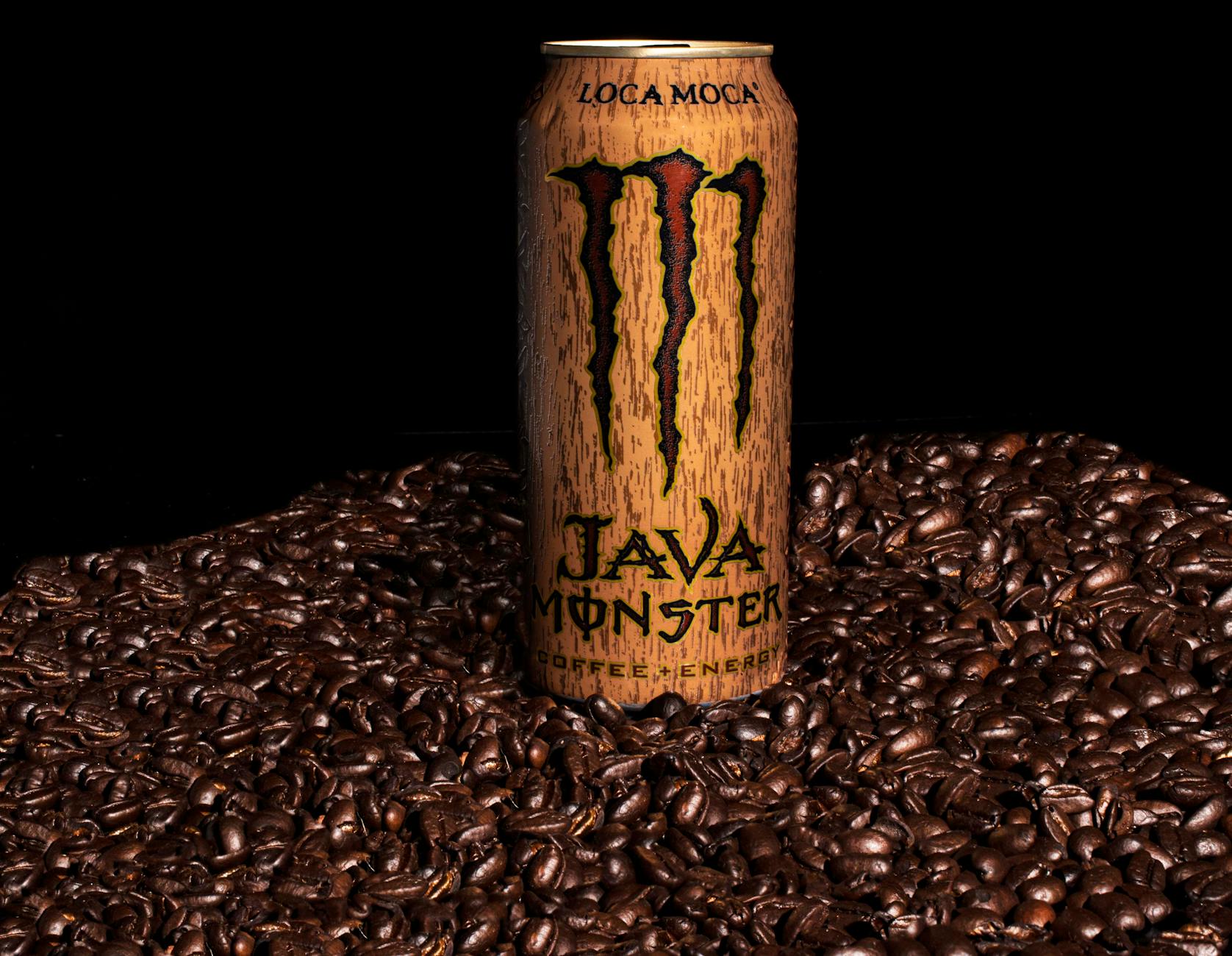
A growing segment of the energy drink market presents itself as a clean alternative to conventional caffeinated beverages, using words like natural, organic, and plant-based prominently on the can. These products typically contain concentrated extracts of guarana, green tea, or yerba mate alongside synthetic B vitamins, citric acid, natural flavourings, and carbonated water treated with added minerals for taste. The caffeine content is often equivalent to or greater than conventional energy drinks despite the more wholesome presentation of the label. Sweeteners in these products range from cane sugar to erythritol and stevia extracts, which are processed compounds rather than whole-food sweeteners.
Cottage Cheese with Added Ingredients
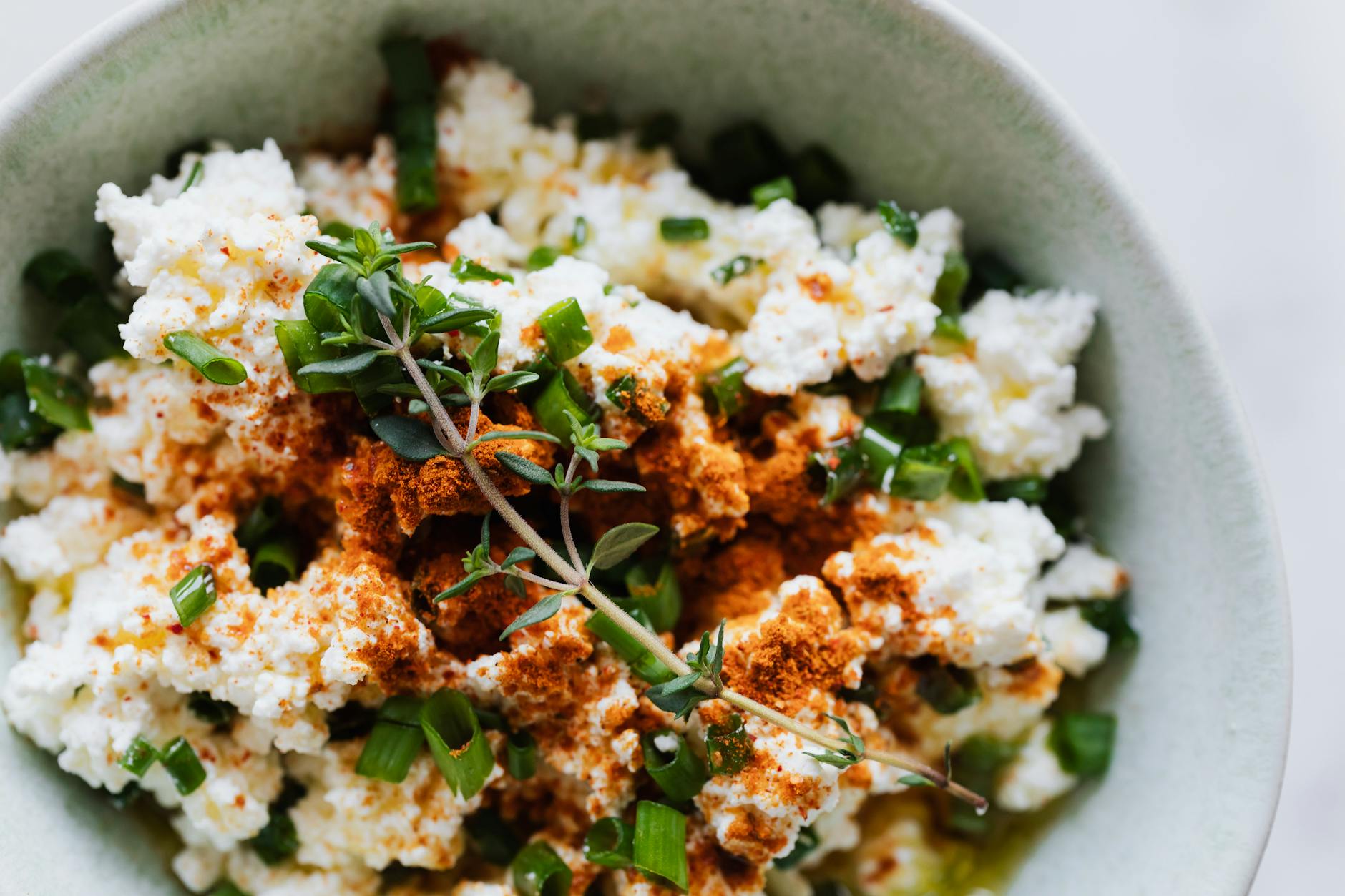
Plain full-fat cottage cheese made with minimal ingredients sits comfortably outside the ultra-processed category, but the majority of commercial varieties available include a range of additives. Locust bean gum, carrageenan, and xanthan gum are commonly added to improve texture and prevent the natural separation of curds and whey during transportation and storage. Flavoured varieties incorporate fruit preparations made from concentrates, artificial flavourings, and sweeteners that significantly alter the nutritional profile of the original dairy base. Modified starch is sometimes used to create a smoother consistency that appeals more broadly to consumer preferences shaped by processed food textures.
Pea Protein Powders
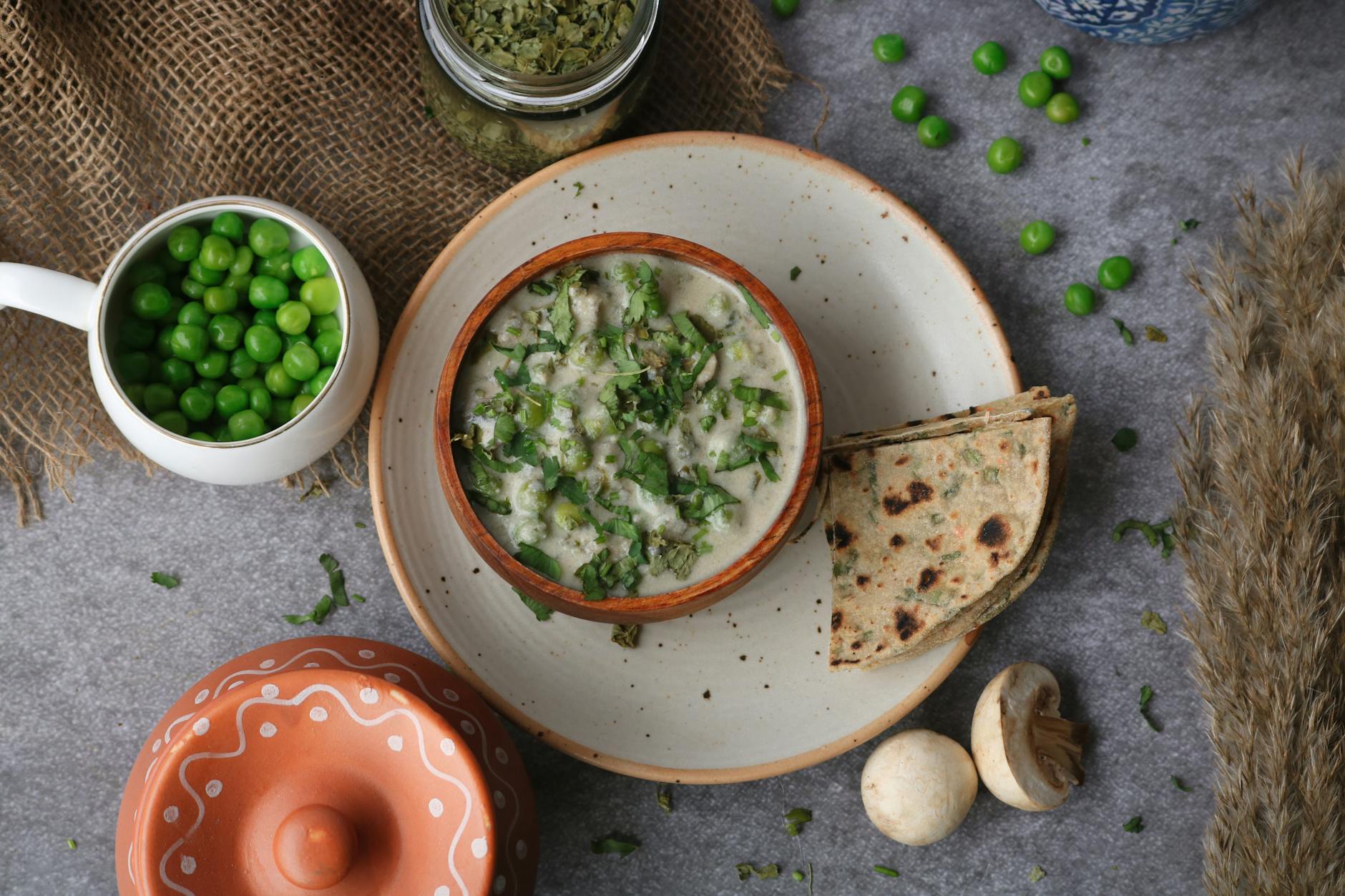
Sold as a clean and allergen-friendly protein source, pea protein powder is the result of an extensive isolation process that extracts the protein fraction from yellow split peas using water, acid, and alkali treatments. The resulting powder is nutritionally different from the whole pea, as the fibre, fats, and various micronutrients present in the original legume are largely removed during processing. Most commercial products then add flavourings, sweeteners, thickeners, and anti-caking agents to make the powder palatable and dissolvable in liquid. Sodium content in pea protein powders can be significantly higher than expected due to the salt used during the extraction and drying process.
Flavoured Sparkling Water

Plain carbonated water is a straightforward product, but the flavoured sparkling water category involves considerably more processing than the packaging often implies. Most flavoured varieties contain synthetic or nature-identical flavouring compounds rather than actual fruit, which are manufactured through chemical or microbial processes in industrial settings. Preservatives like potassium benzoate and citric acid are standard additions to maintain flavour stability over the product’s shelf life. Some brands add sweeteners including sucralose, acesulfame potassium, or erythritol, which are derived from multi-step chemical manufacturing processes.
Granola
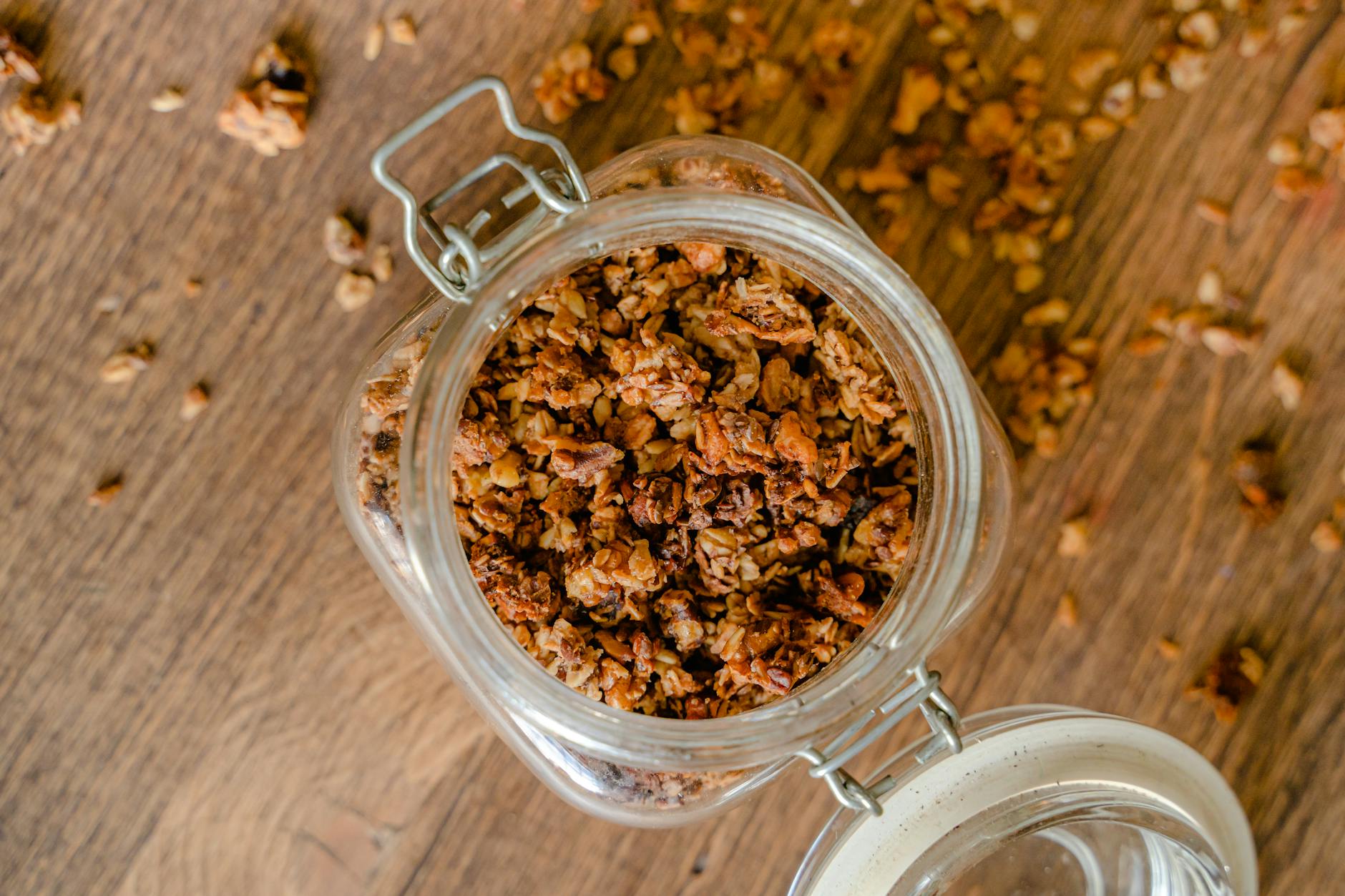
Granola occupies a prominent position in health food culture, but most commercial products are made using refined oils, glucose syrups, artificial flavourings, and emulsifiers that go well beyond the simple oats-honey-and-nut combination suggested by their branding. The industrial baking process used to achieve consistent crunch and clumping involves precise combinations of binding agents and humectants that would not be replicated in home preparation. Added dried fruit in commercial granola is often coated in sunflower oil and sulphur dioxide to preserve colour and prevent clumping during packaging and transport. Sugar content in many popular granola products equals or surpasses that found in breakfast cereals marketed explicitly to children.
Fruit-Flavoured Kefir
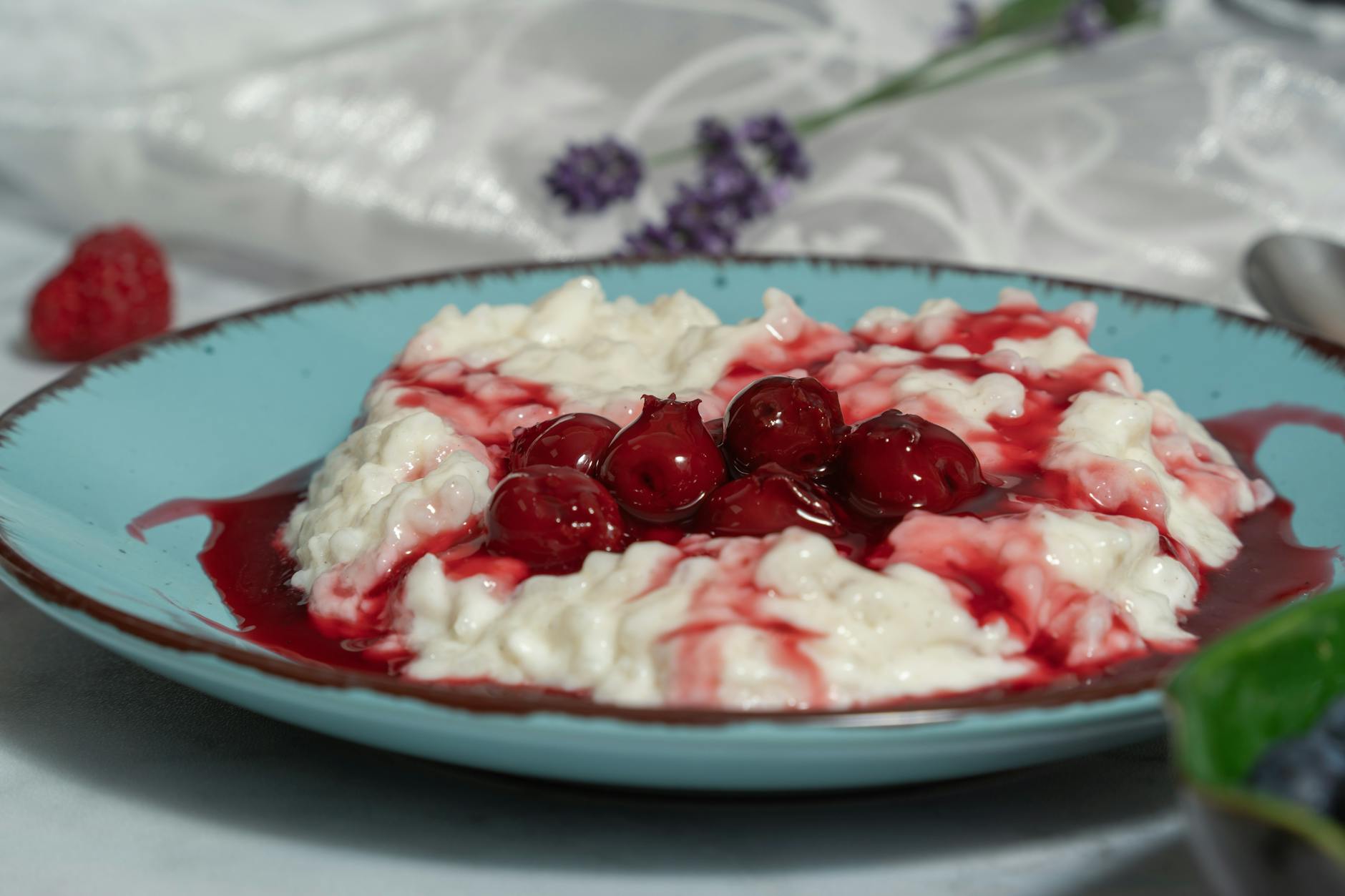
Traditional kefir made from cultured whole milk is a minimally processed fermented food with a well-established nutritional profile, but fruit-flavoured commercial kefir products represent a significantly different category. These drinks typically add fruit concentrates, natural flavourings, pectin, and sweeteners to the cultured base, diluting the probiotic density while increasing the sugar content substantially. The fermentation process itself in large-scale production is often standardised using specific commercial starter cultures rather than the wild fermentation methods associated with traditional preparation. Colourings derived from beet or carmine are sometimes added to flavoured varieties to enhance the visual appeal of the finished product.
Veggie Burgers Made from Concentrates
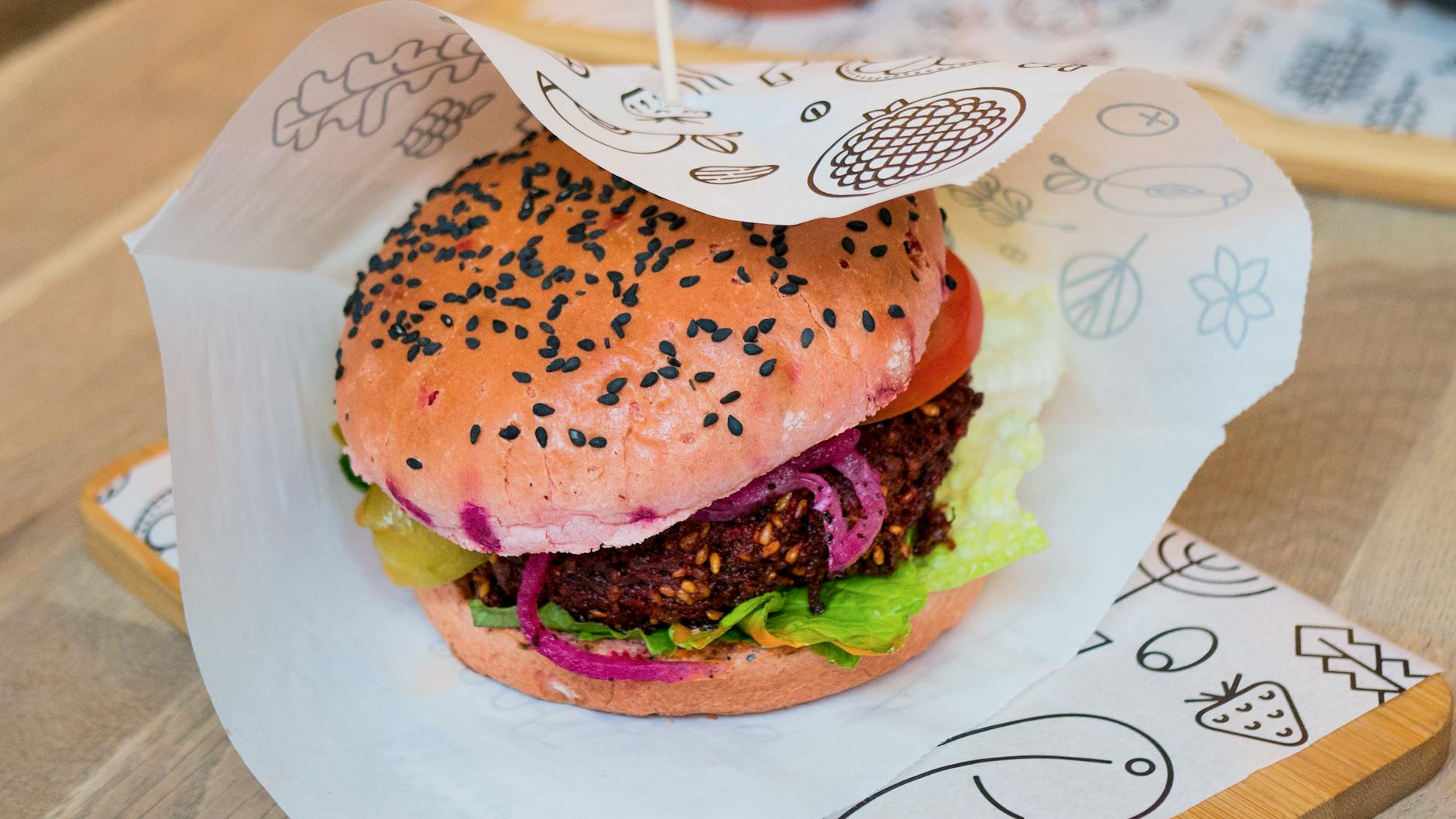
Not all plant-based burgers fall into the same category, but those made primarily from vegetable protein concentrates rather than whole vegetables are firmly in the ultra-processed tier. Manufacturers bind these concentrates with methylcellulose, a synthetic fibre derived from plant cellulose, to replicate the binding quality that egg or meat provides in conventional patties. Smoke flavourings, yeast extracts, and iron compounds are added to approximate the taste and colour of cooked meat for consumers transitioning away from animal products. The final product often contains more sodium per serving than a fast food beef burger of comparable size.
Pre-Made Açaí Bowls
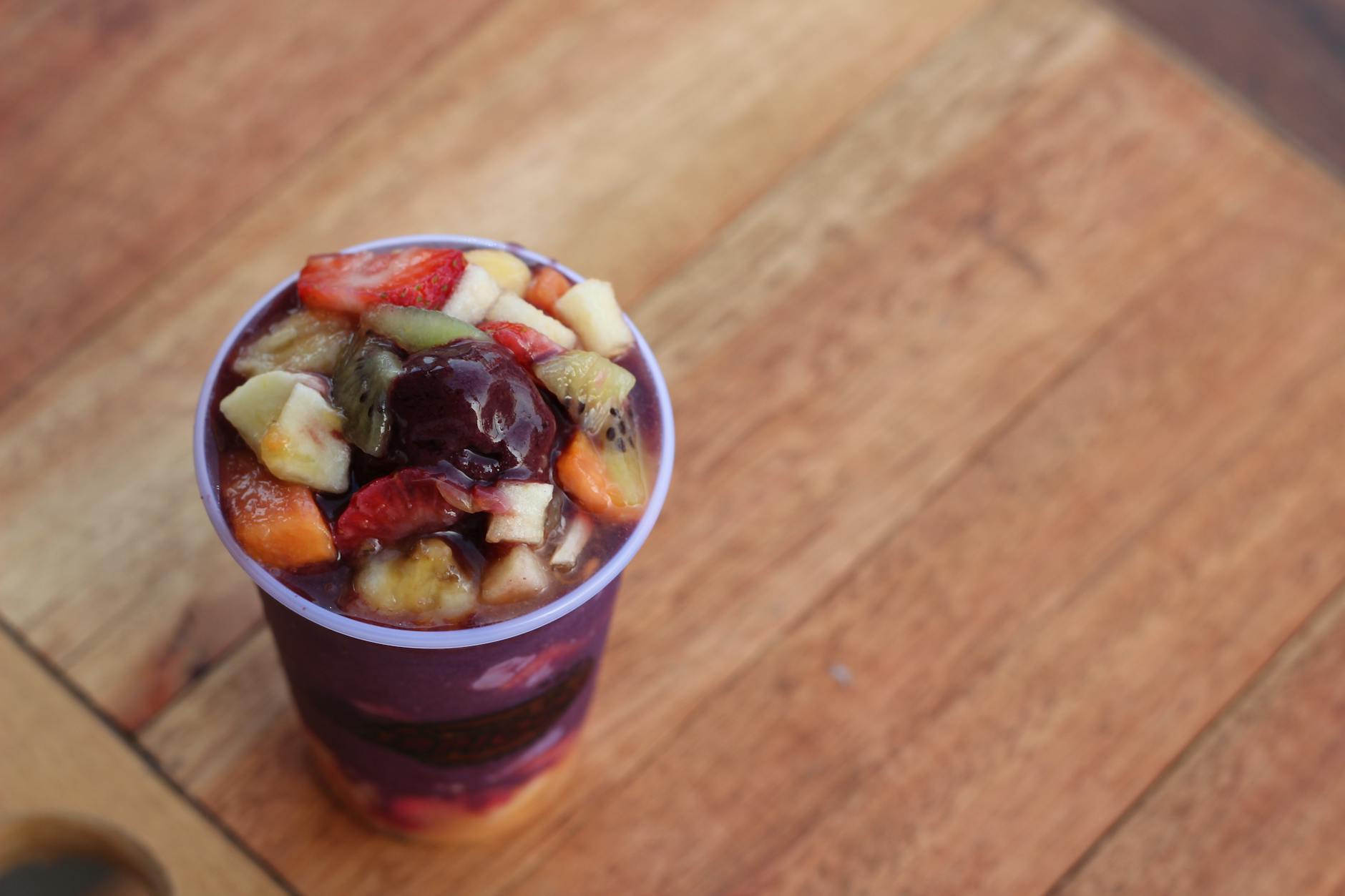
The açaí berry has attracted considerable attention for its antioxidant properties, but the frozen packs and pre-made bowls sold commercially are far removed from the fresh palm fruit in its natural form. Commercial açaí products are typically made from pasteurised purees blended with guarana syrup, added sugars, and natural flavourings to compensate for the mild taste that pure açaí offers in its unsweetened form. Toppings included in pre-assembled bowl products often include granolas with the additives described above alongside sweetened coconut flakes treated with preservatives. The overall sugar content of a commercially prepared açaí bowl frequently exceeds that of a standard soft drink.
Canned Soups Labelled as Fresh
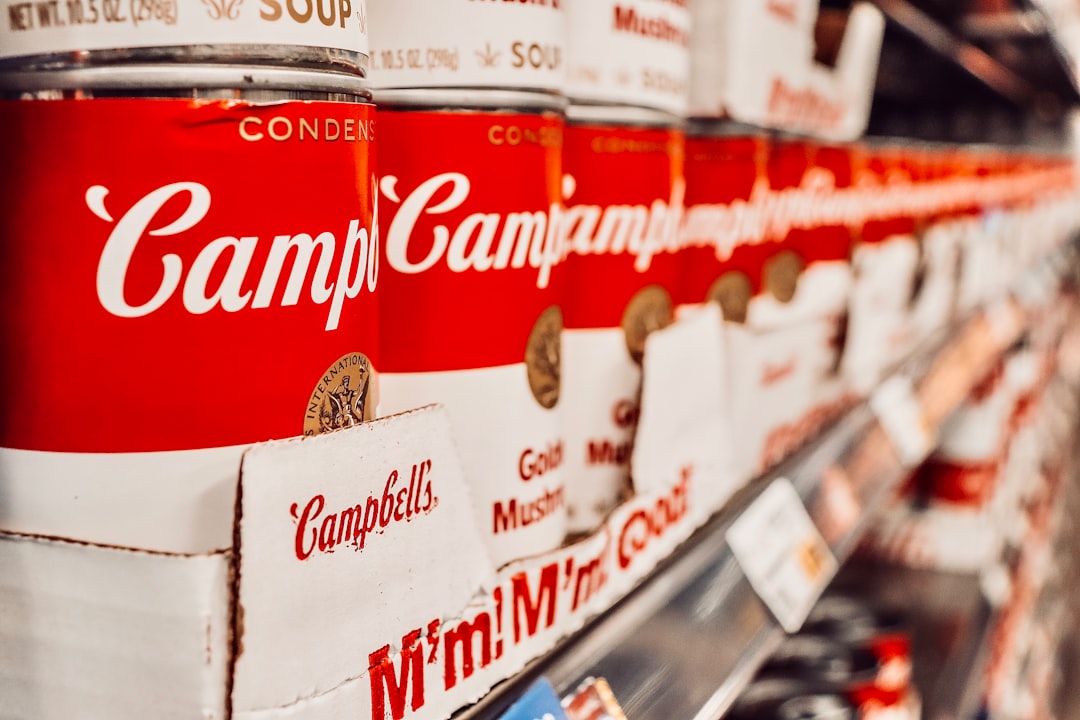
Soups sold in cans or tetra packs with fresh or homemade claims on their labelling undergo a thermal sterilisation process that is fundamentally incompatible with the idea of fresh preparation. This process requires cooking temperatures far higher than those used in home kitchens, which significantly degrades heat-sensitive vitamins and alters the colour and texture of vegetables. Manufacturers compensate with added flavour enhancers, yeast extracts, modified starch for body, and anti-caking agents to restore palatability after the sterilisation process. Sodium levels in canned soups are consistently among the highest found in any supermarket food category, regardless of how they are positioned on the label.
Dried Fruit with Coatings
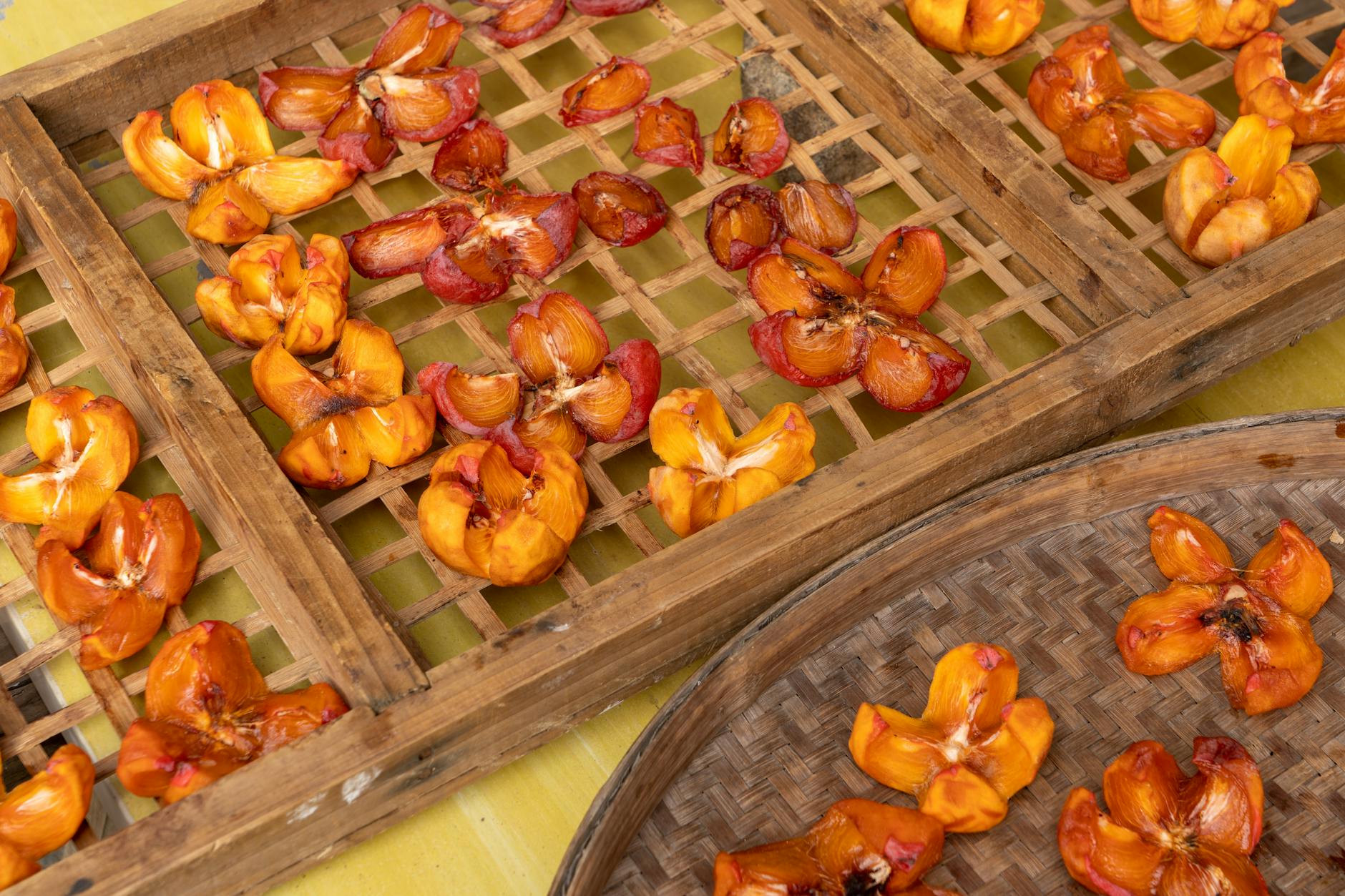
Plain dried fruit like raisins or unsweetened mango slices represent a fairly straightforward concentrated fruit product, but the majority of dried fruits sold commercially include considerable additions. Sulphur dioxide is used as a preservative to prevent browning in lighter fruits like apricots and pineapple, while vegetable oils are applied to prevent clumping and improve appearance in the finished product. Many popular dried cranberry and blueberry products include added sugar in quantities that make them nutritionally comparable to confectionery. Yogurt-coated or chocolate-covered dried fruits add layers of compound coatings made from hydrogenated oils and sugar rather than real yogurt or cocoa-rich chocolate.
Meal Replacement Shakes
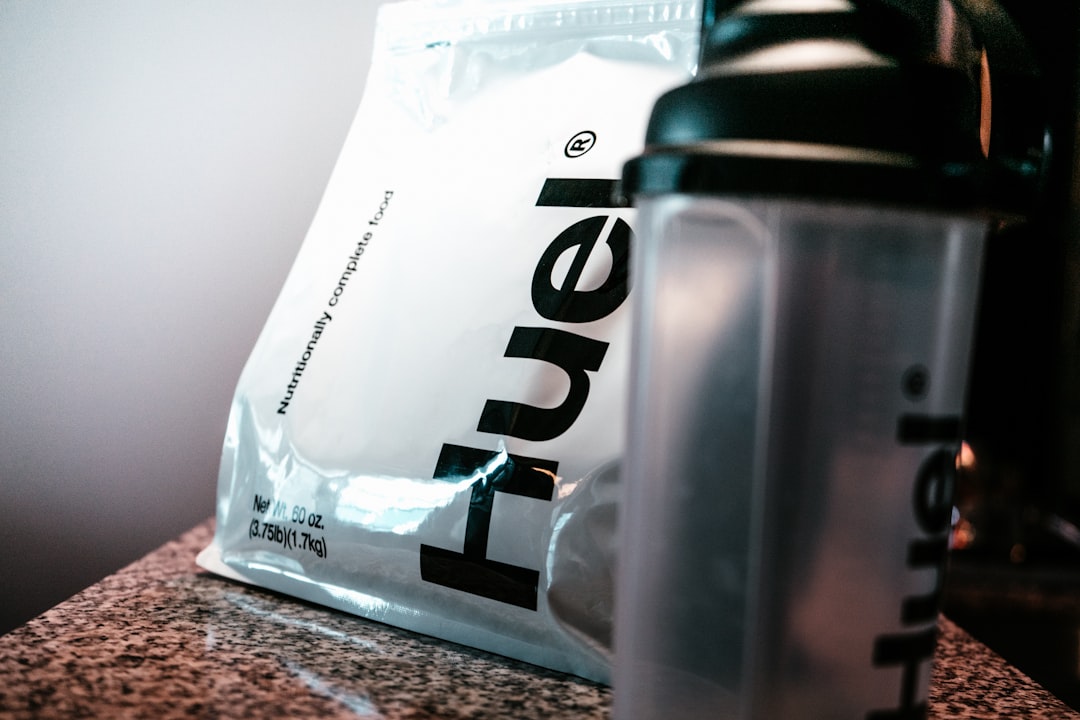
Positioned as a convenient nutritional solution, meal replacement shakes are among the most heavily processed products in the health food market. These drinks are assembled from isolated protein fractions, refined carbohydrate sources like maltodextrin, synthetic vitamin and mineral blends, emulsifiers, stabilisers, and flavouring compounds that bear no resemblance to whole food in any recognisable form. The manufacturing process involves high-speed mixing, homogenisation, and either ultra-high temperature treatment or aseptic packaging to achieve ambient shelf stability. Despite their nutritional completeness claims, research suggests that the body processes these isolated nutrients differently from the same compounds found in whole food matrices.
Store-Bought Guacamole
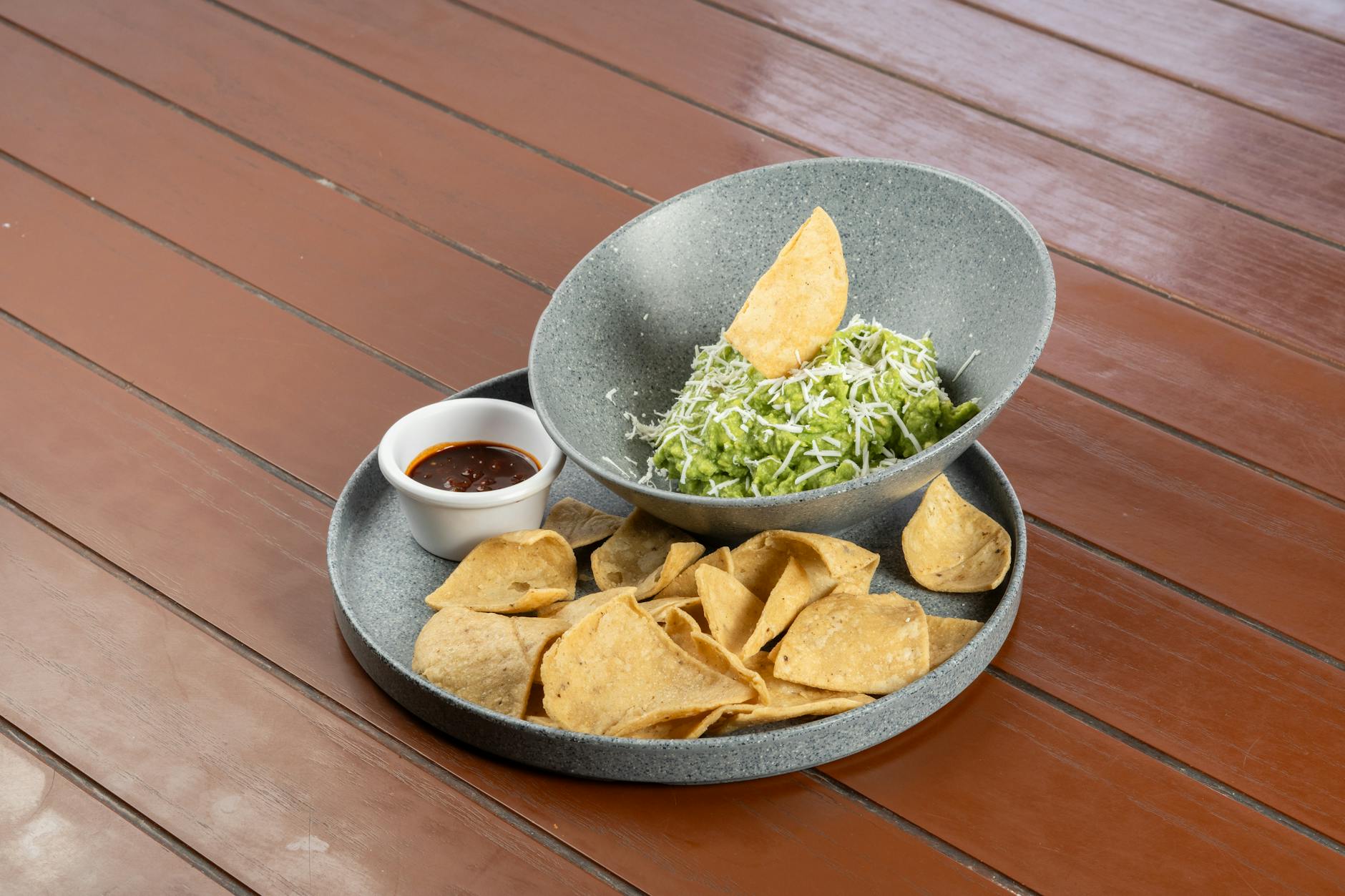
Freshly mashed avocado with lime and salt is an uncomplicated preparation, but commercial guacamole products from the supermarket chilled or ambient section contain a noticeably longer ingredient list. Manufacturers add citric acid, sodium benzoate, and calcium chloride to preserve colour and prevent the surface browning that occurs naturally when avocado flesh is exposed to oxygen during processing. Sour cream powder, modified starch, and natural flavourings are common inclusions to standardise the texture and taste across large production batches. Some products contain less than fifty percent actual avocado by weight despite avocado being the named primary ingredient.
Fortified Orange Juice

Not from concentrate orange juice is minimally processed compared to many entries on this list, but the product sold in most supermarkets still involves a series of industrial steps that move it beyond simple freshly squeezed fruit. After pasteurisation, the juice is typically deaerated and stored in large tanks for months before packaging, a process that strips its natural flavour compounds entirely. Manufacturers then add back proprietary flavour packs derived from orange by-products to restore the taste profile that consumers expect, though these are not required to be listed as separate ingredients. Calcium, vitamin D, and omega-3 additions found in many premium varieties are synthetic compounds blended in during the final production stage.
Greek-Style Yogurt Drinks
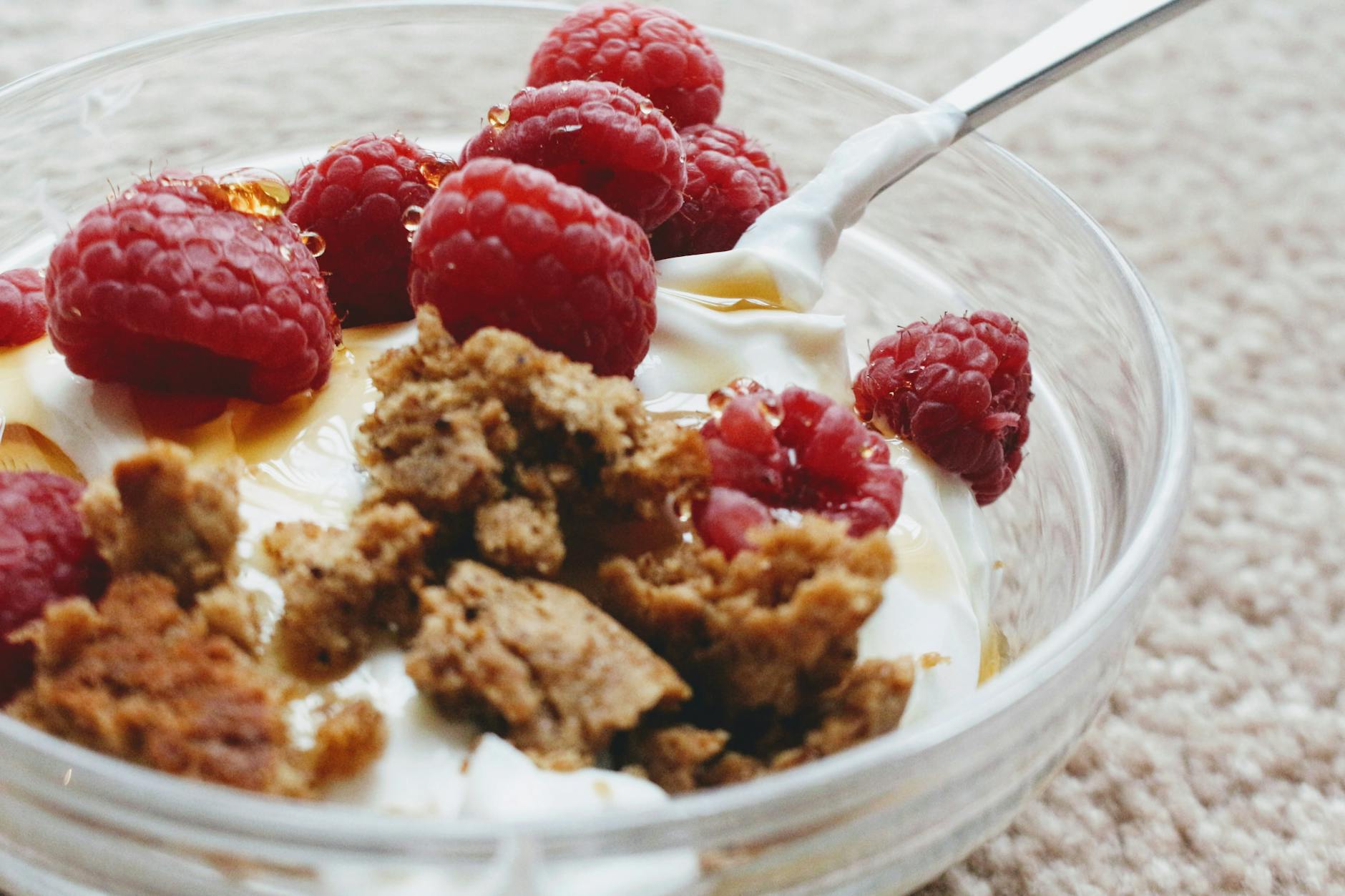
Drinkable yogurt products sold as Greek-style or protein-rich often contain a fraction of the protein found in authentic strained Greek yogurt while including considerably more additives. Thickeners such as pectin and modified maize starch are used to achieve the expected consistency without the labour-intensive straining process used in traditional preparation. Flavoured varieties add fruit preparations loaded with glucose-fructose syrup, natural flavourings, and colourings derived from concentrates to create the appearance of fruit-filled dairy nutrition. The probiotic content of these products is often lower than in plain fermented yogurt due to heat treatment applied after fermentation to extend shelf life.
Flavoured Rice Pouches
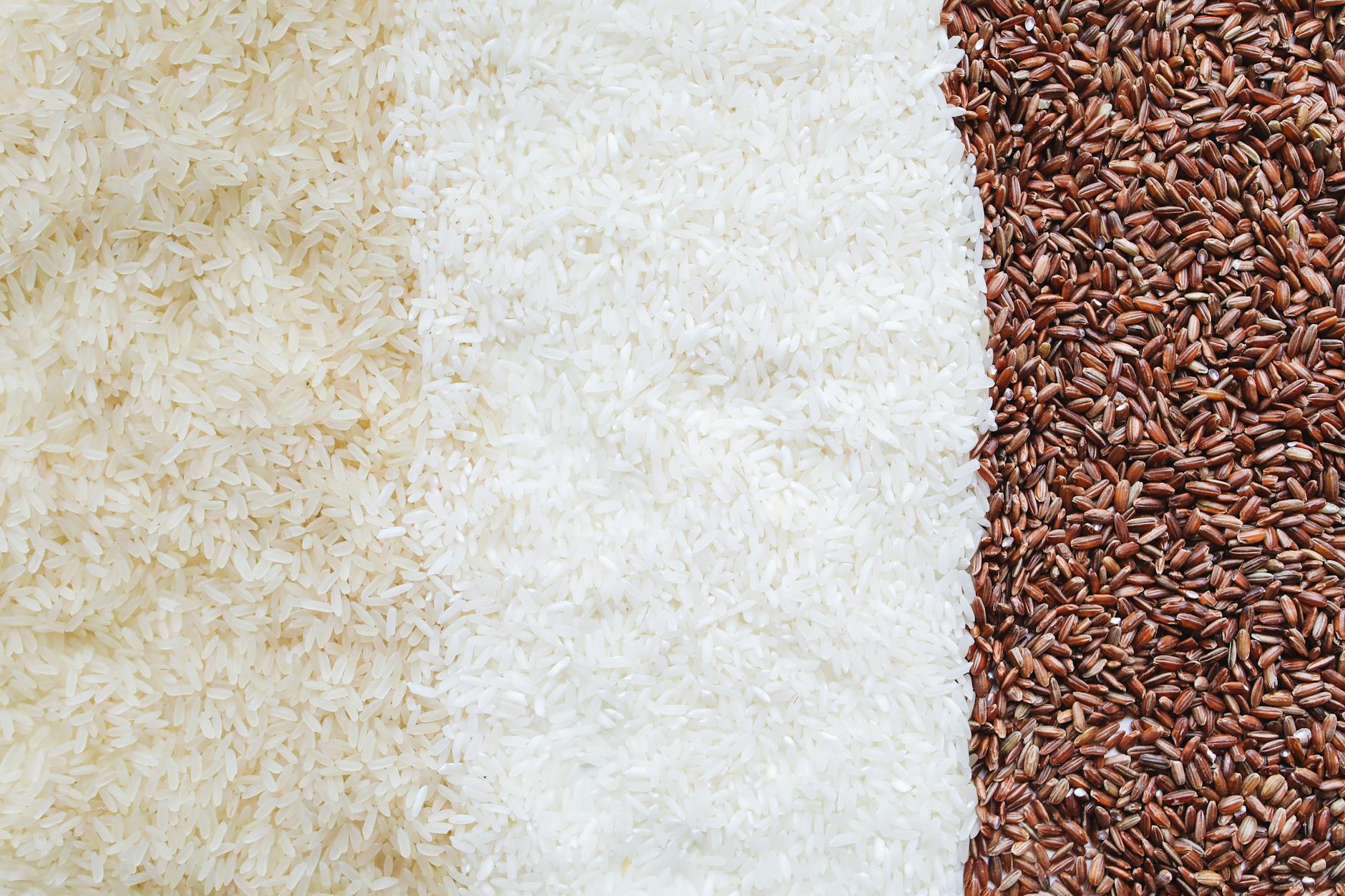
Microwaveable rice pouches in herb, spice, or vegetable flavour varieties are made with parboiled or pre-cooked rice that has been industrially treated to allow rapid reheating without clumping. The flavouring systems used in these products include yeast extracts, maltodextrin, hydrolysed vegetable protein, and dehydrated vegetable powders that have undergone their own processing before being added to the rice blend. Sunflower oil or rapeseed oil is added to each pouch to improve mouthfeel and prevent the grains from sticking together after the steam cooking process. Preservatives and anti-caking agents ensure the product maintains consistent texture and flavour across its full shelf life in ambient storage conditions.
Soup Concentrates and Stock Cubes
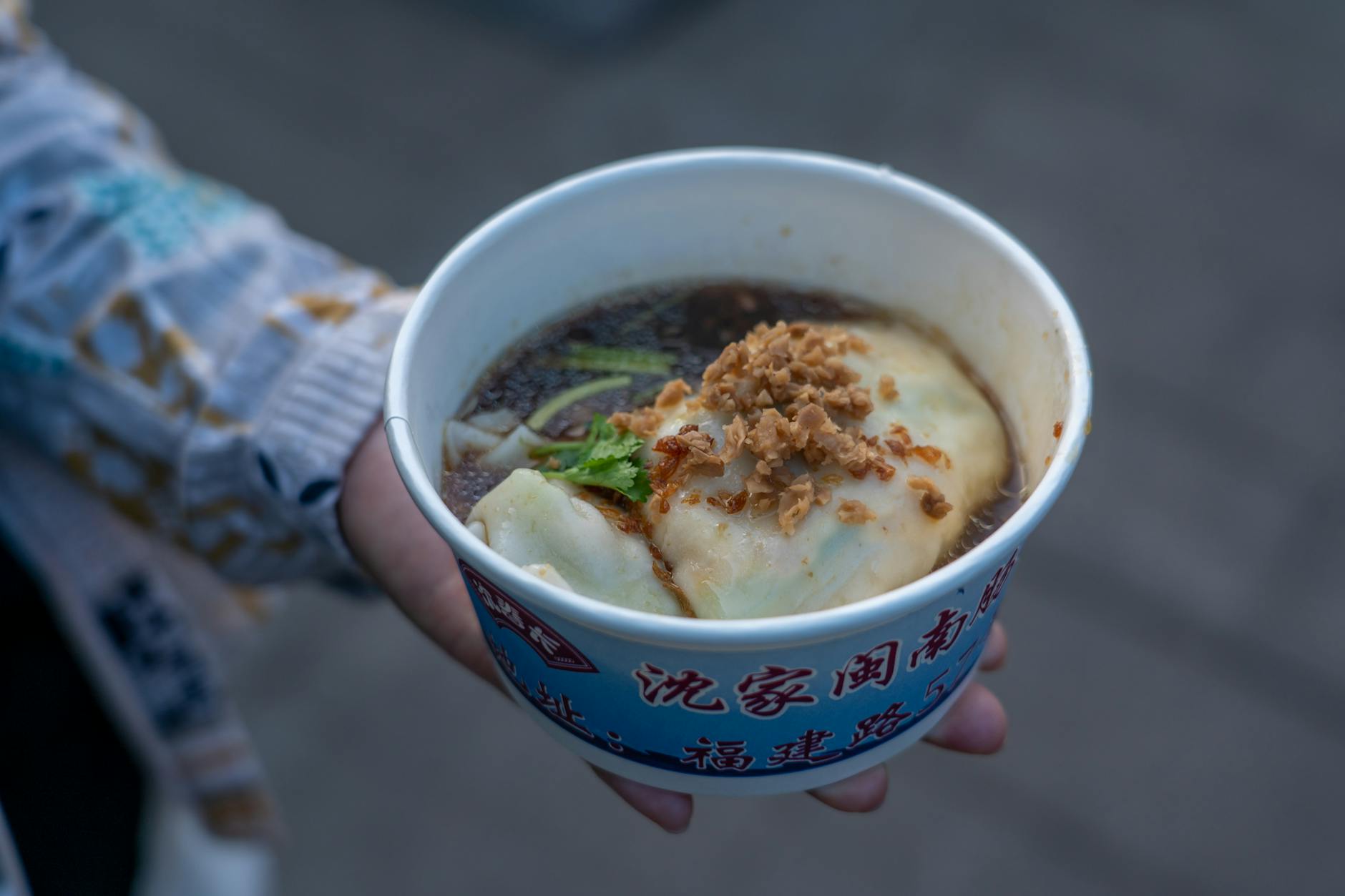
Sold in kitchens across the world as a cooking shortcut, stock cubes and soup concentrates are produced through a process of industrial extraction, concentration, hydrolysis, and spray drying that transforms meat or vegetable source materials into a highly refined flavouring compound. Monosodium glutamate or yeast extract is almost universally present to enhance the perception of savoury depth, alongside palm oil, glucose syrup, and a range of flavouring agents not found in any home stock recipe. Sodium levels per serving from a standard stock cube are among the highest delivered by any single cooking ingredient in common use. The final product provides flavour compounds but very little of the collagen, minerals, or nutrients that would be present in traditionally made bone broth or vegetable stock.
Packaged Smoked Salmon

Cold-smoked salmon is regarded as a premium and nutritious food, but the commercial production process involves considerably more than simply salting and smoking fresh fish. Industrially produced smoked salmon is commonly treated with sodium polyphosphate to increase water retention, which improves yield for the manufacturer while altering the natural texture of the fish flesh. Liquid smoke preparations, derived from condensed smoke compounds, are sometimes used in place of or in addition to traditional cold smoking to speed up production timelines. Colouring agents including astaxanthin or canthaxanthin are routinely added to farmed salmon products to achieve the deep pink-orange colour that consumers associate with premium wild-caught fish.
Coconut Yogurt
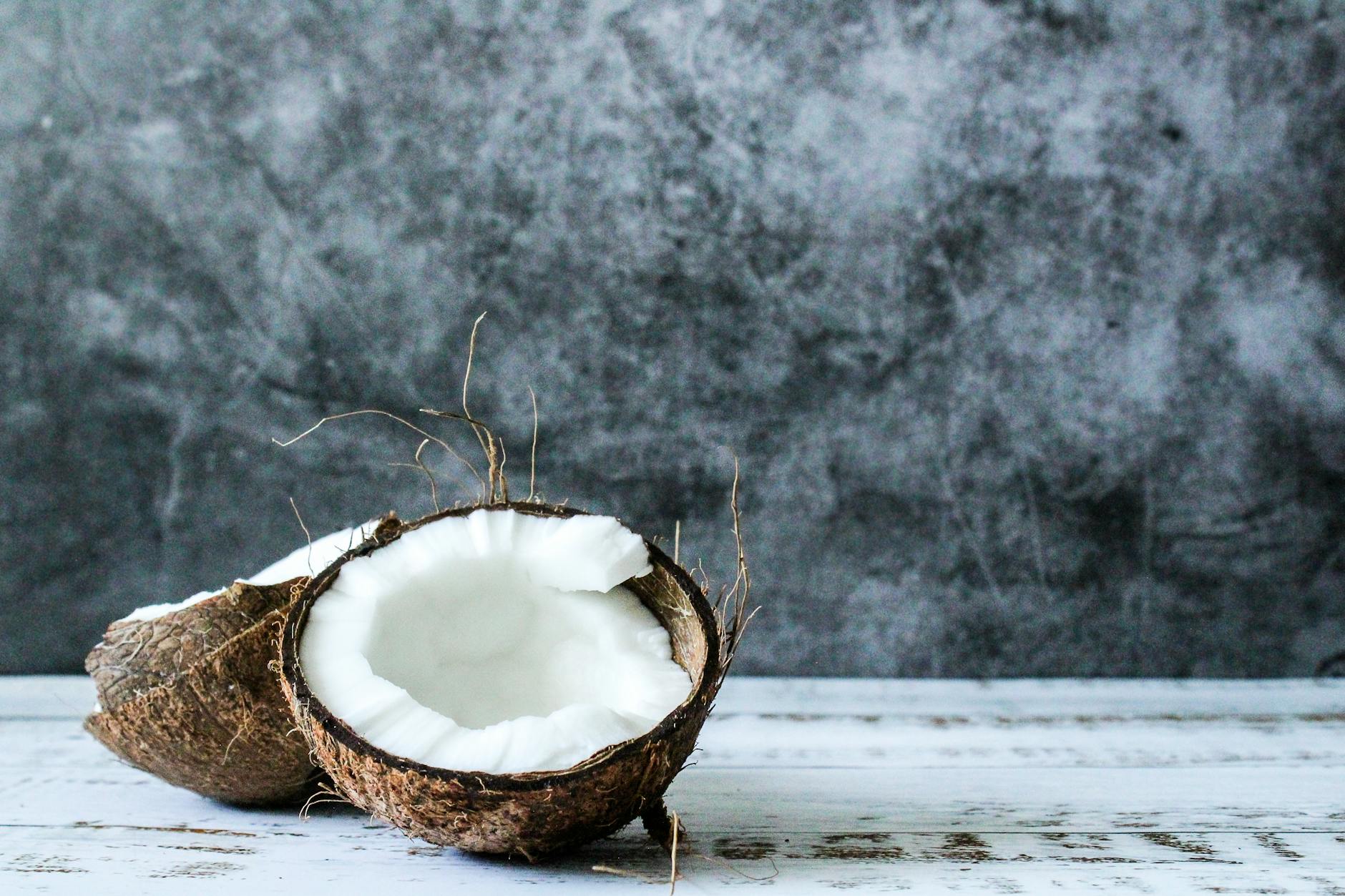
Dairy-free yogurt made from coconut cream is often chosen by consumers seeking a clean and natural alternative to conventional yogurt, but most commercial products require significant processing to achieve their texture and shelf stability. Manufacturers add tapioca starch, pea protein, xanthan gum, and locust bean gum to compensate for the lack of milk proteins that would naturally provide structure and creaminess in conventional yogurt. Citric acid and natural flavourings are used to replicate the tangy fermented quality that develops organically in dairy yogurt through the activity of live bacterial cultures. The probiotic cultures present in coconut yogurt are often added after the heating and thickening process rather than developing through authentic fermentation of the coconut base.
Pre-Made Protein Pancakes

Protein pancake mixes and ready-to-cook protein pancake batter products position themselves as a fitness-friendly breakfast choice while containing a surprisingly complex list of industrial ingredients. Most include isolated whey or pea protein, maltodextrin, raising agents like sodium acid pyrophosphate, emulsifiers such as mono and diglycerides of fatty acids, and natural flavourings in addition to the flour base. Pre-made liquid batter versions add preservatives and modified starch to maintain the mixture’s consistency and food safety across the product’s refrigerated shelf life. The resulting pancakes typically contain far more sodium, emulsifiers, and refined ingredients than a simple homemade pancake made from eggs, oats, and banana.
Herbal and Vitamin Water

Bottles of water infused with herbal extracts, vitamins, or electrolytes occupy a growing section of the functional beverage market and are frequently purchased as a health-conscious alternative to plain water or soft drinks. These products contain synthesised vitamin compounds, flavour extracts produced through industrial processes, and in many cases sweeteners such as sucralose, stevia glycosides, or erythritol to mask the bitter notes that vitamin fortification introduces. Citric acid and sodium citrate are standard additions for both flavour and preservation, and some products include emulsifiers to keep oil-based vitamin compounds dispersed throughout the liquid. The overall formulation is assembled in industrial beverage facilities using the same technology and processes used to produce conventional flavoured soft drinks.
Share your thoughts on which of these surprising ultra-processed foods caught you most off guard in the comments.




