For decades, sharing a bed has been treated as a cornerstone of romantic partnership, but a growing number of couples are discovering that sleeping apart can breathe new life into their relationships. The concept of a “sleep divorce” is shedding its stigma as more partners prioritize rest, personal space, and emotional wellbeing over outdated conventions. Research continues to highlight the profound ways that quality sleep shapes mood, communication, and intimacy. What follows are twenty compelling reasons why separate bedrooms might be exactly what your marriage needs.
Improved Sleep Quality
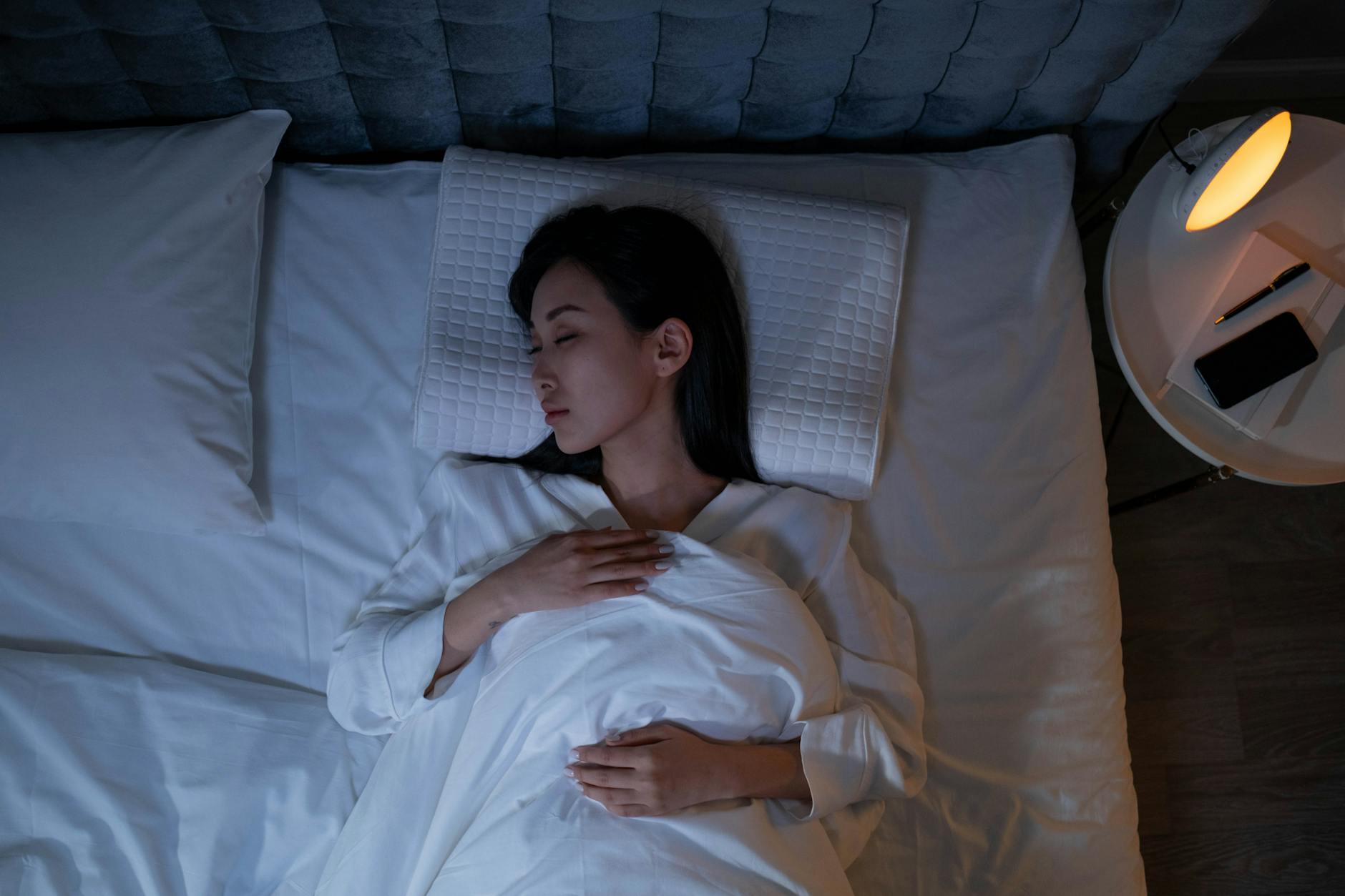
Poor sleep is one of the most quietly destructive forces in a long-term relationship, eroding patience and emotional resilience over time. When partners have incompatible sleep schedules or habits, sharing a bed can result in chronic sleep deprivation for one or both people. Sleeping in a dedicated personal space allows each person to create an environment perfectly tailored to their own rest needs. A cooler room, a firmer mattress, or complete darkness can all become achievable without negotiation. Over time, consistently better sleep translates directly into a calmer, more present partner.
Reduced Nighttime Disruptions

Snoring, restless leg syndrome, and frequent trips to the bathroom are among the most common complaints couples raise about sharing a bed. Even the lightest sleeper can be woken dozens of times a night by a partner who shifts, kicks, or breathes heavily. Separate sleeping arrangements eliminate these disruptions entirely, allowing each person to move through their natural sleep cycles undisturbed. The body’s ability to reach deep restorative sleep stages improves significantly without external interference. Partners who wake up fully rested are far better equipped to show up with kindness and patience throughout the day.
Elimination of Blanket and Temperature Conflicts

Thermoregulation differences between partners are remarkably common and surprisingly difficult to resolve in a shared bed. One partner may run hot while the other constantly feels cold, making a mutually comfortable sleep environment nearly impossible to achieve. Separate rooms allow each person to set their thermostat, choose their own bedding weight, and sleep in whatever clothing feels most comfortable. This seemingly small change can have an outsized effect on overall sleep satisfaction. Removing nightly physical discomfort from the equation clears the way for a more relaxed and generous dynamic during waking hours.
Personal Space and Autonomy

Every individual carries a fundamental need for personal space, and that need does not disappear upon entering a committed relationship. Having a room of one’s own provides a sanctuary for decompression, reflection, and self-expression that a shared bedroom rarely allows. Personalizing a sleep environment with one’s own books, scents, lighting, and decor can reinforce a healthy sense of individual identity. Psychologists have long noted that maintaining individuality within a partnership actually strengthens the bond between two people. A little distance at night can make the time spent together feel more intentional and meaningful.
Better Management of Insomnia

Insomnia is a complex condition that affects millions of people and can be significantly worsened by the presence of another person in the bed. Cognitive behavioral therapy for insomnia often includes stimulus control techniques that require the bedroom to be used strictly for sleep. When a partner is lying awake anxious or restless, their energy and movement can unsettle even a deeply sleeping companion. Having a separate space means an insomniac can read, listen to calming audio, or practice relaxation techniques without guilt or disruption. Managing sleep difficulties becomes far more effective when it no longer affects someone else’s rest.
Healthier Conflict Resolution

Couples who argue and then must immediately share a small sleeping space often find that tensions linger longer than they otherwise would. The bedroom can absorb the emotional residue of unresolved disagreements, making it a space associated with stress rather than rest. Sleeping separately creates a natural boundary that allows both partners to cool down independently after conflict. Each person can process their emotions in private before reconnecting with a clearer head the following day. This physical separation during tense periods can actually accelerate reconciliation rather than deepen the divide.
Improved Morning Moods

The quality of the first moments after waking has a measurable impact on a person’s emotional state throughout the rest of the day. When sleep has been fragmented by a partner’s habits, mornings often begin with irritability, grogginess, and low emotional tolerance. Waking up fully rested in a space designed entirely around personal comfort sets an entirely different tone. People who begin their day without the accumulated fatigue of a disrupted night tend to be more patient, communicative, and affectionate. A better morning mood shared between two well-rested partners creates a more positive relational atmosphere overall.
Freedom Around Sleep Schedules

Many couples operate on fundamentally different chronotypes, with one partner being a natural early riser and the other a committed night owl. Sharing a bedroom forces one or both people into a sleep schedule that does not align with their biological rhythm. This misalignment can result in years of subtle sleep debt that quietly undermines health and emotional wellbeing. Separate rooms allow each partner to follow their natural schedule without disturbing the other when going to bed late or rising at dawn. Honoring each person’s natural rhythm is a quiet but powerful form of mutual respect.
Enhanced Sense of Anticipation

Absence, even in small doses, has a well-documented effect on desire and emotional connection between long-term partners. When couples share every sleeping moment, the bedroom can lose its association with excitement and instead become purely functional. Choosing to spend the night apart on some occasions reintroduces an element of anticipation that long-term relationships often struggle to maintain. The act of coming together becomes a conscious choice rather than a passive default. That sense of intention can reignite the feeling of courtship that many couples miss in established partnerships.
Accommodation of Different Schedules

Shift workers, frequent travelers, and creative professionals often keep hours that are completely at odds with a more conventionally scheduled partner. Quietly slipping into a shared room at three in the morning is rarely as undetectable as one might hope. Separate bedrooms make it possible for each person to arrive, depart, prepare for the day, and wind down without worrying about the impact on the other. This consideration removes a recurring source of low-level guilt and resentment that can build up over time. Couples who accommodate each other’s realities in practical ways demonstrate a form of love that runs deeper than convention.
Reduced Anxiety Around Sleep Performance
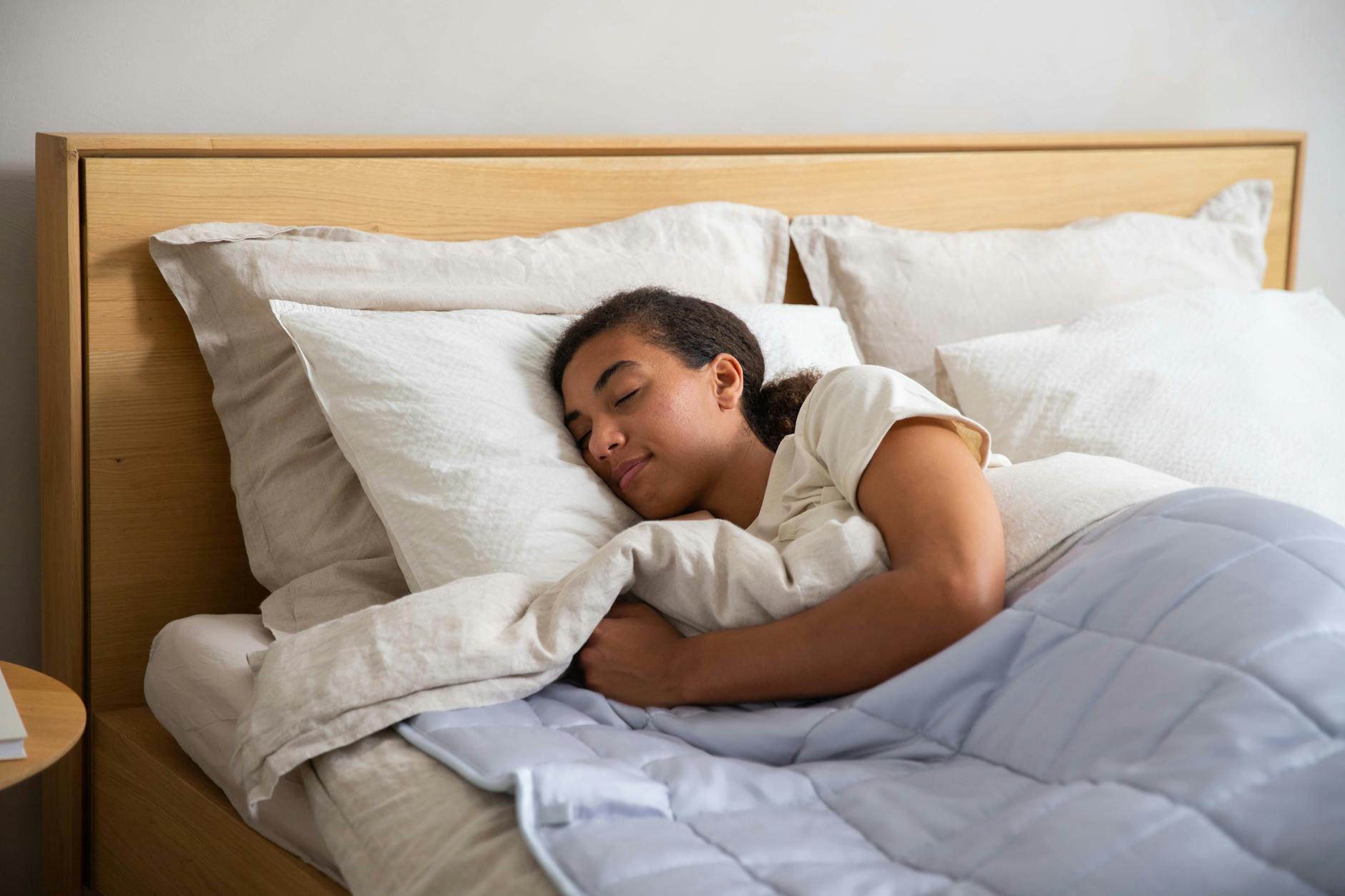
Many people experience anxiety specifically related to the fear of disturbing their partner or failing to fall asleep quickly enough in a shared space. This performance pressure is a recognized phenomenon that can actively prevent relaxation and make falling asleep even harder. A private sleep environment removes the audience entirely, allowing the nervous system to settle without added social pressure. People often fall asleep faster and experience fewer anxiety-related wakings when they are not concerned about the effect of their presence on another person. The bedroom becomes a place of genuine recovery rather than a source of low-grade stress.
Greater Appreciation for Shared Time

When couples spend every waking and sleeping moment in close proximity, it becomes easy to take each other’s presence for granted. Choosing to sleep separately introduces a natural rhythm of togetherness and independence that mirrors the dynamics of healthier attachment patterns. Time spent in the same space begins to feel more precious when it is not simply assumed. Partners often report feeling more genuinely happy to see each other in the morning after a night in separate rooms. Appreciation tends to grow when presence is not treated as a constant and unconditional given.
Support for Mental Health Needs
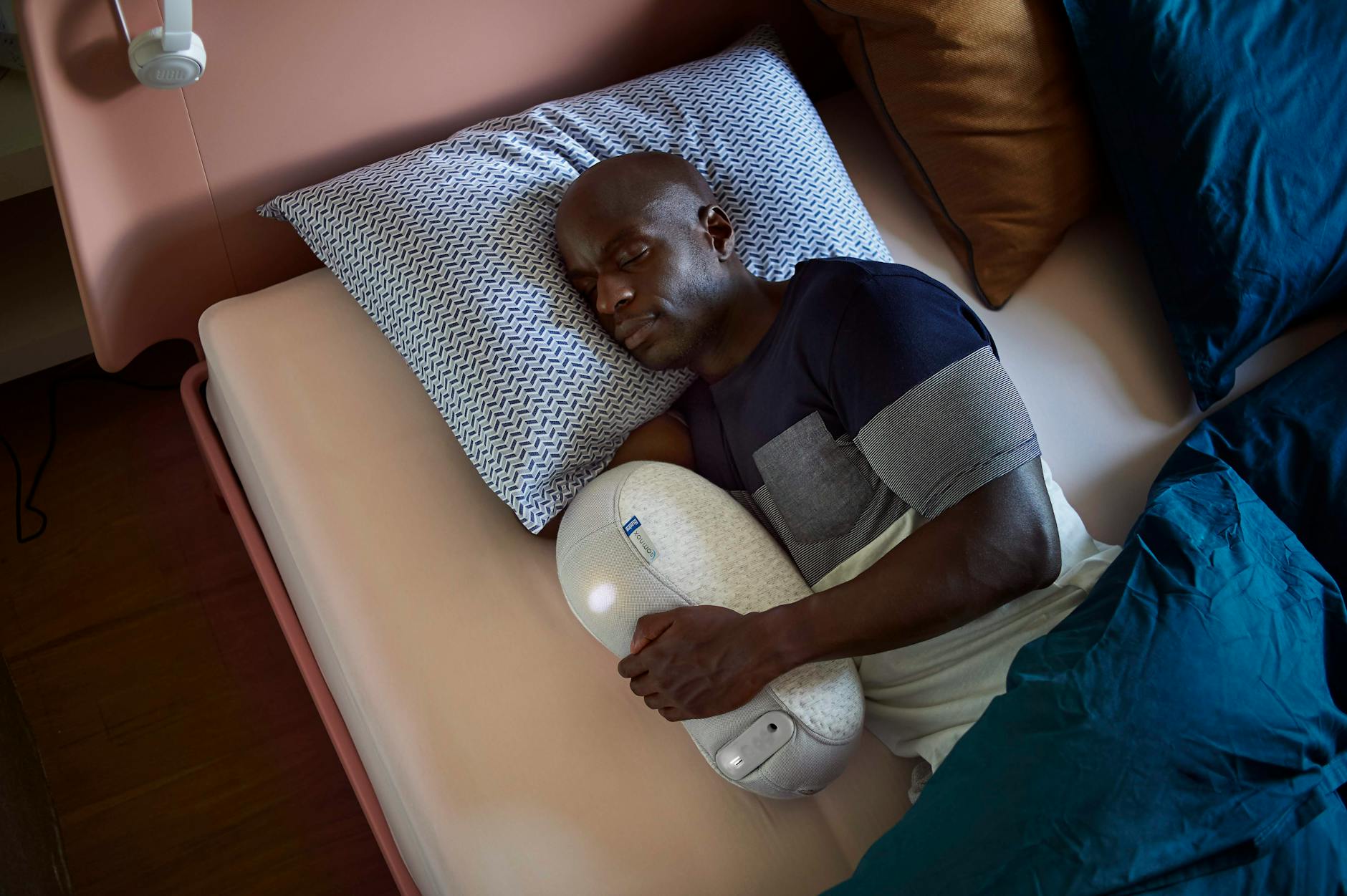
Certain mental health conditions including anxiety disorders and PTSD can make shared sleeping arrangements genuinely difficult to sustain. Nightmares, hypervigilance, and irregular sleep patterns associated with these conditions can be distressing for both the person experiencing them and their partner. Having a private space allows someone managing a mental health condition to do so without the added pressure of impacting their partner’s rest. It also removes any shame or embarrassment that might arise from visible symptoms during vulnerable nighttime hours. Creating this kind of accommodation within a relationship reflects a mature and compassionate understanding of each other’s needs.
Accommodation of Chronic Pain

Chronic pain conditions frequently affect sleep positions, mattress preferences, and the number of times a person needs to reposition throughout the night. Partners of people living with chronic pain often find themselves disrupted repeatedly without any real solution available in a shared bed. Separate sleeping spaces allow each person to optimize their environment for their specific physical requirements without compromise. A person managing fibromyalgia, arthritis, or back pain can choose the mattress firmness, pillow configuration, and sleep position that genuinely minimizes their discomfort. This kind of physical independence is not a rejection of intimacy but rather a practical expression of self-care within the relationship.
Modeling Healthy Boundaries for Children

Couples who openly discuss and implement sleep arrangements that prioritize individual wellbeing demonstrate healthy boundary-setting to any children in the household. Children who observe parents making decisions based on mutual respect and practical need learn that relationships require adaptation and honest communication. The outdated idea that a “normal” marriage must look a particular way can be gently challenged by parents who model flexibility and self-awareness. Showing children that love does not require self-sacrifice in every context is a valuable and often overlooked lesson. Families that talk openly about these choices tend to foster more emotionally intelligent and adaptable young people.
Reduction of Resentment

Resentment is one of the most corrosive emotions in a long-term relationship and it often builds from accumulated small grievances rather than dramatic events. Tolerating a partner’s disruptive sleep habits night after night without resolution is a reliable way to generate this kind of slow-burning frustration. Choosing separate bedrooms addresses the source of the problem directly rather than allowing it to quietly grow. Partners who feel their sleep needs are respected are less likely to carry subtle bitterness into their daytime interactions. Removing a consistent source of low-level irritation creates space for genuine warmth to return.
Greater Creativity in Intimacy

When the bedroom is no longer a shared default space, couples are invited to rethink how and when they choose to be physically intimate. Intimacy that requires intention and planning can feel more exciting and deliberate than intimacy that happens simply out of proximity and routine. Some couples find that scheduling time together reintroduces the energy and attentiveness that characterized the earlier stages of their relationship. Physical connection that is chosen rather than assumed tends to be more communicative and mutually satisfying. Rethinking the bedroom’s role in a relationship can open up new dimensions of closeness that a conventional arrangement might never have revealed.
Support for New Parents

The newborn phase is one of the most sleep-deprived and emotionally demanding periods a couple will ever navigate together. Sleep deprivation at this level can cause serious strain on communication, empathy, and emotional regulation between partners. Sleeping in shifts or separate rooms during this period allows at least one partner to get a full night of rest on a rotating basis. A rested partner is far better positioned to support the one who is up with the baby, creating a more functional and sustainable caregiving dynamic. Many couples report that this practical adjustment helped them avoid the relationship deterioration that so commonly accompanies the early parenting years.
Validation of Individual Identity

Marriage or long-term partnership does not erase the fact that two people remain fundamentally separate individuals with distinct needs, preferences, and rhythms. Honoring those differences in a concrete way by creating separate sleep environments reinforces the truth that love does not require uniformity. A partner who feels seen and accommodated as an individual is more likely to bring their fullest self to the relationship. The act of saying “your needs matter enough that we will reorganize our home to meet them” is a profound statement of care. Relationships that honor individuality alongside togetherness tend to be more resilient and more deeply satisfying over time.
Normalization of Honest Conversation

Perhaps the most lasting benefit of the separate bedroom conversation is the dialogue it requires couples to have. Broaching the subject demands honesty about needs, vulnerabilities, and dissatisfactions that might otherwise go unspoken for years. Couples who can navigate this kind of potentially uncomfortable discussion with openness and respect are building exactly the communication skills that long-term relationships depend on. The willingness to challenge convention together signals a shared commitment to the health of the relationship over the comfort of appearances. Partners who talk honestly about their sleep needs are often better equipped to talk honestly about everything else.
If you have tried sleeping in separate bedrooms or are considering it, share your thoughts and experiences in the comments.




