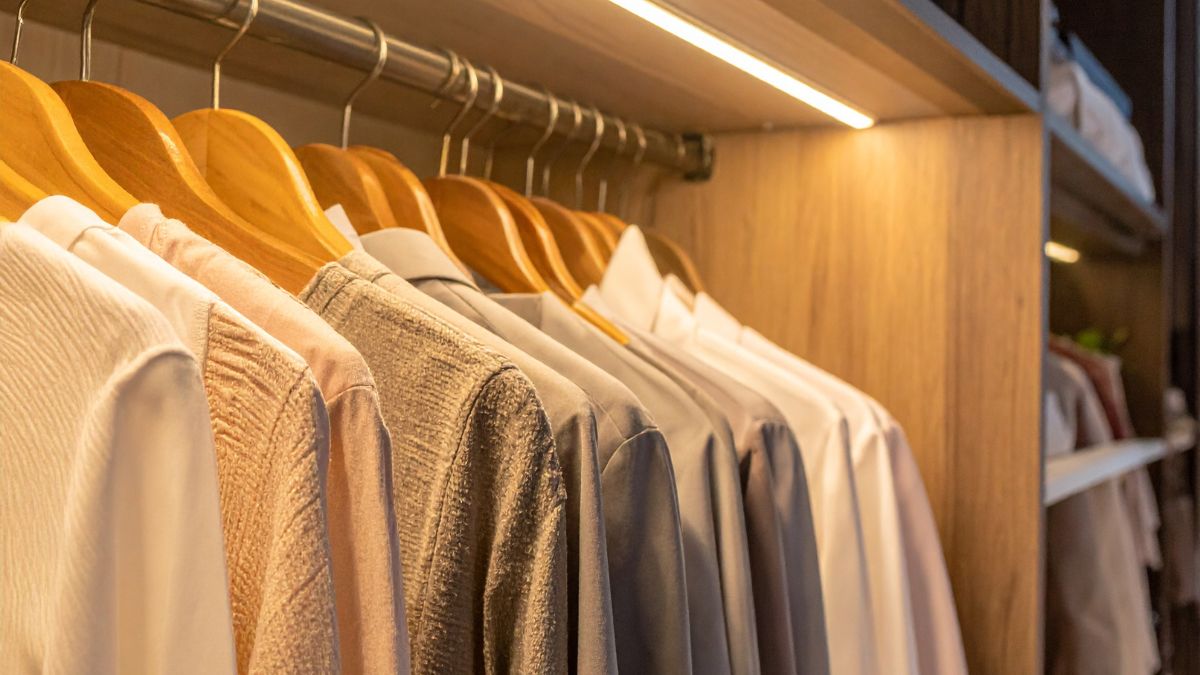
The way a garment looks on a hanger or folded on a shelf is determined as much by the light falling on it as by the garment itself, and most people have never considered that the disappointing visual quality of their wardrobe might be a lighting problem rather than a clothing problem. Professional retail environments invest significantly in lighting design precisely because the same piece of clothing can appear flat and forgettable or rich and desirable depending entirely on the spectral quality, direction and intensity of the light source illuminating it. The closet is the one space in most homes where lighting receives the least design attention despite being the environment where accurate and flattering color rendering has the most direct practical consequence for daily decisions. The tricks below are used by interior designers, personal stylists and visual merchandising professionals to transform the perceived quality of everything a closet contains, and several of them challenge conventional wisdom about what good closet lighting is supposed to look like.
Warm White Bias
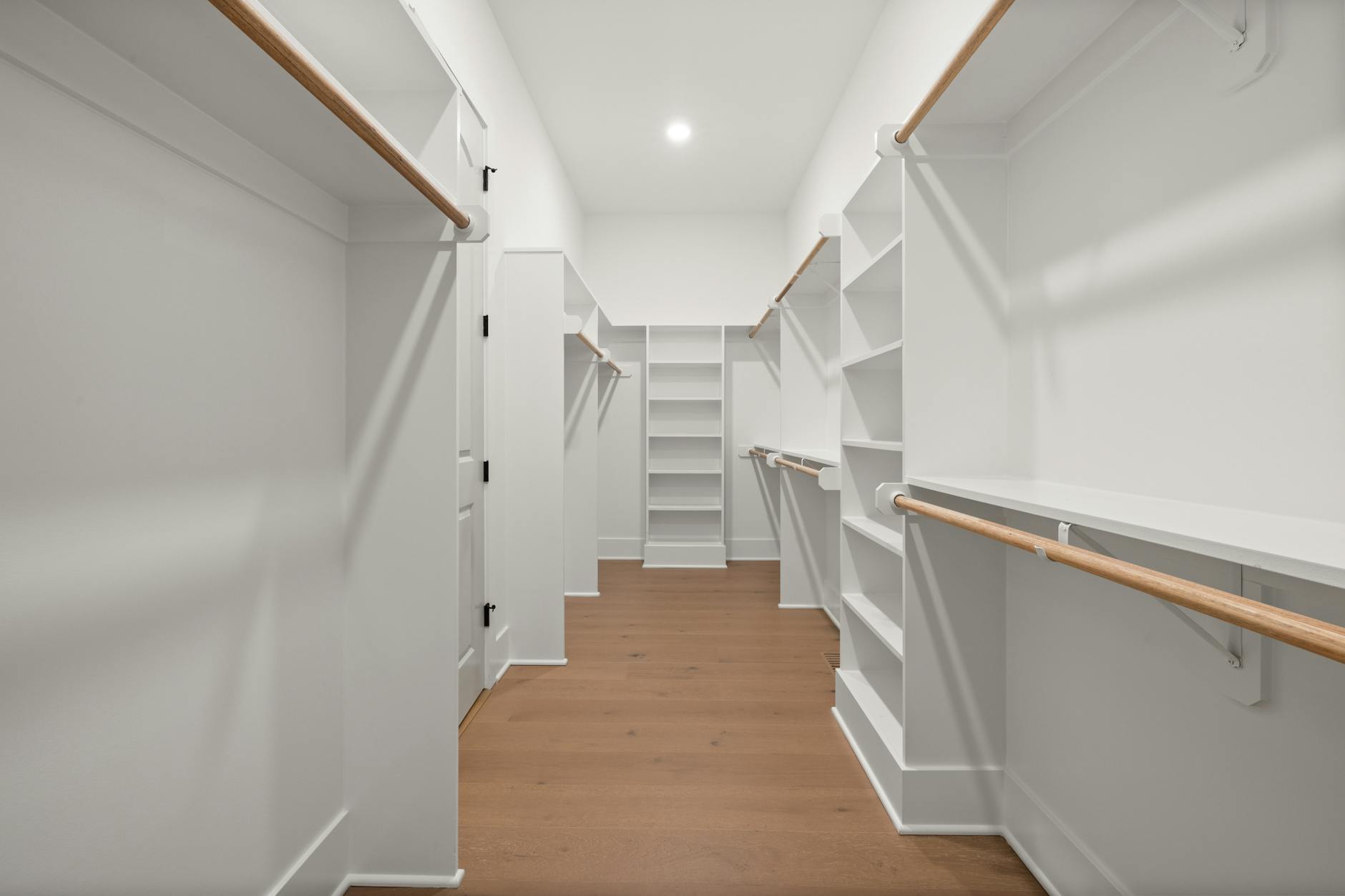
Shifting the entire closet lighting environment toward warm white sources in the 2700 to 3000 Kelvin range rather than the cool white and daylight temperatures commonly specified for task lighting produces a color rendering environment that is significantly more flattering to the full spectrum of natural fiber tones found in most wardrobes. Warm light enriches the appearance of cream, ivory, camel, tan, burgundy, olive and every shade of brown and gold in ways that cool light suppresses, making these tones appear muddy or grey rather than rich and considered. The controversial element of this approach is that warm light slightly misrepresents cool-toned colors including bright whites, navy and charcoal, which appear marginally warmer than they will in daylight, creating a small but manageable discrepancy between closet appearance and outdoor reality. Interior designers who specify warm white closet lighting do so on the basis that the overall quality perception of the wardrobe is elevated more by the enhancement of warm tones than it is undermined by the minor misrepresentation of cool ones.
Vertical Strip Lighting
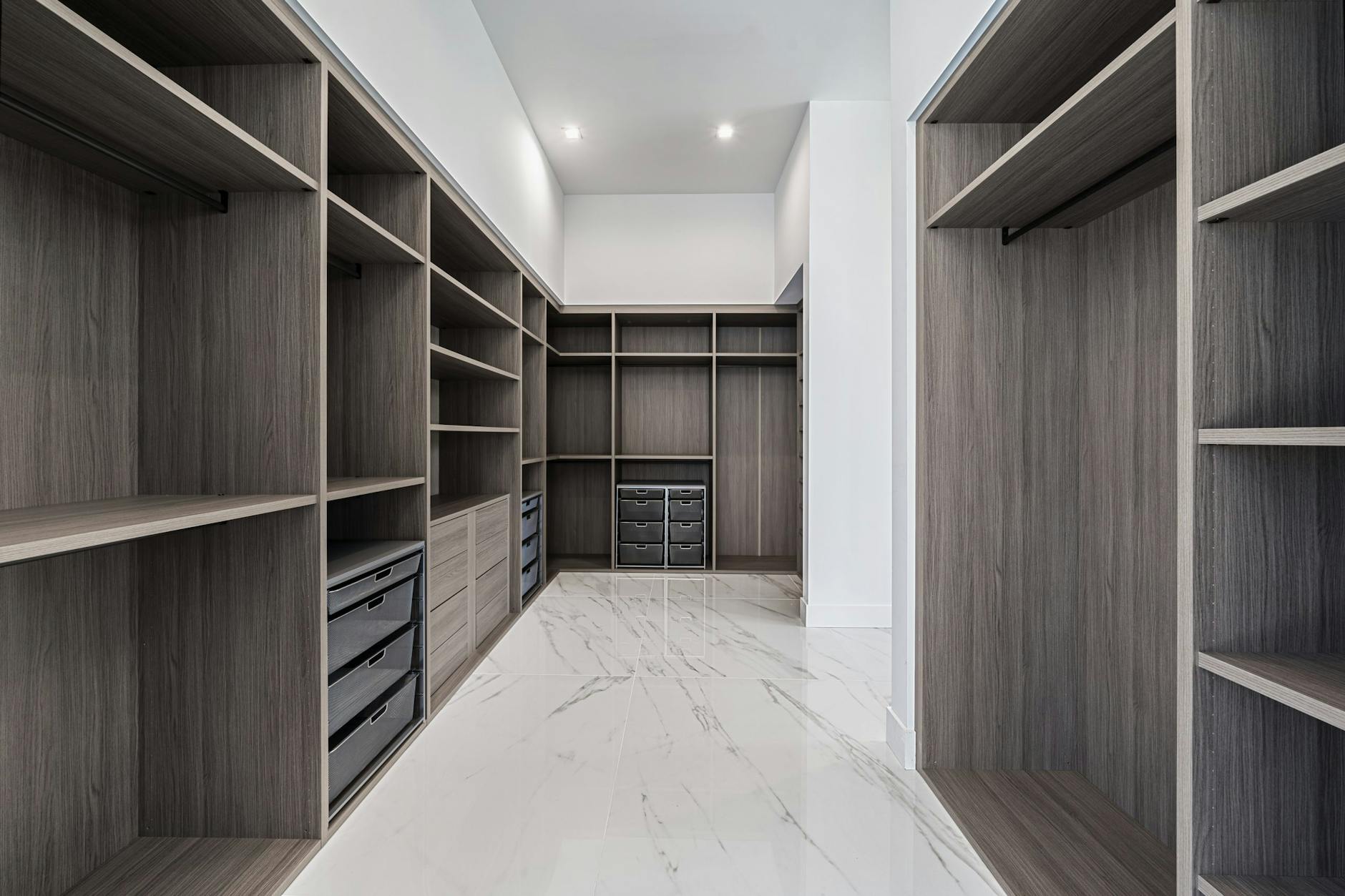
Installing LED strip lights vertically along the internal uprights of a wardrobe rather than horizontally along the top or bottom edge produces a lighting geometry that illuminates hanging garments from the side rather than from above, eliminating the deep shadow that top-mounted lighting casts into folded fabric and creating a more even and revealing light distribution across the full hanging length of each item. The side-lighting geometry mimics the lighting approach used in high-end retail fitting rooms and boutique display environments, where vertical light sources at garment height are the standard specification precisely because they reveal fabric texture, drape quality and color depth more effectively than any other mounting position. The controversial aspect of vertical strip lighting is the installation complexity it introduces relative to the simpler and more commonly specified top-mounted approach, requiring channel routing or surface-mounted cable management along upright surfaces that many standard wardrobe systems are not designed to accommodate. Designers who specify vertical strips consistently report that clients identify the quality shift in wardrobe appearance as more significant than any other single lighting change, which justifies the additional installation effort.
Mirror Bounce
Positioning a light source to strike a mirror surface at an angle that bounces diffused light back into the closet interior creates an indirect lighting effect that eliminates the harsh shadows and bright spots produced by direct lighting while maintaining adequate illumination levels for clothing assessment. The bounce technique is borrowed from professional photography and film lighting practice, where bouncing light off a reflective surface is the standard method for achieving the soft, wraparound illumination that makes subjects appear at their most visually appealing. The controversial element is the precision of positioning required to produce useful bounce rather than simply directing light at a mirror that reflects it uselessly away from the closet interior, which requires deliberate experimentation with source angle and mirror placement rather than a single universally applicable specification. Closets with an integrated full-length mirror offer the most effective bounce surface, and designers who use this technique position the primary light source at forty-five degrees to the mirror face to maximize the useful spread of reflected light across the hanging area.
Recessed Puck Lights
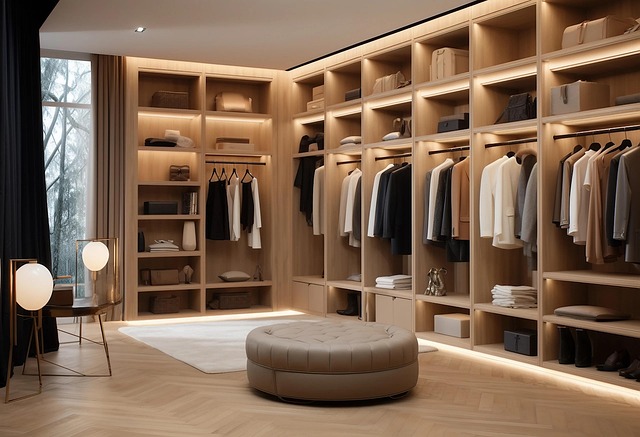
Installing recessed LED puck lights at the front edge of upper shelving rather than at the back or center positions the light source to illuminate the face of hanging and folded garments below rather than the shelf surface above, producing a downward wash of focused light that highlights fabric texture and color in the same way that museum spotlights highlight art objects. The front-edge mounting position is counterintuitive to most people who specify closet lighting, who instinctively position lights toward the center or back of shelves where they feel they will illuminate the shelf contents most directly. The controversial aspect of front-edge puck lights is the potential for visible glare at eye level when the closet is approached from certain angles, which requires either a recessed mounting depth adequate to shield the light source from direct view or the use of a low-glare lens specification that diffuses output without reducing the directional quality that makes the technique effective. The visual effect on folded knitwear, accessories and shoe displays when front-edge puck lighting is correctly specified is the closest achievable approximation of luxury retail display in a domestic setting.
Color Temperature Layering
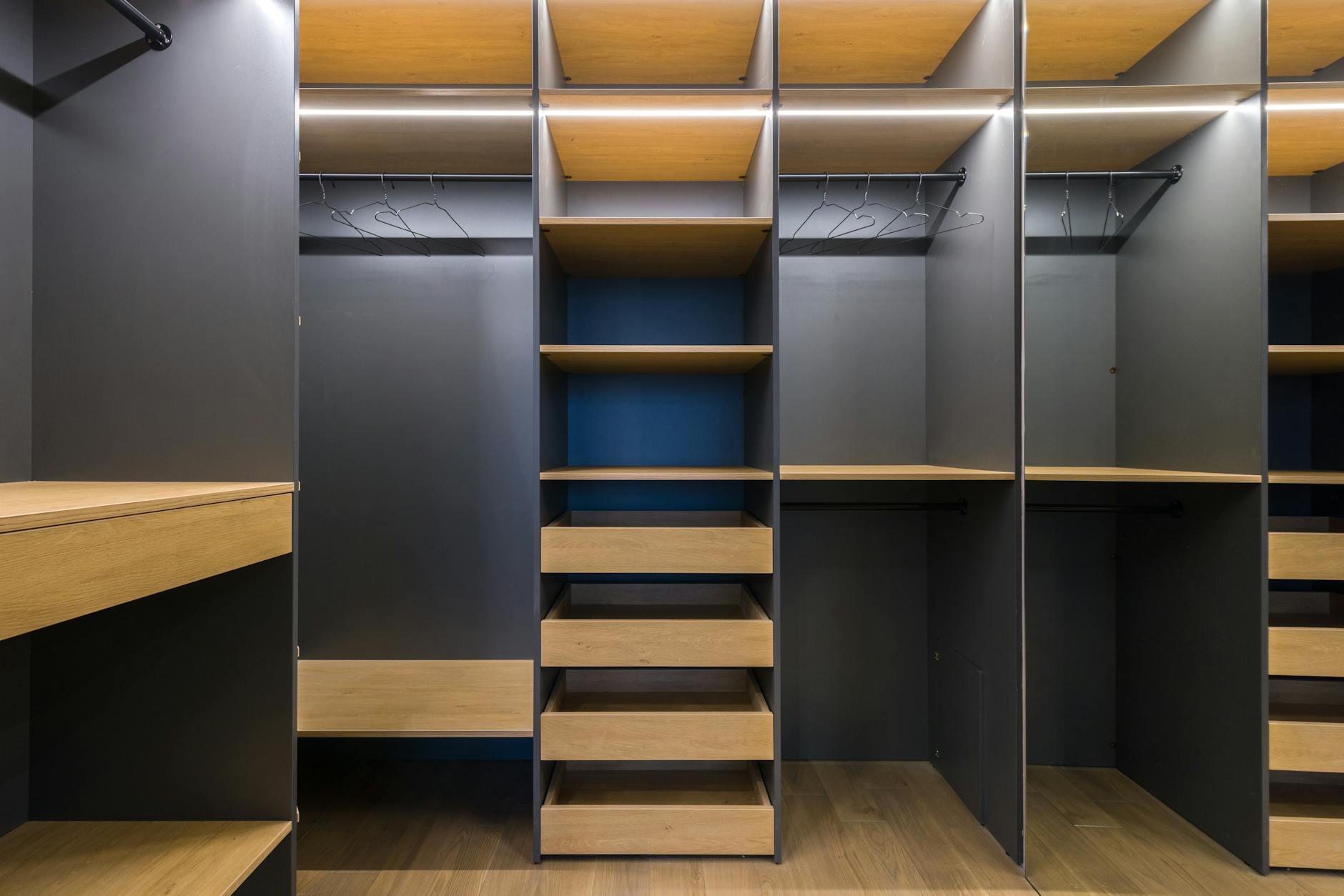
Using two distinct color temperatures simultaneously within a single closet space by specifying warm sources for the primary hanging zone and slightly cooler sources for the accessory and shoe display area creates a visual hierarchy that directs attention and creates the impression of a thoughtfully curated environment rather than a uniformly lit storage space. The warmer zone envelops clothing in the flattering light that maximizes fabric richness while the slightly cooler accessory zone renders the metallic, leather and hard surface qualities of shoes, bags and jewelry with greater clarity and precision than warm light alone provides. The controversial element of this layering approach is the risk of a visually incoherent result if the temperature differential between zones is too large, with the transition between warm and cool areas creating a jarring boundary rather than a subtle visual distinction. Designers who execute color temperature layering successfully keep the differential modest, typically between 2700 Kelvin for the warm zone and 3500 Kelvin for the cooler accessory zone, producing a transition that reads as intentional variation rather than as mismatched or inconsistent specification.
Dimmer Control
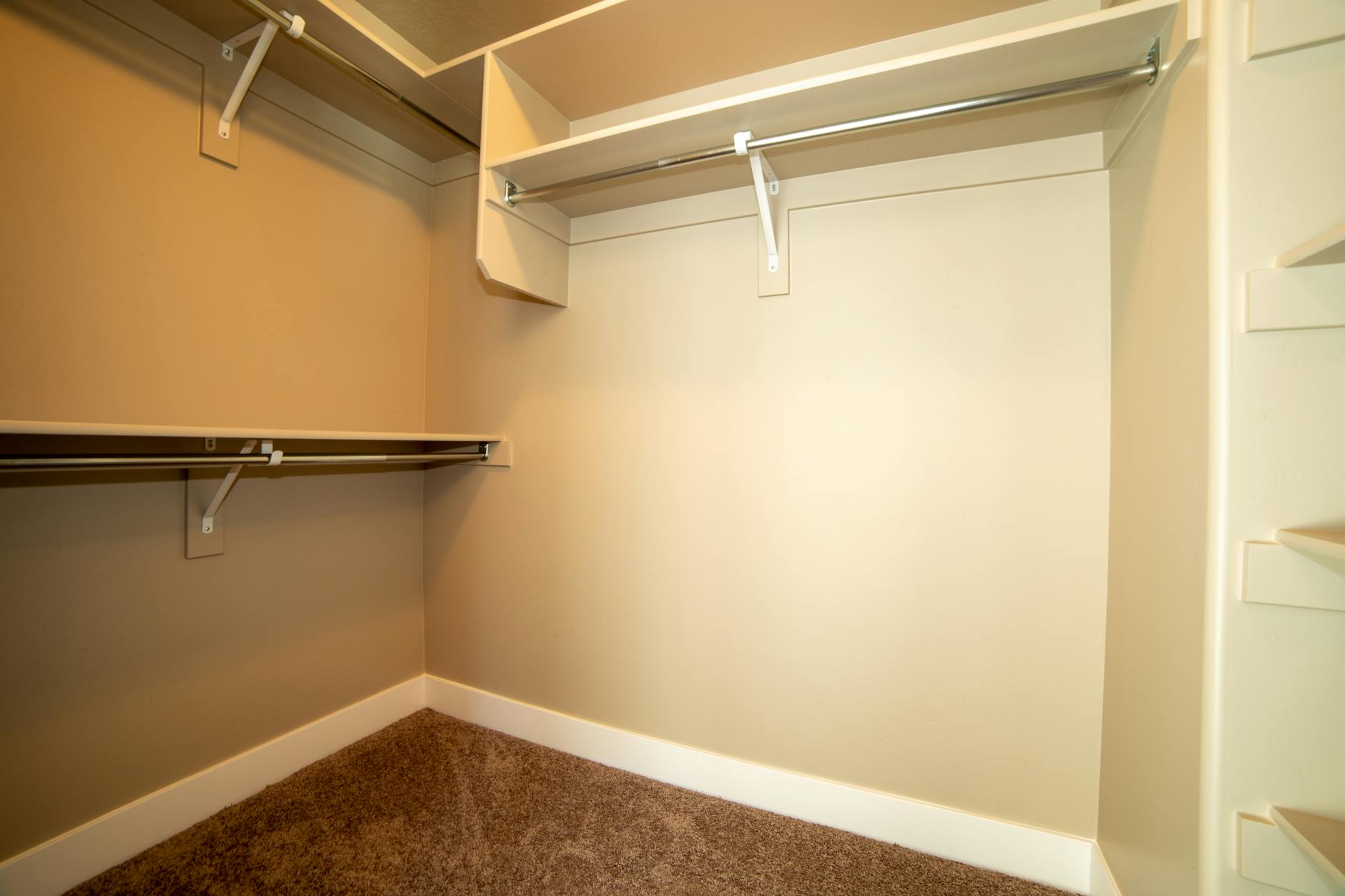
Installing a dimmer system that allows the closet lighting to be adjusted across a meaningful range rather than operating at a fixed output level creates a functional versatility that addresses the different lighting needs of morning dressing under artificial light and evening wardrobe review when ambient light conditions in the surrounding room have changed. The ability to raise light levels for precise color matching and lower them for a more atmospheric wardrobe review environment is a capability that transforms the closet from a purely utilitarian space into one that responds to the mood and purpose of each visit. The controversial aspect of dimmer installation in closets is the compatibility requirement between dimmer hardware and LED light sources, which is more technically demanding than dimmer use with incandescent sources and produces flickering, buzzing or reduced dimming range when incompatible combinations are specified. Designers who specify dimmer-controlled closet lighting verify LED driver compatibility at the specification stage rather than after installation, treating compatibility confirmation as a non-negotiable prerequisite rather than an afterthought.
Spotlighting Zones

Dividing the closet interior into discrete spotlighted zones using individually aimed adjustable track heads or gimbal-mounted recessed lights rather than illuminating the entire space with a single uniform source creates a visual hierarchy that makes the space feel curated and considered in the same way that gallery lighting makes individual artworks feel significant. Each zone including the main hanging section, the folded shelf area, the shoe display and the accessory storage receives a light source aimed specifically at its contents rather than sharing a compromised general source that serves none of the zones optimally. The controversial element of zone spotlighting is the shadow it creates between zones where adjacent light cones do not overlap, which can make transitions between storage areas appear darker than the zones themselves and create a slightly theatrical effect that some users find more dramatic than practically useful. Designers who use zone spotlighting accept this theatrical quality as a deliberate aesthetic choice that reinforces the luxury retail atmosphere of the space rather than treating it as a technical problem requiring elimination.
Toe Kick Illumination
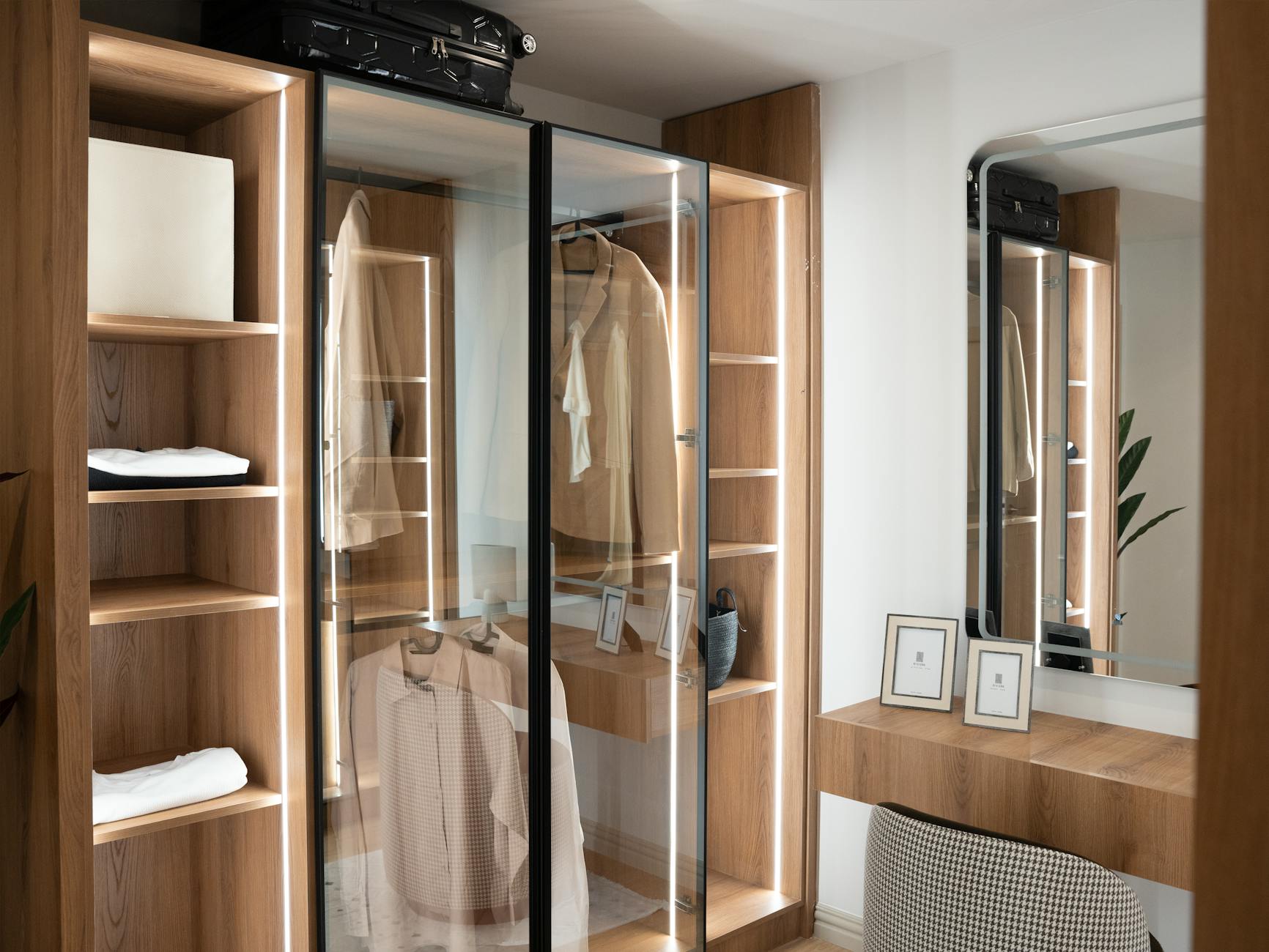
Installing LED strip lighting at floor level along the base of the closet or along the lower edge of a shoe shelf creates an upward light wash that illuminates shoes and lower garments from below, producing a visual effect that is simultaneously practical and dramatically atmospheric in the way associated with high-end boutique shoe displays. The upward light direction is the most unusual in standard interior lighting practice, which almost universally directs light downward, and the novelty of the direction produces a visual richness in shoe leather, sole detailing and lower garment fabric that no top-down source achieves. The controversial aspect of toe kick illumination is the potential for unflattering upward light on the person standing in the closet, which is the same objection raised against theatrical floor lighting in other residential applications and which is managed by specifying a low output level that enhances display without producing the horror-movie upward-face-lighting effect associated with high-output floor sources. Designers who specify toe kick illumination treat it as a display and atmosphere element rather than as a primary task light, layering it beneath adequate overhead illumination that handles the functional requirements of dressing.
High CRI Specification
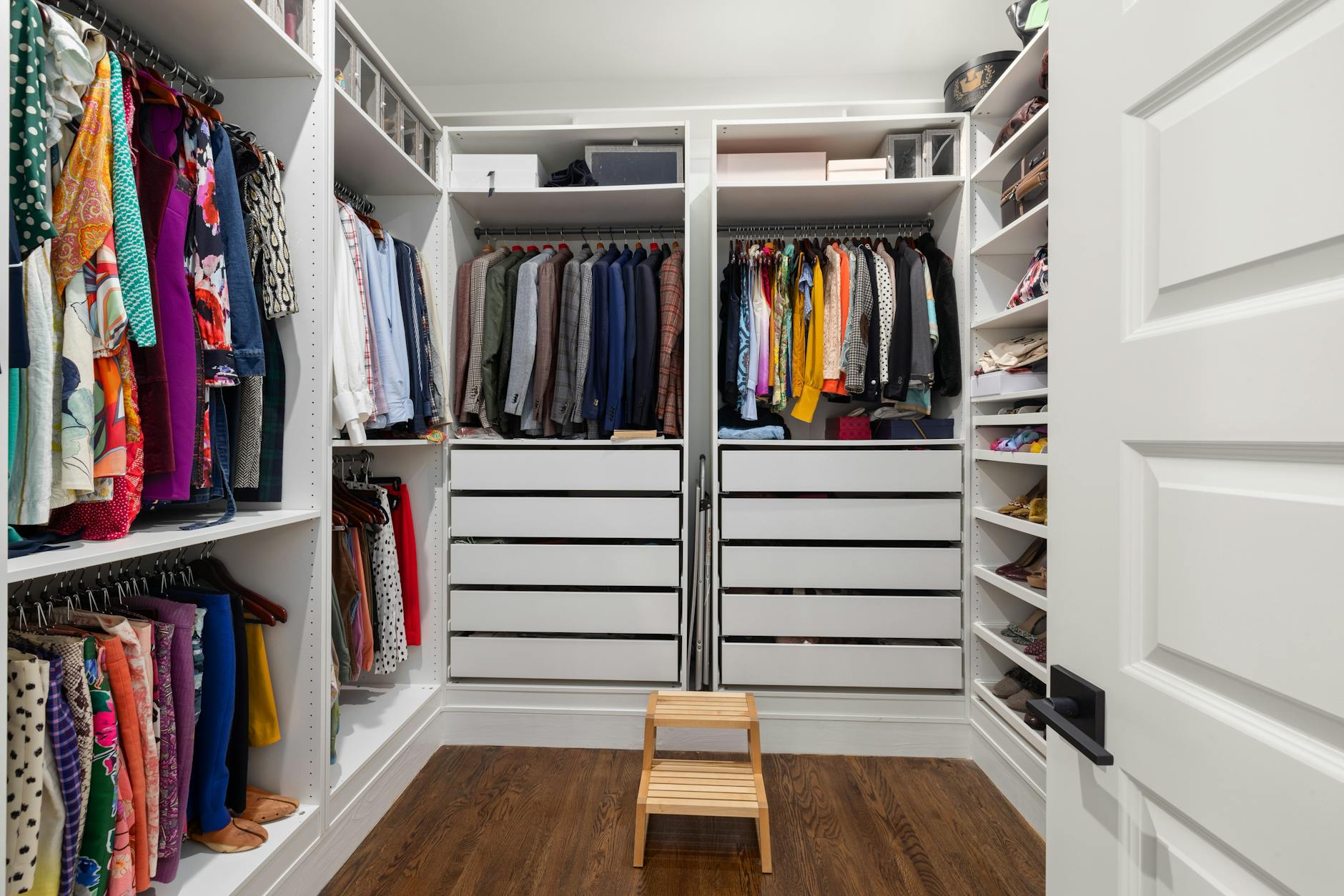
Specifying LED light sources with a Color Rendering Index of 95 or above rather than the standard 80 or 90 CRI lamps that most lighting suppliers offer as default closet solutions produces a fundamentally different color rendering environment that makes every item in the wardrobe appear closer to its true color under daylight conditions than lower CRI sources allow. The CRI metric measures how accurately a light source renders the full spectrum of colors in an illuminated object relative to a reference daylight source, and the difference between a CRI 80 lamp and a CRI 97 lamp on a navy suit, a burgundy dress or a camel coat is immediately visible to any observer without specialized knowledge. The controversial aspect of high CRI specification is the premium cost of 95-plus CRI LED sources relative to standard specification lamps, which represents a meaningful additional investment that many closet lighting budgets do not initially anticipate. Lighting designers who specify high CRI consistently identify it as the single most impactful technical specification available for closet lighting quality and the one most likely to produce an immediate and recognizable improvement in the perceived quality of the wardrobe contents.
Shelf Edge Strips
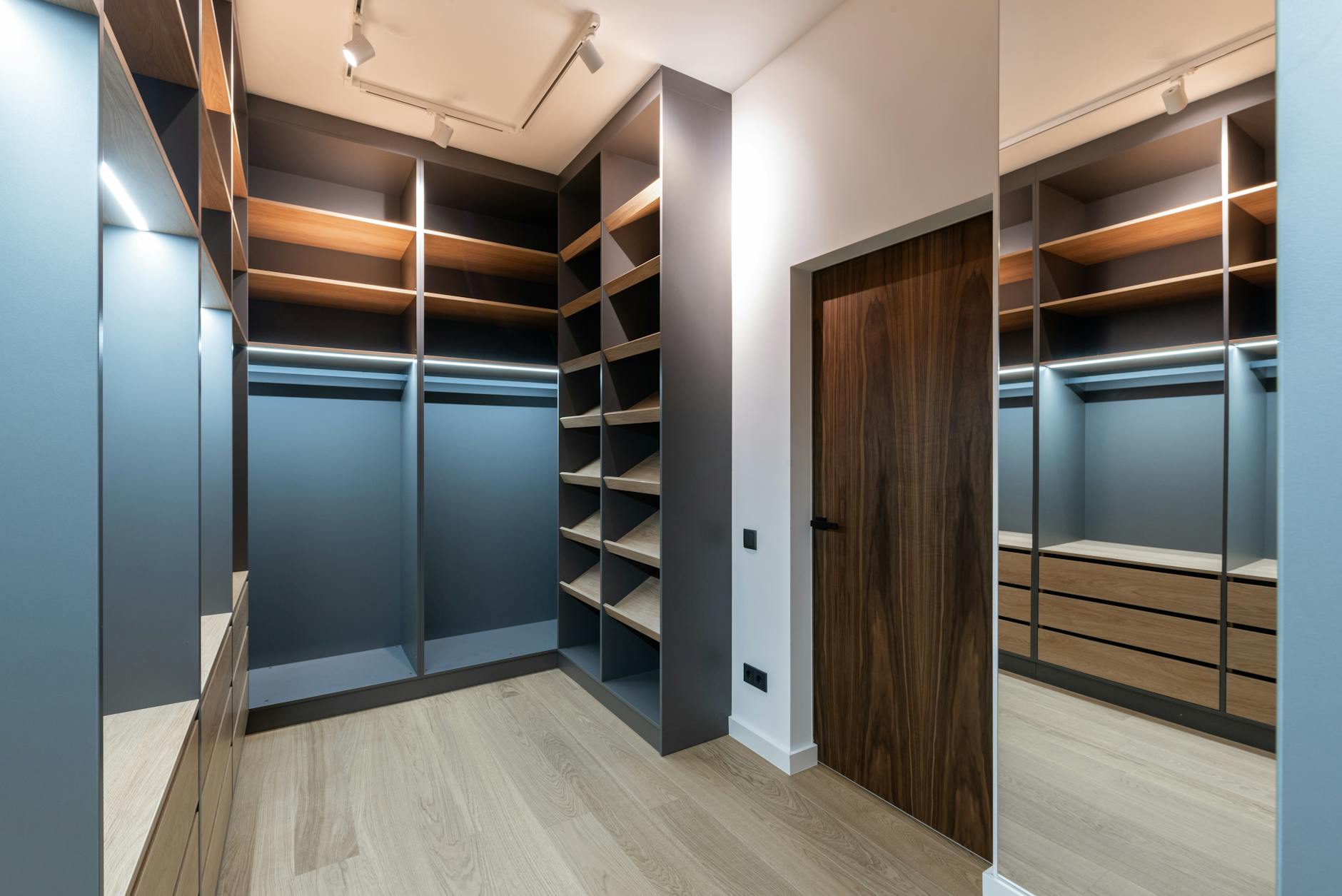
Running a continuous LED strip along the front edge of every shelf surface rather than mounting lights only in the upper section of the closet creates a fully illuminated vertical stack that eliminates the progressive darkening of lower shelves that characterizes most standard closet lighting arrangements. The darkening of lower shelves in standard top-mounted lighting schemes means that items stored at mid and lower levels are perpetually underlit relative to those at eye level and above, creating an implicit visual hierarchy that makes the contents of lower storage areas appear less significant and less visually appealing than their position warrants. The controversial aspect of shelf edge strip lighting is the visual complexity it introduces when the closet doors are open, with multiple strip lines visible simultaneously creating an effect that some users find visually busy in contrast to the cleaner look of a single upper light source. Designers who use this approach manage the visual complexity through the selection of recessed channel profiles that conceal the LED strip within the shelf thickness, producing a clean line of light rather than a visible hardware installation.
Adjustable Beam Angles
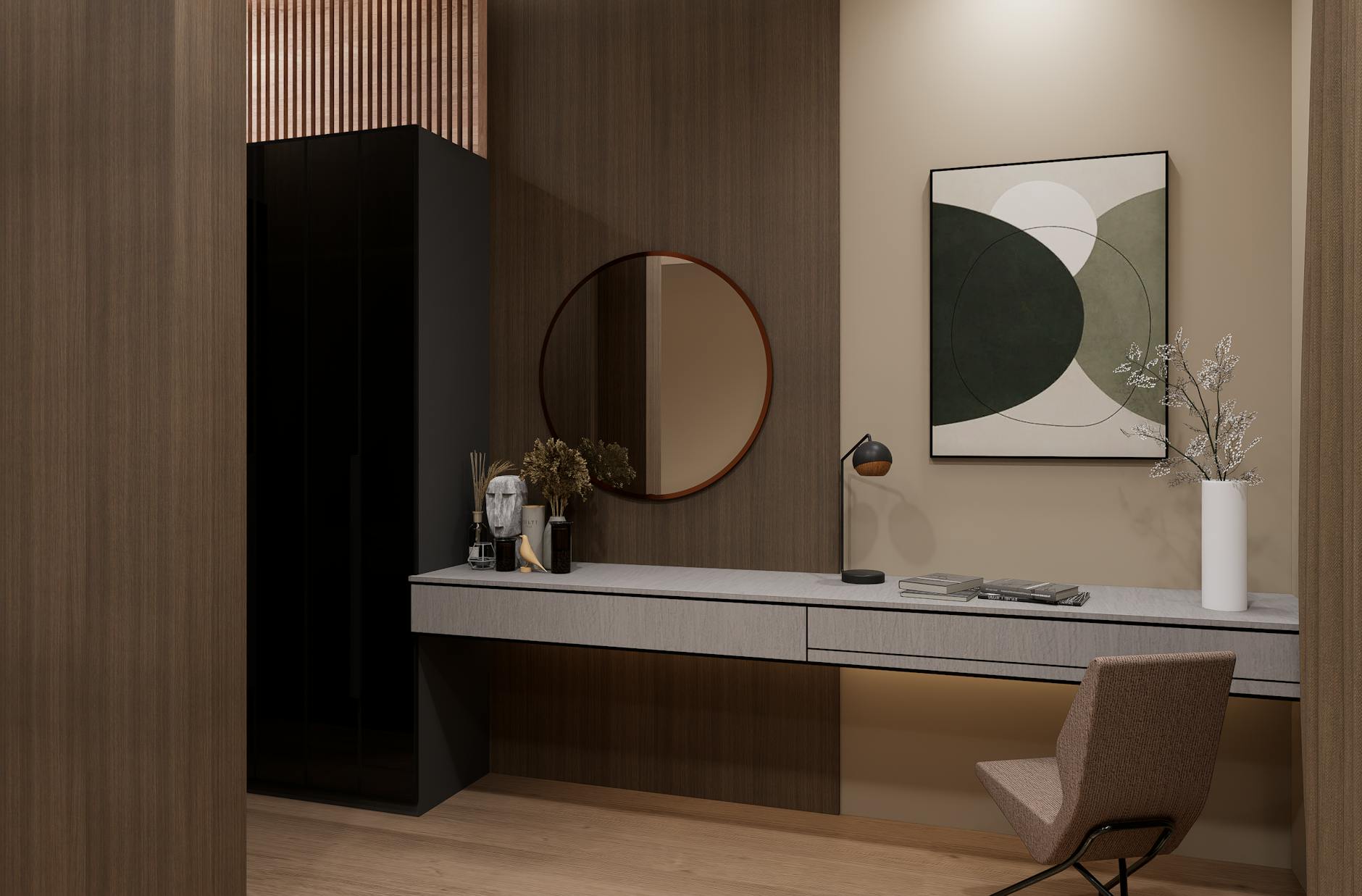
Specifying adjustable beam angle light sources including zoom-lens track heads or interchangeable reflector lamps rather than fixed beam angle sources provides the flexibility to modify the light distribution as wardrobe contents and organization change over time without requiring re-installation of the lighting system. A narrow beam angle is appropriate for highlighting specific display items including a featured shoe collection or an accessory display, while a wide beam angle is needed for even illumination of a large hanging section, and these requirements change as the closet is reorganized, expanded or repurposed. The controversial element of adjustable beam angle specification is the higher unit cost of zoom-capable or reflector-changeable sources relative to fixed beam alternatives, which represents a premium that closet lighting budgets frequently resist on the basis that the adjustability will not be used in practice. Designers who specify adjustable beam angles argue that the cost premium is justified by the system longevity it provides, pointing to the frequency with which fixed-beam installations require partial replacement when organization changes reveal their inflexibility.
Shadow Gap Lighting
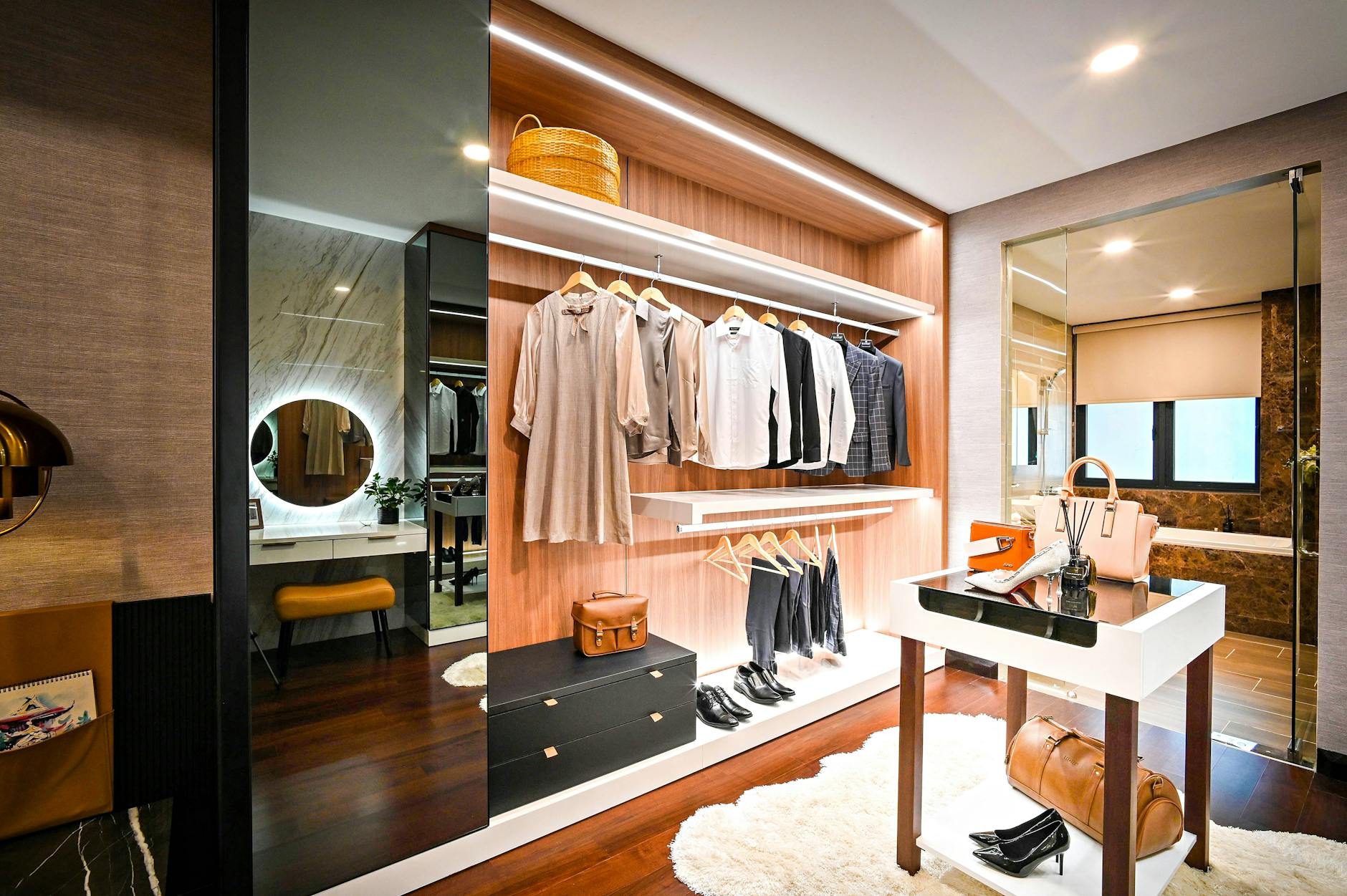
Installing lighting within a deliberately created shadow gap between the closet interior wall and a floating shelf or hanging rail creates an indirect light source whose origin is completely concealed, producing a glow that appears to emanate from the shelving structure itself rather than from any visible hardware. The shadow gap lighting technique is borrowed from high-end architectural interior design, where concealed light sources are a signature element of the premium aesthetic, and its application in closet environments produces a result that reads as significantly more expensive than the actual hardware cost justifies. The controversial aspect of shadow gap lighting is the structural modification required to create the gap between surface and wall that conceals the light source, which is more demanding than surface-mounted strip installation and requires deliberate planning during closet installation or renovation rather than retrofit application. Designers who execute shadow gap lighting in closets consistently identify it as the technique that generates the most consistently astonished response from clients encountering the finished result for the first time.
Jewelry Spotlights
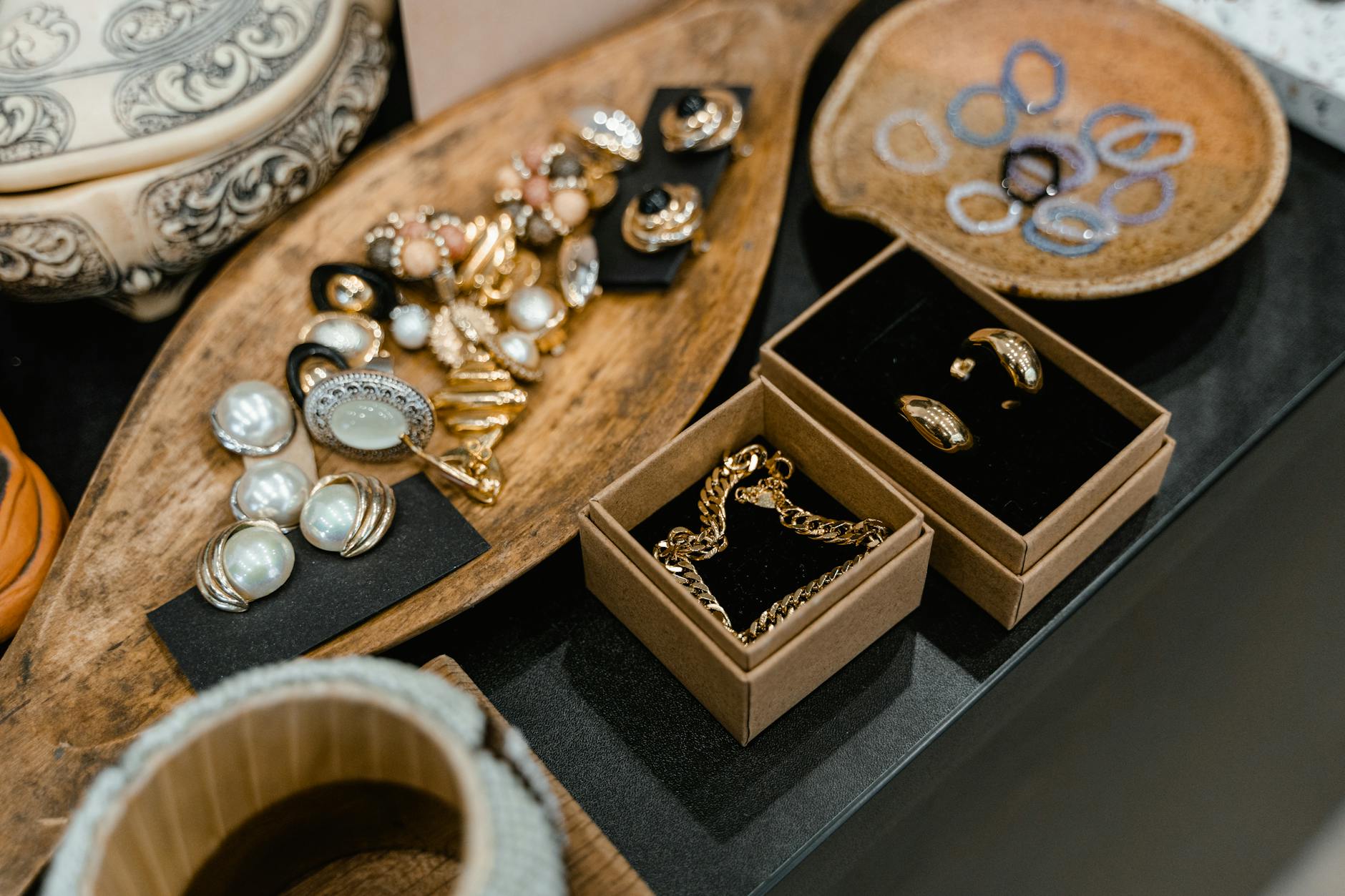
Installing dedicated miniature spotlights or fiber optic points aimed specifically at jewelry storage areas produces the signature sparkle effect associated with high-end jewelry display environments that transforms the visual quality of even modest jewelry collections in a way that general closet lighting never achieves. The physical interaction between a precisely aimed narrow beam light source and the facets of gemstones, the surface of polished metals and the luster of pearls produces a visual brilliance that broad and diffuse light sources cannot replicate regardless of their output level or color quality. The controversial aspect of jewelry spotlighting in a domestic closet is the potential for the theatrical quality of its effect to feel disproportionate relative to the value of the jewelry being displayed, creating a staging that some users find inappropriately elaborate for everyday personal storage. Designers who specify jewelry spotlighting position it as the aspirational element of a closet lighting system that elevates the entire space’s perceived quality rather than simply as a functional improvement to the visibility of small items.
Backlit Panel Integration
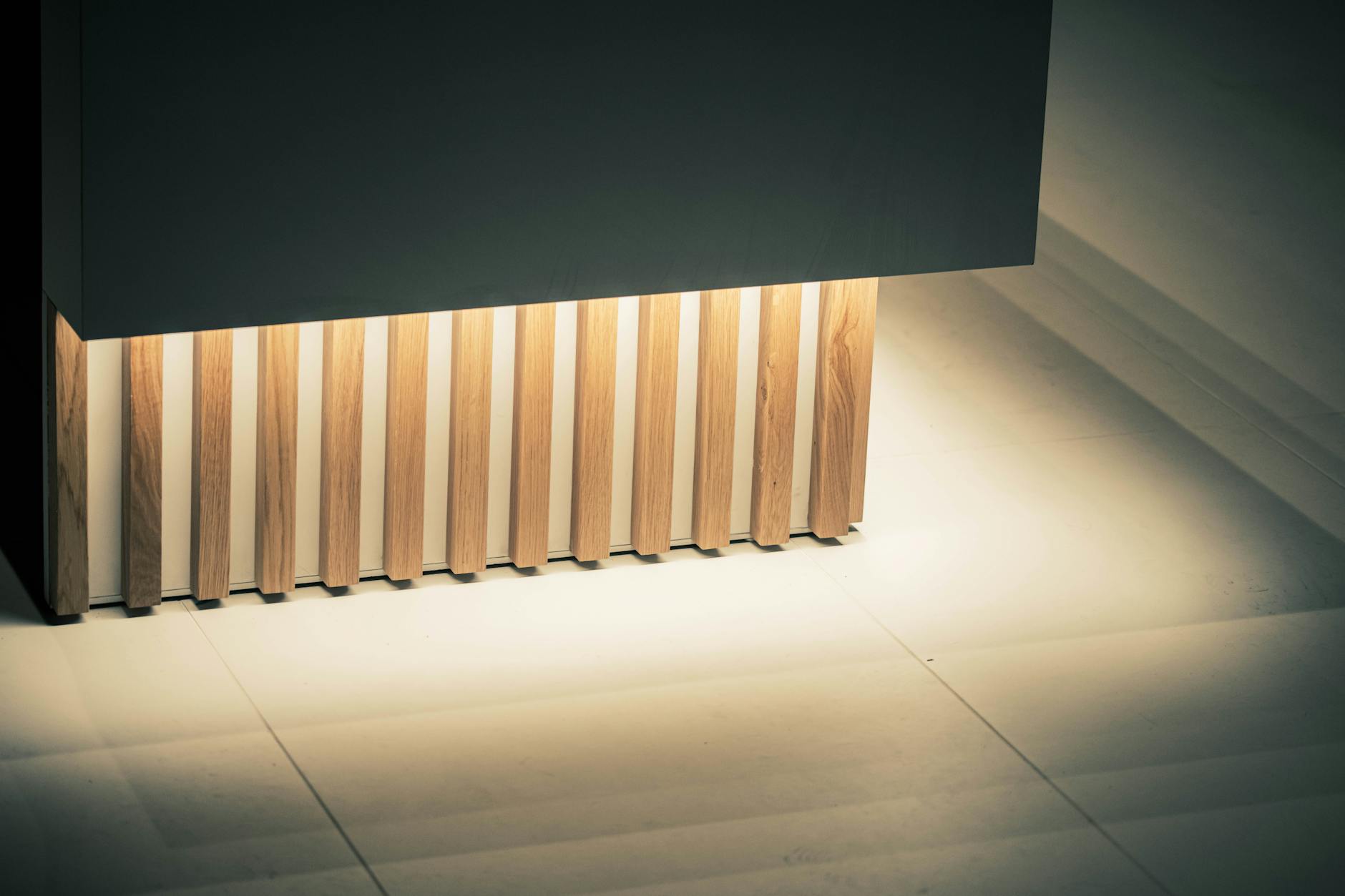
Installing a backlit panel using diffused LED film behind a translucent back panel in a section of the closet creates an even luminous background against which hanging garments are silhouetted and profiled in a way that reads as a professional display environment rather than domestic storage. The backlit panel technique is used extensively in retail visual merchandising for feature displays where a single illuminated wall section draws attention to highlighted items, and its domestic closet application produces a similarly attention-directing effect that elevates the items displayed against it to feature status. The controversial aspect of backlit panel integration is the structural complexity of installing a diffused light source behind a translucent surface within an existing closet system, which typically requires custom fabrication rather than off-the-shelf components and represents a meaningful investment of both cost and installation effort. Designers who use this technique confine it to a single feature section of the closet rather than applying it across the entire back wall, treating it as a focal point that enhances the overall space through contrast rather than as a uniform treatment.
Motion Activation
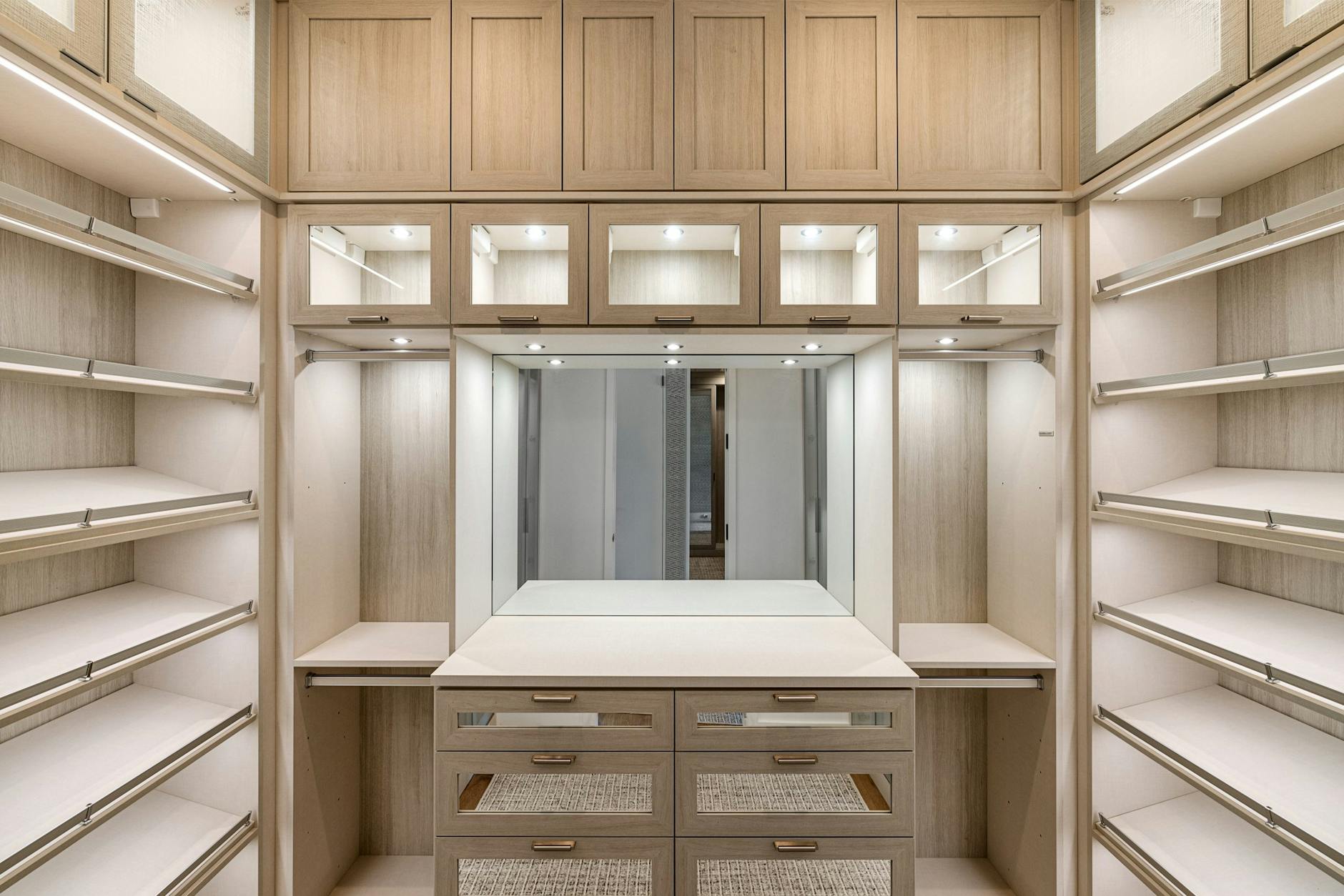
Installing motion-activated lighting that switches on immediately upon the closet door opening or body detection in a walk-in configuration removes the fumble-in-the-dark experience that characterizes most standard closet lighting arrangements and creates a responsive environment that feels considered and premium in the same way that automatic lighting in high-end hospitality environments does. The immediate and automatic response of motion-activated lighting also removes the cognitive load of remembering to switch lights on and off, which is a minor but persistent friction point in the morning routine that its elimination makes noticeably smoother. The controversial aspect of motion-activated closet lighting is the sensor placement precision required to ensure reliable triggering without false activations from air movement, adjacent room activity or the closet contents themselves shifting position. Designers who specify motion-activated closet lighting use ceiling-mounted wide-angle passive infrared sensors positioned to detect the entry point of the closet space rather than wall-mounted sensors that are vulnerable to obstruction by hanging garments.
Lumen Density Calibration
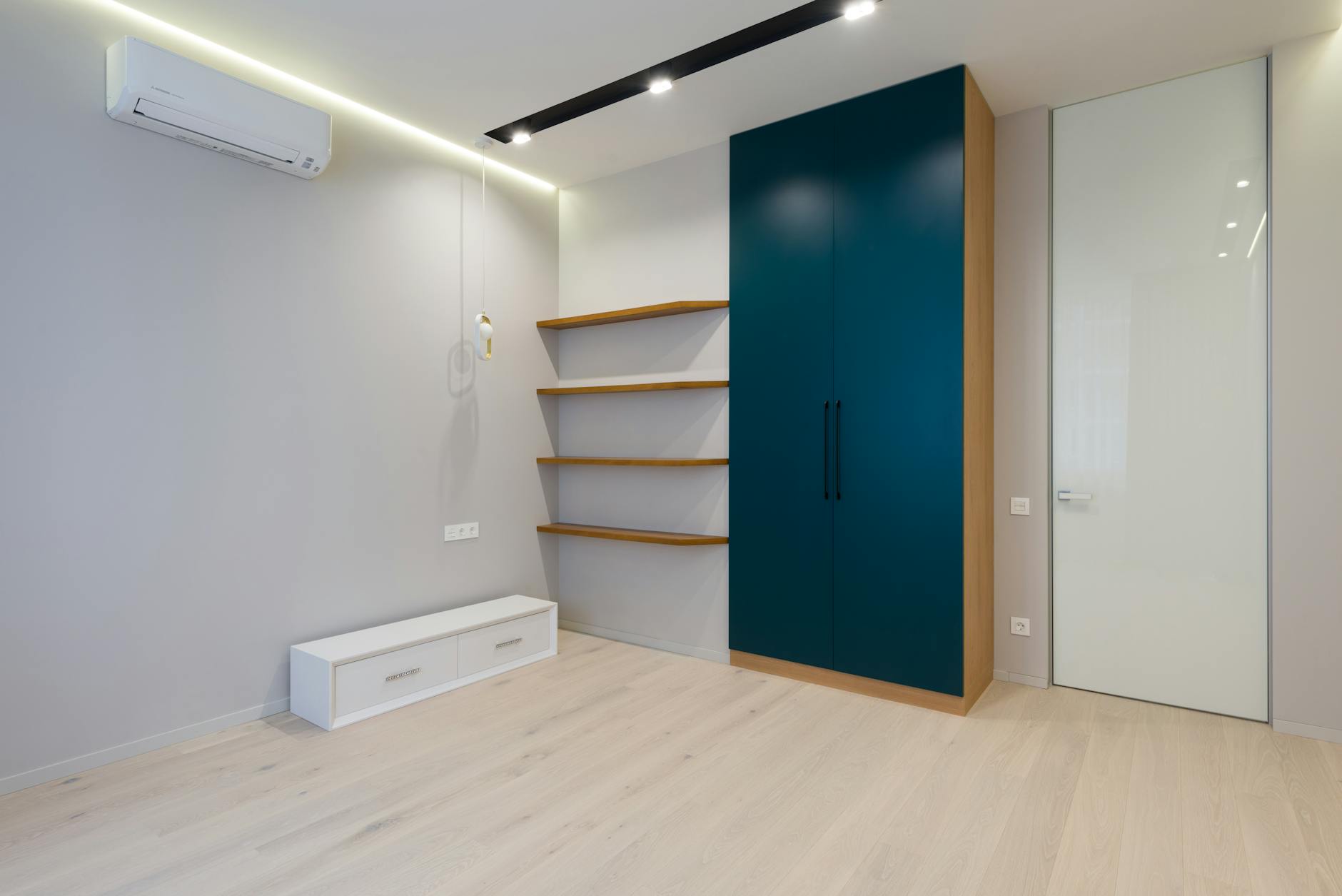
Calculating the required lumen output per square meter of closet floor area rather than simply installing the maximum available brightness produces a light environment that is adequate for task performance without the clinical harshness that over-lit spaces project and that makes clothing appear flat rather than rich. The over-lit closet is as problematic for garment quality perception as the under-lit one, with excessive brightness washing out fabric depth, flattening texture detail and producing a functional but visually unrewarding environment that resembles a stockroom rather than a personal boutique. The controversial aspect of deliberate lumen density calibration is the counterintuitive conclusion it produces, which is that most people’s closets would benefit from less rather than more total light output combined with more considered source positioning rather than simply brighter fixtures. Designers who calibrate closet lumen density rather than defaulting to maximum output typically specify between 300 and 500 lux at the primary hanging level as the target illuminance, with accent and display lighting layered above this base level for specific zones.
Natural Light Simulation
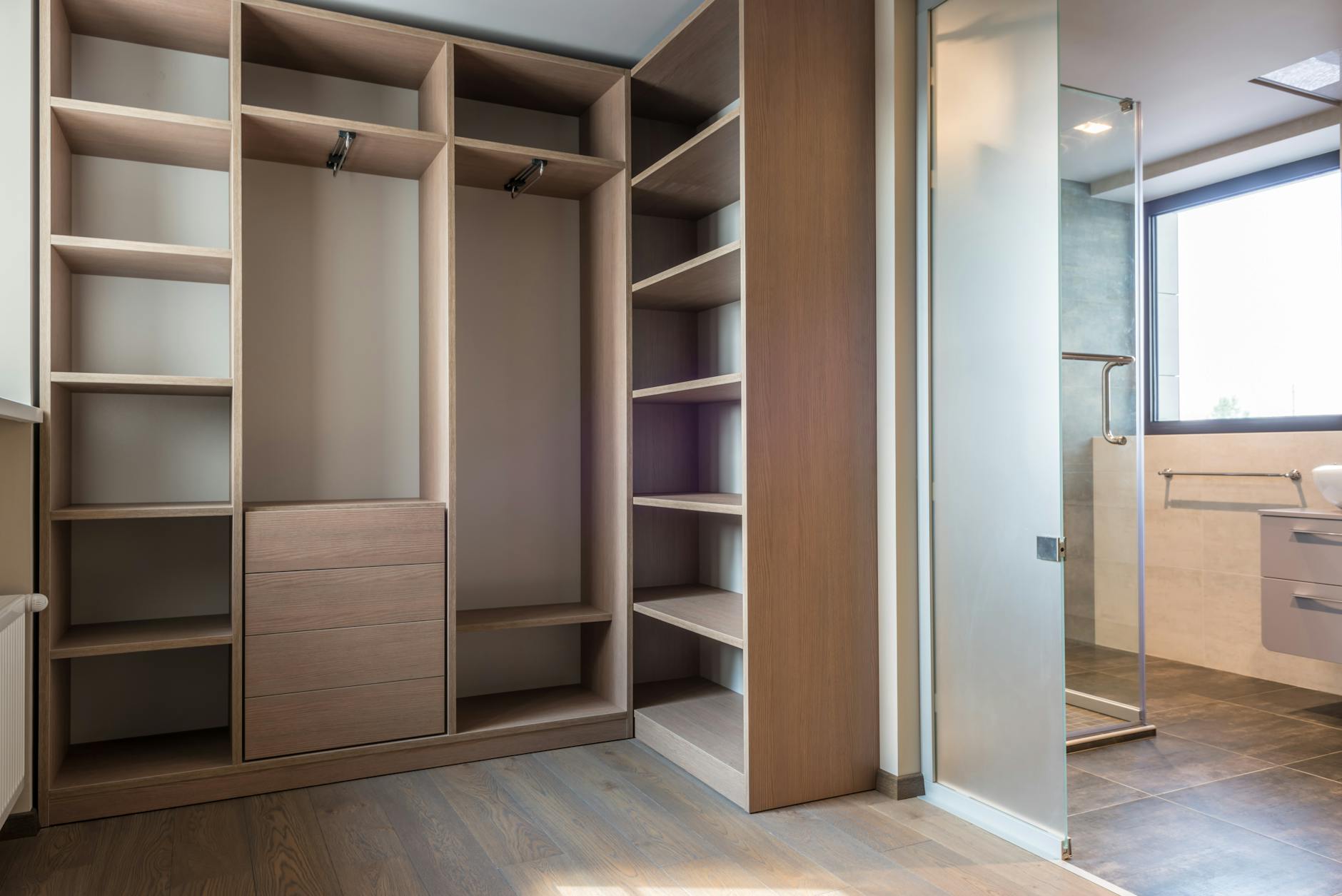
Using full-spectrum LED sources that are specifically designed to simulate the spectral distribution of natural daylight indoors provides a color rendering environment in a windowless closet that closely approximates the conditions under which clothing will be assessed and judged in outdoor and naturally lit indoor environments. The practical benefit of natural light simulation in a closet is the reduction of color discrepancy between how a garment appears during selection and how it appears in the wearing environment, which is a consistent frustration for people whose closets are lit by standard warm or cool LED sources that misrepresent fabric color in ways only apparent after leaving the house. The controversial aspect of full-spectrum daylight simulation sources is their higher cost relative to standard LED alternatives and the slight reduction in the flattering warmth that makes standard warm white sources aesthetically pleasing to many users. Designers who specify full-spectrum simulation in closets treat it as a functional accuracy investment rather than an aesthetic one, recognizing that the practical benefit of accurate color matching is the primary justification for the premium regardless of the aesthetic trade-off involved.
Perimeter Rope Lighting
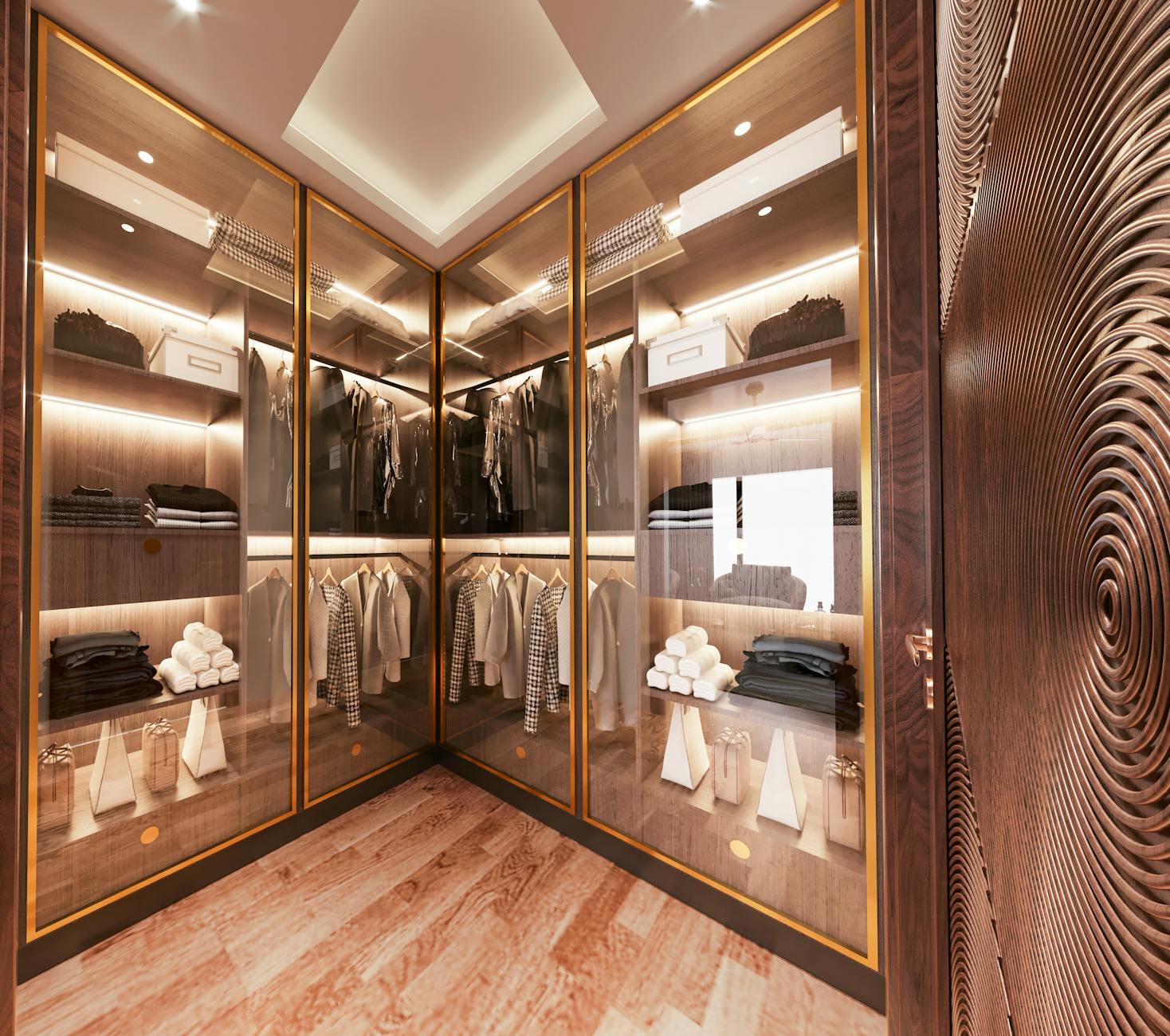
Running a continuous loop of low-output LED rope lighting around the full perimeter of the closet interior at a mid-height position creates a soft ambient glow that fills in the shadows between primary light sources without introducing the directional quality that would make it function as a competing task light. The perimeter loop produces an ambient base layer that makes the closet interior feel luminous and complete rather than spotted with lit zones surrounded by dark transitions, creating a more even overall impression that reads as a professionally designed rather than domestically assembled space. The controversial aspect of perimeter rope lighting is the installation complexity of routing a continuous loop around the full interior perimeter in a way that conceals cable runs and mounting hardware without visible interruption at corners and transitions. Designers who use this technique specify a maximum output of fifty lumens per meter for the perimeter loop to ensure that it functions as a fill and atmosphere layer rather than competing with the primary and accent sources that handle the directional and task lighting requirements of the space.
Smart Lighting Integration
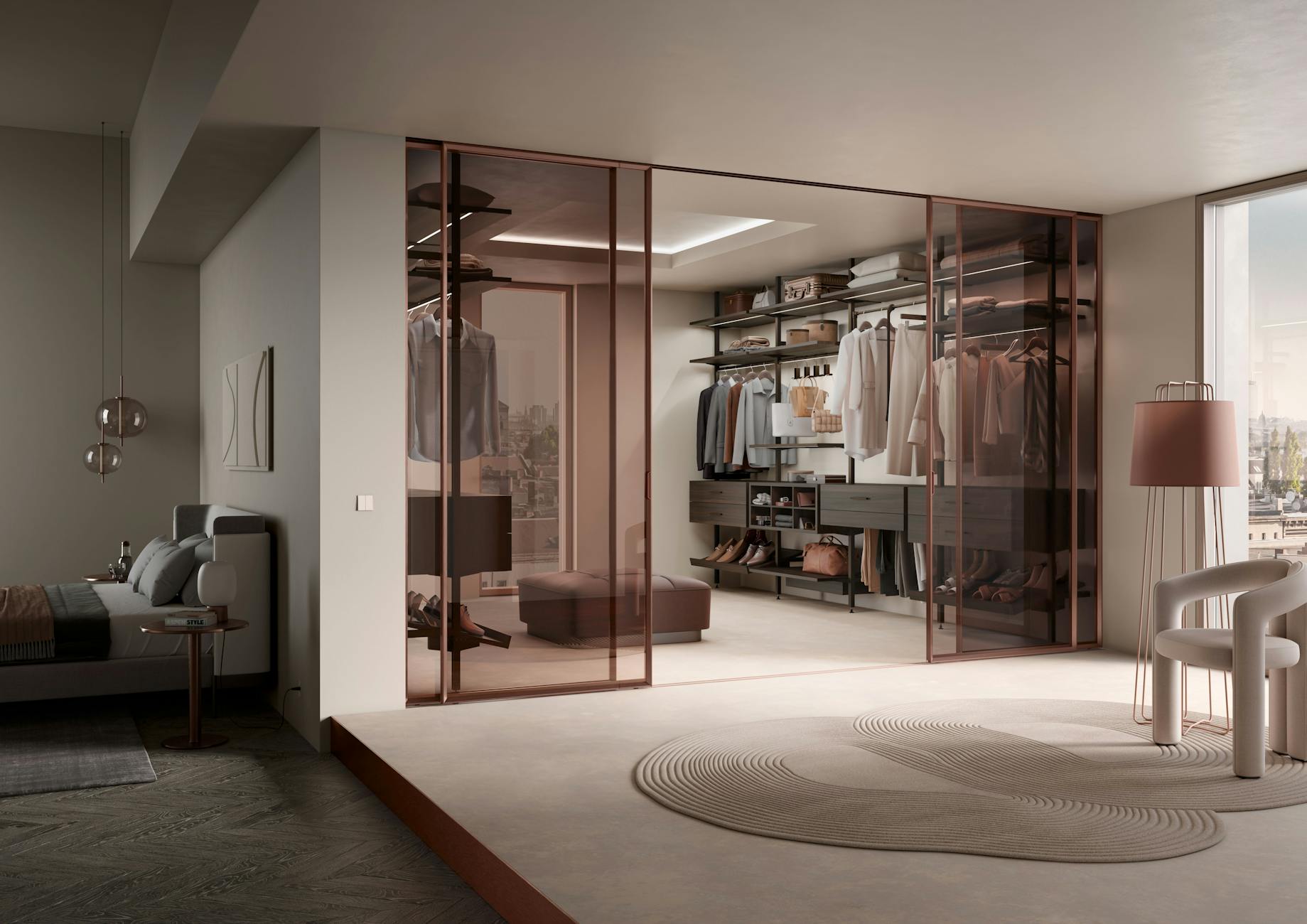
Connecting closet lighting to a smart home system that allows scene programming, scheduled activation and color temperature adjustment through a single interface provides the same lighting control flexibility that professional stylists use in shoot environments to assess clothing under different light conditions before making selection decisions. The ability to switch between a warm evening scene and a cool daylight simulation scene within the closet at a single touch allows the user to check how a garment performs under the specific light conditions of the environment where it will be worn rather than making selection decisions based on a single fixed light condition that may not represent any real-world wearing context. The controversial aspect of smart lighting integration in a closet is the system cost and installation complexity relative to the benefit, which requires honest assessment of whether the flexibility it provides justifies the investment for the individual user’s actual daily behavior. Designers who recommend smart closet lighting integration identify the scheduled activation feature as its highest daily-use benefit, programming the system to activate at a preset time before the usual morning routine begins so that the space is ready and fully illuminated before the user enters rather than requiring any manual interaction to initiate.
Kelvin Switching
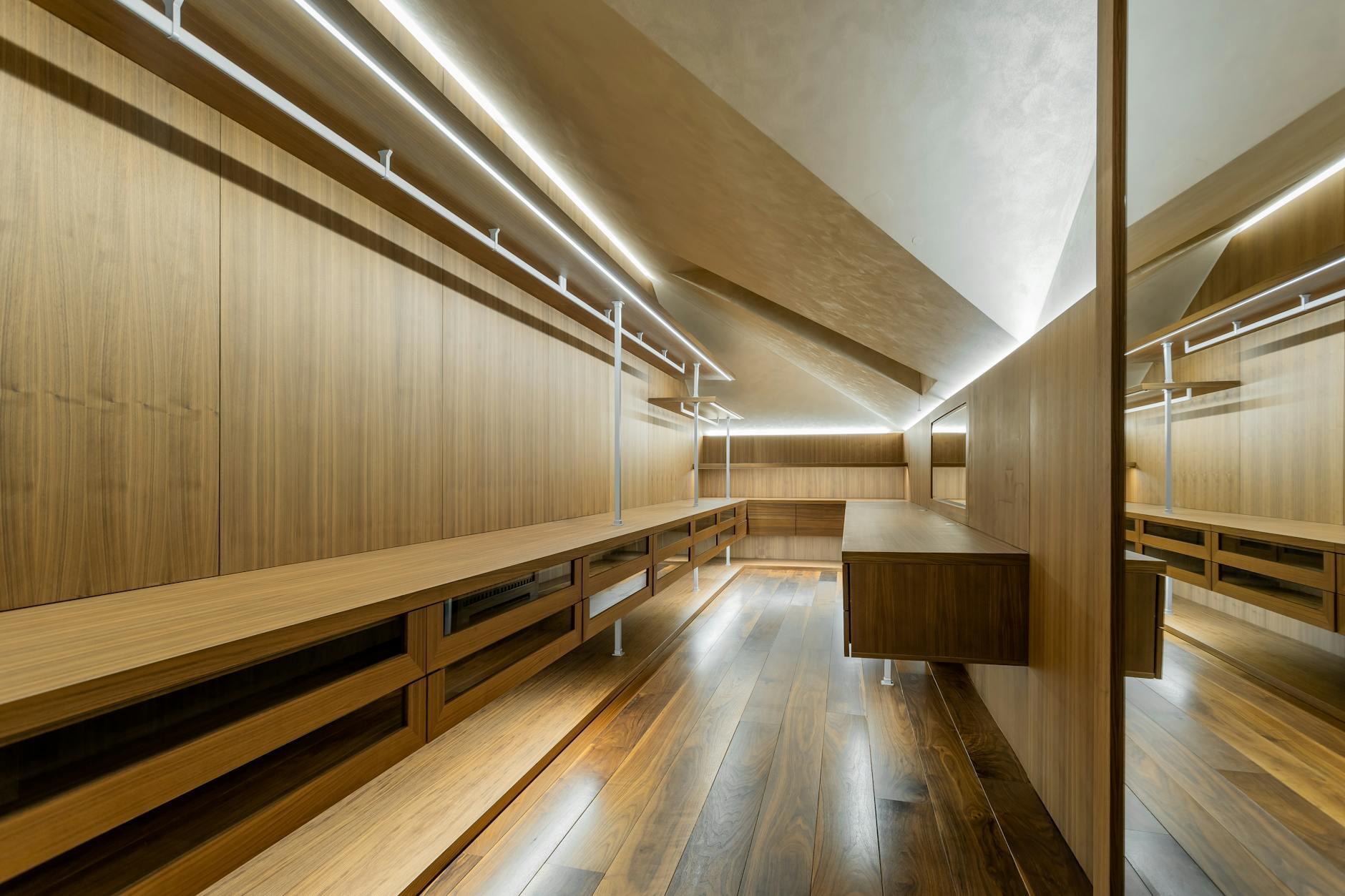
Installing a dual-mode or tunable white LED system that allows rapid manual switching between a warm selection mode and a cool daylight verification mode without requiring smart system integration provides a practical color accuracy tool that addresses the single most common closet lighting complaint at a hardware cost significantly below full smart system specification. The warm mode creates the flattering and aesthetically pleasing environment that makes the wardrobe appear at its most appealing during selection while the cool daylight mode provides the accurate color verification that prevents the color-matching errors that warm-only lighting produces. The controversial aspect of Kelvin switching without smart integration is the reliance on a physical switching action that users must remember to perform and interpret correctly, which requires a brief behavioral adjustment period before the dual-mode habit becomes automatic. Designers who specify Kelvin switching as a cost-effective alternative to full smart integration position the cool daylight mode as a deliberate verification step rather than a default operational mode, framing the switching action as a purposeful quality check rather than an inconvenient complication of the lighting operation.
If your own closet lighting experiments have produced unexpected results or if you have discovered approaches that transformed your wardrobe’s visual quality, share your experience in the comments.