Drive-thru windows move fast, but the truth about what happens behind them moves even faster once you know where to look. Millions of people pull up to these windows every single day without ever questioning what goes on just out of sight. The convenience is undeniable, but the reality of fast food drive-thru operations is far more unsettling than most customers ever imagine. These are 25 of the most disturbing secrets hiding behind that sliding glass panel.
Drive-Thru Headsets

The headsets worn by fast food employees are rarely if ever properly sanitized between shifts. Multiple workers share the same equipment throughout the day, passing along bacteria and sweat with every handoff. Studies on workplace hygiene in food service environments have found headset surfaces among the most germ-laden objects in any restaurant. The foam ear cushions in particular absorb moisture and provide an ideal breeding ground for microbial growth.
Payment Terminals
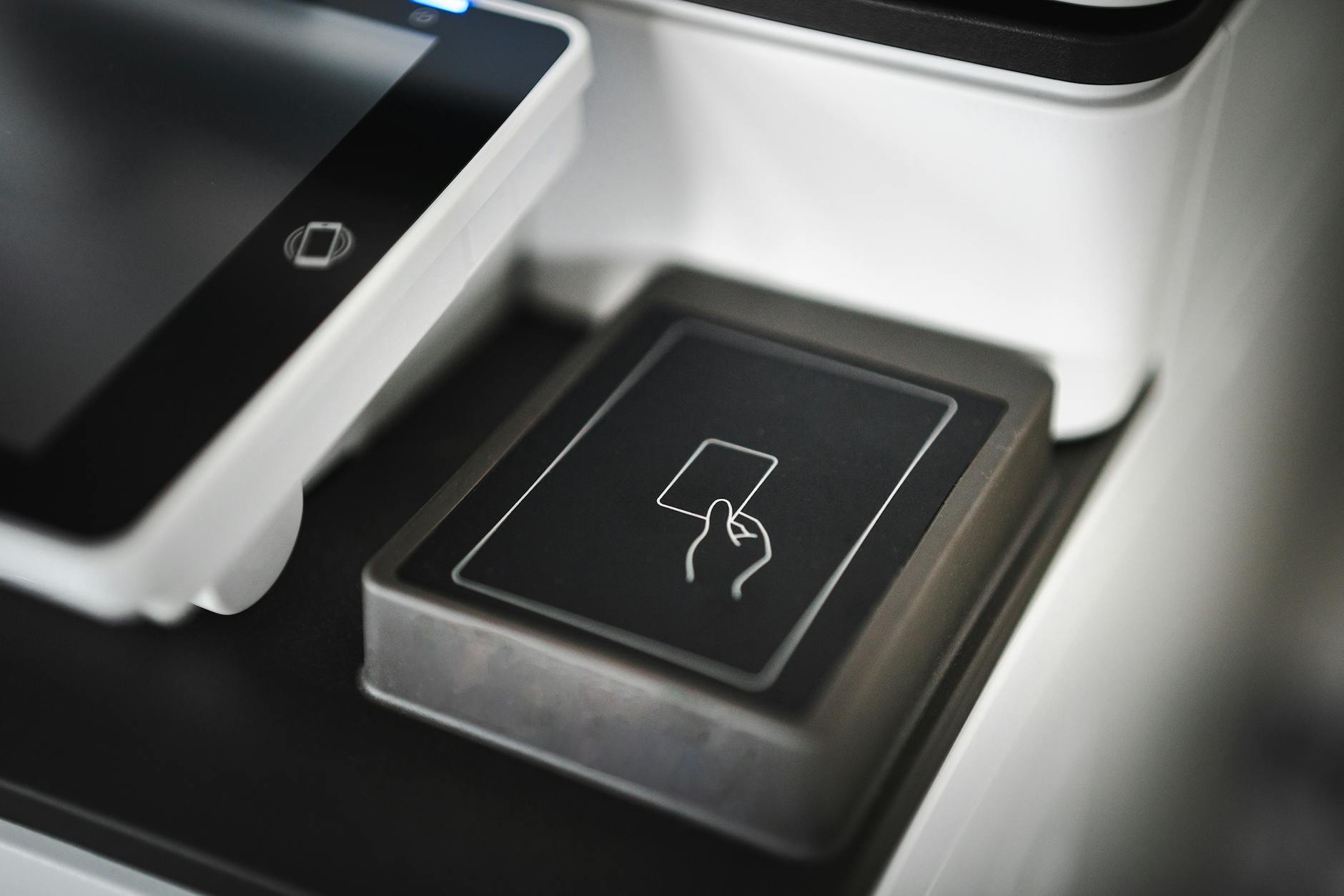
The card reader or cash tray at the drive-thru window is touched by hundreds of hands every single hour of operation. These surfaces change temperature dramatically throughout the day as they are exposed to outdoor air and indoor heat. Most fast food cleaning protocols focus on food preparation surfaces inside the kitchen, leaving customer-facing contact points significantly under-sanitized. Research into high-touch public surfaces consistently ranks payment terminals among the dirtiest objects in commercial food environments.
Ice Machines

The ice dispensed into your drink at a drive-thru often originates from machines that are cleaned far less frequently than health codes recommend. Mold and pink bacterial residue are among the most commonly cited violations found during health inspections of fast food ice machines. The internal components of these machines are difficult to access and require trained staff to clean properly, which means the job is frequently skipped or rushed. Ice from a contaminated machine carries whatever is growing inside directly into your beverage.
Window Ledges
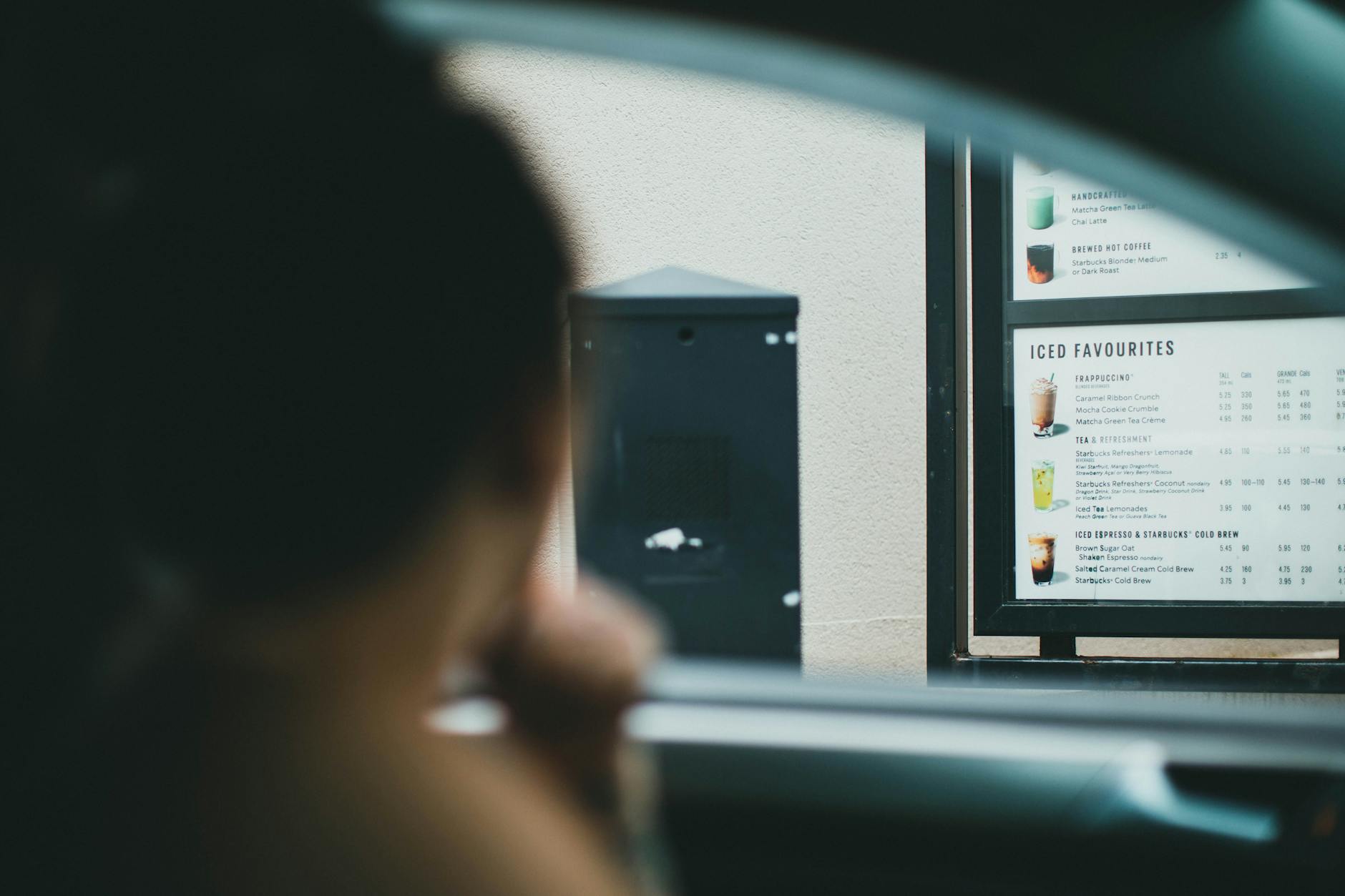
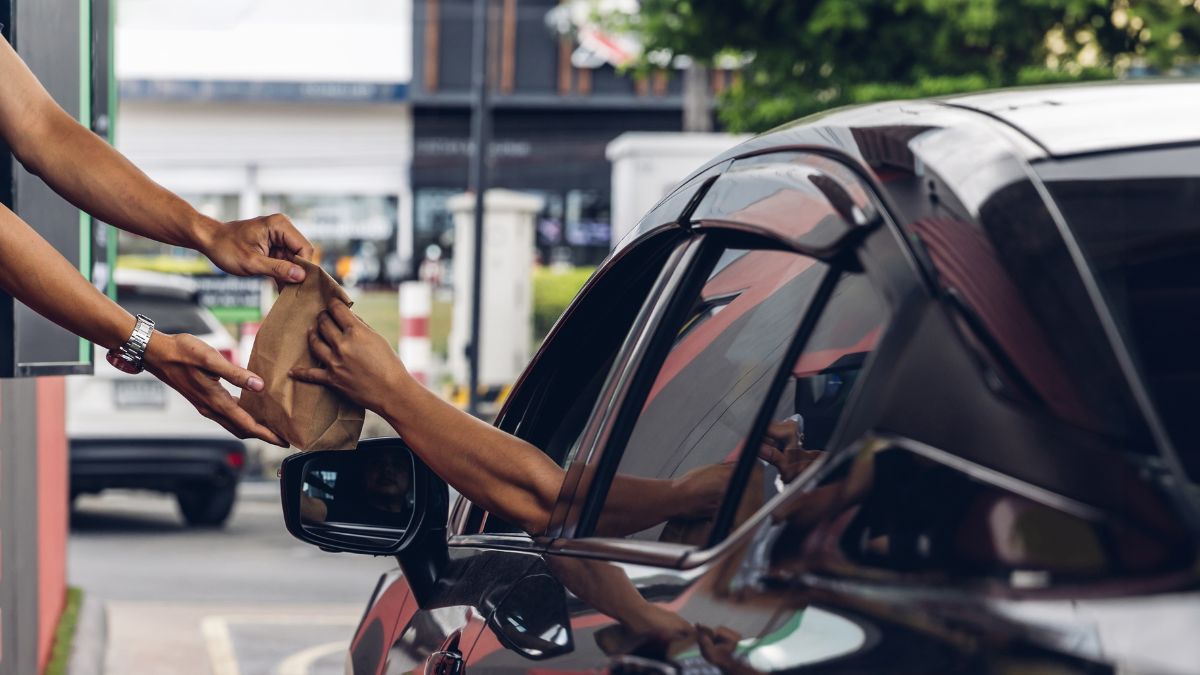
The ledge where your food is passed through the drive-thru window accumulates grease, exhaust residue, and food particles throughout every shift. Outdoor exposure means pollen, insects, and environmental pollutants settle on this surface constantly. Most closing checklists do not include a thorough scrubbing of the exterior window ledge as a required step. Your bag of food makes direct contact with this surface every single time an order is handed out.
Drink Lids
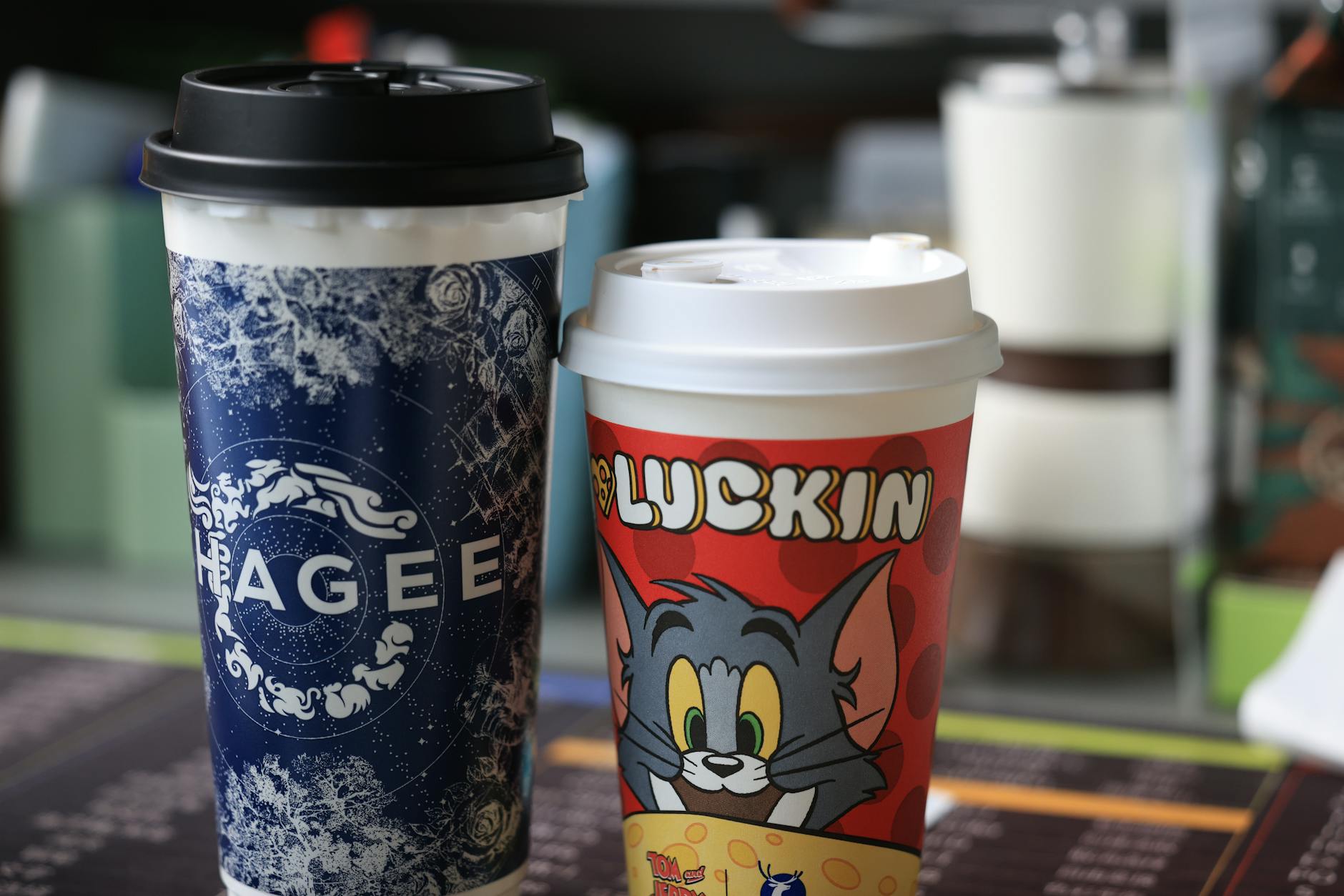
Drink lids are typically stored in open dispensers near the drive-thru station where they are exposed to airborne kitchen grease and foot traffic. Employees frequently handle lids without gloves after touching screens, money, and other high-contact surfaces. The lip area of a lid that customers drink from is almost never individually sanitized before being snapped onto a cup. Contamination at this stage occurs at the very last moment before the drink reaches the customer.
Bag Handling
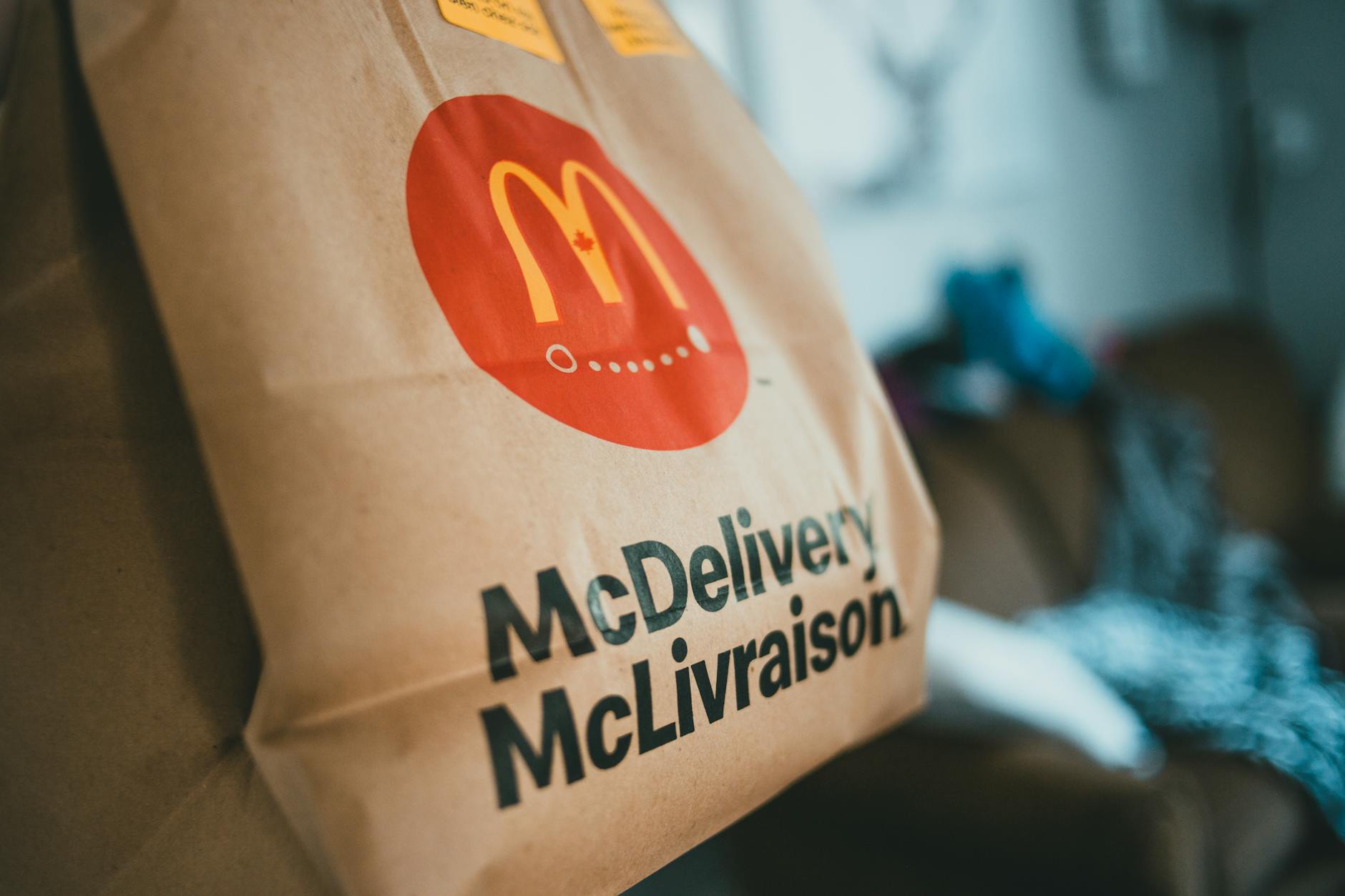
The paper or plastic bag holding your order passes through multiple sets of hands between the kitchen and the window. Employees assembling orders are often simultaneously handling raw packaging, digital screens, and completed food items without changing gloves between tasks. In high-volume locations the speed of service is prioritized so heavily that proper handwashing between steps becomes physically impossible. The outside of your takeaway bag has almost certainly touched surfaces inside the kitchen that customers would never willingly contact.
Grease Traps
The grease traps in fast food kitchens are among the most neglected maintenance items in the entire operation. When these traps are not emptied on schedule they begin to overflow and contaminate surrounding floor drains and surfaces. The odor from an overfull grease trap can permeate the entire kitchen and occasionally drift toward the drive-thru serving window. Health inspection reports frequently cite grease trap violations as a recurring issue across major fast food chains globally.
Menu Boards
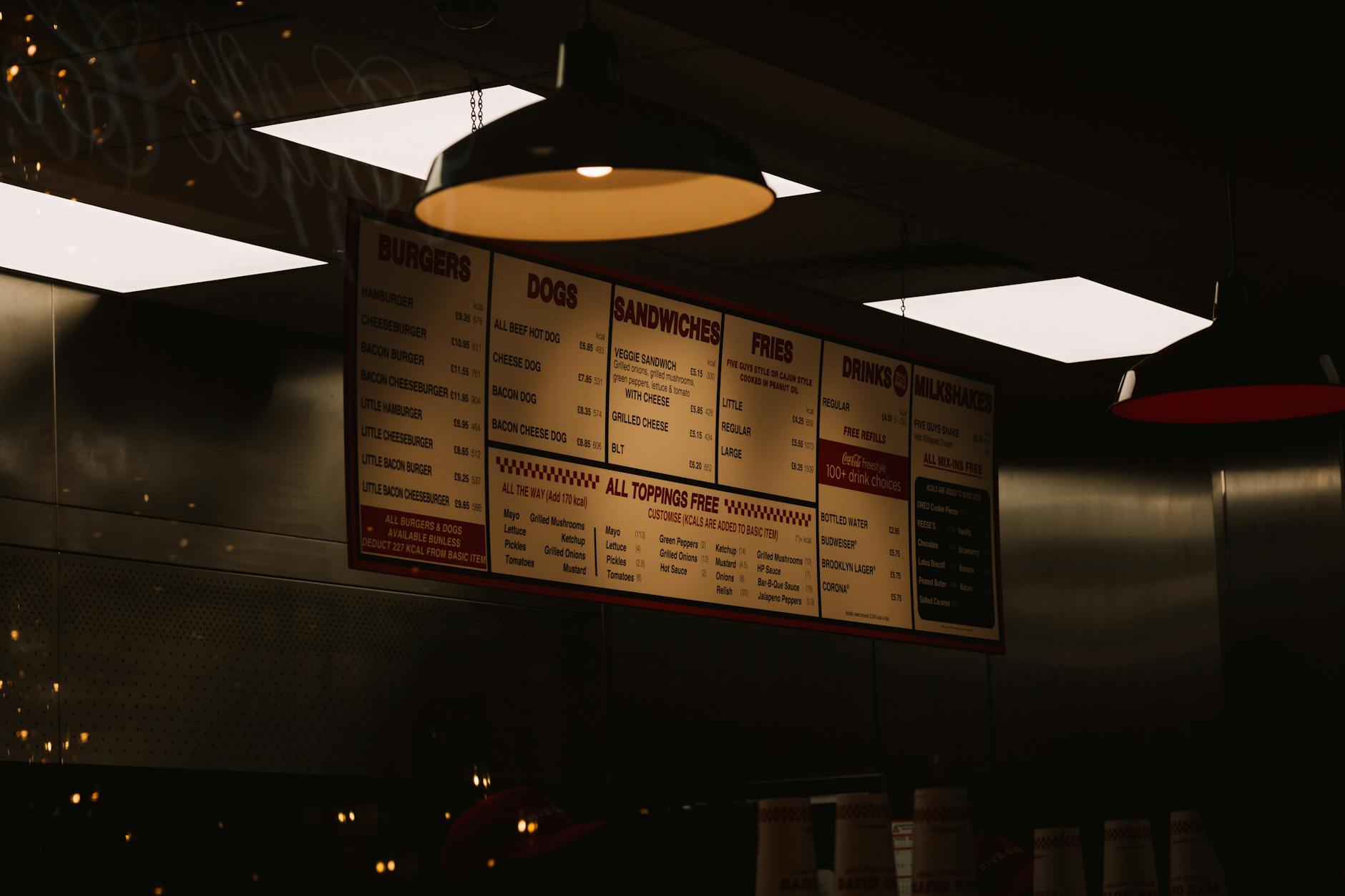
Digital and physical menu boards positioned at the drive-thru order point are almost never cleaned as part of standard daily operations. Insects are attracted to the warmth and light generated by illuminated menu displays and frequently nest in the hardware behind them. Bird droppings, spider webs, and accumulated grime build up on surfaces customers are staring at for minutes at a time. This is primarily a cosmetic concern but reflects the overall standard of exterior maintenance at many locations.
Speaker Boxes
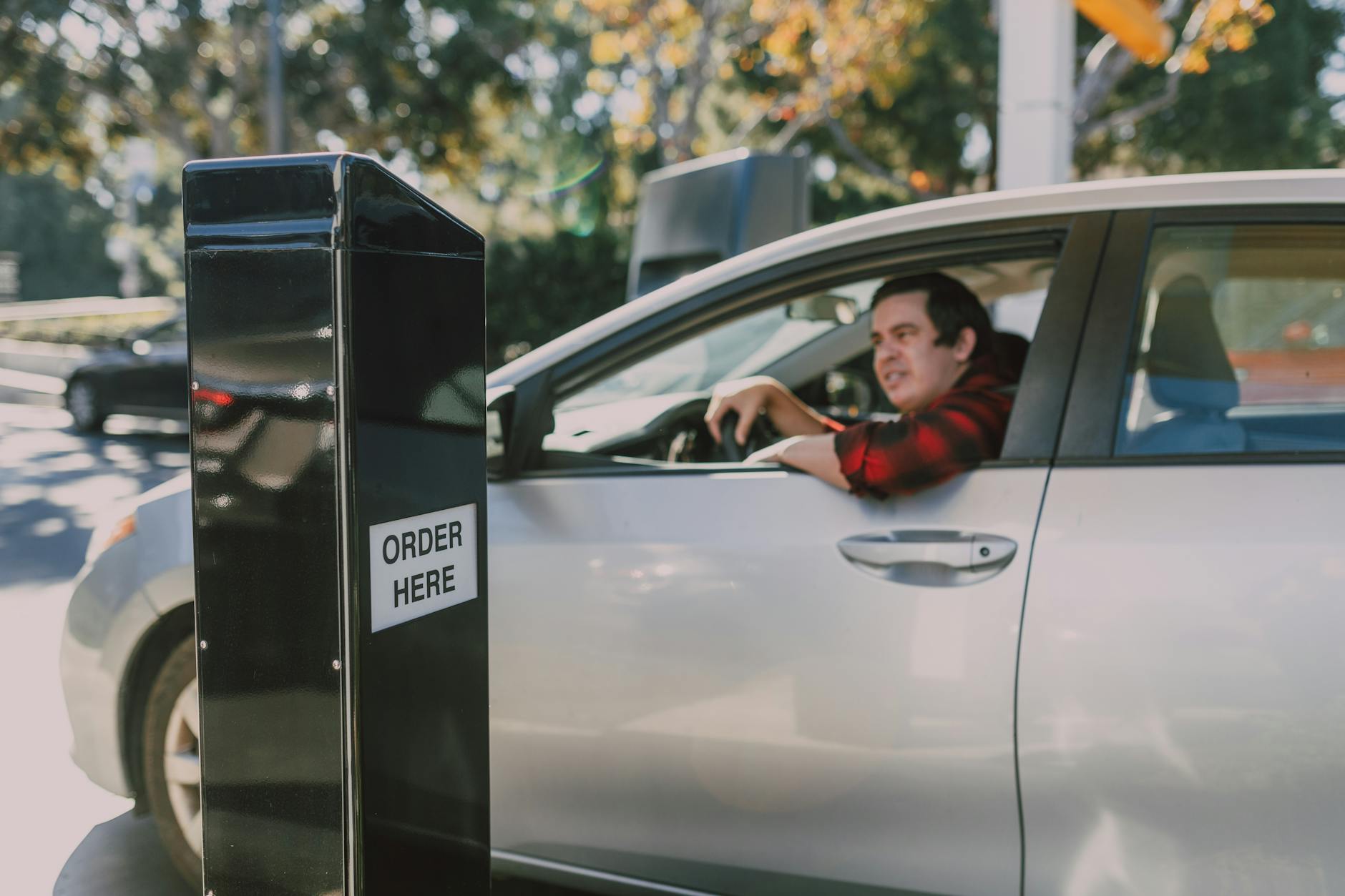
The drive-thru speaker and order confirmation screen is one of the most weathered and neglected surfaces at any fast food location. Moisture from rain and morning dew penetrates the casing and creates damp interior conditions where mold readily develops. Customers lean out of car windows and touch these units constantly throughout the day without any sanitation occurring between interactions. Pest activity inside speaker box units has been documented at locations across multiple major chains.
Sauce Packets
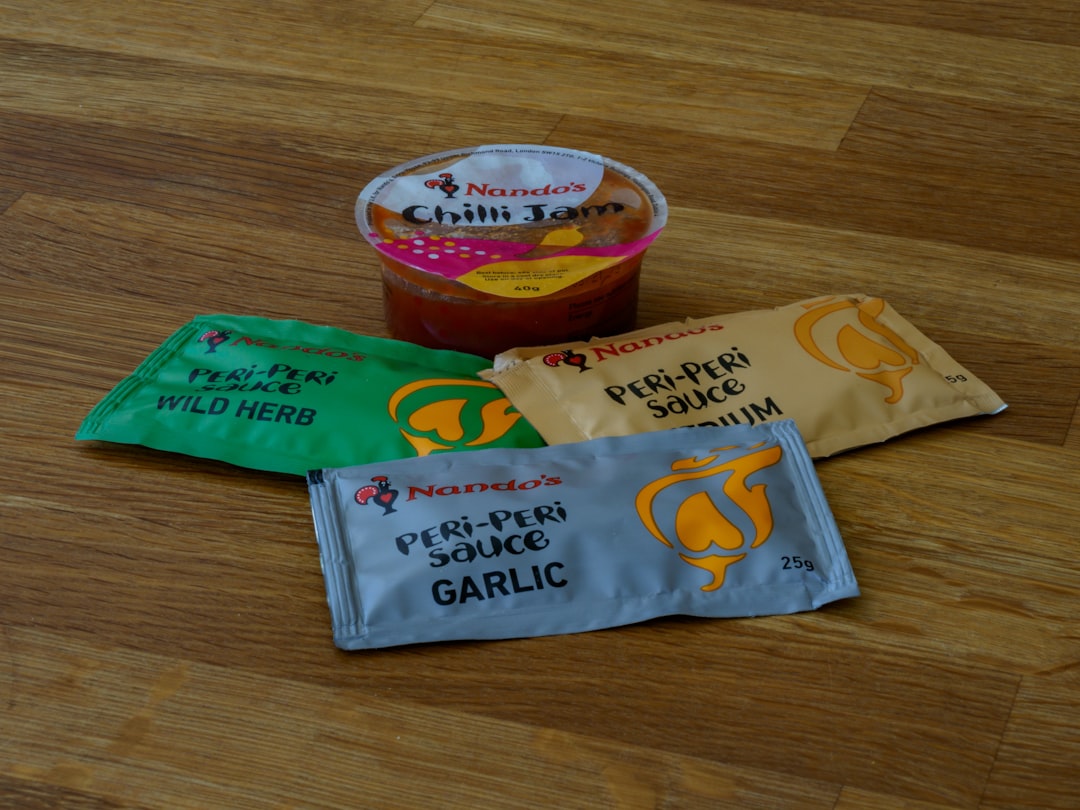
Sauce packets kept in bins near the drive-thru window are frequently handled repeatedly before reaching a customer. Employees reach into communal bins throughout the shift without always wearing gloves or washing hands between tasks. These packets are sometimes stored in conditions that see significant temperature fluctuation, which can compromise the integrity of the packaging seal over time. Torn or compromised packaging is not always visually obvious before a customer uses the product.
Uniform Crossover
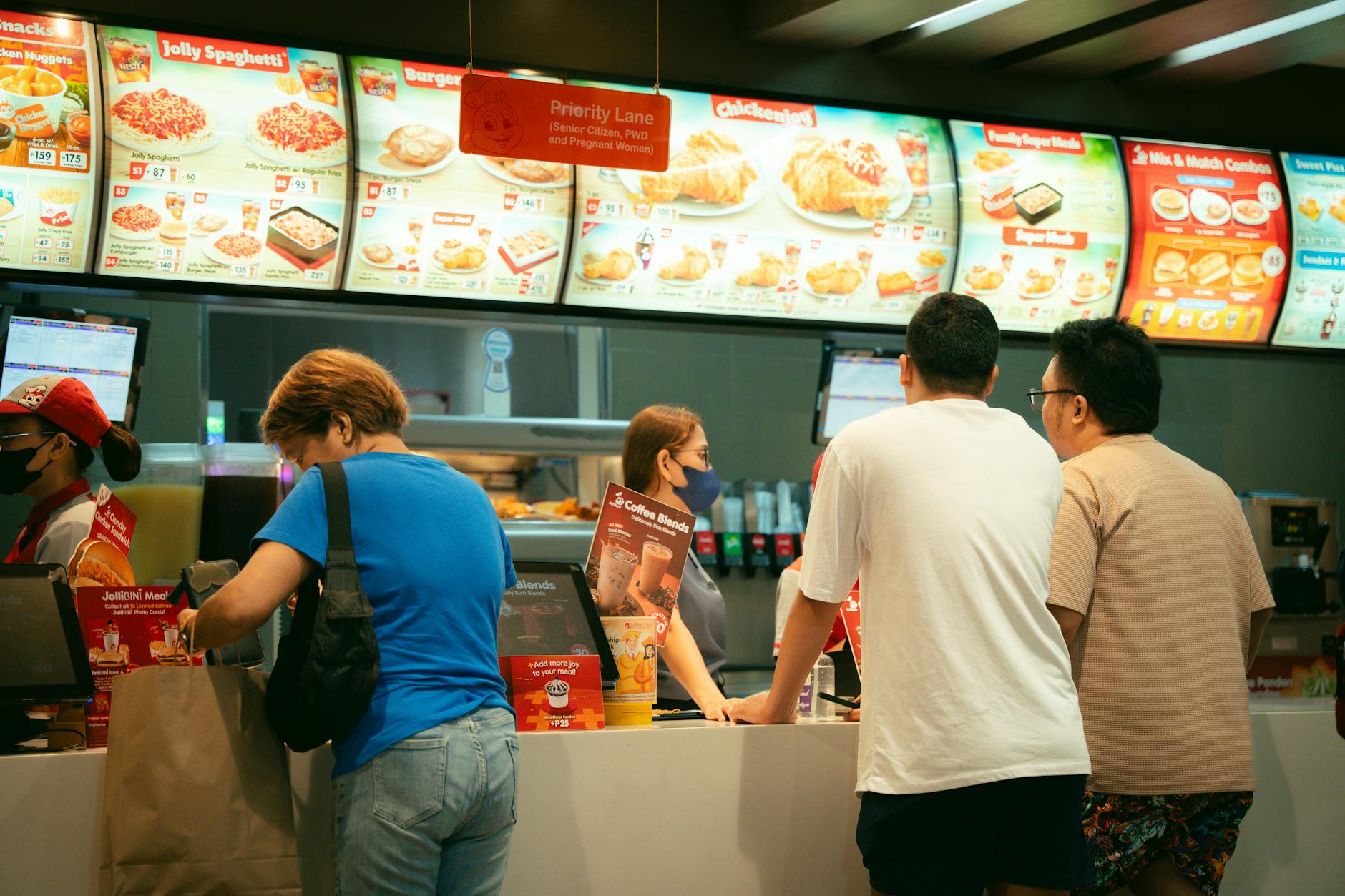
Fast food employees working the drive-thru window are often rotating between kitchen duties and window duties within the same shift. This means the same person handling raw burger patties may moments later be passing a drink directly to a customer. Glove-changing protocols exist at most chains but are inconsistently enforced during high-traffic service periods. The crossover between raw food handling and finished product delivery is one of the most significant hygiene risks in the entire operation.
Napkin Dispensers
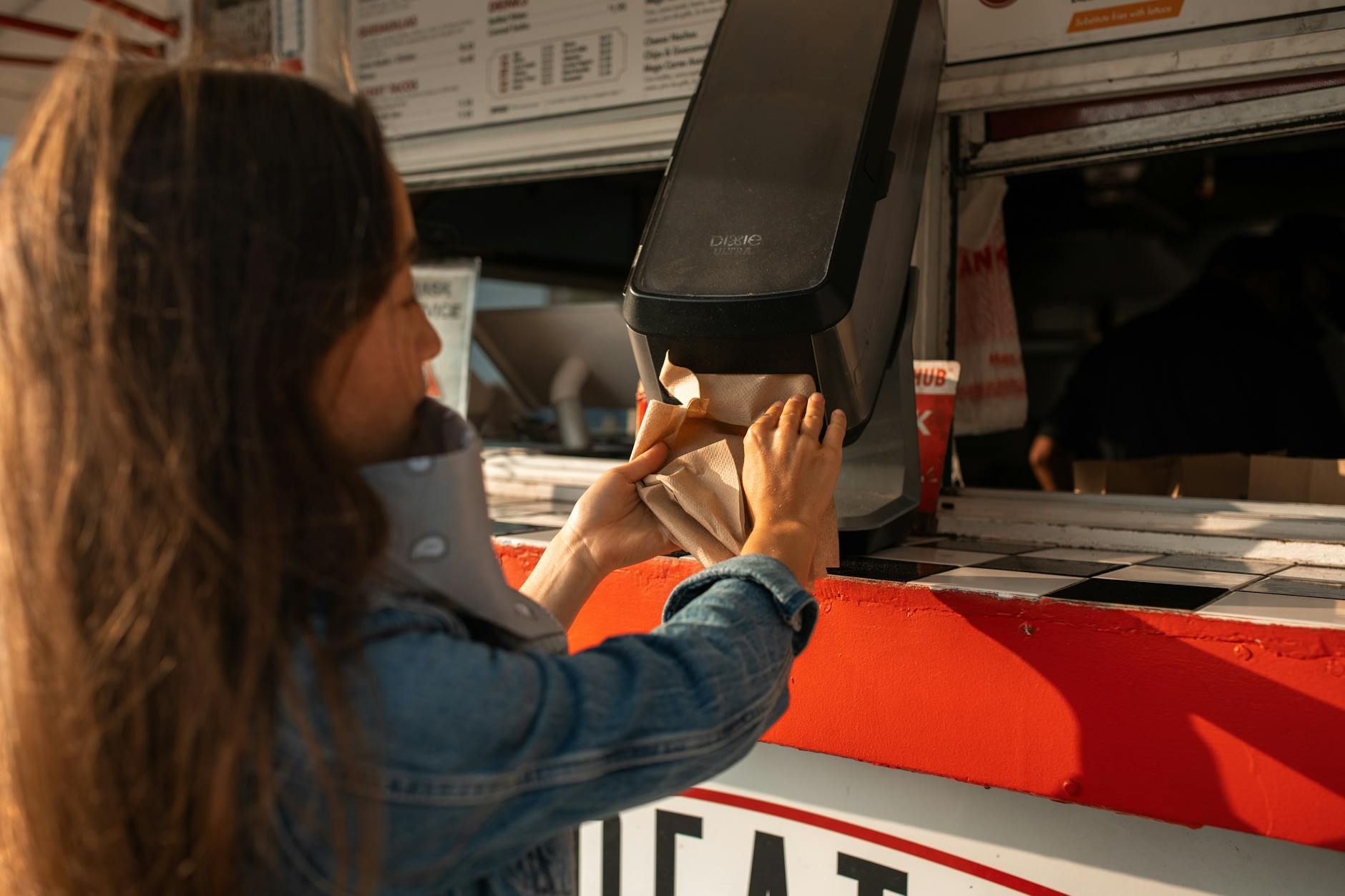
Napkin dispensers at the drive-thru assembly station are refilled from bulk supply by hands that have been handling everything else in the kitchen. The opening slot of a napkin dispenser is touched constantly and cleaned almost never. Napkins sitting at the bottom of a dispenser may have been there for extended periods accumulating dust and exposure from the surrounding environment. Most customers assume sealed or clean packaging but napkins at the drive-thru receive no individual protective wrapping.
Order Screens
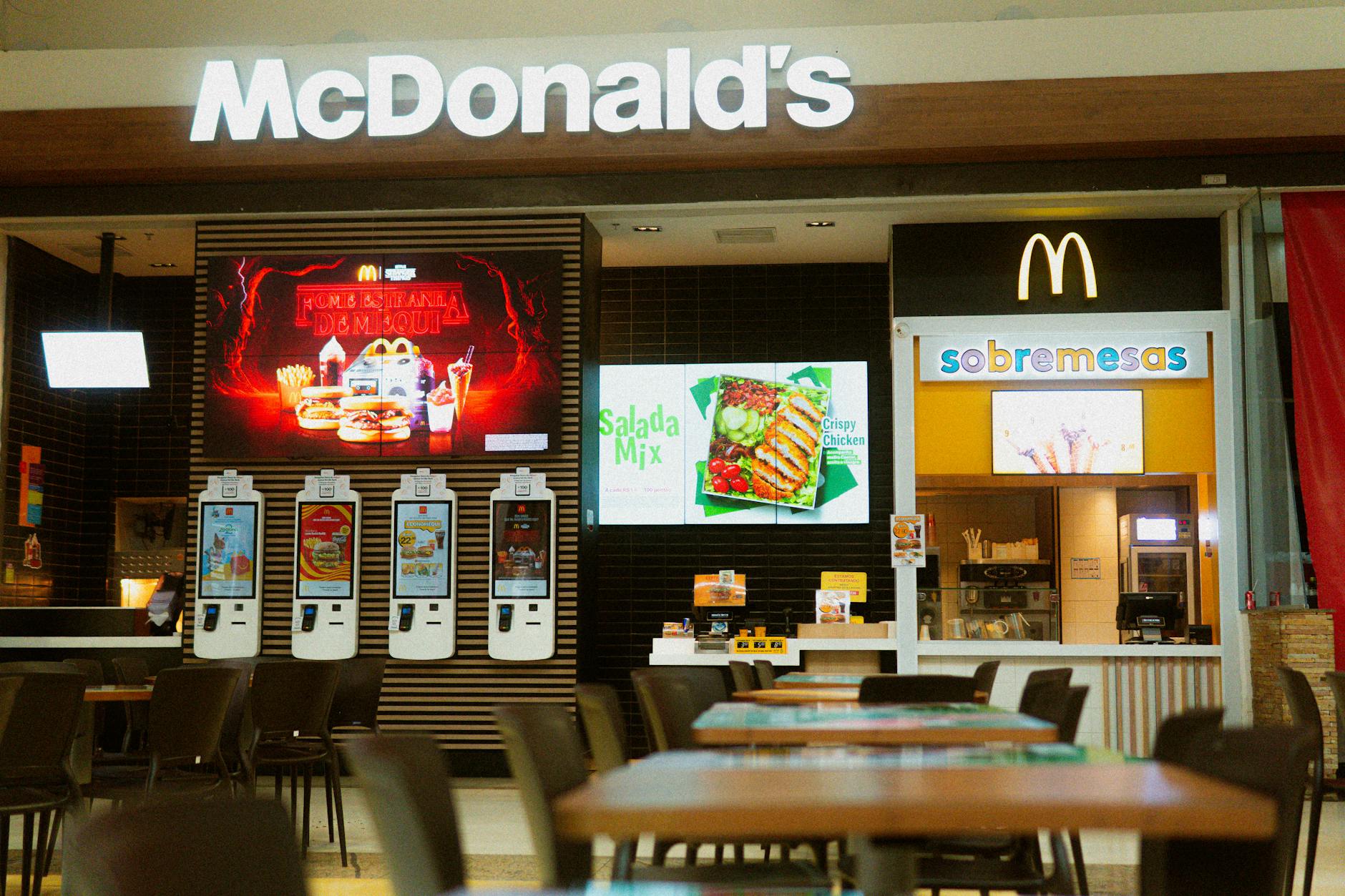
Touchscreen order confirmation displays at the drive-thru are used by employees all day long and are virtually never wiped between customer interactions. These screens are located near cooking equipment and accumulate a fine mist of grease from the surrounding kitchen atmosphere. The same screen an employee uses to confirm your order is used to process hundreds of other transactions before and after yours without disinfection. Studies on touchscreen hygiene in food service environments report bacterial counts comparable to public restroom surfaces.
Fryer Oil
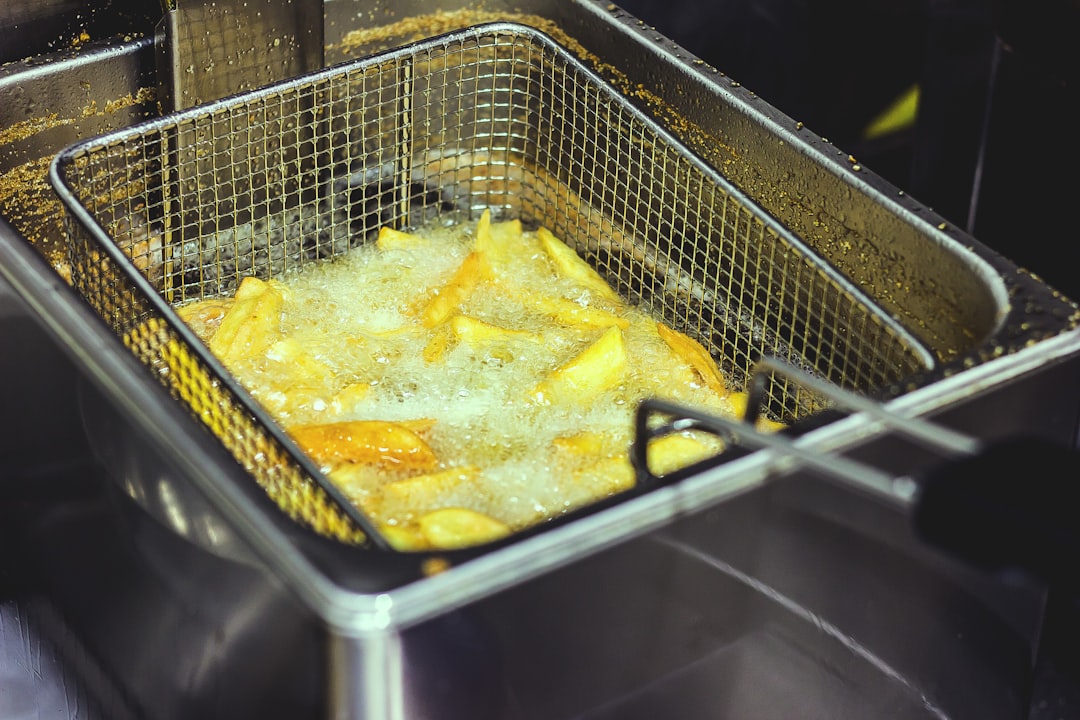
Fast food chains have full discretion over how frequently they change the oil in their deep fryers, and many locations extend usage well beyond what nutritional guidelines suggest is appropriate. Degraded fryer oil produces higher concentrations of harmful compounds including acrylamide and trans-fatty acids as it breaks down under sustained heat. The color of the oil is not always a reliable indicator of its age or condition because some locations add fresh oil to existing stock rather than conducting full replacements. Customers have no visibility into the age or condition of the oil used to cook their food.
Dumpster Proximity
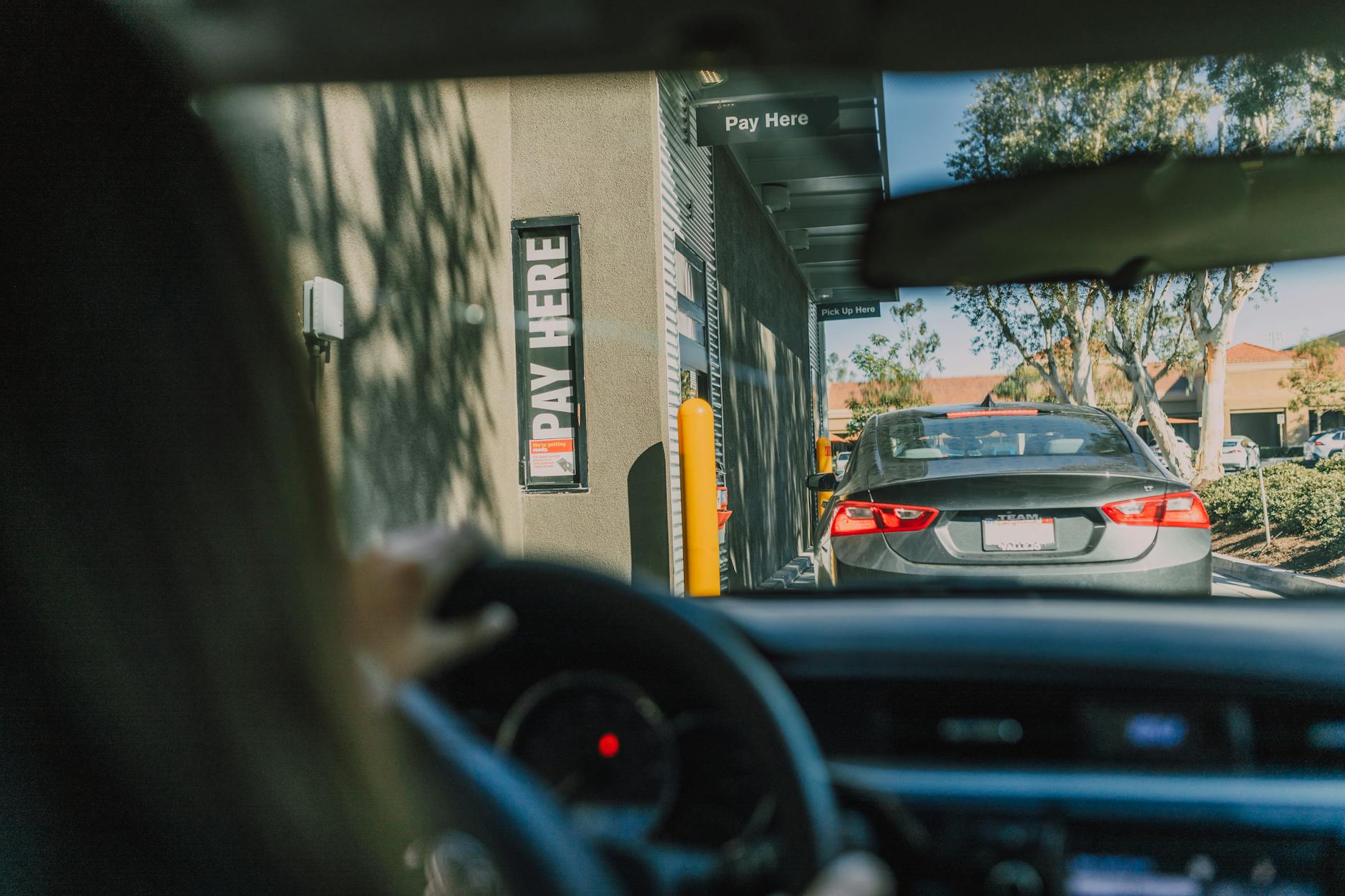
At many fast food locations the exterior dumpsters are positioned very close to the drive-thru lane and occasionally to the service window itself. Rodent and insect activity concentrated around outdoor waste storage creates a pathway toward the building that pest control measures do not always fully interrupt. Health inspections frequently document evidence of pest activity originating from dumpster areas spreading toward kitchen entry points. The drive-thru lane itself passes directly alongside these zones at numerous locations.
Drink Nozzles

The syrup and carbonated water nozzles inside the drink dispensing units at fast food locations require regular disassembly and deep cleaning to remain sanitary. Mold growth inside soda fountain nozzles has been documented consistently across investigative inspections of fast food chains for decades. The exterior of nozzles is wiped down in many locations but internal passages where the actual beverage flows receive far less attention. Biofilm buildup inside drink dispensing equipment can flavor beverages in ways that customers sometimes mistake for a characteristic of the drink itself.
Warming Lamps
Heat lamps used to keep food items at temperature near the drive-thru window create warm, grease-saturated air directly above food sitting in trays. These lamps and their housing fixtures are difficult to clean and often show significant grease accumulation on the underside panels. Insects are attracted to the warmth of these units and incidents of contamination in warming areas have been cited in health inspection records nationwide. Food can sit under these lamps for extended periods during slow traffic periods before being handed out at the window.
Glove Protocols
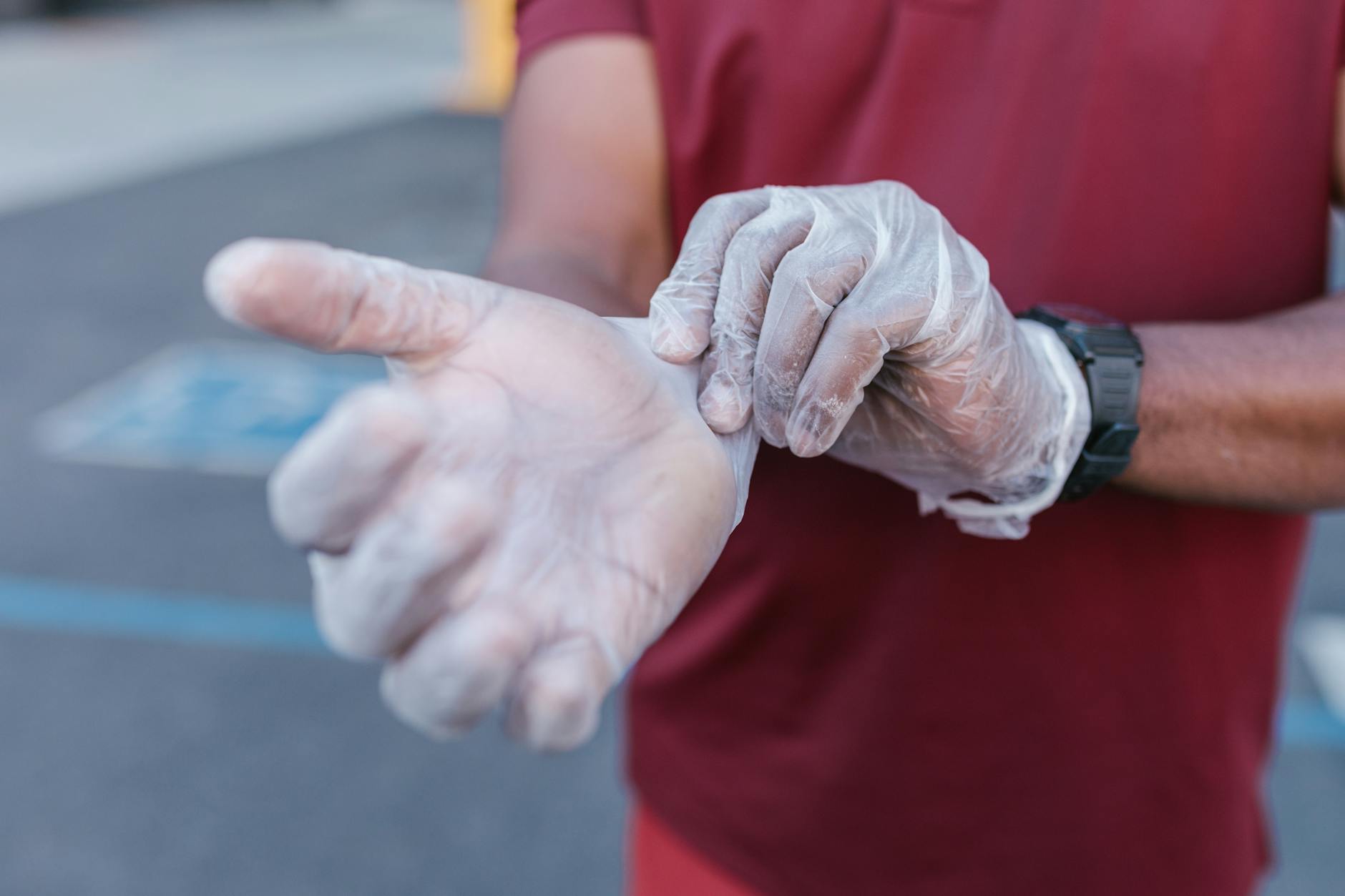
The use of gloves in fast food drive-thru operations creates a false sense of security when gloves are not changed appropriately between tasks. A glove that has touched a raw product, a phone screen, a door handle, and then a completed food item offers no more protection than a bare hand. Many employees wear the same pair of gloves for an entire shift in busy locations where stopping to change them feels operationally impossible. Regulatory agencies have noted that improper glove use is in some respects more problematic than no glove use because it undermines hygiene awareness.
Pest Logs
Fast food locations are legally required to maintain pest activity logs in most jurisdictions, but these records are not publicly accessible to customers. Third-party pest control visits occur on scheduled intervals that may leave significant gaps in monitoring and treatment. Rodent droppings in storage areas adjacent to food preparation zones are among the most commonly cited findings in surprise health inspections at fast food locations. The drive-thru environment with its constant opening and closing of windows creates regular opportunities for pest ingress into the building.
Children’s Meal Toys
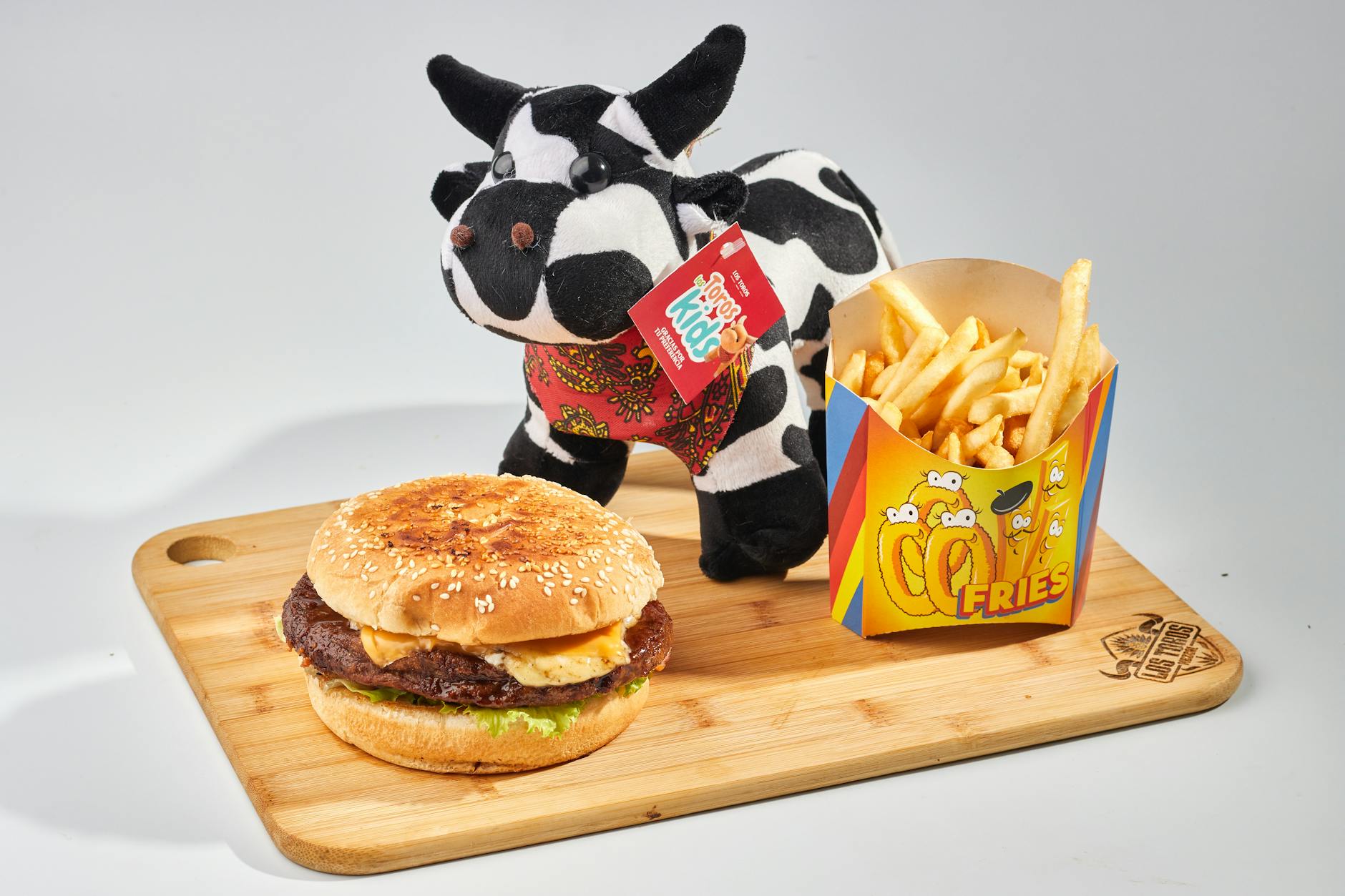
Toys included with children’s meals at drive-thru locations are mass-produced items that are often stored in large open bins accessible to employees throughout the shift. These toys are handled constantly without any sanitation between touches and are placed directly into meal bags alongside food items. Some toys arrive at locations already out of their individual packaging and are sorted by hand into storage containers. Recalls related to safety and contamination concerns have affected children’s meal toy programs at major chains on multiple occasions.
Staff Illness Policies
Fast food chains have employee sick day policies that sound adequate on paper but are frequently undermined by staffing pressures at the location level. Shift managers at understaffed locations regularly encourage or pressure unwell employees to complete their shifts rather than go home. An employee with a respiratory illness or gastrointestinal issue working the drive-thru window maintains direct proximity to food and packaging throughout their shift. Foodborne illness outbreaks traced back to symptomatic food service workers represent a recurring issue documented in public health records.
Condiment Stations
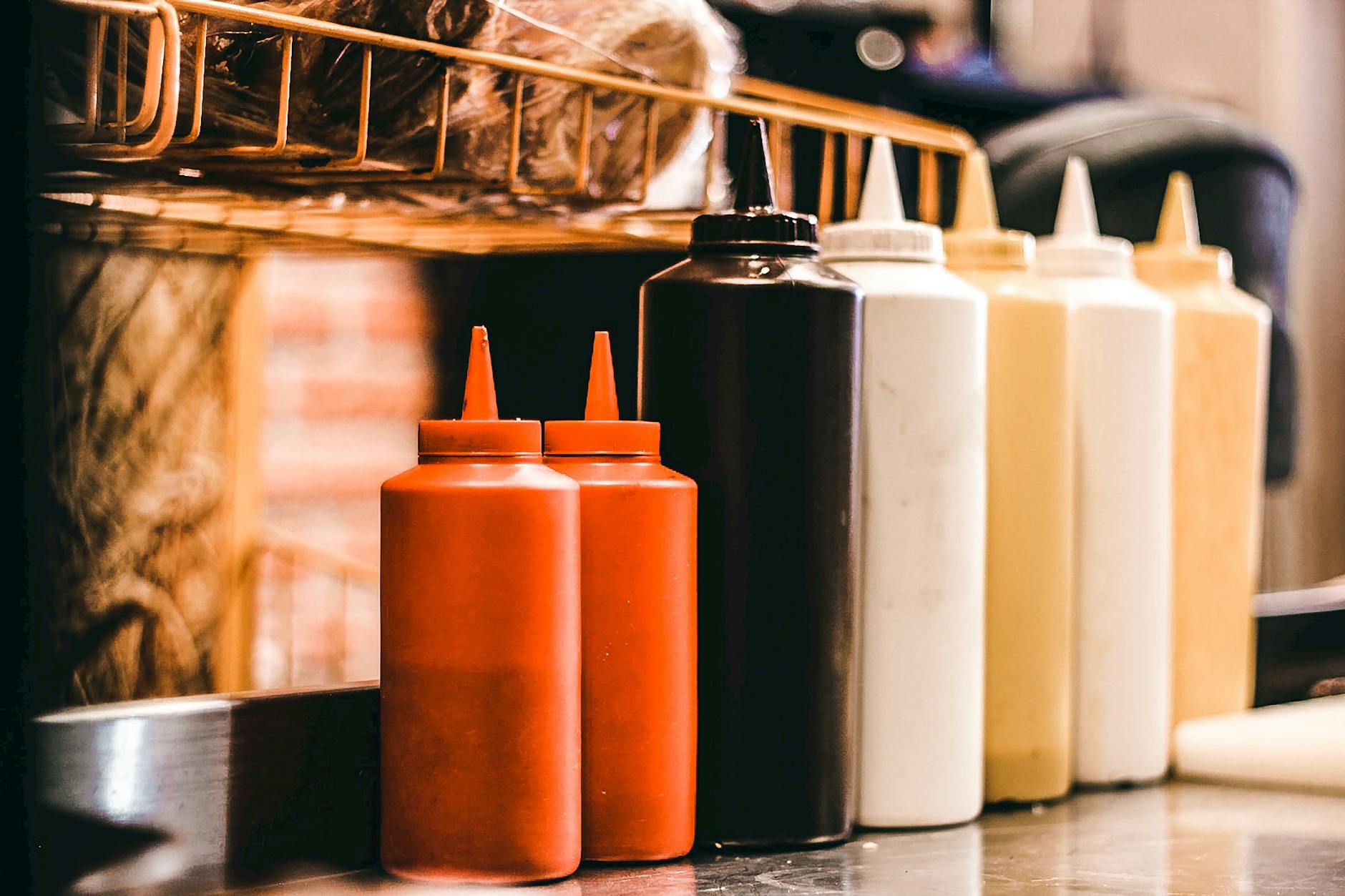
Bulk condiment containers such as ketchup pumps and mustard dispensers used to fill cups or packets at the drive-thru are cleaned far less often than daily. The exterior surfaces of these units are touched constantly and often show visible buildup around the nozzle areas. Internal reservoirs in pump-style dispensers are typically refilled by topping up existing product rather than fully emptying and sanitizing the container first. This practice allows older product to remain at the bottom of dispensers indefinitely.
Exhaust Ventilation

The ventilation hoods above fast food cooking equipment are required to remove grease-laden air from the kitchen environment, but filters in these systems require regular maintenance to function properly. Clogged or dirty exhaust filters allow grease particles to recirculate through the kitchen and settle on surrounding surfaces including food preparation areas and packaging materials. The drive-thru assembly station located closest to the window is often at the end of the airflow path, meaning it receives recirculated air from the entire kitchen. Ventilation system maintenance is a commonly cited deficiency in routine health inspections at fast food locations.
Late Night Shifts

Drive-thru operations running through late night and overnight hours typically do so with skeleton staffing and reduced management oversight. Cleaning protocols that are already inconsistently followed during peak hours are further compressed or skipped entirely during these shifts. Food sitting in warming areas for extended periods is less likely to be discarded according to holding time guidelines when staff levels are minimal and supervision is absent. Several documented foodborne illness cases have been traced specifically to food prepared or held during overnight fast food operation windows.
Supply Chain Cold Gaps
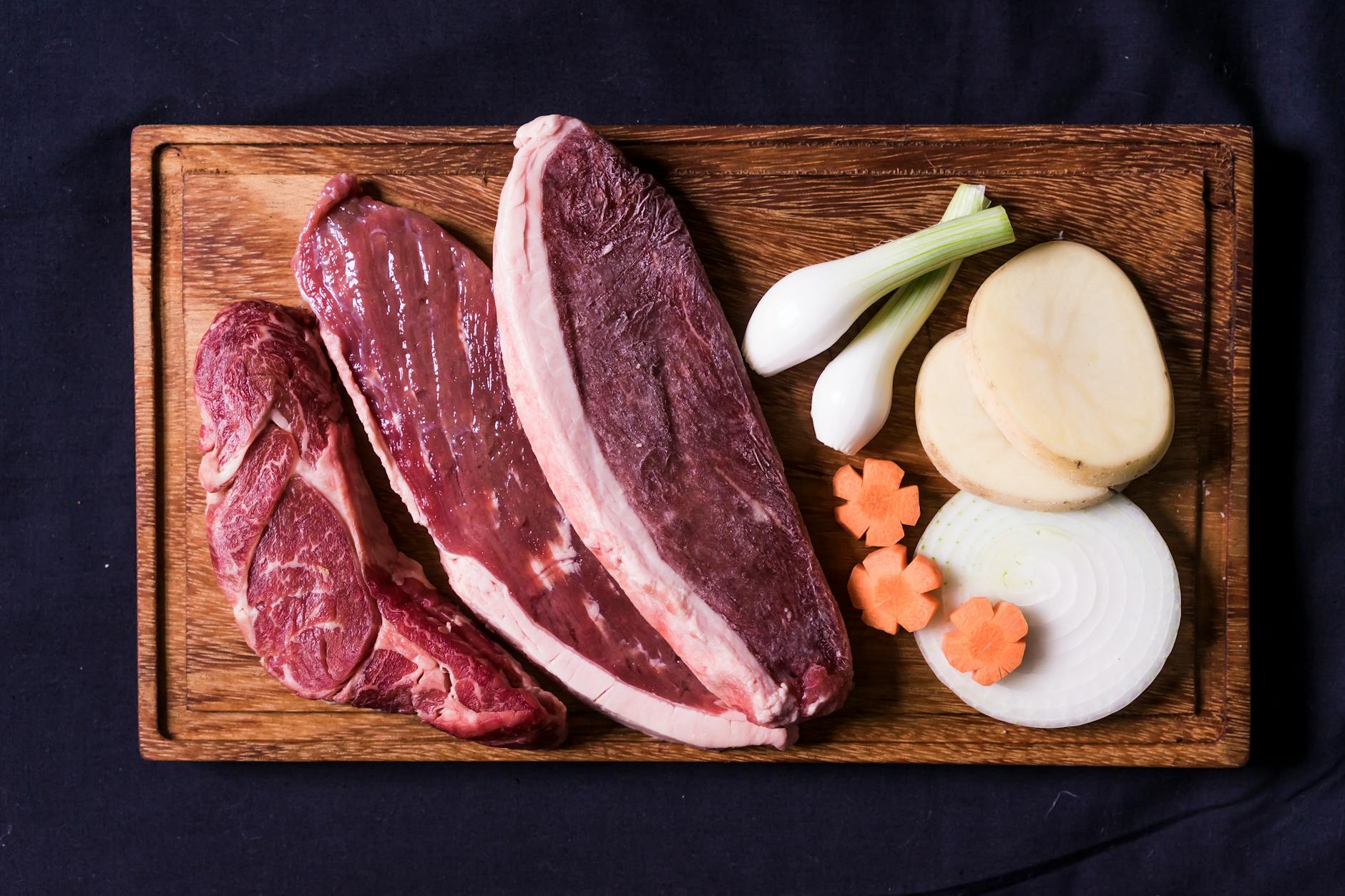
The raw ingredients arriving at fast food locations travel through extended supply chains that include multiple transfer points between producer and restaurant. Temperature monitoring during transport is the responsibility of logistics providers who are not always subject to the same inspection standards as the restaurants themselves. Partial thawing and refreezing events during transit can compromise the safety and quality of protein products before they ever reach the kitchen. By the time an ingredient becomes part of a drive-thru order it may have traveled thousands of miles through conditions the customer has no way of knowing about.
If any of these revelations caught you off guard, share your thoughts and experiences with fast food drive-thrus in the comments.