Consumers navigating the aisles of their local supermarkets this year are encountering a subtle but widespread phenomenon affecting their grocery bills. Shoppers are finding that familiar packages often contain significantly less product than they did just a few months ago while prices remain static or even increase. This trend affects a vast array of goods ranging from pantry staples to household cleaning supplies. Manufacturers frequently cite rising costs of raw materials and transportation as the primary drivers for these adjustments in size and weight. The result is a quiet reduction in value that requires keen attention to unit pricing to identify.
Toilet Paper Mega Rolls
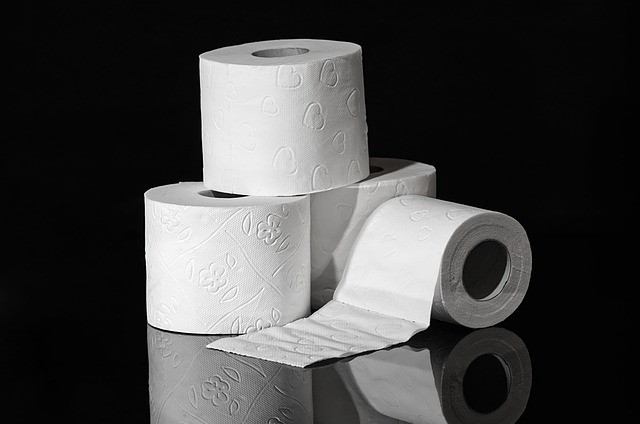
One of the most noticeable categories for size reduction is the bathroom staple found in nearly every cart. Major brands have reduced the number of sheets per roll or the total number of rolls in what were previously labeled as mega packs. A package that once contained twelve heavy rolls may now only hold ten while maintaining the exact same outer packaging dimensions. Consumers often only realize the difference when they find themselves replenishing their supply much sooner than expected. This adjustment effectively raises the price per sheet without changing the sticker price on the shelf.
Paper Towels
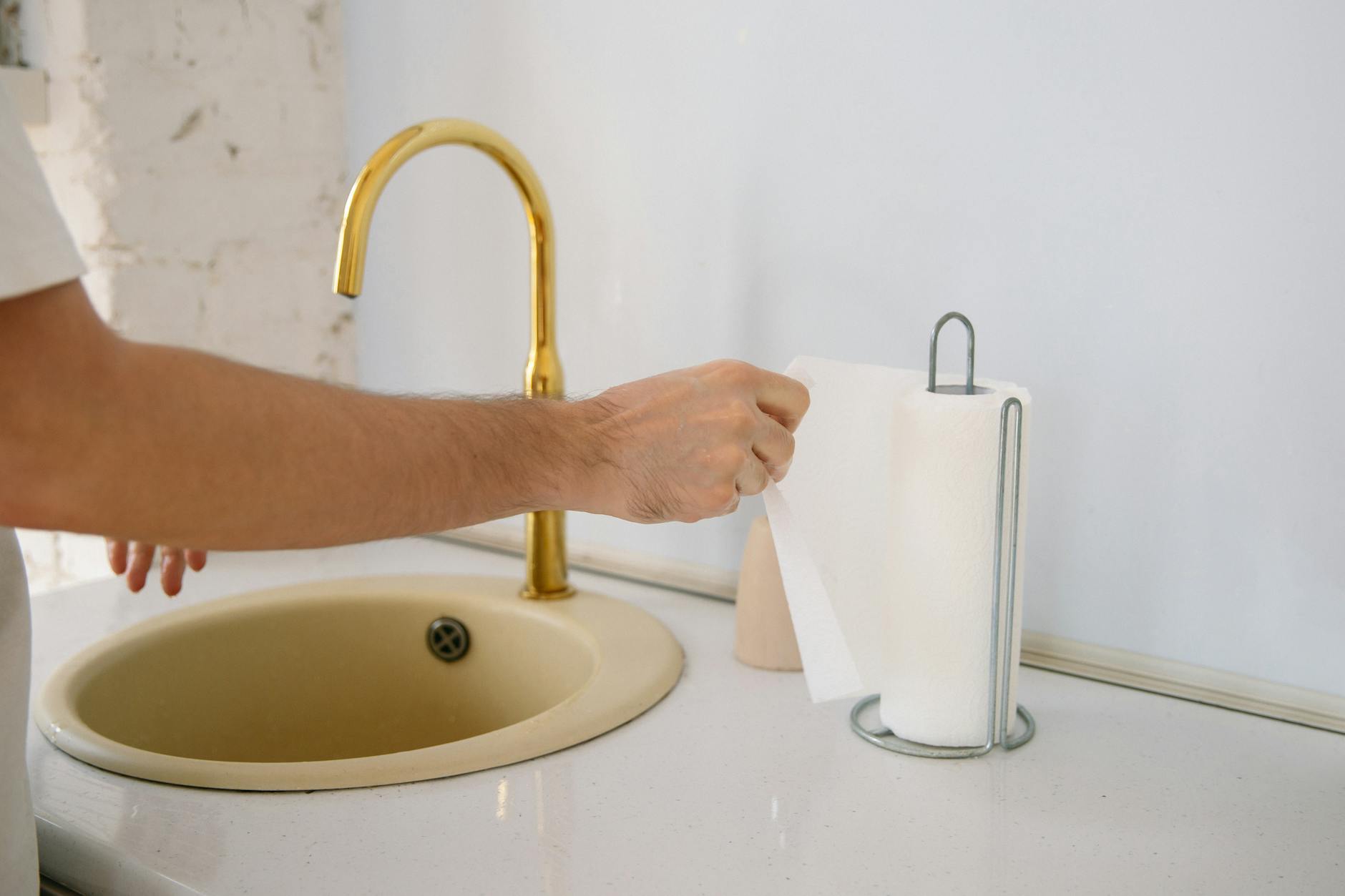
Kitchen cleanup has become slightly more expensive as paper towel manufacturers have trimmed the sheet count per roll. Popular brands have shaved off ten to fifteen sheets from their standard and double rolls. The cardboard tubes inside often remain the same size to give the illusion of a full product. This reduction means that a standard family pack offers significantly less total surface area for cleaning spills. Shoppers looking for value now have to calculate the cost per square foot rather than just grabbing their usual brand.
Facial Tissues

The box of tissues sitting on the nightstand likely contains fewer sheets than it did last year. Standard boxes that traditionally held 160 tissues have seen counts drop to around 144 in many cases. The boxes themselves often retain their original height and width to maintain shelf presence. This reduction of nearly ten percent forces frequent buyers to purchase replacements more often during allergy or flu seasons. It serves as a classic example of shrinkflation where the external appearance masks a tangible loss in quantity.
Liquid Laundry Detergent
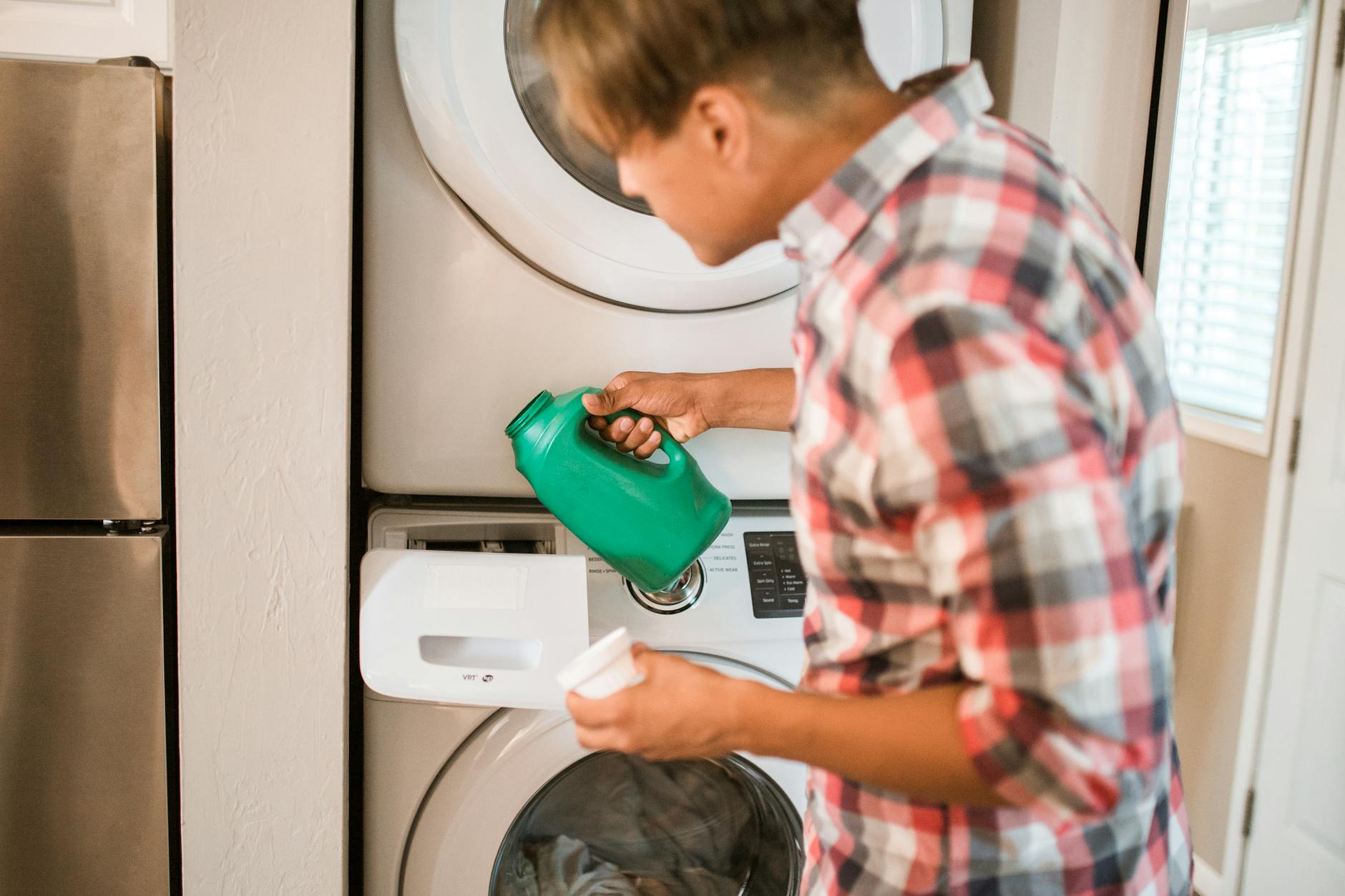
Heavy plastic jugs of laundry detergent are becoming lighter as companies reduce the fluid ounces per container. A standard size that used to provide 100 ounces of cleaning power has often been dialed back to 92 ounces or less. The caps are sometimes redesigned to dispense more liquid per load which further accelerates the rate of consumption. Brands frequently market these smaller bottles as being more concentrated to justify the reduction in volume. Families doing multiple loads a week will feel the pinch as they reach the bottom of the bottle faster.
Dish Soap

Washing dishes now requires a sharper eye for value as standard bottles of dish soap have shrunk in volume. The once common 24-ounce bottle has widely been replaced by a 21.6-ounce version that looks nearly identical on the shelf. Manufacturers often introduce subtle curves or indentations in the plastic design to disguise the reduced capacity. This ten percent drop in product means the bottle feels just as substantial in the hand despite containing less liquid. Consumers paying the same price are effectively facing a hidden inflation rate on their cleaning supplies.
Disinfecting Wipes
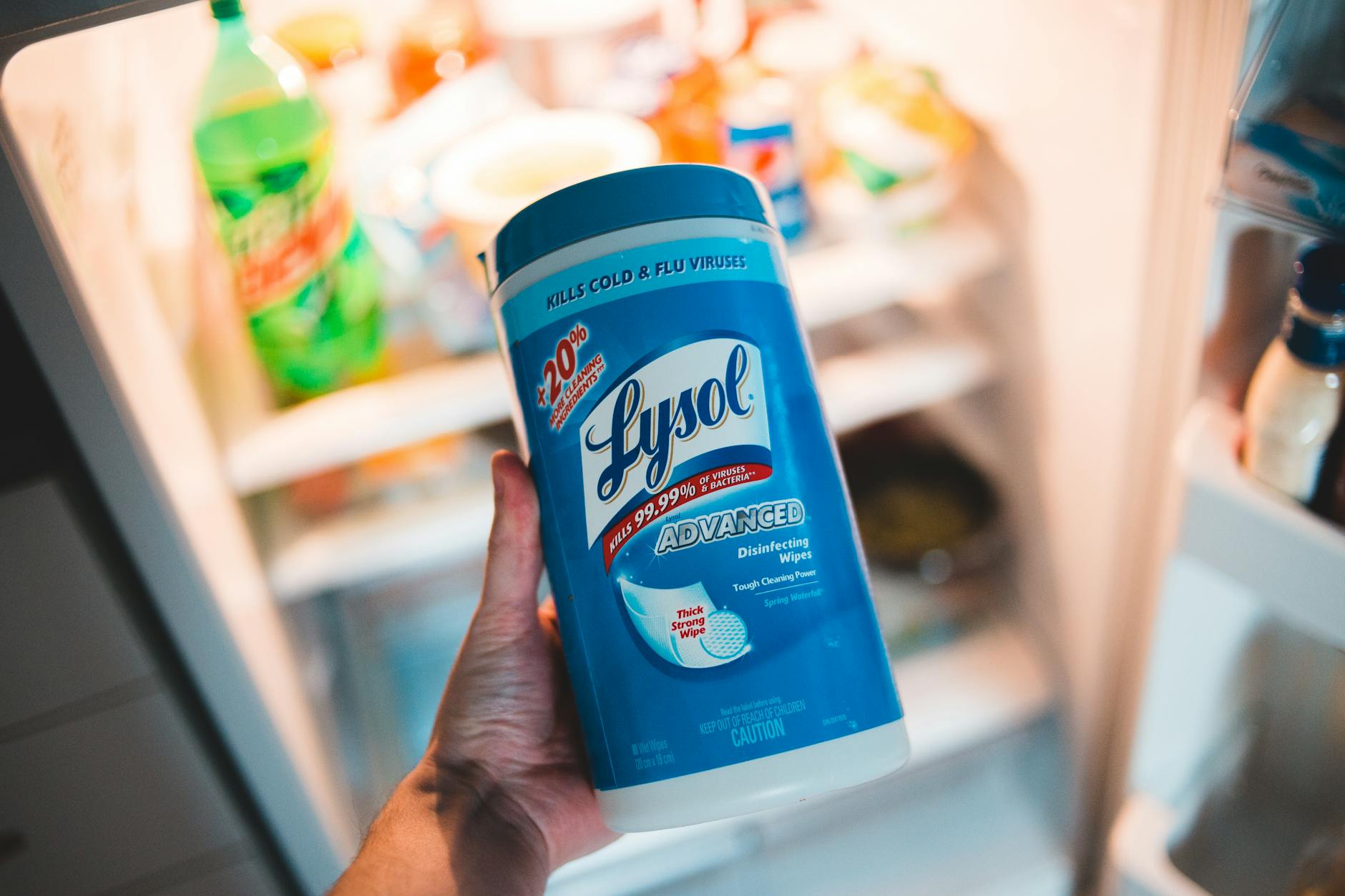
Household sanitation habits are costing more as canisters of disinfecting wipes contain fewer sheets. Containers that previously boasted 75 wipes are now commonly sold with only 70 or fewer. The plastic tub remains the same size which leaves more empty air space at the top of the roll. This reduction might seem minor per purchase but adds up significantly over the course of a year for a tidy home. It is a strategic move to maintain profit margins without crossing a psychological price threshold.
Shampoo and Conditioner

Personal care aisles are not immune to downsizing as hair care bottles have seen widespread reductions. Standard bottles that formerly held 12.6 fluid ounces are now frequently found with only 11.8 ounces of product. The bottle shapes are often elongated or flattened to maintain the visual impression of size on the shelf. These changes are particularly frustrating for consumers loyal to specific formulas who now get fewer washes for their money. The price per ounce quietly climbs even when the retail price appears stable.
Toothpaste Tubes

Oral hygiene products have undergone significant downsizing with toothpaste tubes becoming noticeably lighter. Many standard tubes have decreased from 6 ounces to 5.4 ounces or even less in some specialty lines. The packaging boxes are often kept large to claim shelf space while the tube inside is smaller. This change forces families to replace their toothpaste more frequently. It represents one of the most stealthy forms of shrinkflation in the personal care sector.
Bar Soap Multipacks
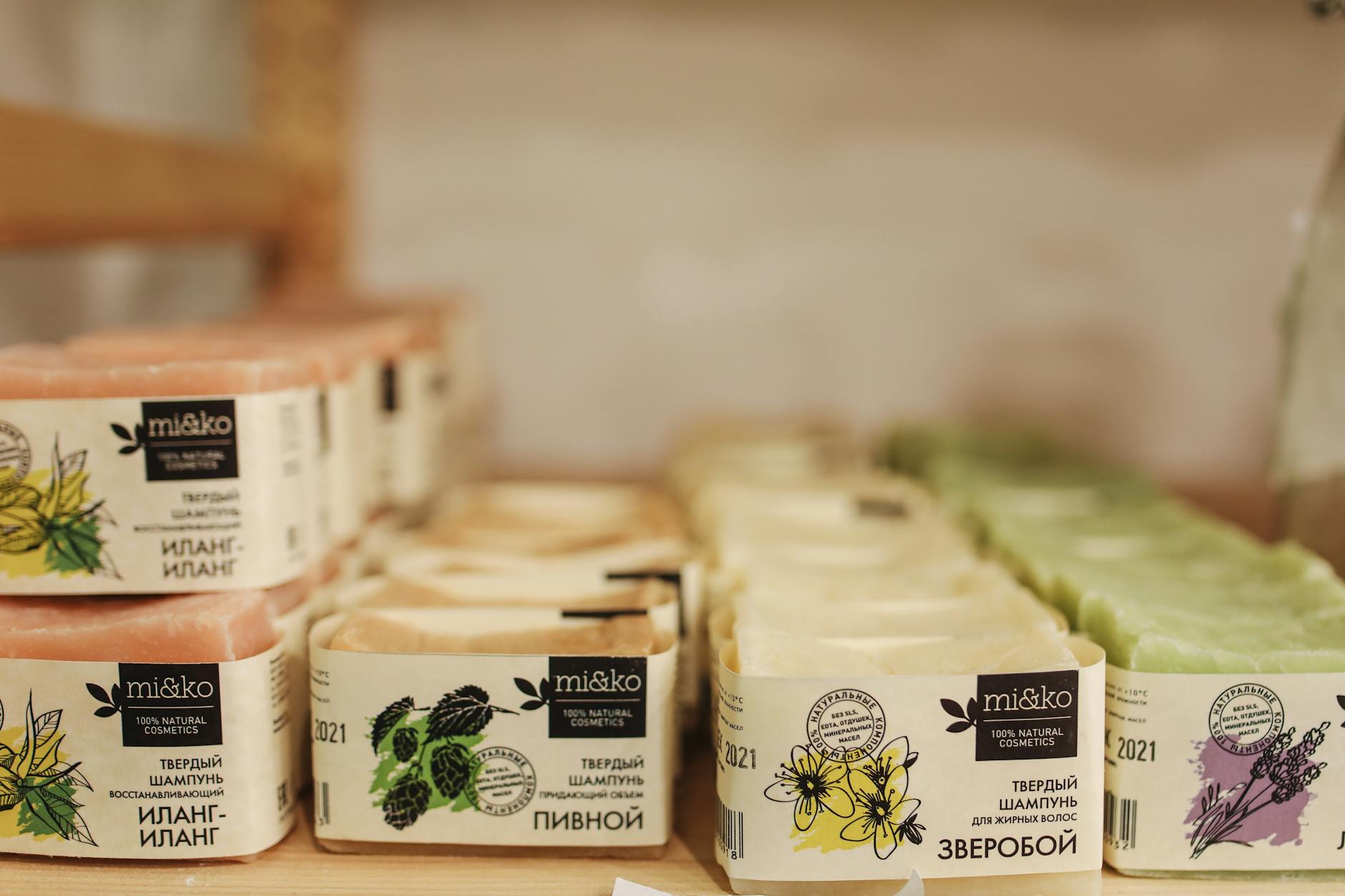
Shoppers buying soap in bulk are finding that their favorite multipacks are lighter than before. Brands that used to sell packs of eight bars have shifted to offering six bars for a similar price point. Even the individual bars themselves have sometimes been shaved down by a fraction of an ounce. The packaging is often redesigned to mask the missing bars through creative spacing or cardboard fillers. This forces consumers to buy soap more often to maintain their household stock.
Family Size Cereal Boxes
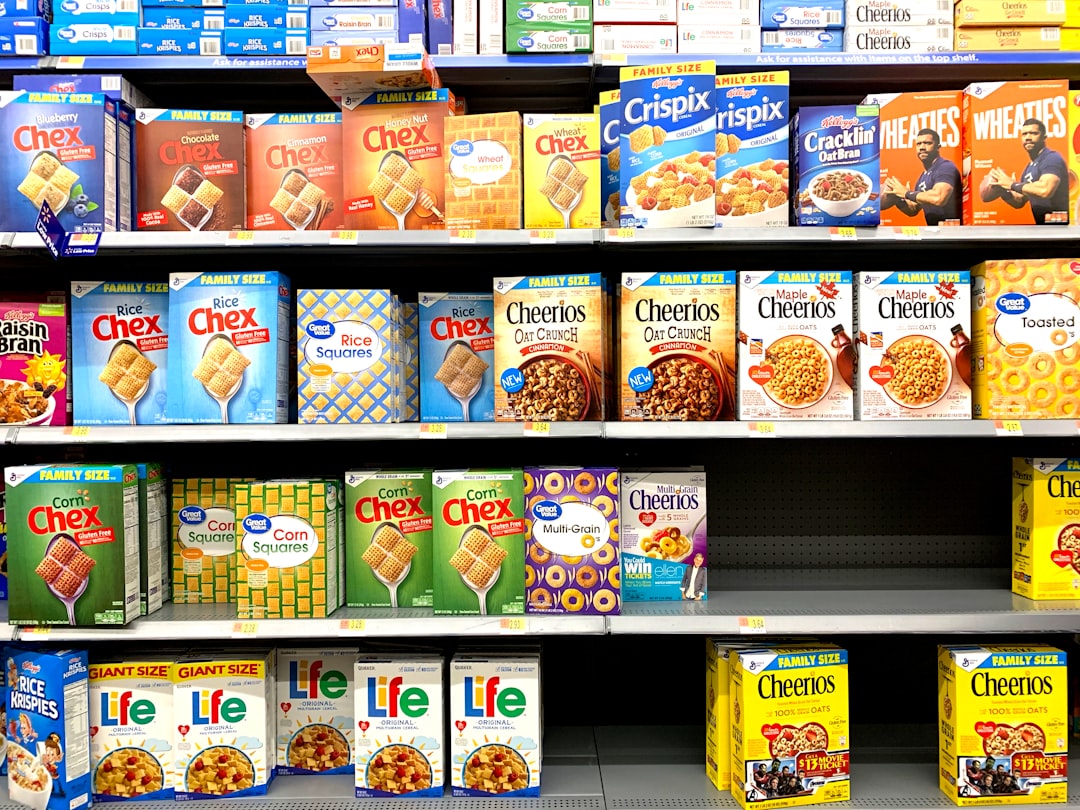
The breakfast table is hit hard by shrinkflation as “Family Size” cereal boxes fail to live up to their name. Boxes that once contained over 19 ounces of cereal are now frequently scaling back to around 18 ounces. The height and width of the box usually remain the same while the depth decreases slightly. This visual trickery makes it difficult for rushed shoppers to notice the difference until they pour the first bowl. The price per bowl has increased significantly as a result of these adjustments.
Corn Flakes
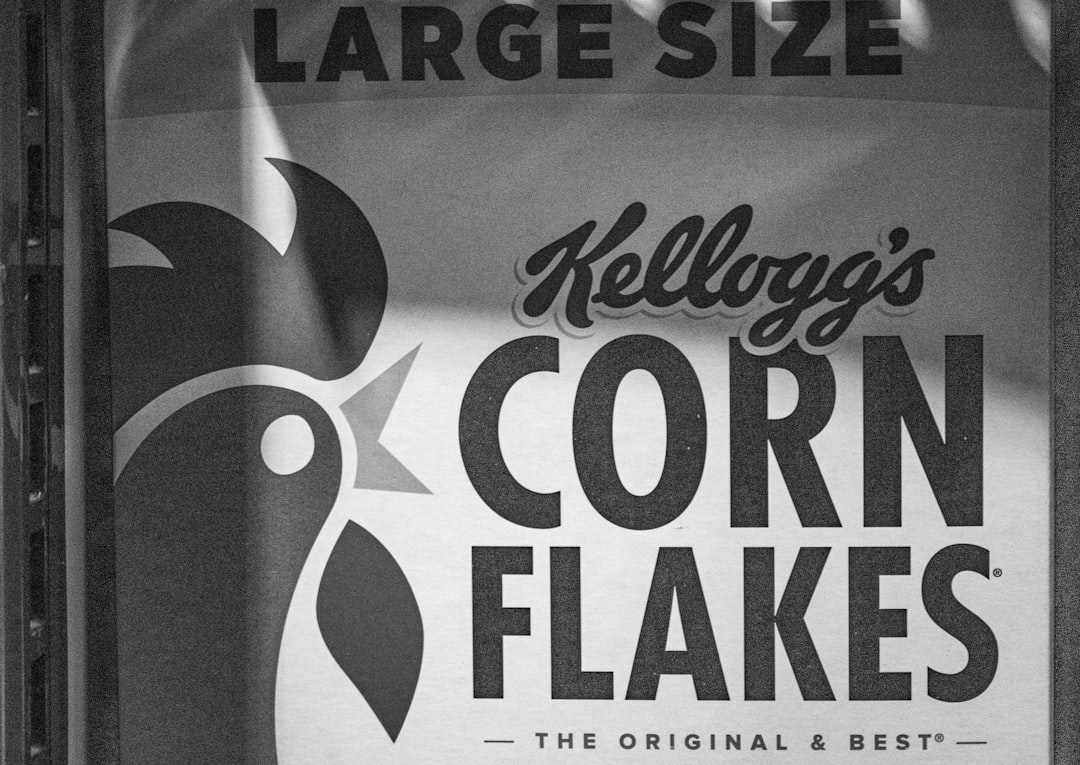
Traditional breakfast staples like corn flakes have seen dramatic weight reductions this year. Some standard boxes have dropped from 500 grams or more down to significantly lower weights like 450 grams or less depending on the region. The packaging design remains iconic and largely unchanged to reassure loyal customers. This reduction in net weight means the box contains fewer servings than before. It is a direct way for manufacturers to offset the rising costs of grain and production.
Porridge Oats
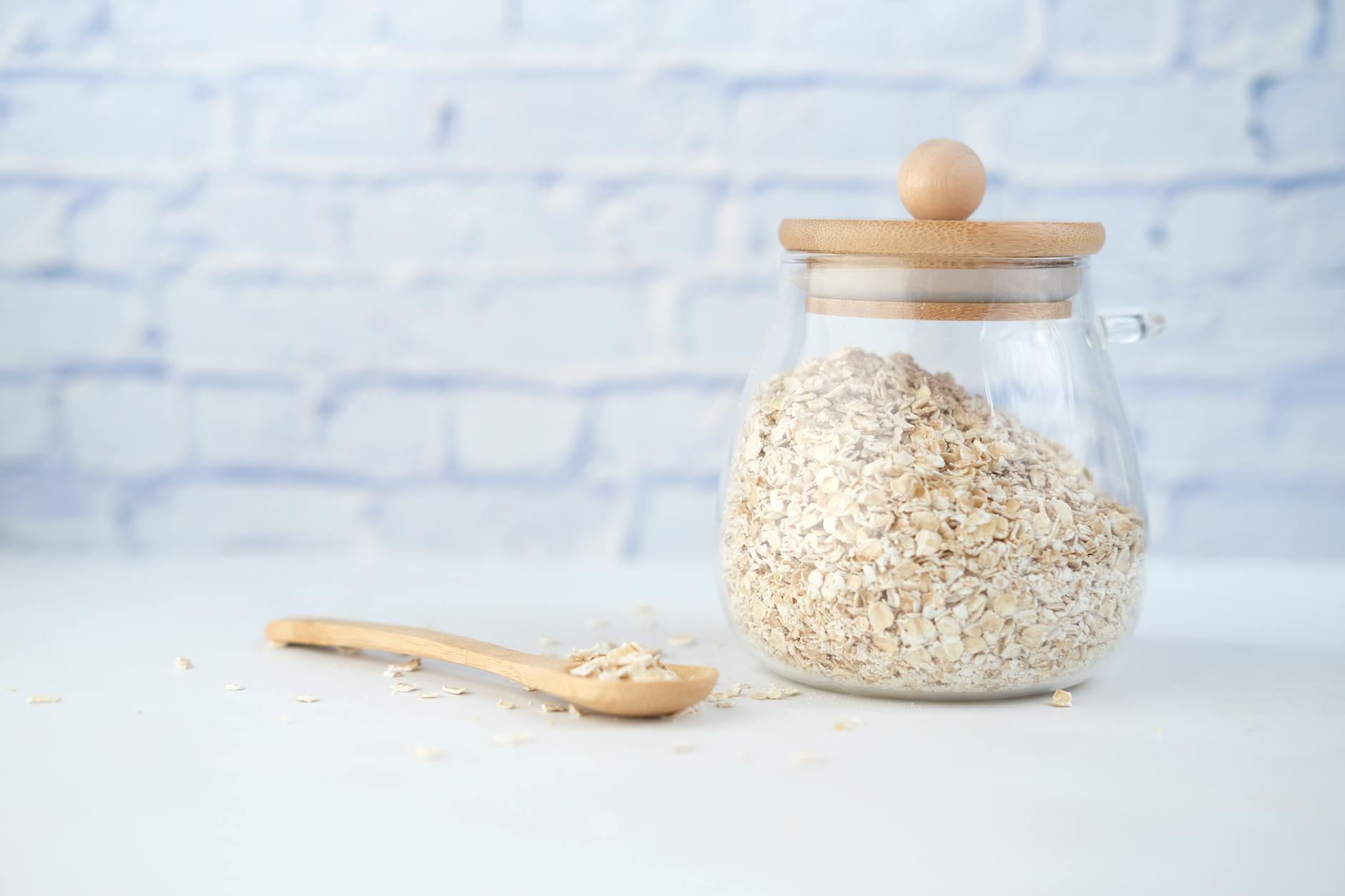
Bags of oats are noticeably lighter this year as brands cut down on the total weight per package. A standard one-kilogram bag in some markets has been replaced by sizes as small as 500 grams or 750 grams without a proportional price drop. This massive reduction fundamentally changes the value proposition for a product long considered a budget-friendly staple. Consumers who rely on oats for a cheap and healthy breakfast are seeing their costs double in some instances. It is one of the more aggressive examples of shrinkflation in the dry goods aisle.
Granola Bars
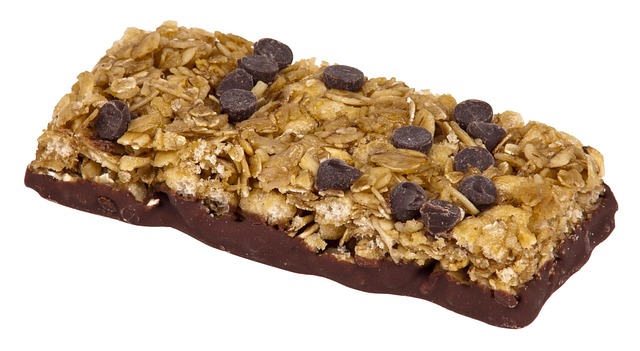
Snack time has become less filling as boxes of granola bars contain fewer items. Popular brands that traditionally sold boxes of twelve bars have shifted to ten-count packages. The price often remains unchanged or even increases slightly despite the loss of two full servings. The individual bars themselves may also be slightly thinner or shorter than in previous years. Parents packing lunches find their supply runs out days earlier than planned.
Potato Chips

The air inside a bag of potato chips seems to be taking up more space as the net weight of the product drops. Standard “party size” or family bags have been reduced from 10 ounces to 9.5 ounces or less. Manufacturers argue that the extra air is necessary to protect the chips during shipping. However the price per ounce has risen sharply as the actual potato content decreases. Snack lovers are paying more for less crunch in every bag.
Tortilla Chips
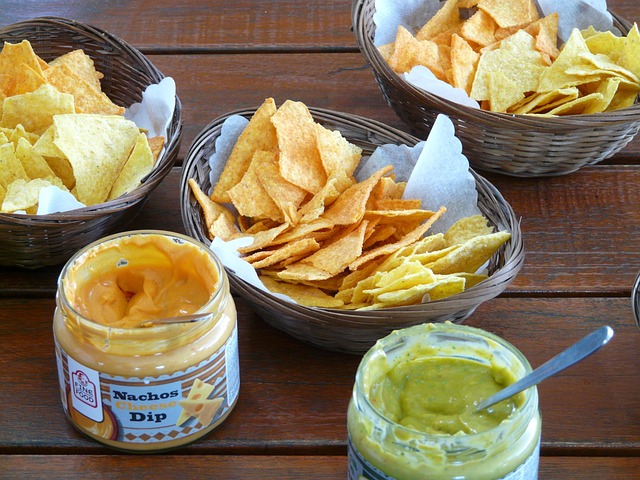
Much like their potato counterparts tortilla chips have seen a reduction in bag weight. A bag that used to be a reliable pound is now often several ounces lighter. The packaging remains voluminous which hides the fact that there are fewer chips inside. This change is particularly noticeable when pouring chips into a bowl for a gathering. Consumers are finding they need to buy two bags to get the same amount they used to get from one.
Tube Crisps

Canistered potato snacks are not safe from the shrinkflation trend either. The standard tall cans have seen a weight reduction of roughly seven percent this year. The stack of chips inside is shorter which leaves a larger gap between the product and the lid. The diameter of the chips themselves has also seen subtle reductions in some manufacturing batches. This ensures the brand maintains its price point while delivering fewer calories per purchase.
Chocolate Bars

Single-serve chocolate bars are becoming bite-sized as weights drop across the board. A standard bar that weighed 1.55 ounces is now often 1.48 ounces or lighter. The wrappers are designed to look identical to the older larger versions. This subtle change saves manufacturers millions in cocoa costs but leaves consumers with a smaller treat. It is a classic case of paying the same price for a less satisfying indulgence.
Chocolate Multipacks
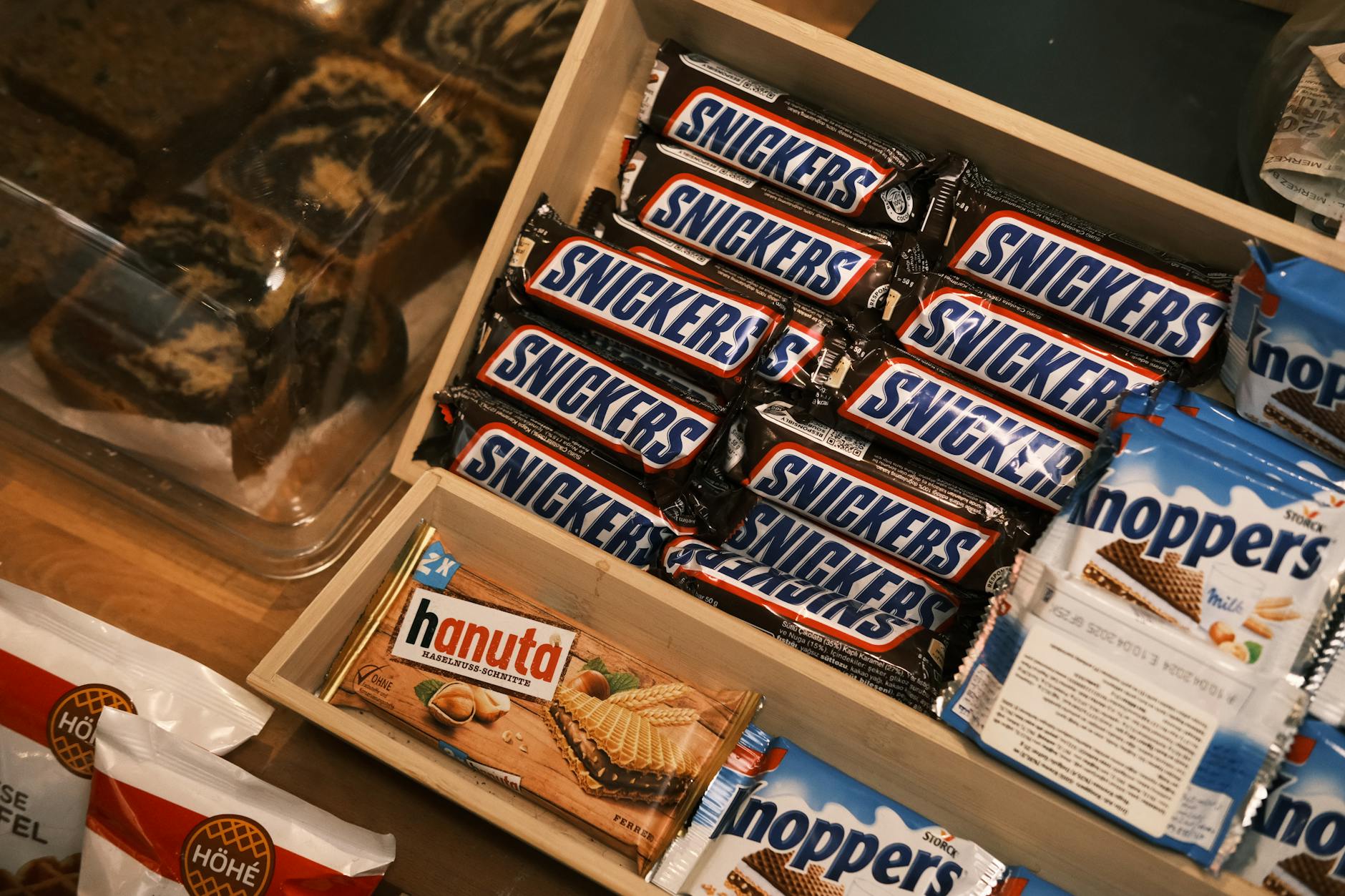
Buying chocolate in bulk no longer guarantees the same value it once did. Multipacks that previously contained five bars are now frequently sold with only four. The outer packaging is often adjusted to hide the missing bar or the bars are spaced out more generously. This twenty percent reduction in quantity is a sharp blow to value-conscious shoppers. It forces a change in purchasing habits for those who use these packs for school lunches or treats.
Sandwich Cookies
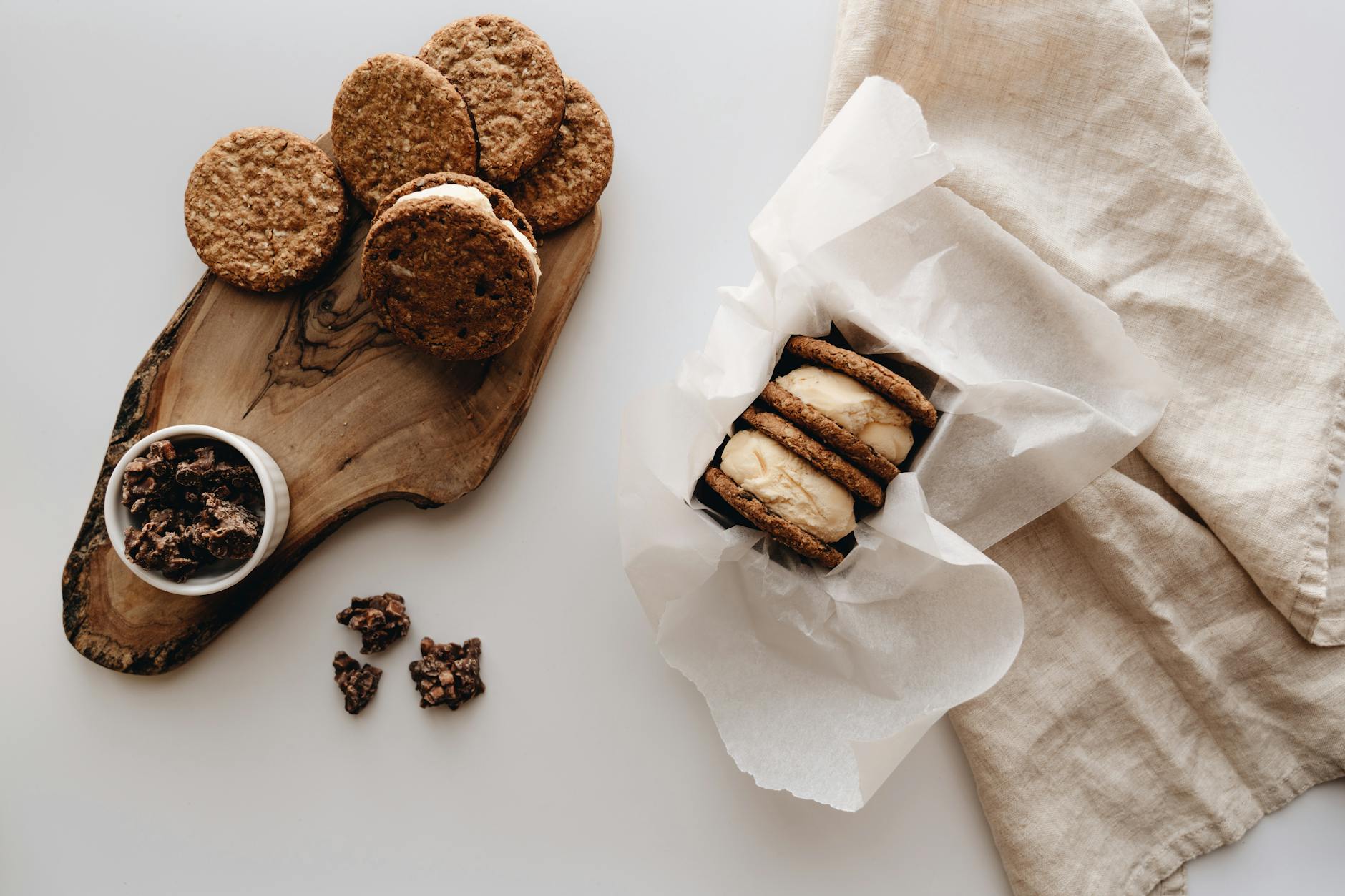
The package of sandwich cookies in the pantry is likely lighter than the one purchased a year ago. Family size packs have dropped from roughly 15 ounces to under 14 ounces. Some consumers also report that the amount of cream filling inside each cookie appears to have diminished. The plastic trays inside the package are often molded to take up more space with fewer cookies. This double-edged reduction hits both the quantity and the quality of the snack.
Digestive Biscuits
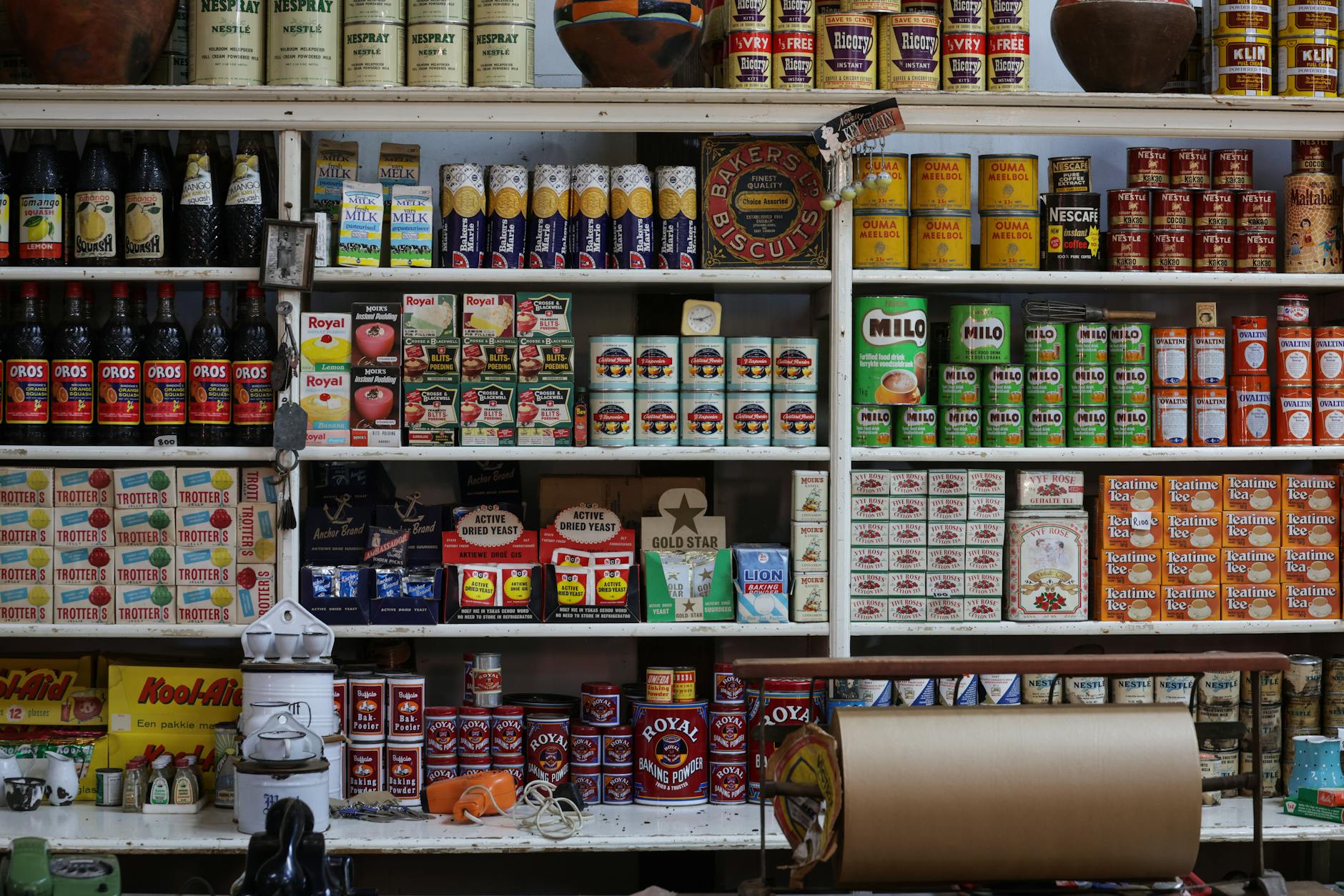
Tea time staples like digestive biscuits have seen their package weights sliced significantly. Standard rolls that used to weigh 400 grams are now commonly found at 360 grams. The length of the packet is slightly shorter but the change is easy to miss on a crowded shelf. This reduction means fewer biscuits for dipping and a higher cost per bite. Loyal customers are essentially paying a hidden tax on their daily comfort food.
Orange Juice
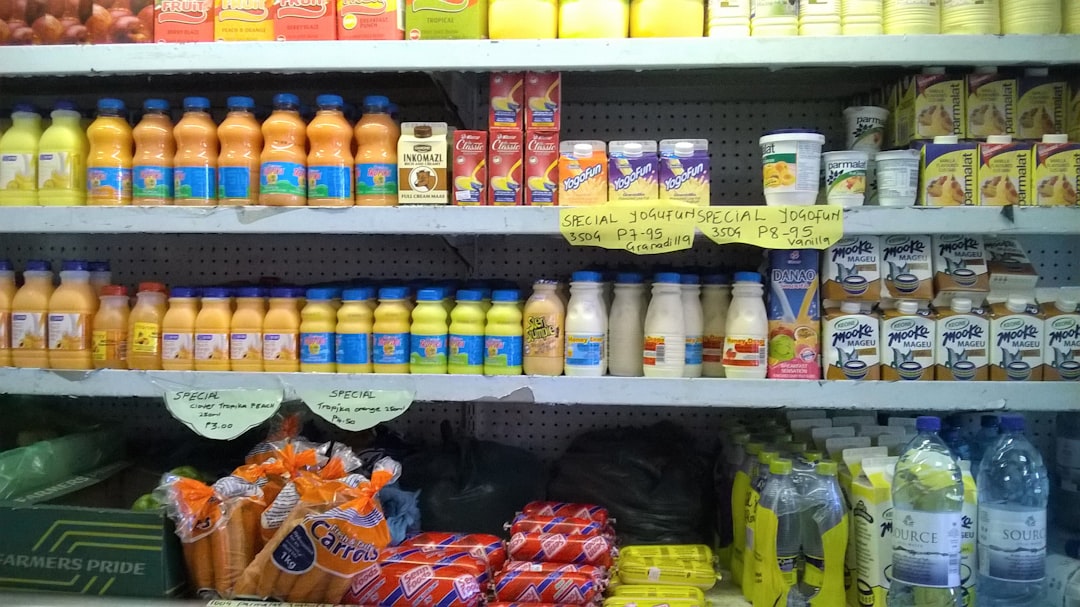
The morning glass of orange juice is coming from a smaller container this year. The standard carafe size has shifted from 52 ounces down to 46 ounces for several major brands. The plastic bottles are designed with a tapered waist or higher punt at the bottom to mask the missing fluid. This change amounts to losing nearly a full glass of juice per bottle. Families are finding they need to buy an extra bottle each week to meet their usual demand.
Instant Coffee
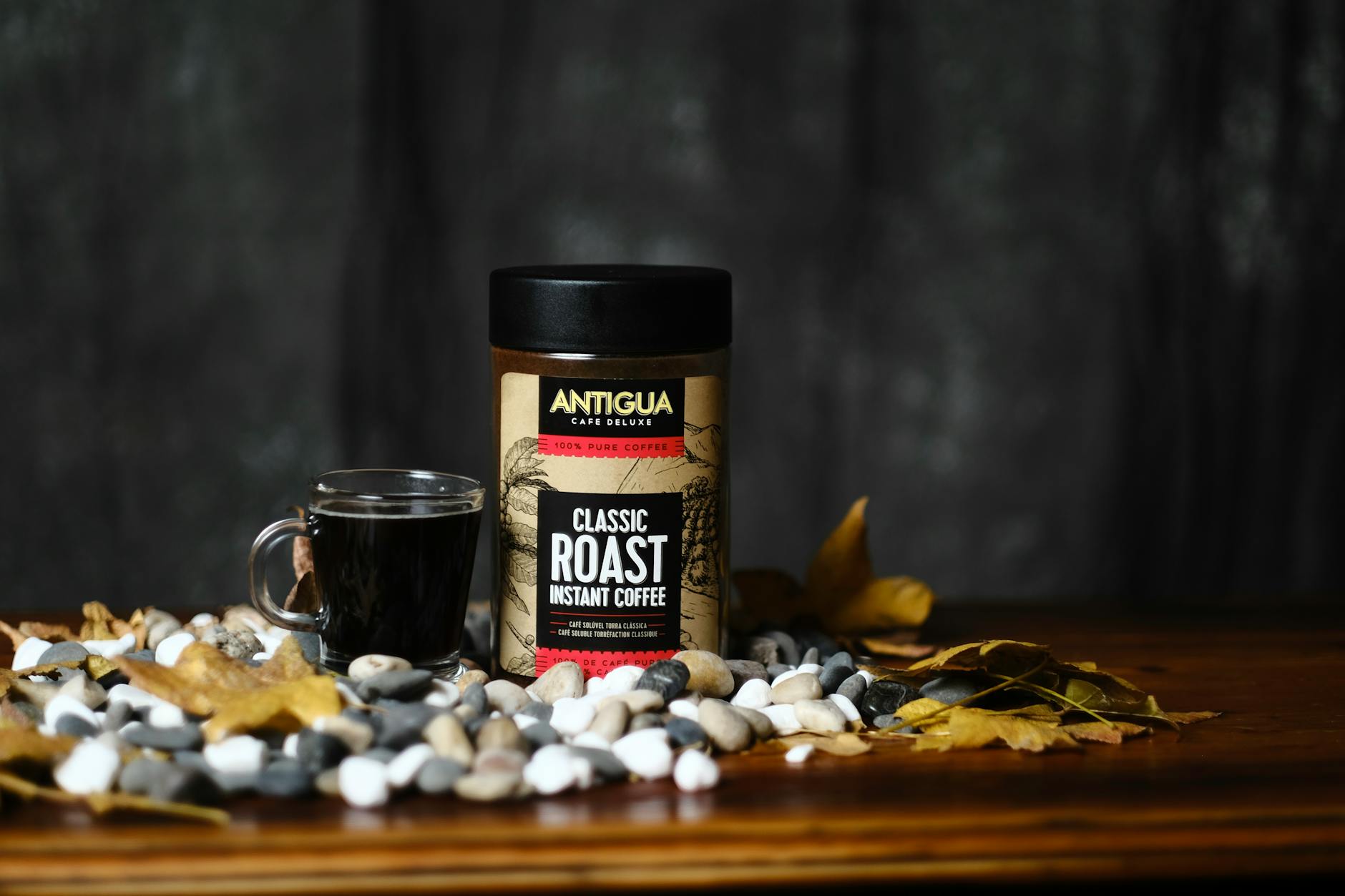
Caffeine habits are getting more expensive as jars of instant coffee shrink in size. A jar that traditionally held 200 grams may now contain only 190 grams or less. The glass jars are often molded with thicker walls or deeper indentations to maintain the same external appearance. This reduction affects the number of cups a consumer can make from a single purchase. It is a subtle way for brands to pass on the rising costs of coffee beans.
Ground Coffee
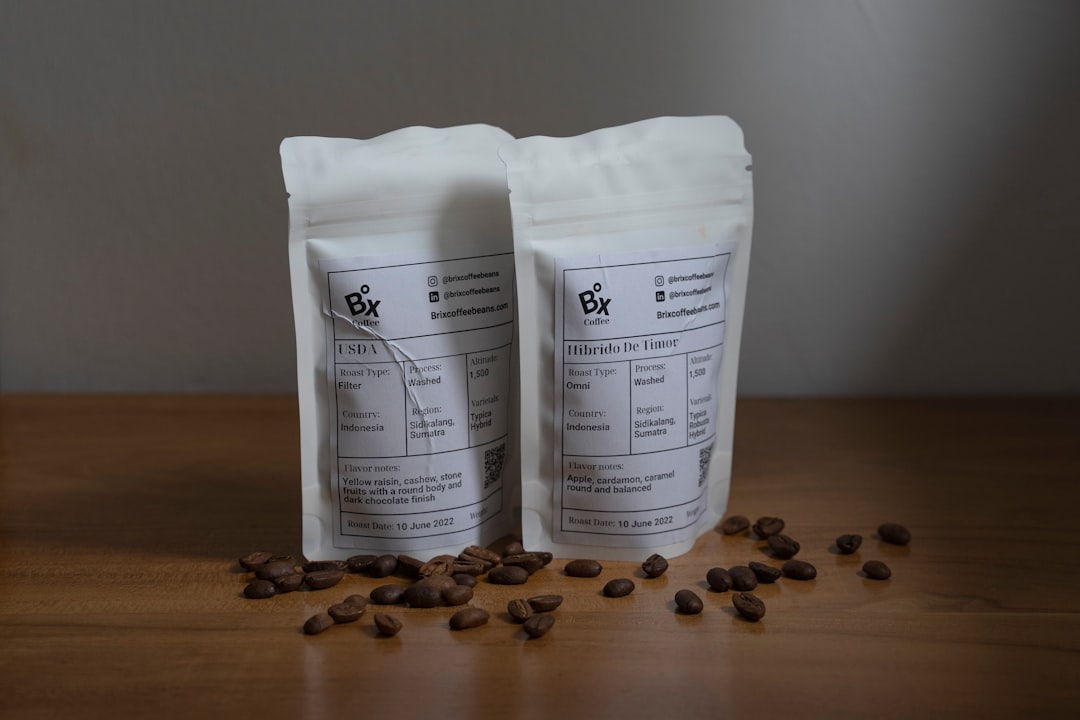
Bags of ground coffee are also feeling the squeeze with weights dropping in the coffee aisle. The standard 12-ounce bag is increasingly being replaced by 10.5-ounce packages. This change is often concealed by the flexible nature of the bag which can be fluffed up to look full. Heavy coffee drinkers will notice they are running out of grounds several days sooner than before. The unit price increase is significant when calculated over a full year of brewing.
Mayonnaise
Sandwich lovers are getting less spread for their money as mayonnaise jars reduce in volume. The standard 30-ounce or 800-gram jars have been slimmed down to 25 ounces or 600 grams in many markets. The jars are often taller and narrower to create an optical illusion of size. This significant drop in volume is one of the more drastic examples of shrinkflation in condiments. It forces frequent restocking for households that use the product regularly.
Dry Pasta
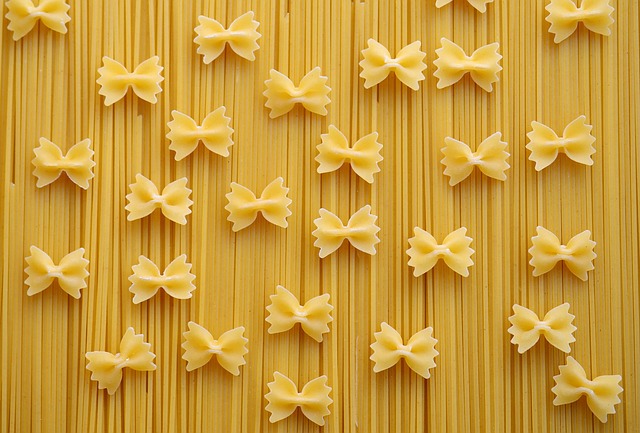
A box of pasta is no longer a guaranteed pound of food. Many brands have shifted from the standard 16-ounce box to a 14-ounce or 13.25-ounce package. The cardboard boxes remain the same size which leads to more empty space rattling around inside. This seemingly small reduction can throw off recipes that call for a full pound of pasta. Cooks now have to buy two boxes to ensure they have enough to feed a crowd.
Canned Hot Dogs

Comfort foods are shrinking as cans of hot dogs and sausages see weight reductions. A standard can that previously held 250 grams is now often sold at 200 grams. This reduction usually means fewer sausages per can or smaller individual sausages. The price point typically remains the same despite the twenty percent drop in product. It represents a significant loss of value for a budget-friendly protein source.
Ice Cream Bars

Freezer treats are getting smaller as ice cream multipacks reduce their total volume. Boxes that used to contain four 110-milliliter bars now often hold four 100-milliliter bars. The chocolate coating may be thinner and the ice cream center less substantial. This change preserves the calorie count appeal but reduces the actual dessert experience. Consumers are paying the same premium price for a diminished product.
Meat-Free Bacon
Plant-based alternatives are not exempt from the shrinking trend. Packages of meat-free bacon have been reduced from 150 grams to 120 grams in some cases. The packaging footprint often remains identical to maximize visibility on the shelf. This reduction makes an already premium-priced product even more expensive per serving. It can be a frustration for consumers trying to maintain a sustainable diet on a budget.
Asian Noodles
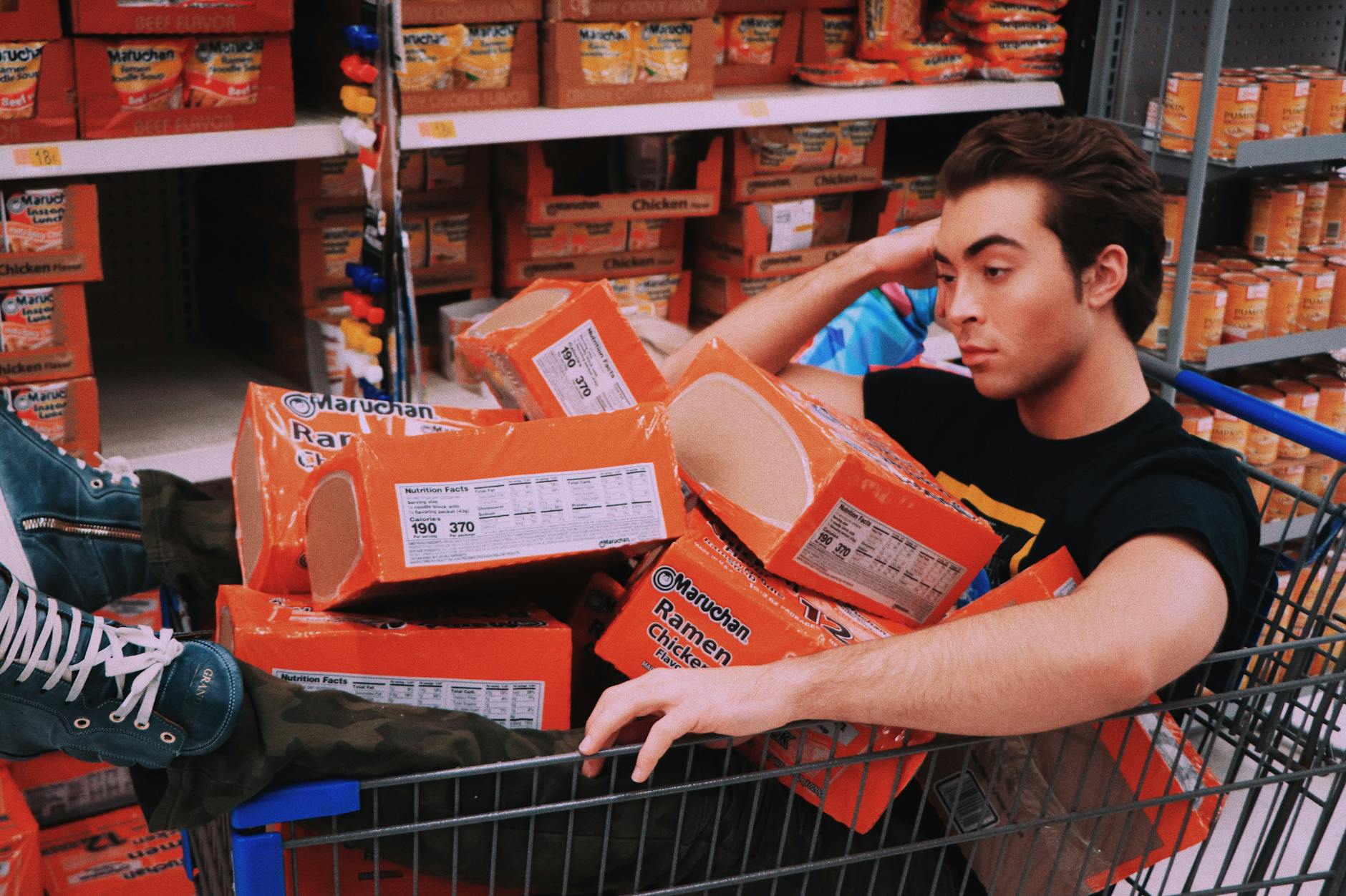
Cooking international dishes at home has become pricier as packs of dried noodles shrink. Standard packs that used to contain six nests of noodles have been reduced to four nests in some brands. The overall weight of the package drops significantly while the price holds steady. This forces cooks to buy multiple packs for a single family meal. It is a sharp reduction that fundamentally alters the value of the product.
Indigestion Liquid

Even remedies for an upset stomach are offering less relief per bottle. Large bottles of indigestion liquid have been reduced from 600 milliliters to 500 milliliters. The bottle shape is often slightly adjusted to hide the missing dose. This means consumers suffering from heartburn are paying a higher premium for their medicine. It is a clear example of shrinkflation extending beyond food into healthcare products.
Have you noticed other items in your local store getting smaller while the price stays the same? Share your observations in the comments.