Selecting fresh fruits and vegetables requires careful observation to avoid wasting money on spoiled food. Many items appearing perfect on the surface often hide decay or mold underneath their skins. Shoppers can save significant amounts of money by learning specific indicators of internal rot. Familiarizing yourself with weight and texture helps ensure only high quality ingredients enter your kitchen. These reliable methods allow you to detect spoilage without cutting into the produce.
Light Weight Or Hollow Sounds In Watermelons
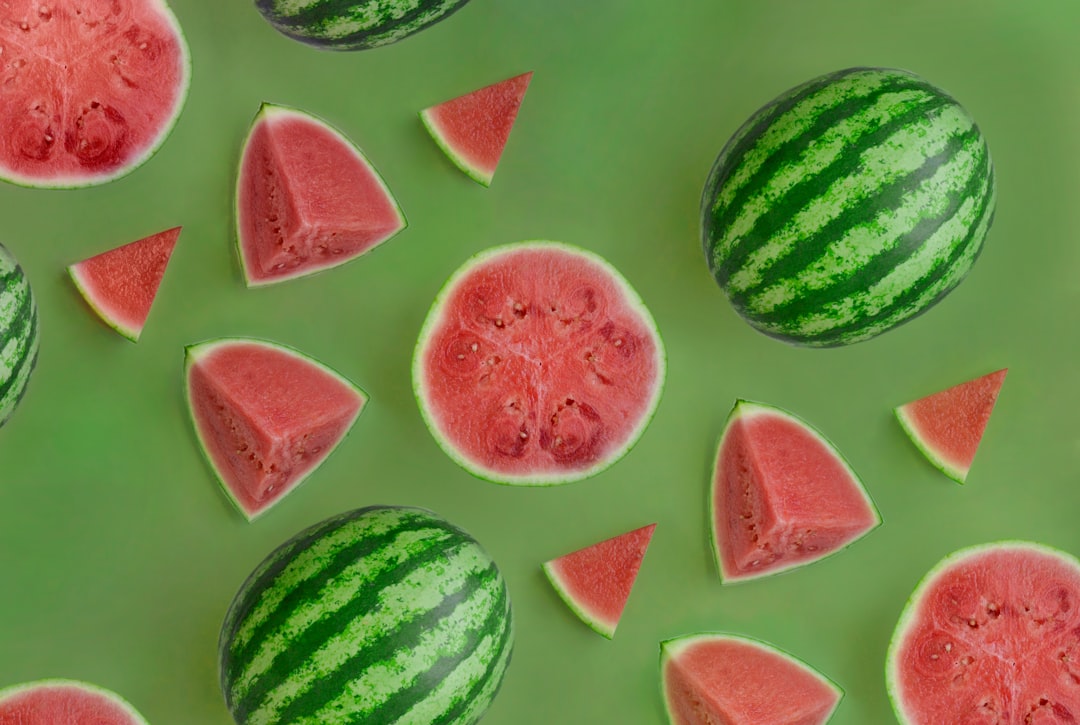
Picking up a watermelon provides the first clue regarding its internal juice content and overall freshness. A heavy fruit indicates a high water volume which suggests the flesh is crisp and ripe rather than mealy. Tapping the outside should produce a deep and resonant sound instead of a dull or flat thud. Signs of internal drying often result in a fruit that feels surprisingly light for its size. Inspecting the field spot for a creamy yellow color confirms it ripened on the vine before harvesting.
Dark Brown Stems On Avocados
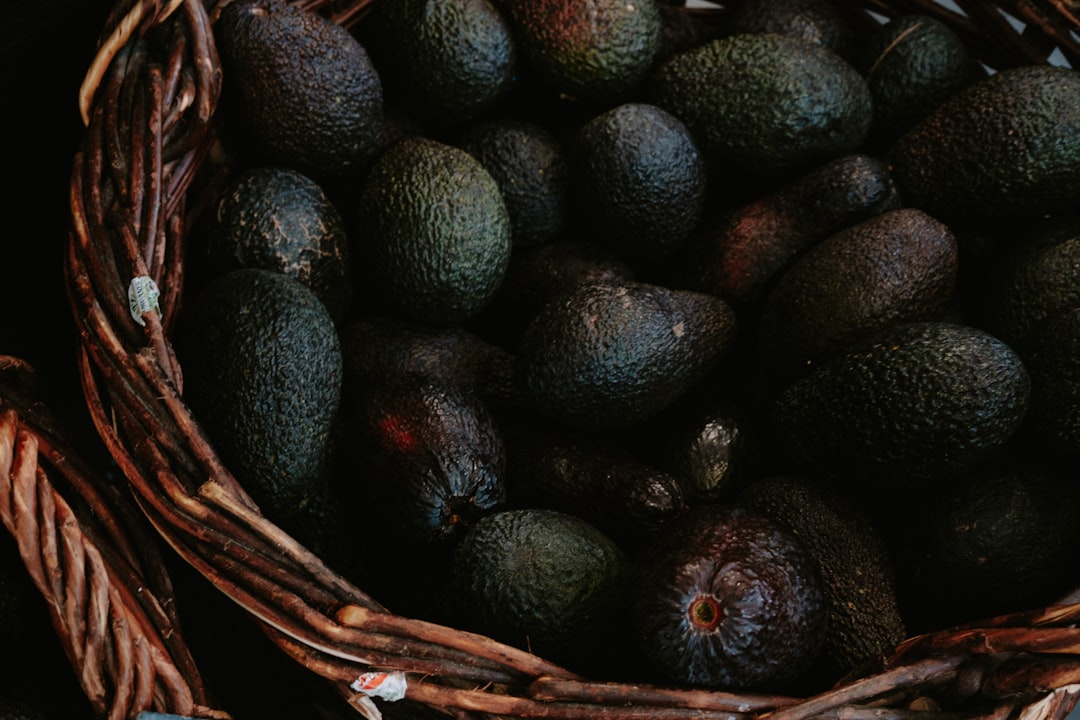
The small stem cap at the top of an avocado offers a direct window into the quality of the flesh beneath. Peeling back this small button should reveal a bright green color if the fruit is creamy and perfect. A dark brown or black patch under the stem often implies that the inside has started to rot or oxidize. Gently squeezing the fruit helps identify air pockets where the flesh has pulled away from the skin. Avoiding avocados with loose skin ensures you do not buy one with stringy or spoiled meat.
Soft Spots Around The Neck Of Onions
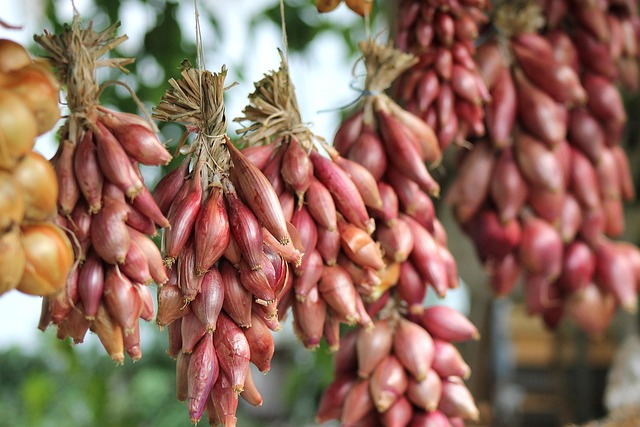
Internal decay in onions frequently begins at the neck where moisture can easily enter the layers. Pressing gently near the top stem area reveals if the center is firm or starting to turn mushy. A strong or pungent odor suggests that the rotting process is already well underway inside the bulb. Dark patches visible under the papery outer skin often indicate the presence of black mold affecting the inner rings. Selecting onions that feel rock solid ensures they will last for weeks in your pantry.
Stained Bottoms Of Berry Containers
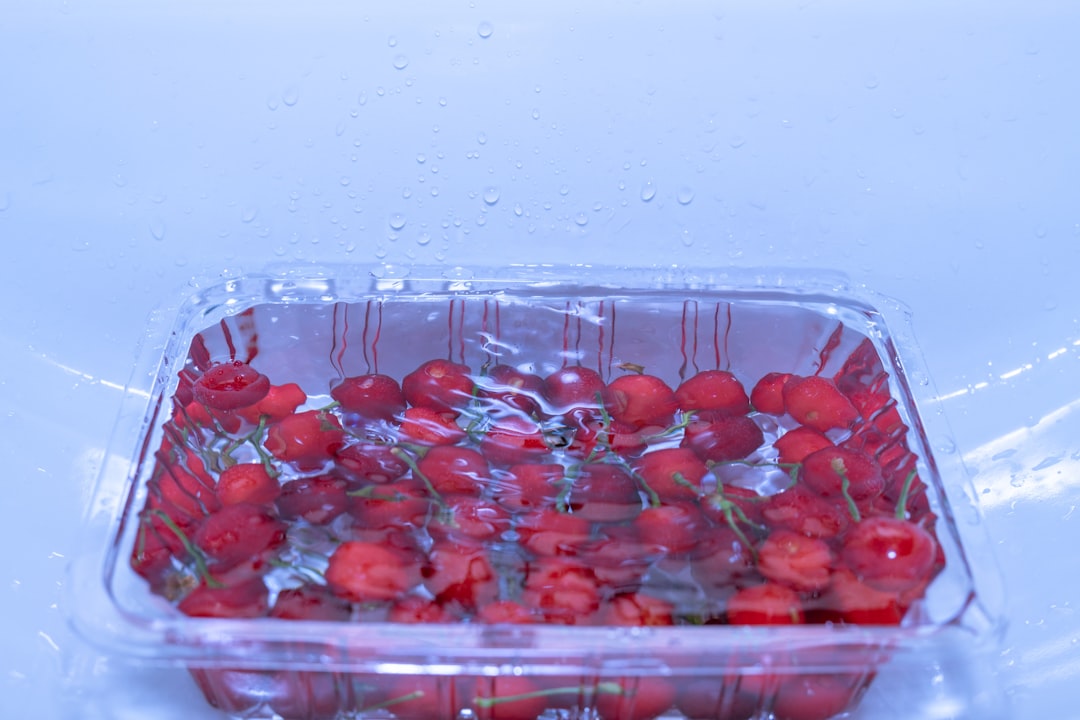
Packaging for strawberries and raspberries often hides crushed or moldy fruit at the very bottom of the carton. Turning the plastic container over allows you to check for sticky red juices or moisture on the absorbent pad. Leaking juice implies that the bottom berries have collapsed under weight and started to ferment or mold. Inspecting the berries for fuzzy grey patches prevents the accidental purchase of a spreading fungal infection. Clean and dry containers usually hold the freshest and longest lasting fruit.
Damp Or Black Silk On Corn Cobs
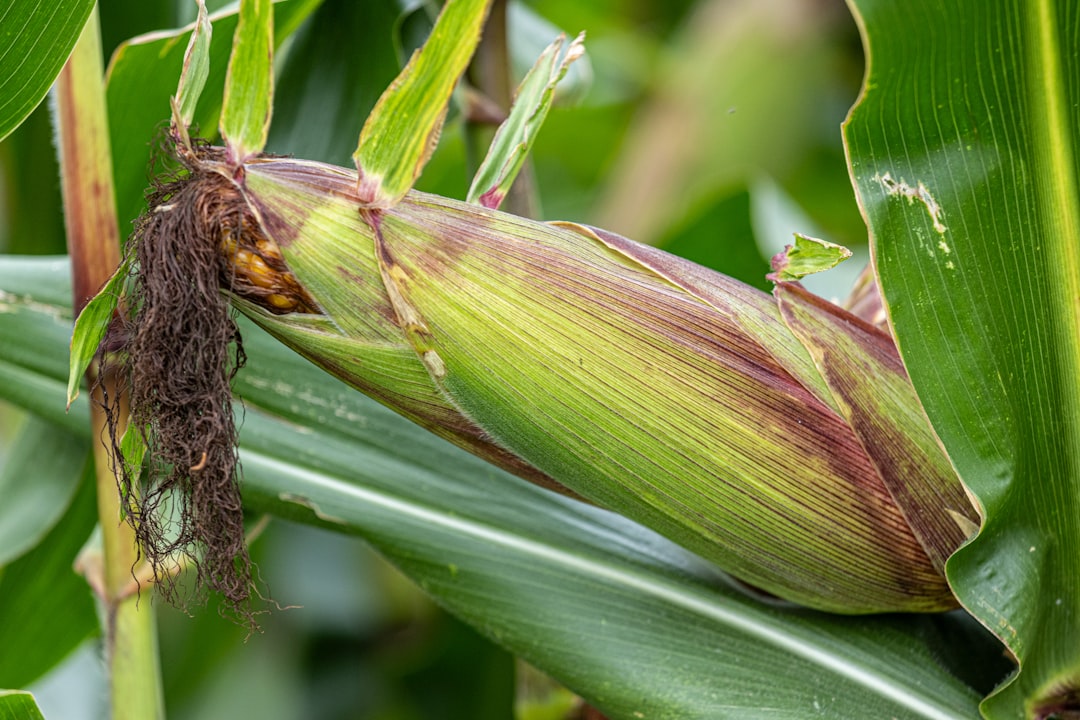
The silk sticking out of a corn husk serves as a primary indicator of the kernel quality inside. Pale and dry silk usually suggests the corn is old or lacks the sweetness expected from fresh crops. Black or slimy tassels often mean the tip of the cob has begun to rot or suffer from worm damage. Feeling the kernels through the husk ensures they are plump and arranged in even rows without gaps. Bright green and tightly wrapped husks protect the corn and keep the interior moist and sweet.
Wrinkled Skin And Musty Odors In Potatoes
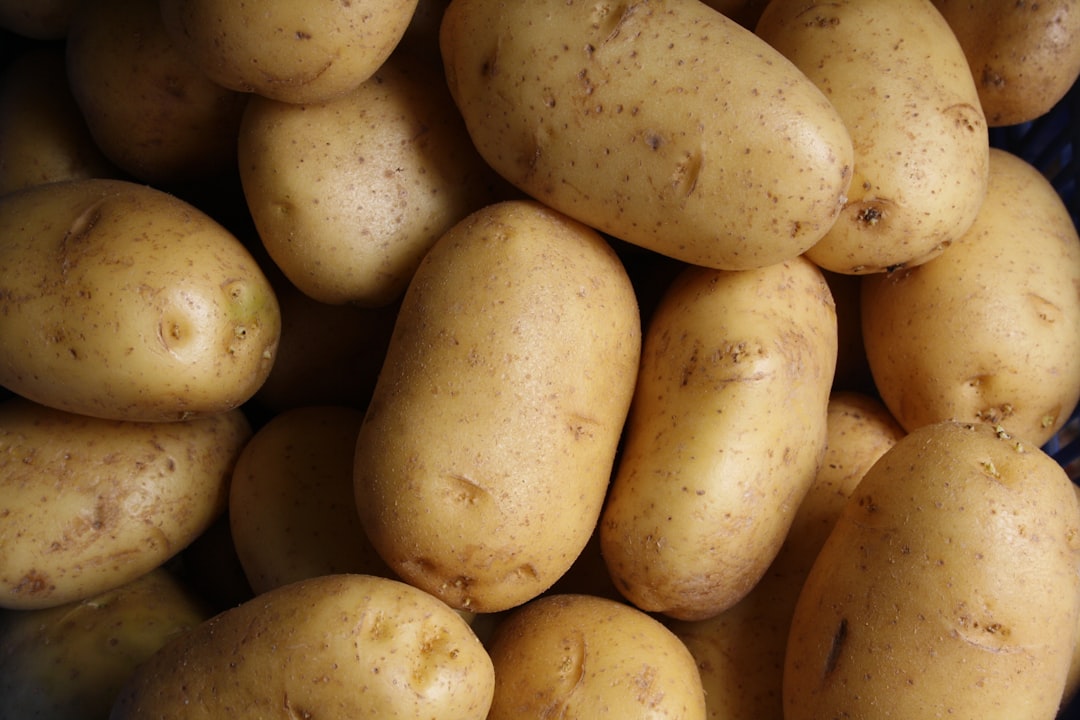
A potato with wrinkled or sagging skin has lost a significant amount of moisture and is likely degrading inside. Sniffing the bag helps detect a distinct musty or fishy smell that signals bacterial soft rot breaking down the starch. Green tints on the skin indicate the presence of solanine which affects flavor and can be harmful in large amounts. Checking for sprouts is essential since their growth draws sugars from the potato and leaves the texture soft. Firm and smooth potatoes provide the best results for baking or frying.
Soft Or Leaking Bases Of Pineapples
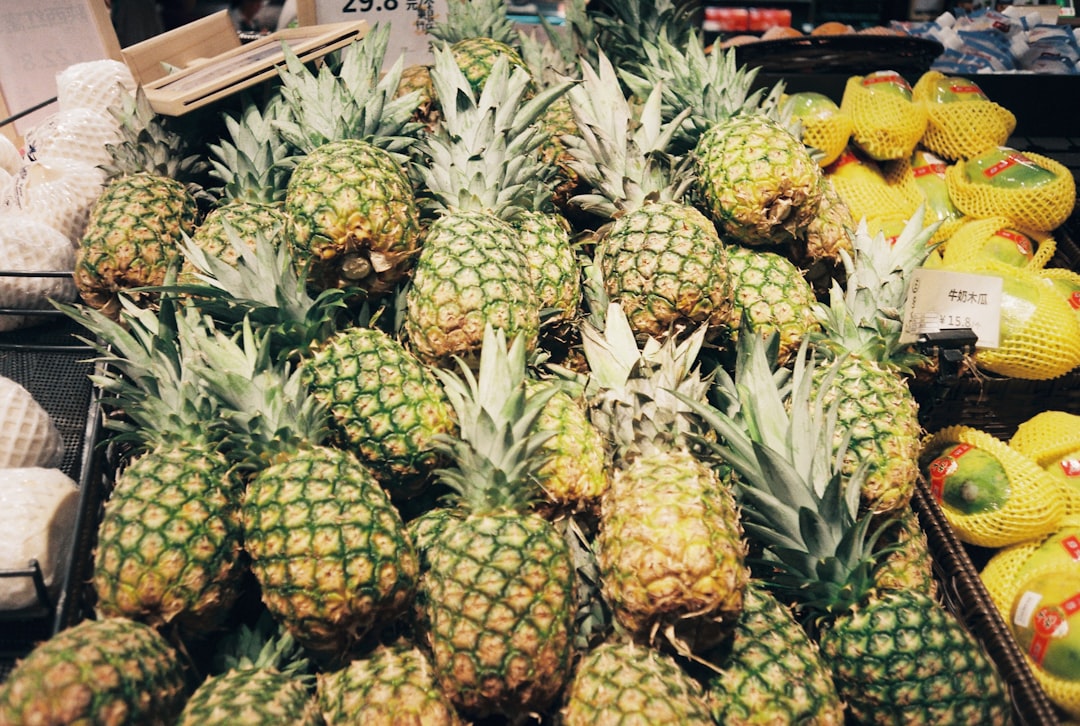
The base of a pineapple is the most vulnerable area and often the first place to show signs of internal fermentation. Pressing a thumb into the bottom center helps determine if the fruit is turning into a mushy mess inside. A sweet scent is desirable but a vinegar smell means the sugars have started to turn into alcohol. Dark eyes or bruised looking skin patches suggest the fruit was dropped or handled roughly during shipping. Heavy fruit with fresh green leaves guarantees the best tropical flavor profile.
Please share your own tricks for spotting bad produce in the comments.