Travelers often find themselves seeking solace away from the crowded capitals and viral photography spots that dominate social media feeds. Asia offers a vast array of breathtaking landscapes and ancient cultures that remain largely untouched by mass tourism. These destinations provide authentic interactions and serene environments for those willing to venture off the beaten path. The following list highlights remarkable locations where tranquility and discovery still take precedence over likes and shares.
Yakushima, Japan

This ancient island is covered in primeval cedar forests that have stood for thousands of years. Moss covers nearly every surface of the mystical woods and creates an ethereal atmosphere for hikers. The island is accessible by ferry or plane but remains quiet compared to mainland destinations. Visitors often spot wild deer and monkeys roaming freely among the giant trees.
Con Dao Islands, Vietnam

This archipelago features granite cliffs and deserted beaches that rival the most famous spots in Southeast Asia. The islands were once used as a prison complex but now serve as a protected national park. Marine life thrives in the surrounding coral reefs and offers exceptional opportunities for snorkeling. Conservation efforts have successfully preserved the natural beauty and restricted large-scale development.
Mrauk U, Myanmar

Hundreds of ancient temples and pagodas dot the landscape of this archaeological wonder. The site is often compared to Bagan but sees a fraction of the visitor numbers due to its remote location. Exploring the ruins often feels like discovering a lost civilization amidst the mist and greenery. Local villages surround the monuments and maintain a traditional way of life.
Togean Islands, Indonesia

These islands are situated in the middle of the Gulf of Tomini and remain difficult to reach. The effort rewards travelers with pristine waters and a distinct lack of internet connectivity. Wooden cottages sit directly over the water and provide immediate access to vibrant coral gardens. Time seems to stand still in this equatorial paradise where relaxation is the only priority.
Mondulkiri, Cambodia

Rolling green hills and pine forests define this eastern province that contrasts sharply with the tropical heat elsewhere. The region is home to several elephant sanctuaries that prioritize animal welfare over riding. Indigenous communities maintain their ancestral traditions and welcome respectful visitors. Waterfalls cascade down lush valleys and offer refreshing swimming spots after jungle treks.
Nong Khiaw, Laos
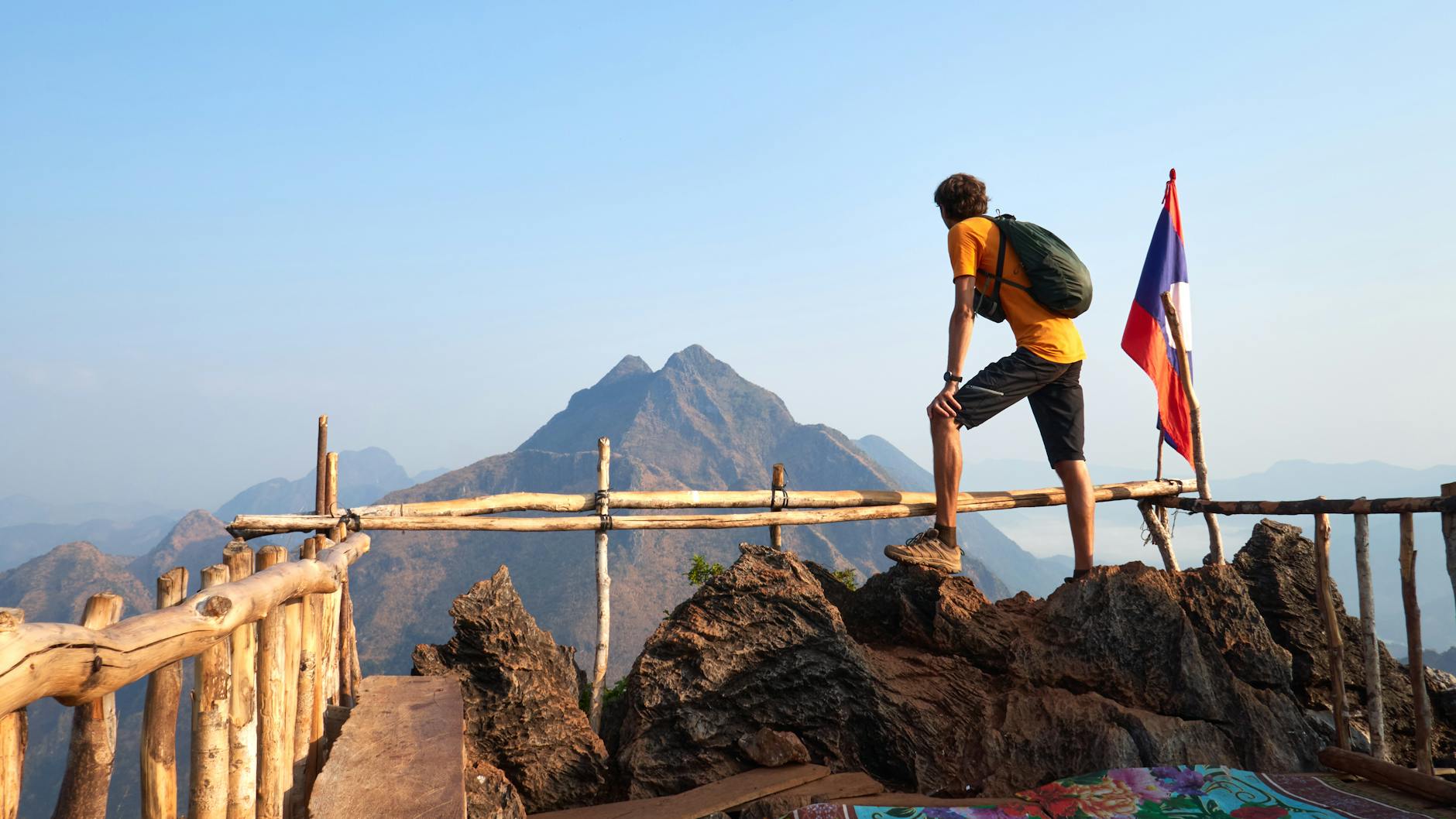
Limestone karst mountains rise dramatically on either side of the Nam Ou River in this sleepy town. The view from the Phadeng Peak viewpoint provides a stunning panorama of the river winding through the valley. Visitors explore nearby caves that served as shelters during historical conflicts. Life moves at a slow pace here and encourages long afternoons spent watching the water flow.
Jirisan National Park, South Korea
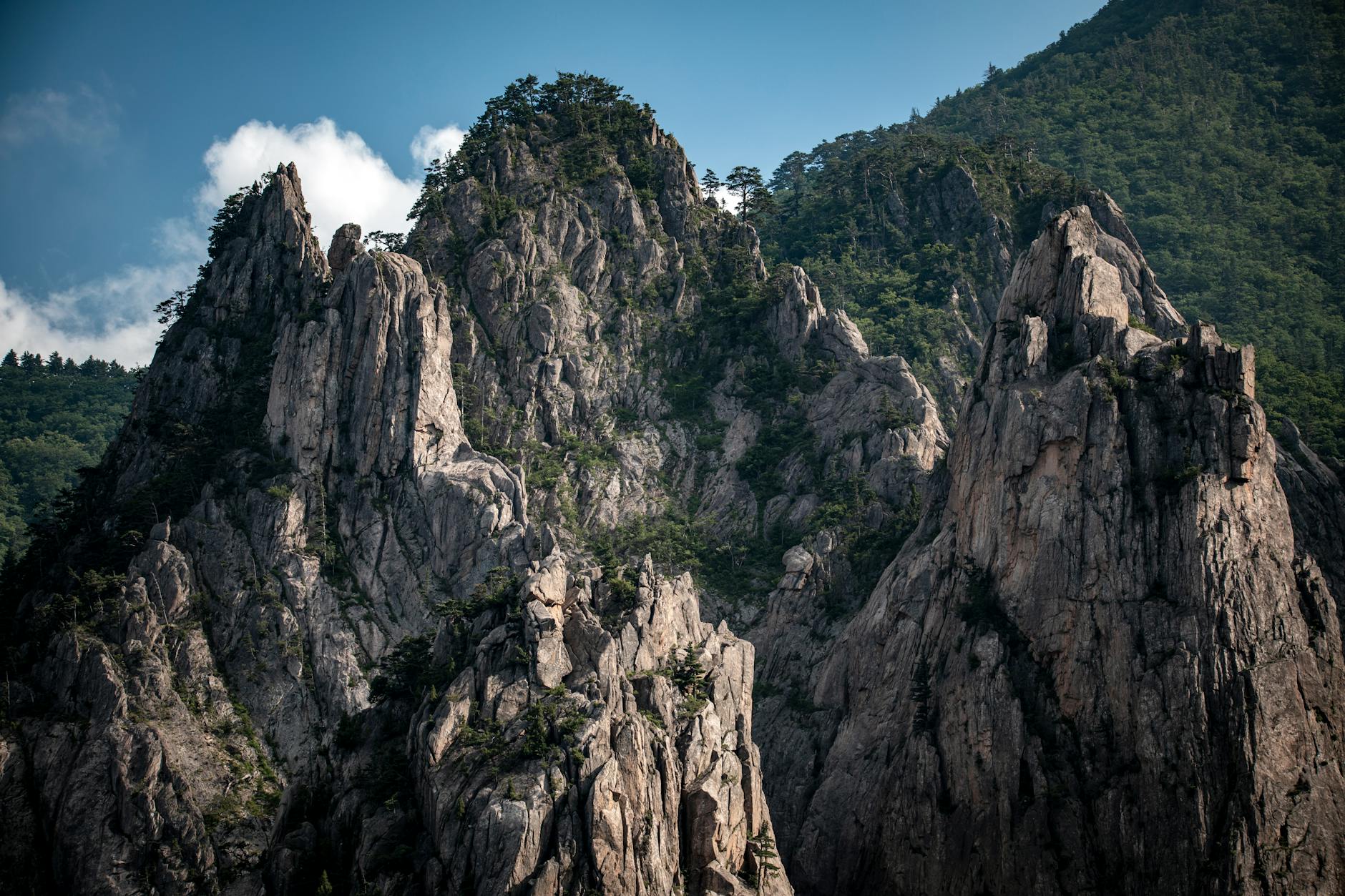
This massive park spans three provinces and hosts one of the most revered mountains in the country. Hikers can traverse long ridges that offer spectacular views of the sea of clouds below. The park is home to Asiatic black bears and diverse plant species that change vividly with the seasons. Ancient Buddhist temples are tucked away in the deep valleys and offer temple stay programs.
Orchid Island, Taiwan

This volcanic island is home to the Tao indigenous people who are known for their unique underground houses. The flying fish season is a central part of the local culture and dictates many annual festivals. Rugged coastal rock formations create dramatic scenery against the deep blue Pacific Ocean. The isolation helps preserve distinct traditions that differ significantly from mainland Taiwan.
Shaxi Ancient Town, China

This town was once a crucial market stop on the ancient Tea Horse Road. The architecture remains remarkably well-preserved with cobblestone streets and traditional courtyard homes. Friday market days bring villagers from the surrounding mountains to trade goods and produce. It offers a glimpse into rural China before the era of rapid modernization.
Haputale, Sri Lanka

Mist often clings to the tea plantations that blanket the ridges of this hill country town. The views stretch all the way to the southern coast on clear days. British colonial influence is visible in the architecture of the bungalows and the old railway station. Walking through the tea estates offers a quiet alternative to the busier town of Ella nearby.
Majuli, India

The world’s largest river island sits in the Brahmaputra River and shrinks slightly every year due to erosion. It is the center of a unique neo-Vaishnavite culture known for its monastery-like satras. Mask-making is a traditional art form here that is used in religious plays and festivals. The ferry ride to the island disconnects travelers from the chaos of the mainland.
Hunza Valley, Pakistan

towering peaks of the Karakoram range surround this fertile valley known for the longevity of its residents. Apricot and cherry blossom trees paint the landscape in pinks and whites during the spring. The ancient Baltit Fort watches over the valley and tells stories of the local royal history. Hospitality is a cornerstone of the local culture and visitors are often invited for tea.
Karakol, Kyrgyzstan

This town serves as the gateway to some of the best trekking routes in the Tian Shan mountains. The architecture is a unique mix of wooden Russian cottages and Dungan mosques. A bustling animal market takes place on Sundays and attracts traders from across the region. Food lovers travel here specifically to try the local specialty dish called ashlan-fu.
Pamir Highway, Tajikistan

One of the world’s highest international roads traverses high-altitude plateaus and barren moonscapes. The journey takes travelers past remote yurts and crystal-clear alpine lakes. Views of the Hindu Kush mountains in Afghanistan are visible just across the river for much of the drive. The sparse population and vast distances create a profound sense of isolation and adventure.
Khiva, Uzbekistan

The inner walled city of Itchan Kala is an open-air museum of turquoise tiled minarets and madrasas. While major cities like Samarkand attract crowds this desert oasis feels more intimate. Walking the ramparts at sunset turns the mud-brick walls into glowing gold structures. Artisans continue to produce wood carvings and textiles using traditional methods in small workshops.
Kei Islands, Indonesia

These islands boast some of the finest white sand beaches in the entire archipelago. The softness of the sand is often compared to flour and the water is incredibly clear. Tourism infrastructure is minimal and ensures that beaches remain empty for most of the day. It is a destination for those who are content with simple accommodations and natural splendor.
Koh Kood, Thailand

This island remains one of the least developed large islands in Thai waters. Coconut palms lean over deserted beaches and waterfalls hide within the jungle interior. Luxury resorts exist but are hidden away to maintain the island’s sleepy atmosphere. Fishermen villages built on stilts offer fresh seafood and a look into the local maritime lifestyle.
Nan Province, Thailand

Rural tranquility defines this northern province that shares a border with Laos. Several national parks offer hiking opportunities through diverse forest ecosystems. The local art scene is vibrant and is best represented by the famous murals at Wat Phumin. Driving the winding mountain roads provides endless scenic overlooks without the traffic found elsewhere.
Camiguin, Philippines

Volcanoes dominate the landscape of this pear-shaped island and outnumber the towns. Hot springs and cold springs provide natural relaxation spots fed by volcanic activity. The sunken cemetery is a unique snorkeling site marked by a large cross rising from the sea. The island produces a sweet fruit called lanzones which is celebrated with an annual festival.
Siquijor, Philippines

Folklore and mysticism surround this island which is known for its traditional healers. The coastline features white sand beaches and sanctuaries teeming with marine life. Cambugahay Falls offers a series of turquoise pools surrounded by lush vegetation. Exploring the island by motorbike reveals quiet coastal roads and century-old churches.
Sumbawa, Indonesia

Surfers flock to this island for its world-class waves but the interior remains largely unexplored by others. The landscape ranges from dry savannas to lush tropical forests near the mountains. Traditional buffalo racing is a popular cultural event that draws large local crowds. The island offers a raw and rugged experience compared to its neighbor Lombok.
Kratie, Cambodia

This river town is the best place to spot the rare Irrawaddy dolphins in the Mekong River. Colonial architecture lines the riverfront and provides a scenic backdrop for sunset walks. A nearby island called Koh Trong offers a car-free environment perfect for cycling through pomelo orchards. Life revolves around the river and the pace is dictated by the flow of the water.
Plain of Jars, Laos

Thousands of giant stone jars are scattered across the Xieng Khouang plateau. The origin and purpose of these megalithic vessels remain a subject of archaeological debate. The site is shrouded in mystery and offers a hauntingly beautiful landscape. Recent clearance of unexploded ordnance has made more jar sites safe and accessible for visitors.
Gokarna, India
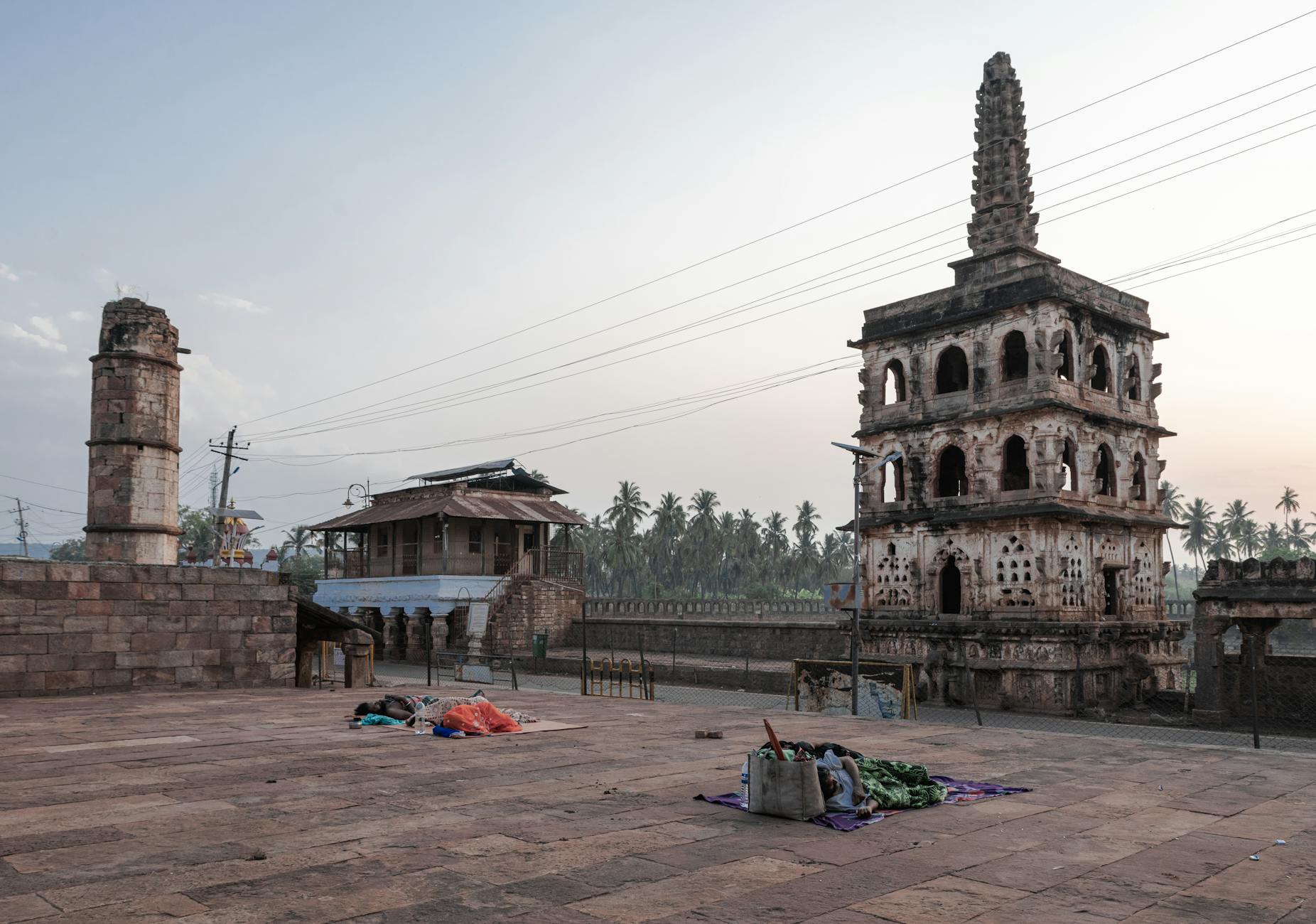
This temple town is a significant pilgrimage site that also happens to have pristine beaches. The coastline is separated by rocky cliffs that require hiking to move from one beach to another. It maintains a spiritual atmosphere that prevents it from becoming a typical party destination. Accommodations are often simple huts that blend into the palm groves.
Ziro Valley, India
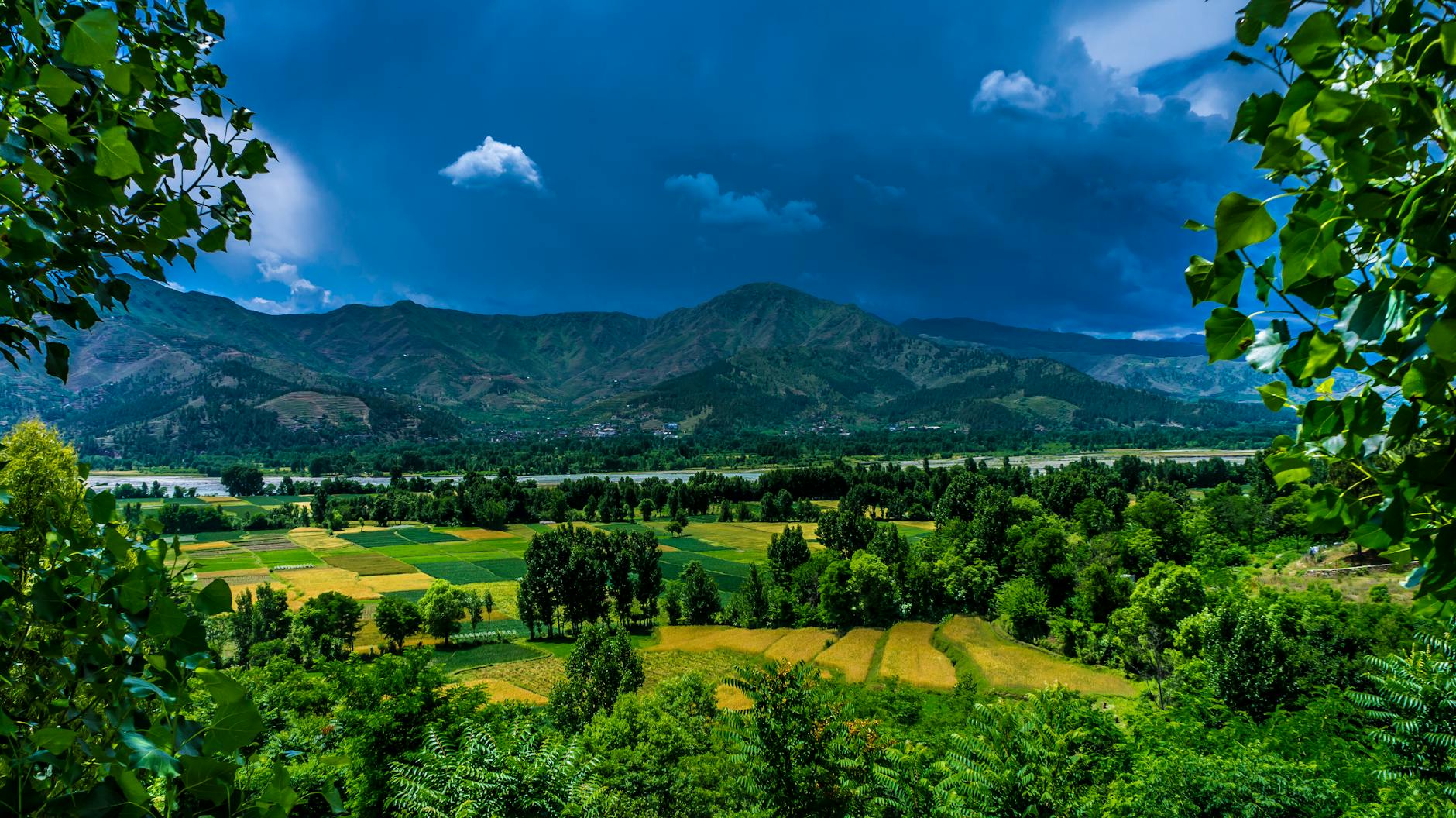
Pine-clad hills and bamboo forests surround this valley in the state of Arunachal Pradesh. The Apatani tribe inhabits the region and is known for their sustainable agricultural practices. Rice fish culture is unique here where fish are reared in the flooded paddy fields. The annual music festival puts it on the map but it remains quiet for the rest of the year.
Tawang, India

A massive Buddhist monastery dominates the skyline of this high-altitude town. It sits near the border with Bhutan and Tibet and offers breathtaking mountain scenery. The journey to reach the town involves crossing the snow-covered Sela Pass. The local culture is deeply rooted in Buddhism and prayer flags flutter across the landscape.
Sylhet, Bangladesh

Tea gardens stretch as far as the eye can see in this lush region. The Ratargul Swamp Forest offers a unique boat ride through submerged trees during the monsoon season. Crystal clear rivers flow from the nearby Indian hills and wash over stone beds. It is a region of immense greenery and water that feels entirely disconnected from urban life.
Gangtey Valley, Bhutan

This wide glacial valley is a winter home for the endangered black-necked cranes. The Gangtey Monastery sits on a ridge overlooking the valley floor and offers panoramic views. Strict conservation laws ensure that modern development does not encroach on the natural habitat. Hiking trails wind through pine forests and pass through traditional Bhutanese villages.
Haa Valley, Bhutan

This valley was only opened to tourism recently and remains one of the least visited areas in the kingdom. It offers pristine alpine forests and a glimpse into the traditional rural lifestyle of Bhutan. Several temples differ in style from others in the country and represent distinct local legends. The valley is ideal for mountain biking and hiking without encountering other tourists.
Indawgyi Lake, Myanmar

This is the largest lake in the country and is a designated UNESCO Biosphere Reserve. A golden pagoda floats on the water and attracts pilgrims during annual festivals. The surrounding wetlands are a haven for migratory birds and nature enthusiasts. Kayaking on the glass-like water offers a silent way to observe the local fishermen at work.
Royal Belum State Park, Malaysia

This rainforest is one of the oldest in the world and dates back over one hundred million years. It is home to endangered species such as the Malayan tiger and Asian elephant. Houseboats on the lake provide a unique way to explore the deep jungle interior. The rafflesia flower blooms here and creates a rare spectacle for lucky visitors.
Pulau Kapas, Malaysia

Minimal development defines this small island located off the east coast of the peninsula. Snorkeling is possible directly from the beach with healthy coral reefs just meters from the shore. There are no roads or cars and walking is the only way to get around. It attracts those looking for a simple beach existence with few distractions.
Matsu Islands, Taiwan

This archipelago is located closer to mainland China than Taiwan and has a strong military history. Abandoned tunnels and forts have been converted into tourist attractions and art spaces. The “Blue Tears” phenomenon causes the ocean to glow with bioluminescence during certain months. The architecture resembles that of the Fujian province with stone houses built into the hillsides.
Iya Valley, Japan

Deep gorges and steep mountainsides characterize this remote valley in Shikoku. Vine bridges that were once the only way to cross the river still hang precariously over the water. Thatched-roof farmhouses known as kominka offer a rustic and authentic accommodation experience. The isolation historically made it a hideout for defeated clans and preserves a sense of mystery.
Sado Island, Japan
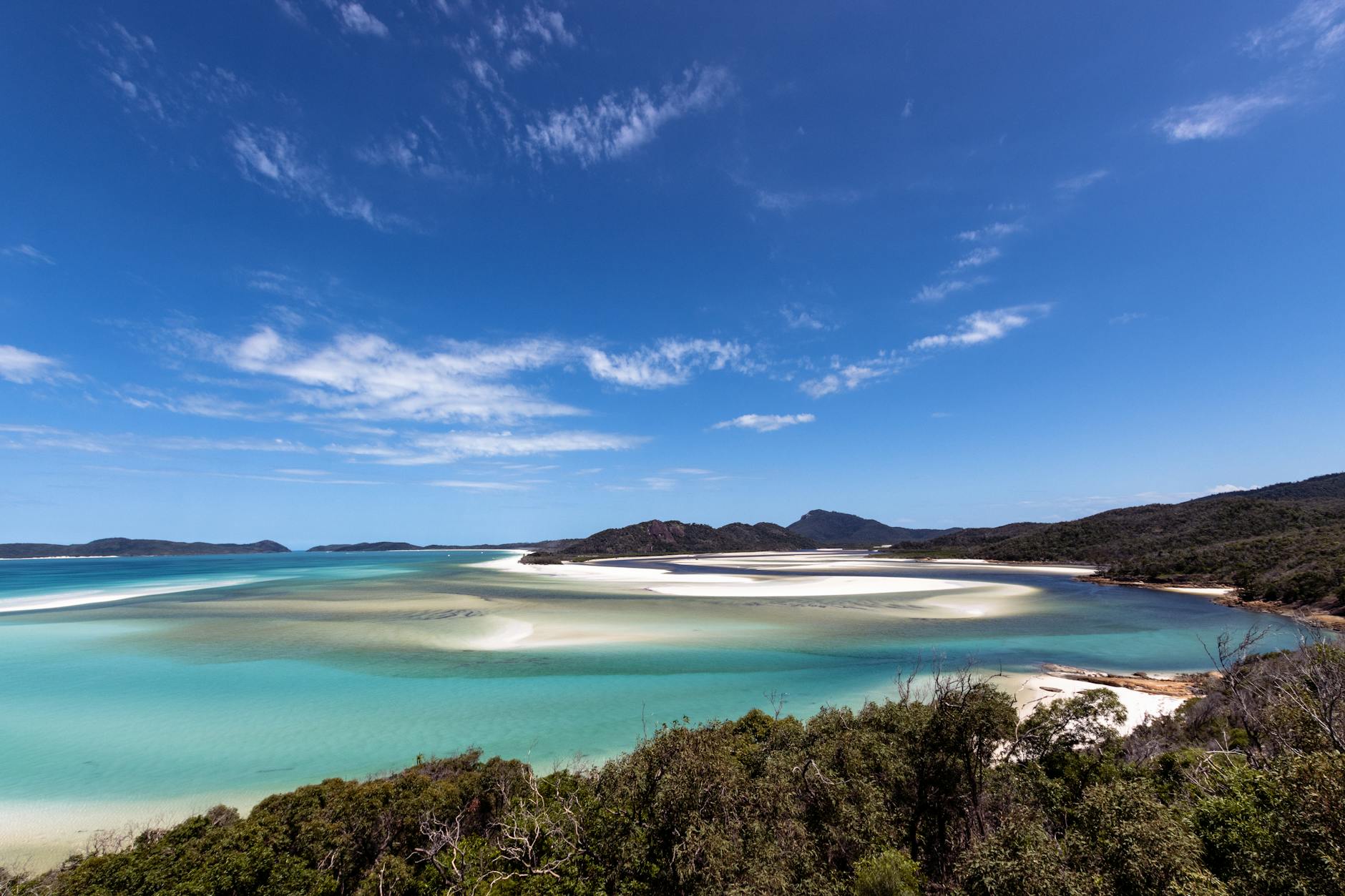
This island was historically a place of exile for intellectuals and political figures. It is now famous for its Earth Celebration which features the world-renowned Kodo drummers. Gold mines from the Edo period are open for exploration and offer a history lesson. The rugged coastline and rice paddies offer excellent cycling routes with minimal traffic.
Xiahe, China

The Labrang Monastery creates a Tibetan cultural enclave outside of the Tibet Autonomous Region. Monks in crimson robes dominate the streets and the sound of prayer wheels fills the air. The surrounding grasslands offer opportunities to stay in yurts and ride horses. It provides an accessible way to experience Tibetan culture without special permits.
Turpan, China

This oasis city is located in a depression that makes it one of the hottest places in China. Ancient irrigation systems known as karez bring water from the mountains to nourish the vineyards. The ruins of the ancient city of Jiaohe sit atop a plateau and look like a sandcastle. Grape trellises shade the streets and provide relief from the intense desert sun.
Bayan-Olgii, Mongolia

The Altai Mountains form the backdrop for this western province where eagle hunting is a living tradition. Kazakh culture dominates the region and offers a distinct experience from the rest of Mongolia. Festivals in the fall showcase the skill of the hunters and their golden eagles. The rugged terrain is ideal for adventurous trekking and off-road expeditions.
Khorgo-Terkhiin Tsagaan Nuur, Mongolia

An extinct volcano crater offers panoramic views of the surrounding lava fields and the White Lake. Nomadic families set up gers along the lakeshore during the summer months. Visitors can hike to the rim of the volcano and descend into the crater floor. The area is rich in geology and offers a starkly beautiful camping environment.
Banda Islands, Indonesia

These remote islands were once the world’s only source of nutmeg and were fiercely contested by colonial powers. Colonial forts and mansions still stand as crumbling reminders of the spice trade era. The underwater drop-offs offer some of the most spectacular diving in the world with massive pelagic fish. Getting here requires patience but the history and marine life are unmatched.
Batanes, Philippines

Rolling hills and stone houses give this northernmost province a landscape that resembles Scotland more than the tropics. The Ivatans built their homes to withstand typhoons and created a unique architectural style. Lighthouses stand guard over cliffs that drop sharply into the turbulent sea. The pace of life is incredibly slow and honesty is a highly valued cultural trait.
Bolaven Plateau, Laos

Cooler temperatures and fertile soil make this region the center of coffee production in the country. Waterfalls plunge over the edge of the plateau and create impressive spectacles like the Tad Fane twin falls. Visitors can tour coffee plantations and learn about the roasting process from local farmers. The loop road offers a fantastic multi-day motorbike journey through diverse landscapes.
Preah Vihear, Cambodia

This ancient temple sits on top of a cliff in the Dângrêk Mountains on the border with Thailand. The architecture is spectacular and the location offers sweeping views of the Cambodian plains. It sees far fewer tourists than Angkor Wat due to its distance from major cities. The climb to the top is steep but rewards visitors with solitude and grandeur.
Pu Luong, Vietnam

Limestone ridges surround a valley filled with terraced rice fields and ethnic minority villages. Water wheels made of bamboo scoop water from the streams to irrigate the crops. Staying in a traditional stilt house allows for immersion in the local culture and daily rhythm. It offers the beauty of Sapa without the overwhelming commercialization and crowds.
Trang, Thailand

This province features a long coastline and islands that remain quiet compared to nearby Krabi. The Emerald Cave is a highlight where visitors must swim through a dark tunnel to reach a hidden lagoon. The food culture is unique here with a strong tradition of dim sum for breakfast. It serves as a peaceful gateway to the southern Andaman Sea islands.
Tell us which of these hidden corners of Asia you plan to visit first in the comments.