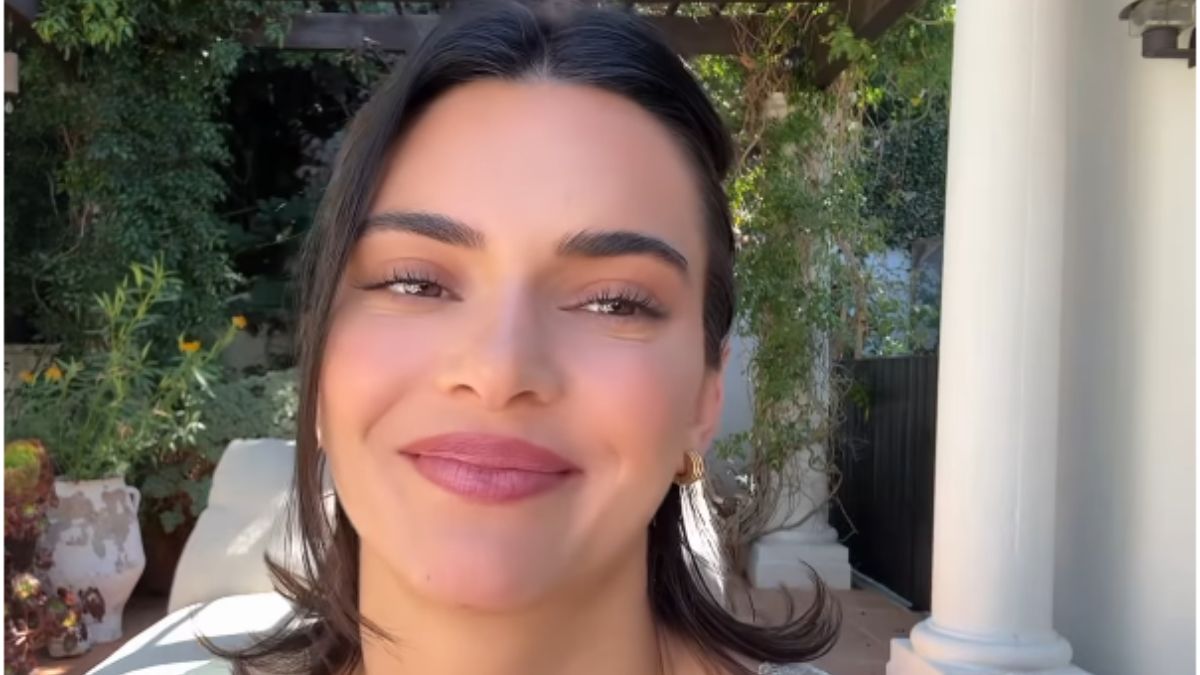
The book-loving corner of TikTok known as BookTok has found itself at the center of a heated debate once again, this time after a creator launched a pointed critique of the platform’s most popular reading recommendations. TikToker Maddie Clark posted a video that quickly went viral, racking up 3.7 million views, in which she declared that she simply does not trust the books being pushed by the BookTok community. The response from viewers was swift, passionate, and deeply divided.
In the video, Clark did not hold back when comparing BookTok favorites to amateur writing she consumed as a teenager. “They’re saying, ‘This is five stars, one of the best books I’ve ever read,’ and at 12 years old I was reading One Direction fan fiction on Wattpad written by someone for whom English wasn’t their first language, and it was better written than half the books being pushed on BookTok,” she said. Her comparison struck a nerve with millions of viewers who either enthusiastically agreed or felt personally attacked by the assessment. The clip spread rapidly across social media platforms beyond TikTok itself.
Clark went even further in her critique, targeting not just the books but the readers promoting them. “I’m going to be rude and say some of you need to go back to high school English class, because the lack of reading comprehension I’m seeing is frightening,” she stated bluntly. She specifically called out the popular fantasy romance series ‘Gild’, which some BookTok users had hailed as a literary masterpiece. According to Clark, the community tends to dismiss authors who use what she described as “real literary techniques and nuance” by labeling their work as “too confusing and convoluted.”
@maddie_m_clark English teachers you are the heroes of our society please help the kids #booktok #reading #literature #kindleunlimited #bookrecommendations ♬ original sound – maddie clark
Her conclusion summed up the entire argument in a few sharp sentences. “Critical thinking, sweetie. Learn to use it. I, like any other girl, love a good fun romance. Romance is one of my favorite genres, but that doesn’t mean it can be poorly written. And I’ll just say it — not everyone should have a published book,” she remarked. The comment section flooded almost immediately, with one user writing “This woman is speaking the pure truth,” while others chimed in with “Thank you!” and “Someone had to say it!” Not everyone was on her side, though. Some pushed back with comments like “Write your own book and see how people react before attacking someone else’s” and “Let people read what they want without being put down.”
Clark later addressed the backlash by comparing the BookTok literary ecosystem to fast fashion. “To those in the comments saying ‘Just let people enjoy things,’ you’ve missed the entire point of the video,” she explained in a follow-up post. She clarified that her problem was not with readers enjoying lighthearted books for pure entertainment, openly admitting she had read plenty of romantic fantasy titles from Kindle Unlimited herself. Her real concern was something deeper. “Does that mean they’re well written? No. The problem is that many of these authors are copying each other, simplifying their writing style, and just checking boxes on a list of popular tropes to appeal to the masses on BookTok,” she said. She concluded that too many people judge a book’s quality based solely on what others say about it, and that this reflects a broader absence of critical thinking skills.
BookTok is a subculture that emerged on TikTok around 2020 and grew explosively during the pandemic, when people turned to reading in record numbers. The community has been widely credited with reviving interest in reading among younger generations and driving massive sales spikes for both new releases and older titles. Publishers and authors actively court BookTok influencers because a single viral video can send a book to the top of bestseller lists almost overnight. The platform tends to favor specific genres heavily, particularly romantasy (a blend of romance and fantasy), dark romance, and young adult fiction, which has led some literary critics to argue that commercial viability and emotional appeal have become more valued than actual craft. Wattpad, the fan fiction platform Clark referenced, launched in 2006 and became one of the most significant online writing communities in the world, with hundreds of millions of stories uploaded by amateur writers across nearly every genre imaginable.
Share your thoughts on whether BookTok is helping or hurting literary standards in the comments.